
Hertfordshire
Royal Masonic School for Girls
low confidence· 2/6 cats · 3 avg sourcesFounded in 1788 as a Masonic charity for daughters of struggling freemasons, now a 300-acre Hertfordshire parkland campus
Type
Both
Ages
2–18
Curriculum
British
Qualifications
A-Level · GCSE
Ratio
—
The Verdict
Editor's commitment
Right for
Girls aged 4–18 who want a single-campus British education with day and boarding options on a 300-acre Rickmansworth site.
Wrong for
Families wanting co-education, a faith-led school or a non-British curriculum; Royal Masonic is girls-only, non-religious and British.
Watch out for
Founded in 1788 for daughters of poor Freemasons, it opened beyond Masonic families only in 1978; that legacy still defines the brand.
Ranking breakdown
Royal Masonic School for Girls · #804 of 1591
Composite score 63.8. 8 weighted criteria.
By criterion
Academic Outcomes
Weight 20%
#959
of 1533 scored
University Placement
Weight 16%
#965
of 1529 scored
Prestige & Heritage
Weight 12%
#853
of 1580 scored
Alumni Network
Weight 12%
#527
of 1530 scored
Facilities
Weight 12%
#923
of 1540 scored
Transparency & Communications
Weight 8%
#897
of 1547 scored
Peer & Industry Review
Weight 10%
#1111
of 1564 scored
Admissions Selectivity & Demand
Weight 8%
#887
of 1529 scored
Peer & Industry Review
How Royal Masonic School for Girls is regarded in the sector
64
Respected · medium confidence
Among Hertfordshire and London-fringe independents, Royal Masonic is regarded as a solid, well-resourced boarding option rather than a first-rank academic competitor to schools such as Berkhamsted, St Albans High or North London Collegiate. Good Schools Guide and WhichSchoolAdvisor commentary typically praises its grounds, boarding pastoral care and value for money while noting exam results sit below the sector's academic leaders. University destinations lean towards a broad Russell Group spread with occasional Oxbridge offers rather than a reliable Oxbridge pipeline, reflecting its non-hothouse positioning. National newspaper league tables place it mid-table for the region rather than among the headline performers. Independent education press coverage tends to focus on its distinctive Masonic charitable heritage and boarding model rather than academic superlatives, and it has limited visible presence at elite heads' conferences compared with the county's most selective girls' schools.
Editors' overview
Royal Masonic School for Girls occupies a distinctive niche in the British girls’ school market: a full 4–18 day-and-boarding school on a 300-acre Hertfordshire campus, with a founding date of 1788 and a history that still gives it shape. This was not built as a finishing school for the well-connected. It began as a Masonic charity for daughters of struggling freemasons, and that origin still lends the school a stronger sense of duty and institutional memory than many prettier, more interchangeable independents. For parents, the attraction is clear: real continuity, a serious sense of heritage, and the scale to offer a broad school life without the sprawl and anonymity of the largest brands.
What sets RMS apart is that combination of old foundation, boarding provision and substantial grounds, all within reach of London. In a crowded sector of polished girls’ schools, that matters. A campus of this size changes the rhythm of school life: more room, more independence, more sport, more air. The school’s day-and-boarding structure also gives it a different social texture from a pure day school. Boarders and day girls tend to create a longer school day and a more rooted community, which suits families who want more than a 9-to-4 academic transaction. RMS also benefits from being non-religious, which broadens its appeal for international and UK families who want tradition without confessional framing. Its accreditations — ISI and GSA — place it firmly inside the established British independent sector.
Why shortlist it? Because RMS offers substance over flash. The school has a clear story, a tangible physical setting and a format that still feels practical for modern families. It does not trade on novelty. It trades on permanence, boarding know-how and a campus that gives girls space to grow up with more freedom than an urban school can offer. That will appeal to parents who want a grounded upbringing, room to breathe and a school with enough scale to sustain ambition across the age range from 4–18. It also suits families who value a girls-only environment but do not want one wrapped in piety or social theatre.
The girl who will want RMS is not searching for an aggressively glossy hothouse. She wants a proper school with tradition, routine and breadth. She is comfortable in an all-girls setting, benefits from structure, and wants access to a large campus rather than a constrained city site. Boarders who want community, continuity and a stable weekly rhythm will find a good fit here; day pupils who want the depth of a boarding school culture without boarding full-time will also understand the appeal. For the right family, RMS offers quiet confidence instead of noise — and that is a stronger market position than many schools manage.
Academic Performance
RMS does not publish enough hard attainment data to make a clean, high-confidence comparison with the most academically transparent girls’ independents. We have not seen a full public breakdown of recent GCSE and A-level outcomes, nor a consistent run of headline figures that would let parents judge trend, subject strength or the proportion of top grades against direct competitors. That matters. In a market where stronger schools put examination performance front and centre, this level of opacity is a real weakness. It does not mean results are poor; it means parents must ask harder questions than they should need to ask.
That places the school in a middle ground editorially: not a clear member of the results-first elite, but not disqualified either. The broad age range and established boarding culture point to a school built around the whole experience rather than a single-minded exam factory. For some families, that balance is the attraction. For academically ambitious parents, the burden of proof sits with the school. Ask for the last 3 years of GCSE and A-level grade profiles, value-added data, university destinations by course and institution, and subject-level outcomes in maths, sciences and English. If RMS can produce sharp, consistent numbers, it strengthens its case quickly. If it cannot, then it sits behind more forensically open rivals in the girls’ school sector.
Facilities
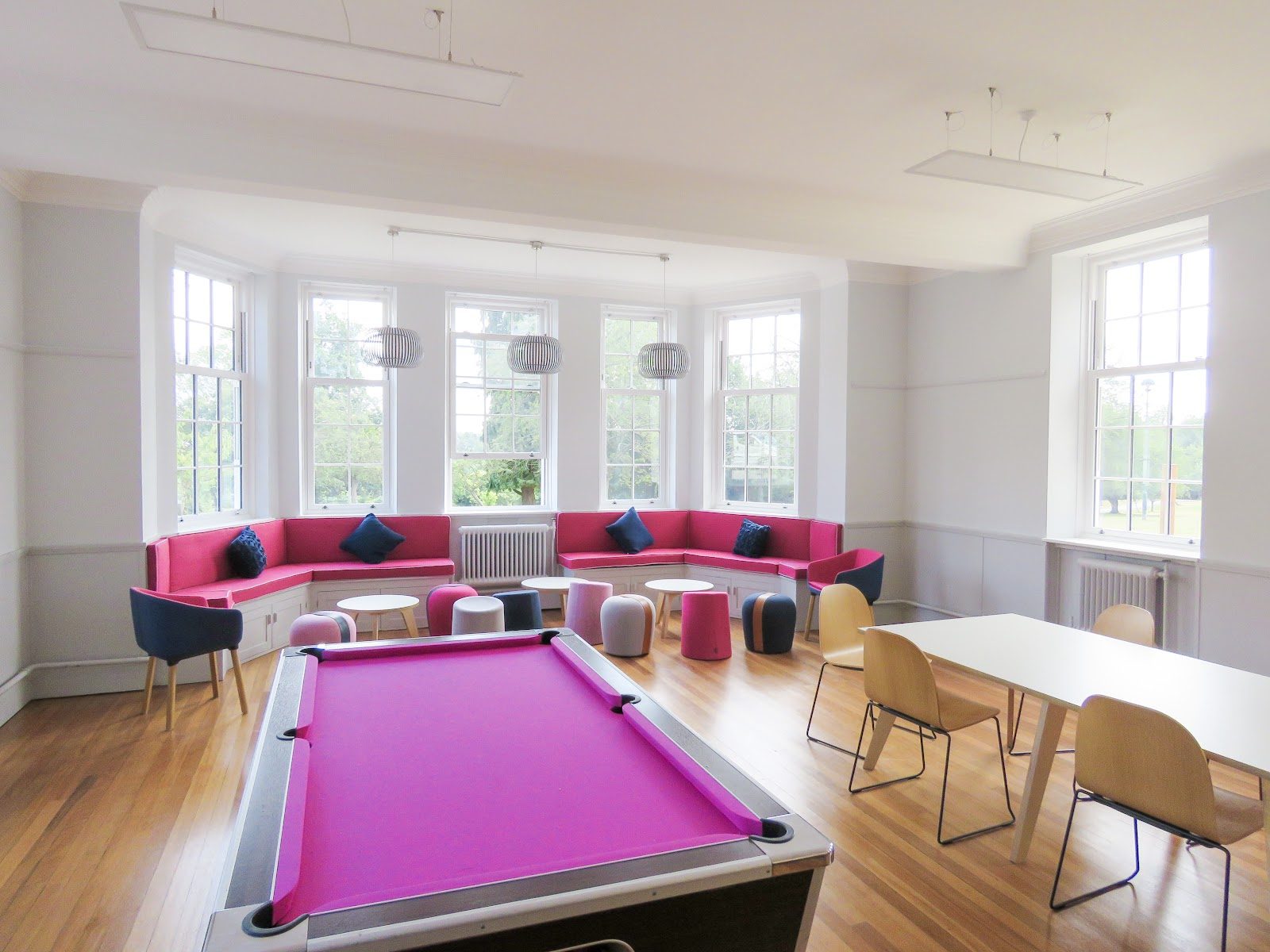
The headline facility here is the estate itself. In a girls’ school market crowded with compact suburban sites and polished urban campuses, RMS has real physical breadth. That changes what the school can offer day to day: more outdoor sport, more room for older pupils to move with independence, and a less compressed rhythm than schools built on tighter footprints. For boarders, that matters even more; a boarding school needs space that works beyond lesson time, not just a smart front lawn and a sports hall. On that measure, RMS holds an advantage over many peer schools. A 300-acre campus is not a decorative extra. It is a serious operational asset.
The strength, then, is not a single signature building but the cumulative value of land, scale and boarding infrastructure. That gives RMS a more expansive school life than many girls’ independents within reach of London, especially those whose facilities are constrained by city locations or split across multiple sites. The trade-off is that the school does not publish enough detail about specialist facilities to let parents benchmark laboratories, performing arts spaces or high-performance sports provision with confidence against the best-resourced competitors. That absence matters. Top peers now specify exactly what they have and how pupils use it. RMS’s campus is genuinely distinctive; the sharper question is whether the specialist provision on it matches the strongest schools in the tier.
RMS’s campus is genuinely distinctive; the sharper question is whether the specialist provision on it matches the strongest schools in the tier
Prestige
RMS carries real establishment weight, but it does not sit at the summit of British independent-school prestige. The name has history, the all-girls format has currency, and the school’s charitable origin gives it more institutional character than many polished competitors. That matters in a sector where lineage still shapes perception. The Masonic link also gives the school a distinct identity: not universal in appeal, but memorable and socially legible. Add a parkland campus of 300 acres and a full through-school structure, and you get a school with solid social standing and a presence that reads as serious rather than fashionable.
The limit on prestige is academic visibility. The strongest girls’ schools convert reputation into hard public proof: top exam data, clear university destinations, and a level of selectivity that sharpens brand value. RMS does not do that in public with enough force. As a result, its prestige rests more on heritage, setting and continuity than on undisputed academic clout. That places it below the blue-chip names that dominate the most competitive London and south-east conversations, but above lesser-known independents with thinner histories or weaker identity. For families who value old-school credibility without the social frostiness of the grandest names, RMS has a persuasive case. For families buying prestige chiefly as an academic signal, it falls short of the top tier.
Top peers now specify exactly what they have and how pupils use it
Communications
RMS communicates with parents from a position of institutional seriousness rather than consumer theatre. That has strengths and limits. A school with pupils spanning 4–18 and a day-and-boarding structure needs disciplined, predictable communication: calendar changes, pastoral updates, logistics, academic reporting and weekend arrangements all need to land cleanly. The school’s public identity points to a settled, traditional culture, and that usually translates into communication that is orderly rather than flashy. For many families, that works well. They do not need gimmicks; they need clarity, speed and accountability. The risk is that schools of this type can slip into old-fashioned opacity: assuming parents will trust the institution without being shown enough detail, especially around academic performance, provision and strategic priorities.
That tension matters here. RMS gives a clear sense of who it is, which counts for a lot; muddled schools usually communicate badly because they are muddled internally. But clarity of identity is not the same as transparency of information. We have not seen strong public evidence of the forensic openness now expected by demanding parents, especially those comparing schools across the independent sector and from overseas. Effective parent communication today means more than polished tone and orderly notices. It means publishing the numbers parents actually use, explaining decisions plainly, and making it easy to understand how the school runs. On that measure, RMS looks competent but not exemplary: reassuring in tone, less strong on hard disclosure.
Uniqueness
What makes RMS distinct is not heritage on its own. Plenty of British schools have old foundations. RMS has a foundation story that still carries social meaning: it began as a charitable institution for girls whose families needed practical support, not as a prestige project for an elite set. That origin gives the school a different moral centre from many girls’ independents. It reads less as social display and more as an institution built around care, continuity and obligation. The Masonic link sharpens that identity further. Some families will find it oddly specific; others will value a school that does not dissolve into the same polished language and interchangeable promises as its competitors.
For pupils, that distinctiveness brings a culture with more institutional depth than branding. A through-school structure from 4 to 18 means girls grow up inside one coherent system rather than hopping between disconnected phases. The presence of both day pupils and boarders also changes the social character: school life extends beyond lessons, friendships have more time to settle, and the place carries more lived-in community than a pure day school. Add the scale of the estate, and students get a version of girls’ education that feels grounded rather than performative: more room, more routine, and a stronger sense that school is a shared environment rather than a daily service transaction.
For families buying prestige chiefly as an academic signal, it falls short of the top tier
Student Profile
The girl who fits RMS is comfortable with structure, routine and a school culture that asks for buy-in rather than detached attendance. This is not the right environment for a student who wants anonymity, constant reinvention or a highly urban social scene. It suits girls who like belonging to an institution with clear expectations and a settled social rhythm, and who benefit from adults knowing them over time. The all-girls setting will work best for pupils who thrive without mixed-sex classroom dynamics and who are happy in a community where participation carries weight. Families choosing RMS also need to want more than lessons and pick-up: the day-and-boarding model creates a more immersive school life, with stronger community ties and less of the transactional feel that marks some day schools.
Temperament matters here as much as ability. RMS will suit girls who are grounded, resilient and willing to join in across school life rather than treat school as a narrow academic conveyor belt. Boarders need a degree of independence and emotional steadiness; day pupils need to be comfortable entering a community shaped in part by boarding habits and longer school days. The through-school span from 4 to 18 also favours families who value continuity and are content with a school identity that stays consistent across phases. For the right student, that brings stability, loyalty and a strong sense of place. For a girl who wants a sharper, more competitive or more socially fluid environment, the fit is weaker.
For pupils, that distinctiveness brings a culture with more institutional depth than branding
Co-curricular strengths
Arts & sport, on a separate axis
Overall 8.22/10
Scored 0-10 from the school's own published evidence. This axis is editorial-only — it does not feed the main WTS ranking.
Sports
8.5/10
High-performance UK independent sports competitor, fielding highly competitive netball, swimming, and gymnastics squads across extensive grounds.
Drama
8.3/10
The school's theater complexes operate at an exceptionally high standard, cultivating creative and performance tech tracks.
Dance
7.5/10
Highly popular synchronization and ensemble choreography featured prominently in major annual school cultural showcases.
Music
8.5/10
Exceptional choral and instrumental setups supporting advanced jazz combos and traveling vocal ensembles.
Visual Arts
8.3/10
Technical fine arts focus housed within custom studio environments, prioritizing portfolio development and digital media.
Strengths
- +Boarding and day options across the full school journey
- +British curriculum taught in English
- +Non-religious girls' school in Hertfordshire
- +Elite sport and music, with outstanding drama and visual arts
Considerations
- −Girls-only; unsuitable for families wanting co-education
- −Rickmansworth location may limit day-to-day London access
- −Headline examination results are not set out in the material available here
Availability
Primary entry gate & tests
Written Exams + Interview
Gallery
Parent reviews
Have you sent your child here?
Voice reviews carry the strongest trust badge — we transcribe them for you to tidy up before they go live. Prefer to type? A written review is fine too.
Add your voice
In 60 seconds, tell other parents: what's the best thing about Royal Masonic School for Girls, and what surprised you when your child joined?
We ask for a Google sign-in so every review has a real face behind it — no anonymous drive-by attacks on schools, and no faked positive reviews. Your email is never shown publicly.
Send this profile to a friend
International parents rely on word-of-mouth. Share this review with someone weighing the same decision.
Schools with places
Similar schools to Royal Masonic School for Girls with places available now.
Haileybury
Hertford · United Kingdom
- 2026-27
- CLOSEDStandard route
- 2027-28
- PLACES OPEN16+ Active; 13+ Std Closed; 13+ Late enquire
Haberdashers' Boys' School
Elstree · United Kingdom
- 2026-27
- CLOSEDStandard route
- 2027-28
- PLACES OPENCloses Nov
Merchant Taylors' School
Northwood · United Kingdom
- 2026-27
- CLOSEDStandard route
- 2027-28
- PLACES OPEN11+/16+ Active (Closes Oct 31)
Availability first, then country, area, curriculum, price, co-curricular
Consider also
Also worth looking at alongside Royal Masonic School for Girls.
Stowe School
Stowe · United Kingdom
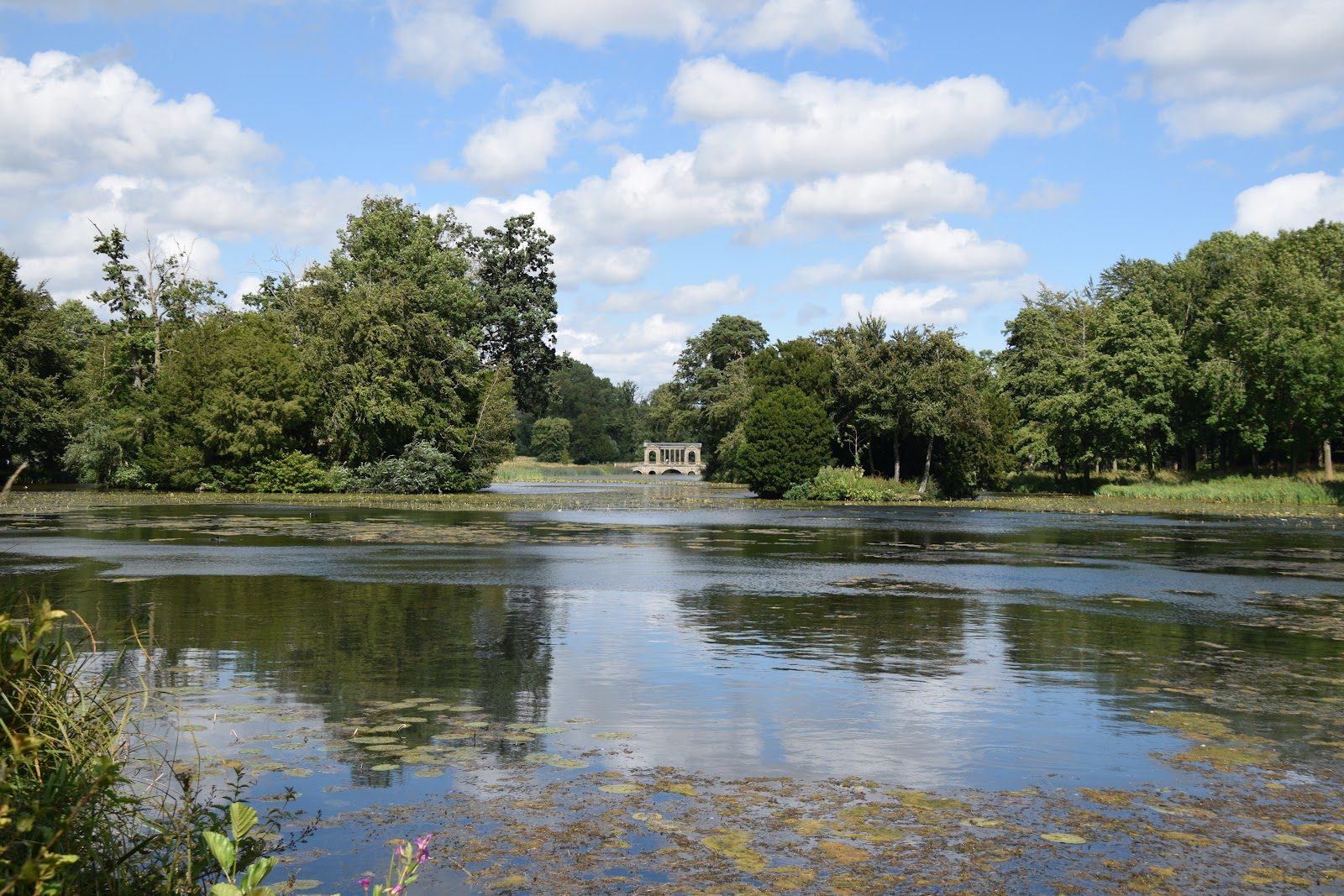
Boarders learn inside a Grade I neoclassical mansion set within an 18th-century landscape garden that shaped English garden design.
St Swithun's School
Winchester · United Kingdom
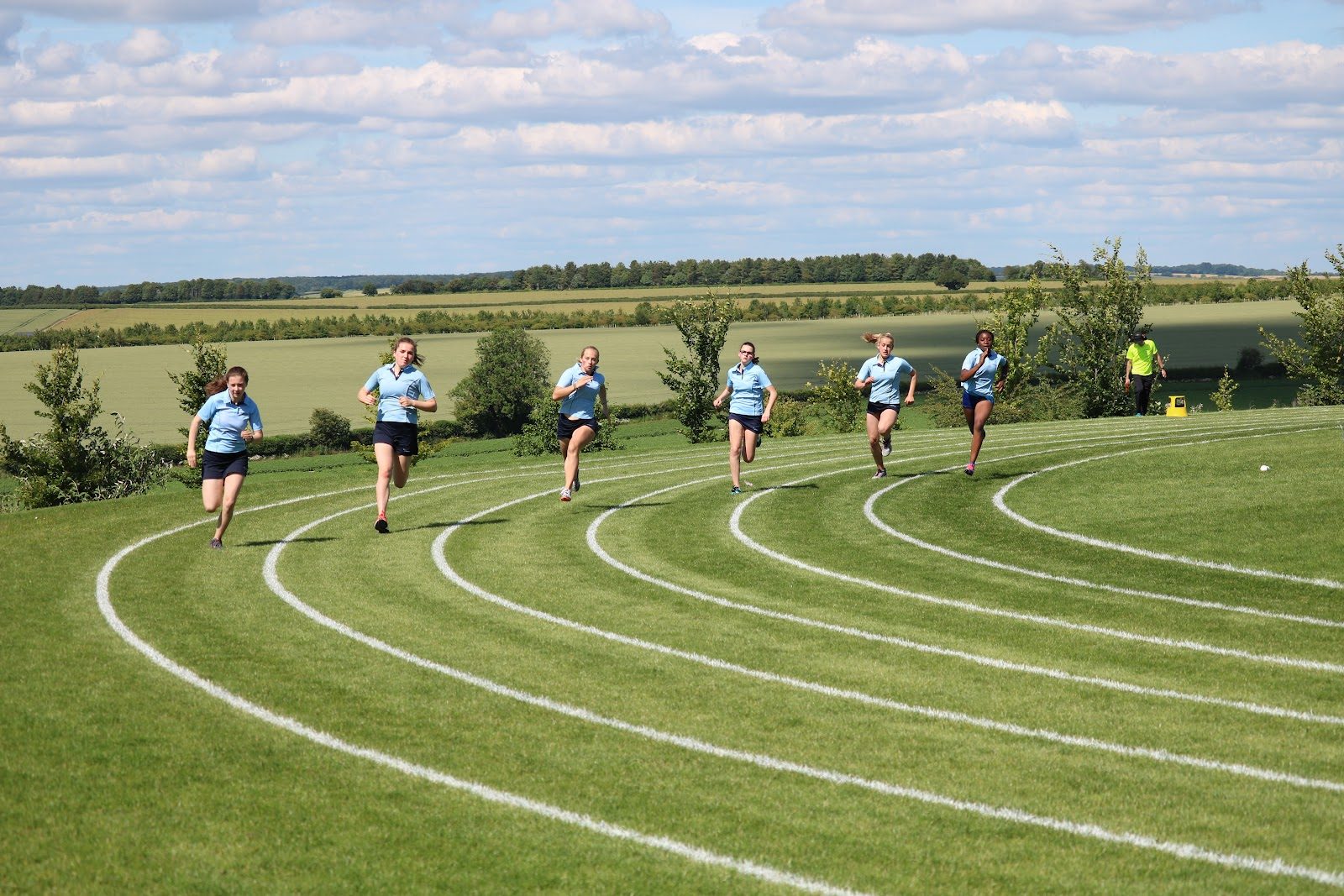
Perched above Winchester's chalk downs, this girls' school pairs cathedral choir tradition with a serious grounding in the sciences.
Benenden School
Cranbrook · United Kingdom
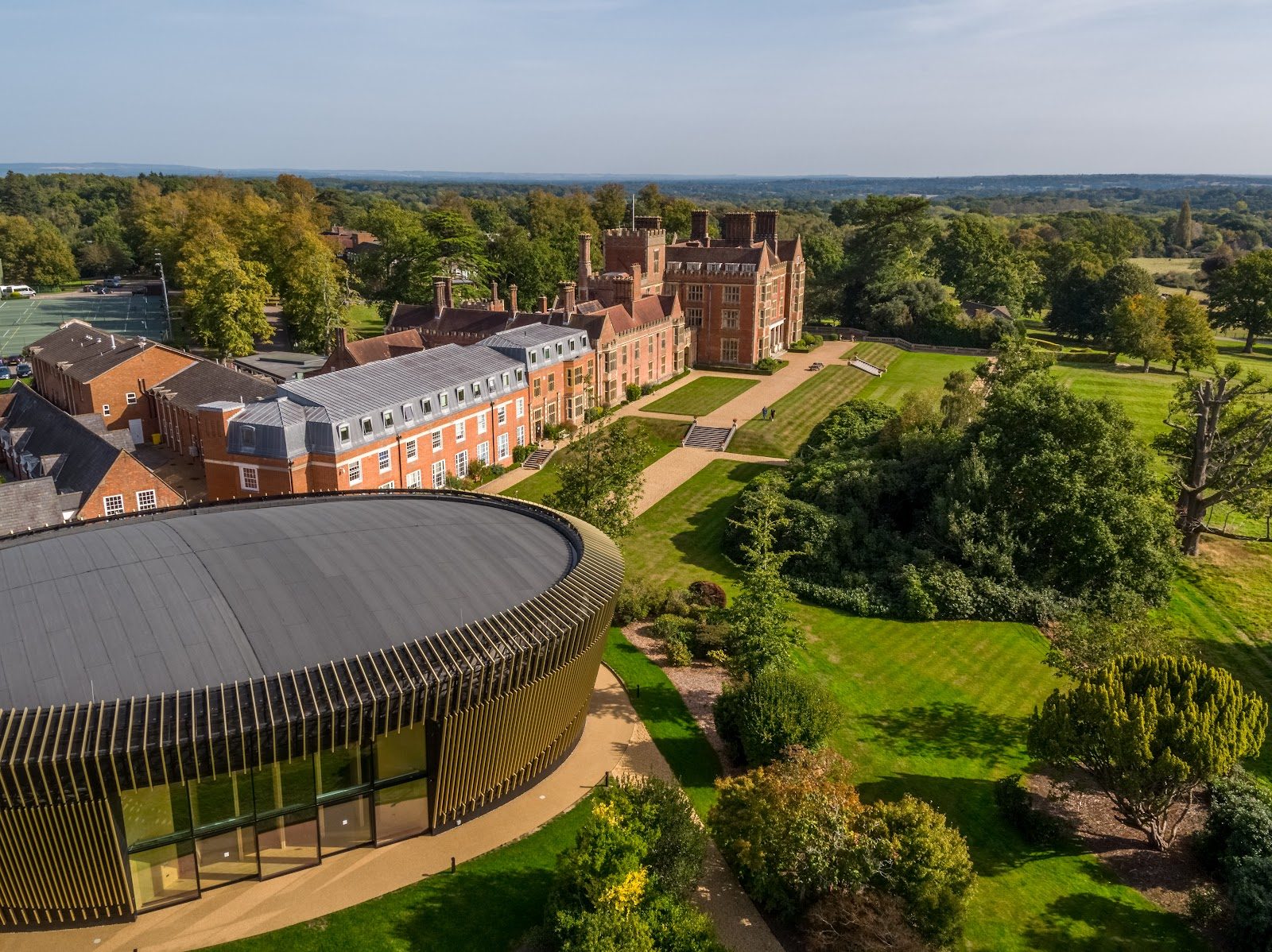
Amid 250 acres of Wealden parkland, the full-boarding spirit that inspired Malory Towers still runs through ten close-knit houses

Royal Grammar School, Guildford
Guildford · United Kingdom
A working chained library inside a Grade I Tudor schoolroom anchors a 1509 foundation's steady march toward Oxbridge offers.
Same country and curriculum — closest matches within ±10 points either way