
Dorset
Sherborne Girls
low confidence· 6/6 cats · 0 avg sourcesFull boarding anchors life in this Dorset abbey town, where seven historic houses and joint sixth-form classes with Sherborne Boys shape every girl's day.
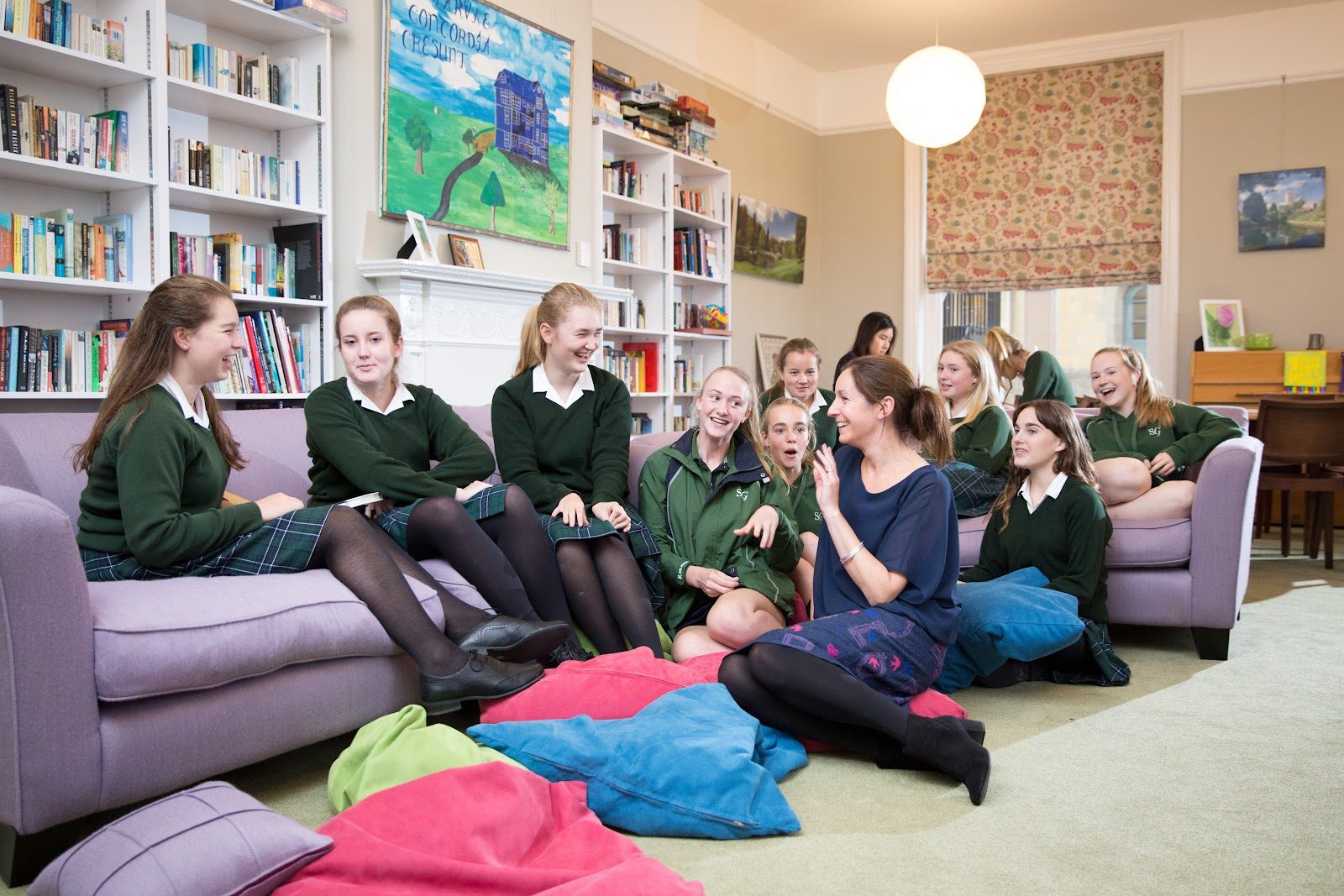
Photo © Sherborne Girls via Google Maps
Type
Both
Ages
13–18
Curriculum
British
Ratio
8:1
The Verdict
Editor's commitment
Right for
Girls aged 13–18 who want a full-boarding school: over 90% live in seven houses, so campus life drives everything.
Wrong for
Families wanting a big co-ed school or a day-school rhythm; Sherborne Girls had 485 pupils in 2019–20 and remains girls-only.
Watch out for
This is expensive even by UK standards: average annual fees run to £56,000 boarding or £36,000 day, with an ISI double excellent.
Ranking breakdown
Sherborne Girls · #402 of 1591
Composite score 70.6. 8 weighted criteria.
By criterion
Academic Outcomes
Weight 20%
#512
of 1529 scored
University Placement
Weight 16%
#516
of 1529 scored
Prestige & Heritage
Weight 12%
#377
of 1571 scored
Alumni Network
Weight 12%
#234
of 1530 scored
Facilities
Weight 12%
#489
of 1533 scored
Transparency & Communications
Weight 8%
#594
of 1532 scored
Peer & Industry Review
Weight 10%
#645
of 1548 scored
Admissions Selectivity & Demand
Weight 8%
#400
of 1529 scored
Peer & Industry Review
How Sherborne Girls is regarded in the sector
76
Strong · medium confidence
Sherborne Girls holds a well-established place among Britain's leading full-boarding girls' schools, with independent commentary reinforcing rather than merely echoing its own marketing. The Good Schools Guide, one of the sector's most trusted verdict-givers, calls it "A gem of a school, led by an inspiring, go-getting head," praising its academic standards and its distinctive co-educational partnership with the neighbouring boys' school. Its Independent Schools Inspectorate history includes a double "excellent" rating, and its boarding-heavy cohort underlines a genuine full-boarding identity rather than a day-school-with-boarders model. Best Schools' independent write-up reinforces this, judging it an excellent choice for ambitious boarders with pastoral care that is "second to none." Coverage on specialist sector-review sites such as WhichSchoolAdvisor is thin, with the platform yet to publish a dedicated Sherborne Girls verdict, meaning its footprint sits just below the very top tier of unanimous peer benchmarking.
Evidence sources
Editors' overview
Sherborne Girls is defined by boarding, not by a day-school timetable with dorms attached. More than 90 per cent of pupils live on campus in its seven boarding houses, and that fact shapes the place: girls spend their days in a full residential community in Sherborne rather than dispersing at 4pm. The school covers ages 13 to 18, teaches a British curriculum in English, and sits in a Dorset market town whose rhythms still suit an old-fashioned boarding model. The draw is clear. Parents looking for a serious boarding school with scale, structure and a settled sense of routine will find it here.
What distinguishes Sherborne Girls from many girls’ schools is that it combines a single-sex environment with joint sixth-form teaching with Sherborne Boys. That gives pupils a girls’ school through the main adolescent years, then a more mixed academic and social experience before university. For the right student, that is a sharp advantage: focused pastoral and academic life earlier on, then broader interaction later without a change of school. The school has 485 pupils in the most recently cited figure, which keeps it substantial enough to offer breadth without the anonymity of a giant campus. Its double “excellent” Independent Schools Inspectorate judgement adds a useful external marker of quality.
Fees place it firmly in the upper tier of British independent education: an average annual day fee of £35,850 and an average annual boarding fee of £56,055 across the full age range. That is expensive, and families should judge it against the intensity of the boarding offer. This is not the right choice for a girl who wants a loose, urban, day-led sixth form or a school with a casual relationship to house life. It suits girls who want a contained, high-commitment school community, who will use boarding as the centre of their week rather than an add-on, and who value the combination of a girls’ school identity with a shared sixth-form dimension next door. On a shortlist, Sherborne Girls earns its place through that specific formula, not through generic claims of prestige.
Academic Performance
Sherborne Girls does not publish the kind of granular public exam data that lets parents place it precisely against the strongest academic schools in the country. We have not seen aggregate A-level or GCSE tables, subject-by-subject breakdowns, university destination patterns, or multi-year trend lines in the public domain. That matters. At this fee level, opaque results reporting is a weakness, not a minor omission. The school’s inspection outcome gives reassurance on educational quality, but inspection grades do not replace hard attainment data. Parents comparing Sherborne Girls with the results-driven end of the girls’ boarding market will find thinner evidence here than they should.
That does not make it academically weak; it makes it harder to verify. The school sits in a part of the sector where serious teaching, strong sixth-form support and ambitious university preparation are expected as standard. The shared sixth-form teaching arrangement with the boys’ school broadens course access and academic company, which is a genuine structural advantage for older pupils. Even so, without published headline outcomes, Sherborne Girls cannot claim a clear public position among the top exam performers in British independent education. The academic case rests more on institutional reputation, inspection confidence and educational structure than on disclosed exam numbers.
Facilities
The defining facilities are the ones that support residential life at scale: seven houses, shared social spaces, and the infrastructure needed to keep pupils occupied, supervised and connected to school well beyond lessons. That matters more here than a flashy new building. At Sherborne Girls, the physical estate serves a full-immersion boarding culture, not a commuter timetable. In comparison with peer girls’ boarding schools, that gives the school a stronger sense of daily continuity than campuses where day pupils set the tone and boarding sits at the margins. Parents should still note what the school does not put into the public domain: there is no clear published case for standout specialist facilities in the way some rivals foreground major theatres, elite sports centres, design labs or sixth-form study hubs. The facilities story rests on residential depth and institutional setting more than on headline capital projects.
That places Sherborne Girls in a solid, but not facilities-led, position within its market. The town-and-school environment carries real value: pupils live in an educational enclave rather than on an isolated campus ringed by car parks, and that creates a contained, high-supervision atmosphere many boarding families want. The shared sixth-form arrangement with the boys’ school also expands access beyond a single-site girls’ provision, which is a practical advantage. Against wealthier or more aggressively marketed peers, though, Sherborne Girls does not publicly project a campus arms race. That restraint will appeal to families who value atmosphere and boarding structure over showpiece extravagance; it gives less reassurance to those hunting for visibly superior specialist spaces.
Sherborne Girls is defined by boarding, not by a day-school timetable with dorms attached
Prestige
Sherborne Girls carries real establishment weight in the British boarding market. The name is tied to one of England’s best-known school towns, and that matters: Sherborne has long functioned as a self-contained educational enclave, with rituals, houses and institutional memory doing part of the reputational work. The school’s prestige also draws strength from its social and academic relationship with the boys’ school next door. That link gives it more status than a standalone girls’ school of similar size in a less distinguished setting. The result is old-guard prestige rather than fashionable metropolitan glamour: strong among families who know the boarding sector well, less dependent on publicity, and rooted in continuity, selectivity and place. A pupil body with more than 90 per cent living in school houses reinforces that identity. This is a school where boarding is the culture, not the sales pitch.
I rate its prestige as high, but not untouchable. The school has historic standing, a recognisable name and the confidence that comes from a settled market position. The double “excellent” inspection judgement supports that standing, as does the scale of its residential life across seven houses. What holds it back from the very top rank is not a lack of cachet; it is the absence of publicly available academic outcomes that would prove elite performance beyond reputation. In short: socially well-regarded, structurally impressive, and fully credible as a traditional English boarding school, but not as empirically dominant as the sector’s most academically transparent heavyweights.
What distinguishes Sherborne Girls from many girls’ schools is that it combines a single-sex environment with joint sixth-form teaching with Sherborne Boys
Communications
Parent communication here has to work hard because the school runs on a boarding timetable, house structure and close day-to-day supervision. In that kind of environment, families need clear lines on pastoral issues, routines, travel, health matters and the constant practical churn of residential school life. Sherborne Girls benefits from a format that keeps pupils in one institutional rhythm rather than splitting the community between a dominant day cohort and a peripheral boarding one. That tends to produce cleaner messaging, because expectations are shared and the school does not have to explain 2 different versions of school life to parents. The joint teaching arrangement in the sixth form adds another layer, though, and that raises the bar: communication needs to be precise, well-coordinated and free of administrative fog when lessons and social life cross between schools.
The school’s public profile is orderly rather than expansive. We have seen enough to conclude that it communicates its core identity clearly: serious boarding, house-centred life, and a defined route into the senior years. What we have not seen is the level of public operational detail that marks the most hyper-transparent schools—published dashboards, deep academic reporting, or a rich stream of parent-facing data. That gap matters, because communications are not only about tone; they are about disclosure. Sherborne Girls gives a coherent picture of what it is. It gives a thinner picture of how it performs. For current parents, the internal experience may well be stronger than the public-facing one. For prospective parents, that leaves communication competent, but not best-in-class.
Uniqueness
What sets Sherborne Girls apart is not a generic “girls’ boarding” label but the exact social architecture: a predominantly residential school organised through seven houses, then opened up at the top end through joint sixth-form teaching with the boys’ school. That combination is unusual and strategically smart. Many schools offer either the intensity of a single-sex boarding community or the broader academic and social mix of a co-educational sixth form. Sherborne Girls builds both into one route. For younger pupils, that brings a tight-knit, high-accountability environment in which friendships, routines and pastoral oversight have real continuity. For older pupils, it widens subject access and social range without forcing a disruptive school move at the point university preparation sharpens.
The setting strengthens that formula. This is a school embedded in a town whose identity is bound up with boarding, and that produces a self-contained world with its own cadence, expectations and discipline. Students do not get a diluted version of house life; they get the full thing, with more than 90 per cent living in school accommodation and the daily culture shaped by that fact. The gain is obvious: stronger communal habits, more consistent pastoral knowledge, and a clearer sense of belonging than schools where day pupils dominate the mood. The trade-off is obvious too. Sherborne Girls is not a halfway house between day school and boarding school; it is a serious institutional community that asks girls to commit to it fully.
On a shortlist, Sherborne Girls earns its place through that specific formula, not through generic claims of prestige
Student Profile
The girl who fits here is comfortable with structure, ritual and proximity. This school suits students who want adults to know them well, who do not need the anonymity of a sprawling co-ed campus, and who can live constructively inside a house system that shapes friendships, evenings and weekends as much as lessons do. With more than 90 per cent of pupils living in, the social centre of gravity sits firmly inside school, so a newcomer needs to tolerate shared space, communal habits and the constant visibility that boarding brings. For the right student, that is deeply anchoring. For a girl who guards her independence fiercely or wants a looser adolescent life, it will feel confining.
Temperament matters as much as ability. Sherborne Girls works for pupils who are socially robust, organised and ready to join in rather than hover at the edges. The single-sex setting through most of the school will appeal to girls who value a focused environment without daily co-ed performance; the later academic and social crossover with the boys’ school suits those who want that broader step before university. This is also a good fit for families who prize pastoral containment over urban buzz, and who want their daughter in a community that expects commitment, not casual attendance. It is not for the faint-hearted: girls who thrive here tend to like routine, accept institutional expectations, and find security in belonging to something larger than themselves across seven houses.
Parents comparing Sherborne Girls with the results-driven end of the girls’ boarding market will find thinner evidence here than they should
Co-curricular strengths
Arts & sport, on a separate axis
Overall 9.18/10
Scored 0-10 from the school's own published evidence. This axis is editorial-only — it does not feed the main WTS ranking.
Sports
9.2/10
Drama
9.2/10
Dance
8.8/10
Music
9.5/10
Visual Arts
9.2/10
Strengths
- +Founded in 1899, the school has a long institutional track record in single-sex boarding education.
- +Predominantly a full-boarding school, with over 90 per cent of pupils boarding across a house system, giving a coherent, pastorally structured residential community.
- +A close, formal partnership with Sherborne Boys gives girls single-sex classrooms alongside joint co-curricular opportunities and mixed social life.
- +World-class co-curricular provision in sport, music, drama and visual arts, plus elite dance, supported by dedicated facilities including the Merritt Centre for Music and Stuart Centre for Drama.
- +Holds an Excellent rating from the Independent Schools Inspectorate, and publishes its own results and university destinations on its website.
- +Direct mainline rail links to London Waterloo despite the rural Dorset setting.
Considerations
- −Girls-only, ruling it out for families wanting co-education for their daughter throughout secondary school.
- −Fees sit at the upper end of the independent sector, as is standard for full boarding.
- −The rural Dorset setting makes regular parental visits, weekend collection or day commuting from major cities impractical for most relocating families.
- −The school deliberately does not appear in national league tables, so families who rely on tables for comparison must request the school's own results and destination data directly.
- −Entry is concentrated at fixed assessment points (13+ and 16+), so places outside these years are limited and dependent on rare vacancies.
Availability
Primary entry gate & tests
13+ ISEB / 16+ Exams (Girls)
Gallery
Photo © Simon “sid” Hibbert via Google Maps
Photo © Simon “sid” Hibbert via Google Maps
Photo © Simon “sid” Hibbert via Google Maps
Photo © Simon “sid” Hibbert via Google Maps
Photo © Simon “sid” Hibbert via Google Maps
Photo © Simon “sid” Hibbert via Google Maps
Photo © Sherborne Girls via Google Maps
Photo © Sherborne Girls via Google Maps
Photo © Sherborne Girls via Google Maps
Parent reviews
Have you sent your child here?
Voice reviews carry the strongest trust badge — we transcribe them for you to tidy up before they go live. Prefer to type? A written review is fine too.
Add your voice
In 60 seconds, tell other parents: what's the best thing about Sherborne Girls, and what surprised you when your child joined?
We ask for a Google sign-in so every review has a real face behind it — no anonymous drive-by attacks on schools, and no faked positive reviews. Your email is never shown publicly.
Send this profile to a friend
International parents rely on word-of-mouth. Share this review with someone weighing the same decision.
Schools with places
Similar schools to Sherborne Girls with places available now.
City of London School
London · United Kingdom
- 2026-27
- CLOSEDStandard route
- 2027-28
- PLACES OPEN11+/16+ Active
Latymer Upper School
London · United Kingdom
- 2026-27
- CLOSEDStandard route
- 2027-28
- PLACES OPENCloses Nov
Emanuel School
London · United Kingdom
- 2026-27
- CLOSEDStandard route closed
- 2027-28
- PLACES OPEN11+ / 16+ active
University College School
London · United Kingdom
- 2026-27
- CLOSEDStandard route
- 2027-28
- PLACES OPEN11+ (9 Nov); 16+ (28 Sept)
Availability first, then country, area, curriculum, price, co-curricular
Consider also
Also worth looking at alongside Sherborne Girls.
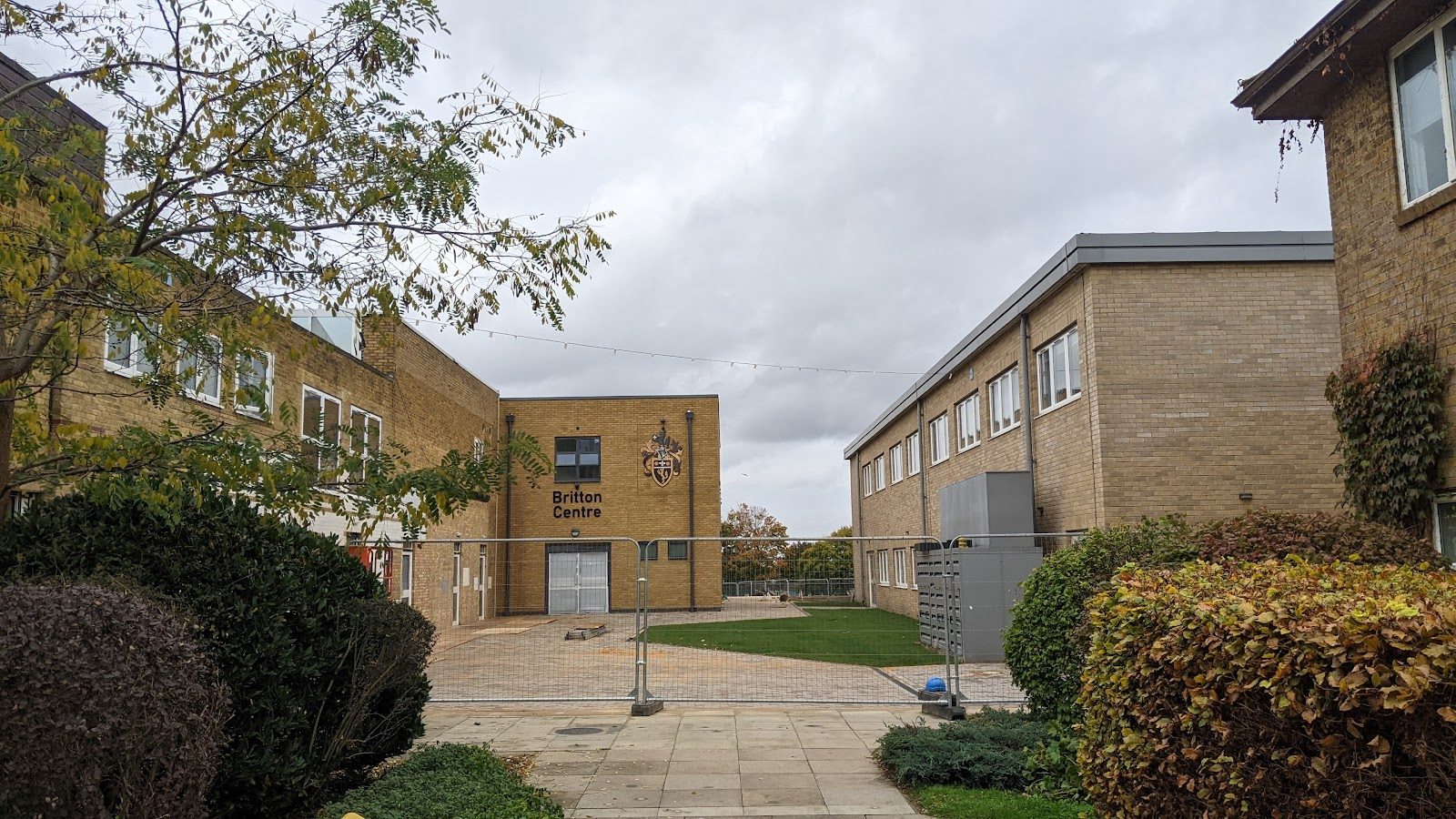
Wilson's School
Sutton · United Kingdom
A 1615 charity foundation turned super-selective grammar, thriving on a former Croydon airfield with a sharp focus on maths and computing.
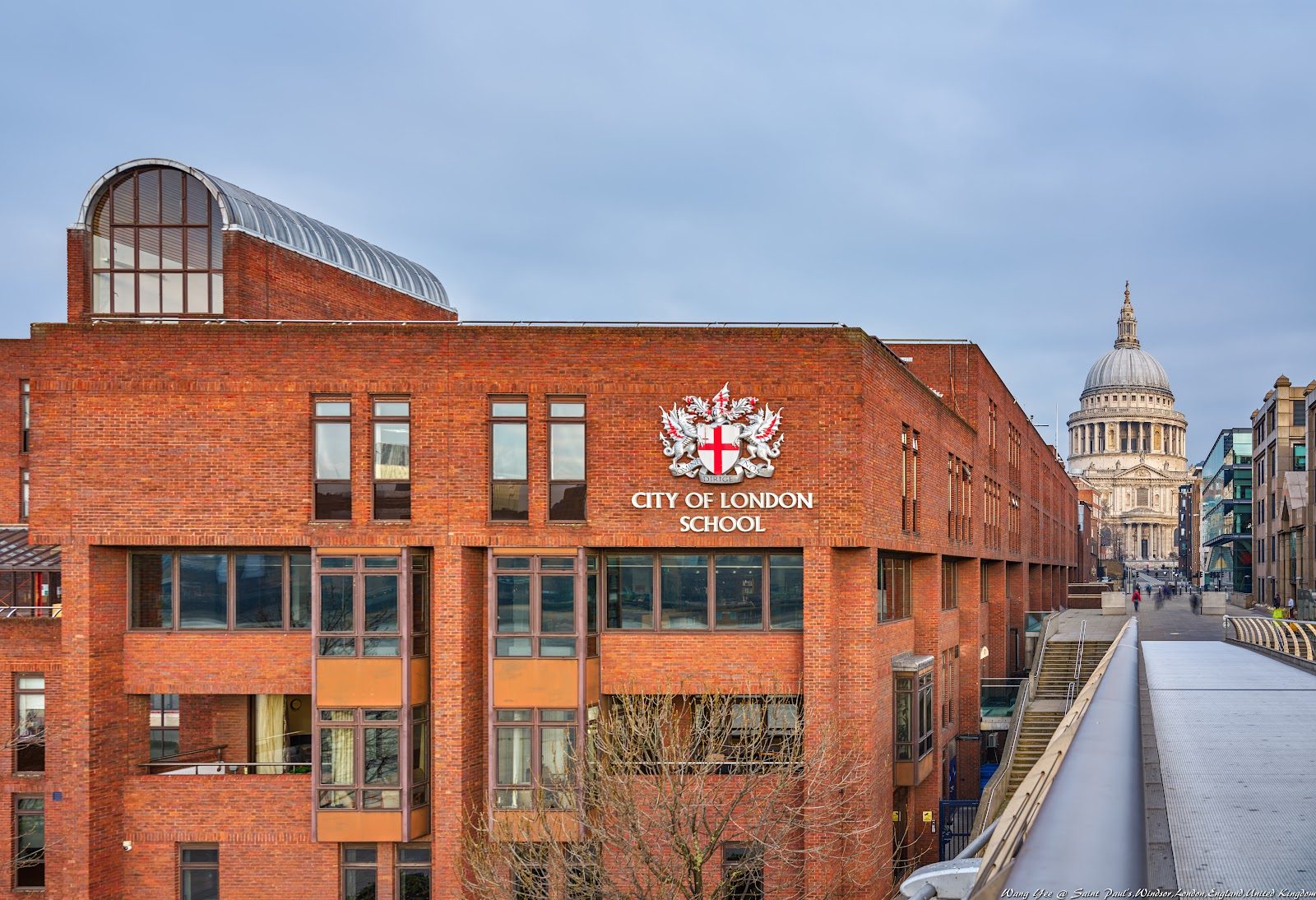
City of London School
London · United Kingdom
A 1442 bequest from the City's own Town Clerk still funds this rigorous day school perched on the Thames at Blackfriars.
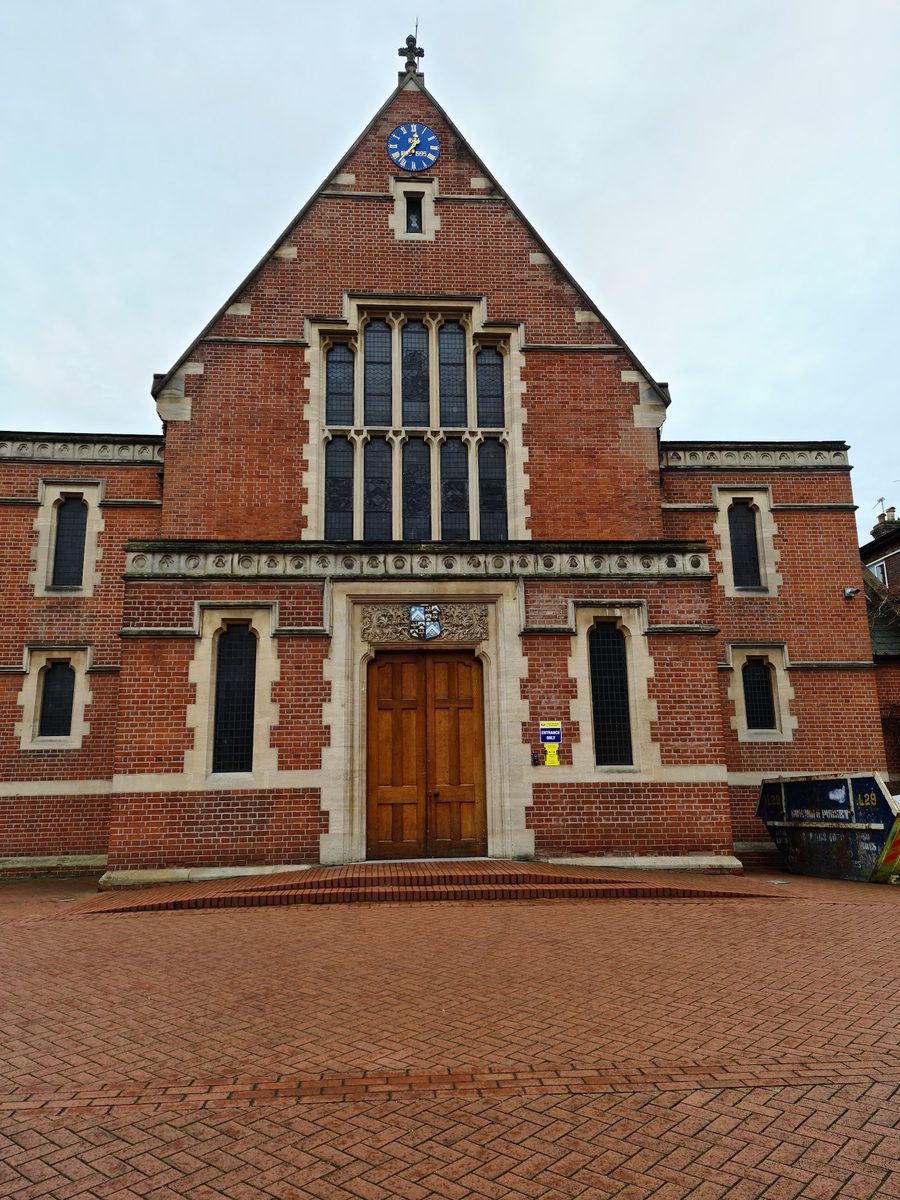
Latymer Upper School
London · United Kingdom
A 1624-founded, non-denominational day school in Hammersmith prized for its stellar Oxbridge and Russell Group outcomes.
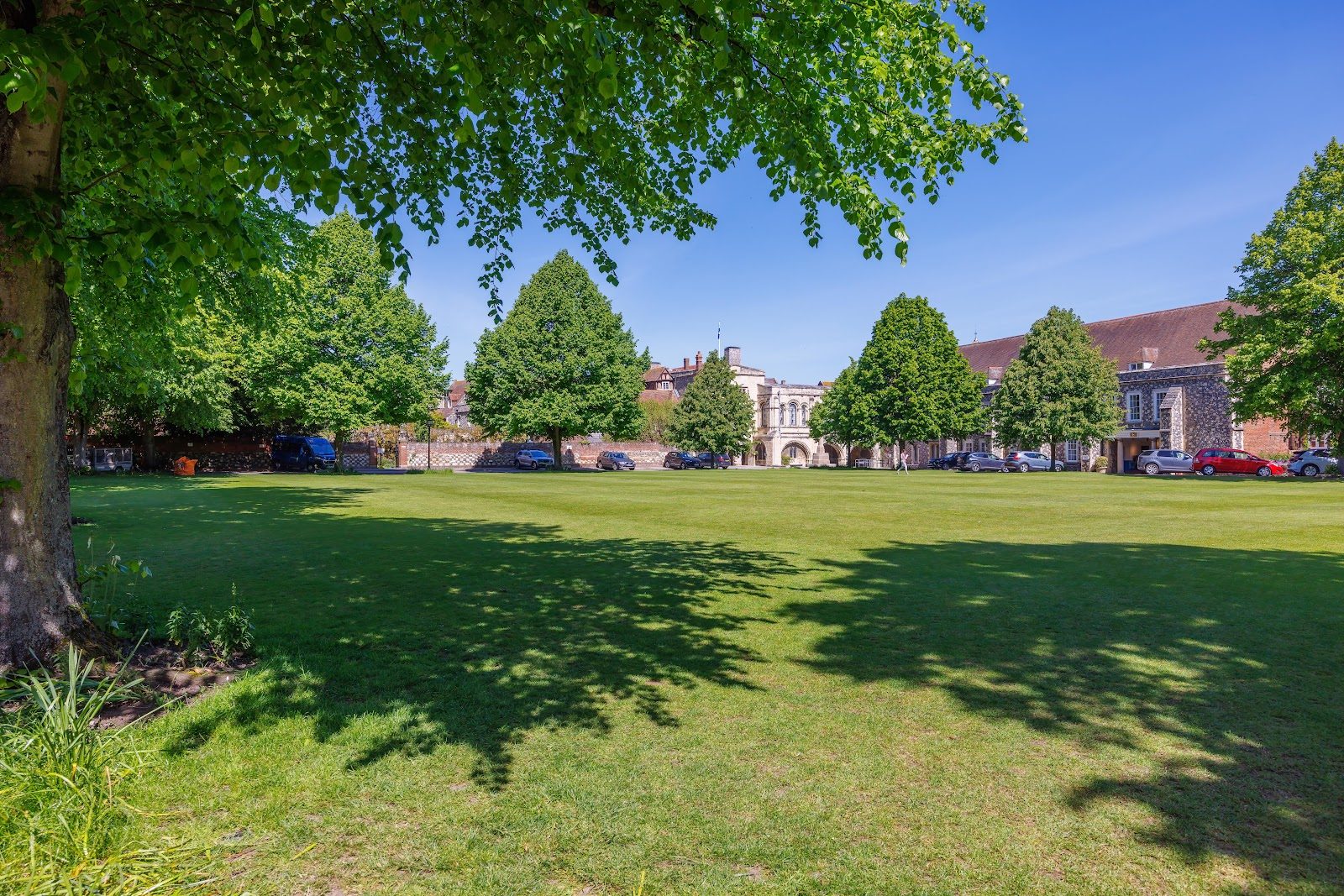
The King's School, Canterbury
Canterbury · United Kingdom
Inside Canterbury Cathedral's UNESCO precincts, lessons have run unbroken since 597 AD, folding King's Week festivities into daily life.
Same country and curriculum — closest matches within ±10 points either way