
Lazio
IIS Cine-TV Roberto Rossellini
Trains camera, sound and TV technicians on real soundstages inside Rome's former Ponti-De Laurentiis film studios.
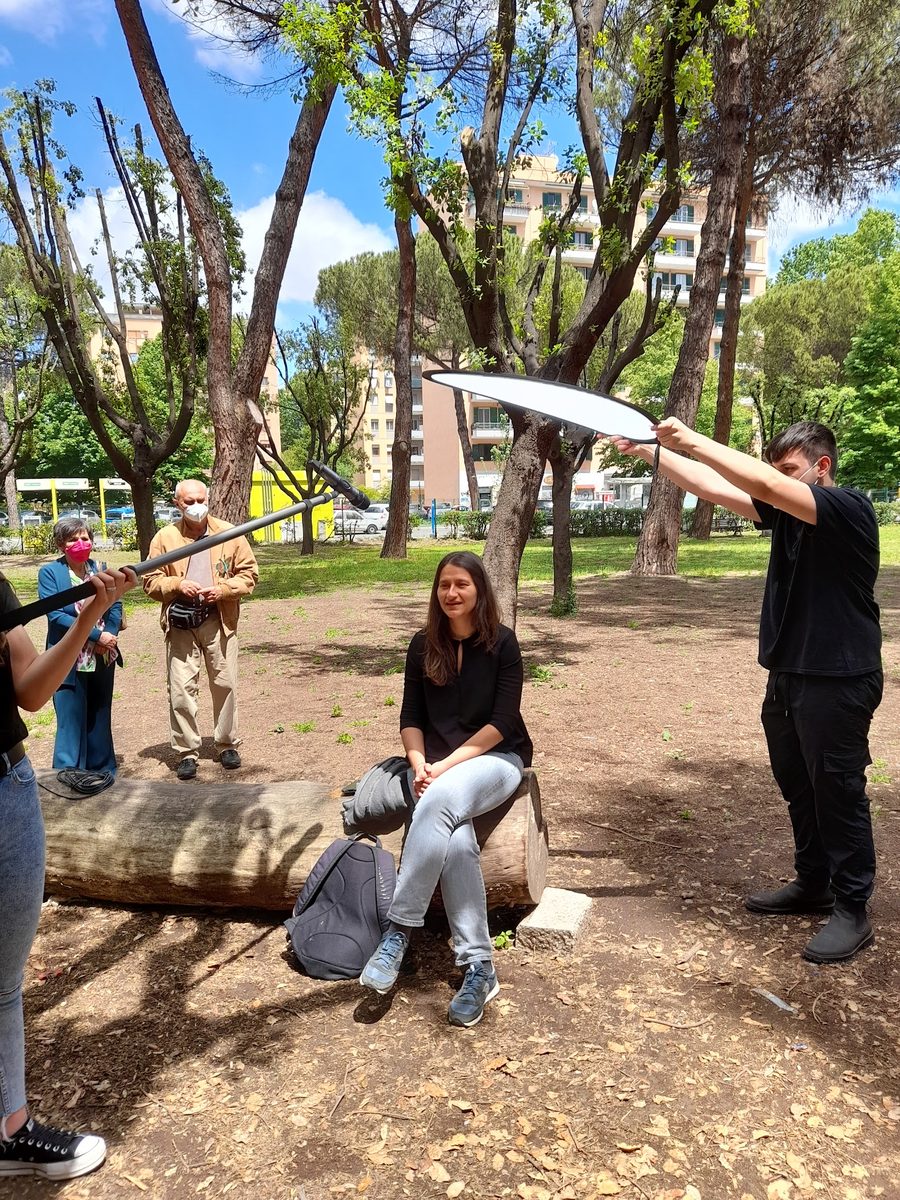
Photo © fata garbatella via Google Maps
Type
Day
Ages
14–19
Curriculum
Diploma di Stato
Ratio
—
The Verdict
Editor's commitment
Right for
Teenagers aged 14–19 who want the Diploma di Stato in Italian and direct exposure to Rome’s former Ponti-De Laurentiis studios.
Wrong for
Families wanting English-medium teaching, boarding, or a broad international curriculum: Rossellini is a secular day school in Rome, taught in Italian.
Watch out for
Founded in 1962, this is a specialised 14–19 technical school, not a rounded all-through campus; the vocational focus narrows options early.
Ranking breakdown
IIS Cine-TV Roberto Rossellini · #1433 of 1591
Composite score 50.9. 8 weighted criteria.
By criterion
Academic Outcomes
Weight 20%
#1050
of 1529 scored
University Placement
Weight 16%
#458
of 1529 scored
Prestige & Heritage
Weight 12%
#1148
of 1571 scored
Alumni Network
Weight 12%
#1190
of 1530 scored
Facilities
Weight 12%
#1531
of 1534 scored
Transparency & Communications
Weight 8%
#1529
of 1532 scored
Peer & Industry Review
Weight 10%
#1543
of 1548 scored
Admissions Selectivity & Demand
Weight 8%
#1154
of 1529 scored
Peer & Industry Review
How IIS Cine-TV Roberto Rossellini is regarded in the sector
55
Credible · medium confidence
Within Italian film and broadcast circles the school is respected as a specialist feeder for technical and production roles, though its reputation does not extend meaningfully into international festival or conservatory networks.
Award
Elite Film 50
World's Top School · The Global Ranking
IIS Cine-TV Roberto Rossellini is featured on our Global Top 50 ranking at #7. This seal is available for the school's marketing team to use on their website, prospectus and social channels.
Editors' overview
IIS Cine-TV Roberto Rossellini occupies a narrow, valuable niche in Rome’s secondary market: vocational upper-secondary education for teenagers who want the machinery of film and television, not a generic academic route with a media elective bolted on. Founded in 1962, it trains students aged 14–19 for the Italian Diploma di Stato in Italian, and its distinguishing asset sits in the tagline itself: real soundstages inside the former Ponti-De Laurentiis studios. That matters. Schools talk about “industry exposure”; Rossellini puts adolescents in a working environment with the scale, acoustics and technical demands of production. For families who want serious technical formation, real-world production habits and a route with vocational weight, that immediately puts it on the shortlist.
What is special here is the specificity. This is not a broad international school trying to satisfy every profile from future medics to reluctant creatives. It serves a defined cohort: students drawn to camera, sound, editing, broadcast workflows and the discipline of collaborative production. The attraction is tangible infrastructure and early specialisation. The limitation is just as clear: if a child wants a wide academic menu, English-medium teaching, or the polished extracurricular abundance of a large private international school, Rossellini is the wrong institution. Its appeal lies in hands-on technical craft, the grammar of sets and studios, and close contact with production realities, not in cosmopolitan branding.
Parents should shortlist Rossellini when a teenager already knows that screen production is more than fandom and wants to learn how crews work, how equipment is handled, how deadlines bite and how technical roles fit together. The right student is motivated, practical, collaborative and happy with vocational identity at 14 rather than prolonged generalism. This is a school for the child who would rather rig a mic, frame a shot or troubleshoot signal flow than write abstract essays about cinema. For that student, Rossellini offers a focused professional atmosphere and a clear sense of trade and purpose. For everyone else, its narrowness is not a flaw; it is the point.
A Global Elite 50 Film school
IIS Cine-TV Roberto Rossellini in Rome sits at rank seven on the Global Elite 50 Film ranking because it does not merely teach filmmaking, it operates inside a real film studio. Since 1970 the institute has occupied the former Ponti-De Laurentiis production lot, inheriting two working sound stages that still anchor its Vasca Navale campus, and it has functioned for more than fifty years as Italy's dedicated public training hub for cinema, television and photography technicians. No other school on this list teaches teenagers on an actual former feature-film backlot as its home address.
The specialism runs across three parallel Diploma di Stato tracks on the same site: a professional "Servizi culturali e dello spettacolo" pathway built around audiovisual production, a Liceo Artistico Multimediale, and a Tecnico Grafica e Comunicazione route. Facilities include the two inherited sound stages (cinema and television, with electronically controlled lighting), 16mm and 35mm cameras with video-assist, a broadcast television control room, a Dolby SR screening room, a full audio department for dubbing and mixing, an analogue-and-digital editing department, a multimedia production lab, and a separate photography department with darkroom and digital-imaging suite. Students have crewed entire projects themselves, including a feature-length film shot almost exclusively on school equipment with pupils filling every below-the-line role except department-head supervision. The professional diploma feeds directly into university film and media programmes such as DAMS.
Notable alumni include director-screenwriter Giuseppe Gigliorosso, who trained at the institute before his short film "Se..." won multiple prizes in 2002 and earned selection at the international FIPA festival in Biarritz, France. More broadly, the school's honest track record is industrial rather than auteur-driven: its graduates go on to hold production and technical roles across Italy's national broadcasting and film sector rather than headline international award seasons.
International openness has real limits worth stating plainly. This is a free Italian state day school, not a boarding academy: instruction runs entirely in Italian with no ESL bridge, and foreign applicants are exempt from the token state enrolment taxes that otherwise apply from the fourth year onward. Admission follows the ordinary national Unica portal process, with no dedicated international office, and overseas families must arrange their own Italian residency and study-visa paperwork independently. This school suits a family already resettling in Rome long-term with an Italian-fluent teenager, not a short-stay international placement; apply during the January enrolment window the year before entry, and confirm language readiness first.
Academic Performance
Rossellini sits in a part of the school market where headline exam metrics are harder to read than in selective academic lycées. Vocational institutes in Italy are judged less by glossy league-table chatter than by State Exam completion, progression and the credibility of practical training. That puts Rossellini in a different competitive frame. Parents looking for the clean comparability of IB averages or A-level grade profiles will not get it here. The school does not publish aggregate State Exam outcomes, distinction rates, or cohort-level attainment data in a form that allows a hard-edged comparison with Rome’s stronger general academic schools. That opacity matters. It leaves families relying on fit, specialism and progression logic rather than a crisp public scoreboard.
Relative to peers, Rossellini’s case rests on alignment between course and destination. A specialist technical school attached to real production infrastructure has an advantage over generic vocational providers that teach media in ordinary classrooms with thin equipment and weaker industry texture. That does not make it academically elite; it makes it purpose-built. The relevant question is not whether it can compete with top university-prep schools on conventional exam prestige. It cannot, and does not try to. The better benchmark is whether students complete the Diploma di Stato with usable technical competence and move into film, television or further specialist study. On that front, the school’s model is credible, but the absence of published outcome data stops short of proof.
Facilities
Rossellini’s facilities matter more than glossy campus amenities, because the school’s value sits in access to production spaces that most teenagers never touch. The headline asset is the use of real soundstages inside the former Ponti-De Laurentiis studios: that gives students room, rigging scale and working conditions that standard media classrooms cannot match. For a technical film-and-TV institute, that is the decisive advantage. Add the implied need for camera, lighting, sound and editing infrastructure, and the school clears the basic threshold for serious vocational training in a way many state-sector peers do not. A generic upper-secondary school with a media strand can teach theory and small-project practice; Rossellini can train students in the physical logic of sets, crews and studio workflow. That gap is not cosmetic. It shapes habits, confidence and employability.
Against specialist peers, the picture is strong but not fully transparent. We have not seen a detailed public inventory of studios, edit suites, control rooms, kit lists or renewal cycles, and that matters because film technology dates fast. Families should ask what equipment is current, how much hands-on access each student gets, and whether facilities support the full production chain or only parts of it. Still, in sector terms, an ordinary school hall dressed up as a “media lab” does not compete with actual soundstage access. Rossellini’s facilities give it real industrial credibility and a clear edge over weaker vocational rivals, even if the public documentation stops short of a full technical audit.
The relevant question is not whether it can compete with top university-prep schools on conventional exam prestige
Prestige
Rossellini carries sector prestige, not broad social prestige. Within the small world of Italian secondary options for screen-production teenagers, it has real cachet because the specialism is clear, the training is vocational from the outset, and the setting is tied to an actual production legacy rather than a school-brand fantasy of “media”. That gives it credible professional weight with families and students who know the difference between a conventional classroom course and a school built around technical production. The age range also matters: asking students to commit at 14 makes this a serious early choice, and that confers status inside its niche. Among parents chasing elite university pathways, polished international branding or broad academic prestige, the name carries far less force.
That is why the school earns a specialist, not universal prestige rating. Its standing rests on distinctiveness and vocational seriousness, not on selectivity, exam transparency or social cachet. The absence of published aggregate outcome data limits any claim to top-tier institutional prestige; strong schools with strong results publish them. Rossellini does not. Nor does this route confer the kind of prestige that travels easily across borders or across unrelated sectors. Its reputation is strongest with people who value crews, studios, equipment and production discipline over conventional academic hierarchy. In that field, it is hard to dismiss. Outside it, prestige drops fast.
On that front, the school’s model is credible, but the absence of published outcome data stops short of proof
Communications
Rossellini communicates like many Italian state schools with a technical mission: function first, polish second. Parents should expect the official website to carry the essentials — notices, calendars, administrative documents, leadership information and procedural updates — rather than the slick narrative management of a fee-paying international school. That is not a flaw in itself. For a vocational school, clarity beats gloss. The real test is whether families can find timetables, enrolment instructions, exam notices, closures and required paperwork without digging through a maze of PDFs and ministry language. At Rossellini, communication works best for parents who are self-directed, patient with institutional formatting, and comfortable navigating a public-sector system that values compliance over charm.
Effectiveness, then, is mixed but serviceable. The school gives the impression of an organisation focused on running operations rather than curating parent experience, and that fits its culture. Families looking for app-driven hand-holding, instant pastoral warmth or heavily managed home-school dialogue will find the tone dry, procedural and impersonal. Families who want dependable publication of core information will cope well enough, provided they check channels regularly and do not expect information to be repackaged for them. The school’s communication style matches its vocational identity: workmanlike, bureaucratic, serious. That will suit parents who value substance and can tolerate friction. It will frustrate those who read administrative roughness as disregard.
Uniqueness
Rossellini’s uniqueness lies in its refusal to treat film and television as enrichment. Here, production is the core trade, taught to teenagers young enough to build proper technical habits before bad ones set in. That changes the atmosphere. Students are not dabbling in “creative media”; they are learning how crews function, how technical departments depend on each other, and how work survives the pressure of time, precision and shared responsibility. The former studio setting gives that training real operational texture. It turns abstract interest in cinema into applied discipline: call times, setup logic, kit care, problem-solving, retakes, coordination. For the right student, that is transformative. It replaces vague ambition with a concrete sense of role, standards and workflow.
The benefit is early professional clarity. Many schools ask adolescents to wait before specialising; Rossellini does the opposite and does it at 14. That carries risk for uncertain students, but it is a sharp advantage for those already drawn to camera, sound or broadcast craft. They get repetition, technical fluency and a working understanding of how productions are assembled, not just how they are admired. That matters in a field where competence is visible fast and romanticism collapses on contact with cables, deadlines and imperfect takes. Rossellini’s distinctive gift is vocational seriousness without pretence: students leave with stronger production instincts, tougher collaborative habits and a clearer read on whether this industry suits them at all.
Its standing rests on distinctiveness and vocational seriousness, not on selectivity, exam transparency or social cachet
Student Profile
The right student for Rossellini is decided early, practical and unromantic about media. This school suits teenagers who want to make things, fix things and repeat things until they work: the pupil who cares how a shot is lit, why sound fails, how edits alter pace, and what happens when a team misses a cue. Patience with process matters as much as creative appetite. So does tolerance for hierarchy, technical correction and the stop-start frustration of production work. At 14, that is a demanding ask. Students who still want broad academic exploration, a softer pace or a more buffered school experience will feel pinned down too soon. This is early specialisation with real vocational bite, not a holding pattern for the undecided.
Fit also depends on temperament. Rossellini will reward students who are hands-on, resilient, collaborative and willing to be judged on output rather than self-expression alone. It will suit the teenager who can carry responsibility for equipment, turn up prepared, take blunt feedback and work through repetition without complaint. It will not flatter the dreamy film enthusiast who loves cinema as mood and identity but recoils from cables, timings, technical faults and group dependence. Nor is it a natural home for families who want high-touch pastoral theatre around adolescence. The students who thrive here want a trade, not a vibe; crew-minded, deadline-tolerant and not easily precious.
The absence of published aggregate outcome data limits any claim to top-tier institutional prestige; strong schools with strong results publish them
Co-curricular strengths
Arts & sport, on a separate axis
Overall 7/10
Scored 0-10 from the school's own published evidence. This axis is editorial-only — it does not feed the main WTS ranking.
Sports
5.5/10
Drama
8.5/10
Dance
4.5/10
Music
7.5/10
Visual Arts
9/10
Strengths
- +Public state institute (Istituto Tecnico), so tuition is limited to the nominal annual contribution charged by all Italian state schools
- +Curriculum built specifically around film and television production techniques, rare among Italian state secondary schools
- +Located in Rome, within reach of Cinecitta studios and the wider Italian audiovisual production industry
- +Diploma di Stato qualification gives graduates access to Italian university courses and technical employment in broadcast/film crews
Considerations
- −As a public school it follows standard Italian state-school class sizes and resourcing rather than boutique arts-school staffing ratios
- −Diploma di Stato (Perito) is a nationally recognised technical qualification but lacks the international portability of IB or A-levels
- −Teaching is in Italian, which limits accessibility for non-Italian-speaking expatriate students
- −Facilities and equipment, while industry-oriented, are constrained by public-school budgets rather than private-sector film-school investment
Gallery
Photo © Ivo Caffarelli via Google Maps
Photo © Marck 9900 via Google Maps
Photo © Marck 9900 via Google Maps
Photo © Marck 9900 via Google Maps
Photo © Marck 9900 via Google Maps
Photo © Eva Pilloni via Google Maps
Photo © Marck 9900 via Google Maps
Parent reviews
Have you sent your child here?
Voice reviews carry the strongest trust badge — we transcribe them for you to tidy up before they go live. Prefer to type? A written review is fine too.
Add your voice
In 60 seconds, tell other parents: what's the best thing about IIS Cine-TV Roberto Rossellini, and what surprised you when your child joined?
We ask for a Google sign-in so every review has a real face behind it — no anonymous drive-by attacks on schools, and no faked positive reviews. Your email is never shown publicly.
Send this profile to a friend
International parents rely on word-of-mouth. Share this review with someone weighing the same decision.
Schools with places
Similar schools to IIS Cine-TV Roberto Rossellini with places available now.
Marymount International School Rome
Rome · Italy
- 2026-27
- WAITPOOLSpace-dependent
- 2027-28
- PLACES OPENRolling
St George's British International School (Rome)
Rome · Italy
- 2026-27
- WAITPOOLSpace-dependent
- 2027-28
- PLACES OPENRolling
Availability first, then country, area, curriculum, price, co-curricular
Consider also
Also worth looking at alongside IIS Cine-TV Roberto Rossellini.
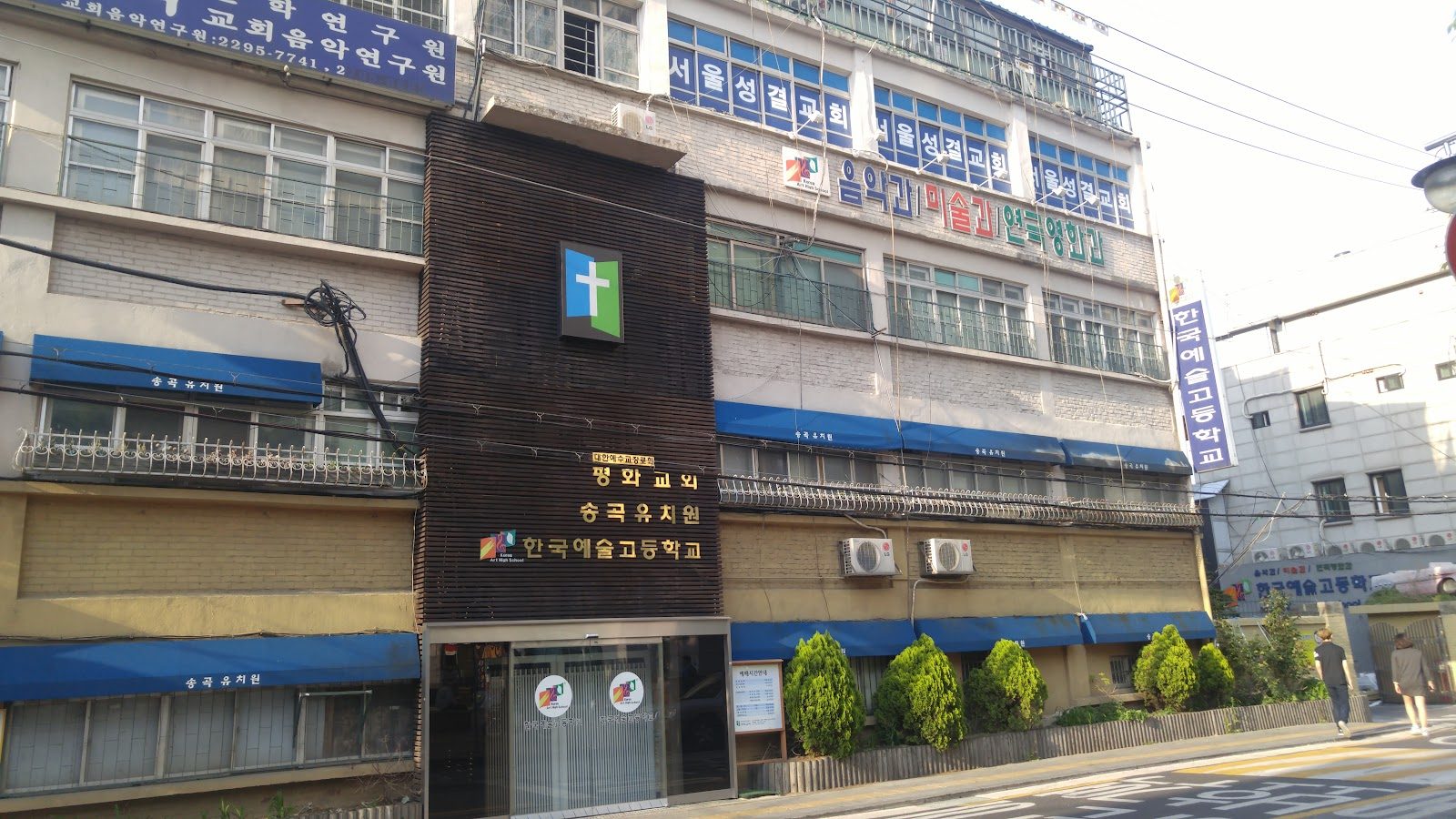
Korean Arts High School
Jongno-gu, Seoul · South Korea
An audition-only conservatory since 1953, pairing academics with classical music, ballet and visual art in Jongno-gu's arts quarter.
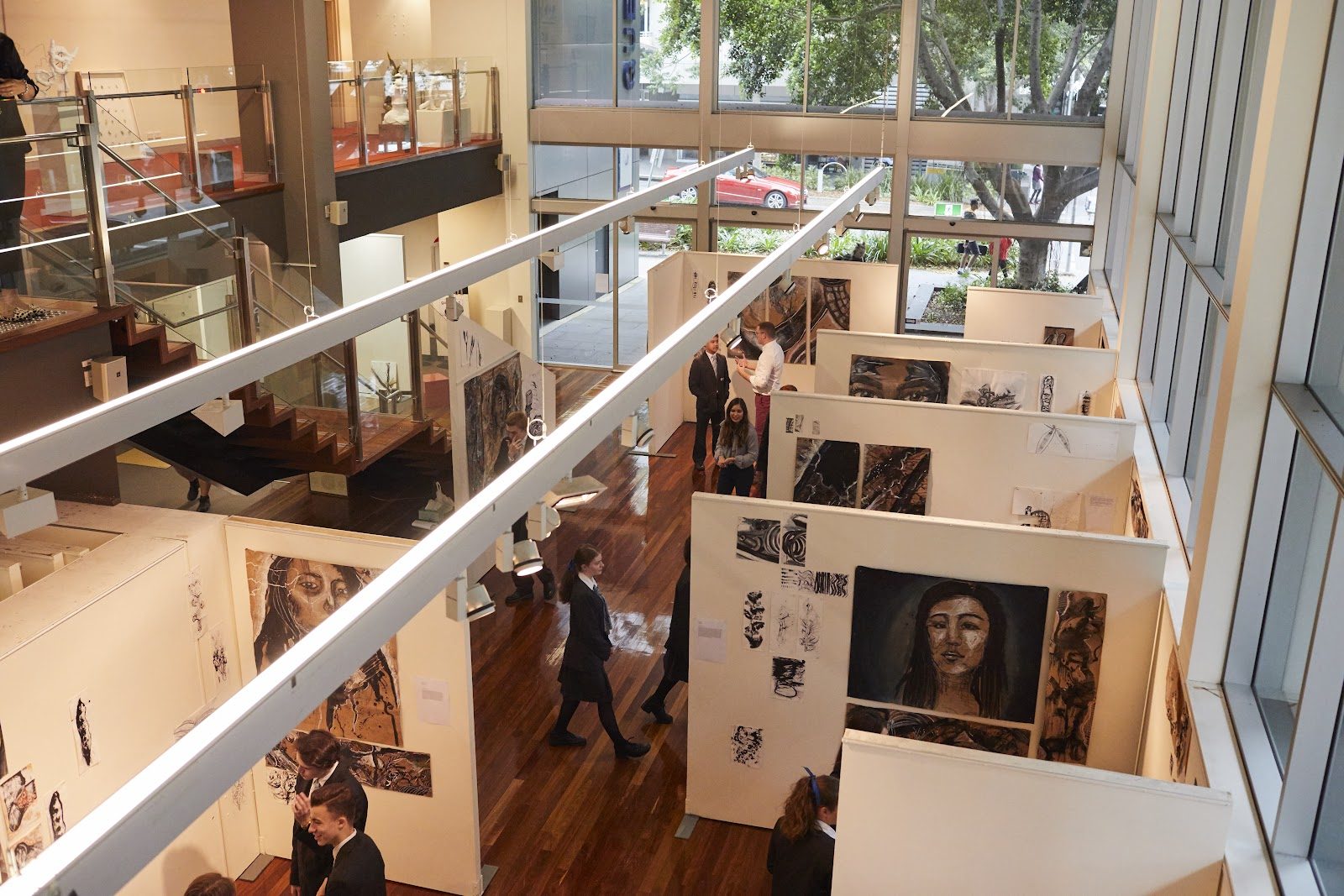
Queensland Academies Creative Industries
Kelvin Grove, Brisbane · Australia
Brisbane's first vertical high school, embedded in QUT's creative industries precinct for selective-entry artists and designers.
Jerusalem Arts High School
Jerusalem · Israel
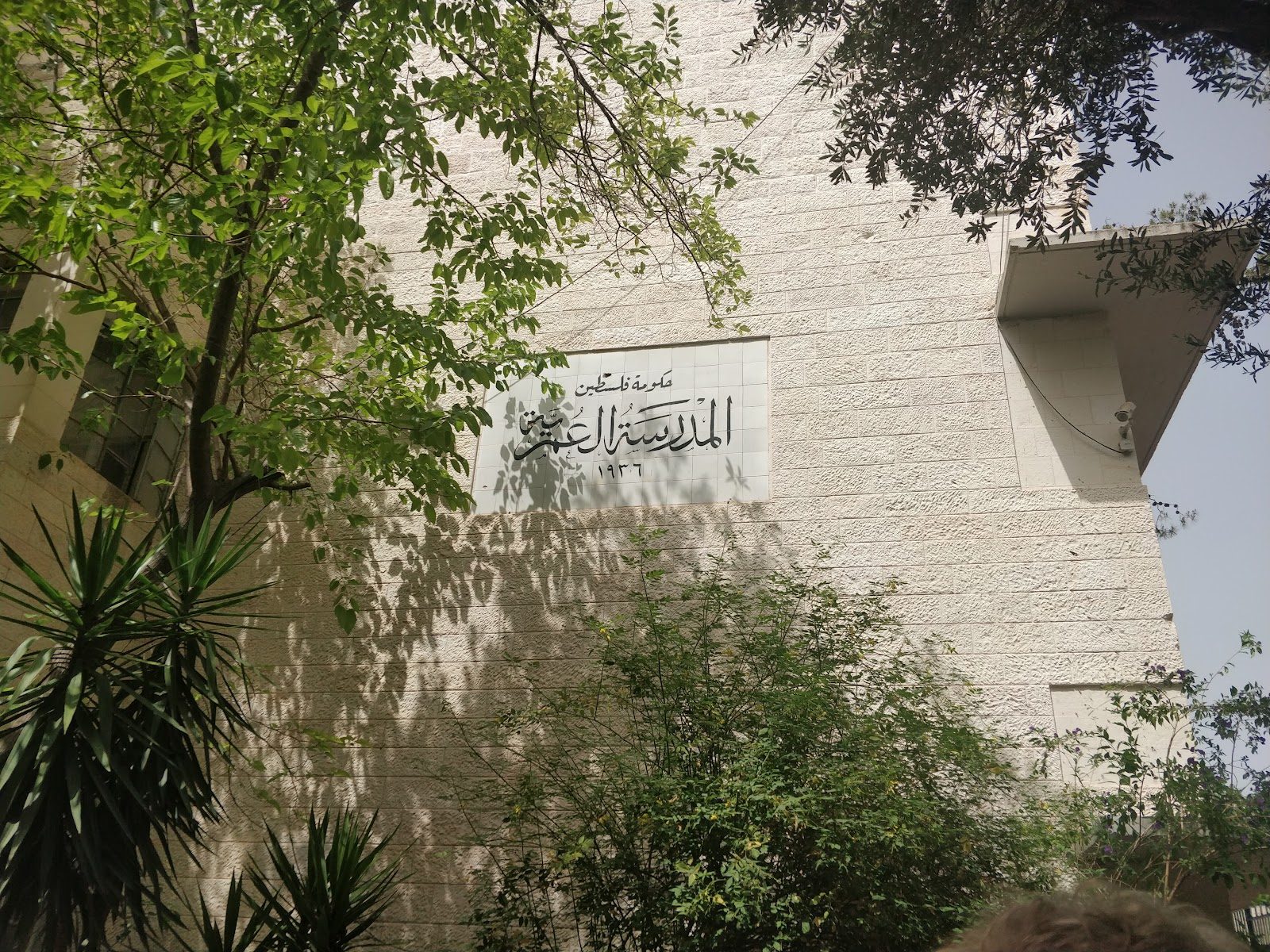
Conservatory-style majors in film, theater, dance, music and art anchor full Bagrut studies on Jerusalem's Cultural Mile.
Babelsberger Filmgymnasium
Potsdam-Babelsberg · Germany
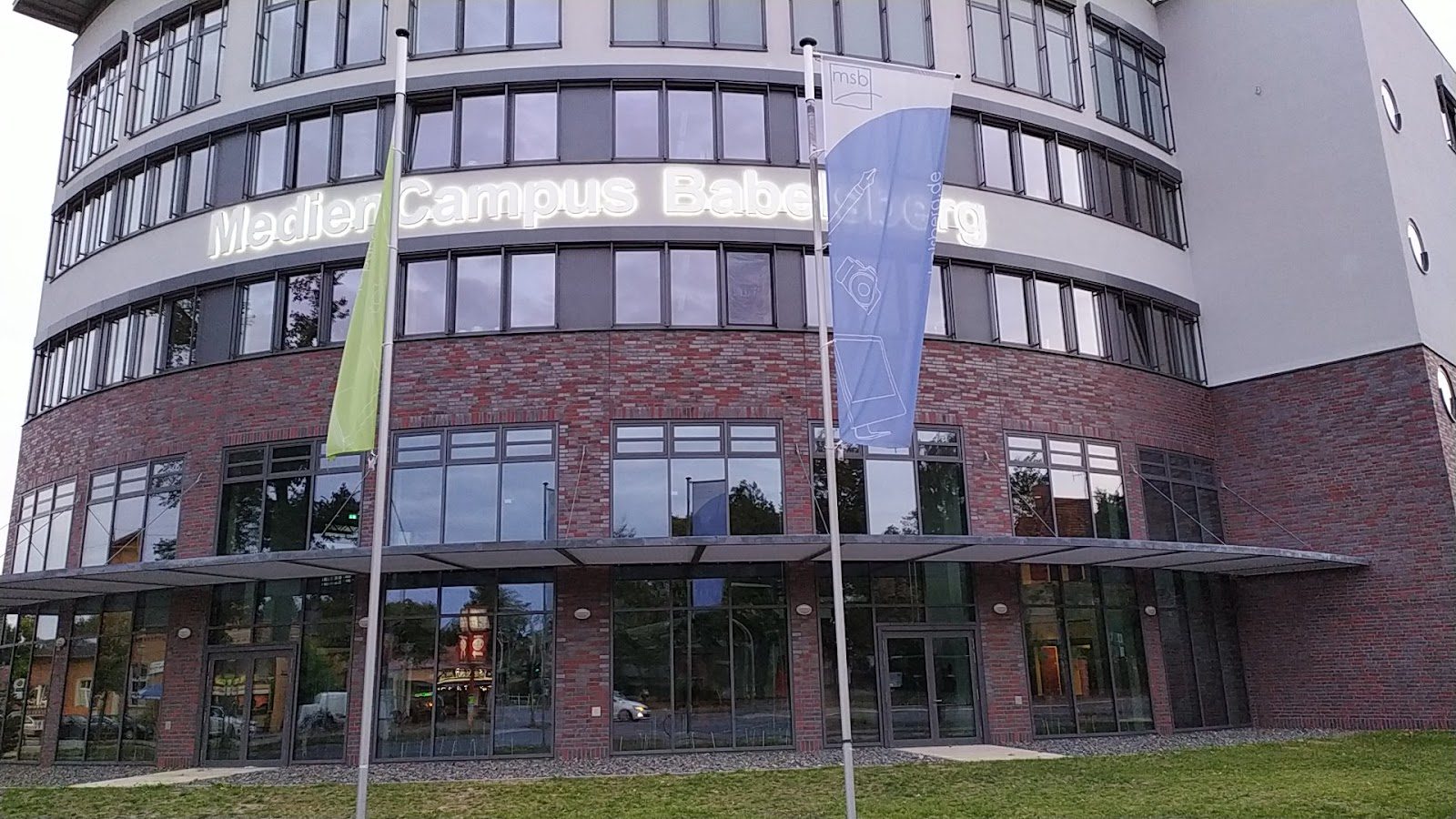
On the media campus beside Babelsberg's historic film studios, Abitur students specialize in cinema and screen their work at a biennial festival.
Same specialism, country and curriculum — closest matches within ±10 points either way