
Mont Kiara
Traces its roots to a 1951 Lake Gardens schoolhouse, later becoming Malaysia's first official O-Level examination centre.
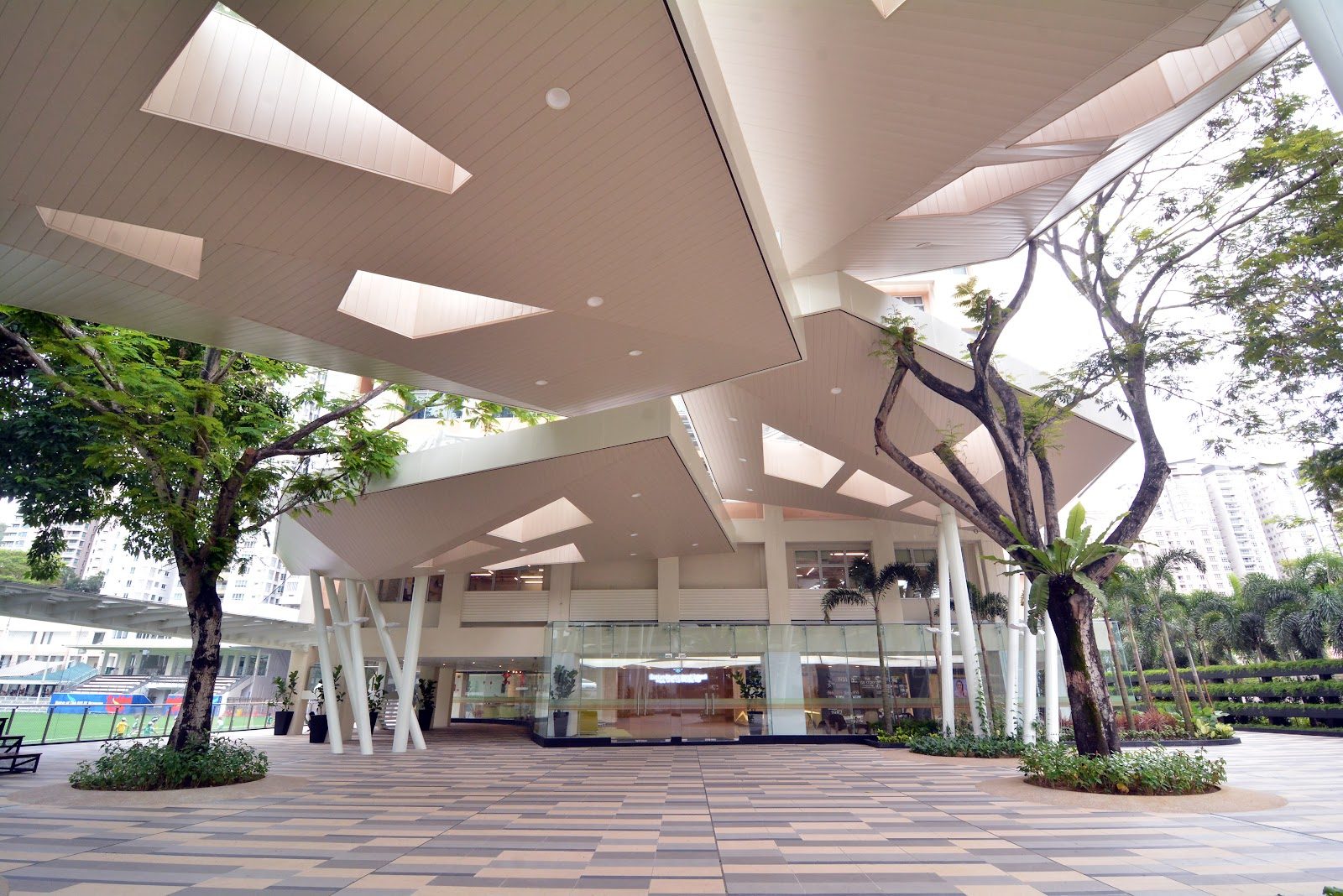
Photo © Garden International School Kuala Lumpur via Google Maps
Type
Day
Ages
3–18
Curriculum
British
Qualifications
IGCSE · A-Level
Ratio
—
The Verdict
Editor's commitment
Right for
Families wanting a British 3–18 day school in Kuala Lumpur with CIS, COBIS and FOBISIA badges, plus a long 1951 track record.
Wrong for
Parents wanting boarding, a religious ethos or a non-English model; GIS is day-only, non-religious and teaches in English.
Watch out for
At an average 104,955 MYR a year, GIS sits in Kuala Lumpur’s expensive tier; the school publishes no aggregate exam scores.
Ranking breakdown
Garden International School · #222 of 1591
Composite score 73.9. 8 weighted criteria.
By criterion
Academic Outcomes
Weight 20%
#148
of 1529 scored
University Placement
Weight 16%
#219
of 1529 scored
Prestige & Heritage
Weight 12%
#296
of 1571 scored
Alumni Network
Weight 12%
#234
of 1530 scored
Facilities
Weight 12%
#339
of 1533 scored
Transparency & Communications
Weight 8%
#153
of 1532 scored
Peer & Industry Review
Weight 10%
#385
of 1548 scored
Admissions Selectivity & Demand
Weight 8%
#991
of 1529 scored
Peer & Industry Review
How Garden International School is regarded in the sector
68
Respected · medium confidence
Garden International School (part of Nord Anglia Education) is consistently referenced in expat-parent forums and general 'best international schools in Kuala Lumpur' round-ups by publications like Expat Go Malaysia and various relocation guides, reflecting its status as one of the older, established British curriculum schools in KL. It lacks the same density of specialist press coverage (e.g., Tatler Malaysia schools guide, Good Schools Guide) as top-tier peers like Garden's own competitors (e.g., Alice Smith, Epsom, Marlborough KL), suggesting solid but not top-tier peer reputation.
Evidence sources
Editors' overview
Garden International School has a rare claim that matters: it traces its roots to a 1951 Lake Gardens schoolhouse and later became Malaysia’s first official O-Level examination centre. That gives it something many newer international schools in Kuala Lumpur lack — institutional memory, alumni depth and a settled sense of what a British school in Malaysia is for. Today it runs as a non-religious English-medium day school for ages 3 to 18, with a British curriculum and accreditations that carry weight in this market: BSO, CIS, FOBISIA and COBIS. The average annual day fee across the full age range is 104,955 MYR, which places GIS firmly in the premium bracket. Parents are not paying for novelty here; they are paying for a school with long roots, strong brand recognition and a campus-and-results proposition built for ambitious families.
What puts GIS on a shortlist is the combination of academic intent and scale. The school states that 99% of graduates progress to their first or second choice universities, and it trades heavily on top-university access. That is the core proposition, not an afterthought. The campus also matters: GIS advertises a purpose-built site with serious provision for learning, sport and the arts, which fits a school selling a full British education rather than a narrow exam factory. There is a clear, high-performance tone to the messaging, balanced by repeated emphasis on pastoral care, belonging and well-being. Still, parents should read that balance correctly: this is an academically driven school with polished support structures, not a soft or experimental alternative.
The best-fit student is bright, organised and ready to use a large, established school well. GIS suits children who want a structured, university-facing education, broad co-curricular options and a community with international polish rather than intimate, boutique schooling. It will also suit families who value tradition without wanting a religious frame, and who want British curriculum continuity from early years to sixth form in one institution. It is less compelling for parents seeking a progressive, unconventional pedagogy or a lower-cost option. In Kuala Lumpur’s top tier, GIS stands as a serious, high-fee British day school with history, recognised accreditations and a very direct academic promise.
Academic Performance
GIS puts academic outcomes at the centre of its case, and the school does publish one headline result worth noting: 99% of graduates move on to their first or second choice university. That is a hard-edged, university-facing claim and it places GIS in the top conversation among Kuala Lumpur’s established British schools. The university list is extensive rather than tokenistic, with names across the UK, North America, Europe, Asia and Oceania, including Oxford, Cambridge, Harvard, Yale and Berkeley. That breadth matters. It indicates a school geared not only to domestic prestige but to serious international placement. What GIS does not publish here, however, is the more useful underlying exam data: no aggregate IGCSE profile, no A-Level score distribution, no share at top grades, and no multi-year trend line. For an academically ambitious school, that gap is striking.
Relative to peers, GIS sits in the premium group that trades on selective university destinations, strong sixth-form guidance and a full co-curricular platform rather than on radical pedagogy. The school’s claim to “outstanding examination results” fits that positioning, but parents should separate destination marketing from exam transparency. Top-university offers are compelling; they are not a substitute for clean public reporting of external results. On published evidence, GIS belongs on a shortlist for families targeting elite university progression in a high-pressure environment with broad opportunity around it. It does not set the benchmark for disclosure.
Facilities
Facilities are a core part of the GIS offer, and the school makes that plain. The headline is a purpose-built campus geared to a full day-school experience rather than a stripped-back academic model: dedicated provision for learning, sport and the arts, plus infrastructure that supports a large co-curricular menu. Parents get useful clues from the school’s own examples. Orchestra and musical opportunities point to arts spaces with enough depth to sustain ensemble work, not just classroom music. The Dragons programme for young athletes points to a sports setup built for training as well as participation. Add “countless” CCAs and a student body spanning 65 nationalities, and the picture is of a campus designed for throughput, variety and high-functioning extracurricular life. This is not a minimalist site.
Against peer schools in Kuala Lumpur’s premium bracket, that puts GIS where it needs to be: competitive on breadth, serious in sports-and-arts intent, and aligned with families who expect facilities to do more than decorate a prospectus. What the school does not do here is publish the fine grain. We do not get a clean list of specialist labs, theatre specifications, pool provision, pitch inventory or maker spaces. That matters because top-tier competitors now itemise those details. So the verdict is clear: GIS has a strong, all-round campus proposition with genuine operational scale, but its public description stays frustratingly polished when exact facility detail would be more useful.
The school states that 99% of graduates progress to their first or second choice universities, and it trades heavily on top-university access
Prestige
GIS has real prestige in Kuala Lumpur’s international-school market because its reputation rests on three things parents actually recognise: long-standing name recognition, a premium fee point, and a university-placement narrative built for status-conscious families. The school trades hard on entry to top institutions, and the published destinations list is not decorative filler; it is central to the brand. When a school can point to Oxford, Cambridge, Harvard and Yale while claiming 99% progression to first- or second-choice universities, it occupies the upper tier of parental perception. Add an intake drawn from more than 65 nationalities and the result is a school with broad social cachet as well as academic ambition. This is not niche prestige. It is the polished, mainstream kind that carries weight with expatriate professionals and affluent local families alike.
That prestige is earned in part and manufactured in part. The school has the scale, visibility and facilities to sustain a high-gloss reputation, and its association with Taylor’s Education Group adds corporate heft. But prestige and transparency are not the same thing. GIS is strong at broadcasting destination outcomes and community polish; it is weaker on publishing the underlying exam-detail that would let parents test the full academic picture for themselves. So the rating here is high, but not untouchable: GIS delivers recognisable prestige, substantial social proof and serious aspirational pull, yet stops short of the gold-standard disclosure that would make its standing harder to dispute.
In Kuala Lumpur’s top tier, GIS stands as a serious, high-fee British day school with history, recognised accreditations and a very direct academic promise
Communications
GIS communicates like a large, confident institution that expects regular parent traffic through formal channels. The website is extensive, clearly segmented by admissions, learning, community and news, with direct contact numbers for both general enquiries and new admissions, plus dedicated portal logins for families. That matters. It tells parents two things: the school runs on systems, and communication is built into those systems rather than left to ad hoc goodwill. The navigation is clean and deliberate, and the school does a competent job of signalling where different audiences should go next — enquire, apply, register for an open day, or log into the relevant platform. For a school serving a community of more than 65 nationalities, that level of structure is not optional; it is operationally necessary.
The weakness is tone. GIS communicates with high polish and strong message discipline, but the public voice is tightly managed and heavily promotional. There is a lot about belonging, excellence and top universities; there is less hard operational detail than exacting parents may want, especially on academic results and facilities. That imbalance limits trust. Good school communication does not just inspire confidence; it answers awkward questions before parents need to ask them. GIS is effective at brand communication and efficient at directing enquiries, which will satisfy many families at the first stage. It is less strong on the plain-spoken disclosure that separates a polished school from a fully transparent one.
Uniqueness
What distinguishes GIS is not novelty but continuity. In a market full of newer entrants, it carries institutional depth and the confidence of a school that has been doing this for decades, then translated that history into a modern, corporate-scale operation under Taylor’s Education Group. That combination is rare. Parents get a school with old roots but none of the faded, clubby provincialism that can cling to legacy institutions. GIS also has a sharper public proposition than many peers: it is unapologetically built around progression, and it backs that with a student body drawn from 65 nationalities and a destinations narrative that is globally ambitious rather than narrowly UK-facing. The result is a school that feels settled, high-status and outward-looking at once.
For students, that brings tangible advantages. A school with this level of history and scale tends to have stronger internal systems, deeper extracurricular infrastructure and more established university counselling than younger rivals still building their identity. GIS’s version of breadth also has a practical edge: sport has a defined performance pathway through the Dragons programme, music goes beyond casual enrichment into orchestra-level participation, and extra-curricular choice is treated as part of the core experience rather than decorative add-on. That matters for children who want a full-spectrum school life alongside academic drive. The trade-off is clear too: GIS is not distinctive because it is quirky or experimental. It is distinctive because it is polished, ambitious and deeply embedded in the premium end of the market.
That is a hard-edged, university-facing claim and it places GIS in the top conversation among Kuala Lumpur’s established British schools
Student Profile
The student who thrives at GIS is motivated, socially confident and comfortable in a school where ambition is overt rather than hidden. This is a strong fit for children who like structure, respond well to clear expectations and want access to a busy school life beyond lessons. The community is internationally mixed, with 65 nationalities, so students who are adaptable, culturally fluent and able to move easily across different social groups will settle fastest. It also suits children who want range: sport with a performance pathway, music at ensemble level, and a co-curricular programme broad enough to reward commitment rather than mere attendance. For families aiming at selective university destinations, the school’s 99% progression claim tells you exactly where the centre of gravity sits.
The less suitable student is the child who needs a small, intimate setting or a slower, more light-touch academic culture. GIS is for pupils who can manage pace, take guidance and use opportunity well; it is not built around idiosyncratic learners who need a highly alternative approach or constant individual hand-holding. That does not make it cold. The school puts real emphasis on care and inclusion, and parents of children needing extra support get signs of joined-up intervention from teachers and learning specialists. Even so, the dominant profile is clear: high-functioning, outward-looking students who want a full-spectrum school experience and are ready to contribute to a polished, high-expectation community.
Top-university offers are compelling; they are not a substitute for clean public reporting of external results
Co-curricular strengths
Arts & sport, on a separate axis
Overall 8.9/10
Scored 0-10 from the school's own published evidence. This axis is editorial-only — it does not feed the main WTS ranking.
Sports
9/10
Drama
9/10
Dance
8.5/10
Music
9/10
Visual Arts
9/10
Editor first-pass · editor-reviewable · 7/30/2026

WTS 300 badge
Garden International School is one of the World's Top 300 Schools. Claim your listing to add it to your site →
Strengths
- +Founded in 1951, GIS is one of the oldest and most prestigious private schools in Malaysia, giving it a long-established local track record rather than a newly opened campus.
- +Accredited by the Council of International Schools, GIS offers the British National Curriculum, including providing IGCSE and A Levels examinations.
- +The school offers a wide array of over 200 co-curricular activities, and students have opportunities to participate in the Duke of Edinburgh's Award programme and a TED-Ed Student Talk programme.
- +Facilities include a 25-metre swimming pool with eight lanes, tennis courts, a sports hall, and an all-weather football field.
- +Operates across two campuses in Kuala Lumpur: an Early Years Centre in Desa Sri Hartamas and a Primary and Secondary School in Mont'Kiara, giving age-appropriate separation of younger and older pupils.
Considerations
- −Fees sit at the higher end of the KL market: Application Fee RM 1,500, Registration Fee RM 20,000 (non-refundable), rising to RM 118,560 per year for Years 12 & 13, a significant commitment before a place is even confirmed.
- −GCSE-level results data is not reliably reported on for independent schools and the Good Schools Guide notes it does not have entry or exit data for pupils at this school, nor information available from the school itself, making independent verification of outcomes difficult for prospective parents.
- −Year 7 and Year 12 entry points are competitive and benefit from early application, and the school itself confirms that when the number of eligible applicants exceeds the availability of spaces for a particular year group, students may be placed in a wait pool until space becomes available.
- −Some Sixth Form subjects have capacity constraints determined by accommodation and equipment, and the more popular subjects can reach full capacity early on in the options process, which can narrow subject choice for late applicants.
Availability
Primary entry gate & tests
Academic Record
Gallery
Photo © Garden International School Kuala Lumpur via Google Maps
Photo © Garden International School Kuala Lumpur via Google Maps
Photo © Sabari Ram via Google Maps
Photo © Garden International School Kuala Lumpur via Google Maps
Photo © Computer Today via Google Maps
Parent reviews
Have you sent your child here?
Voice reviews carry the strongest trust badge — we transcribe them for you to tidy up before they go live. Prefer to type? A written review is fine too.
Add your voice
In 60 seconds, tell other parents: what's the best thing about Garden International School, and what surprised you when your child joined?
We ask for a Google sign-in so every review has a real face behind it — no anonymous drive-by attacks on schools, and no faked positive reviews. Your email is never shown publicly.
Send this profile to a friend
International parents rely on word-of-mouth. Share this review with someone weighing the same decision.
Schools with places
Similar schools to Garden International School with places available now.
Alice Smith School
Kuala Lumpur · Malaysia
- 2026-27
- WAITPOOLSpace-dependent
- 2027-28
- PLACES OPENRolling
International School of Kuala Lumpur
Kuala Lumpur · Malaysia
- 2026-27
- WAITPOOLSpace-dependent
- 2027-28
- PLACES OPENRolling
Availability first, then country, area, curriculum, price, co-curricular
Consider also
Also worth looking at alongside Garden International School.
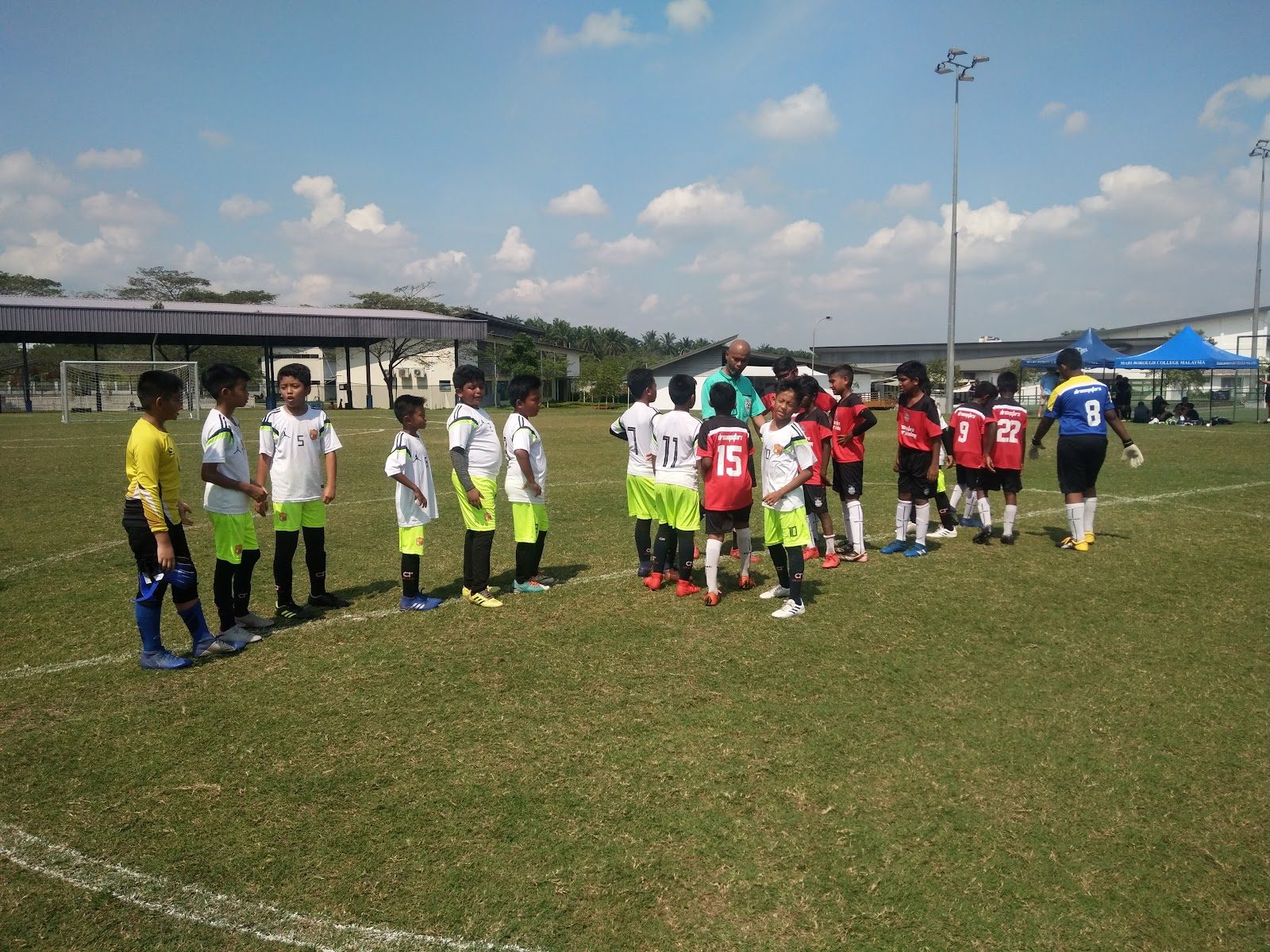
Marlborough College Malaysia
Johor · Malaysia
Wiltshire's first overseas campus pairs British boarding houses with the IB on a 90-acre farm-and-lake site near Singapore.
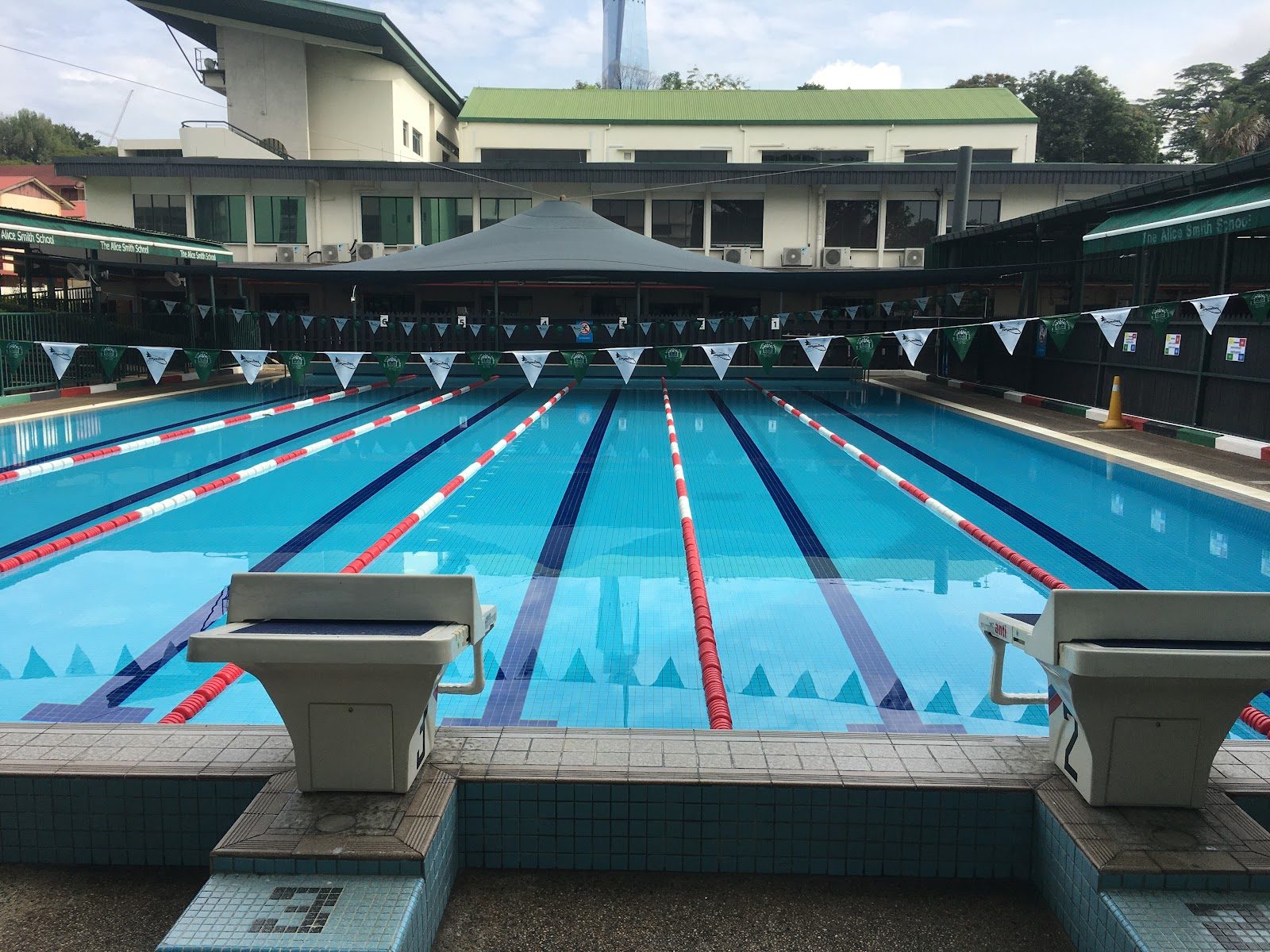
Alice Smith School
Kuala Lumpur · Malaysia
Malaysia's first British international school, still run not-for-profit, pairs A-Level rigour with an IAAF-certified running track.
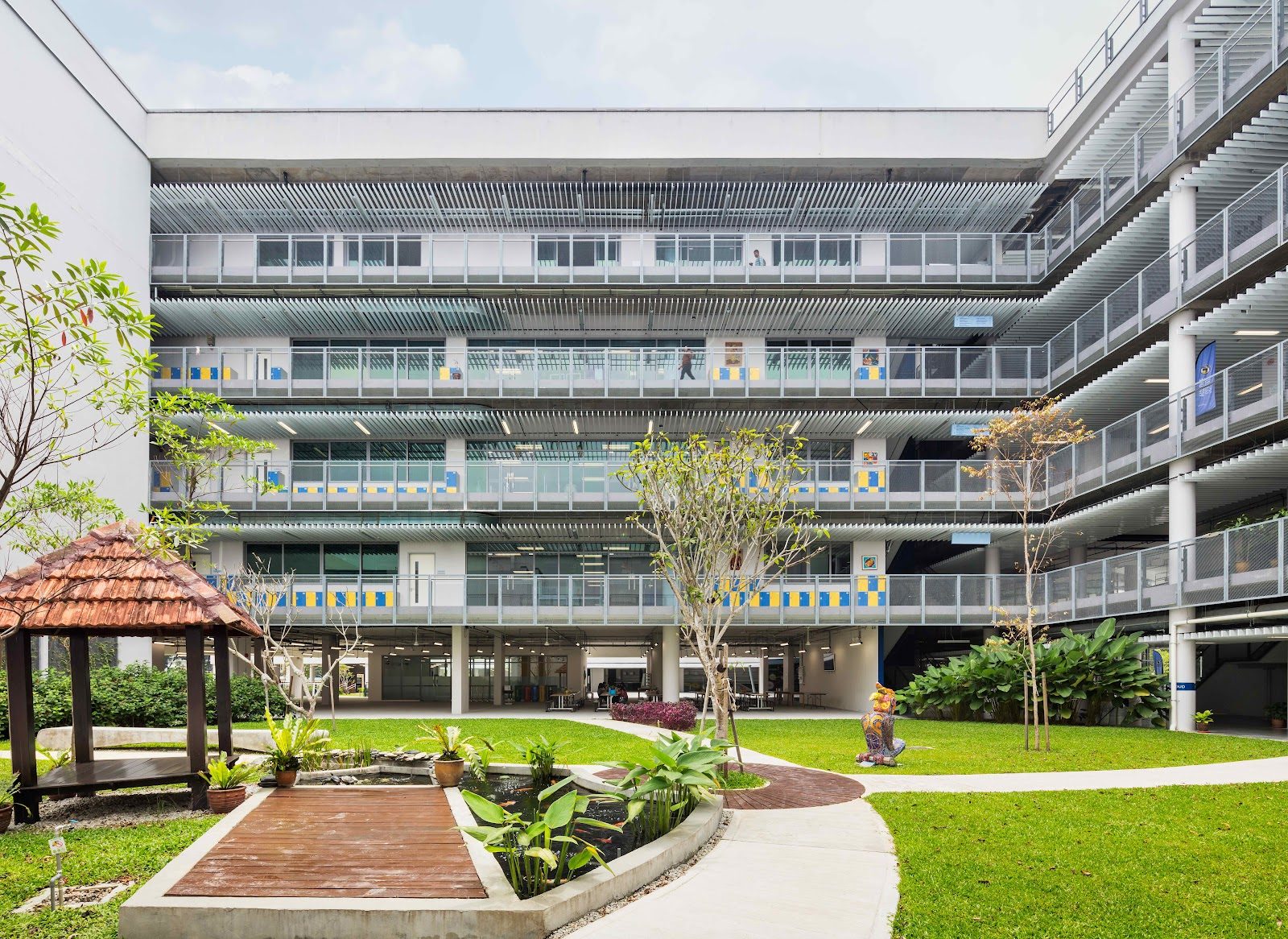
International School of Kuala Lumpur
Kuala Lumpur · Malaysia
Malaysia's longest-running IB World School, pairing a 25-acre Ampang Hilir campus with mandatory Asia-wide service expeditions.
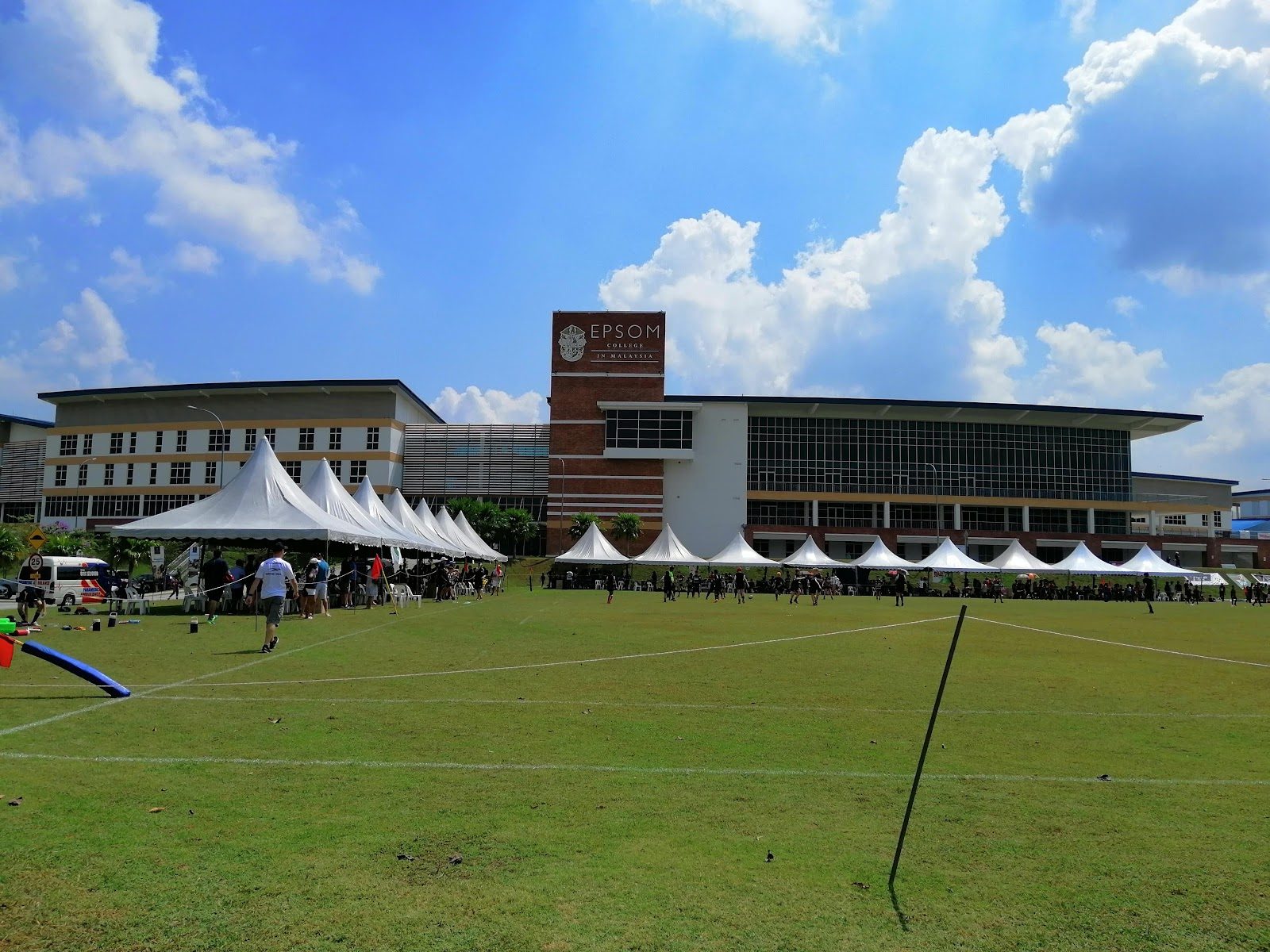
Epsom College in Malaysia
Negeri Sembilan · Malaysia
The lone Asian sister campus of a 170-year-old Surrey boarding school, its British house system anchors a 50-acre Negeri Sembilan estate.
Same country and curriculum — closest matches within ±10 points either way