
Avondale
St. George's College Harare
low confidence· 4/6 cats · 1 avg sourcesJesuit since 1896, this Harare college pairs British curriculum rigor with forty hectares beside the Botanical Gardens.
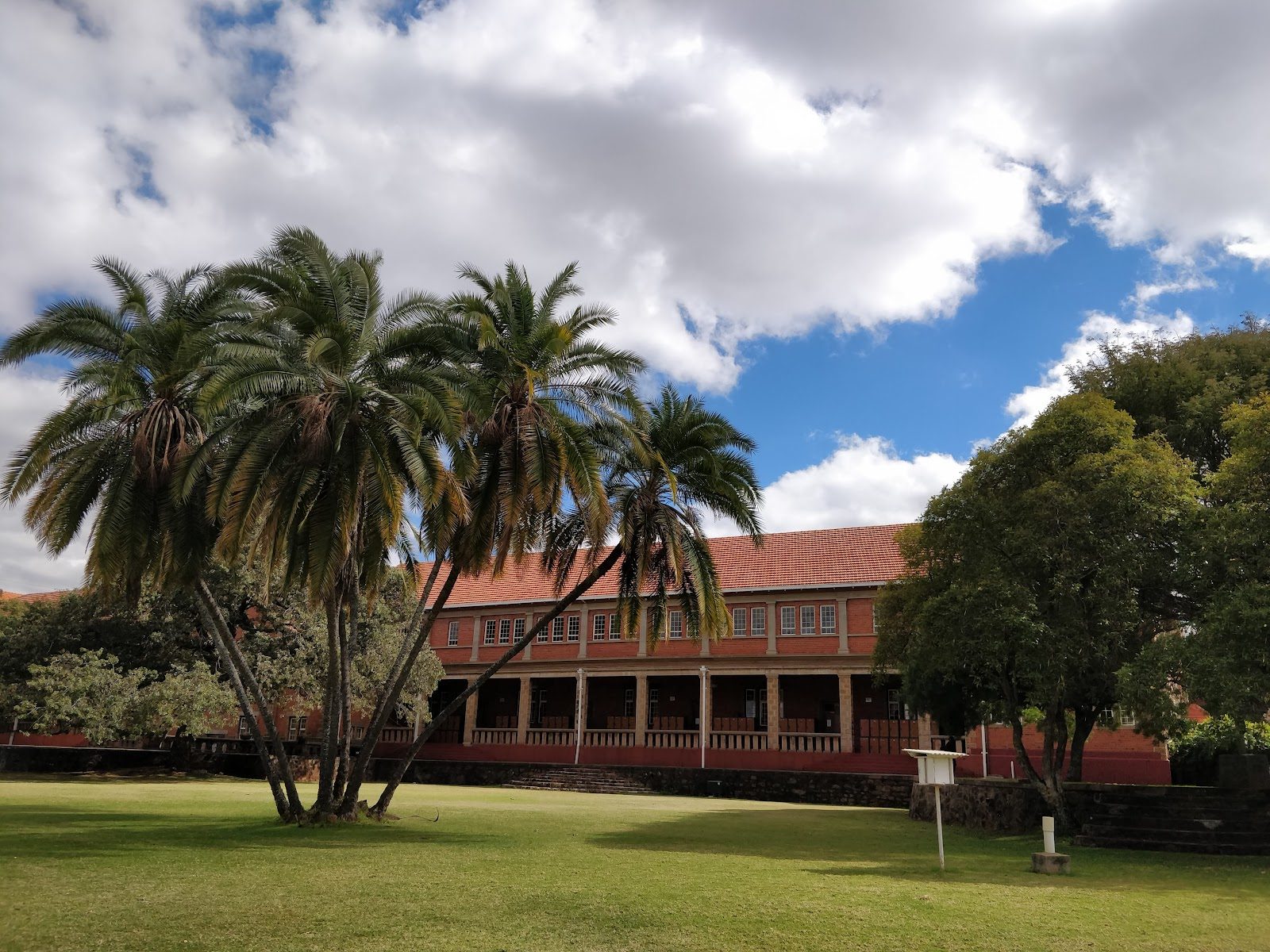
Photo © mark brennan via Google Maps
Type
Both
Ages
12–18
Curriculum
British
Qualifications
IGCSE · A-Level
Ratio
—
The Verdict
Editor's commitment
Right for
Families wanting a Jesuit, Catholic education in English, with British curriculum structure for ages 12–18 in Harare since 1896.
Wrong for
Parents seeking secular schooling, day-only simplicity, or a school outside Zimbabwe’s system of HMC Sub-Saharan Africa and ATS Zimbabwe.
Watch out for
Forty hectares beside Harare’s Botanical Gardens and Jesuit heritage carry weight, but the school does not publish academic outcomes here.
Ranking breakdown
St. George's College Harare · #512 of 1591
Composite score 68.9. 8 weighted criteria.
By criterion
Academic Outcomes
Weight 20%
#668
of 1529 scored
University Placement
Weight 16%
#649
of 1529 scored
Prestige & Heritage
Weight 12%
#446
of 1571 scored
Alumni Network
Weight 12%
#293
of 1530 scored
Facilities
Weight 12%
#732
of 1533 scored
Transparency & Communications
Weight 8%
#725
of 1532 scored
Peer & Industry Review
Weight 10%
#645
of 1548 scored
Admissions Selectivity & Demand
Weight 8%
#489
of 1529 scored
Peer & Industry Review
How St. George's College Harare is regarded in the sector
62
Respected · medium confidence
St. George's College is consistently cited as one of Zimbabwe's leading Catholic Jesuit boys' schools, alongside peers like Peterhouse and Prince Edward, and its alumni network includes numerous Zimbabwe international cricketers and business/political figures documented in independent sports and news press (e.g., ESPN Cricinfo player biographies listing 'educated at St George's College, Harare'). However, it receives little to no coverage in international specialist education press (Tatler, Good Schools Guide) which focus on UK/international markets, limiting broader third-party validation beyond regional Zimbabwean and sporting media.
Evidence sources
Editors' overview
St. George’s College Harare has two assets that matter at once: pedigree and land. Founded in 1896 and run in the Jesuit tradition, it carries the weight of one of Zimbabwe’s established Catholic schools. It also sits on 40 hectares beside the Botanical Gardens, which gives it a physical scale many urban schools cannot match. That combination — old institutional confidence, substantial grounds and a British curriculum taught in English — puts St. George’s in the top tier of Harare’s traditional independent schools. Parents who want a school with clear intellectual seriousness, religious formation and the habits of a long-settled institution will put it on a shortlist quickly.
What marks it out is not novelty but continuity. This is not a fashionable start-up trading on branding. It is a Jesuit school, and that signals something concrete: a culture that prizes discipline, service, reflection and academic rigour over gimmickry. The age range, 12–18, gives it the shape of a focused secondary school rather than an all-through operation trying to be everything at once. The school also holds accreditations and memberships that matter in its market — HMC (Sub-Saharan Africa), the Jesuit Schools Network and ATS Zimbabwe — which reinforce its standing among families who want a school with recognised professional and ecclesial ties. The attraction lies in institutional depth, moral seriousness and a campus large enough to support a full school life beyond the classroom.
The trade-off is equally clear. St. George’s suits families who value structure, tradition and a Catholic ethos; it will not appeal to parents hunting for progressive informality or a loose, child-led culture. Jesuit education asks students to cope with standards, accountability and a strong sense of collective expectation. That works best for boys who thrive when adults set the bar high and keep it there. It also suits students who want a secondary education with a strong sense of purpose rather than a softer, more permissive atmosphere.
In market terms, St. George’s sits as a high-prestige Harare college for families who want British curriculum academics anchored in Jesuit values and delivered within a deep-rooted school culture. It belongs on a shortlist because it offers something hard to replicate: historic standing, serious educational intent and room to grow on a major urban campus. The right student for St. George’s is academically capable, resilient, comfortable with discipline, and ready to join a school where tradition is not decorative but operational.
Academic Performance
St. George’s has the reputation of an academic school, but reputation is not the same thing as published performance. The school does not disclose aggregate GCSE, IGCSE, AS or A Level results in the public domain, and we have not seen a breakdown of top grades, subject-level outcomes, university destinations or value-added data. That matters. In a market where serious schools can publish hard numbers, the absence of them leaves parents to rely on brand, history and word of mouth. For a college with high-status standing and serious academic claims, that is a gap.
Relative to peers, the school sits in the group of established Harare independents that trade on long institutional confidence and selective appeal rather than radical transparency. That does not mark weak performance; it marks opaque performance. Jesuit schools often enforce a demanding academic culture, and St. George’s has the shape of a school where standards, competition and exam preparation carry weight. But without published outcomes, it is impossible to place it precisely against the strongest British-curriculum competitors on external results alone. Parents who care about league-table clarity should ask for five years of exam data, top-grade distributions, subject cohorts and destination lists before treating academic prestige as proven fact.
Facilities
The decisive facilities advantage here is space. In a capital-city market where many schools work within constrained urban footprints, St. George’s has room for a fuller games programme, more breathing space between buildings and a campus life that does not feel squeezed into every corner. That matters more than brochure language about “green environments”. A large site changes the school day: sport can run properly, movement between lessons is less compressed, and students get a setting with real physical scale rather than improvised patches of field. The location beside the Botanical Gardens sharpens that advantage. Against Harare peers, that places St. George’s in the group with serious land assets, not merely adequate grounds.
What we do not have is a published, granular account of specialist provision. The school’s public-facing information points to a library and alumni, communications and development infrastructure, but it does not set out the kind of facility detail parents need: science laboratories, design and technology spaces, theatre or music provision, indoor sports infrastructure, boarding-house quality, or recent capital projects beyond fundraising activity. That leaves the campus impressive in outline but thinly documented in substance. Relative to direct competitors, the grounds are a clear strength; the transparency is not. Parents comparing top Harare schools should ask for a site visit that tests the practical basics — labs, changing rooms, performance spaces, dining, medical provision and house accommodation — before treating the estate as a complete facilities win.
George’s in the top tier of Harare’s traditional independent schools
Prestige
St. George’s carries real prestige in Zimbabwe’s independent-school market because it combines three status markers that families recognise at once: Jesuit identity, entrenched alumni culture and the social confidence of a school that has educated generations of the country’s professional class. Prestige here does not rest on glossy messaging. It rests on institutional memory, selective social cachet and the fact that St. George’s belongs to the small group of schools whose names travel on reputation alone. The link with Hartmann House strengthens that pipeline and gives the college a built-in continuity that many competitors lack. Its membership of HMC in Sub-Saharan Africa also matters: that places it inside a serious professional network rather than leaving it as a purely local brand.
The rating stops short of unqualified top-tier admiration for one reason: the school does not publish the hard outcome data that elite schools should disclose. Prestige without numbers still counts, but it counts as social prestige more than demonstrated academic supremacy. That distinction matters. St. George’s has the weight, recognition and old-boy reach of a high-prestige school, and its scale — 40 hectares in a prime setting — reinforces that impression of permanence and power. But parents should separate historic standing from measurable performance. The former is beyond dispute; the latter remains insufficiently evidenced in public.
The rating stops short of unqualified top-tier admiration for one reason: the school does not publish the hard outcome data that elite schools should disclose
Communications
Parent communication has more structure than many schools in this market. The public-facing set-up includes email, online forms, iSAMS portals, downloads, a timetable area, a library link, contact routes and a named Development Office that covers communications alongside alumni, marketing and fundraising. That matters because it points to communication as an assigned function, not an ad hoc task dumped on teaching staff. For current families, the practical channels look orderly, serviceable and built for routine school life rather than ceremonial messaging alone. The inclusion of portals also signals a school that expects parents to transact with it through systems, which suits a disciplined institutional culture.
The weakness is transparency, not machinery. We can see the channels; we cannot see how well they are used. The school does not publish the kind of parent-facing detail that would let families judge communication quality with confidence: response standards, reporting cadence, examples of academic updates, crisis communication practice, or a clear map of who handles what beyond the Development Office remit. The result is a communications operation that reads as administratively competent but insufficiently evidenced. In plain terms: the school has the tools, and 1 dedicated office carrying communications in its brief gives that work a proper home, but parents still need to test the basics directly. Ask how fast emails are answered, how behaviour and academic concerns are escalated, and how information moves between house staff, teachers and families.
Uniqueness
What separates St. George’s from many independent schools is the way Jesuit formation sits inside a school with genuine physical and social weight. This is not religion as window dressing. Jesuit schools ask pupils to submit their intellect, habits and conduct to scrutiny, and that creates a more exacting culture than families find in schools where ethos lives only on a crest. Add the long-established link with Hartmann House and you get a pipeline with institutional continuity: boys enter a system that already knows what kind of graduate it wants to produce. The Development Office also tells its own story. A school that runs dedicated functions for fundraising, alumni, marketing and communications has serious organisational memory and the means to maintain it.
For students, that mix brings advantages beyond prestige. A large estate of 40 hectares gives adolescents room to test themselves in sport, leadership and daily communal life without the cramped feel of many city campuses. The alumni and development structure strengthens ties beyond graduation, which matters in a school where old-boy networks carry real force. The result is an education shaped not just by classes and exams but by belonging to a deep-rooted fraternity with expectations attached. For the right pupil, that delivers discipline with identity: a strong sense that he is joining something older, stricter and more demanding than himself.
George’s College Harare has two assets that matter at once: pedigree and land
Student Profile
The best fit is a boy who responds well to structure, hierarchy and adult expectations. St. George’s does not suit the child who needs constant negotiation, loose routines or a casual relationship with rules. It suits students who can handle a high-accountability culture: punctual, coachable, resilient after setbacks and willing to be judged on effort as well as attainment. Because the school carries both day and boarding life, boys also need a measure of social stamina. They will spend long stretches in a community that notices conduct, participation and reliability. The strongest candidates are not only academically able; they are boys who can live inside a demanding communal code without chafing at it every day.
This school also fits families who want education to shape character in a direct, unapologetic way. A student will do well here if he can absorb discipline, faith-inflected expectations and the pressure that comes with a school of this standing. Sport, service, leadership and loyalty to the institution carry real weight; the boy who wants to drift at the edges will find the culture unforgiving. The boy who wants to test himself inside a tradition-heavy, status-conscious environment will get more from it. In practical terms, the age span from 12 to 18 means adolescents grow up under one coherent set of expectations, and that consistency will either steady them or wear them down.
Founded in 1896 and run in the Jesuit tradition, it carries the weight of one of Zimbabwe’s established Catholic schools
Co-curricular strengths
Arts & sport, on a separate axis
Overall 7.1/10
Scored 0-10 from the school's own published evidence. This axis is editorial-only — it does not feed the main WTS ranking.
Sports
9/10
Drama
7.5/10
Dance
4.5/10
Music
7.5/10
Visual Arts
7/10
Editor first-pass · editor-reviewable · 7/30/2026
Strengths
- +Founded 1896: unusually established Zimbabwean school.
- +Jesuit Catholic identity offers clear values framework.
- +British curriculum suits UK-style examination pathways.
- +HMC membership adds external professional network.
Considerations
- −Boys-only college narrows options for co-educational families.
- −Boarding school model may not suit all teenagers.
- −Only English instruction limits bilingual education.
Availability
Primary entry gate & tests
Grade 7 / CHISZ entry assessment; English + Maths
Gallery
Photo © St George's College via Google Maps
Photo © Dimz via Google Maps
Photo © St George's College via Google Maps
Photo © St George's College via Google Maps
Photo © St George's College via Google Maps
Parent reviews
Have you sent your child here?
Voice reviews carry the strongest trust badge — we transcribe them for you to tidy up before they go live. Prefer to type? A written review is fine too.
Add your voice
In 60 seconds, tell other parents: what's the best thing about St. George's College Harare, and what surprised you when your child joined?
We ask for a Google sign-in so every review has a real face behind it — no anonymous drive-by attacks on schools, and no faked positive reviews. Your email is never shown publicly.
Send this profile to a friend
International parents rely on word-of-mouth. Share this review with someone weighing the same decision.
Schools with places
Similar schools to St. George's College Harare with places available now.
The British School of Barcelona
Sitges · Spain
- 2026-27
- WAITPOOLSpace-dependent
- 2027-28
- PLACES OPENRolling
The British School of Milan
Milan · Italy
- 2026-27
- WAITPOOLSpace-dependent
- 2027-28
- PLACES OPENRolling
The British School in Tokyo
Tokyo · Japan
- 2026-27
- WAITPOOLSpace-dependent
- 2027-28
- PLACES OPENRolling
Jeddah Prep and Grammar School
Jeddah · Saudi Arabia
- 2026-27
- WAITPOOLAdmissions open / availability-dependent
- 2027-28
- PLACES OPENMarketed as open for 2027
Availability first, then country, area, curriculum, price, co-curricular
Consider also
Also worth looking at alongside St. George's College Harare.
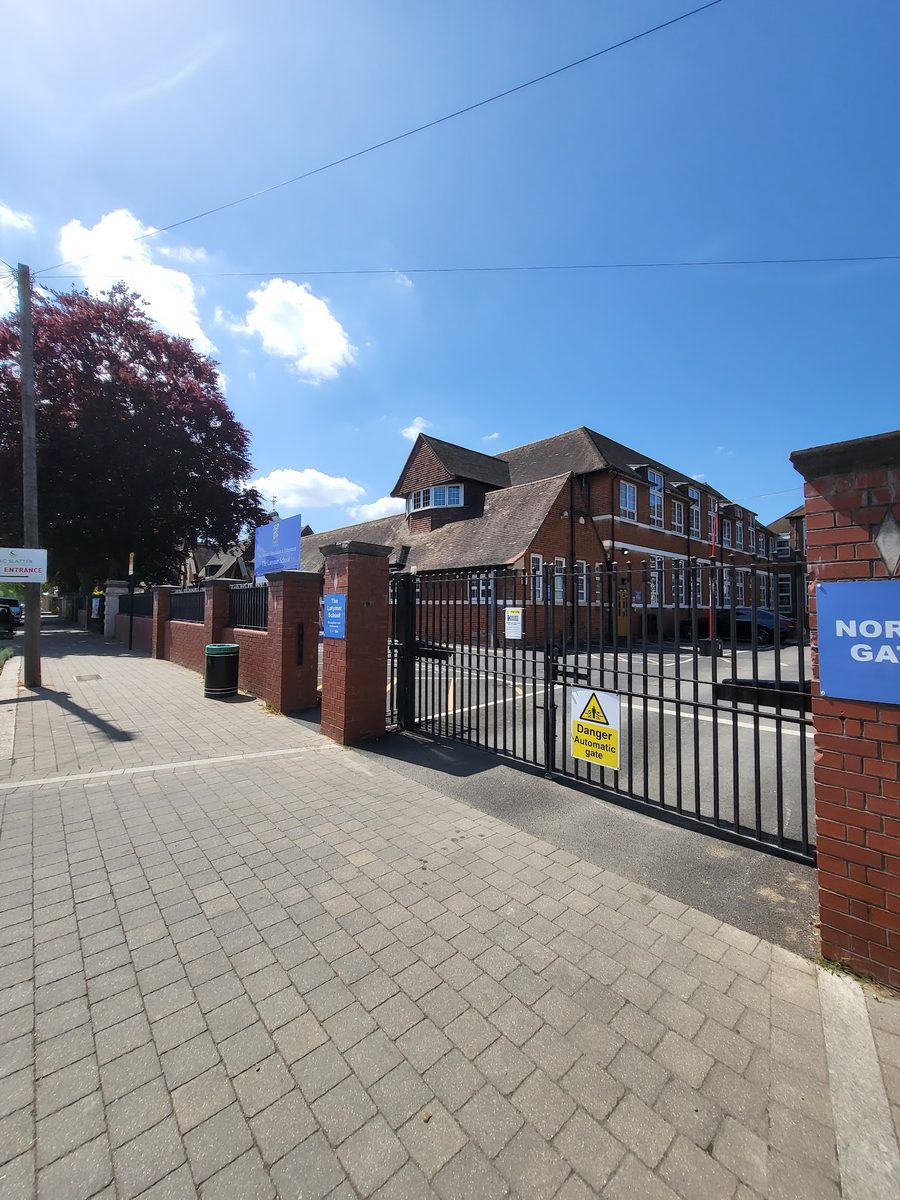
The Latymer School
London · United Kingdom
A 400-year-old state grammar in Edmonton where over 1,000 applicants compete yearly for just 192 places, with Cambridge college endowments still funding leavers.
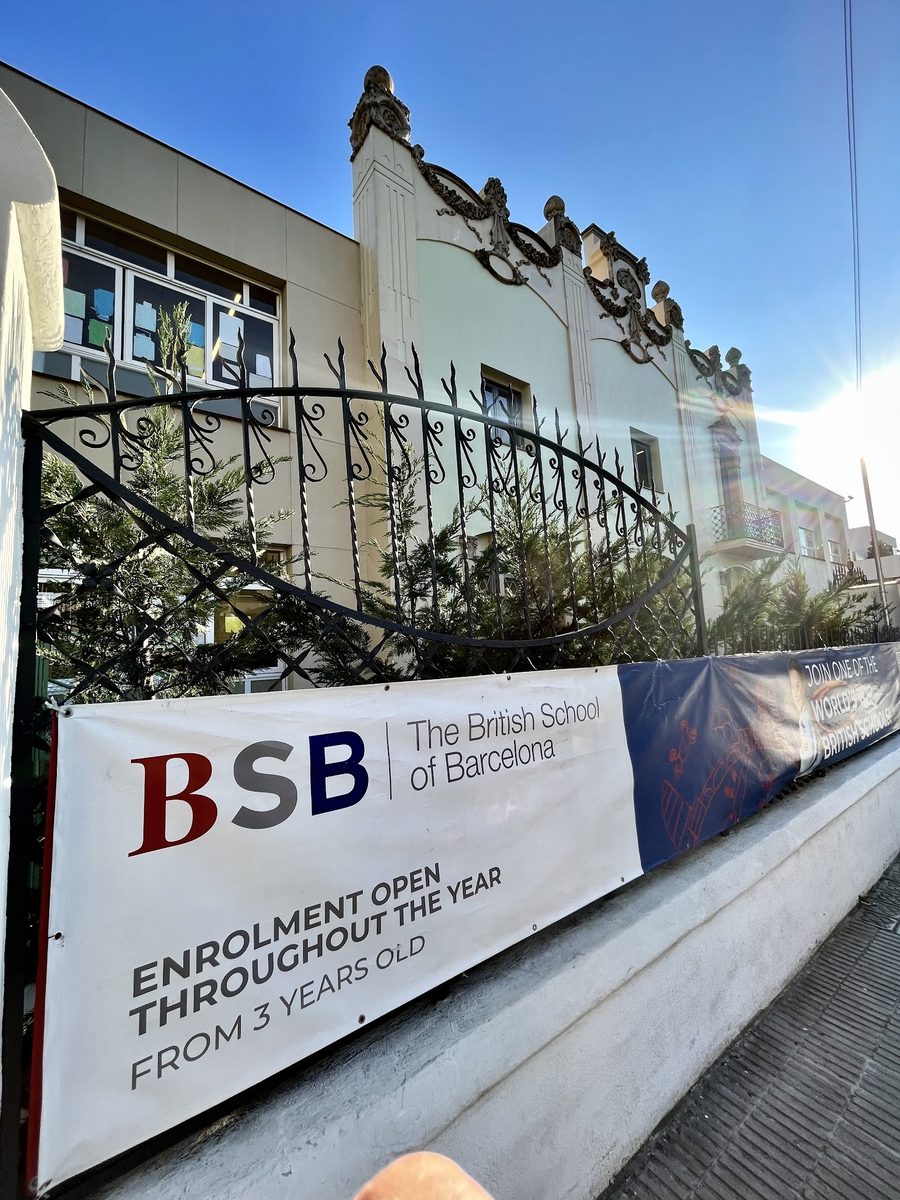
The British School of Barcelona
Sitges · Spain
An intimate Sitges campus for the early years, delivering the English National Curriculum minutes from the beach.
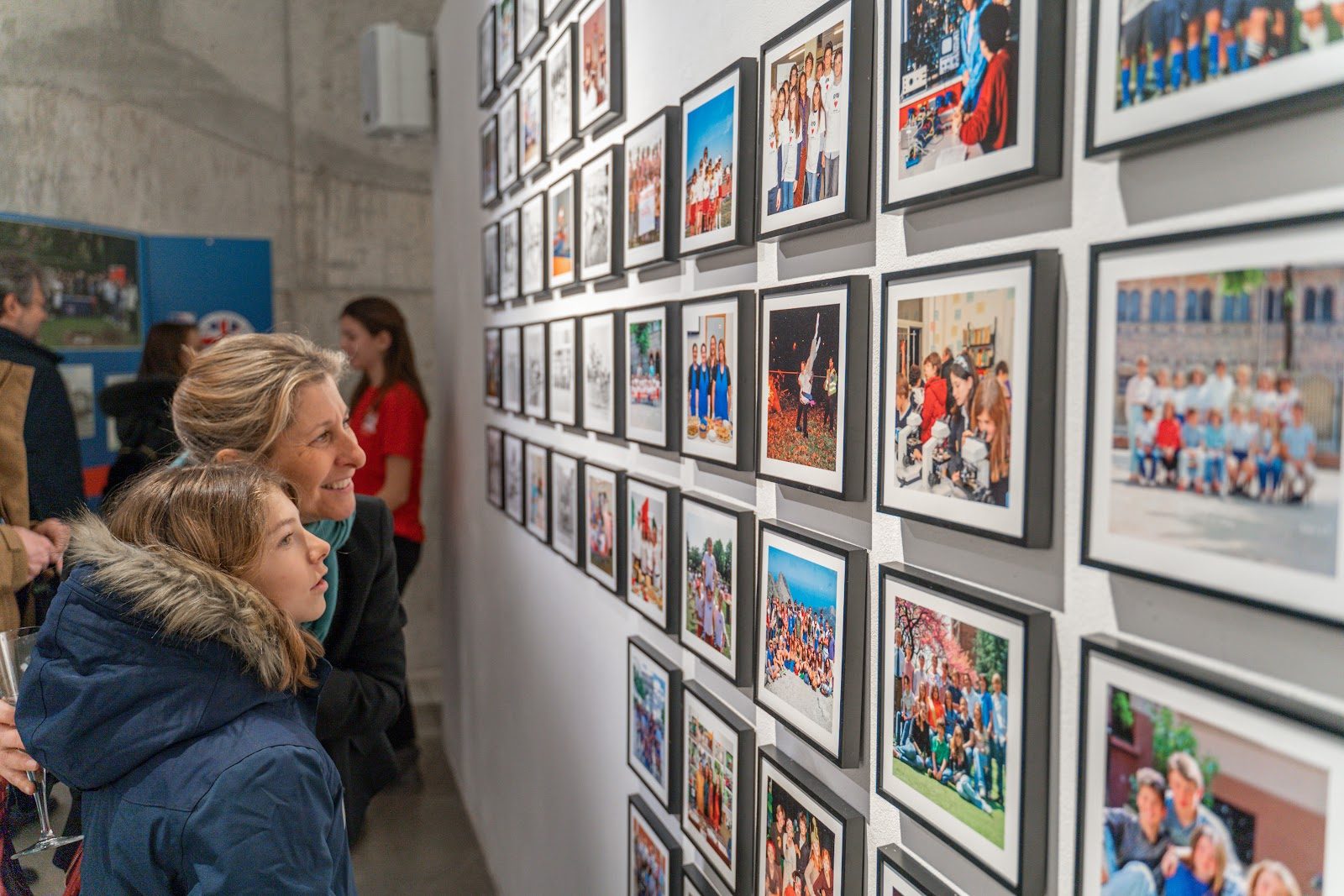
The British School of Milan
Milan · Italy
Since 1969, the only Milan school rated Excellent by UK inspectors, pairing IGCSE rigor with a close-knit IB Sixth Form.
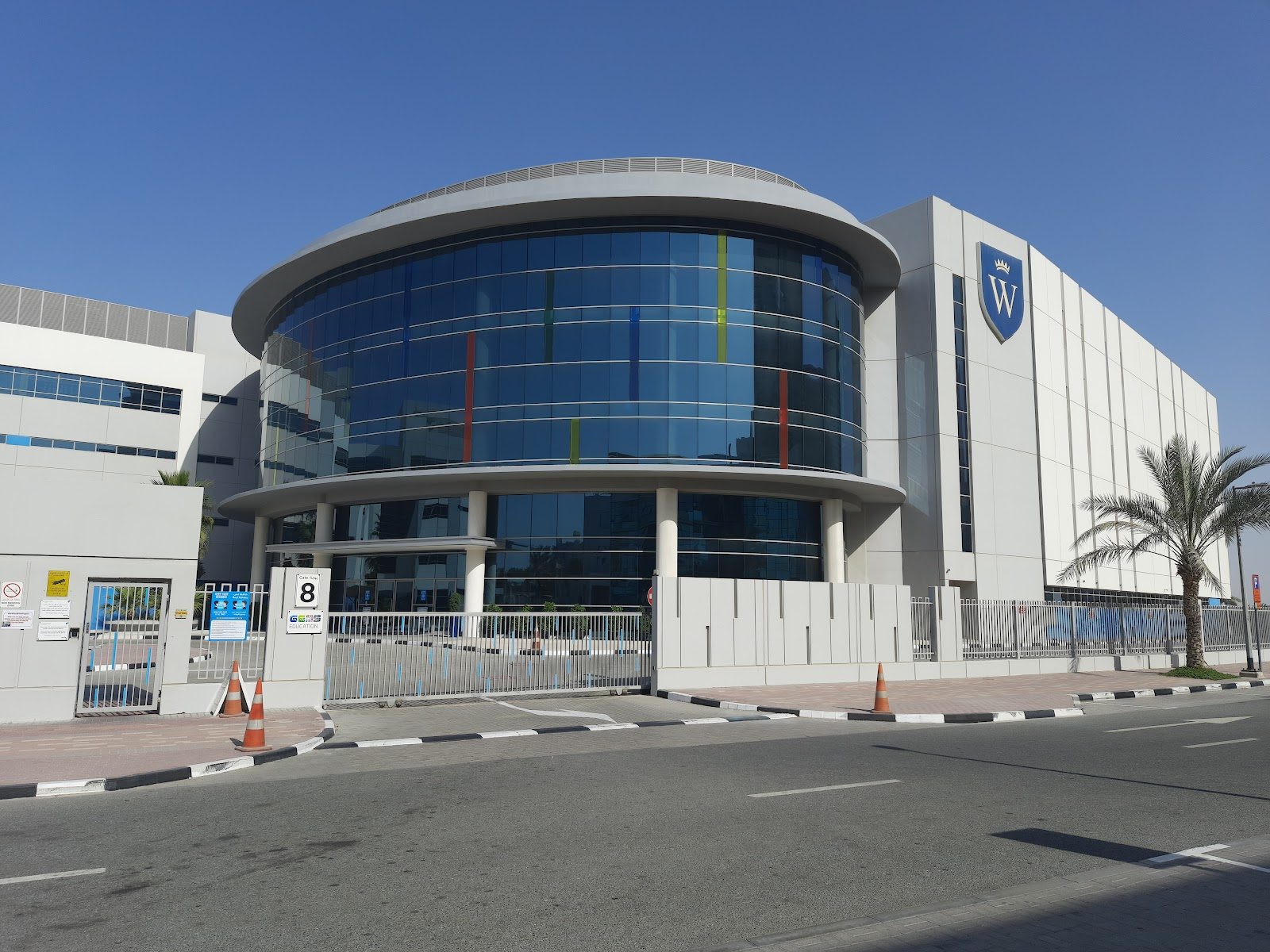
GEMS Wellington Academy - Silicon Oasis
Dubai · United Arab Emirates
Set inside Dubai Silicon Oasis's tech park, this all-through school pairs IB and British pathways with a dedicated performing arts centre.
Same country and curriculum — closest matches within ±10 points either way