
Virginia
Paul VI Catholic High School
In Chantilly's WCAC gridiron rivalries, this Diocese of Arlington day school pairs AP Honor Roll rigor with panther pride.
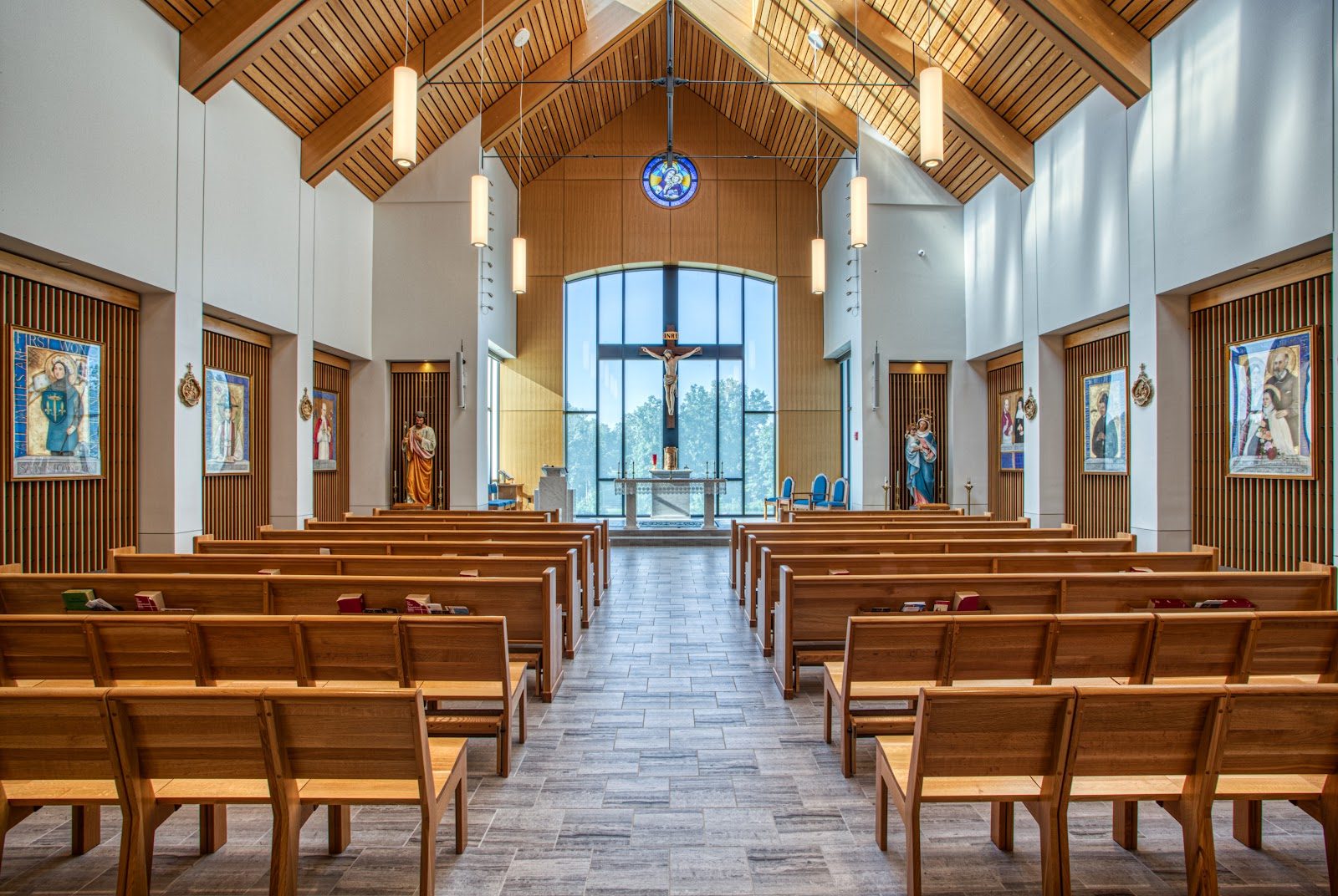
Photo © St. Paul VI Catholic High School via Google Maps
Type
Day
Ages
14–18
Curriculum
US High School Diploma · Advanced Placement
Ratio
—
The Verdict
Editor's commitment
Right for
Catholic families in Chantilly wanting a day school for ages 14–18 with AP courses and US High School Diploma breadth.
Wrong for
Families wanting boarding, non-Catholic ethos, or another language of instruction; Paul VI is English-medium, Catholic and day-only.
Watch out for
VCPE and SACS accreditation gives baseline credibility, but the school does not publish aggregate AP results or university destinations here.
Ranking breakdown
Paul VI Catholic High School · #1194 of 1591
Composite score 58.4. 8 weighted criteria.
By criterion
Academic Outcomes
Weight 20%
#1220
of 1529 scored
University Placement
Weight 16%
#1089
of 1529 scored
Prestige & Heritage
Weight 12%
#1289
of 1571 scored
Alumni Network
Weight 12%
#1130
of 1530 scored
Facilities
Weight 12%
#569
of 1533 scored
Transparency & Communications
Weight 8%
#1019
of 1532 scored
Peer & Industry Review
Weight 10%
#335
of 1548 scored
Admissions Selectivity & Demand
Weight 8%
#1471
of 1529 scored
Peer & Industry Review
How Paul VI Catholic High School is regarded in the sector
74
Respected · medium confidence
Paul VI's standing among peer schools is strongest in the Washington Catholic Athletic Conference (WCAC), where it is consistently ranked alongside DeMatha, Gonzaga, St. John's and Bishop O'Connell as one of the region's most competitive Catholic programs, particularly in basketball and football; Washington Post and WTOP high-school sports coverage regularly treats Paul VI fixtures as marquee regional events. Within the Diocese of Arlington's school system it is regarded as a flagship comprehensive campus rather than a niche academic boutique. University-facing reputation is regional rather than national: graduates cluster at University of Virginia, Virginia Tech, James Madison, George Mason, Catholic University of America and other Mid-Atlantic Catholic and public institutions, reflecting a solid but not Ivy-feeder profile. It does not appear in UK-oriented independent guides like Good Schools Guide or WhichSchoolAdvisor, nor in national US boarding-school league tables, since it is a Catholic day school competing primarily in a diocesan and athletic-conference context rather than the elite independent-school circuit covered by such press.
Award
Elite Sport 80
World's Top School · The Global Ranking
Paul VI Catholic High School is featured on our Global Top 80 ranking at #80. This seal is available for the school's marketing team to use on their website, prospectus and social channels.
Editors' overview
Paul VI Catholic High School sits in a crowded Northern Virginia market and wins attention on three fronts: Catholic identity, serious athletics and a broader-than-average approach to learning support. This is a diocesan day school for ages 14–18, founded in 1983, with a US high school diploma and Advanced Placement pathway. The athletic profile matters. Competing in the WCAC gives Paul VI immediate name recognition among families who follow East Coast school sport, and the school leans into that competitive edge without reducing itself to a training ground. At the same time, it runs more than 60 student-led clubs and organisations, adds practical electives such as robotics, entrepreneurship and artificial intelligence, and keeps faith formation at the centre. The result is a school with real institutional confidence and a clear sense of purpose.
What sets Paul VI apart is the combination of mainstream college-prep rigour with structured inclusion. The school states that it teaches subjects at four levels and has served diverse learners for over 25 years through its Options programme and wider Exceptional Learning provision. That is not common in Catholic college-prep schools with this level of athletic visibility. Parents looking for a school that can handle both high performers and students who need cognitive strategies, co-teaching or small-group instruction should take note. The public message on affordability is less useful than hard pricing; the school calls itself affordable, but affordability is relative, and families need the fee schedule to judge that claim. On academics, Paul VI offers AP and has made the AP School Honour Roll, which gives it credible academic ballast, but the school does not publish the kind of aggregate outcome data that would allow a sharper verdict on academic strength.
Why shortlist it? Because few schools in this segment combine Panther pride, established Catholic formation, visible inclusion and high-level sport as cleanly as Paul VI. This is a strong fit for students who want a busy, communal, high-energy secondary experience rather than a quiet academic enclave. The right child for Paul VI wants school spirit, accepts structure, and is comfortable in a values-driven environment where religion is not ornamental. Athletes will find a big-stage sporting culture; socially engaged students will find service, retreats and mission activity; learners who need support will find a school that has built named programmes rather than vague promises. Students who want anonymity, ultra-progressive culture-war neutrality or a stripped-back academic-only experience should look elsewhere. Paul VI suits families who want discipline with warmth and visible community life in a school that knows exactly what it is.
An Elite Sport 80 school
Paul VI Catholic High School in Chantilly, Virginia, is at rank eighty on the Elite Sport 80 because it has, over the past decade, become one of the most productive boys' basketball recruiting factories in the Washington DC metropolitan area. The Panthers' varsity boys' basketball team is a consistent USA Today national top-25 fixture, with multiple NBA Draft picks and NCAA D1 recruits in recent classes. Girls' basketball also runs at NCAA D1 recruiting standard.
The specialisms are boys' basketball (the flagship, delivered with full-time coaching, sports-science support and integrated academic scheduling), girls' basketball, American football, boys' and girls' soccer, and boys' and girls' lacrosse. Baseball, track and field, and swimming run at nationally competitive DC-area standard. Facilities include the school's on-site athletic centre.
Notable alumni across codes include Sean Singletary (NCAA D1 basketball, and briefly an NBA G-League professional), Jerome Robinson (NBA), Anthony Harris (NFL), and — in more recent generations — a rolling roster of current NBA G-League, NBA Draft picks and NCAA D1 professionals. In girls' basketball, several current WNBA and NCAA D1 recruits have come through.
International openness is limited. Paul VI is a Catholic day school for families resident in the Washington DC metropolitan area; there is no boarding house, so overseas admissions typically require a US-side accommodation solution and an F-1 student visa arranged through a partner exchange organisation. Tuition sits around US$25,000-28,000 with sport-oriented financial aid available. Admissions is a standard Catholic-school process plus sport-specific reference for scholarship consideration. For a family already relocating to Northern Virginia with an elite basketball prospect and a viable accommodation plan, Paul VI offers one of the deepest NBA and NCAA D1 recruiting pipelines in the American east; families arriving from overseas without a DC-area residency plan will find boarding academies elsewhere on this list — particularly Montverde and Oak Hill — a more structurally practical fit.
Academic Performance
Paul VI gives parents an unusual mix of academic signals: enough to confirm serious college-prep intent, not enough to place it cleanly among the strongest exam performers in its market. The school offers Advanced Placement and has earned AP School Honour Roll recognition, which carries weight. It tells you that AP participation and performance clear a national benchmark rather than functioning as a token add-on. The curriculum structure also matters: subjects are taught at multiple levels, and newer electives extend beyond the standard private-school menu into areas such as robotics, entrepreneurship and artificial intelligence. That breadth supports a practical, contemporary academic profile. What the school does not publish is the data that would let families judge exam strength with precision: no aggregate AP score distribution, no headline pass rates, no average number of APs per student, and no comparative college-matriculation pattern robust enough to stand in for results.
Relative to peers, Paul VI sits in the large middle band of US Catholic college-prep schools that combine credible academic ballast with a far more visible sporting and community identity than a pure exam factory. It does not read like a school built to chase elite-testing optics at all costs. That will suit many families. It will not satisfy those who want hard-edged academic transparency. In the absence of published outcomes, the fairest conclusion is straightforward: Paul VI has real academic substance, but its external exam profile remains opaque beside more data-rich competitors in the Washington private-school market.
Facilities
Facilities are strongest where Paul VI has chosen to build identity rather than polish image. Athletics clearly sit at the front of that queue. A school competing in the WCAC and streaming sport does not run on token provision; it needs serious training and match infrastructure, and parents can infer a campus built to sustain a high-pressure sporting culture. Fine arts also have more than nominal backing. The school has dedicated music, theatre and visual arts scholarship routes, plus boosters for music and theatre producers, which points to usable specialist spaces rather than a single multi-purpose hall trying to do everything. Add practical electives in woodworking, robotics, gardening, sewing and artificial intelligence, and the picture is of a campus with workshops, labs and project rooms that support hands-on study. The stand-out figure in student life remains the 60-plus clubs and organisations, which only function well when there is enough communal space to host them.
Against peer Catholic college-prep schools, that mix is broader than average. Many rivals can field strong sports facilities; fewer pair them with named provision for students with intellectual and developmental disabilities and a wider exceptional learning structure that requires adapted teaching spaces and small-group rooms. That matters. It gives Paul VI a more inclusive physical setup than schools that talk inclusion but build mainly for mainstream college-prep pupils. The weakness is public detail. The school does not publish the kind of campus breakdown that lets families assess science labs, library strength or arts venues with precision. So the verdict stays disciplined: facilities look purpose-built and well used, with clear strength in sport, student activities and support provision, but weaker public transparency than top-tier peers.
But it does not publish the kind of outcome data that underpins top-tier academic prestige
Prestige
Paul VI’s prestige rests less on old-guard exclusivity than on regional visibility and institutional heft. In Northern Virginia and the Washington Catholic school world, the name carries weight because the school is active in the conferences that families actually follow and because its public identity is unusually broad: academics, faith formation, arts, service and high-level sport all sit in plain view. That produces a school with real market recognition, not a niche reputation known only to parish insiders. The scale of student life matters here. A roster of 60-plus clubs and organisations, combined with well-developed athletics and named learning-support provision, gives Paul VI the profile of a school with reach, infrastructure and confidence. Parents will read that correctly: this is an established diocesan institution, not a small local Catholic school trading on aspiration.
That said, prestige here is earned by profile, not by academic mystique. The school has AP Honour Roll status and a more developed support structure than many college-prep Catholic peers, which strengthens its standing. But it does not publish the kind of outcome data that underpins top-tier academic prestige. No public run of aggregate AP results means Paul VI cannot claim the hard-edged scholastic cachet of the most transparent independents in the wider Washington market. The verdict is clear: strong prestige within its religious and athletic ecosystem, solid recognition beyond it, and a ceiling imposed by opaque academic disclosure.
Paul VI Catholic High School sits in a crowded Northern Virginia market and wins attention on three fronts: Catholic identity, serious athletics and a broader-than-average approach to learning support
Communications
Paul VI communicates with parents through a dense, active set of channels. The website carries a full parent section, an open calendar, news, magazine content, directories, transport information, admissions process pages, athletics schedules and a live sports stream. That matters because this is not a school with a narrow academic day and little else to track; it runs a busy communal life and parents need logistics as much as philosophy. The navigation is sprawling, but it is also functionally thorough. Families can find the practical things that drive school-home relations: attendance contacts, front-desk contact points, event listings, parent involvement routes and visible links into departments from campus ministry to athletics. The presence of Panther Tracks magazine and a regular news flow adds a strong institutional voice rather than leaving the school to communicate only through forms and reminders.
Effectiveness is strongest in breadth and cadence, weaker in precision. The school does a good job of signalling what matters in daily life: fixtures, events, faith activity, arts, support services and admissions pathways all sit in plain view. The breadth of extracurricular life — more than 60 clubs and organisations — makes that clarity important, and Paul VI handles the volume with competent operational communication. The weakness is familiar: there is more promotion than hard disclosure. Parents get a vivid picture of community life, but less hard public reporting on outcomes, costs and comparative performance. In other words, communication is energetic and serviceable for current-family logistics, but less rigorous when parents want evidence rather than messaging.
Uniqueness
Paul VI is unusual because it does not force families to choose between big-programme school spirit and structured access for students who need more support. Many Catholic college-prep schools can point to faith life, sport and AP classes. Far fewer build a named pathway for students with intellectual and developmental disabilities into the main life of the school, then reinforce it with wider exceptional learning provision. That changes the student experience in concrete ways. It produces a community where inclusion is operational, not decorative; where a student who needs co-teaching, cognitive strategies or small-group instruction enters a school with systems already in place; and where mainstream students learn alongside peers with different learning profiles instead of hearing abstract sermons about dignity and service. For the right family, that is a serious differentiator.
The second point of difference is the school’s willingness to pair that inclusion with a high-visibility competitive culture. Paul VI is not a niche support school and not a quiet parish outpost. It runs on the energy of WCAC athletics, extensive extracurricular life and a Catholic formation model that expects students to participate rather than drift. The addition of electives such as artificial intelligence, robotics and woodworking adds a more practical cast than the standard church-school menu, while 60-plus clubs widen the routes into belonging. The result is distinctive: a school with institutional muscle, strong communal identity and enough range for very different kinds of teenagers to find a place in it.
This is a diocesan day school for ages 14–18, founded in 1983, with a US high school diploma and Advanced Placement pathway
Student Profile
The student who fits Paul VI wants to belong to something larger than a timetable. This is a school for teenagers who can handle visible expectations: faith practice, community participation, organised activity and adult oversight all carry weight. Confident joiners will find multiple entry points, from sport and fine arts to service, retreats and clubs, and the social fabric rewards students who show up rather than hover at the edges. The tone suits families who want a structured, communal adolescence instead of radical independence. Students who bristle at religious observance, resist school spirit or want a detached, low-contact high-school experience will feel out of step.
There is also a wider academic and personal range here than the athletic branding first implies. Paul VI works for strong mainstream college-prep students, but it also has a serious place for learners who need support through exceptional learning provision and the Options programme. That gives the student body a more mixed profile than many status-conscious private schools. Practical-minded pupils who enjoy applied subjects will also find room to breathe; the menu goes beyond the orthodox classroom track. Socially, this is not a coolly anonymous environment. It is busy, supervised and identity-rich, with more than 60 clubs and organisations feeding a high-energy peer culture. Students who thrive in that kind of ecosystem will do well; students who want distance, obscurity or ideological neutrality will not.
The result is a school with real institutional confidence and a clear sense of purpose
Co-curricular strengths
Arts & sport, on a separate axis
Overall 7.88/10
Scored 0-10 from the school's own published evidence. This axis is editorial-only — it does not feed the main WTS ranking.
Strengths
- +Operates from a purpose-built campus in Chantilly opened in 2020, replacing the older Fairfax site with modern academic and athletic facilities.
- +Offers a full Advanced Placement curriculum alongside the standard US diploma track, giving college-bound students recognized coursework options.
- +Operates under the Diocese of Arlington, embedding a structured Catholic identity and values-based community into daily school life.
- +Athletics program, particularly basketball, has a strong regional and national reputation, having developed players who went on to Division I programs such as Duke.
- +Co-educational day school structure allows students to remain embedded in family and local community life rather than boarding.
Considerations
- −As a Catholic diocesan school, religious instruction and Mass attendance are part of school life, which may not suit non-Catholic or secular families.
- −Being a day school only, it offers no boarding option, requiring families to manage daily transport or live within a practical commuting distance of Chantilly, VA.
- −Tuition and fee levels for private Catholic secondary schools in the Arlington diocese are a recurring cost families must budget for annually, though exact current figures require direct confirmation from the school.
- −Editorial rank is unranked and the school sits in a broad 'best_300' tier rather than being distinguished among top-tier US private schools nationally.
Gallery
Photo © St. Paul VI Catholic High School via Google Maps
Photo © St. Paul VI Catholic High School via Google Maps
Photo © St. Paul VI Catholic High School via Google Maps
Photo © St. Paul VI Catholic High School via Google Maps
Photo © St. Paul VI Catholic High School via Google Maps
Photo © St. Paul VI Catholic High School via Google Maps
Photo © St. Paul VI Catholic High School via Google Maps
Parent reviews
Have you sent your child here?
Voice reviews carry the strongest trust badge — we transcribe them for you to tidy up before they go live. Prefer to type? A written review is fine too.
Add your voice
In 60 seconds, tell other parents: what's the best thing about Paul VI Catholic High School, and what surprised you when your child joined?
We ask for a Google sign-in so every review has a real face behind it — no anonymous drive-by attacks on schools, and no faked positive reviews. Your email is never shown publicly.
Send this profile to a friend
International parents rely on word-of-mouth. Share this review with someone weighing the same decision.
Schools with places
Similar schools to Paul VI Catholic High School with places available now.
Episcopal High School
Alexandria · United States
- 2026-27
- CLOSEDRegular cycle closed
- 2027-28
- OPENS SOONOpens Sept '26
Thomas Jefferson High School for Science and Technology
Alexandria · United States
- 2026-27
- CLOSEDStandard route
- 2027-28
- OPENS SOONOpens 5 Oct '26
Availability first, then country, area, curriculum, price, co-curricular
Consider also
Also worth looking at alongside Paul VI Catholic High School.
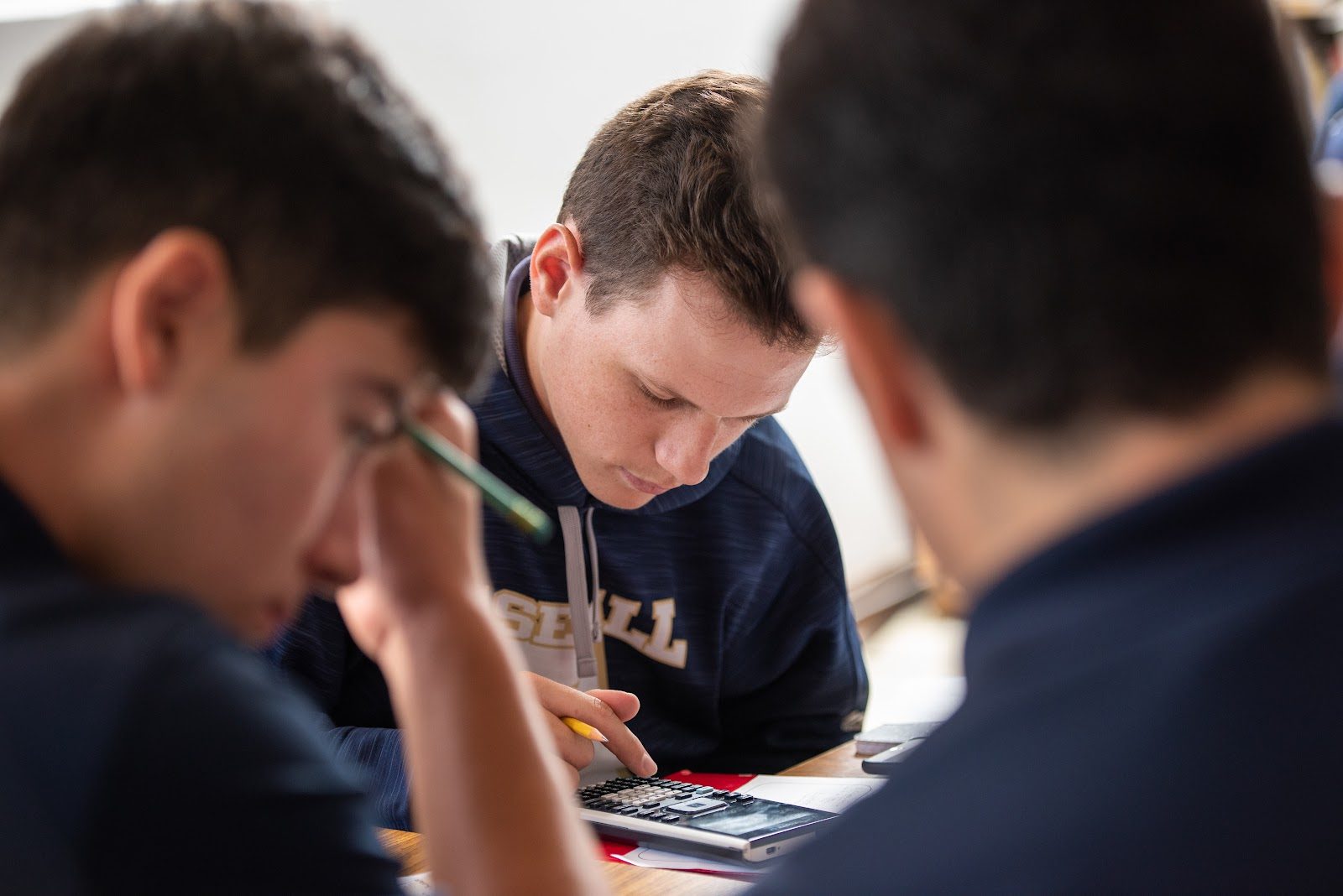
St. John Bosco High School
Bellflower, CA · United States
A Salesian all-boys brotherhood in Bellflower pairs three national football titles with dual-enrollment STEM pathways.
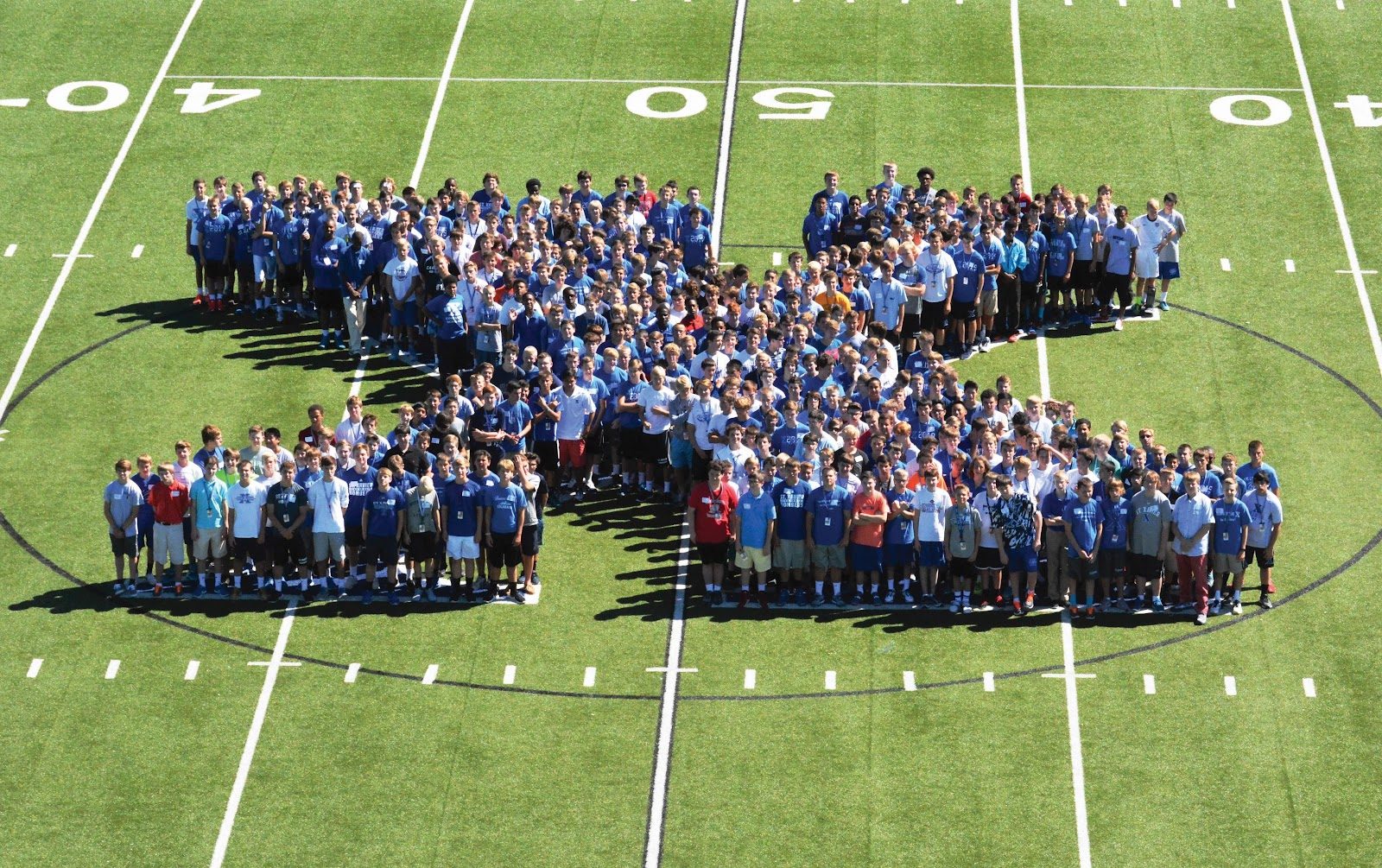
St. Xavier High School Cincinnati
Cincinnati, OH · United States
Since 1831, a Jesuit brotherhood on Cincinnati's west side forges 'Men for Others' through rigorous AP coursework.
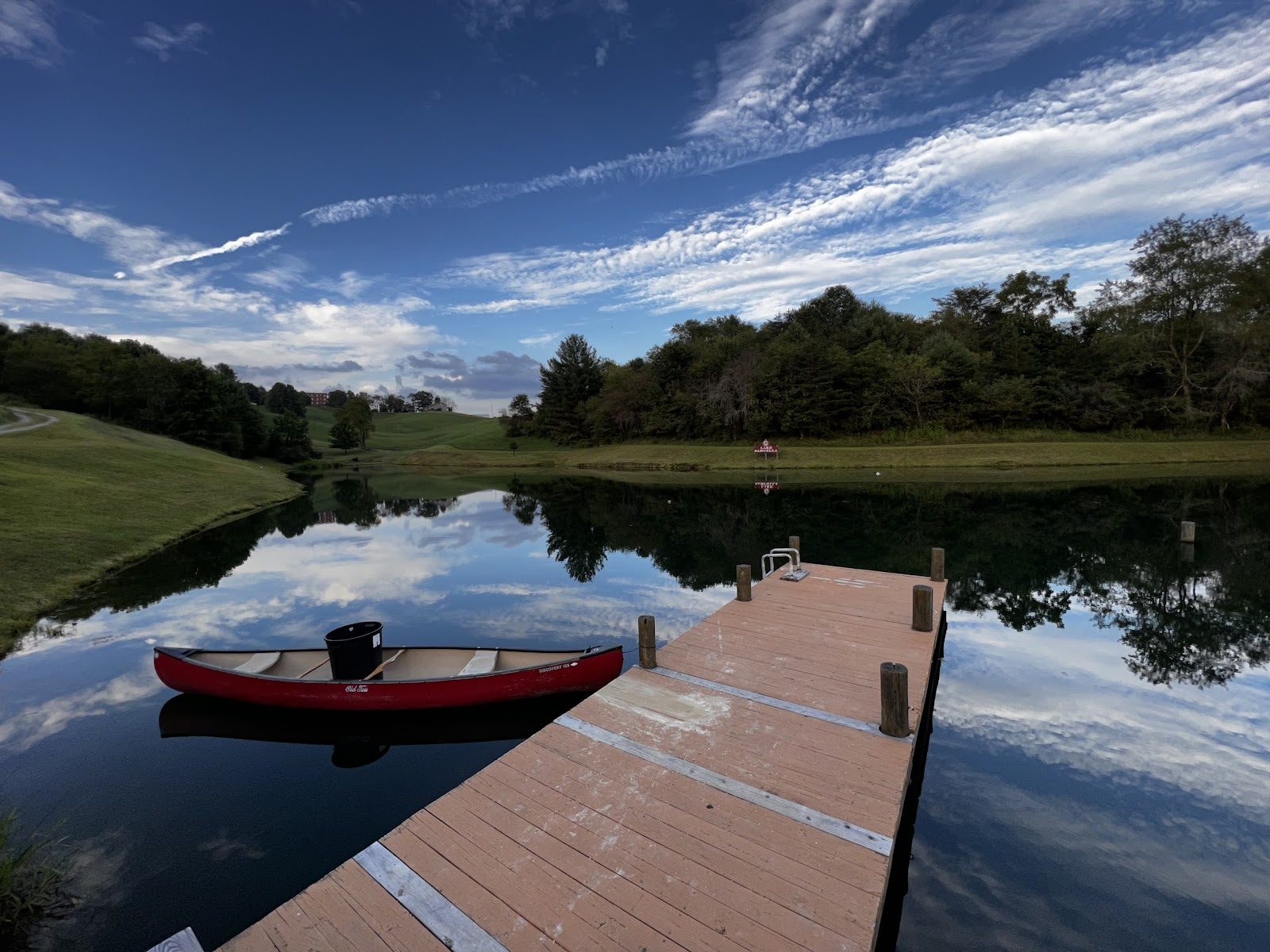
Oak Hill Academy
Mouth of Wilson, VA · United States
Deep in Virginia's Blue Ridge Mountains, a tiny Baptist boarding school built a basketball pipeline rivaling college programs.
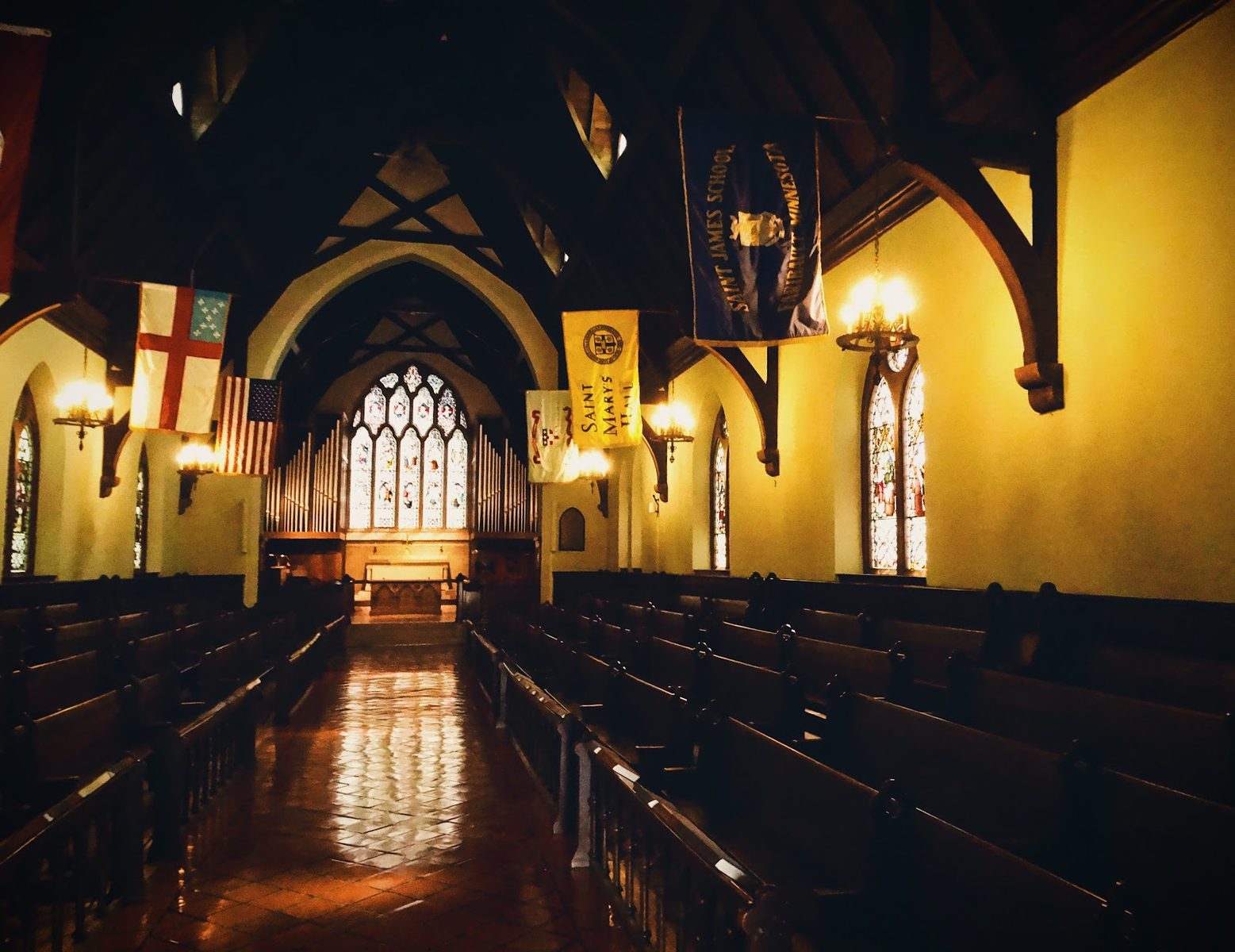
Shattuck-St. Mary's School
Faribault, MN · United States
A quiet Rice County campus since 1858, whose two NHL-sized rinks have fed the sport's pro and Olympic pipelines for decades.
Same specialism, country and curriculum — closest matches within ±10 points either way