
California
St. John Bosco High School
A Salesian all-boys brotherhood in Bellflower pairs three national football titles with dual-enrollment STEM pathways.
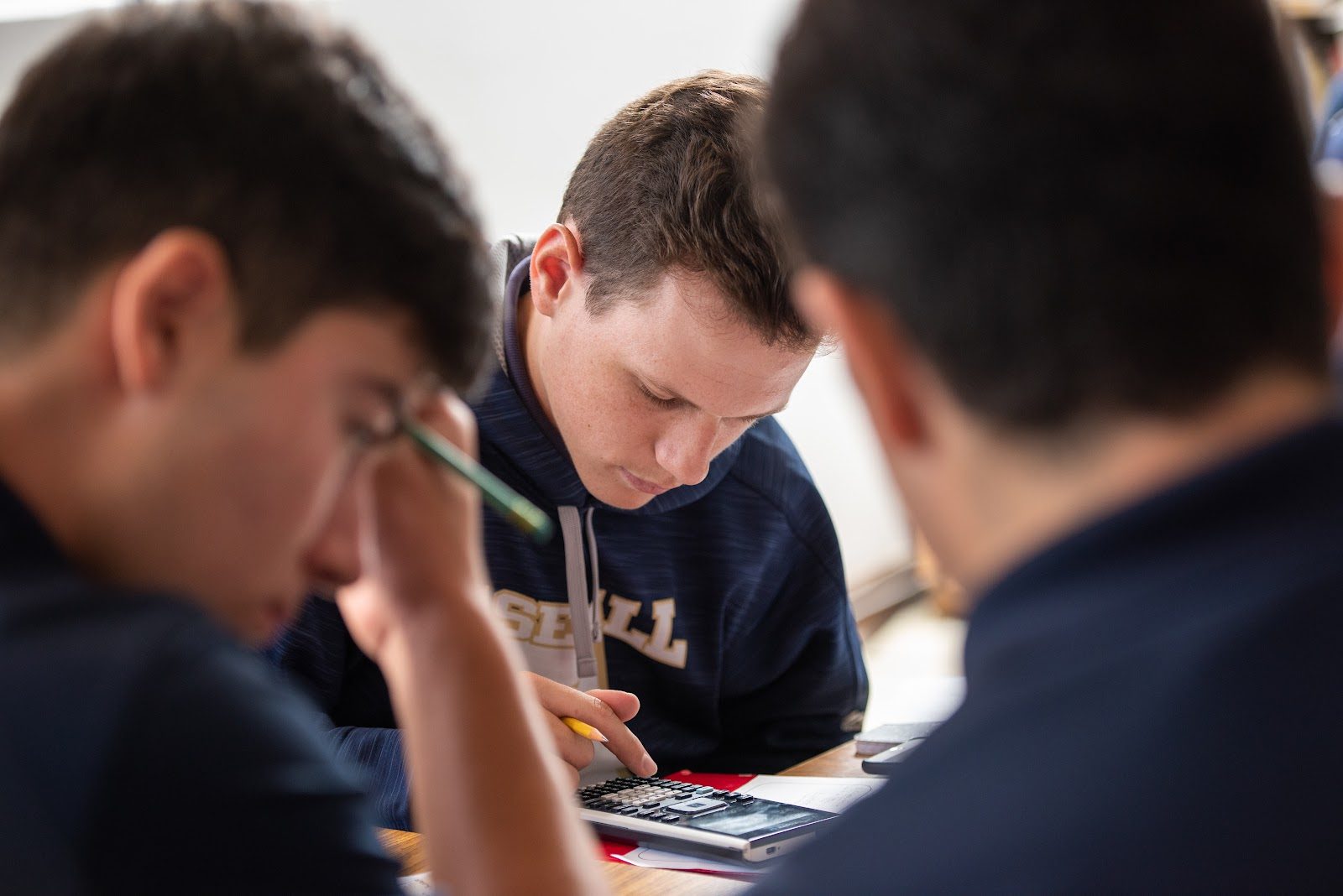
Photo © St. John Bosco High School via Google Maps
Type
Day
Ages
14–18
Curriculum
US High School Diploma · Advanced Placement
Ratio
14:1
The Verdict
Editor's commitment
Right for
Boys aged 14–18 who want a Catholic, all-day school with a 14:1 ratio, AP courses and four-year academic pathways.
Wrong for
Families wanting co-education, boarding or a secular culture; St. John Bosco is Catholic, boys-only and day-only in Bellflower.
Watch out for
The average annual fee is $18,400; 96% continue to further education, but the school does not publish aggregate AP results.
Ranking breakdown
St. John Bosco High School · #933 of 1591
Composite score 64.2. 8 weighted criteria.
By criterion
Academic Outcomes
Weight 20%
#1318
of 1529 scored
University Placement
Weight 16%
#1089
of 1529 scored
Prestige & Heritage
Weight 12%
#623
of 1529 scored
Alumni Network
Weight 12%
#738
of 1529 scored
Facilities
Weight 12%
#141
of 1529 scored
Transparency & Communications
Weight 8%
#1151
of 1529 scored
Peer & Industry Review
Weight 10%
#52
of 1529 scored
Admissions Selectivity & Demand
Weight 8%
#991
of 1529 scored
Peer & Industry Review
How St. John Bosco High School is regarded in the sector
82
Strong · medium confidence
St. John Bosco's reputation among peer institutions is shaped primarily by athletics rather than the boarding-school metrics used by outlets like WhichSchoolAdvisor or the Good Schools Guide, which rarely cover US Catholic day schools of this type. Within California's Trinity League, it is consistently treated by rival Catholic powers such as Mater Dei, JSerra and Servite as a top-tier competitor, and national high school sports press (MaxPreps, USA Today Super 25) has repeatedly ranked its football program among the country's best, giving it outsized name recognition relative to purely academic Catholic schools. Local coverage (Los Angeles Times, OC Register) frames it as a Salesian institution balancing college-prep rigor with elite athletics, sending graduates to UC campuses, Catholic universities, and Division I athletic programs, though it lacks the Ivy-heavy placement narratives associated with elite secular independent schools. Independent education press treats it less as an academic showcase and more as a case study in the Catholic-school athletic pipeline, so its peer standing is strongest among fellow Trinity League and West Coast Catholic schools rather than among national college-prep leaderboards or Northeastern boarding school networks.
Award
Elite Sport 80
World's Top School · The Global Ranking
St. John Bosco High School is featured on our Global Top 80 ranking at #25. This seal is available for the school's marketing team to use on their website, prospectus and social channels.
- Amon-Ra St. Brown — NFL wide receiver, sports
- Equanimeous St. Brown — NFL wide receiver, sports
- JT Daniels — NFL quarterback, sports
Editors' overview
St. John Bosco High School occupies a clear niche in the Los Angeles market: a Catholic, all-boys day school that trades on structure, identity and scale of participation. The core offer is not subtle. This is a Salesian school built around “reason, religion and loving kindness”, with the “oratory” model framing school as home, church and playground at once. Parents who want co-ed liberalism will look elsewhere. Parents who want clear moral architecture, an unmistakable brotherhood and a school culture that binds faith, sport and belonging into daily life will pay attention. The 36-acre campus, boys-only setting and wide geographic draw from 110 zip codes give it reach beyond a neighbourhood Catholic school.
The academic proposition is stronger than the public image of a football factory implies. Bosco offers the US High School Diploma with Advanced Placement, plus six academic pathways designed to run across four years with advanced coursework and project-based learning. The recent expansion of dual-enrolment through Cerritos College in sports medicine points to a school that understands the value of applied, career-facing study, not just conventional college prep. The school cites 98% of graduates accepted into institutions of higher learning and 96% continuing their education after graduation; those are strong progression figures, though the school does not publish aggregate AP outcomes. The teaching model is not intimate in the boutique sense, but a 1:17 student-teacher ratio remains serviceable for a school of this type and size.
What makes Bosco special is the combination of high-volume school spirit, disciplined Catholic formation and genuine breadth beyond the headline sport. Athletics are a central pillar: 80% of students take part in CIF sports, club sports or esports, and the editorial tagline’s reference to three national football titles captures the scale of that ambition. Yet the school also pushes pathways, internships, clubs, theatre and newer additions such as fencing. This matters. Bosco’s attraction lies in giving boys multiple sanctioned arenas in which to compete, belong and mature, rather than reducing school life to one team or one narrow academic track. It has serious athletic prestige, but it is not only for elite athletes.
The right student for St. John Bosco is a boy who wants structure, camaraderie and a visible place in the life of the school. He will value demanding routine, shared ritual and a culture that expects participation. He may be a strong athlete, but he does not need to be; he does need to be comfortable in an environment with conviction, noise and identity. Boys who flourish in highly individualistic settings, resist religious formation or want a quieter, more ambiguous culture will find the fit poor. For families seeking an all-boys Catholic education with institutional confidence, broad co-curricular buy-in and credible academic pathways, Bosco belongs on the shortlist.
An Elite Sport 80 school
St. John Bosco High School in Bellflower, California, sits at rank twenty-five on the Elite Sport 80 because it operates one of the most dominant high-school American football programmes in the United States. The Braves are perennial USA Today national top-ten team, have won multiple mythical national championships in the past decade, and produce NFL Draft picks in every recent draft class. Alongside football, boys' basketball and track and field run at NCAA D1 recruiting standard.
The specialism is American football, delivered at a level of coaching, sports-science support and college-recruiting infrastructure that resembles a small university programme. Boys' basketball is a strong secondary sport with a growing NCAA D1 pipeline, and track and field has produced multiple state champions in the sprints and jumps.
Notable alumni across codes include Josh Rosen's contemporaries at high-school level, current NFL professionals such as Kris Hutson and DJ Uiagalelei's rivals of the same class, plus a rolling roster of collegiate stars in football and basketball. The school's rivalry with Mater Dei is one of the most-watched high-school football fixtures in the country and produces genuine national-television storylines.
International openness is limited. Bosco is primarily a Catholic day school for families resident in the Los Angeles metropolitan area; there is no boarding house, so overseas admissions typically require a US-side accommodation solution and an F-1 student visa arranged through a partner exchange organisation. Tuition sits around US$18,000-20,000 with sport-oriented financial aid available. Admissions is a standard Catholic-school process plus sport-specific reference for scholarship consideration. For a family already relocating to Los Angeles with an elite football or basketball prospect and a viable accommodation plan, Bosco offers a pathway to top-tier NCAA D1 recruitment that few schools in America can match; families without a Southern California residency plan will find the boarding academies elsewhere on this list a better fit.
Academic Performance
St. John Bosco publishes strong college progression figures but gives parents only a partial academic picture on external examinations. The school advertises 43 honours and AP courses and frames its pathways around advanced coursework, project-based learning and, in one strand, dual enrolment through Cerritos College. That points to real academic ambition. What Bosco does not publish is the harder comparative data that would settle its place among top Catholic college-prep peers: no aggregate AP score profile, no AP participation rate, no mean SAT or ACT performance, and no university matriculation breakdown beyond selected acceptances and headline progression rates already cited elsewhere. For a school with high institutional confidence, that opacity is a weakness.
Relative to peers, Bosco sits in the credible college-preparatory tier rather than the transparent academic-elite tier. The evidence supports a school that gets boys through a demanding programme and on to higher education in large numbers, with applied options that strengthen the sixth-form equivalent experience for students who want more than textbook rigour. It does not support claims of top-flight exam dominance. Parents comparing Bosco with academically obsessive independents in greater Los Angeles will find less published proof of examination strength here. Parents comparing it with faith-based all-boys schools that trade on formation, sport and belonging will find an academic record that is solid, serious and under-disclosed.
Facilities
Facilities here serve the school’s central proposition: boys need places to train, perform, gather and belong at scale. The campus itself gives Bosco an advantage over tighter urban Catholic peers. A busy athletics estate is the obvious draw, and the range matters as much as the flagship programmes: alongside the mainstream CIF offer, the school now fields club sports such as rugby, sailing, ice hockey and fencing, which tells parents that provision extends beyond one marquee team. The school also supports esports, theatre activity and a chapel-centred religious life, with the calendar pointing to active use of dedicated communal spaces. For a school built around collective identity and high-participation culture, that breadth is a real asset. The hospitality kitchen also hints at specialist practical facilities that many traditional college-prep schools neglect.
The academic facilities are less fully evidenced in public than the athletic and communal ones, though there are clear signs of serious investment in applied learning. The biomedical and sports medicine strands, including dual-enrolment links, require more than ordinary classrooms if they are to function properly, and the school foregrounds internships and pathway work rather than treating them as decorative add-ons. Against peer schools, Bosco sits above the median for sport and student-life infrastructure, and around the middle for visibly documented academic facilities. Parents seeking gleaming showcase labs and exhaustive photography of every specialist room will not get that here. Parents seeking a campus that can absorb a lot of adolescent energy and channel it into disciplined, purposeful activity will. The standout figure remains the sheer scale of involvement: 80% participation in sport, club sport or esports does not happen without serious operational capacity.
This is a Salesian school built around “reason, religion and loving kindness”, with the “oratory” model framing school as home, church and playground at once
Prestige
St. John Bosco carries real prestige in a specific American category: the big-name Catholic boys’ school whose reputation travels through sport, institutional identity and alumni loyalty as much as through published exam metrics. In southern California, the Bosco name has weight. The school draws from 110 zip codes, which tells you this is not a parish backwater sustained by immediate catchment alone. The public profile is amplified by elite-level athletics, with the football programme in particular giving Bosco a reach and recognition that many academically sound schools never achieve. Add a campus of real scale, a dense club-and-sport culture, and a distinctly Salesian ethos, and the result is a school with high visibility, strong tribal identity and a social presence that families will recognise quickly.
That prestige has limits. Bosco does not occupy the rarefied academic-prestige bracket populated by schools that publish exhaustive testing data, send conspicuous numbers to the most selective universities, and trade on intellectual austerity above all else. Its status rests instead on breadth of opportunity, force of culture and success in forming a recognisable type of graduate: confident, community-minded, competitive and well-drilled. For the right family, that is serious prestige of a durable kind. For parents who equate prestige only with transparent exam dominance and Oxbridge-style scholastic signalling, Bosco lands a step lower. Its name is powerful; its academic standing is respectable; its prestige is *earned through identity and outcomes beyond the classroom alone*.
The 36-acre campus, boys-only setting and wide geographic draw from 110 zip codes give it reach beyond a neighbourhood Catholic school
Communications
Bosco communicates with parents in a high-frequency, institution-first style. The public-facing website is busy but functional: news items are current, the calendar is dense, and the school gives parents a steady feed of operational detail, event notices and programme updates. That matters in a school with a lot happening every week. The recent announcement on dual-enrolment in sports medicine shows useful specificity, while day-to-day listings — bell schedules, auditions, liturgical events, Saturday school — show that communication is not confined to glossy headline stories. The social-media push under the school hashtag reinforces that rhythm. Parents who want a live sense of campus activity will get one. Parents who want a stripped-back, minimalist information environment will find Bosco noisy.
The effectiveness is strong on culture and logistics, weaker on hard accountability. Bosco tells families clearly what the school values, what students are doing and where community energy sits. It also makes the Catholic character impossible to miss, which is a service to parents choosing with conviction rather than browsing vaguely. The weakness lies elsewhere: the school is less forthcoming when the subject shifts from belonging and activity to comparative academic disclosure. We have not seen published aggregate AP results, SAT or ACT profiles, or the kind of outcomes data that allows parents to test claims against peers. So the communication model is confident, energetic and operationally competent, but also selective. It informs well; it does not disclose everything a hard-nosed parent will ask.
Uniqueness
What sets Bosco apart is the way it fuses an all-boys Catholic formation with a mass-participation culture that leaves little room for anonymity. This is not a school where faith sits in the prospectus while daily life runs on secular habits. The Salesian “oratory” idea — home, school, church and playground bound together — gives the place a coherent social logic. Boys are not left to assemble their own experience from disconnected lessons and clubs; the institution does that for them, with clear expectations about conduct, belonging and use of time. The breadth of organised involvement reinforces the point: more than 45 clubs and organisations, plus a sports offer expansive enough to include newer and less standard options, create multiple entry points into the school’s tribal life. For the right student, that produces rare institutional grip.
The second distinguishing feature is Bosco’s refusal to split “serious” study from applied ambition. Its pathway model, internships and college-linked work in sports medicine push academic life towards careers and real settings, not just classroom attainment. That matters in an all-boys environment, where abstraction alone does not always hold attention. Bosco gives boys sanctioned routes into medicine, STEM-related study and other focused interests without stripping away the school’s high-energy, competitive character. The result is an education that builds confidence through participation, identity and practical direction. Students leave with more than subject knowledge: they gain a strong sense of place, durable peer bonds and practice in operating inside a demanding community.
The academic proposition is stronger than the public image of a football factory implies
Student Profile
The boy who fits Bosco wants to belong to something bigger than himself and does not resent rules, ritual or public expectations. This is an all-boys Catholic environment with a strong group code: camaraderie counts, visibility counts, and participation is not optional in spirit even when it is not compulsory on paper. Students who thrive here tend to be energetic, socially game and comfortable with adult direction. Many will be drawn by sport, but the better test is temperament, not athletic rank. A boy who likes organised days, shared symbols, team culture and a school that treats brotherhood as a lived standard will settle in. A boy who wants distance from peers, low-noise independence or a casual relationship with faith will not.
Bosco also suits boys who need multiple routes to competence. The school’s scale of organised activity — 45+ clubs and organisations, broad sports provision and structured pathways — gives students more than one way to earn standing. That matters in a male setting, where confidence often grows through doing rather than discussing. The social mix is not narrow or hyper-local; the student body is drawn from 110 different zip codes, which gives the school reach and variety within a tribal, high-energy culture. The strongest fit is a boy who wants challenge with guard-rails, values male friendship, and responds well to institutions with clear convictions. This is not for the faint-hearted, nor for students who prefer anonymity.
The teaching model is not intimate in the boutique sense, but a 1:17 student-teacher ratio remains serviceable for a school of this type and size
Co-curricular strengths
Arts & sport, on a separate axis
Overall 9.18/10
Scored 0-10 from the school's own published evidence. This axis is editorial-only — it does not feed the main WTS ranking.
Strengths
- +All-boys Catholic day school run by the Salesians of Don Bosco, with a long-established college-preparatory curriculum including AP courses across core subjects.
- +Nationally recognized football program that has repeated as MaxPreps/national high school champion, drawing families specifically for elite athletics.
- +Located in Bellflower, close to Los Angeles and Orange County, giving access to a wide catchment area of Catholic and public feeder families.
- +Long institutional history (founded 1940) with an established alumni network in Southern California business and sports circles.
- +Offers a religious, values-based formation program alongside academics, appealing to families wanting a faith-centered environment.
Considerations
- −Single-sex (boys only), which removes it from consideration for families wanting co-education.
- −Tuition runs in the high five figures annually (published rates near USD 19,000-21,000 before fees), a material cost for relocating expat families.
- −Heavy public identity around football and athletics can overshadow academic identity in outside perception, even though AP curriculum exists.
- −Day school only, so families without local housing in the Bellflower/LA-Orange County corridor must arrange transport or relocation themselves.
Gallery
Photo © St. John Bosco High School via Google Maps
Photo © St. John Bosco High School via Google Maps
Photo © St. John Bosco High School via Google Maps
Photo © Matt M via Google Maps
Photo © Matt M via Google Maps
Photo © Lawrence Breen via Google Maps
Photo © Ayda via Google Maps
Parent reviews
Have you sent your child here?
Voice reviews carry the strongest trust badge — we transcribe them for you to tidy up before they go live. Prefer to type? A written review is fine too.
Add your voice
In 60 seconds, tell other parents: what's the best thing about St. John Bosco High School, and what surprised you when your child joined?
We ask for a Google sign-in so every review has a real face behind it — no anonymous drive-by attacks on schools, and no faked positive reviews. Your email is never shown publicly.
Send this profile to a friend
International parents rely on word-of-mouth. Share this review with someone weighing the same decision.
Schools with places
Similar schools to St. John Bosco High School with places available now.
BASIS Tucson North
Tucson · United States
- 2026-27
- PLACES OPENFall 2026 apps / open enrollment active
- 2027-28
- FUTURE CYCLEDates TBC
Friends Seminary
New York City · United States
- 2026-27
- WAITPOOLLate/held pending openings
- 2027-28
- OPENS SOONExpected Sept '26
Saint Ann's School
Brooklyn · United States
- 2026-27
- WAITPOOLLate / attrition-dependent
- 2027-28
- OPENS SOONOpens 8 Sept '26
Ethical Culture Fieldston School
New York City · United States
- 2026-27
- WAITPOOLLimited late availability
- 2027-28
- OPENS SOONOpens post-Labor Day '26
Availability first, then country, area, curriculum, price, co-curricular
Consider also
Also worth looking at alongside St. John Bosco High School.
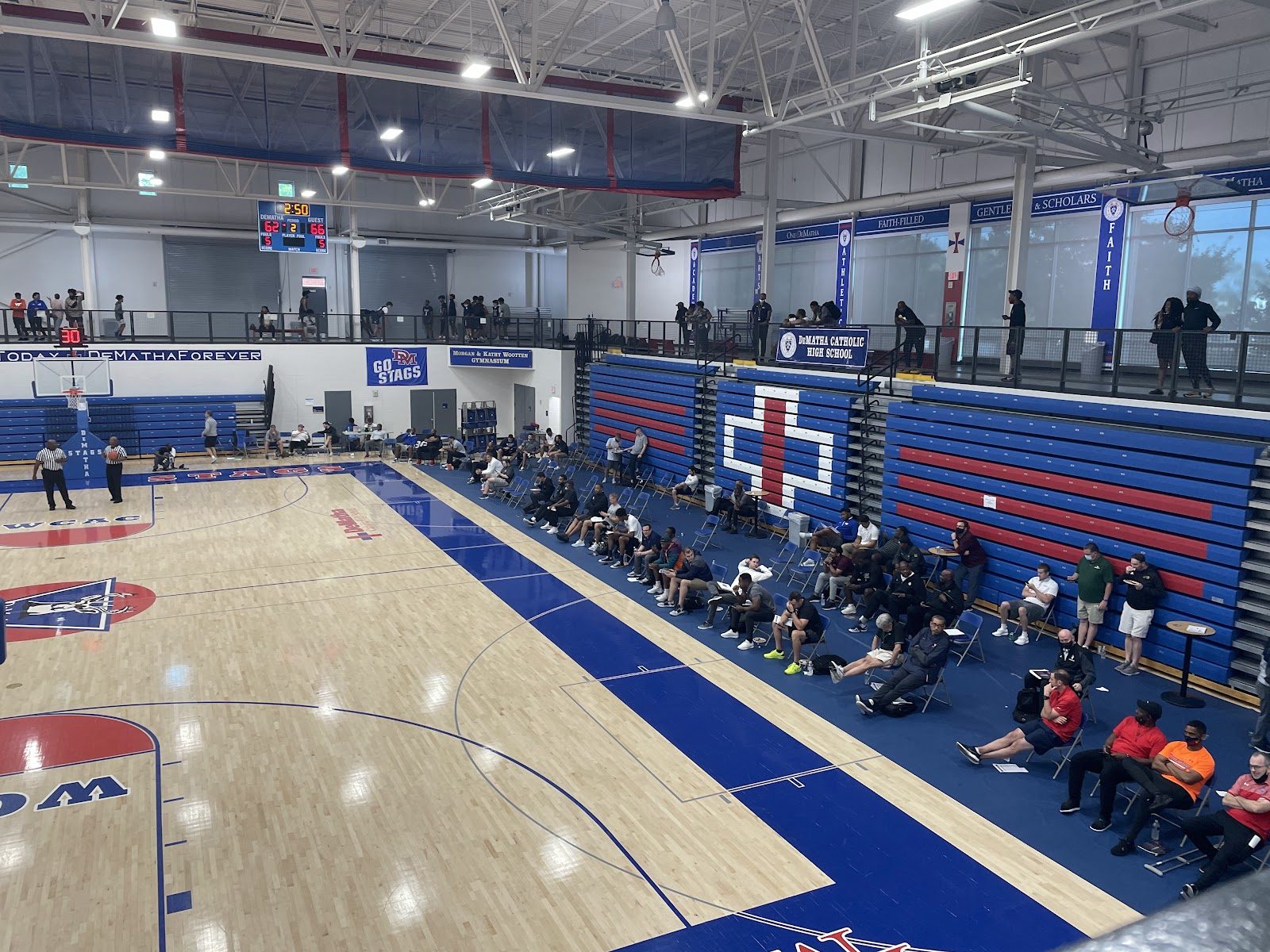
DeMatha Catholic High School
Hyattsville, MD · United States
A Hyattsville boys' Catholic prep where a 1965 upset of an unbeaten NY power built a basketball dynasty alongside rigorous AP study.
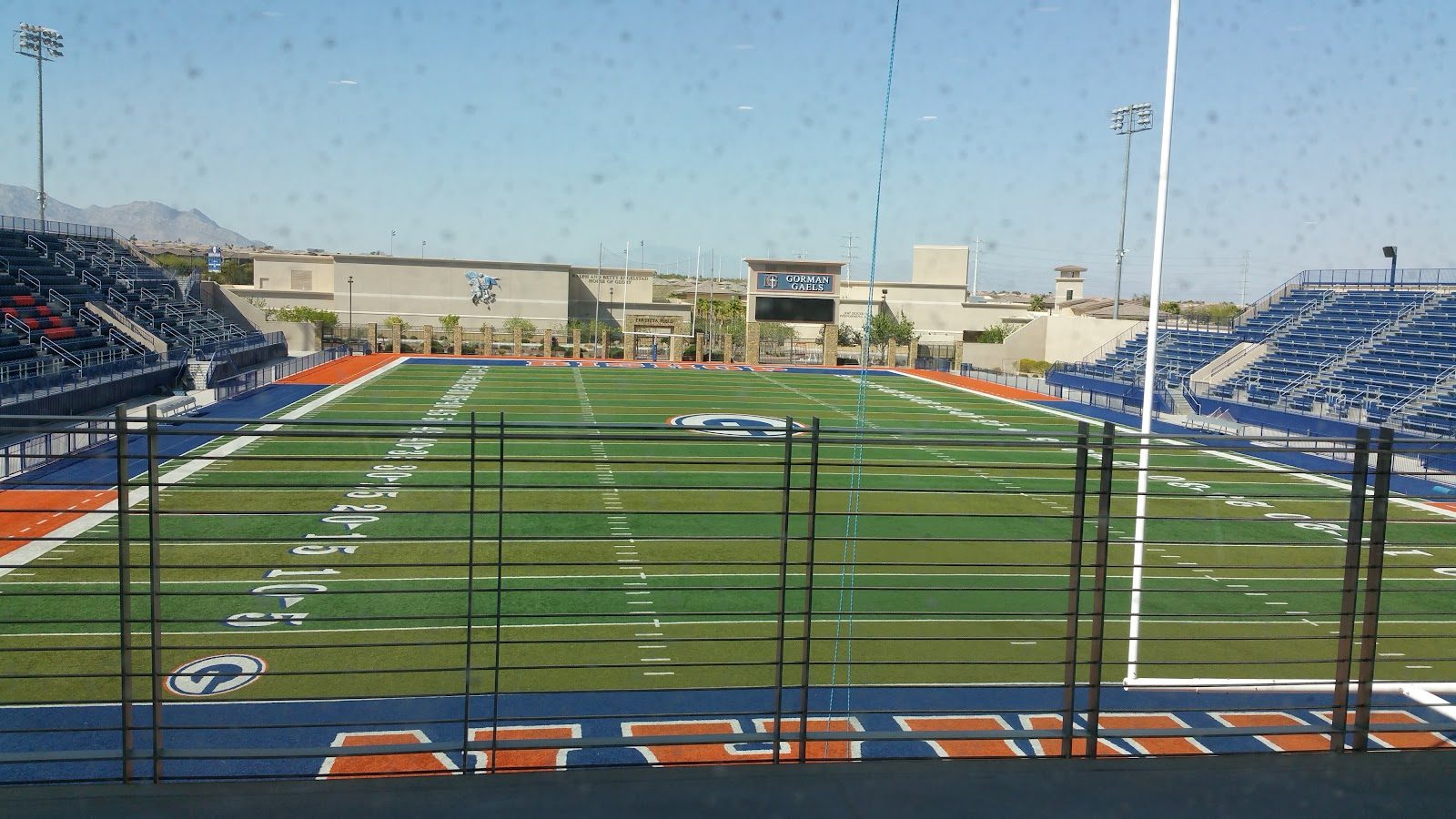
Bishop Gorman High School
Las Vegas, NV · United States
In Summerlin's desert suburbs, a Catholic college-prep whose football dynasty has claimed four national titles and 15 state crowns.
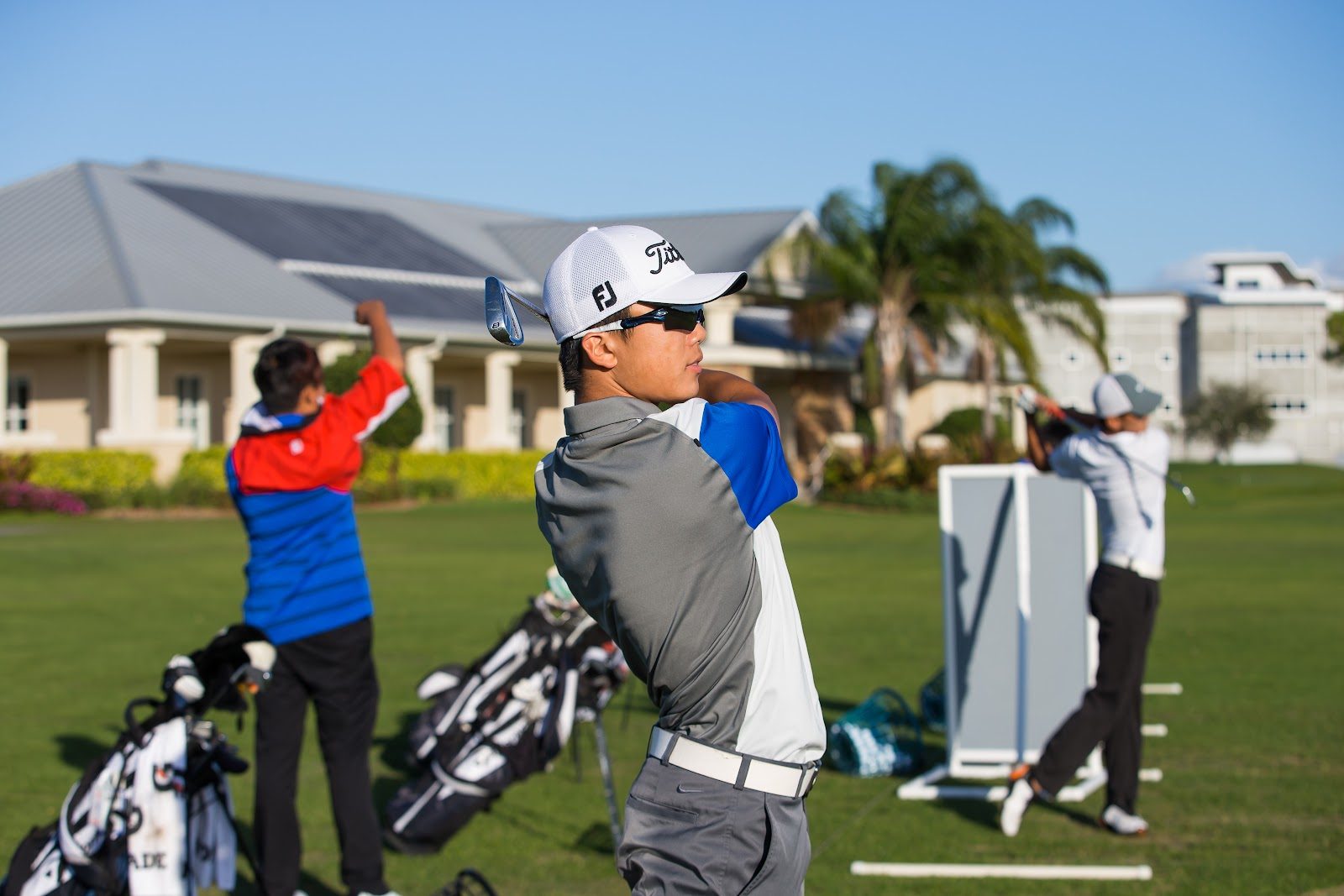
IMG Academy
Bradenton, FL · United States
From a 1978 tennis academy to 600 acres of AP classrooms, drawing student-athletes from 60-plus countries.
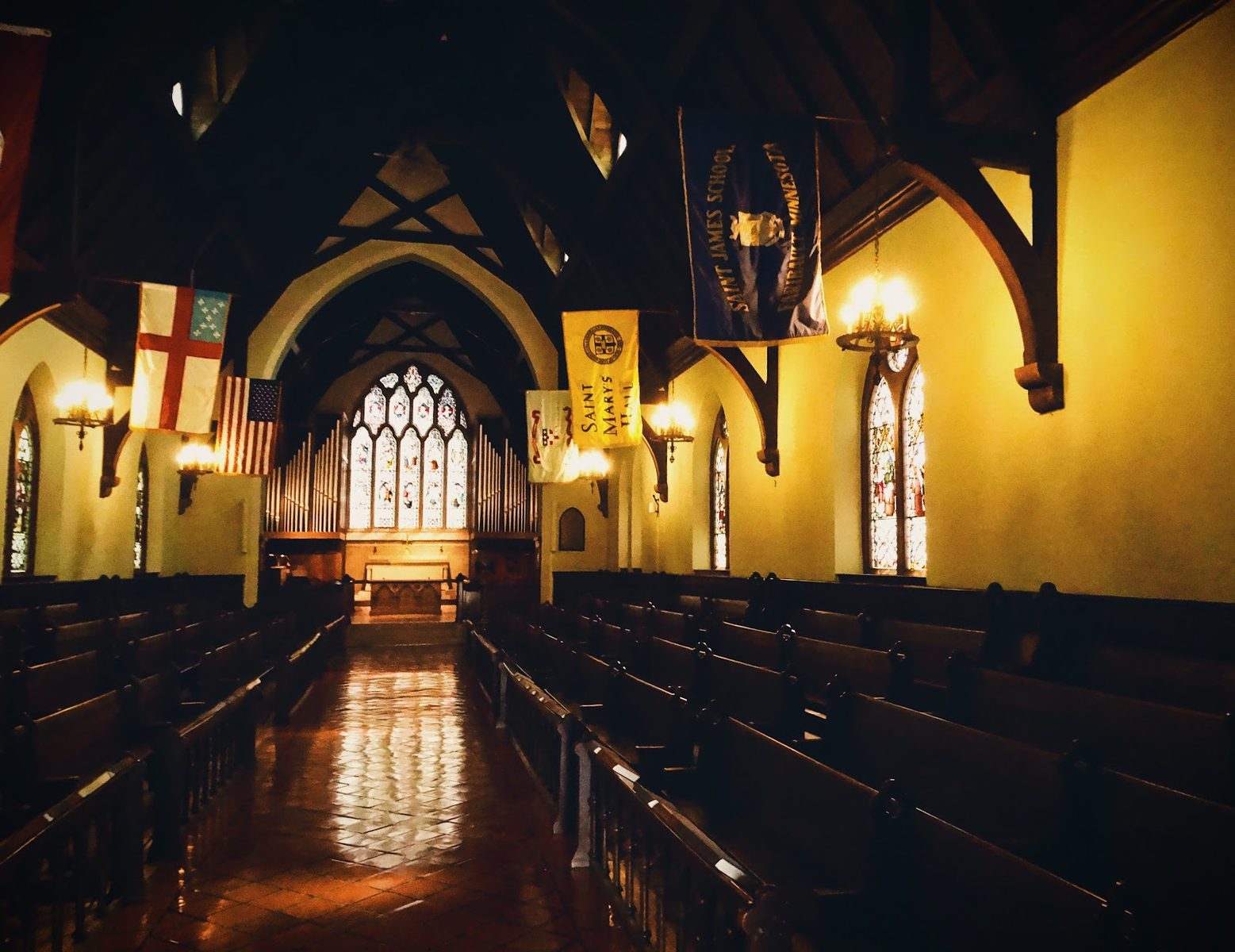
Shattuck-St. Mary's School
Faribault, MN · United States
A quiet Rice County campus since 1858, whose two NHL-sized rinks have fed the sport's pro and Olympic pipelines for decades.
Same specialism, country and curriculum — closest matches within ±10 points either way