
Victoria
Carey Baptist Grammar School
low confidence· 6/6 cats · 0 avg sourcesA century-old Baptist foundation in Kew runs VCE and IB in parallel, anchored by a campus Centre for Learning and Innovation with its own UN Room.
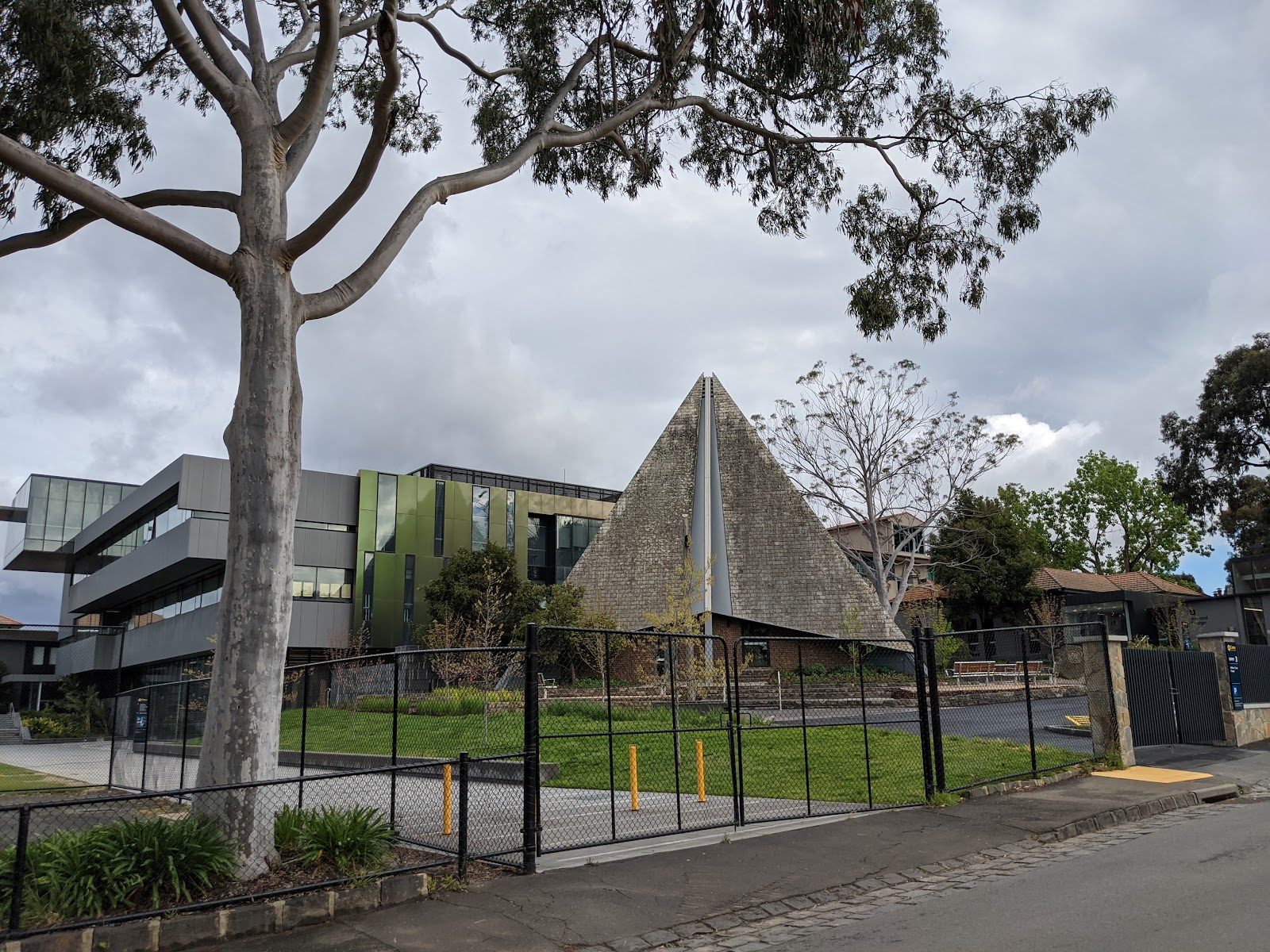
Photo © Karl Bennett via Google Maps
Type
Day
Ages
5–18
Curriculum
Victorian Certificate of Education · IB (Diploma)
Ratio
11:1
The Verdict
Editor's commitment
Right for
Melbourne families wanting a co-ed day school in Kew with VCE and IB Diploma in parallel from a 1923-founded campus.
Wrong for
Parents seeking boarding, a single-campus school, or a secular foundation in the strict sense; Carey’s Baptist origins remain in the name.
Watch out for
The average annual day fee is AUD 37,168, and the Kew-Donvale split means geography matters before rhetoric about one school.
Ranking breakdown
Carey Baptist Grammar School · #459 of 1591
Composite score 69.5. 8 weighted criteria.
By criterion
Academic Outcomes
Weight 20%
#386
of 1529 scored
University Placement
Weight 16%
#398
of 1529 scored
Prestige & Heritage
Weight 12%
#734
of 1571 scored
Alumni Network
Weight 12%
#518
of 1530 scored
Facilities
Weight 12%
#279
of 1533 scored
Transparency & Communications
Weight 8%
#388
of 1532 scored
Peer & Industry Review
Weight 10%
#645
of 1548 scored
Admissions Selectivity & Demand
Weight 8%
#1156
of 1529 scored
Peer & Industry Review
How Carey Baptist Grammar School is regarded in the sector
62
Respected · low confidence
Carey Baptist Grammar is a long-established member of Melbourne's Associated Public Schools (APS) competition and is generally regarded as a solid, respected independent school with strong facilities and academic results, but it does not feature prominently in international 'best schools' rankings or specialist press (e.g., Tatler, Good Schools Guide) the way top-tier Melbourne schools like Melbourne Grammar, Scotch College, or Geelong Grammar do. Peer reputation appears grounded mainly in local Melbourne education circles and APS sporting/academic comparisons rather than broader national or international third-party coverage.
Editors' overview
Carey’s sharpest point of distinction is structural, not rhetorical: this is a Kew day school that carries pupils from age 5 to 18, offers both the VCE and the IB Diploma in the senior years, and does so on a campus estate that extends beyond Kew to Donvale for younger pupils, with a separate Bulleen sports complex. That matters. A school running two senior pathways in parallel gives sixth-form-age students real choice without forcing a transfer at 16, and that alone puts Carey in a narrower competitive set than schools tied to a single leaving qualification. The average annual day fee across the full ladder is AUD 37,168, which places it firmly in the expensive end of the Melbourne independent day market, but not in fantasy-land pricing. Founded in 1923, Carey also has the advantage of institutional depth without feeling antique for the sake of it.
What is special here is the combination of scale, continuity and breadth. Carey is co-educational throughout, teaches in English, and frames co-education as a core educational choice rather than a branding add-on. The school runs from Prep to Year 12 in Kew, with Donvale covering ELC to Year 6, so families get a long runway inside one system rather than a patchwork of separate junior and senior schools. The editorial tagline points to the Centre for Learning and Innovation and its own UN Room; that signals a school that wants intellectual life to have visible form on campus, not just a line in a prospectus. Parents who want a serious, well-resourced all-through day school with visible academic optionality will put Carey on a shortlist for exactly that reason.
The school will suit students who want range and can use it. A child who thrives in co-educational settings, wants access to broad interests, and values the option of choosing between the VCE and the IB Diploma at the top end has a clear fit here. So does the student who wants a substantial peer group and the infrastructure of a large independent school rather than a tiny boutique environment. It is less compelling for families who want a small, intensely intimate school, a strongly confessional religious education, or boarding. Carey started as a Baptist foundation, but the school context here is explicitly non-religious; that leaves it as a broad-church Melbourne independent with a long history, a wide age span and a distinctly practical academic proposition.
Academic Performance
Carey publishes a headline for the Class of 2025 and gives that cohort dedicated prominence on its front page, which at least signals that examination outcomes matter here. What it does not publish in the public domain, in the source set we have seen, is the detail parents need to judge academic performance properly: no aggregate VCE study scores, no median ATAR, no share of scores above key thresholds, no subject-by-subject breakdown, and no IB Diploma average or pass-rate data. For a school running parallel senior pathways, that gap is material. Without those numbers, no serious editor can place Carey precisely against Melbourne’s top academic independents, because the standard comparison points are missing.
That does not mean weak results; it means opaque results. Schools with strong senior outcomes still need to show the underlying spread, especially when they offer two different leaving routes and charge at the expensive end of the market. Carey’s academic proposition is broad rather than narrowly exam-drilled, and that can be a strength. But parents looking for a hard-edged academic verdict will not get it from the school’s public disclosures alone. Relative to peers, Carey sits in the group of established independents with enough scale and infrastructure to support strong outcomes, yet without the published exam data that would justify putting it in the results-obsessed top tier.
Facilities
The standout estate is practical rather than ornamental. The school publicly identifies a dedicated sports complex in Bulleen, a separate Donvale site for younger pupils, a camp at Toonallook and Mission Beach, alongside the main Kew operation. That gives Carey more physical range than many single-campus day schools, and it matters because specialist sport and outdoor programmes need room. The Centre for Learning and Innovation is the other facility that changes the picture. A campus building with its own UN Room points to a school that has invested in visible academic infrastructure, not just classrooms plus a hall. Against peers, that places Carey above schools whose facilities stop at the standard metropolitan independent-school kit of library, theatre and playing fields. It does not put Carey in the architectural showpiece bracket on public evidence; it puts it in the serious, well-equipped one.
What the school does not do in public is map those assets in much detail. We do not get a clean account of laboratories, performing-arts spaces, design workshops, specialist music provision or aquatics, and that limits a finer-grained comparison with the best-resourced competitors. Still, a school operating across 4 named sites and giving a learning-innovation centre enough prominence to make it part of the institutional identity has more than a token facilities story. The overall verdict is strong: broad, purpose-built provision with real programme support, but not the level of published detail that would justify calling the estate best-in-class.
Against peers, that places Carey above schools whose facilities stop at the standard metropolitan independent-school kit of library, theatre and playing fields
Prestige
Carey carries real metropolitan standing, but not the narrow kind built on relentless publication of league-table ammunition. Its prestige rests on market position, longevity, and institutional breadth. In Melbourne’s independent-school ecosystem, an all-through co-educational day school charging an average of AUD 37,168 a year sits in serious company; families do not pay that level for a speculative proposition. The school also benefits from a recognisable name that travels well among local parents, and from the sort of estate and programme range that signal permanence rather than fashion. The Kew base, the Donvale provision for younger children, and a separate sports complex add up to a school with substantial civic weight. The Centre for Learning and Innovation, with its own UN Room, reinforces that impression of a campus that invests in visible intellectual ambition.
That said, this is not the prestige of a results-fetish academic hothouse, nor the glamour of a globally branded export school. It is the prestige of an established Melbourne independent that offers families scale, continuity and choice, then expects that to speak for itself. The dual senior pathways strengthen that status because they widen post-16 options without forcing an exit. What holds Carey a rung below the city’s most rarefied names is straightforward: public academic disclosure is too thin to support a higher verdict. Prestige here is strong, durable and locally credible — but not unassailable.
Carey’s parent-facing communication is polished at the top line and thinner once you push past the welcome mat
Communications
Carey’s parent-facing communication is polished at the top line and thinner once you push past the welcome mat. The website does the core jobs cleanly: admissions prompts are easy to find, tours and open mornings are given priority, term dates sit in plain view, and there is a live news feed rather than a dead archive. That matters because schools with multiple sites and a long age range need disciplined, navigable communication, not a maze. Carey also keeps a visible social-media channel and offers a named principal presence, which helps put an accountable public face on the institution. The overall impression is orderly, intentional and built for busy parents rather than internal audiences.
Where the communication weakens is depth. The public site tells families how to engage, but less about how the school measures itself. We have seen prominent promotion of recent results without the underlying statistical disclosure that informed parents expect, and that limits trust in the academic story. The same pattern shows up elsewhere: there is enough to signal activity, values and campus life, but not enough hard operating detail to make the school fully transparent. For a school of this scale and price — an average annual fee of AUD 37,168 — that is a meaningful editorial weakness. Effective communications do not stop at warmth, access and brand clarity; they publish the evidence that lets parents judge performance without guesswork.
Uniqueness
Carey’s distinctiveness lies in combination rather than gimmick. Few all-through day schools give families this level of continuity while still offering real choice at the sharp end of secondary education. The dual senior pathways matter, but the more unusual feature is the institutional shape around them: a school that keeps co-education at the centre, spans early years to school-leaving within one system, and supports that with a learning-innovation hub substantial enough to include its own UN Room. That gives intellectual ambition a concrete, on-campus form. Students do not just hear that global thinking or interdisciplinary work matters; they encounter spaces built to host it. The result is a school that feels less like a narrow exam factory and more like a large, organised ecosystem with room for different kinds of able child.
The wider estate strengthens that identity. With 4 named sites across the main campus, junior provision, sport and outdoor education, Carey offers a breadth of setting that most urban day schools cannot match. That brings practical benefits: younger children are not squeezed into senior-school rhythms, sport has dedicated room, and outdoor learning sits inside the structure rather than at the decorative edge. For students, the payoff is range with continuity — one school, many environments, and a long runway to grow into different interests without changing institutions. For parents, the attraction is not romance but design: Carey has built a serious, multi-layered version of the all-through independent day school.
Effective communications do not stop at warmth, access and brand clarity; they publish the evidence that lets parents judge performance without guesswork
Student Profile
The pupil who fits Carey best is one who wants options without chaos. This is not a niche school for one narrow type of child; it suits students who are self-directed, comfortable in a large, layered institution, and ready to make use of genuine breadth rather than wait to be spoon-fed. Co-education is central to the school’s identity, so pupils who work well across a mixed environment from the start will find the culture coherent rather than bolted together. The same goes for children with more than one strong interest. A student who wants academic seriousness, sport, outdoor education and a visible wider-world dimension all in one place has room here to build a broad, busy school life. The multi-site structure — 4 named locations across the school’s operation — also points to a family choosing scale, movement and programme range over the intimacy of a tiny campus.
The weaker fit is just as clear. Carey is not for families chasing a small, hothouse atmosphere or a school defined by a single dominant tribe. A child who needs constant hand-holding, or who thrives only in a tightly contained micro-community, will find this environment demanding. Nor is it the natural choice for parents who want a heavily doctrinal religious culture; the school’s daily proposition is broader and more civic than confessional. Students who do best here are the ones who can navigate a substantial institution with confidence, take initiative, and use the school’s range as an advantage rather than get lost in it.
Carey’s distinctiveness lies in combination rather than gimmick
Co-curricular strengths
Arts & sport, on a separate axis
Overall 9.08/10
Scored 0-10 from the school's own published evidence. This axis is editorial-only — it does not feed the main WTS ranking.
Sports
9.4/10
Highly competitive APS league performer, fielding dominant varsity athletics, basketball, and rowing teams on a beautiful Melbourne campus.
Drama
9.2/10
The magnificent performing arts facilities anchor an ambitious dramatic tracking program, mounting complex classical and modern plays.
Dance
8.5/10
Strong afternoon performance track providing core choreography assets for major collaborative musical theater shows.
Music
9.3/10
Outstanding symphonic wind bands, strings, and vocal troupes that routinely headline regional youth festivals.
Visual Arts
9/10
Highly structured fine art layout leaning heavily toward technical drawing, fine oils, and advanced portfolio mastery.
Editor-verified · 8/6/2026
Strengths
- +Offers both the Victorian Certificate of Education and the International Baccalaureate Diploma in Years 11-12, with a 2025 average IB score of 37 and 67% of students scoring 35 or above.
- +2025 VCE results show 15 students achieving an ATAR of 99 or above, 21% scoring 95+, and a median ATAR of 86, placing graduates among the state's higher performers.
- +Continuous schooling from age three through Year 12 across Kew and Donvale campuses, with a University Extension program offering subjects from La Trobe, RMIT and the University of Melbourne.
- +Founded in 1923 and affiliated with the Associated Public Schools of Victoria, giving access to an established interschool sporting competition alongside a formal co-curricular program.
- +Whole-school gender balance is maintained close to 50:50, a structural feature the school points to as supporting confidence and communication in both boys and girls.
Considerations
- −Tuition is a significant ongoing cost, with published local fees running from roughly $26,000 to over $40,000 per year depending on year level, plus separate enrolment and application fees.
- −The school is a Christian institution with Baptist denominational roots, which may be a consideration for secular or other-faith families weighing the school's ethos and chaplaincy program.
- −Admission priority is explicitly ranked in favour of siblings, staff children and children of Old Carey Grammarians, meaning families with no existing school connection can face longer odds at high-demand entry points such as Prep and Year 7.
- −Junior schooling is currently split across two separate campuses (Kew and Donvale), with cross-campus transfers not permitted, an arrangement families should clarify given the school's stated move toward site consolidation.
Availability
Primary entry gate & tests
Academic Record + Interview
Gallery
Photo © Kerim Sözbir via Google Maps
Photo © Kerim Sözbir via Google Maps
Photo © Kerim Sözbir via Google Maps
Photo © Carey Baptist Grammar School via Google Maps
Photo © Carey Baptist Grammar School via Google Maps
Photo © Carey Baptist Grammar School via Google Maps
Photo © David May via Google Maps
Photo © David May via Google Maps
Photo © David May via Google Maps
Parent reviews
Have you sent your child here?
Voice reviews carry the strongest trust badge — we transcribe them for you to tidy up before they go live. Prefer to type? A written review is fine too.
Add your voice
In 60 seconds, tell other parents: what's the best thing about Carey Baptist Grammar School, and what surprised you when your child joined?
We ask for a Google sign-in so every review has a real face behind it — no anonymous drive-by attacks on schools, and no faked positive reviews. Your email is never shown publicly.
Send this profile to a friend
International parents rely on word-of-mouth. Share this review with someone weighing the same decision.
Schools with places
Similar schools to Carey Baptist Grammar School with places available now.
Ivanhoe Grammar School
Melbourne · Australia
- 2026-27
- WAITPOOLVacancy-dependent
- 2027-28
- PLACES OPEN
Wesley College
Melbourne · Australia
- 2026-27
- WAITPOOLVacancy-dependent
- 2027-28
- PLACES OPEN
Methodist Ladies' College
Melbourne · Australia
- 2026-27
- WAITPOOLVacancy-dependent
- 2027-28
- PLACES OPEN
Geelong Grammar School
Corio, Victoria · Australia
- 2026-27
- WAITPOOLSpace-dependent
- 2027-28
- PLACES OPEN
Availability first, then country, area, curriculum, price, co-curricular
Consider also
Also worth looking at alongside Carey Baptist Grammar School.
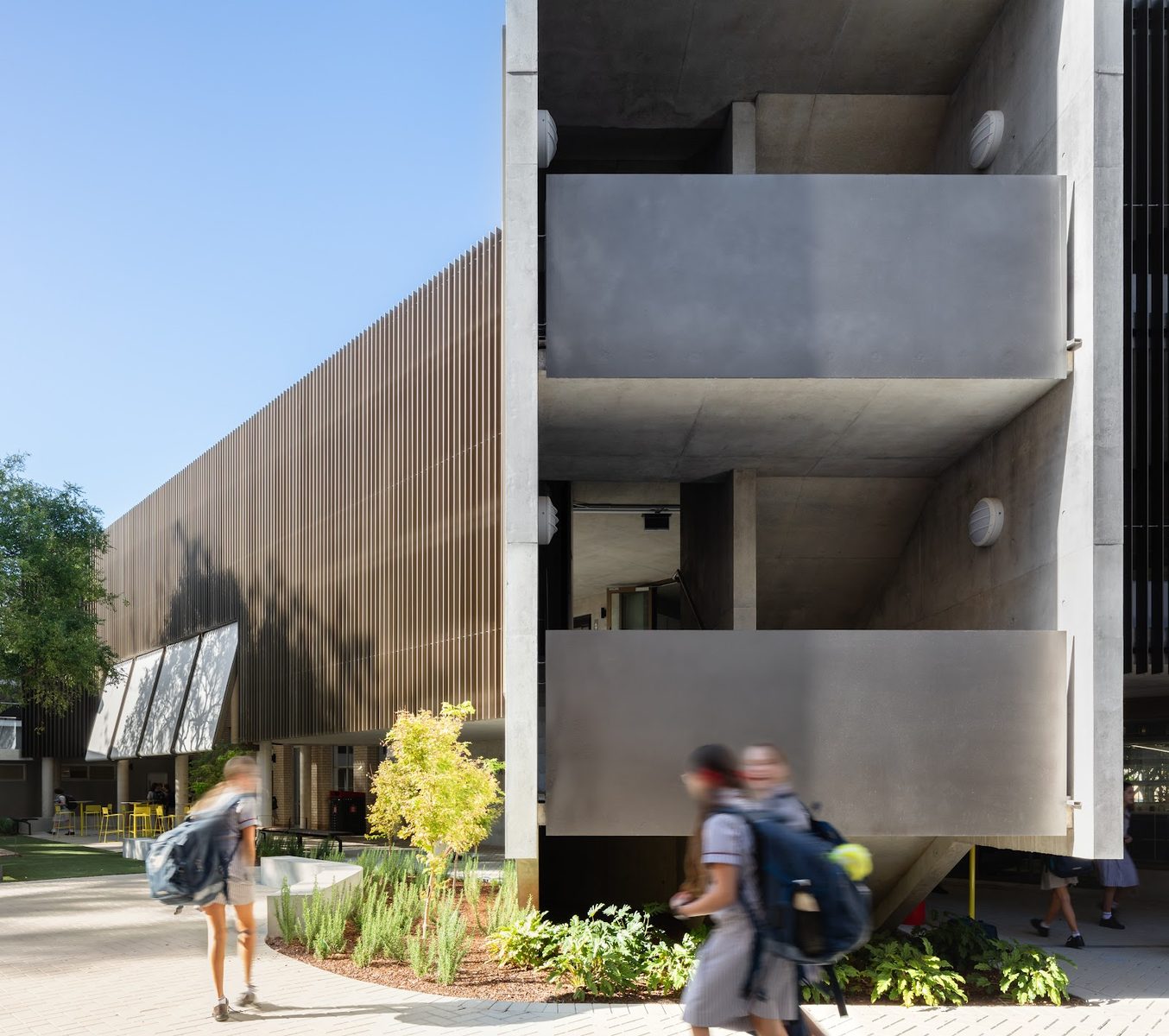
Ascham School
Sydney · Australia
Sydney's storied girls' boarding school, pairing the Dalton Plan with a rigorous HSC pathway.
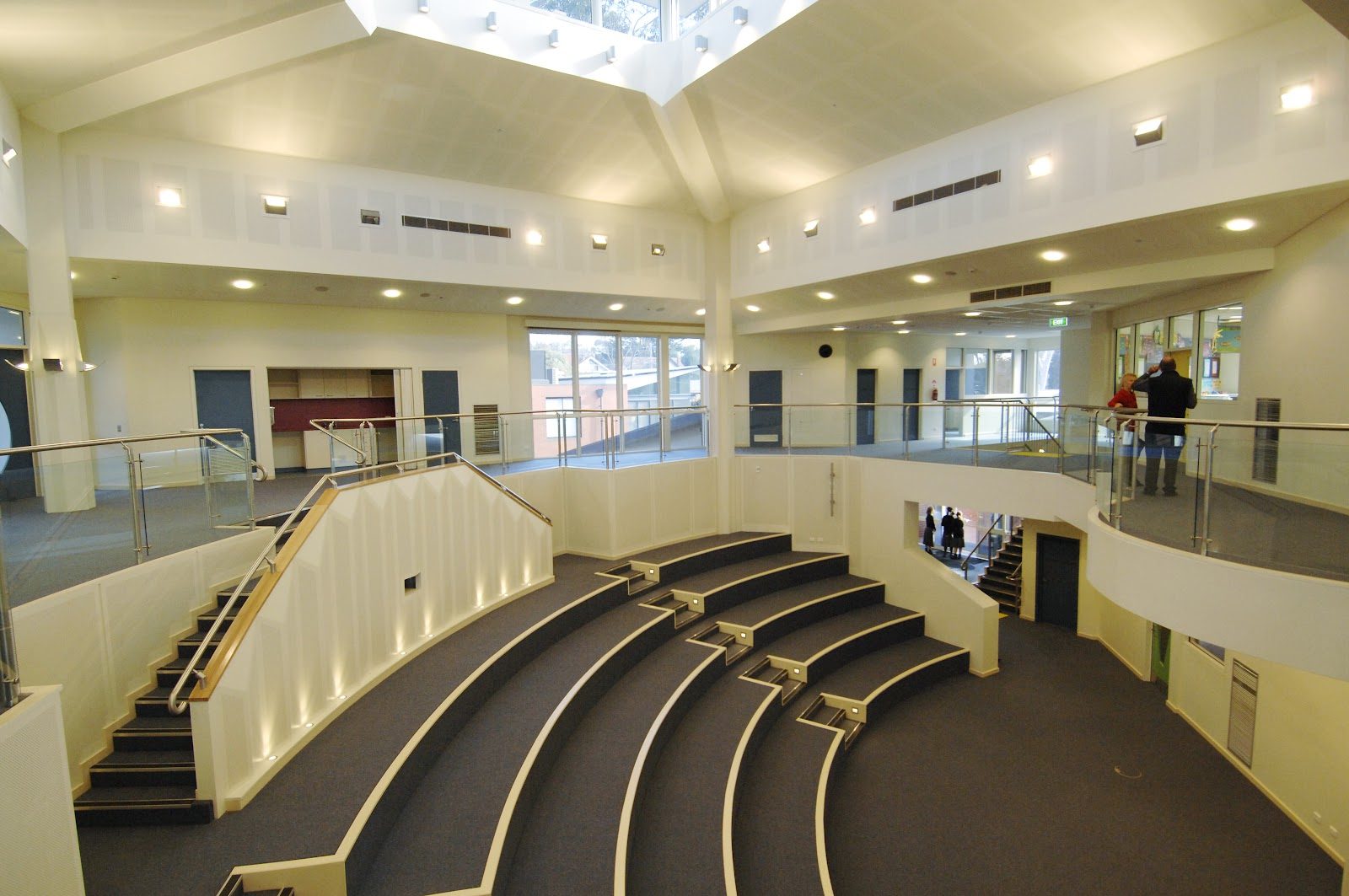
Ivanhoe Grammar School
Melbourne · Australia
A Year 9 campus embedded at La Trobe University anchors a Round Square network across Melbourne's north, offering both VCE and IB pathways.
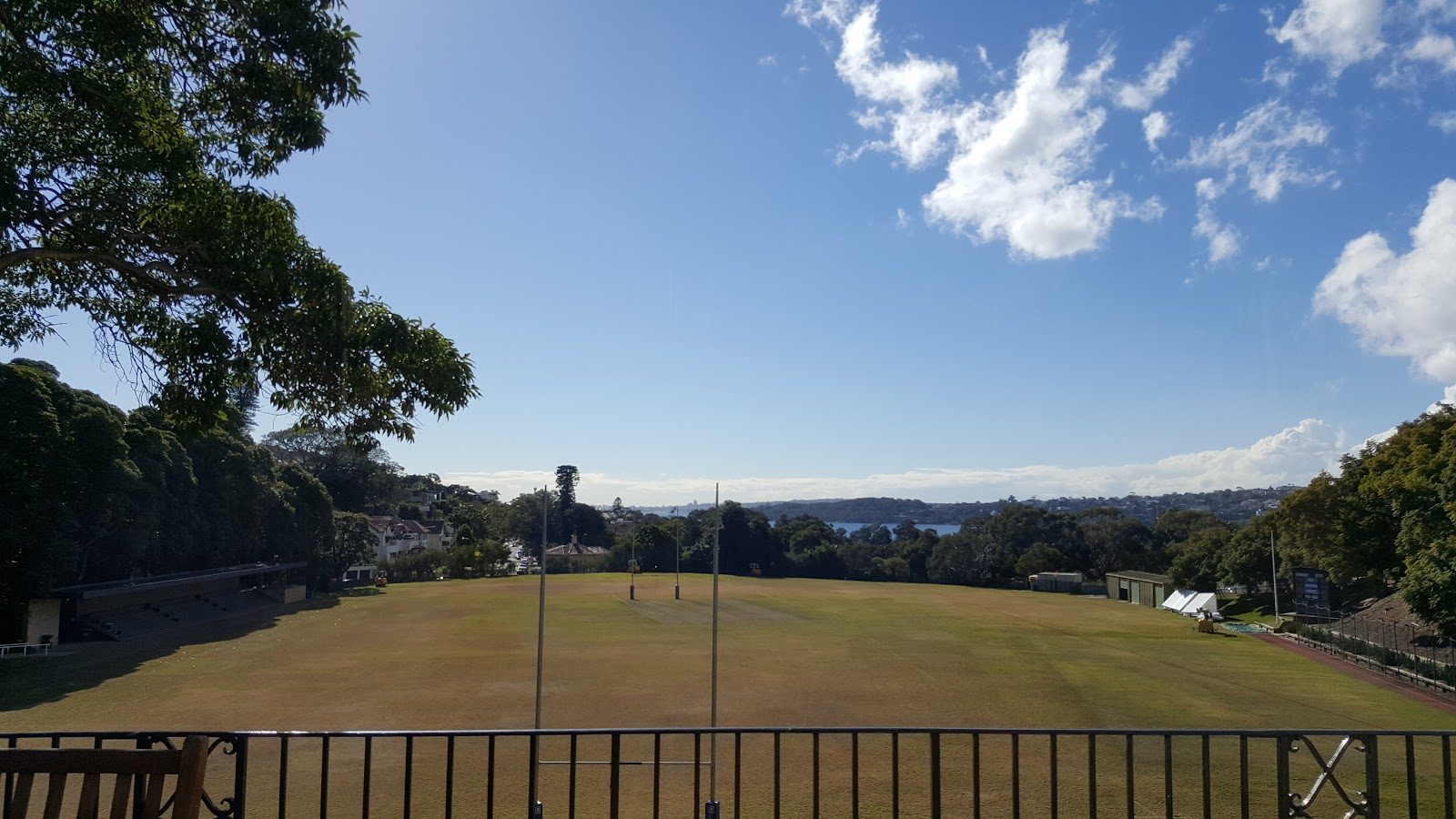
Cranbrook School
Sydney · Australia
Sydney's first IB Continuum School, pairing Bellevue Hill harbour views with a Blue Mountains bush campus for experiential learning.
Wesley College
Melbourne · Australia
Runs the full IB continuum alongside VCE across three Melbourne campuses, reaching all the way to a studio school in the Kimberley outback.
Same country and curriculum — closest matches within ±10 points either way