
Singapore
Dunman High School
One of Singapore's original Special Assistance Plan schools, pairing six-year Integrated Programme rigor with deep bilingual, bicultural immersion.
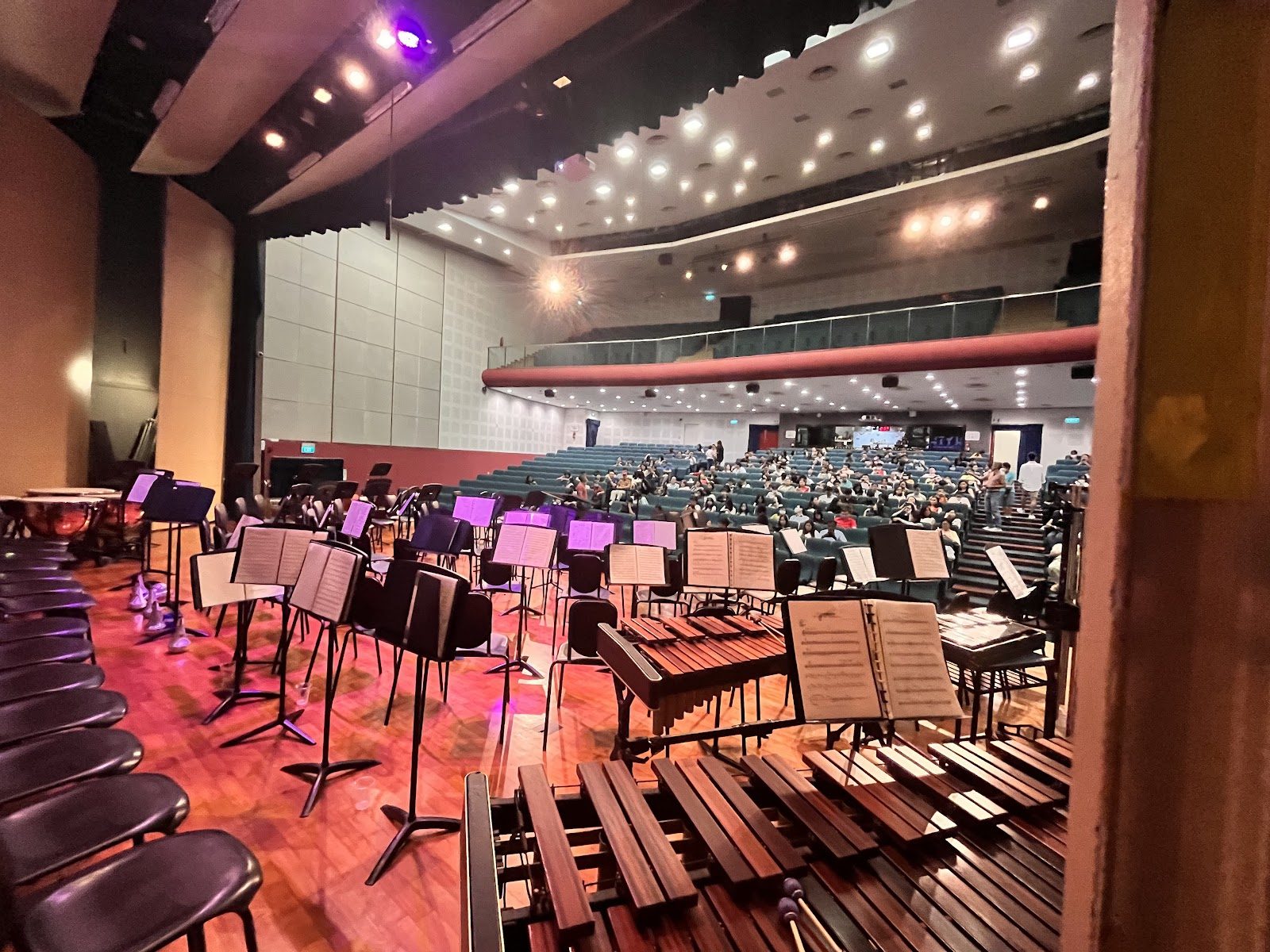
Photo © Joshua Vytialingam via Google Maps
Type
Day
Ages
13–18
Curriculum
Singapore National
Qualifications
GCE O-Level · GCE A-Level
Ratio
—
The Verdict
Editor's commitment
Right for
Students aged 13–18 who want Singapore National academics with a six-year Integrated Programme and the SAP’s bilingual, bicultural discipline.
Wrong for
Families wanting boarding, a religious ethos or a looser international curriculum; Dunman High is a Singapore MOE day school in Singapore.
Watch out for
Founded in 1956, this co-educational autonomous school in Kallang is unapologetically academic; the six-year Integrated Programme sets the pace.
Ranking breakdown
Dunman High School · #888 of 1591
Composite score 63.8. 8 weighted criteria.
By criterion
Academic Outcomes
Weight 20%
#209
of 1529 scored
University Placement
Weight 16%
#398
of 1529 scored
Prestige & Heritage
Weight 12%
#296
of 1571 scored
Alumni Network
Weight 12%
#1442
of 1530 scored
Facilities
Weight 12%
#857
of 1533 scored
Transparency & Communications
Weight 8%
#1019
of 1532 scored
Peer & Industry Review
Weight 10%
#893
of 1548 scored
Admissions Selectivity & Demand
Weight 8%
#81
of 1529 scored
Peer & Industry Review
How Dunman High School is regarded in the sector
66
Respected · medium confidence
Dunman High is consistently grouped by Singapore's Ministry of Education and local press with the country's other Special Assistance Plan schools (Hwa Chong, Nanyang Girls', Nanyang Girls) as a benchmark for bilingual academic rigour, and it is one of the few schools authorised to run the IB Diploma alongside the Integrated Programme, a distinction noted in Straits Times year-end results coverage. Its IB average scores regularly place it among Singapore's top handful of IB World Schools, drawing comparison from IB coordinators at Anglo-Chinese School (Independent) and Raffles Institution at IB Asia-Pacific regional conferences. Local university admissions officers at NUS and NTU cite Dunman graduates' strong humanities and bilingual profiles, while a steady annual stream also enters Oxbridge and Ivy League cohorts, reported in MOE and school-published matriculation summaries. International ranking sites like WhichSchoolAdvisor and Good Schools Guide do not profile Singapore government schools directly, leaving Straits Times league tables and IBO statistics as the main independent benchmarks, both of which confirm Dunman's sustained top-tier standing.
Award
Elite Science & Research 58
World's Top School · The Global Ranking
Dunman High School is featured on our Global Top 58 ranking at #45. This seal is available for the school's marketing team to use on their website, prospectus and social channels.
- Chan Chun Sing — Minister for Education, Politics
- Josephine Teo — Minister for Manpower, Politics
- Tan Chuan-Jin — Former Speaker of Parliament, Politics
Editors' overview
Dunman High School occupies a distinct niche in Singapore’s state sector: a government autonomous school founded in 1956, with the Special Assistance Plan and a 6-year Integrated Programme under one roof. That combination matters. It offers an academically selective route for students who want sustained rigour without the interruption of a separate post-16 admissions reset, and it does so with a clear bilingual, bicultural brief. This is not a generic high-performing secondary school. It is built for families who value intellectual seriousness, strong Chinese language and cultural fluency, and the discipline of a school that has kept a defined mission over decades.
What sets Dunman apart is the pairing of Singapore National curriculum expectations with SAP identity. In practice, that gives students an education shaped by English-medium instruction and deep engagement with Chinese language and culture, inside a non-religious day-school setting for ages 13–18. For the right child, that is a rare institutional fit. For the wrong child, it will feel narrow. Parents should read the proposition plainly: this is a school for students who are academically ambitious, comfortable in a selective environment, and willing to commit to bilingual demands that go beyond box-ticking. The attraction lies in cultural depth, continuity, and a clear sense of purpose.
Dunman deserves a place on a shortlist when a family wants more than broad competence. It suits students who thrive on structure, can manage sustained academic pressure, and want peers who take study seriously. It will also appeal to children who want their Chinese language learning treated as central, not peripheral. Students looking for a loose, highly individualised, anything-goes culture should look elsewhere. Dunman’s strength is not looseness; it is focused ambition, scholarly momentum, and the confidence of a school that knows exactly what it is for.
An Elite Science & Research 58 school
Dunman High School, in Kallang, Singapore, sits at rank forty-five on the Elite Science & Research 58 because its six-year Integrated Programme funnels academically screened students directly into mentored, university-supervised original research rather than stopping at exam results. The anchoring fact is concrete: Dunman High project teams have reached the Singapore Science and Engineering Fair podium under working National University of Singapore faculty supervision, including a Silver Award project guided by Associate Professor Nikolai Yakovlev and a Bronze Award plus Special Award project supervised by Professor Sow Chorng Haur and Dr Sharon Lim Xiaodai of NUS Physics -- SSEF being Singapore's sole ISEF-affiliated qualifying fair.
The specialism is systemic. Outstanding Senior High students are identified for research programmes including the Science Research Programme, the Nanyang Research Programme and the Humanities and Social Sciences Research Programme, alongside various attachment opportunities intended to foster a spirit of inquiry. Layered on top are the A*STAR Experience Research Programme, the A*STAR Research Attachment Programme, Research@YDSP, a Mathematics Research Programme and a Science and Mathematics Olympiad Programme. Younger cohorts are seeded earlier through the Science Mentorship Programme and Science Olympiads, before advanced students undertake in-depth research, working independently or in small groups under the guidance of an expert mentor, culminating in a presentation of findings.
Notable alumni in the sciences specifically are still emerging; verified competition results carry this section instead. The 2024 cohort collected Singapore Science Engineering Fair Gold, Silver and Bronze awards across multiple teams, plus Gold awards at the 25th International Elementz Fair. The same year produced a gold medal at the 35th Singapore Chemistry Olympiad for Saw Ze Dong, alongside Merit awards at the 24th Singapore Biology Olympiad.
International openness runs through Singapore's national system rather than a bespoke pathway. Dunman High is fundamentally a day school; its on-campus hostel, the first at a government secondary school, is reserved chiefly for Singapore Citizens under MOE's Boarding Award Scheme, so overseas fee-paying boarders should not plan around it. Instruction is in English, with compulsory Higher Chinese under the school's Special Assistance Plan status. Non-citizens without PR status enter Secondary 1 to 3 through the Admissions Exercise for International Students, competing for limited, vacancy-dependent places. Government-school fee schedules set non-ASEAN international fees near S$2,190 monthly for secondary level, with ASEAN nationals paying less. Student's Pass processing follows through Singapore's immigration authority once a place is confirmed. Given DHS's own guidance that admission depends on annual vacancies, families should sit AEIS at least a year ahead and arrange independent guardianship.
Academic Performance
Dunman sits in Singapore’s hard-edged academic elite: the group of government schools that select strongly, run the Integrated Programme, and feed substantial numbers of students to the most competitive university courses. That status tells you more than any marketing line. Students do not take the O-Level route en masse; the key external benchmark is the A-Level outcome at the end of the six-year course. The school’s public profile and admissions competitiveness place it in the upper tier of SAP and autonomous schools, where parents compare it with institutions such as Hwa Chong, Nanyang and River Valley rather than with the median state secondary. That is serious company, and the comparison is earned through reputation for sustained academic discipline rather than through branding.
There is, however, a transparency gap. Dunman does not publish aggregate A-Level score data, university destination tables, or cohort-wide headline statistics in the public domain. That limits precise ranking and makes fine-grained comparison harder than it should be. Even so, the school’s position is clear: this is a high-pressure, exam-conscious environment with a track record strong enough to keep demand high and standards tight. Parents who want glossy claims will find less than they might expect; parents who want a school embedded in Singapore’s results-driven top band will find one. The caution is simple: Dunman’s standing is strong, but its published outcomes are more opaque than ideal.
Facilities
Dunman’s facilities matter less as a selling point in their own right than as support for a demanding school day. The key practical advantage is scale and coherence: one campus serving the full 6-year route, with students staying in the same institutional environment rather than breaking at the middle. For an Integrated Programme school, that continuity counts. It allows specialist spaces to be used with more intent across the years instead of being split between separate schools or duplicated inefficiently. The school’s SAP identity also raises the bar for language and cultural provision; parents should expect spaces that support that mission, not a campus built around spectacle. This is a workmanlike, academically driven proposition, not a resort-style estate designed to impress at first glance.
Against peer schools in Singapore’s selective state sector, that puts Dunman in a strong but not obviously lavish position. Top autonomous and IP schools live or die by whether laboratories, performance venues, sports areas and study spaces are good enough for sustained use by high-achieving students. Dunman clears that threshold by virtue of its standing, but the school does not publish the sort of granular campus detail that would let parents rank it decisively against the best-resourced rivals. That opacity matters. Some competitors market flagship theatres, named research spaces or eye-catching sports infrastructure with far more precision. Dunman’s facilities read as serious, functional and fit for purpose; they do not read as a headline advantage within this bracket.
Parents who want glossy claims will find less than they might expect; parents who want a school embedded in Singapore’s results-driven top band will find one
Prestige
Dunman carries real prestige in Singapore because it sits inside a narrow, high-status lane of the state system: autonomous, selective, and tied to the Integrated Programme rather than the ordinary exam conveyor belt. That matters socially as well as academically. Admission signals that a student has cleared a demanding threshold; staying the course signals that they can handle sustained pressure among able peers. The Special Assistance Plan adds another layer of distinction. In Singapore, SAP schools occupy a specific cultural tier, not just an academic one, and Dunman belongs to that club. The co-educational setting also gives it a different profile from some rival institutions: less rarefied than the old single-sex strongholds, but still firmly elite in parent perception.
We rate the prestige highly because Dunman combines selectivity, long institutional memory, and a mission that has not drifted with fashion. It has the serious-school reputation that matters in an exam-driven system: disciplined students, exacting expectations, and a peer group that pushes hard. Its prestige stops short of the absolute summit occupied in the public imagination by the most famous brand-name schools, and that distinction matters. Dunman does not trade on mythology; it trades on earned esteem. For many families, that is the better bargain: a school with strong status, clear academic weight, and none of the flimsier glamour that surrounds more heavily mythologised names.
Some competitors market flagship theatres, named research spaces or eye-catching sports infrastructure with far more precision
Communications
Dunman’s parent communication carries the same institutional character as the school itself: formal, disciplined and geared to families who do not need hand-holding. The website gives the essential public-facing information, but not with the openness or detail that top-tier schools owe parents making fine comparisons. That matters. When a school runs a continuous 6-year pathway and asks families to buy into a distinctive mission, communication cannot stop at basic notices and ceremonial messaging. Parents need a clear account of academic expectations, student support, subject choices, co-curricular demands and how the school handles pressure points across adolescence. Dunman does not publish enough of that in one place. The result is competent but narrow communication: functional for existing families, less strong for outsiders trying to understand the school in full.
That does not make the school opaque in the round; it makes it selective in what it chooses to share. Many Singapore government schools communicate in a restrained, administrative style, and Dunman sits squarely in that tradition. Families already comfortable with the local system will cope well with that economy. International parents or those new to selective state education face a steeper climb. They need more than calendars, announcements and broad statements of ethos; they need texture, process and proof. On that front, Dunman is *less transparent than the best schools in its bracket*. The communication works, but it does not do much to persuade, reassure or illuminate. It reflects a school that expects confidence from parents and offers limited explanatory softness in return.
Uniqueness
Dunman’s distinguishing feature is the way it fuses elite state-school selection with a mission that is cultural as much as academic. Plenty of strong schools produce high scorers; fewer build an entire student experience around bilingualism and bicultural fluency as core intellectual work rather than enrichment on the side. That gives Dunman a sharper identity than many high-performing peers. The Special Assistance Plan is not decorative branding here. It shapes the peer group, the tone of school life and the assumptions the school makes about what educated young people should know. The result is a purpose-built environment for students who want Chinese language and culture treated with seriousness, range and status. For families who value that blend, the fit is unusually exacting and hard to replicate elsewhere in the state sector.
The other point of difference is continuity. Students enter one institution and stay for 6 years, which changes the rhythm of school life. There is more room to build depth, more time for teachers to know students well, and less incentive to teach only to the next immediate hurdle. In a selective setting, that can produce a more coherent intellectual culture than schools split across separate phases or dominated by short-cycle exam churn. It also creates a clearer social environment: students spend their adolescent years among peers who have signed up for the same demanding bargain. That brings confidence, momentum and serious scholarly habit. It also narrows the margin for children who want flexibility, reinvention or a looser culture.
Its prestige stops short of the absolute summit occupied in the public imagination by the most famous brand-name schools, and that distinction matters
Student Profile
The students who thrive at Dunman are the ones who want a school culture built around high academic pressure, clear expectations and a peer group that treats effort as normal. This is a strong fit for adolescents who are self-directed, competitive without being theatrical, and comfortable in classrooms where many others are quick, diligent and hard to impress. The school’s co-educational setting tempers some of the cloistered feel found in older single-sex academic flagships, but the social tone still skews serious-minded rather than expansive. Children who need constant affirmation, a highly personalised pace or wide latitude to drift between interests will struggle. So will students who want bilingual study to stay superficial. The commitment runs across the full 6-year journey, and the school expects students to carry it with stamina.
The best-fit student is intellectually ambitious, resilient and ready for a culture with little tolerance for slackness. A genuine interest in Chinese language and culture matters; at Dunman, that strand sits near the centre of school identity, not at the decorative edge. Students who value structure, enjoy being surrounded by able classmates and take pride in disciplined habits will find real momentum here. Students who define school life through sporty tribalism, overt social polish or endless menu-choice individualism will find the atmosphere tight-grained and demanding. In plain terms: Dunman suits teenagers who want to be stretched every day, and who do not need school to disguise the fact that hard work is the point.
The website gives the essential public-facing information, but not with the openness or detail that top-tier schools owe parents making fine comparisons
Co-curricular strengths
Arts & sport, on a separate axis
Overall 8.76/10
Scored 0-10 from the school's own published evidence. This axis is editorial-only — it does not feed the main WTS ranking.
Sports
8.8/10
Drama
8.8/10
Dance
8.5/10
Music
9.2/10
Visual Arts
8.5/10
Strengths
- +Dunman High is one of Singapore's original nine Special Assistance Plan (SAP) schools, a status it has held since 1979, giving it a distinctive emphasis on bilingual English-Chinese education. In 1979, the school was selected by MOE as one of nine Special Assistance Plan (SAP) schools, marking the start of Dunman High's journey of refining its bilingual education both in depth and breadth.
- +The school runs a six-year Integrated Programme that lets students bypass the O-Level exams and proceed directly to A-Levels. From 2005, the school implemented a customised version of the six-year Integrated Programme called the Dunman High Programme (DHP), which allows all students to bypass the O-Level examinations and directly take the A-Level examinations.
- +Its Kallang campus spans roughly seven hectares, making it one of the largest government school sites in Singapore. In 2009 the school moved back to the Kallang campus, which has been expanded to seven hectares, making it one of the largest government schools in Singapore in physical area.
- +Beyond core academics, DHS offers niche talent tracks including the Music Elective Programme, Language Elective Programme (Chinese) and Bicultural Studies Programme. Its SAP status promotes deep bilingual proficiency, while unique features like the School-based Gifted Education Programme, Language Elective Programme (Chinese), Music Elective Programme, and Bicultural Studies Programme cater to diverse talents.
- +Alumni include senior political office holders and business/media figures, such as Cabinet minister Josephine Teo and Sakae Holdings founder Douglas Foo. They include local Chinese community leaders Chua Thian Poh and Thomas Chua Kee Seng; political office holders Josephine Teo, Low Yen Ling and Goh Pei Ming; parliamentarians Alex Yam and Poh Li San; former nominated parliamentarian Ng Ser Miang.
Considerations
- −As a SAP school the curriculum places heavy weight on Higher Chinese Language, which can disadvantage applicants without a Chinese-language home background. Renamed in 1988 to honor Thomas Dunman, Singapore's first police superintendent, the school became one of the nine Special Assistance Plan (SAP) institutions in 1979, emphasizing bilingualism and Chinese cultural heritage.
- −Entry at Secondary One is highly competitive and PSLE- or talent-based, with limited scope for families arriving mid-year to secure a place. DSA applicants are assessed on demonstrated ability in areas such as sports, performing arts, academics, or leadership, with applications submitted through the MOE DSA portal typically in the middle of the year.
- −Because the Integrated Programme skips the O-Level checkpoint, students who later need to transfer schools or curricula mid-secondary have fewer standard external exit assessments to rely on. No O-Level track here-it's all IP, ensuring a streamlined journey to junior college.
- −It is a government (not independent) autonomous day school, so admissions and fee structures follow MOE's citizenship-based national framework rather than an open international-school model.
Availability
Primary entry gate & tests
PSLE / O-Level / DSA Track
Gallery
Photo © Agus Wiwanto via Google Maps
Photo © Mokkie Mok via Google Maps
Photo © Kent Tan via Google Maps
Photo © Craig Smith via Google Maps
Photo © wang via Google Maps
Photo © Joshua Vytialingam via Google Maps
Photo © Joshua Vytialingam via Google Maps
Parent reviews
Have you sent your child here?
Voice reviews carry the strongest trust badge — we transcribe them for you to tidy up before they go live. Prefer to type? A written review is fine too.
Add your voice
In 60 seconds, tell other parents: what's the best thing about Dunman High School, and what surprised you when your child joined?
We ask for a Google sign-in so every review has a real face behind it — no anonymous drive-by attacks on schools, and no faked positive reviews. Your email is never shown publicly.
Send this profile to a friend
International parents rely on word-of-mouth. Share this review with someone weighing the same decision.
Schools with places
Similar schools to Dunman High School with places available now.
Availability first, then country, area, curriculum, price, co-curricular
Consider also
Also worth looking at alongside Dunman High School.
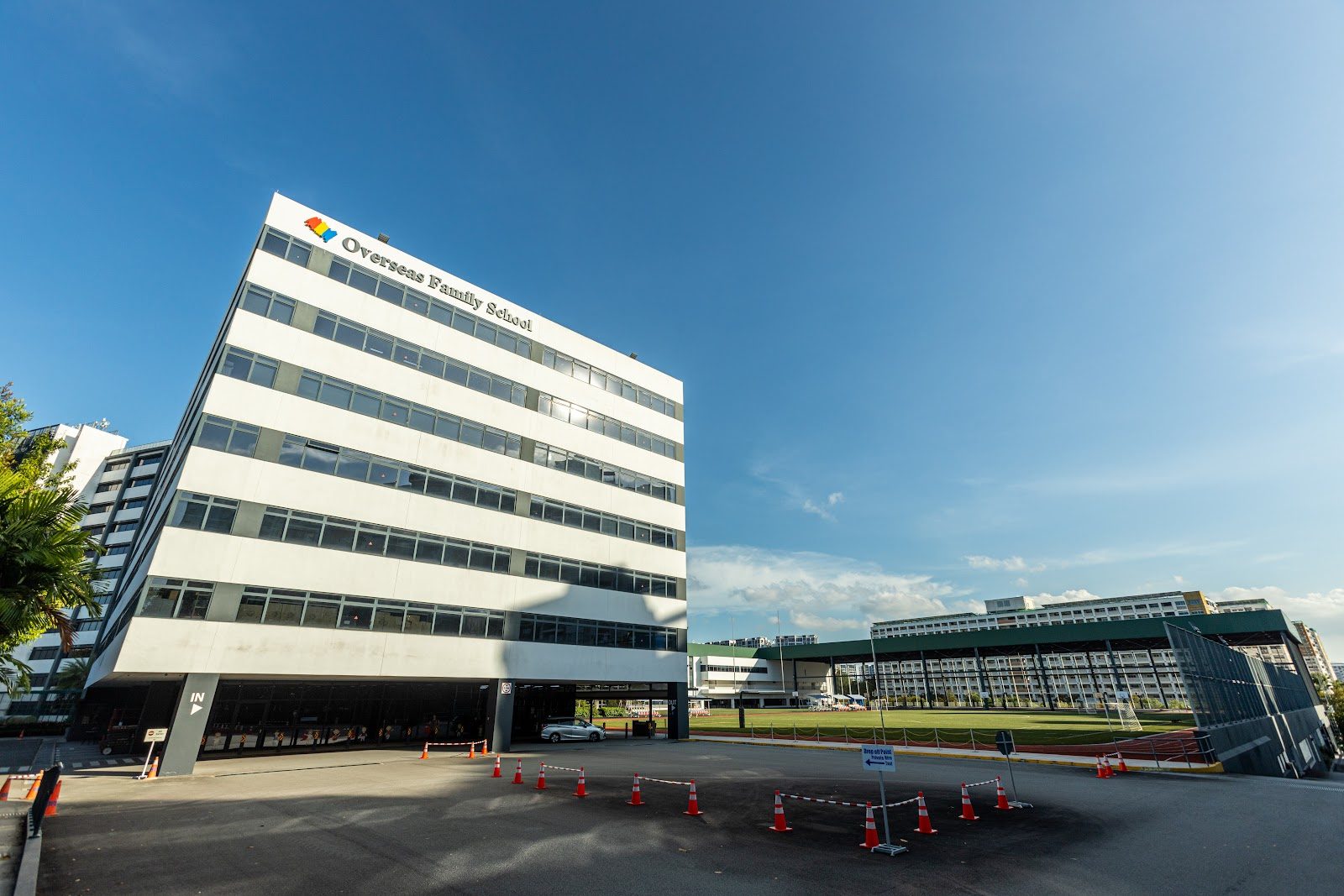
Overseas Family School
Singapore · Singapore
Open-access IB Diploma policy admits every student, no preselection, inside a 70-nation Pasir Ris campus.
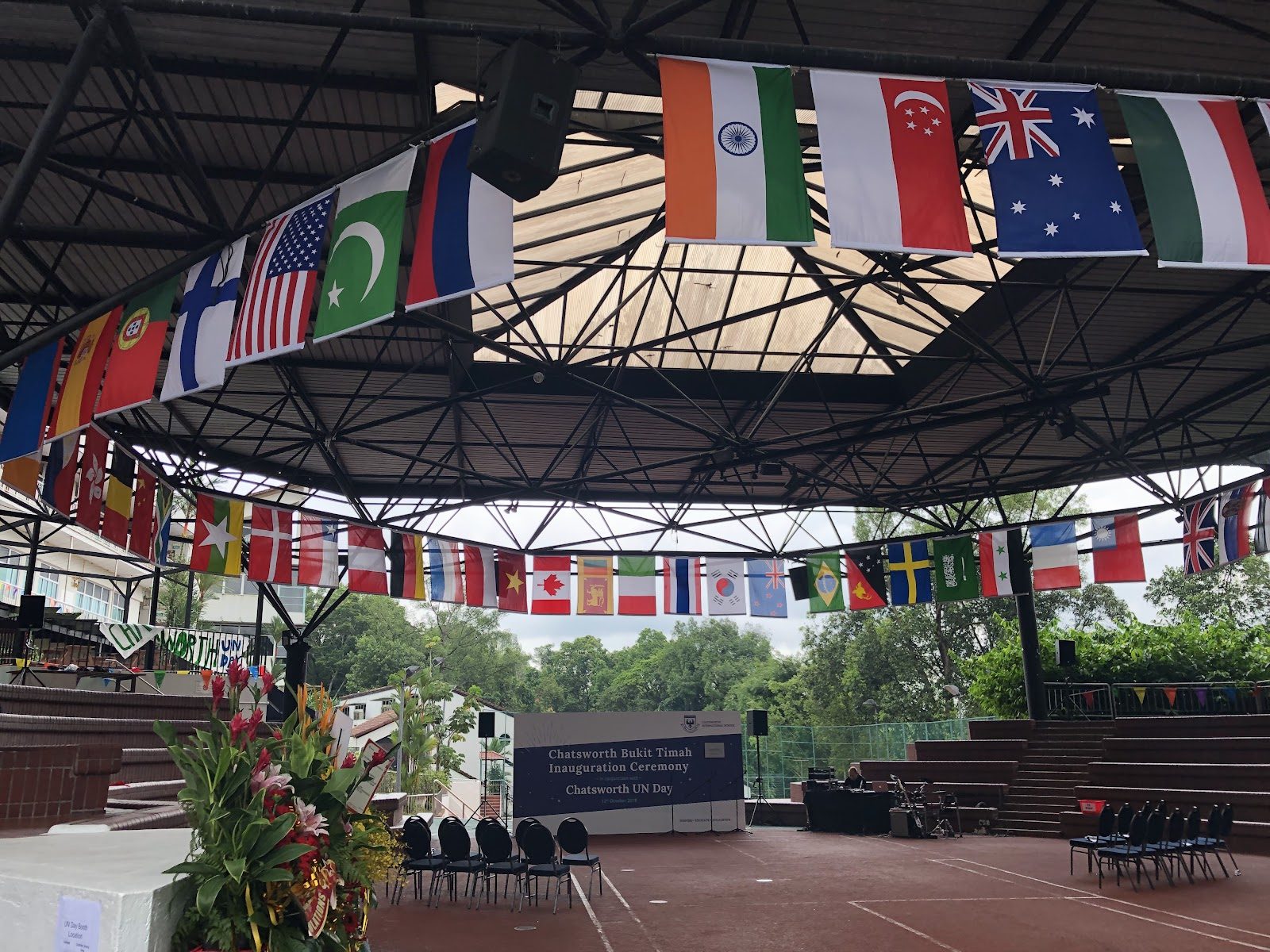
Chatsworth International School
Singapore · Singapore
Set beside Singapore's only tropical rainforest, a non-selective full IB continuum runs through a close-knit, village-like community.
Stiftung Louisenlund
Güby · Germany
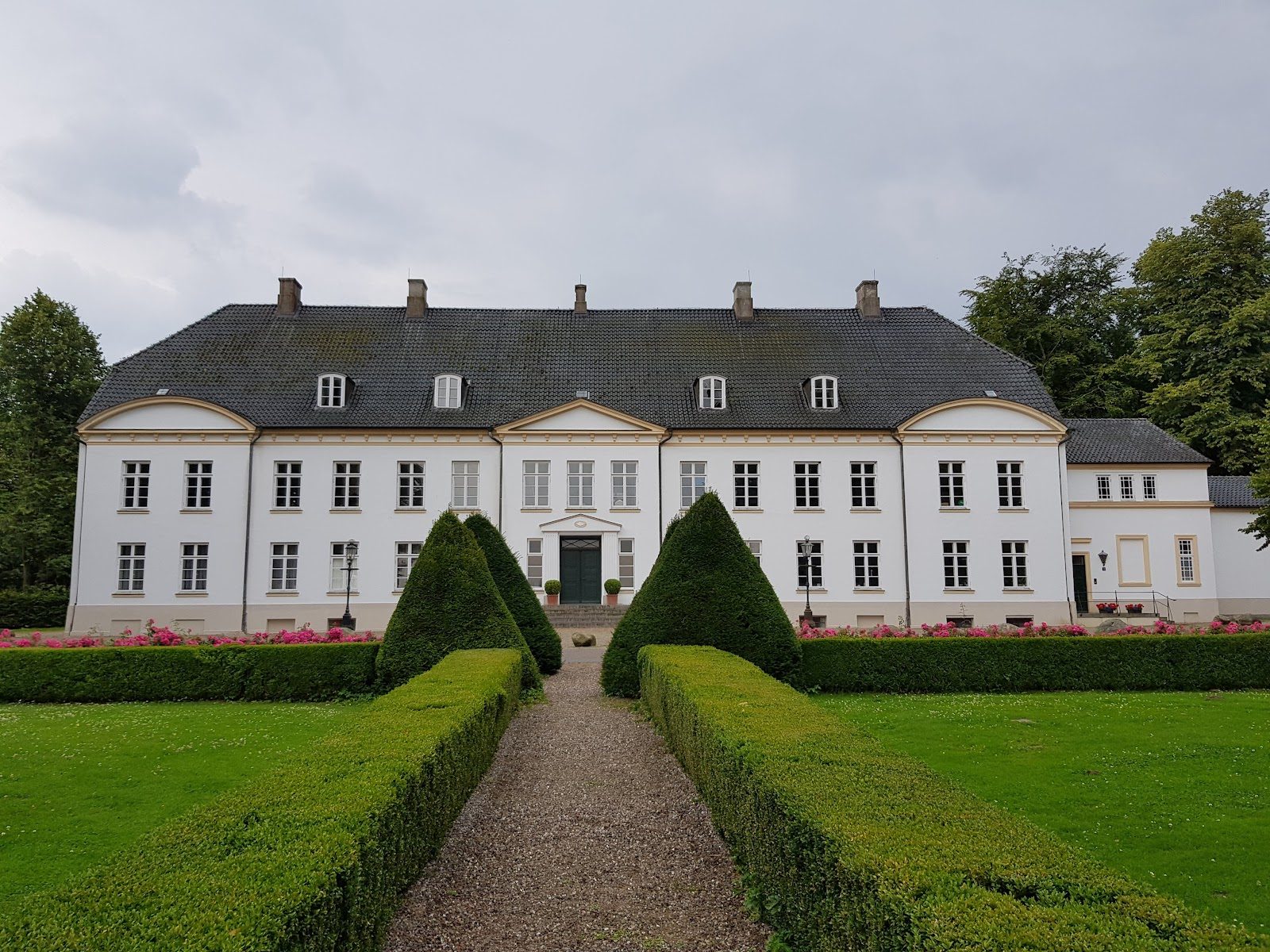
A fjord-side castle campus built on Kurt Hahn's ethos pairs IB rigor with a sailing harbour that breeds national champions.
Stowe School
Stowe · United Kingdom
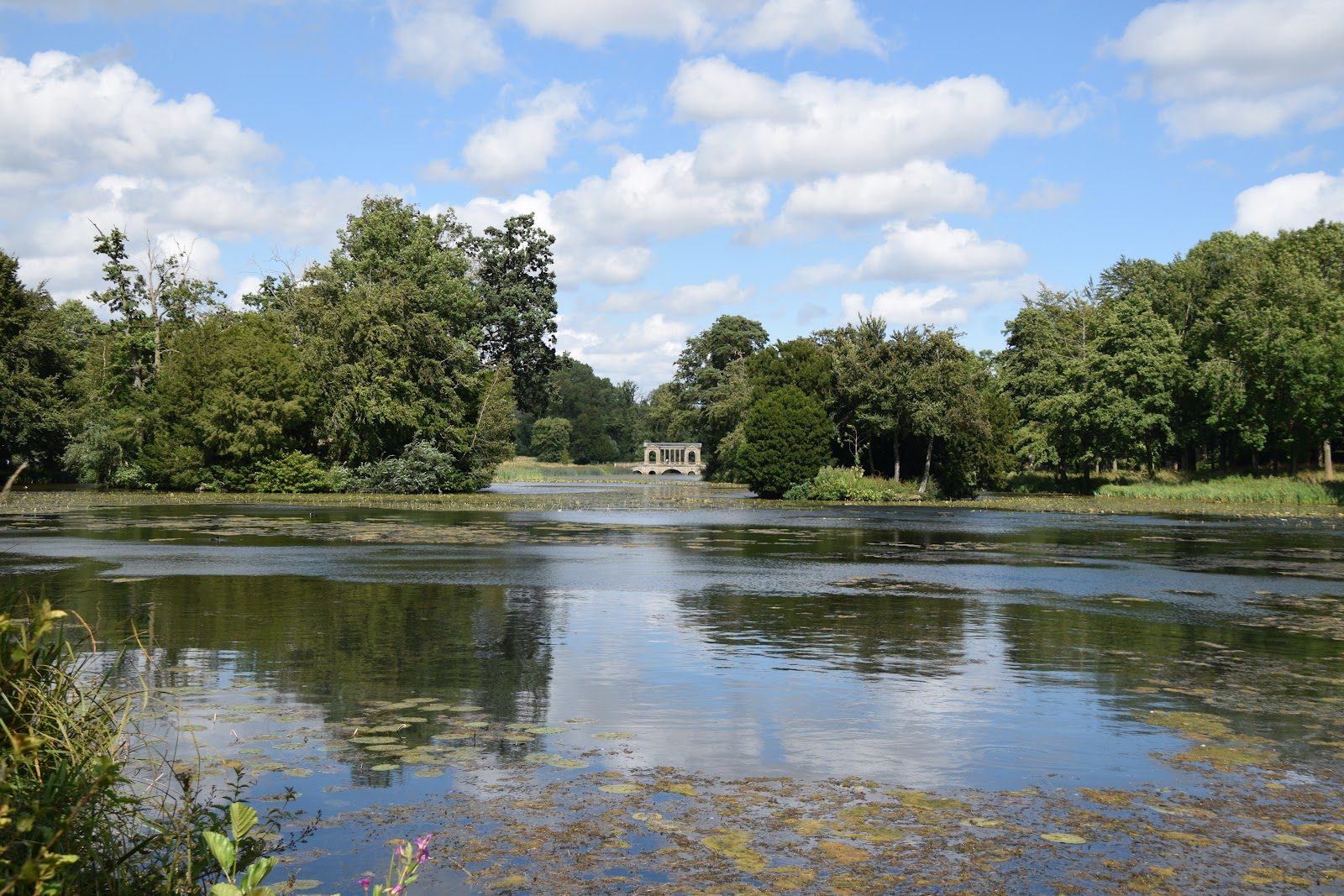
Boarders learn inside a Grade I neoclassical mansion set within an 18th-century landscape garden that shaped English garden design.
Same country and curriculum — closest matches within ±10 points either way