
Paraíso
Colégio Bandeirantes
low confidence· 4/6 cats · 1 avg sourcesSince 1934 in Vila Mariana, the school that pioneered Brazil's live presidential debates now tops ENEM leaderboards statewide.
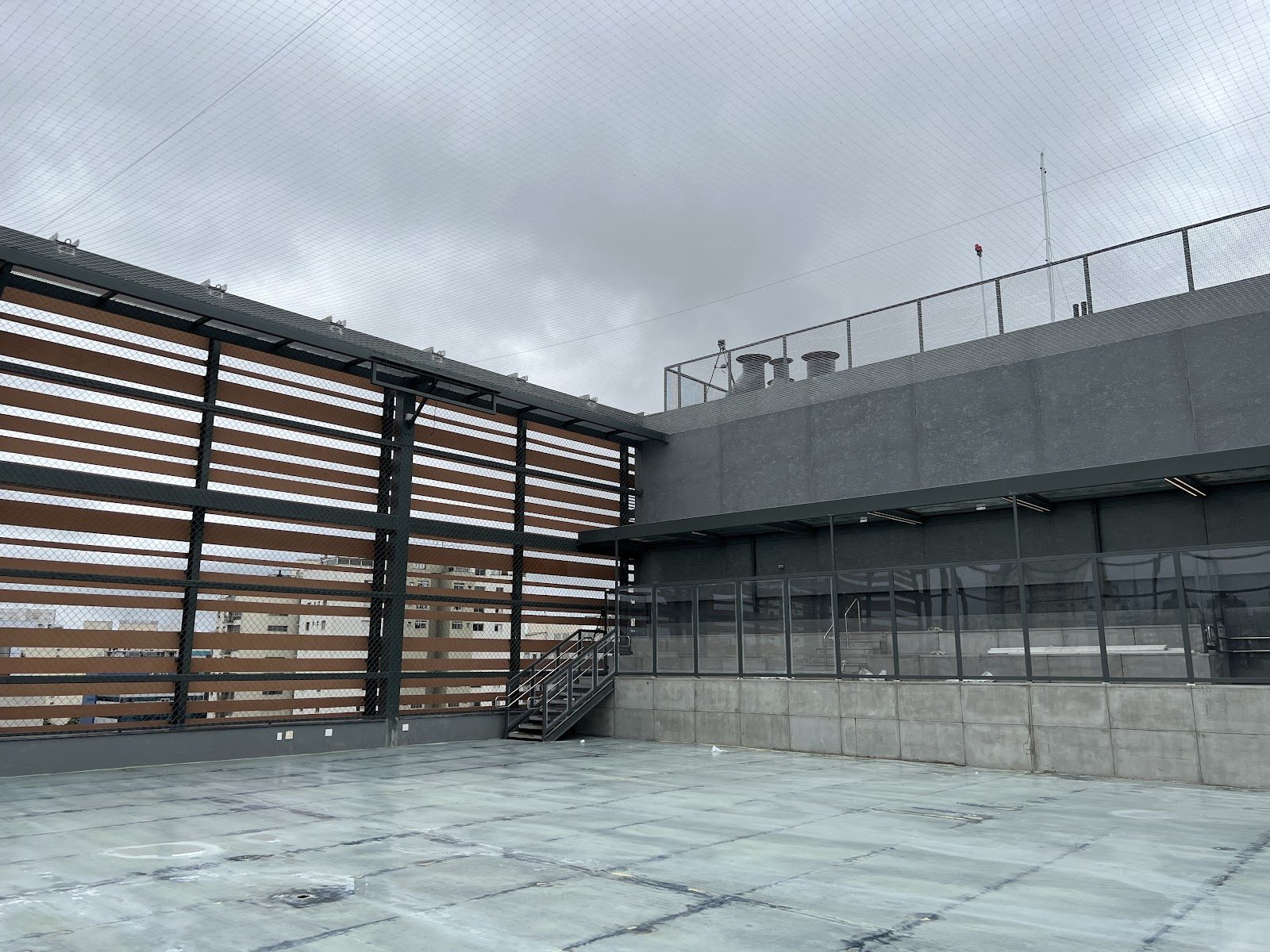
Photo © Luiz Alvaro Salles Aguiar de Menezes via Google Maps
Type
Day
Ages
10–18
Curriculum
Brazilian
Ratio
—
The Verdict
Editor's commitment
Right for
Families in São Paulo who want a non-religious day school, founded in 1934, teaching in Portuguese and English from 10 to 18.
Wrong for
Parents seeking boarding, a religious ethos, or an international curriculum: Colégio Bandeirantes runs a Brazilian curriculum and is day-only.
Watch out for
MEC and Fundação Bandeirantes accreditation confirm the basics; they do not answer the harder questions on results, selectivity or university destinations.
Ranking breakdown
Colégio Bandeirantes · #94 of 1591
Composite score 77.9. 8 weighted criteria.
By criterion
Academic Outcomes
Weight 20%
#66
of 1529 scored
University Placement
Weight 16%
#136
of 1529 scored
Prestige & Heritage
Weight 12%
#139
of 1571 scored
Alumni Network
Weight 12%
#81
of 1530 scored
Facilities
Weight 12%
#279
of 1533 scored
Transparency & Communications
Weight 8%
#288
of 1532 scored
Peer & Industry Review
Weight 10%
#38
of 1548 scored
Admissions Selectivity & Demand
Weight 8%
#400
of 1529 scored
Peer & Industry Review
How Colégio Bandeirantes is regarded in the sector
90
Top-tier · medium confidence
Colégio Bandeirantes is consistently cited in Brazilian press and educational rankings (e.g., Enem performance lists published by Folha de S.Paulo and Veja) as one of the top-performing private schools in São Paulo and Brazil, with alumni frequently noted among admissions to top universities like USP, Unicamp, and abroad (e.g., Ivy League, per reporting in Brazilian outlets). It is widely referenced by peer schools and education consultants in São Paulo as a benchmark institution for academic rigor, though it lacks the international press visibility (Tatler, Good Schools Guide) that would push it into the absolute top global tier.
Editors' overview
Colégio Bandeirantes occupies a rare position in São Paulo: a long-established Brazilian day school, founded in 1934, with the academic heft of an exam factory and the scale to offer more than rote preparation. The headline strength is straightforward. This is one of the schools parents mention when ENEM results matter, and that reputation keeps it on shortlists across the city. Yet the school’s case does not rest on scores alone. Its public identity now combines academic discipline with a more modern institutional language around cosmopolitanism, diversity and student agency. That mix gives Bandeirantes a sharper profile than many traditional Brazilian schools, which still trade on rigour while saying little about how students actually live inside the system. Here, the school puts forward electives, complementary activities, sport, cultural life and explicit socioemotional education as part of the core offer. Academic ambition with structure is the point of entry; *serious schooling without pious packaging* is the broader proposition.
What marks it out is the combination of prestige, tradition and civic visibility. Bandeirantes has long carried public weight in Brazil’s education culture; your own editorial line on its role in pioneering live presidential debates captures that better than any slogan on the website. That matters because it places the school in a category beyond private tutoring dressed up as education. It has institutional memory, intellectual confidence and a habit of engaging the wider culture. The current framing of “Band Cosmopolita” pushes that further, stressing multiple identities, collaboration and openness to the world while keeping Portuguese at the centre and English in the mix. Parents should still read that language with discipline. The school’s public messaging is expansive and idealistic; the decisive question is not the rhetoric but whether a child will thrive in a high-pressure environment where expectations are real. Bandeirantes is not a soft landing. It is for families who want pressure with purpose, a demanding peer group and a school where strong students are expected to keep moving.
The best-fit student is bright, self-propelled and comfortable in a competitive culture from ages 10–18. This is a place for pupils who want to work hard, handle a fast pace and use a large school’s ecosystem well: electives, sport, cultural programmes, technology and a visible route “from Band to the world”. It also suits students who want a non-religious setting and who value a school that speaks openly about coexistence, drug prevention and sexuality education rather than hiding those issues. Children who need constant hand-holding, a gentler academic tempo or a highly bespoke pastoral model will find stronger fits elsewhere. Bandeirantes belongs on a shortlist because it offers status that has to be earned, clear academic seriousness and the reach of a school that has spent 90+ years shaping São Paulo’s educational elite without retreating into nostalgia.
Academic Performance
Academic performance is the school’s central claim to attention, and the public positioning around “Aprovações” leaves no doubt about priorities. Bandeirantes sits in the São Paulo top tier for external outcomes, with a long-standing reputation for sending strong cohorts into Brazil’s most selective universities. In practical terms, this is the kind of school parents track when ENEM tables and university entrance lists matter. That status places it alongside the city’s hard-driving academic heavyweights, not among schools that rely on pastoral polish or international branding to mask softer outcomes. The key point is comparative: within the Brazilian private-school market, Bandeirantes belongs in the results-first camp, and families should read it that way.
The limitation is transparency. The school prominently markets admissions success, but we have not seen aggregate ENEM data, average scores, or a clean public breakdown that lets parents test year-on-year performance with precision. That does not erase the school’s standing; it does mean parents must separate institutional reputation from published evidence. The strongest conclusion is still clear: Bandeirantes is a serious examination school with enough prestige that its results culture drives demand, and with enough scale and confidence to make university placement a public-facing measure of success. For ambitious students, that is a powerful advantage. For children who wilt under comparison, it is a warning.
Facilities
The school advertises breadth more than showcase architecture, and that distinction matters. The visible pillars are a library, infirmary, sports provision, cultural programming, technology, and a menu of electives and complementary activities that sit inside the everyday life of the school rather than at its edges. There is also a virtual tour, which signals a campus with enough substance to warrant display, but the school does not publish the kind of hard facilities inventory that top international schools now treat as routine: no public count of labs, theatres, pools, specialist studios or maker spaces. That leaves parents with a clear if incomplete picture: Bandeirantes has the infrastructure to support a large, academically driven operation, but it does not trade on resort-style campus theatre. Against São Paulo’s strongest academic peers, that reads as serious rather than showy.
What stands out more is functional design. “Convivência Positiva” is not marketed as an add-on; it sits in the curriculum as a dedicated space for socioemotional development, drug prevention and sexuality education. That points to facilities being used in service of a high-pressure school with a social spine, not just exam delivery. The same goes for sport, cultural life and technology, all presented as part of the school’s working machinery. Families hunting for glossy specialist complexes on the Anglo-American model will find richer public detail elsewhere. Families choosing between Brazil’s exam-heavy private schools will read this differently: Bandeirantes offers the facilities a demanding mainstream powerhouse needs, and places its emphasis on use, not spectacle.
A Colégio Bandeirantes education carries serious social and academic cachet in Brazil
Prestige
A Colégio Bandeirantes education carries serious social and academic cachet in Brazil. This is not prestige manufactured through imported branding or glossy international-school theatre; it is home-grown, earned through decades of exam dominance, public visibility and a reputation that extends well beyond its own parent body. In São Paulo’s private-school hierarchy, Bandeirantes sits in the uppermost domestic tier: the kind of name that signals a child has survived a demanding system and kept pace with a strong cohort. That matters because prestige here attaches to selectivity of outcome, not softness of experience. The school’s long association with public intellectual life, including its role in Brazil’s televised presidential debates, gives it institutional weight that many academically strong schools lack.
Why rate it this highly? Because Bandeirantes combines 2 prestige drivers that rarely coexist at this level: elite academic standing and wider civic recognition. One produces respect among universities and ambitious families; the other produces status in the broader culture. The result is a school name with reach. Its current language around cosmopolitanism, diversity, electives and coexistence updates the brand without diluting the core message: this remains a high-pressure establishment whose prestige rests on performance. That prestige is real, but it is also exacting. Families buy into a name that opens doors socially and academically; students still need to earn the benefit of that name inside a demanding, comparison-heavy environment.
This is one of the schools parents mention when ENEM results matter, and that reputation keeps it on shortlists across the city
Communications
Parent communication runs through a dense digital ecosystem: Band Comunidade, Band Play, the Secretaria and Contatos pages, online search, visit booking, a virtual tour, news updates, Instagram, and dedicated pathways for admissions and approvals. That is a lot of entry points. The advantage is reach; the weakness is sprawl. Families already inside the school are served better than first-time readers trying to work out what matters day to day. The site is active and current, with dated news items and a steady stream of student achievements, events and school initiatives. That gives parents a live feed rather than a dead brochure. It also tells you what the school values: visibility, momentum and institutional confidence. For existing families, that rhythm will feel high-touch and well-maintained. For outsiders, it can feel busy and school-centric, with the institution talking more than it explains.
Effectiveness depends on what a parent needs. For culture-setting, the school communicates clearly. Its messages on coexistence, socioemotional education, drug prevention and sexuality education are explicit, and many schools in this market still duck that candour. For practical decision-making, the communication is less disciplined. There is no clean public dashboard for outcomes, no concise facilities inventory, and plenty of expansive language around identity and values. That balance fits a school with strong internal confidence and a public-facing voice, but it leaves analytical parents doing extra work. The result is competent communication with real energy and patchy precision: strong on ethos, active on news, weaker on hard comparables.
Uniqueness
What sets Bandeirantes apart is not one feature but a rare combination: exam-school seriousness with a public role in Brazilian civic life, and a current institutional push to widen what that seriousness means. Many high-performing private schools drill hard and say little beyond admissions lists. Bandeirantes does more than that. Its identity now runs through “Band Cosmopolita”, electives, cultural life, sport and a formal “Convivência Positiva” strand that covers socioemotional development, drug prevention and sexuality education. That mix is unusually coherent. The school is not trying to bolt pastoral language onto an old cramming model; it is recasting a famous pressure-cooker as a place where students are also expected to understand difference, collaboration and public responsibility. For students, that brings a stronger education in how to operate among other people, not just how to outscore them.
The other distinctive point is scale of influence. This is a school with enough standing to shape conversations beyond its own gates, and that changes the student experience. Pupils study inside an institution that treats public engagement, media visibility and outward-facing ambition as normal. The website’s route “from Band to the world” captures that confidence without disguising the harder truth: this remains a demanding machine. The benefit is clear for the right child. Students get status with substance, a peer group that expects momentum, and a school culture where intellectual ambition is tied to citizenship rather than boxed into private success. That is not a common combination in the Brazilian day-school market.
Its public identity now combines academic discipline with a more modern institutional language around cosmopolitanism, diversity and student agency
Student Profile
The students who do best here are high-output, organised and unbothered by comparison. Bandeirantes suits children who draw energy from a strong cohort rather than shrinking inside it. They need stamina for a busy school day, enough self-command to use electives and complementary activities well, and the confidence to hold their own in classrooms where academic credibility carries weight. This is not the right setting for a child who needs constant reassurance, loose structure or protection from visible standards. It is a better fit for students who like measurable progress, accept pressure as normal and want their school to push them hard from 10 to 18.
There is, though, more range in the profile than the exam reputation implies. The school gives real space to sport, cultural life, technology and a formal strand on coexistence, socioemotional development, drug prevention and sexuality education. That points to a student body expected to function not just as test-takers but as members of a demanding community. The best fit is the child who can combine ambition with social maturity: bright, curious, thick-skinned, and able to navigate difference without drama. Students who want a serious peer culture and a school with public confidence will fit. Students who need a gentler tempo or a highly personalised pastoral cushion will not.
Here, the school puts forward electives, complementary activities, sport, cultural life and explicit socioemotional education as part of the core offer
Co-curricular strengths
Arts & sport, on a separate axis
Overall 6.9/10
Scored 0-10 from the school's own published evidence. This axis is editorial-only — it does not feed the main WTS ranking.
Sports
7.5/10
Drama
6.5/10
Dance
4.5/10
Music
7.5/10
Visual Arts
8.5/10
Editor-verified · 8/5/2026
WTS 300 badge
Colégio Bandeirantes is one of the World's Top 300 Schools. Claim your listing to add it to your site →
Strengths
- +Founded in 1934 as Ginasio Bandeirantes and renamed Colegio Bandeirantes in 1944, giving it nearly nine decades of continuous operation in the Vila Mariana district of Sao Paulo.
- +The school has a strong record in national university entrance exams; in the widely reported 2013 ENEM top-30-schools ranking it placed first in Sao Paulo state and second nationally.
- +A single, purpose-built ~18,000 sq m campus houses a library, science and robotics/maker labs, auditorium, covered and uncovered sports courts, and a music room.
- +The school runs a dedicated international-university advisory team and reports recent alumni acceptances at universities outside Brazil.
- +Historically an exam-focused secondary school for adolescents only, it expanded in 2022-2023 to offer Elementary School I (from age 6) inside a newly built 12-storey tower.
Considerations
- −New pupils at most entry points, including young children, must pass a competitive entrance exam ("vestibulinho"), a process some local commentators say adds early academic pressure.
- −Monthly tuition has been reported at roughly R$5,000 (2022-2024), positioning it in the higher fee bracket for Sao Paulo day schools, with course materials billed separately.
- −The school faced public scrutiny in 2024 after student suicides were reported in close succession, prompting a student-led protest calling for action on bullying and mental health support.
- −The curriculum is Brazilian and vestibular/ENEM-oriented rather than an international or bilingual dual-diploma track, so it will not suit families wanting an IB or A-level pathway.
Availability
Primary entry gate & tests
Entrance Exam
Gallery
Photo © Luiz Alvaro Salles Aguiar de Menezes via Google Maps
Photo © Colégio Bandeirantes via Google Maps
Photo © Colégio Bandeirantes via Google Maps
Photo © Colégio Bandeirantes via Google Maps
Photo © Colégio Bandeirantes via Google Maps
Parent reviews
Have you sent your child here?
Voice reviews carry the strongest trust badge — we transcribe them for you to tidy up before they go live. Prefer to type? A written review is fine too.
Add your voice
In 60 seconds, tell other parents: what's the best thing about Colégio Bandeirantes, and what surprised you when your child joined?
We ask for a Google sign-in so every review has a real face behind it — no anonymous drive-by attacks on schools, and no faked positive reviews. Your email is never shown publicly.
Send this profile to a friend
International parents rely on word-of-mouth. Share this review with someone weighing the same decision.
Schools with places
Similar schools to Colégio Bandeirantes with places available now.
St. Paul's School
São Paulo · Brazil
- 2026-27
- WAITPOOLVacancy-dependent
- 2027-28
- PLACES OPENNursery Active; Others available
Graded - The American School of São Paulo
São Paulo · Brazil
- 2026-27
- WAITPOOLGrade-specific
- 2027-28
- PLACES OPENLocal Oct 2; Intl relocators now
Availability first, then country, area, curriculum, price, co-curricular
Consider also
Also worth looking at alongside Colégio Bandeirantes.
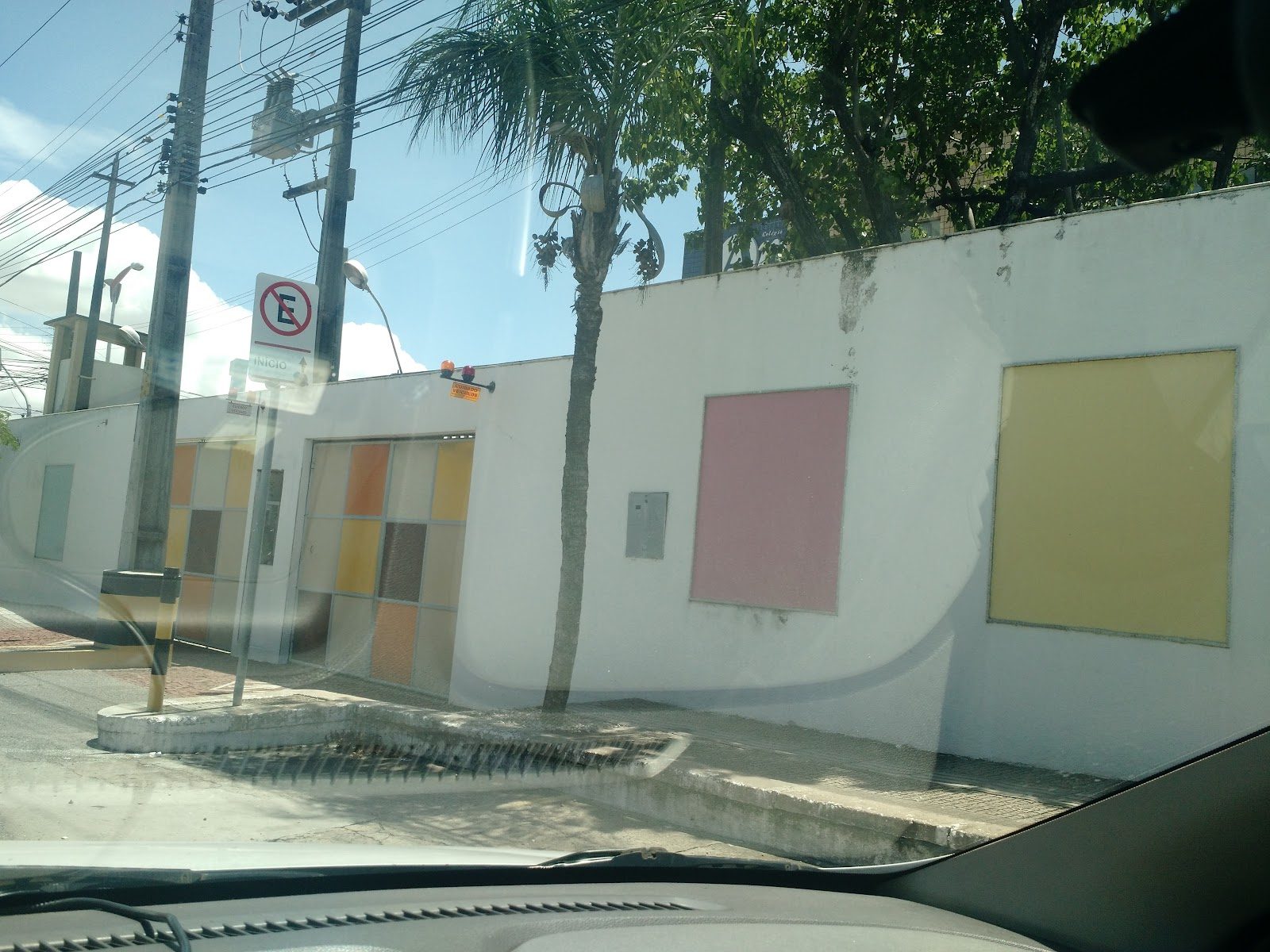
Colégio Ari de Sá Cavalcante
Fortaleza · Brazil
Named for a self-taught Ceara educator, its Fortaleza campuses rank among Brazil's top ENEM performers nationwide.
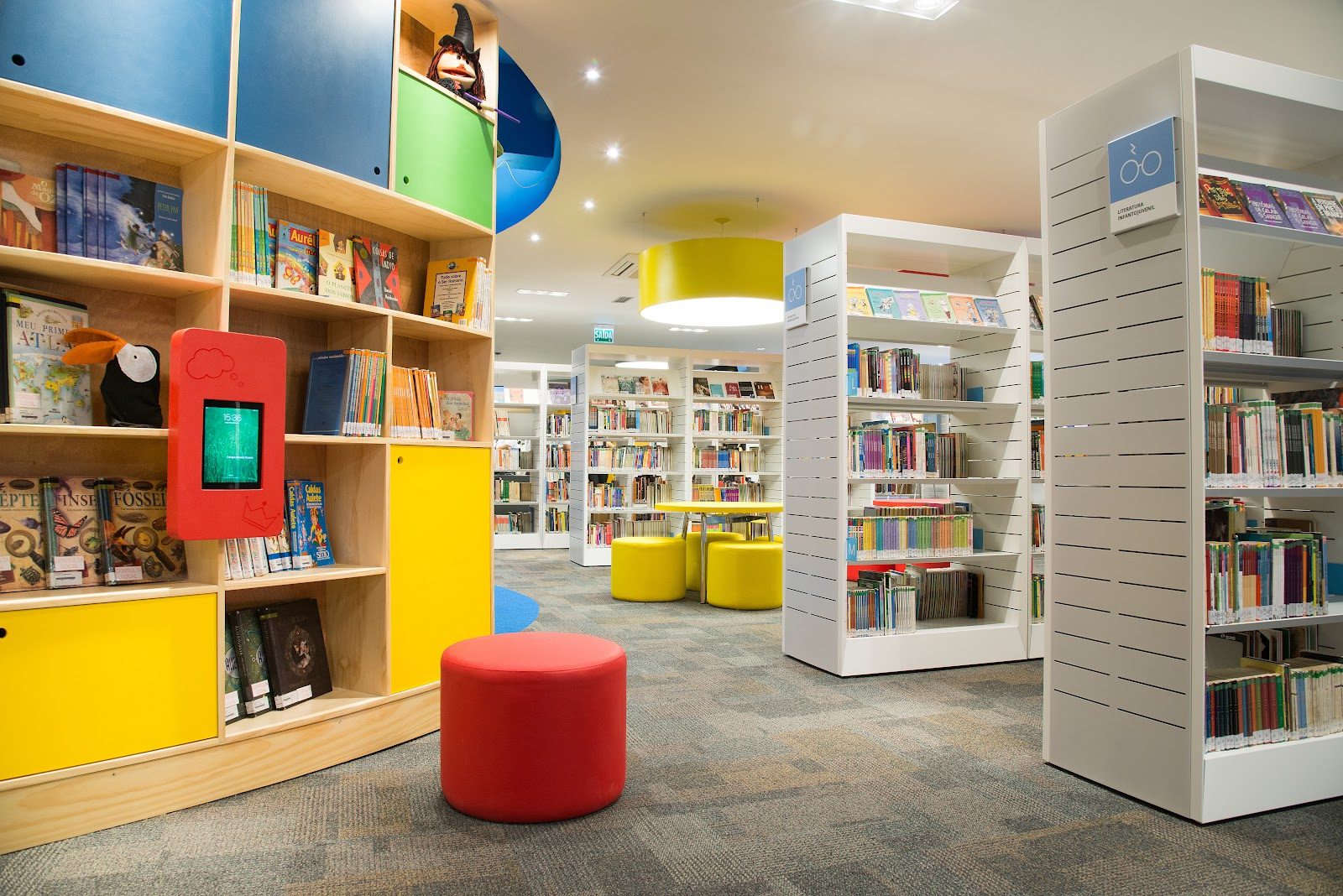
Colégio Marista Rosário
Porto Alegre · Brazil
Cradle of PUCRS, this 120-year-old Independencia campus keeps landing among Porto Alegre's top ENEM performers.
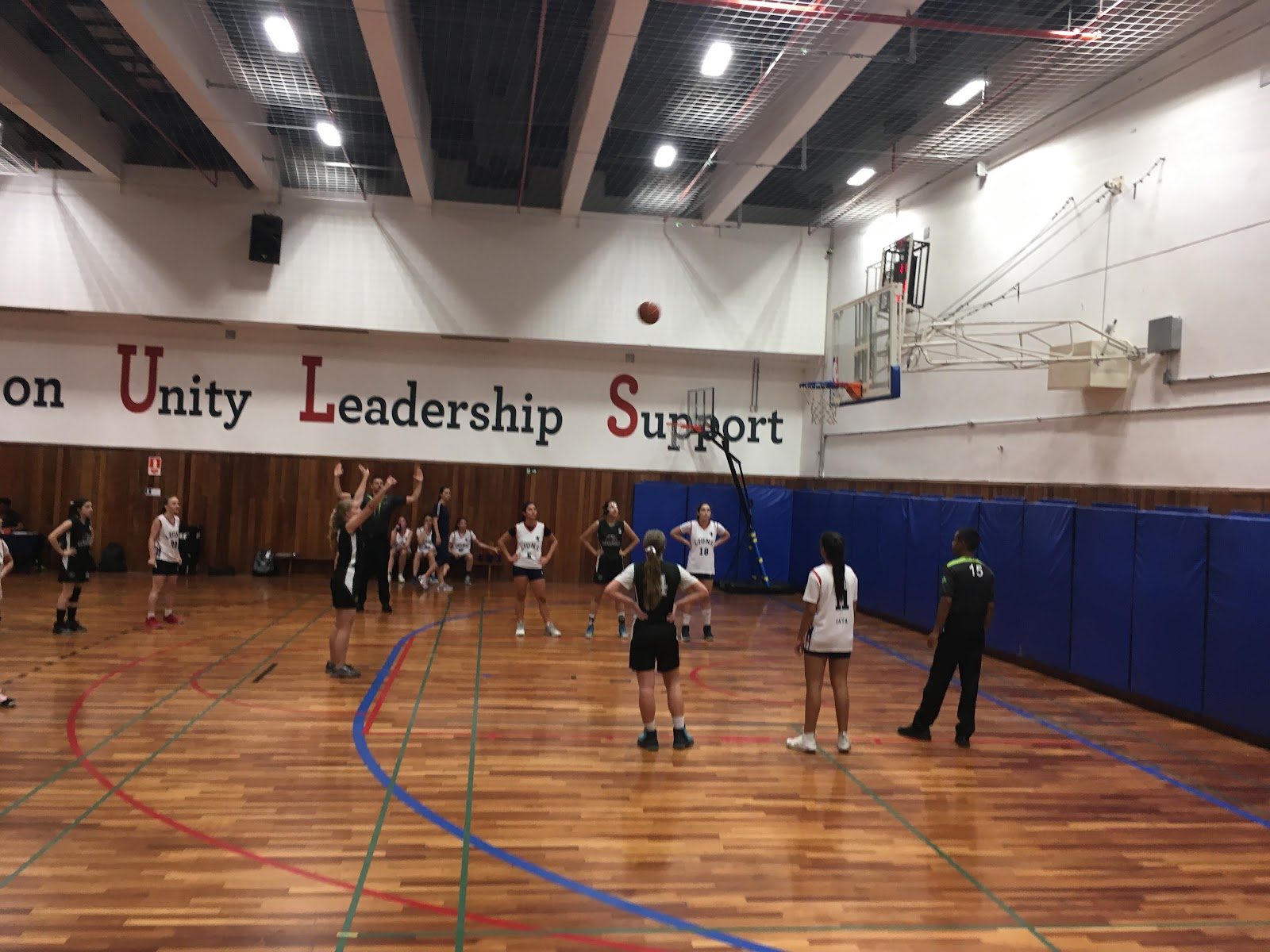
St. Paul's School
São Paulo · Brazil
The first British school in Latin America accredited as a British School Overseas, blending UK curriculum with Brazilian roots in Jardins.
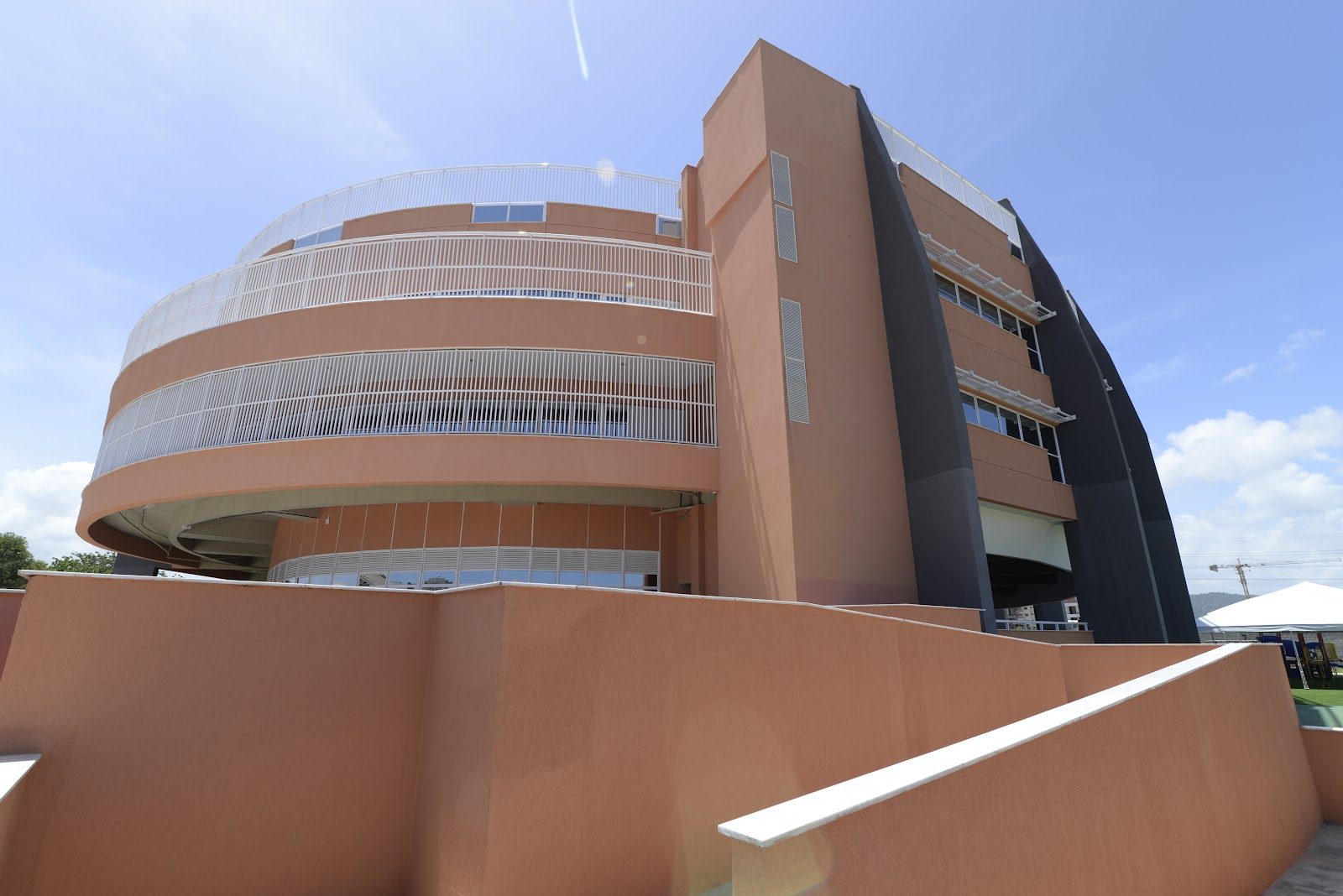
Escola Americana do Rio de Janeiro
Rio de Janeiro · Brazil
Perched at the edge of Tijuca National Forest with Christ the Redeemer in view, a 1937 campus layers IB, American and Brazilian diplomas.
Same country and curriculum — closest matches within ±10 points either way