
Ontario
Century-old boys’ school on 30 acres in midtown Toronto
Type
Day
Ages
6–18
Curriculum
Ontario
Qualifications
OSSD
Ratio
9:1
The Verdict
Editor's commitment
Right for
Boys aged 6–18 who benefit from an all-boys setting, a 9:1 ratio and Ontario academics with character work built in.
Wrong for
Families wanting co-education, boarding, or a broader international menu; Crescent is a Toronto day school with Ontario only.
Watch out for
The average annual fee is CAD 46,270, and the school’s all-boys, character-first culture will not suit every family.
Peer & Industry Review
How Crescent School is regarded in the sector
63
Respected · medium confidence
Within Toronto's independent-school hierarchy, Crescent is generally placed just behind Upper Canada College and St. Andrew's College in prestige, but is distinguished by its explicit research-based commitment to boys' education, reflected in its long-standing membership of the International Boys' Schools Coalition, where its administrators have presented on pedagogy and wellbeing. University admissions offices treat Crescent as a reliable, well-prepared applicant pool feeding University of Toronto, Queen's, Western and McGill, with a modest but consistent stream to selective US schools. Canadian education directories such as Our Kids profile Crescent favourably as a leading all-boys option, though Canada lacks the newspaper league-table culture of the UK, so comparative rankings are largely qualitative. It receives less coverage from UK-centric outlets like WhichSchoolAdvisor or the Good Schools Guide than from domestic Canadian education press, reflecting its regional rather than international brand recognition.
Editors' overview
Crescent School has a clear proposition: an all-boys, non-religious day school in Toronto with a long institutional memory and a strong internal logic. Founded in 1913, it has had time to refine its model, and the model is unapologetically gender-specific. The school’s core pitch is character, but not in the vague, sermon-heavy way many schools use the word. Here, character is tied to relational learning, mentoring and “character-in-action” programmes that push boys into responsibility beyond the classroom. On a 30-acre midtown campus, with a 9:1 student-teacher ratio and an average annual fee of C$46,270, Crescent sits in the expensive end of Toronto’s independent day-school market and needs to justify that cost. The breadth of activity on offer — robotics, business, arts, athletics, outreach, global trips and summer academics — goes a long way towards doing that.
What puts Crescent on a shortlist is the coherence of the place. Plenty of schools bolt leadership and service onto an academic core; Crescent has built them into the school’s operating system. The Ontario curriculum gives parents a conventional academic framework, while the school’s real distinction lies in how deliberately it targets boys’ development from Grades 1 to 12. That focus will appeal to families who want structured challenge, close adult mentorship and a school culture that prizes work ethic as much as raw attainment. It will appeal less to families who want a fully co-educational environment, a more informal culture, or lower-fee flexibility. Crescent knows what it is, and that clarity is one of its strengths.
The best fit is a boy who will use the platform. This is not a school for a child who wants to drift anonymously through the week. It suits students who respond to high expectations, who benefit from strong routines and visible pastoral scaffolding, and who are ready to throw themselves into teams, clubs and service. Boys with interests in robotics, enterprise, leadership and outreach have real room to build a profile here, and boys who need teachers to know them well will gain from the scale and staffing ratio. For the right family, Crescent offers serious pastoral intent, purposeful breadth and an adult, organised atmosphere shaped over more than 100 years.
Academic Performance
Crescent does not publish external examination results in the way many academically competitive independents do. There are no public aggregate figures for provincial assessments, no school-wide university placement breakdown by destination or course, and no headline attainment data that lets parents rank Crescent cleanly against Toronto peers. That matters. In a market where selective schools trade heavily on outcomes, the absence of hard numbers leaves families relying on institutional reputation, the school’s guidance operation and the quality of its broader academic culture. For some parents, that will feel needlessly opaque.
That said, Crescent’s academic proposition is not thin; it is just framed less around public score-reporting than around formation, mentoring and a broad co-curricular platform. The school gives conspicuous space to business, robotics, arts, outreach and leadership, which points to a model of success that extends beyond exam performance alone. That can produce well-rounded, highly engaged boys with strong university files, but it does not answer the basic comparative question: how strong are the results, year after year, against the city’s toughest independent competition? Until Crescent publishes fuller attainment data, it sits in the category of schools with a credible academic identity but limited public proof. Parents who want hard outcome evidence, not ethos, will need to press for specifics before enrolment.
Facilities
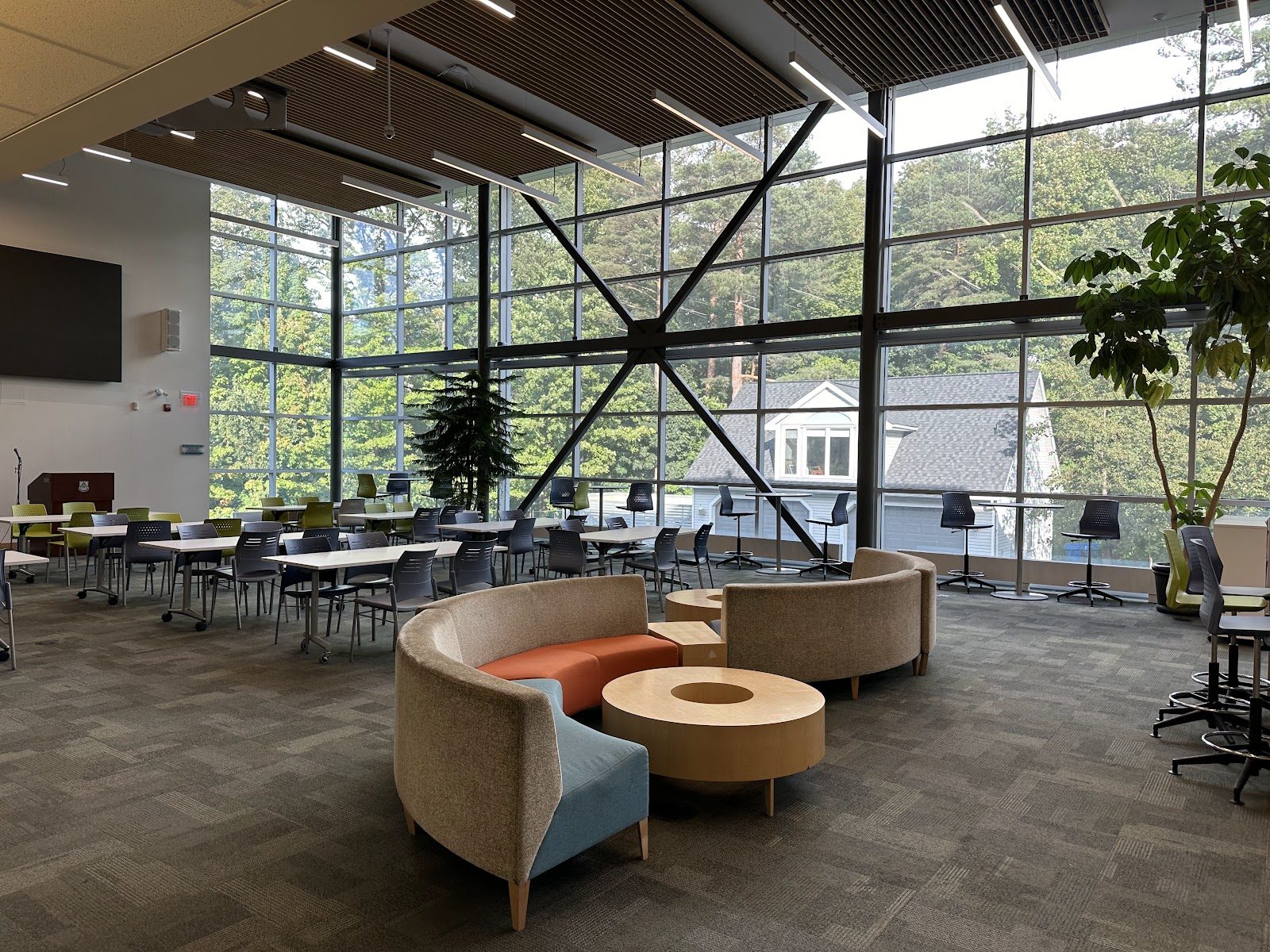
The key facility asset is the campus itself: a 30-acre site in midtown Toronto, which gives Crescent more physical room than many urban independent schools can offer. That matters in daily school life. A boys’ school that leans hard on athletics, robotics, business activity, arts and outreach needs specialist spaces and the breathing room to run several strands at once. Crescent has the scale to support that model. Against Toronto peers packed onto tighter city footprints, this is a practical advantage, not a vanity metric. Parents choosing between central independent schools will recognise the difference between a compact academic block and a campus that can sustain real operational breadth.
The school’s facilities strength, then, sits less in one showpiece building than in the way the site underwrites its programme. The presence of a Coyote’s Den, dedicated camps infrastructure, summer academics and a wide co-curricular menu points to a campus used hard beyond the standard timetable. That compares well with peer schools that offer polished marketing around “whole child” education but run thinner activity programmes in practice. The limitation is that Crescent does not publish the kind of detailed facilities breakdown that top schools with major capital projects now provide. There is no public drumbeat around headline labs, theatres or sports complexes. So the verdict is clear: Crescent offers a substantial, hard-working campus with the room to support its high-participation culture, but it sells function more than spectacle.
Crescent School has a clear proposition: an all-boys, non-religious day school in Toronto with a long institutional memory and a strong internal logic
Prestige
Crescent carries real local weight in Toronto’s independent-school market, but its prestige rests on institutional standing and parent perception more than on publicly documented academic dominance. A long-established boys’ school on a substantial midtown site, with a 9:1 ratio and an average annual fee of C$46,270, sits in a rarefied bracket by default. Add CAIS accreditation, a well-developed co-curricular structure, and a clear internal doctrine around mentoring and character, and you get a school with social recognition, strong brand memory and the kind of networked confidence many fee-paying families read as status. This is not a newcomer trading on glossy ambition; it is an entrenched name.
That said, prestige here has limits. Crescent does not publish the kind of hard outcome data that would lift it into the top rank on academic proof alone. There are no public aggregate examination figures or detailed destination outcomes to verify elite performance year after year. That weakens its claim to unquestioned academic prestige, even if families still rate it highly for culture, pastoral structure and the tailored appeal of a boys-only education. In plain terms: Crescent is well regarded, well known and expensive, with a durable reputation among Toronto independents. It is not the kind of school that closes the argument with numbers.
The limitation is that Crescent does not publish the kind of detailed facilities breakdown that top schools with major capital projects now provide
Communications
Crescent communicates with parents in the way established independents often do best: with a clear institutional voice, a tidy navigation structure and multiple defined contact points rather than one generic front door. The site gives parents direct routes into admissions, enrolment, tuition and fees, financial assistance, leadership, governance, lunch, publications, accessibility and the practical calendar of visits and events. That matters. Schools that communicate well make it easy for parents to find the person, process or policy they need without forcing them through layers of branding first. Crescent also signals an organised internal culture through the range of named parent-facing touchpoints, from the enrolment office to campus tours to publications. For a school built around close adult oversight and a low staffing ratio of 9:1, that level of structural clarity fits the model.
The strengths are order and coherence; the weakness is transparency. Crescent explains its ethos, programmes and points of entry cleanly, but it does not match that clarity with much hard public reporting on outcomes. Parents can find the school’s philosophy and activity menu with ease. They get far less on measurable academic results, destination data or the blunt evidence that justifies an average annual fee of C$46,270. So the verdict on communications is mixed but firm: operational communication looks disciplined, parent-literate and well maintained; strategic communication remains carefully controlled. Families who value responsiveness and process will be comfortable here. Families who want full public disclosure will need to ask sharper questions.
Uniqueness
What marks Crescent out is not the existence of “character education” but the degree to which it has built that idea into the machinery of the school. Many independents talk about leadership, service and mentorship; Crescent gives those strands named institutional form through relational learning, mentoring and its Character-in-Action structure. That matters because it changes co-curricular life from optional decoration into part of the school’s central logic. Robotics, business, outreach, student leadership and global trips are not random menu items. They are delivery systems for responsibility, collaboration and public-facing confidence. For boys who respond to clear structure and purposeful expectations, that creates a more intentional education than the standard high-fee formula of lessons plus clubs.
The other point of difference is the school’s confidence in a boys-only model at a time when many schools soften or blur that choice. Crescent does not. It is explicit about understanding “what makes boys tick”, and parents need to decide whether that proposition fits their son or not. For the right child, the gain is a culture with tight pastoral attention, strong adult guidance and plenty of room to test himself without disappearing into the background. The low staffing ratio of 9:1 reinforces that. The risk is just as clear: boys who thrive in mixed-gender classrooms, or who dislike a highly managed environment, will find the model restrictive rather than liberating.
Crescent does not publish the kind of hard outcome data that would lift it into the top rank on academic proof alone
Student Profile
The Crescent boy fits a school that expects him to join in, be known and accept adult direction without endless negotiation. This is a male-only environment with a strong house style: mentoring, work ethic, service, leadership and organised participation matter here. Boys who like clear routines, visible standards and teachers who keep a close eye on them will do well. So will students who want to build an identity through robotics, business, outreach, arts or sport rather than through classroom performance alone. The low 9:1 ratio reinforces that culture. Staff have the capacity to notice who is contributing, who is coasting and who needs a push. For many families, that will feel reassuringly structured; for others, too managed.
The best fit is not the effortlessly detached child who wants maximum anonymity or a loose, self-invented school life. Crescent suits boys who respond to firm guardrails, who gain confidence from belonging to teams and programmes, and who can handle an environment that ties personal conduct closely to school life. Ambitious, outward-facing boys with an appetite for leadership and community work will find plenty to use. Boys who dislike single-sex settings, resist institutional culture, or want a more free-form and socially mixed adolescence will not. At an average annual fee of C$46,270, this is a school for families buying into a deliberate model, not browsing for a generic independent education.
Founded in 1913, it has had time to refine its model, and the model is unapologetically gender-specific
Co-curricular strengths
Arts & sport, on a separate axis
Overall 7.36/10
Scored 0-10 from the school's own published evidence. This axis is editorial-only — it does not feed the main WTS ranking.
Sports
8.8/10
All-boys Canadian athletic force; home to historically dominant rugby, ice hockey, and basketball programs that consistently win regional titles.
Drama
8/10
Active theater curriculum staging high-production classical and modern plays inside their primary theater venues.
Dance
3.5/10
Kept strictly as a minor auxiliary component for stage movement in musical theater or physical conditioning matrices.
Music
8.5/10
Strong brass bands, traditional choirs, and jazz ensembles supported by professional-tier performance halls.
Visual Arts
8/10
Highly structured fine art layout leaning heavily toward technical drawing, portrait design, and portfolio curation.
Strengths
- +All-boys education from ages 8 to 18.
- +Toronto location suits families wanting Canadian schooling.
- +in English throughout.
- +CAIS accreditation offers external quality assurance.
Considerations
- −Day school only; no boarding for overseas families.
- −Boys-only model will not suit every family.
- −No places below age 8 for younger siblings.
Availability
Primary entry gate & tests
Character Skills Snapshot + interview / assessment; no SSAT
Gallery
Parent reviews
Have you sent your child here?
Voice reviews carry the strongest trust badge — we transcribe them for you to tidy up before they go live. Prefer to type? A written review is fine too.
Add your voice
In 60 seconds, tell other parents: what's the best thing about Crescent School, and what surprised you when your child joined?
We ask for a Google sign-in so every review has a real face behind it — no anonymous drive-by attacks on schools, and no faked positive reviews. Your email is never shown publicly.
Send this profile to a friend
International parents rely on word-of-mouth. Share this review with someone weighing the same decision.
Schools with places
Similar schools to Crescent School with places available now.
Branksome Hall
Toronto · Canada
- 2026-27
- CLOSEDRegular cycle closed
- 2027-28
- PLACES OPENDay 1 Dec / boarding rolling
Havergal College
Toronto · Canada
- 2026-27
- CLOSEDRegular cycle closed
- 2027-28
- OPENS SOONOpens 1 Sept '26 (Day) / Boarding active
Ashbury College
Ottawa · Canada
- 2026-27
- CLOSEDRegular cycle closed
- 2027-28
- PLACES OPENDay Dec / Boarding rolling
The York School
Toronto · Canada
- 2026-27
- CLOSEDRegular cycle closed
- 2027-28
- PLACES OPENActive now
Availability first, then country, area, curriculum, price, co-curricular
Consider also
Also worth looking at alongside Crescent School.

West Point Grey Academy
Vancouver · Canada
On an 18-acre Jericho Lands campus above English Bay, a compulsory third language meets a student-run Model UN conference.
Branksome Hall
Toronto · Canada
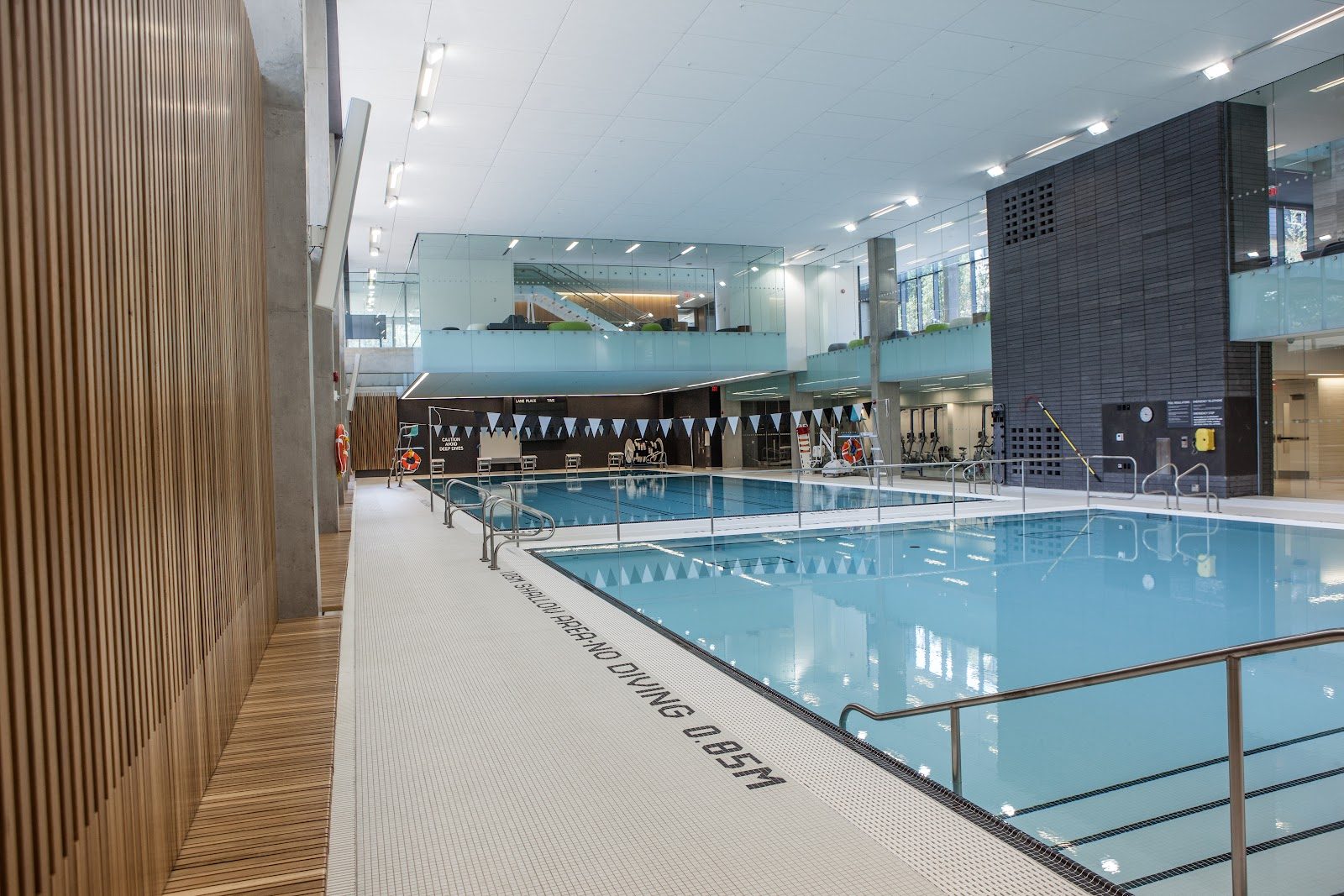
Toronto's only all-years IB girls' school, spanning PYP to Diploma with a sister campus on South Korea's Jeju Island.
Havergal College
Toronto · Canada
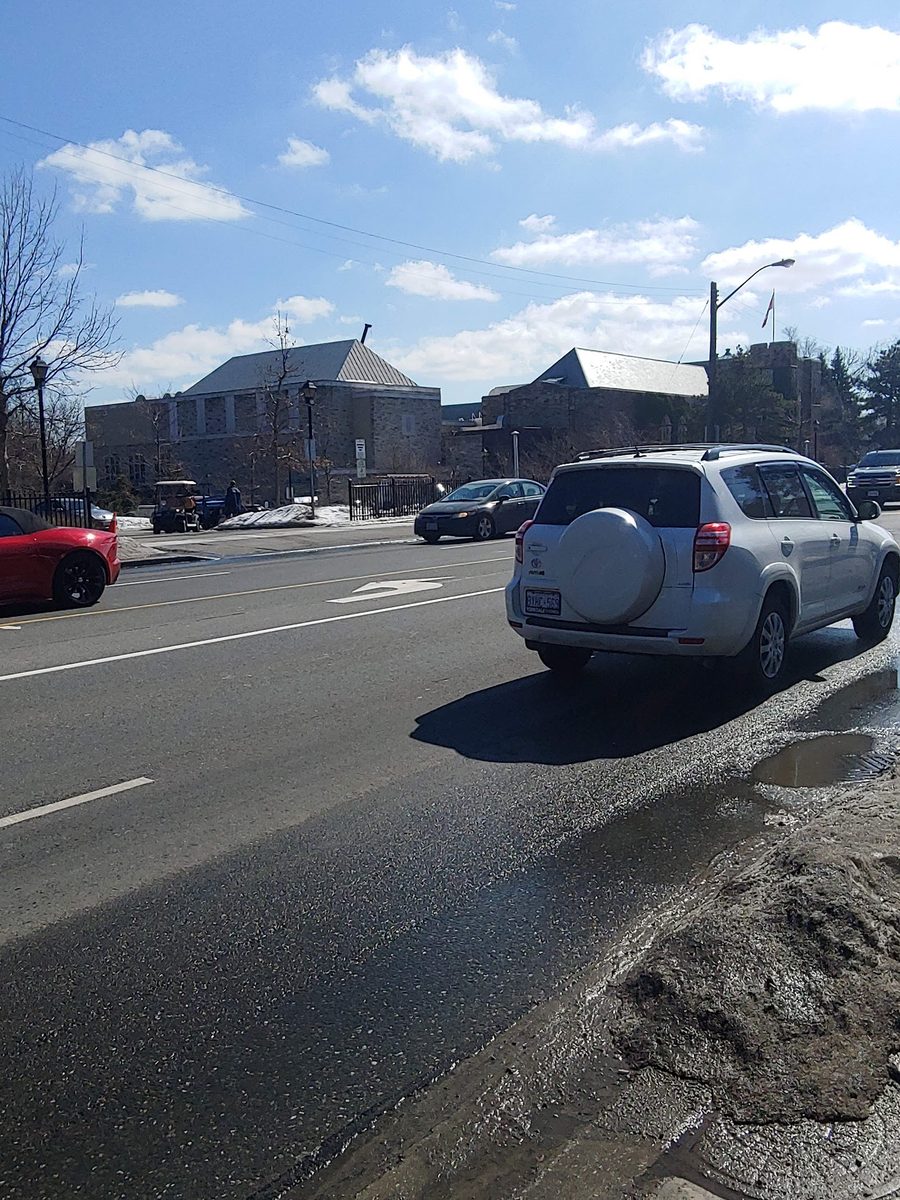
A 22-acre Anglican foundation since 1894, where ten storied houses anchor a rigorous, wellbeing-driven liberal arts curriculum for girls in midtown Toronto.

Shawnigan Lake School
Shawnigan Lake · Canada
On a 270-acre Vancouver Island campus, ten boarding houses hold Canada's largest full-time boarding community, a tradition since 1916.
Same country and curriculum — closest matches within ±10 points either way