
New York
Léman Manhattan Preparatory School
low confidence· 2/6 cats · 2.67 avg sourcesNew York City's only high-school boarding program sits steps from the NYSE, pairing IB rigor with a Swiss sister-school pedigree.
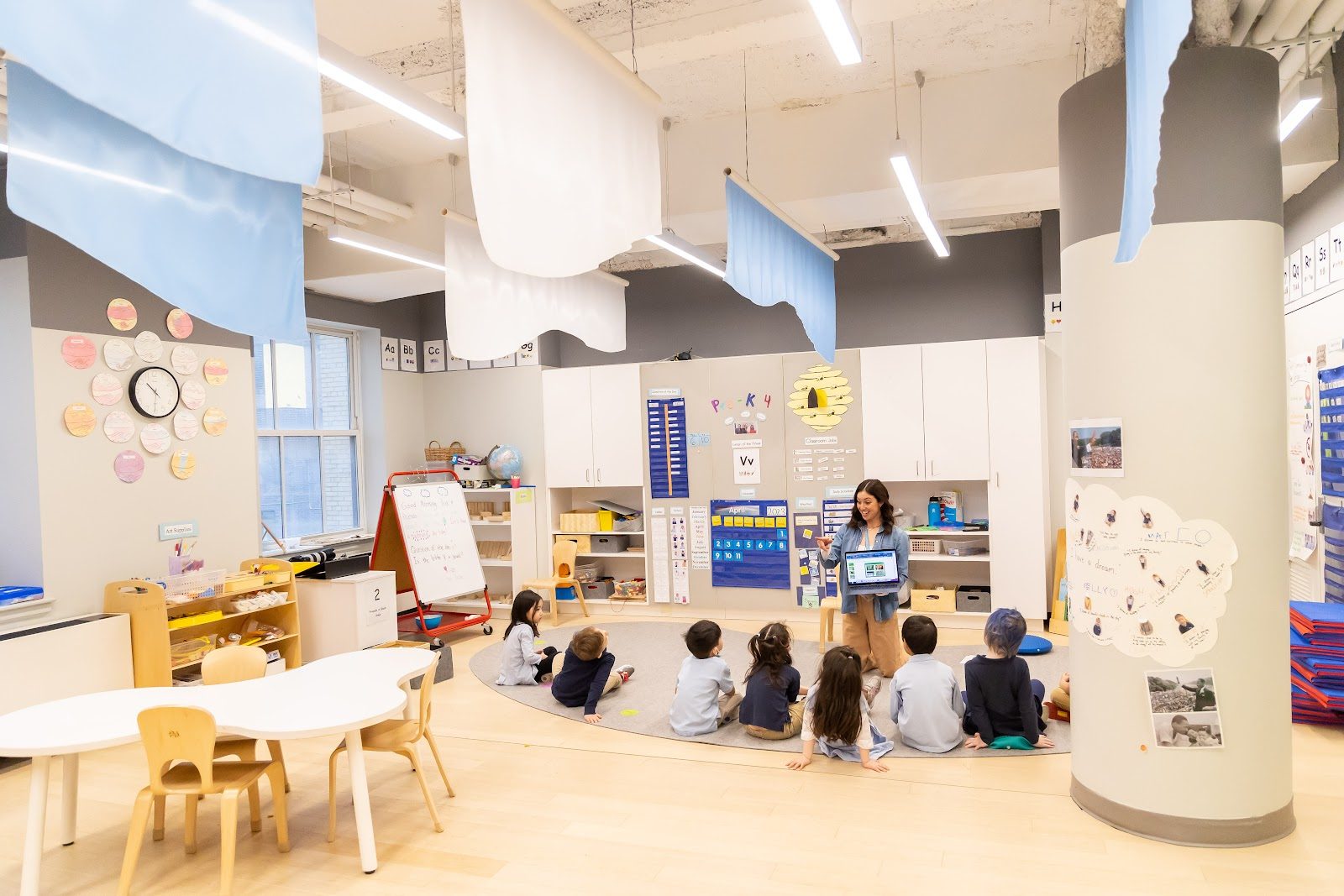
Photo © Leman Manhattan Preparatory School via Google Maps
Type
Both
Ages
3–18
Curriculum
International Baccalaureate (IB) · American (US High School Diploma)
Ratio
9:1
The Verdict
Editor's commitment
Right for
Families wanting New York City's only high-school boarding programme, a full IB plus US diploma route, and a 9:1 student-teacher ratio.
Wrong for
Parents after a cheaper Manhattan day school: the average annual day fee is $62,959, and NAIS accreditation does not buy intimacy alone.
Watch out for
Founded in 2005, Léman is young by independent-school standards; class sizes average 16, and the Financial District location is urban, not pastoral.
Ranking breakdown
Léman Manhattan Preparatory School · #929 of 1591
Composite score 63.4. 8 weighted criteria.
By criterion
Academic Outcomes
Weight 20%
#959
of 1529 scored
University Placement
Weight 16%
#965
of 1529 scored
Prestige & Heritage
Weight 12%
#967
of 1571 scored
Alumni Network
Weight 12%
#619
of 1530 scored
Facilities
Weight 12%
#733
of 1534 scored
Transparency & Communications
Weight 8%
#865
of 1532 scored
Peer & Industry Review
Weight 10%
#1108
of 1548 scored
Admissions Selectivity & Demand
Weight 8%
#1077
of 1529 scored
Peer & Industry Review
How Léman Manhattan Preparatory School is regarded in the sector
48
Credible · low confidence
Léman Manhattan Preparatory School appears in general parent-review aggregators like Niche.com with modest ratings, and is known within expat/international education circles primarily through its affiliation with the Nord Anglia Education network of IB schools, but it lacks the sustained coverage in specialist press (Tatler, Good Schools Guide, Sunday Times) or peer-benchmarking references that characterize top-tier NYC independent schools like Dalton, Trinity, or Horace Mann. Its reputation appears local and network-driven rather than broadly recognized among elite peer institutions.
Evidence sources
Editors' overview
The hook is straightforward: Léman Manhattan sells something no other New York school can match in the same way — the city’s only high-school boarding programme, planted in the Financial District, steps from the New York Stock Exchange. That gives it a distinct audience from the standard Manhattan day-school crowd. This is a school for families who want New York itself to function as part of the education, and for internationally mobile students who want an American diploma with the option of the IB Diploma Programme in a dense urban setting. It is non-religious, teaches in English, and runs from ages 3 to 18, so it covers the full school journey rather than forcing a break at middle or high school.
The academic proposition is serious and clear. Léman offers both the International Baccalaureate and the US High School Diploma, a combination that widens university options and suits families who do not want to lock themselves into a single system too early. The school’s published 9:1 student-teacher ratio and average class size of 16 point to a scale that still allows adults to know the pupils in front of them. More than 80% of faculty hold advanced degrees and credentials, and the school carries NAIS accreditation, which matters in the US independent-school market. Parents should still note what Léman does not publish here: no aggregate IB outcomes, no university destination pattern, and no hard academic results that would let outsiders test the strength of the sixth form against New York’s most selective day schools. That makes Léman easier to place as a distinctive option than as a proven academic heavyweight.
Fees place it firmly in the expensive end of the New York private market: the average annual day fee across the full ladder is $62,959. The premium buys a rare package — lower Manhattan location, international intake, boarding at high-school level, and an IB pathway inside a US school structure. The student who will want Léman is not the child who needs acres of green campus or the family chasing a traditional uptown independent-school mould. It suits self-directed, city-minded pupils who thrive on movement, density and adult-style independence; international families who value flexibility between curricula; and boarders who want Manhattan, not a rural American campus, as their daily backdrop. For the right child, that setup is hard to replicate. For families who want published outcomes, deep athletic infrastructure or a conventional campus experience, the shortlist needs other schools on it too.
Academic Performance
Léman’s public case on academic performance has a conspicuous gap: the school does not publish aggregate IB Diploma results, average scores, pass rates, or a university destinations list robust enough to benchmark the sixth form against New York’s strongest independent-school peers. That matters. In the top tier of academically competitive schools, outcomes are part of the public record because they help parents judge consistency, selectivity and ceiling. Here, the external-results picture is opaque. The school states that it offers the diploma pathway and frames it as a serious college-preparatory route, but parents cannot test that claim against headline data. For a school charging an average of $62,959 a year, that absence is a real weakness.
Relative to peers, Léman fits more comfortably as a distinctive urban option than as a proven examination powerhouse. The ingredients for strong performance are there: small classes, a low staffing ratio, and a faculty body in which more than 80% hold advanced degrees or field credentials. Those inputs support academic ambition; they do not replace published results. In New York’s competitive private-school market, families comparing sixth forms need hard evidence on IB outcomes and university admissions patterns, not just programme breadth and location. Until Léman discloses that data, its academic standing remains hard to verify beside schools that publish concrete external results.
Facilities
Facilities are defined here by constraint as much as abundance. Léman operates across two historic Lower Manhattan buildings, with younger children on Broad Street and older pupils on Morris Street. The school makes a strong point of its specialist spaces: academic rooms, athletics provision, arts and performance areas, and culinary facilities. That mix matters because many dense-city schools do one or two of those things well and compromise on the rest. Léman has built a serious urban plant inside a tight downtown footprint, and its location extends the estate beyond the walls: Lower Manhattan’s museums, civic landmarks and commercial institutions sit on the doorstep. For students who learn well in a city, that is a genuine asset, not a slogan.
Against peer schools, the trade-off is clear. Léman cannot match the land, playing fields or self-contained campus infrastructure of suburban day-boarding schools or the grander independent schools with extensive uptown real estate. Families wanting acres, separate sports complexes and the visual comfort of a traditional campus will find this setup compressed and vertical. But compared with other Manhattan schools working within similar physical limits, Léman offers a broader specialist spread than many rivals, and it uses its neighbourhood with intent. The result is facilities that feel purpose-built for city life: less expansive, more integrated, and best suited to pupils who draw energy from movement, density and daily contact with the outside world.
That makes Léman easier to place as a distinctive option than as a proven academic heavyweight
Prestige
Léman’s prestige is real but specialised. In Manhattan independent-school terms, it does not sit in the old-money, generational, socially coded bracket that drives prestige at the city’s most entrenched names. Its status comes from scarcity and setting instead: a school planted in the Financial District, split across two Lower Manhattan sites, with a profile that reaches beyond the standard local day-school market. For internationally mobile families, that carries weight. So does the Swiss sister-school heritage implied by the Léman name, even if the school’s standing in New York rests far more on its present-day niche than on inherited institutional mythology. This is cosmopolitan prestige, not hereditary prestige.
That distinction matters. Among parents who value global mobility, an urban education and a less conventional route through the private-school market, Léman has clear cachet. Among families chasing the city’s most academically validated or socially dominant independent schools, it has less. The reason is straightforward: prestige at the top end rests on outcomes, admissions selectivity, institutional age, and a long public record of placing pupils into elite universities. Léman has an unusual proposition and a strong sense of identity, but its public academic evidence remains thin, which caps its authority in that upper bracket. The result is a school with distinctive appeal and genuine recognition, but not the kind of automatic prestige that closes the conversation the moment its name is mentioned.
In the top tier of academically competitive schools, outcomes are part of the public record because they help parents judge consistency, selectivity and ceiling
Communications
Léman’s parent communication has the makings of a high-touch operation. The admissions side is easy to reach, with direct phone and email contacts published plainly, and the school pushes families towards a formal application and tour system rather than a muddled chain of enquiries. That matters in a school split across two sites and serving children from nursery through the end of school: parents need routeing, not vagueness. The presence of a named head, a visible parent association, and clear campus distinctions points to a structure in which families are expected to engage regularly rather than drift at the edge of school life. The tone is organised, accessible and deliberately community-minded.
The limitation is depth. Léman communicates identity and logistics well; it communicates outcomes less well. Parents can grasp the school’s ethos, geography and key points of contact quickly, but they get less hard information on academic results and destination patterns than a school at this price point should publish. That weakens trust in the most important category of all: whether the school tells families enough once the sales conversation ends. In other words, communication is slicker on welcome than on proof. For day-to-day parental contact, the signs are solid. For strategic transparency — performance, benchmarking, evidence of sixth-form strength — the record is thin, and that is a serious editorial reservation.
Uniqueness
Léman’s defining difference is not the diploma menu or the downtown address on its own. It is the combination: a through-school in Lower Manhattan with the city’s only school-based boarding offer for older pupils, built into daily life in one of the most adult parts of New York. That creates a student experience that is unusually self-possessed from an early stage. Pupils do not move through a sealed campus bubble; they grow up in a setting shaped by commuters, courts, finance, public institutions and constant motion. For the right child, that is electrically stimulating. It builds confidence navigating the world as it is, not as schools like to sanitise it. The school’s ratio of 9:1 and class size of 16 matter here because an urban model this exposed needs close adult oversight to work well.
The other point of difference is cultural composition. Léman is built for families who move across borders, or who want that outlook even when they do not. That gives it a more international social grammar than many New York independents whose communities are rooted in older local networks. Students gain fluency with different expectations, accents and ambitions; they also gain a peer group for whom mobility is normal, not disruptive. The benefit is real breadth of perspective. The cost is that this is not a nostalgic, enclosed school experience. It is fast-moving, expensive, and best for pupils with independence, curiosity and a high tolerance for city intensity.
Relative to peers, Léman fits more comfortably as a distinctive urban option than as a proven examination powerhouse
Student Profile
The pupils who fit best here are city-ready, internationally minded and comfortable with a school life that asks for maturity early. This is not a sheltered, green-campus childhood with long internal corridors between everything a child needs. It is a school embedded in a working district, with older students moving through a setting shaped by offices, transport, tourists and public life. That suits children who draw energy from pace, variety and contact with the outside world. It also suits families who move countries, split time across cities, or want classmates for whom global mobility is normal rather than exceptional. The school’s low staffing ratio and average class size of 16 support pupils who want adults to know them well without the atmosphere tipping into hothouse intensity.
The weaker fit is just as clear. Children who need constant hand-holding, wide open space, or a more cocooned pastoral environment will find Léman hard work. So will families who want a socially traditional Manhattan school culture with deep-rooted local codes and a settled old-network feel. Léman suits students with adult-grade independence, strong self-management and a taste for urban complexity. It also works for ambitious pupils who want breadth in their peer group as much as certainty in their routine. At an average annual day fee of $62,959, this is an expensive school for families buying a distinctive metropolitan education, not a conventional private-school script.
That creates a student experience that is unusually self-possessed from an early stage
Co-curricular strengths
Arts & sport, on a separate axis
Overall 8.1/10
Scored 0-10 from the school's own published evidence. This axis is editorial-only — it does not feed the main WTS ranking.
Sports
8.8/10
The school claims 'world-class academic, athletic, arts, performance, and culinary spaces,' which is only vague, non-program-specific evidence without named teams, fixtures, or facilities.
Drama
8.3/10
Claimed 'arts' and 'performance' spaces but gives no explicit drama programme, productions, department, or theatre details.
Dance
7/10
Music
8/10
The profile refers broadly to 'arts' spaces but provides no explicit music programme details such as ensembles, lessons, staff, or facilities.
Visual Arts
8.4/10
The school's claim of 'arts' spaces is only broad implicit evidence and the profile gives no specific visual-arts courses, studios, exhibitions, or facilities.
Editor first-pass · editor-reviewable · 8/2/2026
Strengths
- +Full PK-12 IB continuum in Manhattan
- +Rare New York City boarding program
- +Truly international student community
- +Strong fit for mobile global families
Considerations
- −Less traditional campus experience
- −Younger school, limited alumni legacy
- −Downtown setting won't suit everyone
Availability
Primary entry gate & tests
ISEE/SSAT + Interview
Gallery
Photo © Leman Manhattan Preparatory School via Google Maps
Photo © Leman Manhattan Preparatory School via Google Maps
Photo © Leman Manhattan Preparatory School via Google Maps
Photo © Robert Bolar via Google Maps
Photo © Joseph Weiss via Google Maps
Photo © Elmer Bagares via Google Maps
Photo © Nunya Business via Google Maps
Photo © Satish Shikhare via Google Maps
Photo © Nunya Business via Google Maps
Parent reviews
Have you sent your child here?
Voice reviews carry the strongest trust badge — we transcribe them for you to tidy up before they go live. Prefer to type? A written review is fine too.
Add your voice
In 60 seconds, tell other parents: what's the best thing about Léman Manhattan Preparatory School, and what surprised you when your child joined?
We ask for a Google sign-in so every review has a real face behind it — no anonymous drive-by attacks on schools, and no faked positive reviews. Your email is never shown publicly.
Send this profile to a friend
International parents rely on word-of-mouth. Share this review with someone weighing the same decision.
Schools with places
Similar schools to Léman Manhattan Preparatory School with places available now.
The Browning School
New York City · United States
- 2026-27
- CLOSEDConfirmed full
- 2027-28
- OPENS SOONOpens 25 Aug '26; appointments from 8 Sep
The Buckley School
New York City · United States
- 2026-27
- CLOSEDConfirmed full
- 2027-28
- OPENS SOONOpens post-Labor Day '26
Marymount School of New York
New York City · United States
- 2026-27
- CLOSEDConfirmed full
- 2027-28
- PLACES OPENApplications opened 1 Aug '26
Friends Seminary
New York City · United States
- 2026-27
- WAITPOOLLate/held pending openings
- 2027-28
- OPENS SOONExpected Sept '26
Availability first, then country, area, curriculum, price, co-curricular
Consider also
Also worth looking at alongside Léman Manhattan Preparatory School.

Greenwich Academy
Greenwich · United States
Connecticut's oldest all-girls school pairs single-sex grounding with coeducational upper-school classes shared alongside Brunswick's boys.

The Browning School
New York City · United States
Manhattan's only K-12 all-boys day school, expanding onto East 64th Street after nearly 140 years on the Upper East Side.

Princeton Day School
Princeton · United States
Formed by a 1965 merger of two century-old Princeton schools, pairing STEAM rigor with a rare four-year architecture program across 106 acres.
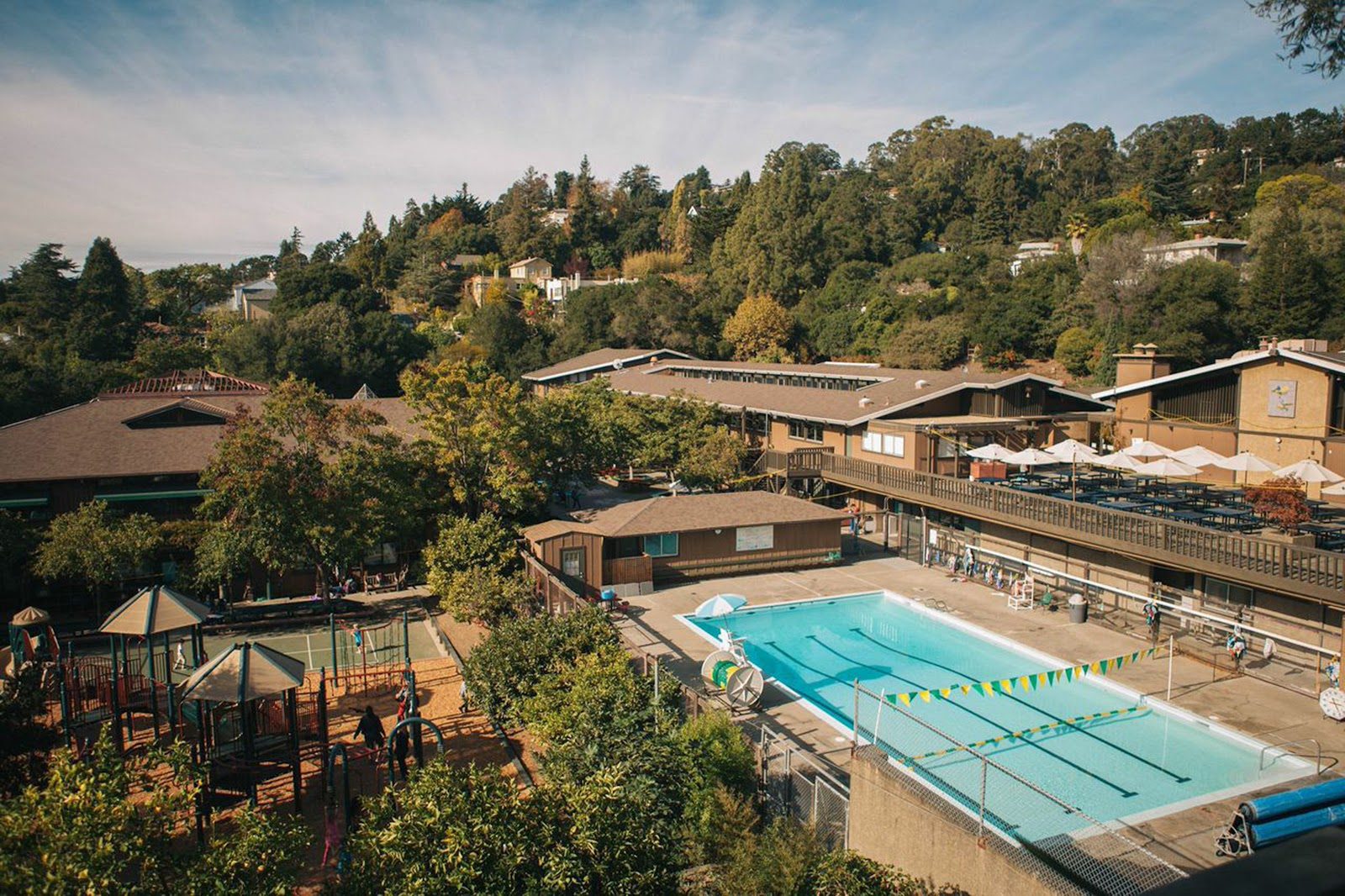
Head-Royce School
Oakland · United States
Since 1887 on a wooded Oakland hills campus, pairing rigorous scholarship with a decades-old public-school partnership that opens college doors for first-generation students
Same country and curriculum — closest matches within ±10 points either way