
Cambridgeshire
Founded in 1615 as a free grammar school, Cambridge's oldest secondary keeps classics and coding on equal footing en route to Oxbridge.
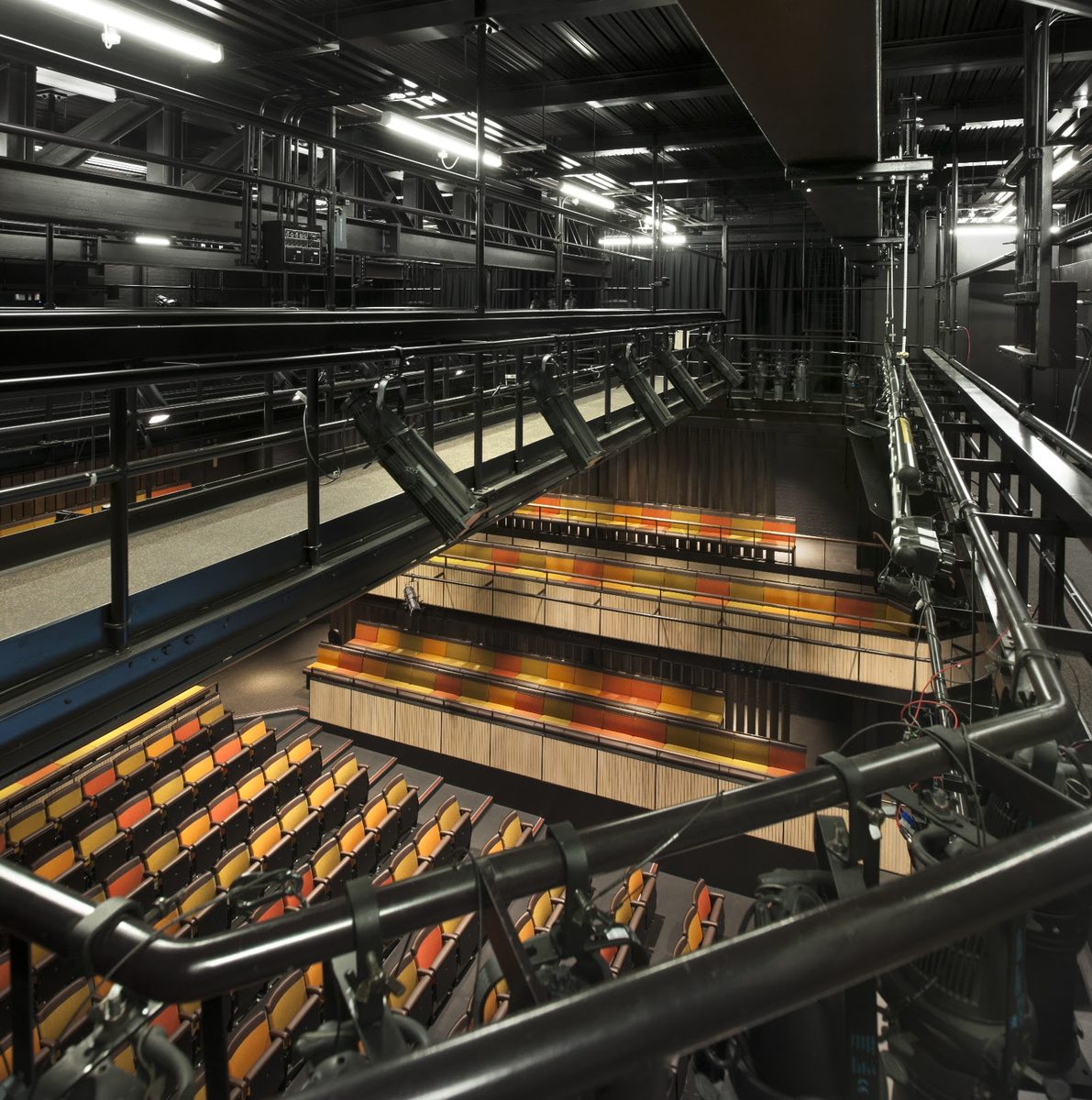
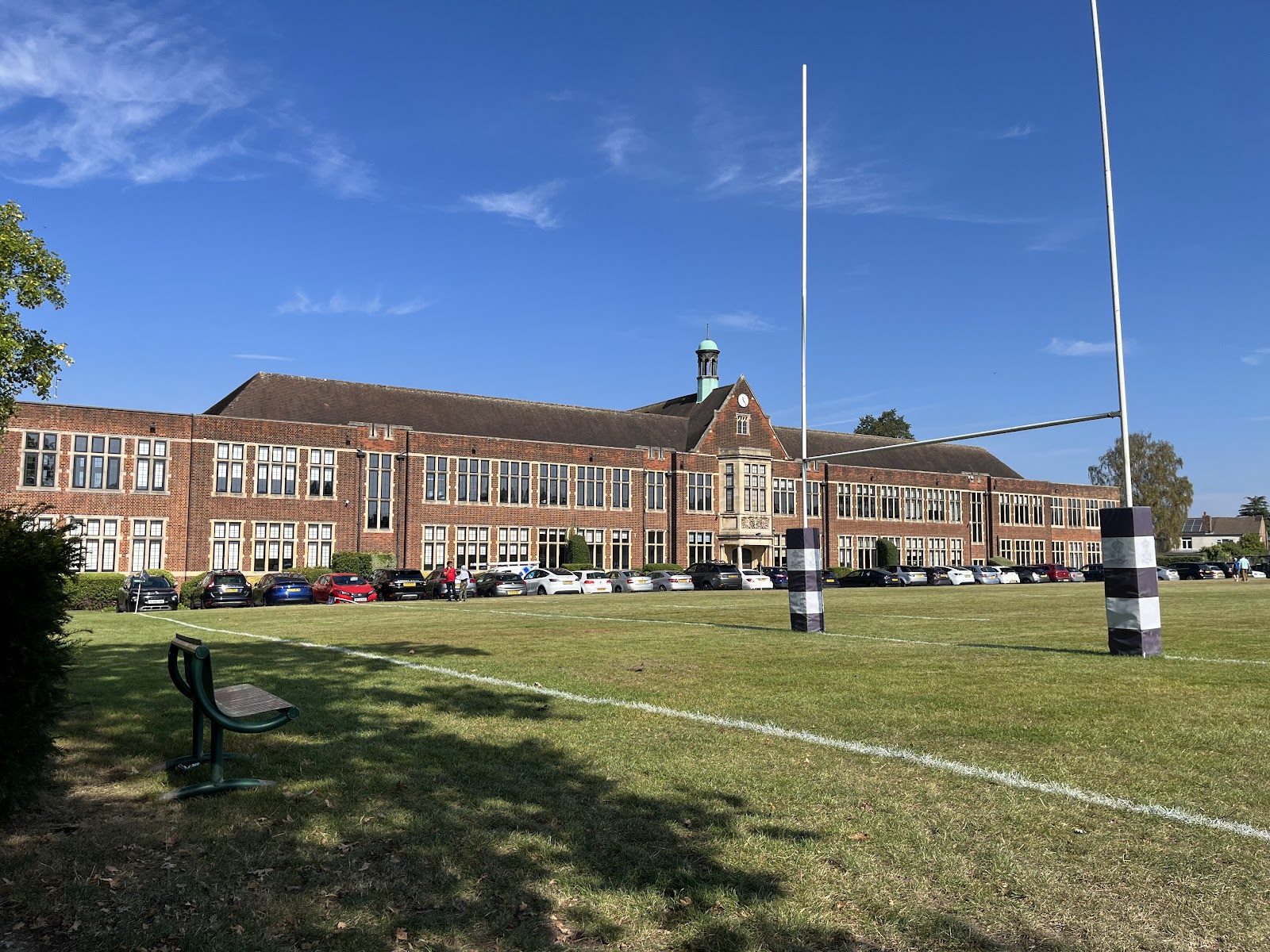
Photo © The Perse School, Cambridge via Google Maps
Type
Day
Ages
3–18
Curriculum
British
Qualifications
A-Level
Ratio
—
The Verdict
Editor's commitment
Right for
Families wanting a serious Cambridge day school: founded in 1615, ages 3–18, with 30 Oxbridge offers in a 175-strong class.
Wrong for
Parents seeking cheap polish over hard outcomes: the average annual fee is £28,446, and 88% of 2024 leavers went to top-100 universities.
Watch out for
This is an Anglican HMC school in English, with Cambridge taking 20 leavers and Oxford 10; ambition runs through the place.
Ranking breakdown
The Perse School · #47 of 1591
Composite score 79.7. 8 weighted criteria.
By criterion
Academic Outcomes
Weight 20%
#66
of 1529 scored
University Placement
Weight 16%
#59
of 1529 scored
Prestige & Heritage
Weight 12%
#78
of 1571 scored
Alumni Network
Weight 12%
#64
of 1530 scored
Facilities
Weight 12%
#290
of 1533 scored
Transparency & Communications
Weight 8%
#123
of 1532 scored
Peer & Industry Review
Weight 10%
#144
of 1548 scored
Admissions Selectivity & Demand
Weight 8%
#120
of 1529 scored
Score history
The Perse School · 2026
Movement across 2024–2026. Peer average overlaid.
Overall — 2024–2026
79.7/ 100
▲ +18.0 vs 2025
year on year
Peer & Industry Review
How The Perse School is regarded in the sector
87
Strong · high confidence
The Perse School sits among the most consistently benchmarked academic day schools outside London, with The Good Schools Guide declaring it "deserves its reputation as one of the hardest schools to get into for the best possible reasons." WhichSchoolAdvisor's review highlights its near-90% GCSE 9-7 attainment and £40 million facilities investment under long-serving head Ed Elliott, while The Spectator's 2025 Oxbridge offers table placed it fifth nationally within the independent sector, ahead of costlier names like Winchester and Wellington. The Sunday Times Parent Power guide has named it East Anglia's top academic performer for three consecutive years, and its alumni roster, spanning a Nobel laureate in medicine to prominent broadcasters, reinforces a durable reputation beyond marketing. Coverage is overwhelmingly academic-outcomes driven, with occasional parent caveats about pace and intensity, but the peer and press consensus is firmly top-tier for the region.
Editors' overview
Cambridge has no shortage of academic schools; The Perse still stands apart because it has kept intellectual range at the centre of the proposition. Founded in 1615, it is the city’s oldest secondary school, now a co-educational day school for ages 3 to 18, and it still carries the grammar-school instinct of taking ideas seriously. The hook for parents is not heritage on its own. It is the combination of a conventional British curriculum with a culture that puts classics, mathematics, science and computing on the same table. That makes The Perse attractive to bright children who do not want their interests narrowed too early, and to families who value a school that is fiercely academic without turning antique.
The outcomes justify the reputation. In the Class of 2024, 88% of 175 leavers went to top-100 universities, with 30 Oxbridge places, 42 Russell Group destinations, and Cambridge, Oxford and Imperial College London leading the list. Those are serious numbers, and they place The Perse firmly in the top tier of selective UK day schools. It is also an HMC school, which matters less as a badge than as a marker of where it sits in the market: established, academically demanding and expensive. The average annual day fee across the full age range is £28,446, which is strong value by the standards of a high-performing Cambridge independent, but it remains a substantial commitment for a day school.
What is special here is the balance of old-school scholarship and modern intellectual confidence. The Perse has Anglican roots, but religion is not the main story; academic seriousness is. The school will suit children who enjoy being stretched, who read beyond the syllabus, who like the company of other able pupils, and who can cope with a culture where university ambitions are plain and high. It will also suit families who want a day-school education with genuine sixth-form firepower rather than a softer pastoral sell. This is not a school for parents seeking constant hand-holding or for students who need a low-pressure environment to find momentum. It is for the self-propelled, the intellectually hungry and the quietly competitive — the sort of pupil who wants a school where Oxbridge is a real route, not a brochure line.
Academic Performance
The Perse sits in the upper bracket of UK academic day schools, and not on reputation alone. The destination pattern already tells you the level: this is a school that converts strong pupils into places at the country’s most selective universities in serious volume. That matters because, in the independent sector, destinations at that scale do not come from gentle internal grading or a polished university counselling operation; they come from hard academic throughput across GCSE and sixth form. The school’s market position is therefore clear. Against Cambridge day-school rivals and the wider HMC field, The Perse belongs with the properly selective operators whose results sustain demanding university ambitions year after year.
There is, however, one gap in the public picture. The school does not publish a clear set of aggregate GCSE and A-level headline results in the sources we have seen, so parents cannot test raw exam performance against peers as directly as they can at schools that release full grade profiles. That opacity matters. In this tier, the strongest schools publish enough data for families to judge whether the university outcomes rest on broad cohort strength or on a high-performing top slice. The Perse’s university record is strong enough to place it among the country’s serious academic contenders, but its public exam reporting lacks the precision that top-end parents have every right to expect.
Facilities
The Perse does not trade on a single headline facility in the way some wealthier boarding schools do. The important point is the spread. The school runs distinct Pelican, Prep, Upper and Sixth Form sections and gives real prominence to facilities as part of the whole operation, which matters for parents choosing an all-through school rather than a standalone senior campus. In market terms, that puts it in the camp of well-equipped academic day schools rather than the country-house independents with lakes, theatres and acres of spectacle. For a city day school, that is the right benchmark. Families should expect spaces that support serious teaching across the age range, not a grandiose showpiece estate built to impress at open morning range.
Against peer schools, the balance is the attraction. The Perse’s public emphasis on broad academic provision, combined with its long-established structure across early years to sixth form, points to facilities designed for hard daily use by able pupils across sciences, computing, arts and sport, not to one or two vanity projects. That will suit families who care more about whether classrooms, labs, specialist teaching spaces and sports provision are embedded in the school day than whether the campus carries the country-club gloss found at the top end of the fee market. The weakness is disclosure: the school does not publish a crisp, detailed public inventory of standout facilities in the sources we have seen. Some rivals do this better, and parents comparing closely will want a tour that tests substance against reputation.
Those are serious numbers, and they place The Perse firmly in the top tier of selective UK day schools
Prestige
The Perse carries real national prestige in the independent sector. Part of that rests on age and name-recognition, but prestige here is not just inherited varnish. It comes from a school that has stayed academically selective, has moved decisively into co-education, and still sends a striking share of leavers to the most competitive universities. A tally of 30 Oxbridge places in a single leaving year puts it in serious company. So does the concentration of destinations at Cambridge, Oxford and Imperial. That is the profile families associate with top-flight academic day schools: not social cachet alone, but a record that holds up when university offers are counted. The alumni bench strengthens that standing too. With 46 notable former pupils catalogued on Wikidata, including scientists, writers and public figures, The Perse has a long enough reach to feel institutional rather than fashionable.
Why not rate it at the absolute summit? Because the school’s public academic disclosure is thinner than the strongest operators in this bracket. The best-known schools combine elite destinations with full, easy-to-find exam data and a public narrative that leaves no doubt about cohort-wide attainment. The Perse has the university firepower and the historical weight, but it does not publish that wider academic picture with the same hard-edged transparency. That keeps it below the tiny group of schools whose prestige is unanswerable on every metric. Even so, within the market for high-performing British day schools, this remains a serious badge-name.
The result is competent external communication, not exceptional transparency
Communications
The Perse communicates in the manner of an established academic school that expects parents to meet it halfway. The public-facing site is clean, navigable and functional: admissions, fees, school sections and open events are easy to find, and the structure mirrors the school itself, with clear signposting across Pelican, Prep, Upper and Sixth Form. That matters. In an all-through school, weak navigation creates confusion fast; here, the basic parent journey is handled with professional clarity. The events calendar is also concrete, with bookable open mornings and sixth-form events carrying named dates and times rather than vague invitations to “get in touch”. For a school with a serious intake market, that level of administrative plainness counts in its favour.
The weakness is depth. The site does the essentials, but it does not give parents much of the day-to-day texture of school life or much hard operational detail beyond the admissions pathway. There is a facilities section in the menu, along with pages on values, community and inclusion, yet the school’s communication style remains institutional rather than intimate. Some families will value that restraint; others will want a stronger sense of how leadership speaks to current parents once a child is through the door. We have not seen the richer public evidence — newsletters, parent bulletins, detailed academic reporting or frequent head’s updates — that marks out the best-run communicators in this sector. The result is competent external communication, not exceptional transparency.
Uniqueness
What marks The Perse out is the way it treats intellectual range as a core discipline rather than an enrichment extra. Plenty of strong schools talk about breadth; far fewer hold classics, mathematics, science and computing in the same high regard and build a culture where a pupil can move between them without apology. That matters because it gives able children permission to be genuinely multi-directional. The mathematically gifted pupil does not need to abandon literature to be taken seriously; the classicist is not pushed into a museum case; the coder is part of the main academic story, not parked in a modern add-on. In a sector that still splits too neatly between tradition-bound scholarship and contemporary STEM ambition, The Perse keeps both live.
Its other distinction is structural. This is an all-through school with a senior academic reputation strong enough to shape expectations well before sixth form, and with 30 Oxbridge places in one recent leaving year, those expectations are not decorative. The benefit for students is cumulative: habits of thought, standards of work and university ambition build early and hold. Add the move to full co-education within living memory, and the school feels less frozen in its own past than some old independents with similar lineage. The result is a place for self-starting pupils who want serious academic company and can thrive in an environment where intellectual effort carries status.
That matters because it gives able children permission to be genuinely multi-directional
Student Profile
The Perse suits bright, organised children who get genuine pleasure from thinking hard. The social centre of gravity sits with pupils who read willingly, argue their case, cope with pace and do not need lessons diluted to protect confidence. This is a school for the self-motivated, the intellectually ambitious and the child who is happiest when stretched by able peers. The all-through structure also matters: students who thrive here tend to grow into the culture early and absorb its standards as normal. By the time university choices sharpen, the expectation of aiming high is already embedded. The recent leavers’ pattern — 30 Oxbridge places and 88% into top-100 universities — tells you exactly what kind of sixth-form cohort the school produces.
The less comfortable fit is equally clear. Pupils who need heavy pastoral cushioning, constant reassurance or a low-pressure academic atmosphere will find the temperature demanding. The Perse is not soft-edged and it is not built around social polish for its own sake. It will reward independence, stamina and a willingness to join a community where scholastic effort carries status. For families, that means being honest about temperament as much as attainment. A clever child who resents competition or switches off when challenged by stronger classmates will not enjoy this. A curious child with discipline, resilience and quiet confidence will.
The recent leavers’ pattern — 30 Oxbridge places and 88% into top-100 universities — tells you exactly what kind of sixth-form cohort the school produces
Co-curricular strengths
Arts & sport, on a separate axis
Overall 7.86/10
Scored 0-10 from the school's own published evidence. This axis is editorial-only — it does not feed the main WTS ranking.
Sports
8.6/10
Multiple sports—rowing, rugby, netball, hockey and cricket—showing a solid multi-sport extracurricular offer, but gives no facilities, staff, fixtures or results.
Drama
8.3/10
Drama productions are listed, and the the Peter Hall Performing Arts Centre, a 400-seat theatre with exhibition and rehearsal space opened in 2018, which is a purpose-built specialist facility anchoring an 8.
Dance
5.5/10
Music
8.7/10
Orchestra and choir, and external evidence also shows multiple notable music alumni including David Gilmour, Pete Atkin, Spike Hughes and Ronnie Ross, supporting a notable strength.
Visual Arts
8.2/10
Exhibition space within the Peter Hall Performing Arts Centre and lists notable visual-arts-related alumni such as Thomas P. Campbell and Mel Calman, indicating a notable visual arts presence despite limited programme detail.
Editor first-pass · editor-reviewable · 7/28/2026
Outcomes & destinations
Where students go next
Editorial estimateClass of 2024
175 graduates
A-Level distribution
99% covered
- A*40%
- A32%
- B22%
- C5%
Top destinations
72 placements
- Cambridge· 20
- Oxford· 10
- Imperial College London· 10
- UCL· 9
- Durham· 8
- Warwick· 6
- Bristol· 5
- Nottingham· 4
Cambridge co-ed day school with heavy home-town Cambridge flow.
Editor-approximated from the school's own leavers report. Awaiting school-attested figures.
Notable alumni · Wikidata
46notable alumni
24 historic (born pre-1930) · 1 modern (born post-1970)wikidata:2026-07-28 How we source this
The story in one line
76% achieved ≥ AAB in 2+ facilitating subjects·ISI Routine Inspection 2026
AAB with 2 facilitating subjects is the Department for Education's published predictor of admission to a top-third UK university: the pupil has scored high grades in at least two of the classic Russell-Group subjects (maths, sciences, English, history, geography, or a modern language). Independent schools don't appear in the state-only HE-destinations dataset, so this is the strongest DfE-verified sixth-form signal available. Source: DfE 16-18 school and college performance data · 2023/24. Value-added +0.31
DfE-verified statistics
Official GCSE data · 2024/2025
Progress 8
—
Value-added score. State-schools only; 0 = expected progress, +1 = one grade above.
Attainment 8
82.9
Average grade across 8 GCSEs (score out of 90). National ≈ 46.
EBacc average score
8.06
Avg grade across the 5 EBacc pillars (English, Maths, Sciences, Language, Humanity).
EBacc slots filled
3
How many of the 5 EBacc pillars pupils typically enter (max 5).
A-Level attainment
Cohort · 2023/24
Avg A-Level grade
A+
APS per entry: 52.02
Best 3 grade
A+
Best-3 APS: 52.20
≥ AAB + 2 fac.
76.4%
Russell-Group predictor.
Progress (value-added)
+0.31
Above average
URN 110923Verified · DfE 2024/2025
Official inspection
ISI report · 2026
Inspectorate
Independent Schools Inspectorate
The Government-approved inspectorate for English independent schools.
Latest report
24 February 2026
Routine Inspection
Report history
Verified · Independent Schools InspectorateSource-of-truth
WTS 300 badge
2025/26 editionThe Perse School is one of the World's Top 300 Schools for 2025/26. Claim your listing to add it to your site →
Strengths
- +Founded in 1615, giving it a long-established identity focused on curiosity, independence of mind and creativity.
- +Strong university destinations: in 2024, 88% of leavers progressed to top-100 universities, with 30 Oxbridge places.
- +Bursary awards range from 5-100% of annual fees, and the school provides more than 1 million pounds of bursary support to pupils.
- +It operates as a co-educational 3-18 institution with three constituent schools each on its own site, covering Pelican (3-7), Prep (7-11) and Upper/Sixth Form (11-18).
- +Well-invested facilities including the Peter Hall Performing Arts Centre and the Perse Sports Centre with swimming pool, sports hall and climbing wall.
- +Pupils balance academic work with a wide programme of clubs and societies alongside opportunities for university-level research.
Considerations
- −As a premium Cambridge day school, fees are high, with the day fee at £30,000 a year.
- −Entry is academically selective and the catchment is effectively concentrated within a roughly thirty-mile radius of Cambridge, so relocating families further afield are not realistic candidates.
- −No academic scholarships are offered at Year 7 entry; the only scholarship route is a modest, one-off music award of 450 pounds for candidates already playing an instrument to at least Grade 6.
- −The school's three-site structure - separate Pelican, Prep and Upper campuses - means families with children spanning different age phases must navigate more than one site rather than a single unified campus.
Availability
Primary entry gate & tests
Written Exams + Interview
Gallery
Photo © The Perse School, Cambridge via Google Maps
Photo © The Perse School, Cambridge via Google Maps
Photo © The Perse School, Cambridge via Google Maps
Photo © Denis V via Google Maps
Photo © Denis V via Google Maps
Photo © The Perse School, Cambridge via Google Maps
Photo © The Perse School, Cambridge via Google Maps
Photo © The Perse School, Cambridge via Google Maps
Photo © The Perse School, Cambridge via Google Maps
Recommended reading
Independent write-ups of this school from editorial outlets we trust.
- The Perse School reviewGood Schools Guide
Parent reviews
Have you sent your child here?
Voice reviews carry the strongest trust badge — we transcribe them for you to tidy up before they go live. Prefer to type? A written review is fine too.
Add your voice
In 60 seconds, tell other parents: what's the best thing about The Perse School, and what surprised you when your child joined?
We ask for a Google sign-in so every review has a real face behind it — no anonymous drive-by attacks on schools, and no faked positive reviews. Your email is never shown publicly.
Send this profile to a friend
International parents rely on word-of-mouth. Share this review with someone weighing the same decision.
Schools with places
Similar schools to The Perse School with places available now.
Manchester Grammar School
Manchester · United Kingdom
- 2026-27
- CLOSEDStandard route
- 2027-28
- PLACES OPENCloses Dec
Haberdashers' Boys' School
Elstree · United Kingdom
- 2026-27
- CLOSEDStandard route
- 2027-28
- PLACES OPENCloses Nov
St Mary's School Ascot
Ascot · United Kingdom
- 2026-27
- CLOSEDStandard route
- 2027-28
- PLACES OPEN11+ Active; 13+ Closed
Merchant Taylors' School
Northwood · United Kingdom
- 2026-27
- CLOSEDStandard route
- 2027-28
- PLACES OPEN11+/16+ Active (Closes Oct 31)
Availability first, then country, area, curriculum, price, co-curricular
Consider also
Also worth looking at alongside The Perse School.
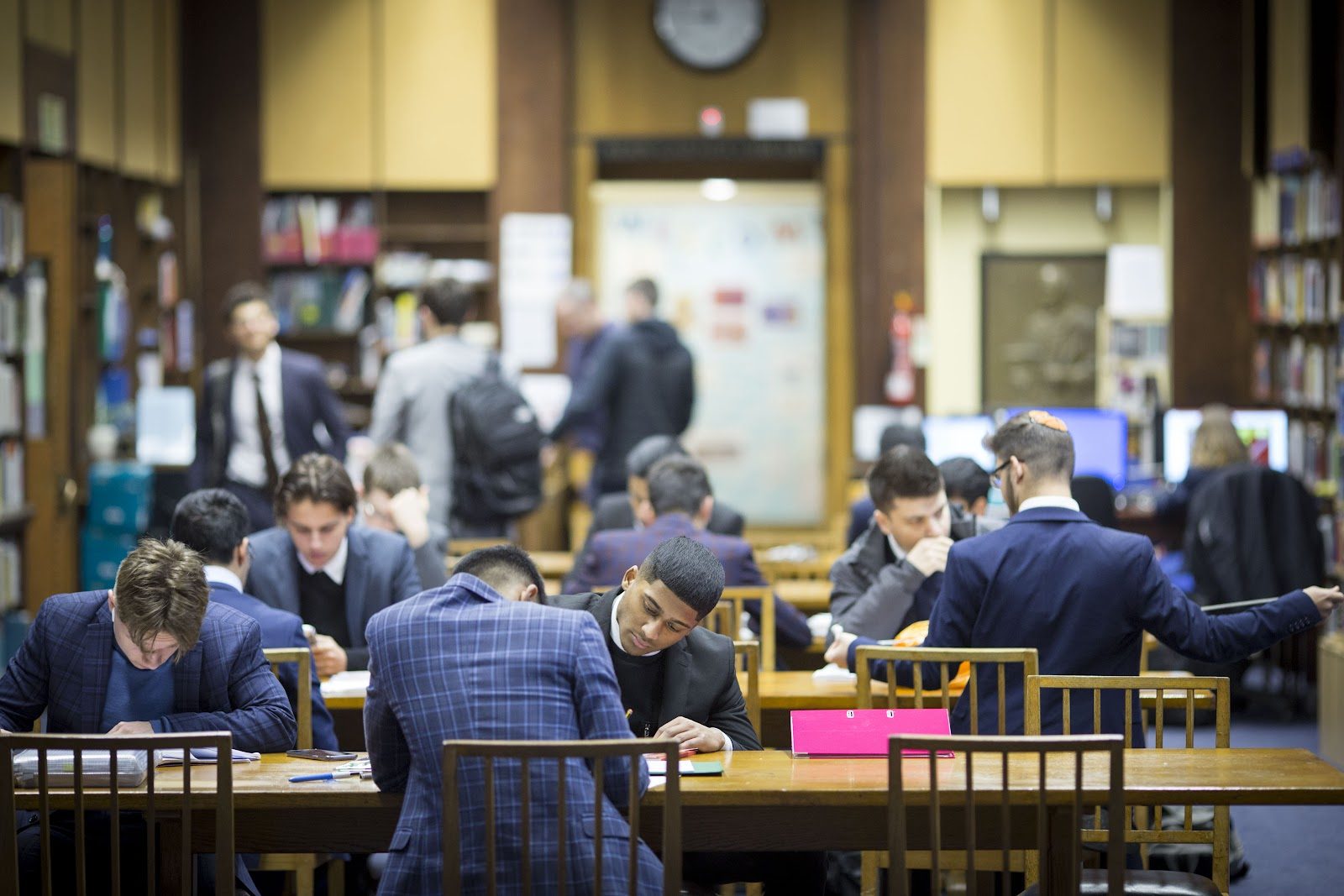
Manchester Grammar School
Manchester · United Kingdom
Founded in 1515 as a free grammar school, this Rusholme day school still funds over 200 bursary places every year.
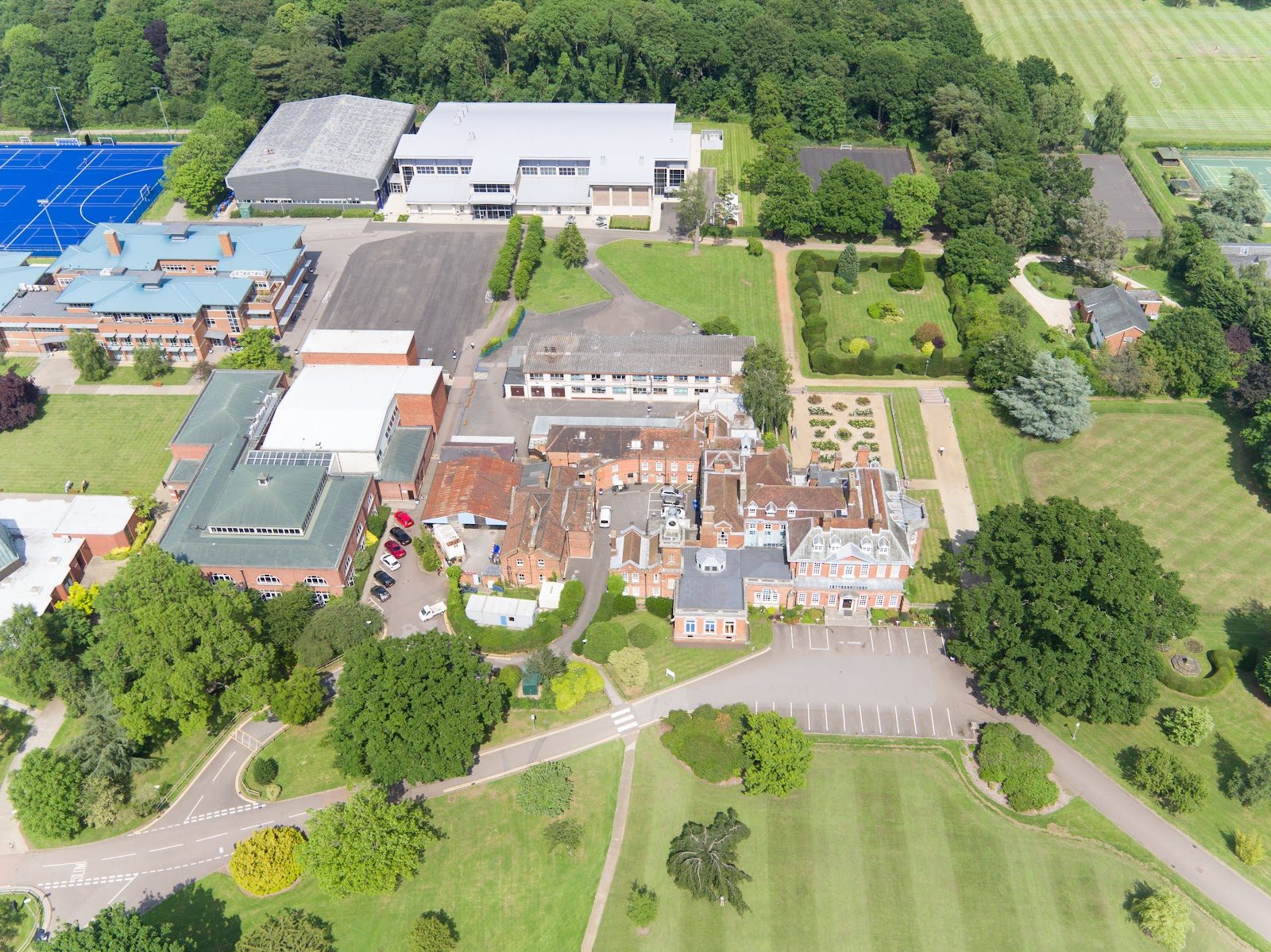
Haberdashers' Boys' School
Elstree · United Kingdom
A 104-acre green-belt campus and a 34-route coach network bring rigorous, Oxbridge-focused schooling within reach of London
Queen Elizabeth's School, Barnet
Barnet · United Kingdom
A 1573 royal charter grammar school that still tops England's grammar-school A-level tables -- and is now exporting its model to Dubai.
St Mary's School Ascot
Ascot · United Kingdom
Set in 55 boarding-school acres near London, this Catholic girls' school built its reputation on topping the national GCSE table.
Same country and curriculum — closest matches within ±10 points either way