
Gauteng
Afrikaanse Hoër Seunskool
Founded in 1920 as South Africa's first Afrikaans-medium high school, its Wit Bulle rugby culture thrives across the road from Loftus Versfeld
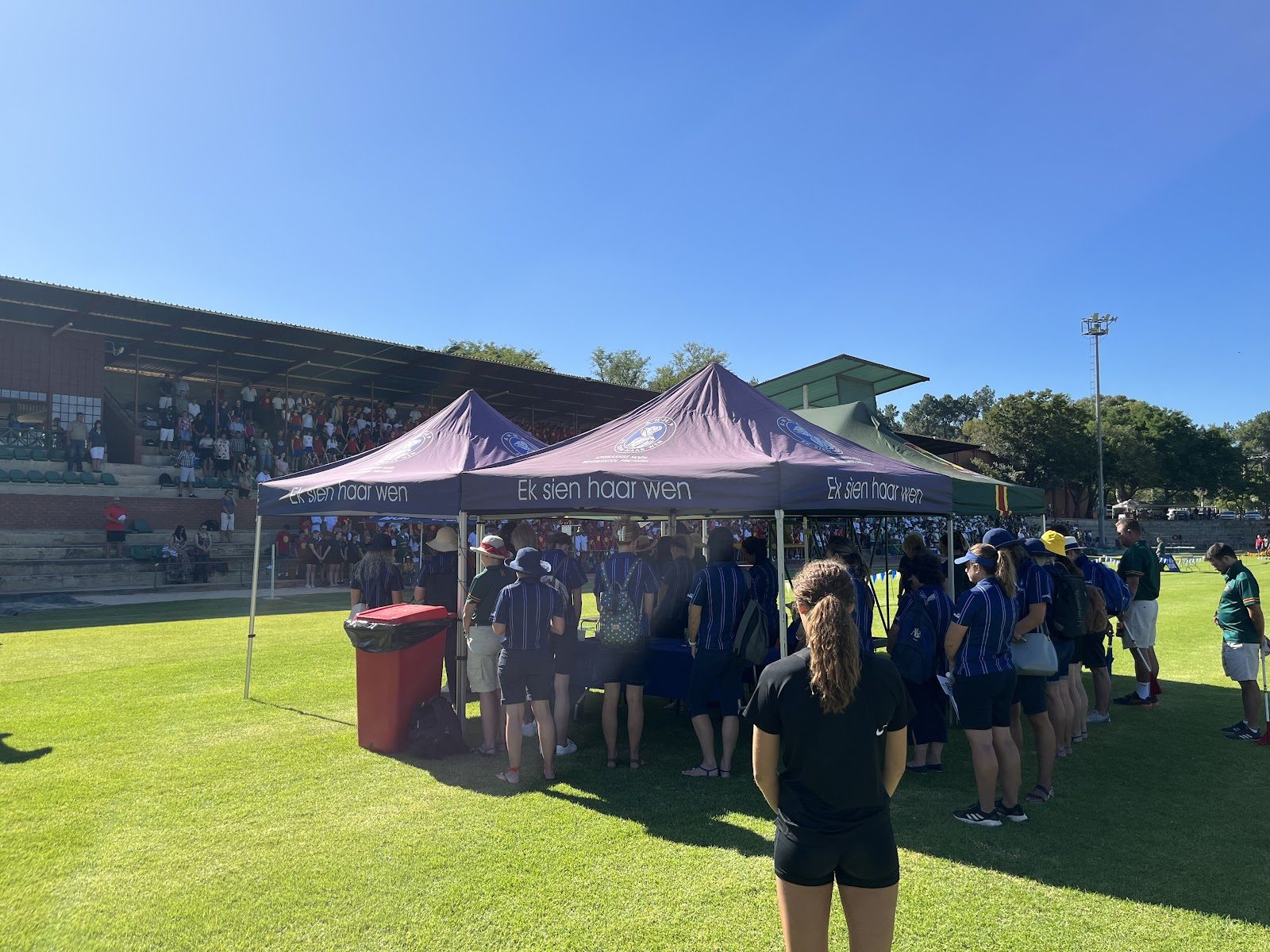
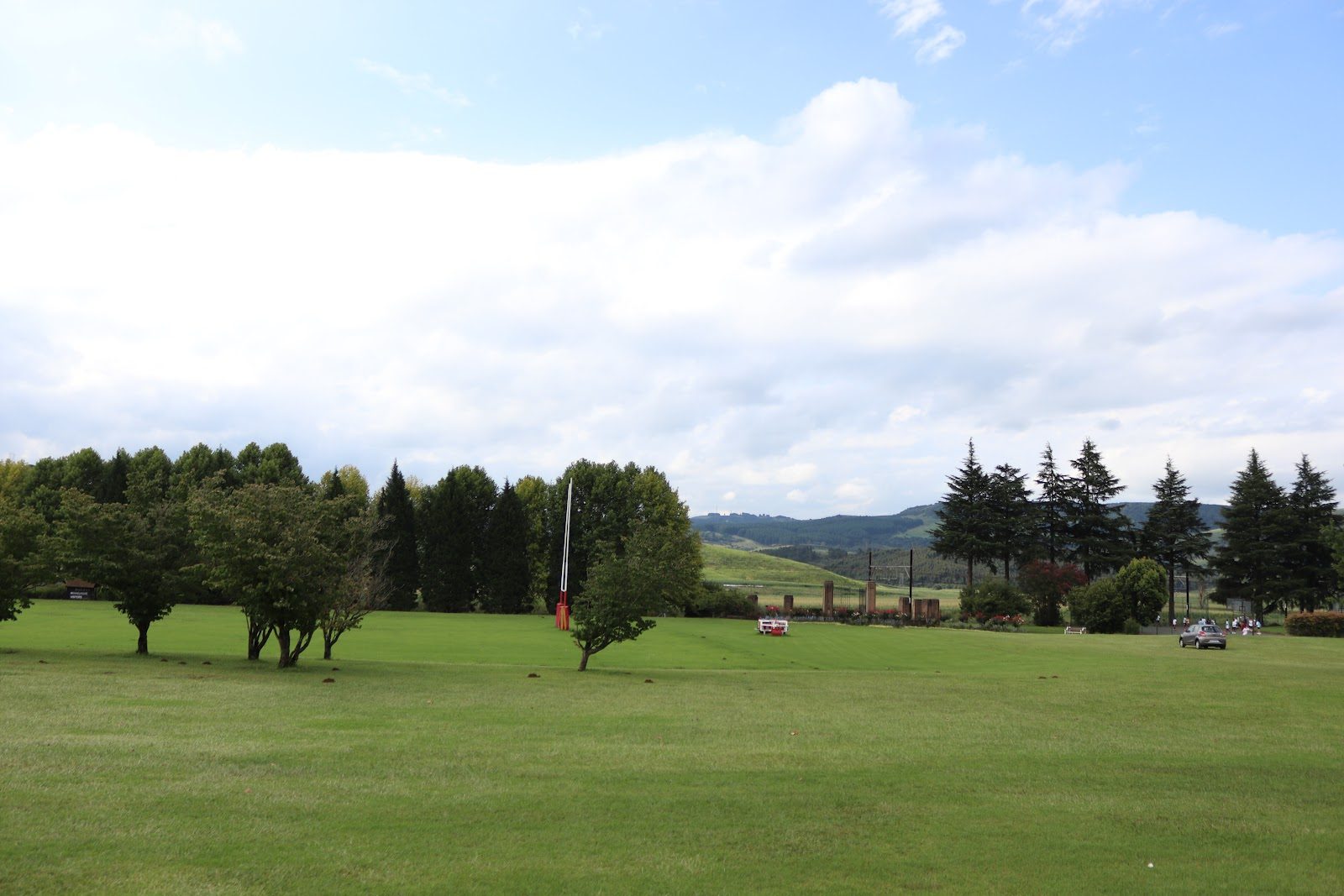
Photo © Peter Kotze via Google Maps
Type
Day
Ages
13–18
Curriculum
NSC · IEB
Qualifications
NSC · IEB
Ratio
—
The Verdict
Editor's commitment
Right for
Boys aged 13–18 who want a day school founded in 1920, with Afrikaans at its core and serious Wit Bulle sporting identity.
Wrong for
Families wanting a secular school, girls, boarding, or an English-only education; this is a public boys’ school in Pretoria with Christian framing.
Watch out for
The school declares NSC and IEB, yet the verified accreditation lists NSC only; parents need a direct answer on the examined pathway.
Ranking breakdown
Afrikaanse Hoër Seunskool · #795 of 1591
Composite score 66.5. 8 weighted criteria.
By criterion
Academic Outcomes
Weight 20%
#791
of 1529 scored
University Placement
Weight 16%
#793
of 1529 scored
Prestige & Heritage
Weight 12%
#462
of 1529 scored
Alumni Network
Weight 12%
#738
of 1529 scored
Facilities
Weight 12%
#741
of 1529 scored
Transparency & Communications
Weight 8%
#935
of 1529 scored
Peer & Industry Review
Weight 10%
#637
of 1529 scored
Admissions Selectivity & Demand
Weight 8%
#686
of 1529 scored
Peer & Industry Review
How Afrikaanse Hoër Seunskool is regarded in the sector
68
Respected · medium confidence
Affies is consistently grouped by South African commentators with Grey College, Paul Roos Gimnasium, Paarl Boys High and Monument as one of the country's 'Big Five' Afrikaans-medium boys' schools, a classification repeated in rugby and academic comparisons across Netwerk24, Rapport and Die Burger schools coverage. WhichSchoolAdvisor's South Africa section profiles it within this elite Afrikaans cohort, noting its Craven Week rugby dominance and matric distinction rates as benchmarks rival headmasters cite when discussing competitive standards. As a Pretoria institution, it functions as a recognised feeder to the University of Pretoria, Stellenbosch University and North-West University, with strong bursary and residence uptake reported informally by admissions staff at these institutions. Independent education press treats Affies primarily as a rugby and cultural (choir, debating) powerhouse rather than an internationally benchmarked academic brand, meaning its standing is strong nationally and among Afrikaans-community peers but limited in global independent-schools press or IB/Cambridge-oriented league tables, since it follows the South African CAPS curriculum exclusively.
Award

Elite Sport 80
World's Top School · The Global Ranking
Afrikaanse Hoër Seunskool is featured on our Global Top 80 ranking at #31. This seal is available for the school's marketing team to use on their website, prospectus and social channels.
- Naas Botha — Rugby player, Sport
- Wynand Claassen — Rugby player, Sport
- Divan Rossouw — Rugby player, Sport
Editors' overview
Afrikaanse Hoër Seunskool occupies a distinct place in the South African market. Founded in 1920, it was the country’s first Afrikaans-medium high school, and that history still drives the school’s identity. This is a boys’ day school in Pretoria with a strong cultural code, a public-school footing, and a reputation built on tradition, discipline and mass participation. The school teaches in Afrikaans and English, follows the NSC and IEB, and serves boys aged 13–18. The defining draw is not novelty but continuity: deep-rooted identity, institutional confidence, and a school culture that treats loyalty, conduct and service as serious business.
What sets Affies apart is the force of its ethos. The school states its values in blunt terms: obedience, courtesy, self-discipline, humility, loyalty and service. That clarity will appeal to families who want a structured environment with strong expectations around behaviour. It will not suit parents looking for a loose, progressive culture or a school that downplays hierarchy and tradition. Affies knows what it is. The “Wit Bulle” rugby culture and the proximity to Loftus Versfeld add another layer of magnetism for sport-minded boys; this is a school where tribal belonging matters, where competitive edge carries status, and where school spirit has real weight beyond the classroom.
For parents drawing up a shortlist, the case for Affies rests on three points. First, it offers a long-established boys’ education model with a powerful alumni-facing identity and a recognisable public profile in Pretoria. Second, it combines that identity with bilingual access in Afrikaans and English, which broadens its reach without diluting its core. Third, it delivers a full secondary run from 13–18 under South Africa’s national system, with NSC accreditation. The weakness is also obvious: this is not a neutral, flexible institution into which any boy will fit. It has a hard-edged sense of self and expects boys to adapt to it, not the other way round.
The right student for Affies is a boy who thrives on structure, ritual, competition and belonging. He will value team sport, school pride and clear rules; he will not bristle at formality or old-fashioned standards of conduct. Families who want unapologetic tradition, serious discipline and a campus culture tied tightly to Afrikaans heritage will find Affies compelling. Families seeking a softer pastoral style, a more individualistic atmosphere, or a less codified moral framework should look elsewhere.
An Elite Sport 80 school
Afrikaanse Hoër Seunskool — universally known as "Affies" — is one of Pretoria's great boys' schools and sits at rank thirty-one on the Elite Sport 80 for its sustained Springbok and Blitzboks (South Africa Sevens) pipeline. Alumni in Springbok squads over the past decade include multiple World Cup winners, and the school's 1st XV remains a Craven Week fixture. Cricket and athletics feed the Proteas and SA Athletics pathways with similar consistency.
The specialisms are rugby union (delivered with close-to-professional infrastructure — full-time coaching, in-house strength-and-conditioning and one of the most-watched schoolboy fixture lists in South Africa), rugby sevens (a formal Blitzboks pipeline), cricket (a Northerns and Proteas pipeline), athletics and hockey. The Affies-Menlopark and Affies-Grey College derbies draw crowds of several thousand and are broadcast on national television.
Notable alumni across codes include Fourie du Preez (Springbok World Cup winner and one of the greatest scrum-halves of the modern era), Werner Kok in sevens, Louis Schreuder, and — from a longer arc — generations of Springbok and Currie Cup professionals. Cricket has produced a rolling roster of Proteas and franchise-level players.
International openness is modest but real. The school admits pupils from neighbouring African countries and, in smaller numbers, from Europe, Australasia and the Americas, and runs a full boarding house on-site. Fees are very modest by international standards, sitting around ZAR 90,000-115,000 including boarding, making Affies one of the highest value-for-money elite-sport schools on this list. Language of instruction is Afrikaans with English support, and overseas pupils are expected to build functional Afrikaans in their first year. Overseas admissions go through the normal application process plus a rugby or cricket trial. For a family from a rugby-playing nation who can accept the Afrikaans language of instruction, Affies is one of the two or three most efficient Springbok-pathway schools on earth.
Academic Performance
Affies does not publish aggregate external exam data in the public domain, and that limits any hard comparison with Pretoria’s strongest academic competitors. We have not seen school-wide NSC or IEB pass rates, bachelor-pass figures, subject distinctions, or province-level placements. That opacity matters. In a market where serious schools use results to prove academic strength, the absence of headline outcome data leaves parents to infer academic standing from reputation and institutional confidence rather than from audited numbers. For a school with such a commanding public identity, that is a conspicuous gap.
That does not place Affies in a weak academic tier; it places it in an unclear one. The school’s culture of discipline, hierarchy and expectation gives it the internal conditions for solid examination performance, and long-established boys’ schools with this degree of structure rarely tolerate academic drift. Still, “rarely” is not a result. Without published aggregates, Affies cannot claim the same level of academic transparency as peers that put 100% pass rates, distinction counts or top-achiever lists in plain view. Parents who care about external outcomes more than ethos or sport should ask directly for recent cohort performance across both leaving qualifications, subject-level strength, and the spread between the top end and the median. Until then, the academic picture remains credible but unproven in public.
Facilities
The public sources tell us little about Affies’ bricks and mortar beyond its position in Pretoria’s sporting geography, and that silence matters. We have not seen a published facilities inventory, no detailed campus map, and no breakdown of specialist spaces for science, arts, design, technology or sixth-form study. That leaves parents without the standard markers that stronger communicators put front and centre: laboratory provision, theatre or music infrastructure, indoor sport capacity, strength-and-conditioning space, and the quality of libraries and study areas. Against top South African boys’ schools, that is a clear weakness in disclosure. Schools with serious physical assets usually show them plainly. Affies does not.
What the school does project, with force, is a campus built around ritual, scale and sport-minded identity rather than architectural display. The Loftus connection and the Wit Bulle culture point to strong sporting seriousness, and families can assume that field and training provision matter on this campus in a way they do not at softer urban schools. Still, assumption is not enough at this level. If facilities drive your shortlist, ask for a direct tour of rugby and athletics spaces, changing rooms, medical support, indoor training, science rooms, music facilities and security arrangements. On facilities alone, Affies sits in an opaque middle ground: its sporting environment carries real weight, but the school does not publish enough to rank its wider campus offer confidently against better-documented peers.
Afrikaanse Hoër Seunskool occupies a distinct place in the South African market
Prestige
Affies carries real prestige in its market, but it is a specific kind of prestige. This is not the polished, export-friendly status of a global private school. It is the deep local prestige of a public boys’ institution with a long memory, a recognisable code of conduct and a name that carries weight well beyond its gates. In Pretoria, that matters. The school’s proximity to Loftus Versfeld reinforces the association with high-performance sport, and the “Wit Bulle” identity gives it a tribal force that many schools spend fortunes trying to manufacture and never achieve. For families inside Afrikaans educational and sporting networks, an Affies education holds serious social currency.
That rating rests less on published academic proof than on institutional stature, visibility and cultural reach. The school’s own statement of values is unusually blunt: obedience, honour, self-discipline, humility, loyalty and service. That kind of moral framing gives Affies a hard-edged prestige built on tradition and conformity rather than on progressive fashion. It also narrows the audience. Boys who fit the code gain entry to a strong old-school network and a school identity that means something in South Africa’s public-school culture. Boys who do not fit it will feel the pressure quickly. Prestige, then, is high but not universal: commanding in its lane, less persuasive outside it, and stronger in sport, identity and heritage than in publicly evidenced academic distinction.
Against top South African boys’ schools, that is a clear weakness in disclosure
Communications
Affies communicates with parents in a functional, old-school way. The website carries current notices, a news feed, vacancy posts, election information, activity summaries and a live school calendar link that parents can integrate with their own devices. That matters more than glossy design. A school that publishes dates cleanly and keeps routine information moving does the basic job parents need: what is happening, when, and where to find it. The cadence of updates gives the impression of an institution that runs on schedules, fixtures and internal organisation rather than on image management. That suits the school’s wider culture. It is orderly, institution-first and low on spin.
The limitation is depth. We have not seen a strong parent-information architecture in the public domain: no clear academic dashboard, no detailed pastoral explainer, no transparent breakdown of who to contact for what, and no serious results reporting. That weakens confidence in the school’s external communication even if day-to-day notices are handled competently. Parents can expect efficient operational messaging; they should not expect high-transparency reporting or a polished bilingual parent-relations model built for international audiences. In practice, communication here looks strongest for families already comfortable with the school’s code and rhythms, and weaker for those who need a school to explain itself in full. That is serviceable, insider-friendly communication, not an open-handed public-facing standard.
Uniqueness
Affies is unusual because it does not dilute itself for a broader market. Many boys’ schools trade on heritage; fewer bind that heritage to a living code of conduct with this much force. The school’s own statement leans hard on honour, obedience, self-discipline, humility, loyalty and service, and that gives the place a clear moral grammar. Add the all-boys setting, the public-school status and the Wit Bulle culture, and you get a campus where belonging is not casual but high-pressure and communal. For the right boy, that produces something valuable: identity, stamina, respect for hierarchy, and the habit of working for the group rather than performing individuality at every turn.
The other point of difference sits in the school’s place in South African culture. As the country’s first Afrikaans-medium high school and a public institution with real sporting mythology, Affies carries a rare historical charge that newer schools cannot copy. Students gain more than classes and fixtures; they inherit a ready-made tribe, a recognisable social language and access to a deep local network that extends beyond school years. That has practical benefits in confidence and connection, but it also sets limits. Boys who want room to question the code, resist tradition or keep school spirit at arm’s length will find Affies tight, demanding and unforgiving. Boys who want standards, ceremony and collective identity will find it exceptionally potent.
The school’s own statement of values is unusually blunt: obedience, honour, self-discipline, humility, loyalty and service
Student Profile
The Affies boy fits a school that prizes rule-following, visible respect and loyalty to the group above self-display. He will cope well with hierarchy, accept correction without drama and throw himself into the routines that give the place its shape: assemblies, fixtures, traditions and the daily discipline of a boys’ public school. Sport-heavy boys will find a natural home, above all those who enjoy the status attached to rugby and big-school competition. So will boys who like clear expectations and a strong social script. This is a good match for students who draw energy from belonging to something bigger than themselves, and a poor one for boys who need constant negotiation, soft handling or wide latitude to ignore the code.
The social fit matters as much as the academic one. Affies suits boys with a thick skin, a competitive streak and enough self-command to live inside an institution that values courtesy, obedience and honour in plain terms. Independent-minded students can thrive here, but only if they respect the framework rather than test it for sport. Boys who resist authority, recoil from masculine group culture or want a more fluid, less tradition-bound adolescence will feel boxed in quickly. Parents should read the school’s values literally. This is a high-expectation, strongly coded environment for boys aged 13–18 that rewards commitment and exposes reluctance fast.
Boys who want standards, ceremony and collective identity will find it exceptionally potent
Co-curricular strengths
Arts & sport, on a separate axis
Overall 8.06/10
Scored 0-10 from the school's own published evidence. This axis is editorial-only — it does not feed the main WTS ranking.
Strengths
- +Founded on 28 January 1920, Affies was South Africa's first Afrikaans-medium high school and has over a century of continuous operation on its Lynnwood Road campus.
- +The school has an exceptional record of producing professional rugby players: the school is famous for producing 11 Springboks so far, with more than 40 active professional players having come through Affies.
- +Sporting alumni include current and former internationals such as Springboks like Pierre Spies and Wynand Olivier, while the school also produced Scotland prop Pierre Schoeman and ex-Ireland lock Quinn Roux.
- +Cricket pedigree is notable too: two future South African Test captains, Faf du Plessis and AB de Villiers, played for Affies, alongside future New Zealand international Neil Wagner.
- +School-reported matric outcomes have been strong in recent cycles, with the 2023 pass rate maintained at 100% compared to 100% in 2022.
Considerations
- −It is a single-sex, Afrikaans-medium school -- the language of instruction is Afrikaans -- which rules it out for non-Afrikaans-speaking relocating families or those wanting a co-educational setting.
- −As a public school it still charges annual fees, reported at R55,500 for boarding and R56,460 for tuition, on top of which sport, hostel and cultural extras typically add further cost.
- −The school's identity is heavily built around rugby and traditional boys'-school culture; a first-person account of the school describes old traditions, including Ontgroening, an initiation process for Grade 8 students, within a strict hierarchy, which will not suit every temperament.
- −Independent, recent enrollment or reputational trend data specific to the boys' school (as opposed to its better-documented sister school or rugby programme) is limited in public sources, making some claims about current academic standing harder to verify directly from the school itself.
Availability
Primary entry gate & tests
Academic Record (Boys)
Gallery
Photo © Peter Kotze via Google Maps
Photo © Peter Kotze via Google Maps
Photo © Peter Kotze via Google Maps
Photo © Desmond Jurgens via Google Maps
Photo © Dirk Taljard via Google Maps
Photo © Zakhele Dube via Google Maps
Photo © Afrikaanse Hoër Seunskool via Google Maps
Parent reviews
Have you sent your child here?
Voice reviews carry the strongest trust badge — we transcribe them for you to tidy up before they go live. Prefer to type? A written review is fine too.
Add your voice
In 60 seconds, tell other parents: what's the best thing about Afrikaanse Hoër Seunskool, and what surprised you when your child joined?
We ask for a Google sign-in so every review has a real face behind it — no anonymous drive-by attacks on schools, and no faked positive reviews. Your email is never shown publicly.
Send this profile to a friend
International parents rely on word-of-mouth. Share this review with someone weighing the same decision.
Schools with places
Similar schools to Afrikaanse Hoër Seunskool with places available now.
Swiss International Scientific School Dubai
Dubai · United Arab Emirates
- 2026-27
- PLACES OPENApps open / space-dependent
- 2027-28
- WAITPOOL2027/28 timetable TBC
The Lawrence School, Sanawar
Solan · India
- 2026-27
- WAITPOOLSpace-dependent
- 2027-28
- PLACES OPENRolling
International School of Stuttgart
Stuttgart · Germany
- 2026-27
- WAITPOOLSpace-dependent
- 2027-28
- PLACES OPENRolling
King's College (Auckland)
Auckland · New Zealand
- 2026-27
- WAITPOOLVacancy-dependent
- 2027-28
- PLACES OPEN
Availability first, then country, area, curriculum, price, co-curricular
Consider also
Also worth looking at alongside Afrikaanse Hoër Seunskool.
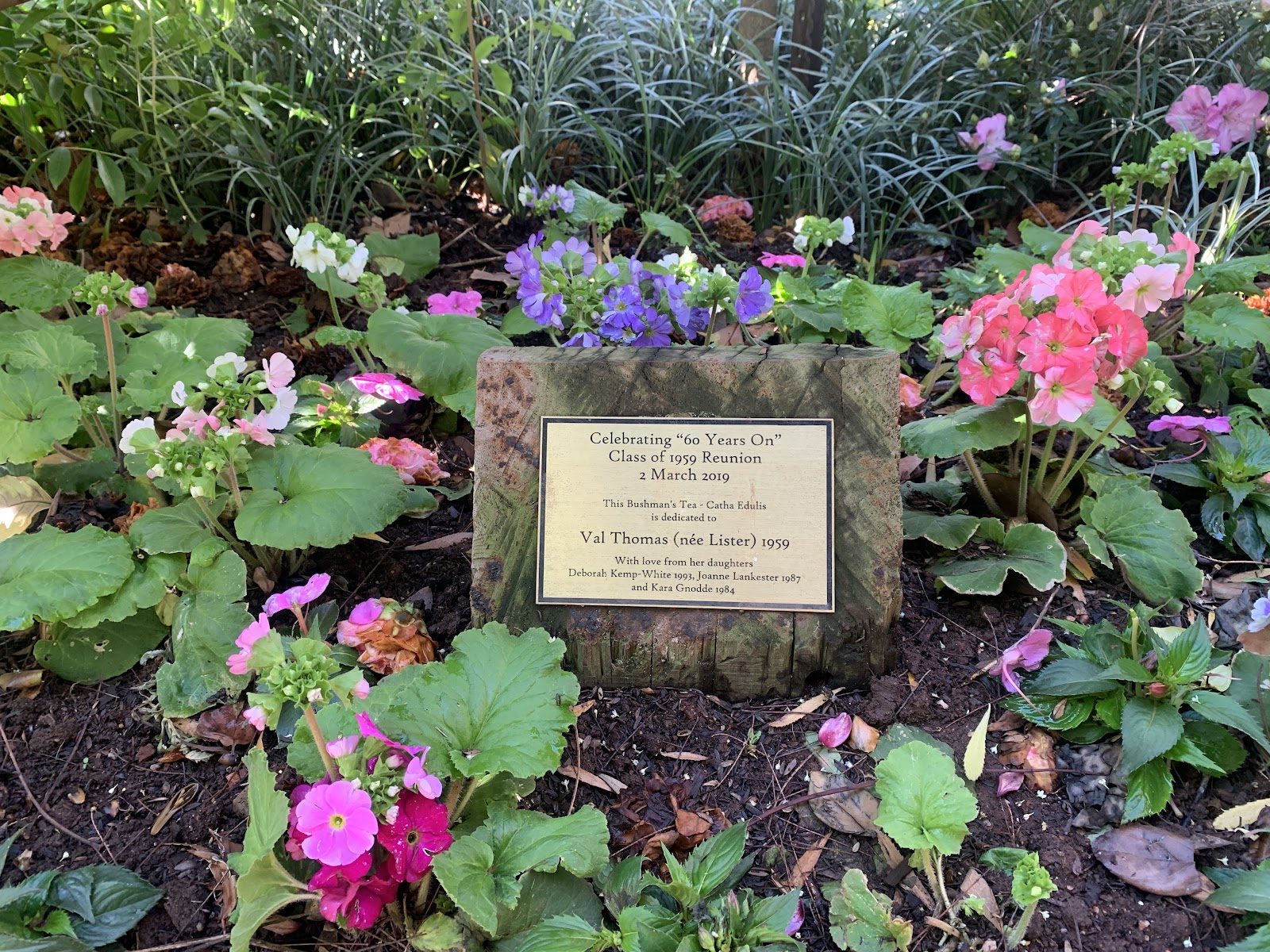
Roedean School South Africa
Johannesburg · South Africa
Founded in 1903 by two Cambridge-educated pioneers, this all-girls boarding school still occupies its original Herbert Baker campus in Parktown.
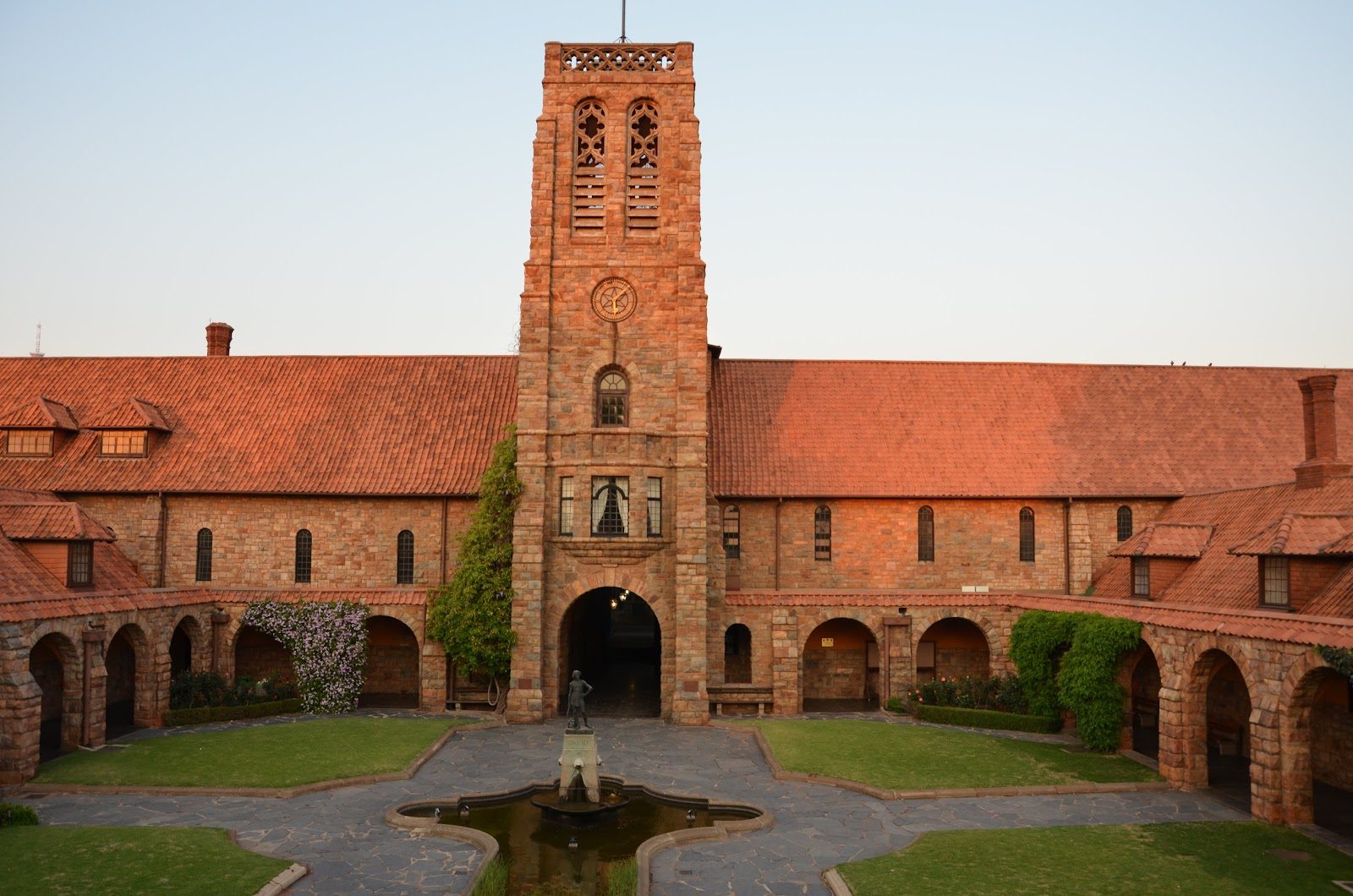
St John's College
Johannesburg · South Africa
Founded twelve years after the Witwatersrand gold rush, this Anglican boarding college blends Herbert Baker quadrangles with a four-house pastoral tradition
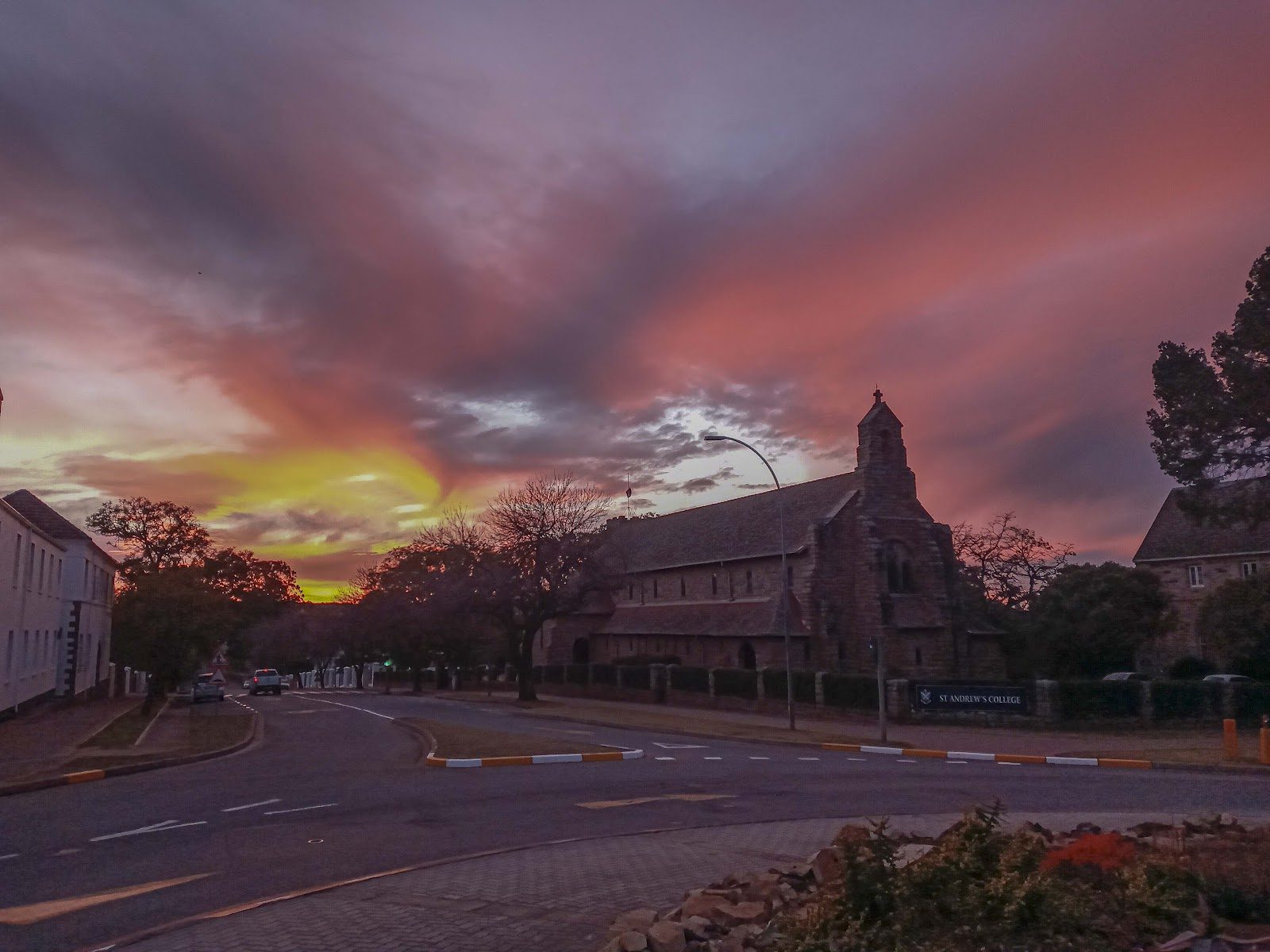
St Andrew's College
Makhanda · South Africa
On the Eastern Cape frontier since 1855, house tradition and shared classes with a sister school shape a distinct boarding life.
Michaelhouse
Balgowan · South Africa
In South Africa's Midlands, one of the world's few remaining all-boys, all-boarding schools borders a rare mistbelt grassland reserve.
Same country and curriculum — closest matches within ±10 points either way