
Greater London
A free, fiercely oversubscribed girls' grammar in Lutyens' Hampstead Garden Suburb, sending dozens each year to Oxbridge.
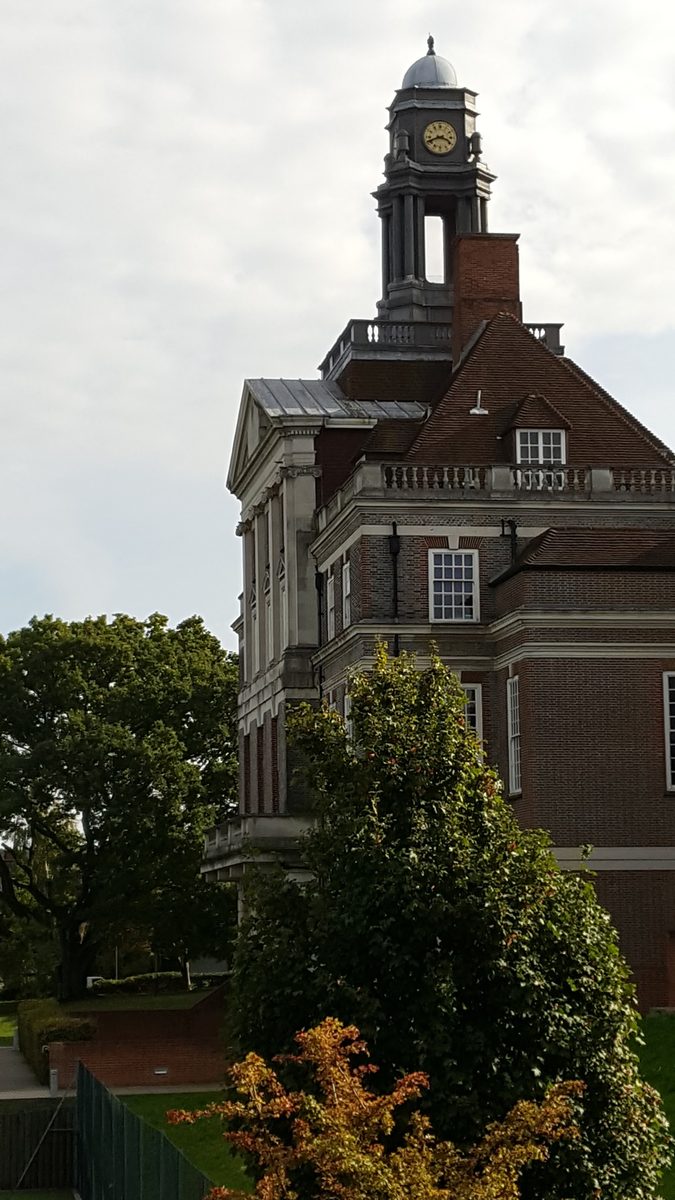
Photo © Mary Musker via Google Maps
Type
Day
Ages
11–18
Curriculum
British
Ratio
13:1
The Verdict
Editor's commitment
Right for
Girls who want a free, intensely academic 11–18 grammar with 14 Oxbridge places, 92% to top-100 universities and UCL leading destinations.
Wrong for
Families wanting co-education, a private-school pastoral wrapper, or broad admissions odds; this is a girls' day school in London with 100 leavers.
Watch out for
Ofsted rated it Good in 2022, not Outstanding; with a 13:1 ratio and average class size of 24, the draw is results, not boutique attention.
Ranking breakdown
The Henrietta Barnett School · #47 of 1591
Composite score 79.4. 8 weighted criteria.
By criterion
Academic Outcomes
Weight 20%
#20
of 1529 scored
University Placement
Weight 16%
#41
of 1529 scored
Prestige & Heritage
Weight 12%
#122
of 1571 scored
Alumni Network
Weight 12%
#82
of 1530 scored
Facilities
Weight 12%
#863
of 1533 scored
Transparency & Communications
Weight 8%
#153
of 1532 scored
Peer & Industry Review
Weight 10%
#139
of 1548 scored
Admissions Selectivity & Demand
Weight 8%
#51
of 1529 scored
Score history
The Henrietta Barnett School · 2026
Movement across 2024–2026. Peer average overlaid.
Overall — 2024–2026
79.4/ 100
▲ +25.4 vs 2025
year on year
Peer & Industry Review
How The Henrietta Barnett School is regarded in the sector
82
Strong · high confidence
The Henrietta Barnett School stands as one of England's most consistently high-performing state schools, a reputation earned through outcomes rather than marketing. The Good Schools Guide's independent verdict calls it "One of the best academic state schools in the country, providing a gentle, inspiring education in a wonderful setting for very clever girls," noting the school consistently ranks amongst the top state schools in educational league tables. Its own review page reinforces this, describing it as "one of the UK's most prestigious schools, a grammar school renowned not only for its exceptional academic outcomes but also its commitment to developing girls' curiosity, creativity and independence of mind". League table history bolsters the standing further: as of 2016 the school was ranked by The Telegraph as the best performing state school in the country, with GCSE and A Level results combined, placing 1st for GCSE results and 2nd for A Level results. WhichSchoolAdvisor has indexed the school but not yet published a full scored review, so its industry-press footprint there remains introductory rather than analytical, slightly capping an otherwise formidable peer reputation for a non-fee-paying school.
Evidence sources
Editors' overview
The Henrietta Barnett School occupies a rare position in London: a selective state girls’ school with the academic pull of a top independent, but without fees. Founded in 1911 and set in Hampstead Garden Suburb, it trades on substance, not gloss. The draw is obvious. This is a school for academically ambitious girls who want a serious intellectual culture, high-calibre peers and a route into the most competitive universities. The outcomes justify the reputation: in the 2024 cohort of 100 leavers, 92% progressed to top-100 universities, with 14 to Oxbridge and 38 to Russell Group institutions. That is elite academic delivery in the maintained sector.
What makes HBS special is the combination of selectivity, female focus and public-sector access. There are very few schools in England that offer this level of academic concentration for able girls without charging fees. The school’s cachet rests on exam selectivity and university destinations, but also on history: it has long held a place near the top of the state-school hierarchy. Parents do need to read the current picture accurately. The latest Ofsted judgment is “Good”, not “Outstanding”. That does not erase the school’s academic force, but it does matter. HBS remains a formidable academic machine, not an untouchable myth.
The right student for Henrietta Barnett is bright, disciplined and comfortable in a strongly competitive environment. She will value ideas, read beyond the syllabus and treat academic pressure as fuel rather than threat. This is not the school for a girl who needs constant hand-holding or who wants a broad church with mixed academic tempo. It suits pupils who want an exacting peer group, a fast academic pace and the motivation that comes from being surrounded by other able girls. With a student-teacher ratio of 13:1 and average class size of 24, the structure is not intimate in the boutique sense, but it is focused and efficient.
Why shortlist it? Because for the right child, HBS offers one of the strongest academic bargains in British education: a free day school with deep university traction, a long-established name and a *clear route to competitive higher education*. Its market position is straightforward. Among selective London state schools for girls, it sits near the summit. Parents who want prestige without fees and a school that treats scholarship as the main event will find very few stronger options.
Academic Performance
Henrietta Barnett’s academic reputation rests on hard attainment, not branding. This is one of the small group of state schools that parents and competitors watch through league tables, and it has spent years near the top end of that field. The school itself is selective, so raw results need context: its intake is already heavily filtered. Even with that caveat, sustained top-tier outcomes against other grammar schools and the strongest London comprehensives mark it out as a serious academic operator. The destination pattern reinforces the point. A school sending 14 leavers in one year to Oxbridge and 92% to top-100 universities is not coasting on legacy reputation; it is converting high prior attainment into elite university traction.
Relative to peers, the closest comparison set is not the average state secondary but the most competitive grammars and selective London day schools. In that company, HBS still holds ground. The important nuance is that prestige and inspection grade now diverge: its current Ofsted judgement is “Good”, not “Outstanding”. Parents should read that plainly. It does not dent the school’s exam-facing strength, but it does puncture any fantasy that every part of the operation is beyond criticism. Academically, though, HBS remains fiercely effective: a free selective school operating at a level that many fee-charging schools struggle to match.
Facilities
Facilities are not the reason families chase Henrietta Barnett. The draw is intellectual concentration, not a grand estate or a resort-style campus. That matters when benchmarking it against London independents and the richest grammar schools: HBS does not compete on spectacle. Parents should not expect the sort of swimming complex, theatre build or sports acreage that fee-charging rivals use to signal scale. Its advantage lies elsewhere. The school’s setting in Hampstead Garden Suburb carries real aesthetic value, and the campus has a civilised, scholarly character that suits a selective girls’ school with a serious academic core. Classrooms need to work hard rather than impress, and with an average class size of 24, functional teaching space matters more than architectural drama.
Against peer state grammars, that is a defensible position. A high-performing day school in London does not need lavish facilities to deliver first-rate outcomes, but it does need spaces that support concentrated study, science teaching, music, sport and sixth-form independence. HBS clears that bar; what it does not publish is a detailed public case for any standout specialist provision that would set it apart on facilities alone. That silence is telling. In facilities terms, this is a school you choose for academic yield, not for hardware. Parents who want top-tier academic intensity without fee-paying frills will accept that trade. Parents who want campus theatre alongside academic prestige will find stronger physical provision elsewhere.
The Henrietta Barnett School occupies a rare position in London: a selective state girls’ school with the academic pull of a top independent, but without fees
Prestige
Henrietta Barnett carries rare state-school prestige. In the English hierarchy, that matters. This is not prestige manufactured by campus scale, fees or glossy sixth-form branding; it rests on selectivity, public scarcity and a long-standing place in the upper tier of academic state education. Among London parents who track admissions closely, HBS sits in the category of schools that alter housing decisions, tutoring plans and family logistics. The free grammar model sharpens that status: access is brutally competitive, and scarcity always raises social cachet. The school also benefits from a strong alumni floor in public life and the professions, with 24 notable alumni catalogued on Wikidata across scholarship, journalism and the arts. That breadth adds cultural weight beyond raw exam performance.
The prestige is not unqualified. Its current Ofsted grade is “Good”, and that knocks against the near-mythic aura the school has carried for years. Parents should treat that as a correction, not a collapse. HBS still commands serious esteem because the core proposition remains intact: an academically exacting girls’ education with elite university pull and a reputation that extends well beyond its immediate catchment. In practical terms, an HBS education still functions as a strong signal to universities, employers and other parents. That signal is strongest in Britain and strongest among families who understand the grammar-school ecosystem. Within that world, it remains top-drawer and fiercely prized.
This is one of the small group of state schools that parents and competitors watch through league tables, and it has spent years near the top end of that field
Communications
Henrietta Barnett communicates like a school that expects parents to keep up. The public message is functional, not seductive: key facts are easy to locate, the institutional identity is clear, and the tone fits a selective state school with no need to sell lifestyle. That restraint works in its favour. Parents choosing HBS are not shopping for glossy reassurance; they want timetables, admissions clarity, sixth-form information and evidence of orderly academic life. On that front, the school’s communication reads as direct, controlled and low-drama. The strongest signal is what it does not do: there is little trace of the inflated language that weaker schools use to camouflage mediocre substance. For this audience, that is reassuring.
The limit is warmth. HBS does not project a highly personalised parent-facing style, and families who want a stream of hand-holding, emotional framing or constant celebration of every pupil milestone may find the tone brisk. That does not make it ineffective; it makes it selective in its own way. A school with average classes of 24 and a staffing ratio of 13:1 needs communications that are efficient, legible and scalable, and HBS fits that model. The current inspection grade also raises the bar: a school with this level of academic prestige needs communication that is not just competent but scrupulously clear when expectations, systems or shortcomings need explanation. Overall, parent communication looks serious, credible and fit for purpose, even if it lacks charm.
Uniqueness
What makes Henrietta Barnett distinct is not just selective admission or strong results. London has other schools with both. Its real uniqueness lies in the combination: a girls’ grammar with academy status, no fees, a long-established name, and an admissions contest so intense that entry itself functions as a filter for confidence, pace and academic self-direction. That creates a very unusual concentration of able girls in one place. The effect on students is immediate. Classroom discussion can move faster, teachers can pitch higher, and intellectual seriousness becomes the norm rather than the exception. For the right pupil, that is liberating. There is no social penalty for being the girl who loves books, argument, mathematics or precision. At Henrietta Barnett, that girl is in the majority.
That female academic density brings its own dividend. In mixed schools, even strong ones, girls still absorb classroom habits and hierarchies shaped by boys’ confidence. Here, the culture centres girls by default. Leadership, scholarship and ambition are not negotiated; they are assumed. That gives students a cleaner sense of permission to occupy demanding academic space. The school’s strong higher-education record sharpens that culture further: aspiration is not decorative, it is operational. The result is a high-pressure, high-reward environment that suits pupils who want stretch, competition and peers who keep standards high. For bright girls who thrive on challenge, that is genuinely rare in the state sector.
Parents who want top-tier academic intensity without fee-paying frills will accept that trade
Student Profile
The Henrietta Barnett student is academically fast, internally driven and comfortable being one of many clever girls rather than the obvious standout in a weaker cohort. She enjoys the pressure of high standards and does not need adults to convert every demand into reassurance. Curiosity matters, but so does discipline: this is a school for pupils who can organise themselves, absorb feedback without melodrama and keep moving when the work gets hard. The pace suits girls who like ideas for their own sake, read beyond the set task and treat competition as information, not injury. In a school where average classes sit at 24 and the staffing ratio is 13:1, independence is not an optional extra; it is part of the operating model.
Socially, the best fit is a girl who does not need to dilute her ambition to belong. She will value a peer group in which academic seriousness is normal, not socially awkward, and where university aspiration carries no apology. That does not mean she must be narrow, anxious or joyless. The strongest candidates for this environment combine stamina with perspective: they can work hard, keep their footing and contribute without constant display. Girls who need heavy pastoral cushioning, slower classroom tempo or frequent external validation will find HBS unforgiving. Girls who want intellectual stretch, exacting peers and a culture that rewards precision will find it deeply energising.
Within that world, it remains top-drawer and fiercely prized
Co-curricular strengths
Arts & sport, on a separate axis
Overall 7.32/10
Scored 0-10 from the school's own published evidence. This axis is editorial-only — it does not feed the main WTS ranking.
Sports
7.5/10
Competes honorably in regional netball and athletics, but physical infrastructure is strictly limited by its historic, conservation-zoned campus.
Drama
7.8/10
Strong focus on classical Shakespeare productions and LAMDA public speaking tracks to cultivate verbal agility.
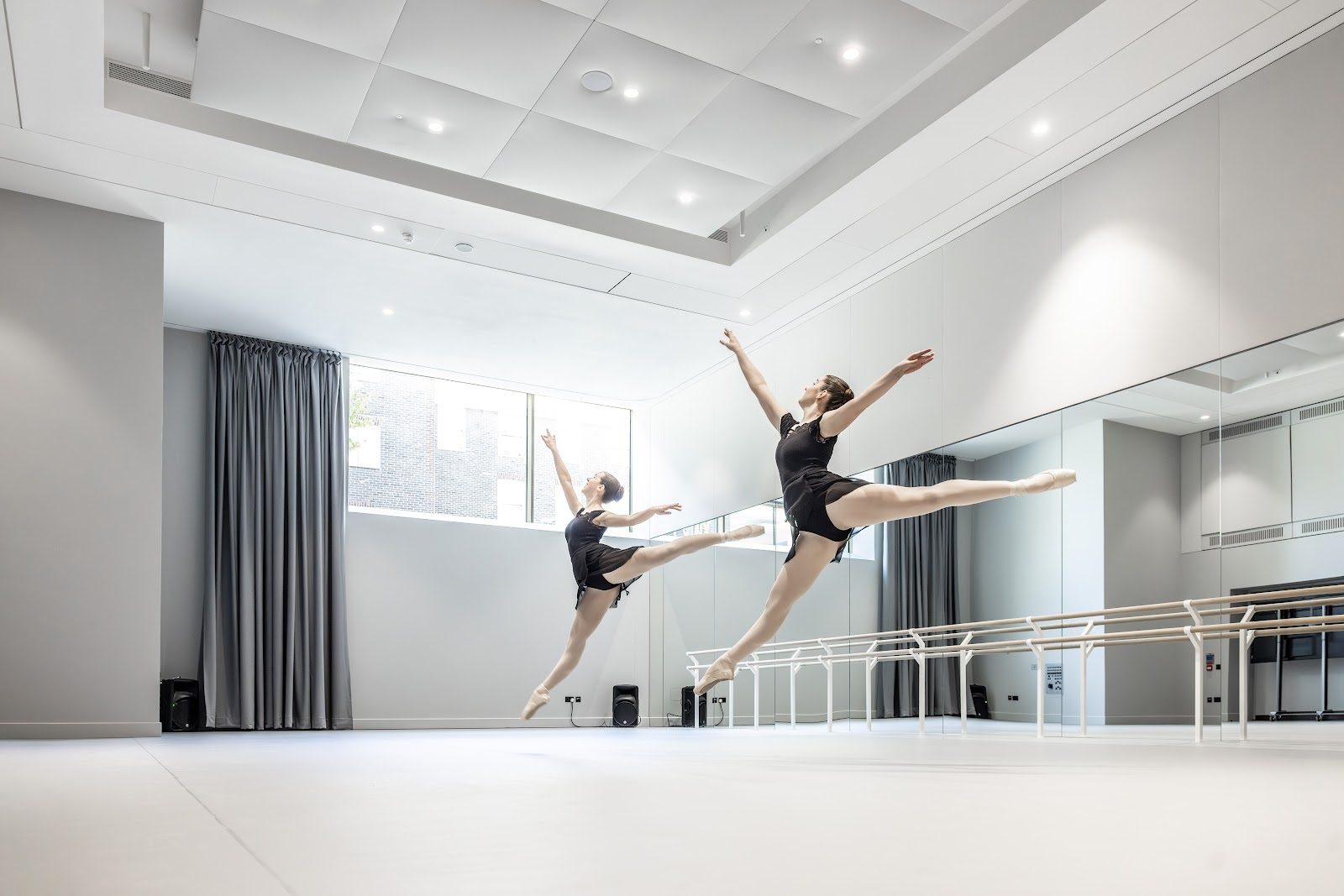
Dance
5/10
Operates primarily as an informal, creative outlet during internal house arts festival weeks.
Music
8.8/10
Exceptionally high standard; described as "turbo-charged" with multiple elite string orchestras and international choir tours.
Visual Arts
7.5/10
Highly disciplined fine arts track emphasizing technical portfolio mastery despite compressed studio space.
Editor-verified · 8/6/2026
Outcomes & destinations
Where students go next
Editorial estimateClass of 2024
100 graduates
A-Level distribution
100% covered
- A*46%
- A33%
- B18%
- C3%
Top destinations
52 placements
- Cambridge· 8
- Oxford· 6
- UCL· 12
- Imperial College London· 8
- Warwick· 6
- Durham· 5
- Bristol· 4
- LSE· 3
Hampstead Garden Suburb girls' selective state grammar; consistently the UK's top state school on progress measures.
Editor-approximated from the school's own leavers report. Awaiting school-attested figures.
Notable alumni · Wikidata
24notable alumni
1 historic (born pre-1930) · 10 modern (born post-1970)wikidata:2026-07-28 How we source this
The story in one line
Attainment 8 of 87.3·from a cohort where 3.7% of pupils are eligible for Free School Meals
FSM is the Department for Education's headline marker of low household income (pupils whose families claim income-based benefits). It's the fairest lens for a school's true value-add: a school with a wealthier intake gets a head start; a school achieving strong outcomes with a broader FSM base is doing more of the work itself. Avg GCSE grade across 8 subjects · national ≈ 46. Punching above weight
DfE-verified statistics
Official GCSE data · 2024/2025
Progress 8
—
Value-added score. State-schools only; 0 = expected progress, +1 = one grade above.
Attainment 8
87.3
Average grade across 8 GCSEs (score out of 90). National ≈ 46.
EBacc average score
8.65
Avg grade across the 5 EBacc pillars (English, Maths, Sciences, Language, Humanity).
EBacc slots filled
3
How many of the 5 EBacc pillars pupils typically enter (max 5).
Cohort · Pupils on roll
520
Free school meals
3.7%
English as additional language
43.8%
A-Level attainment
Cohort · 2023/24
Avg A-Level grade
A+
APS per entry: 51.67
Best 3 grade
A+
Best-3 APS: 53.46
≥ AAB + 2 fac.
88.5%
Russell-Group predictor.
Progress (value-added)
-0.05
Average
URN 138051Verified · DfE 2024/2025
Official inspection
Ofsted report · 2022
Inspectorate
Ofsted
The UK's official inspectorate for state-funded schools.
Latest report
21 September 2022
Ofsted inspection
Read it in full
Official reportVerified · OfstedSource-of-truth

WTS 300 badge
2025/26 editionThe Henrietta Barnett School is one of the World's Top 300 Schools for 2025/26. Claim your listing to add it to your site →
Strengths
- +Consistently ranks among the strongest state schools in England for external examination outcomes.
- +Strong A-level results in 2024, with 46% of grades at A* and 79% at A*-A.
- +High university progression, with 92% of the 2024 cohort going to top-100 universities, including 14 Oxbridge destinations (eight Cambridge, six Oxford).
- +Non-fee-paying state grammar school, removing tuition costs that apply at comparable independent schools of similar academic standing.
- +Music provision is elite (8.8), with very strong drama, sport and visual arts across the co-curriculum.
Considerations
- −Single-sex girls' school only, so it is not an option for families wanting co-education or seeking a place for a son.
- −Admission depends entirely on the school's own two-round entrance exam plus, for tie-breaks, a published local-priority catchment, so families living further away or newly arrived from abroad face a steep uphill battle regardless of ability.
- −Acceptance is extremely narrow, with only around 93 Year 7 places against well over 2,000 applications a year, making it one of the hardest state schools in England to enter.
- −As a day school with no fee-paying route, there is no alternative admissions pathway for relocating families who miss the exam cycle or catchment cut-off.
Availability
Primary entry gate & tests
11+ State Grammar Exam (Girls)
Gallery
Photo © Thea J via Google Maps
Photo © Thea J via Google Maps
Recommended reading
Independent write-ups of this school from editorial outlets we trust.
- The Henrietta Barnett School reviewGood Schools Guide
Parent reviews
Have you sent your child here?
Voice reviews carry the strongest trust badge — we transcribe them for you to tidy up before they go live. Prefer to type? A written review is fine too.
Add your voice
In 60 seconds, tell other parents: what's the best thing about The Henrietta Barnett School, and what surprised you when your child joined?
We ask for a Google sign-in so every review has a real face behind it — no anonymous drive-by attacks on schools, and no faked positive reviews. Your email is never shown publicly.
Send this profile to a friend
International parents rely on word-of-mouth. Share this review with someone weighing the same decision.
Schools with places
Similar schools to The Henrietta Barnett School with places available now.
City of London School for Girls
London · United Kingdom
- 2026-27
- CLOSEDStandard route
- 2027-28
- PLACES OPENCloses Nov
Godolphin and Latymer School
London · United Kingdom
- 2026-27
- CLOSEDStandard route
- 2027-28
- PLACES OPENCloses Nov
Harrow School
London · United Kingdom
- 2026-27
- CLOSEDStandard route
- 2027-28
- PLACES OPEN16+ Active; 13+ Closed
Highgate School
London · United Kingdom
- 2026-27
- CLOSEDStandard route
- 2027-28
- PLACES OPEN11+ (Closes 4 Nov); 16+ (16 Oct)
Availability first, then country, area, curriculum, price, co-curricular
Consider also
Also worth looking at alongside The Henrietta Barnett School.
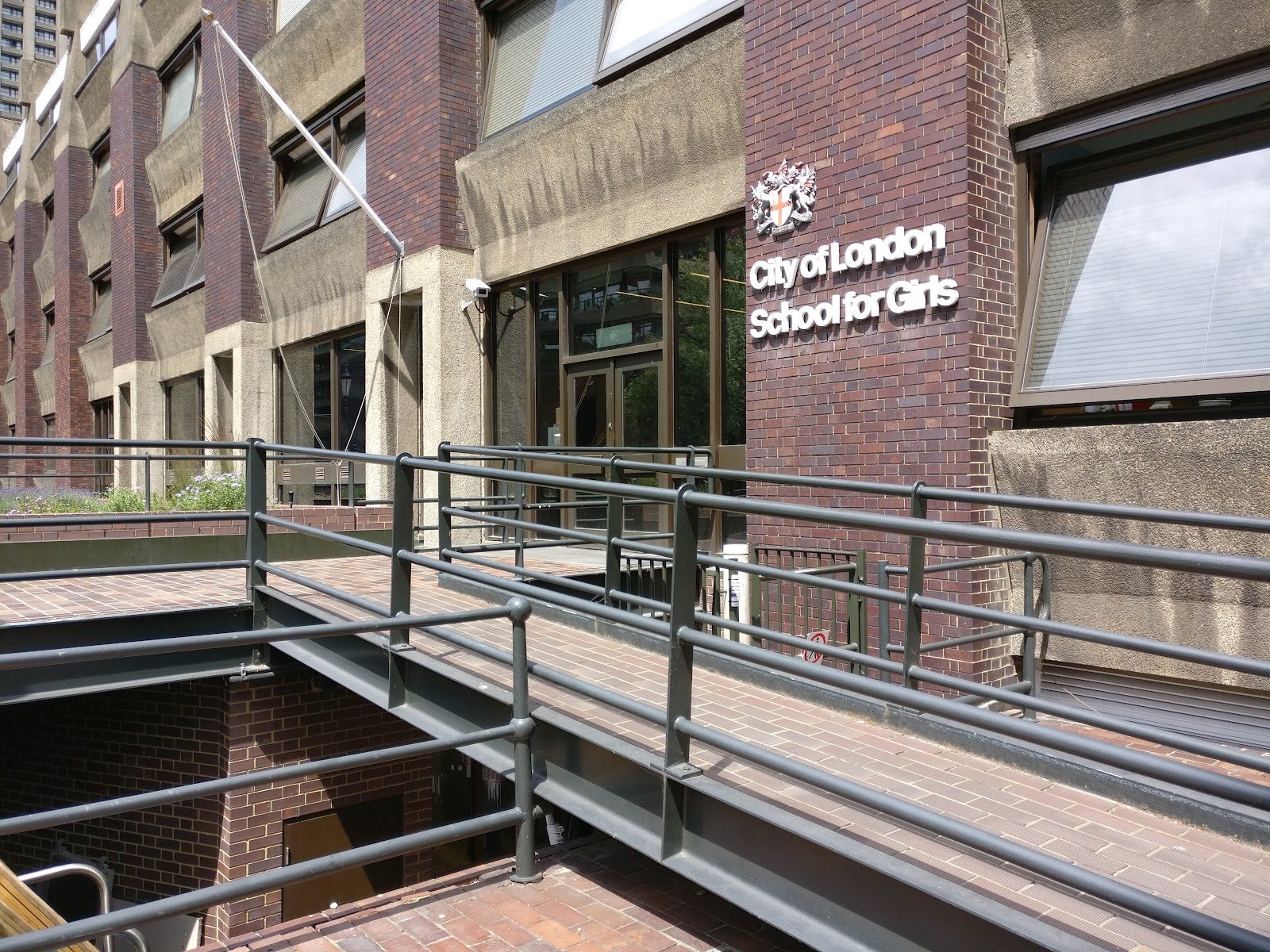
City of London School for Girls
London · United Kingdom
Wedged between brutalist towers and the old Roman city wall, a rigorously academic day school with the capital as its classroom.
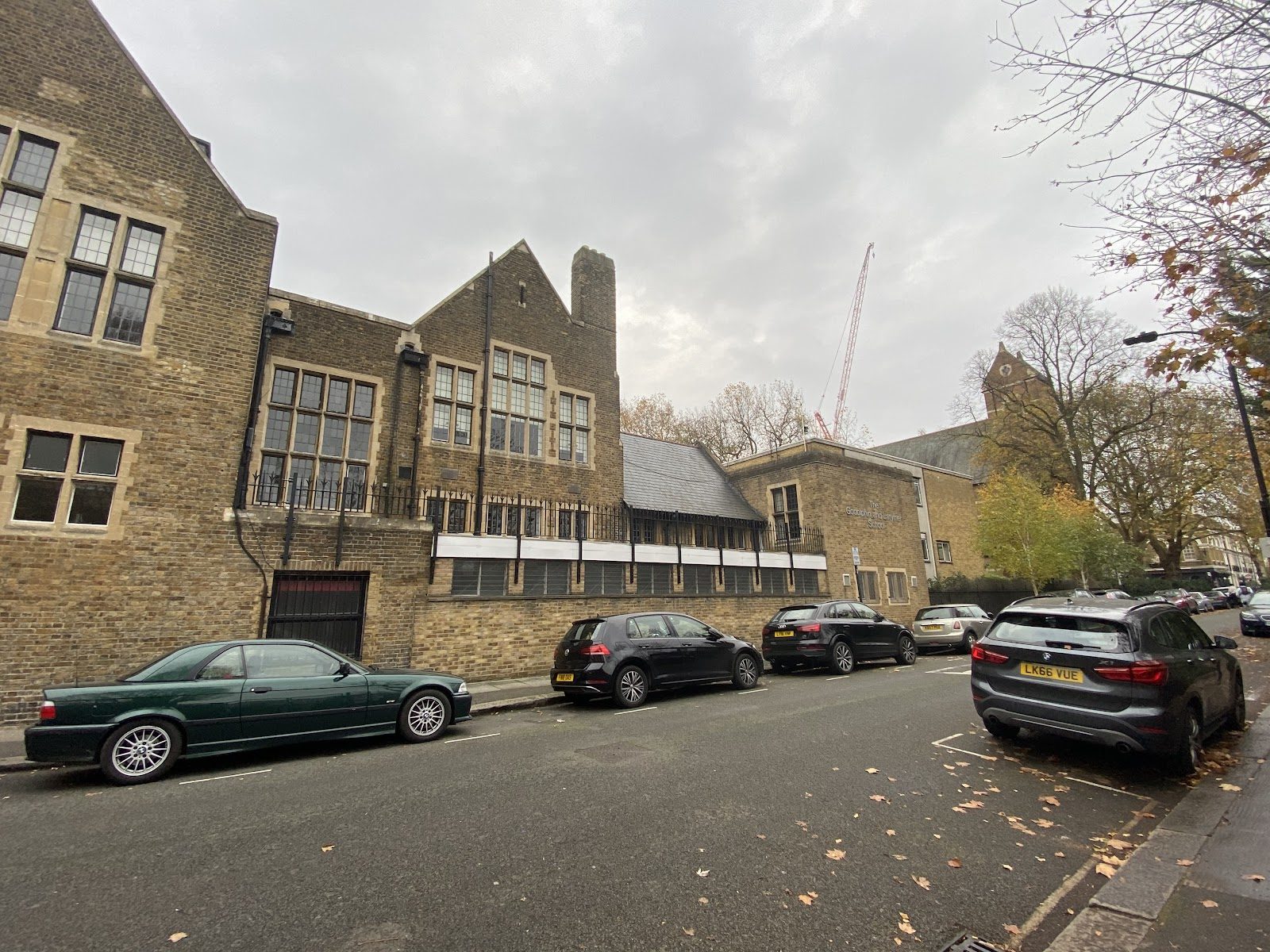
Godolphin and Latymer School
London · United Kingdom
A Thames-side Hammersmith campus where IB scores rank among the world's top ten and six houses bear the names of trailblazing women
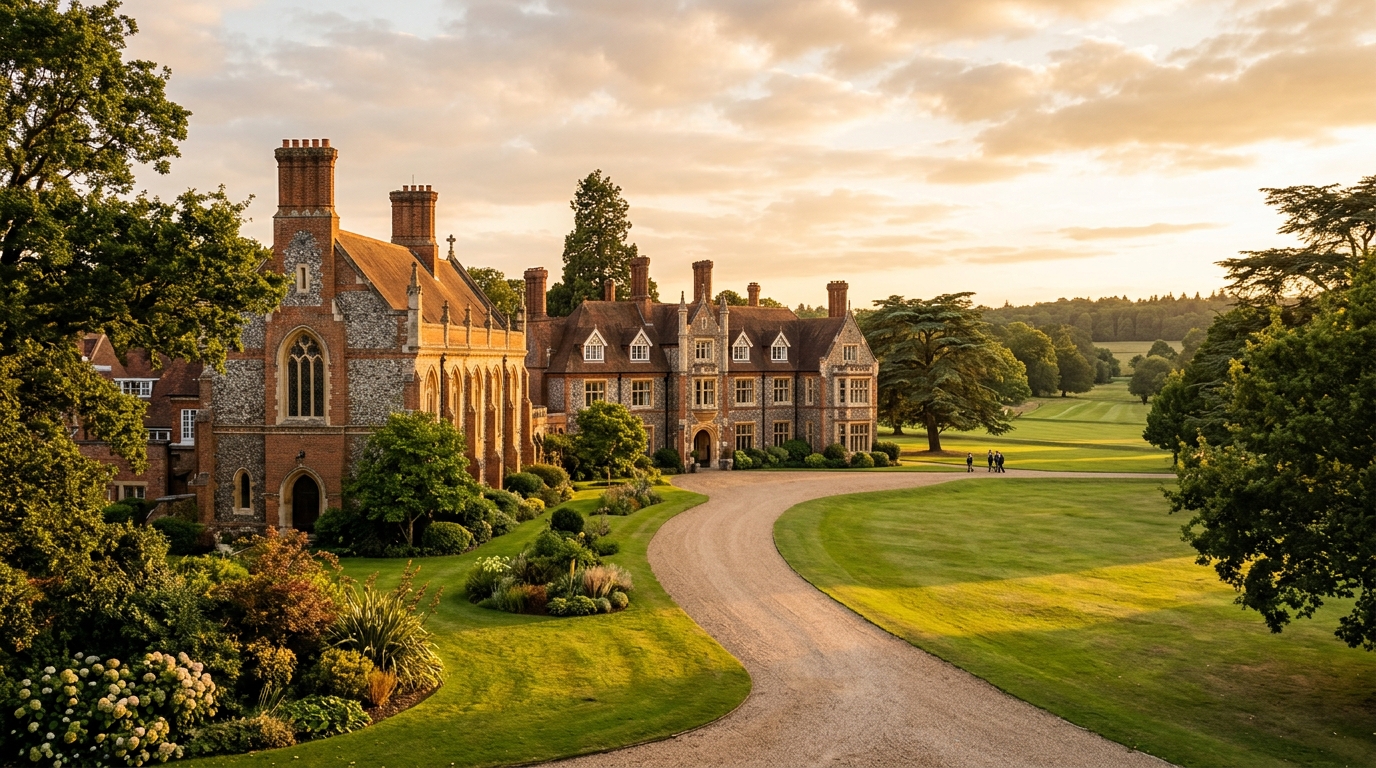
St Mary's School Ascot
Ascot · United Kingdom
Set in 55 boarding-school acres near London, this Catholic girls' school built its reputation on topping the national GCSE table.
Brighton College
Brighton · United Kingdom
Between the South Downs and the sea, a two-decade climb from mid-table to Sunday Times School of the Decade.
Same country and curriculum — closest matches within ±10 points either way