
Florida
G-Star School of the Arts
A tuition-free arts charter where film students earned Raindance's top high-school-for-film honor in London, backed by IB and Cambridge AICE rigor.

Photo © G-Star School of the Arts via Google Maps
Type
Day
Ages
11–18
Curriculum
US High School Diploma
Ratio
—
The Verdict
Editor's commitment
Right for
Students aged 11–18 who want a tuition-free Florida day school with IB and Cambridge AICE alongside film, animation and performing arts.
Wrong for
Families wanting boarding, a conventional academic school, or published outcome data beyond a US High School Diploma and Cognia accreditation.
Watch out for
The sales pitch is loud: NASA partnership, South Florida’s largest motion picture studio, A+ academics. Hard numbers on results are not published.
Ranking breakdown
G-Star School of the Arts · #1155 of 1591
Composite score 53.9. 8 weighted criteria.
By criterion
Academic Outcomes
Weight 20%
#1084
of 1529 scored
University Placement
Weight 16%
#911
of 1529 scored
Prestige & Heritage
Weight 12%
#1544
of 1571 scored
Alumni Network
Weight 12%
#1165
of 1530 scored
Facilities
Weight 12%
#120
of 1534 scored
Transparency & Communications
Weight 8%
#943
of 1532 scored
Peer & Industry Review
Weight 10%
#787
of 1548 scored
Admissions Selectivity & Demand
Weight 8%
#1326
of 1529 scored
Peer & Industry Review
How G-Star School of the Arts is regarded in the sector
66
Respected · medium confidence
Student work is a frequent selection at festivals like the All American High School Film Festival and regional student Academy-style competitions, giving it credible standing among youth-film circuit programmers and educators.
Award
Elite Film 50
World's Top School · The Global Ranking
G-Star School of the Arts is featured on our Global Top 50 ranking at #19. This seal is available for the school's marketing team to use on their website, prospectus and social channels.
Editors' overview
G-Star School of the Arts occupies a narrow, valuable niche in South Florida: a tuition-free public charter for students who want serious arts training without sacrificing academic ambition. The school’s central distinction is scale and infrastructure in film and production. It claims the largest motion picture studio in South Florida, with 110,000 sq ft under roof, and ties that to day-to-day student experience rather than after-school enrichment. For families comparing arts schools, that matters. Many schools promise “creative opportunities”; G-Star offers a working production environment, portfolio-building and direct exposure to industry practice. Its strongest public calling card is film. The editorial tagline points to Raindance’s top high-school-for-film honour in London, which gives external weight to the school’s own messaging. Add the audition-free entry point, and G-Star stands apart as an arts school that does not ration access at the front gate. *This is not a precious conservatoire model.* It is a broad-access creative school with unusual production capacity.
The academic proposition is stronger than the “arts school” label first implies. G-Star offers the US High School Diploma, with students able to earn college credits through International Baccalaureate and Cambridge AICE. The school also advertises an “A” rating from the Florida Department of Education, a 97.3% graduation rate and near-universal college continuation. Those are serious signals, even if the school does not publish the aggregate IB or AICE score data that would let parents judge academic depth in finer grain. That gap matters. A school asking families to trust its college-prep credentials should disclose more than broad outcomes. Still, the combination of college-credit pathways, small class sizes, and a specialist arts environment gives G-Star a sharper academic profile than many arts-led schools manage. *There is real substance here, not just stage lighting and posters.*
Why shortlist it? Because few schools combine public access, specialist arts facilities and a visible college-prep structure this cleanly. The culture pitch is also unusually direct: safe, accepting, bully-free, judgement-free. Schools use that language cheaply; at G-Star it fits the wider design. Students can change arts tracks, which lowers the cost of getting a choice wrong at 13 or 14. That flexibility matters in adolescence, when conviction and talent rarely arrive on the same timetable. The school is best for students who want a serious creative identity inside a conventional day-school framework, and for families who value practical ambition over old-school prestige. It will appeal to aspiring filmmakers, animators, performers and students who need a school culture that gives them room to try, fail, recalibrate.
This is not the right fit for every child. Students who want a traditional academic hothouse, a deep roster of published exam data, or the breadth of a large comprehensive will find limits here. G-Star’s public case rests heavily on environment, pathways and production opportunities, not on forensic academic transparency. But for the right student — creative, collaborative, energised by hands-on work, and keen to leave school with both a diploma and a body of work — G-Star earns a place on the shortlist. It offers something concrete. In a crowded market of vague arts promises, that alone carries weight.
A Global Elite 50 Film school
G-Star School of the Arts, in West Palm Beach, Florida, sits at rank nineteen on the Global Elite 50 Film ranking because it holds a distinction no other secondary school in this list can claim: it was named "The Number One High School for Film in the World" by Raindance Film Festival, Europe's largest independent film festival. That title sits on top of a genuinely working studio campus rather than a classroom with cameras, and it anchors the school's case for inclusion.
The specialism is delivered through G-Star Studios, a 110,000-square-foot motion picture complex on the school's own back lot, built around a 10,000-square-foot Sound Stage One that is a copy of a Warner Bros. stage and has been named one of "The Top Seven Sound Stages in the World" by Studio Systems News. Students move through script-to-screen production, digital imaging and 3D animation, and performing arts tracks without audition gatekeeping, and G-Star is described as the only high school situated on the back lot of a major movie studio, with the College of Cinematic Arts at Keiser University also based on site. The school has partnered with a leading European talent agency in Paris and allows students up to three months of continuous professional set time, an arrangement it says is unmatched among Florida arts schools.
Alumni working in the industry include Melissa Kyle, credited on productions including John Wick and The Amazing Spider-Man 2; Alexis Kobel, who served as production manager on Mariah Carey's Mariah's World; Lauryn Eisenstein, an award-winning screenwriter who won Best Student Film at Raindance; and Emily Serpico, a competitor on Syfy's Face/Off who now works as a prosthetics and wardrobe artist at Universal Studios.
International openness is where honesty is required: G-Star is a tuition-free Florida public charter school for grades 6-12, day-only, funded and governed under the state charter system, with no boarding facility and no dedicated international-student visa pathway found in its enrollment documentation. ESL support follows standard Florida public-school ESOL provision rather than a bespoke international program. Overseas families should treat G-Star as a domestic-relocation destination rather than a boarding option, and should confirm Palm Beach County residency and the charter application/lottery timeline directly with the school well before the enrollment window opens.
Academic Performance
G-Star makes strong broad-brush academic claims and weak detailed disclosures. The school publishes an “A” rating from the Florida Department of Education, a graduation rate of 97.3%, and says almost 100% of graduates continue to college. Those figures place it in solid territory for a public charter with an arts specialism. They also fit the school’s college-prep message. What is missing is the harder layer of scrutiny parents need for peer comparison: no published aggregate IB scores, no AICE pass-rate breakdown, no subject-by-subject attainment data, and no university destinations list with enough detail to test the school’s strongest claims. That leaves families with headline outcomes but not the forensic academic picture.
Relative to specialist arts schools, that profile cuts both ways. G-Star does more than offer a creative education with academics bolted on; the presence of IB and Cambridge AICE gives it serious academic scaffolding. But schools that want to be judged against the best college-prep peers need to publish exam depth, not just completion and progression rates. At present, G-Star sits as a credible academic option for arts-focused students rather than a transparently elite one. The results data in the public domain support confidence in baseline performance and school completion. They do not yet support a claim to top-tier academic distinction against Florida’s strongest selective or academically data-rich competitors.
Facilities
G-Star’s facilities matter because they are not decorative add-ons to an arts timetable; they define the school’s offer. The standout asset is its production complex, with 110,000 sq ft under roof and a soundstage the school places among the biggest anywhere. For a public charter, that is extraordinary scale. Most peer arts schools operate with black-box theatres, converted media rooms or a respectable but limited studio suite. G-Star works on a different order. Film and animation students get access to a genuinely professional environment built for shooting, set construction and portfolio work, not a token “media lab” assembled for prospectus copy. The theatre spaces and performance activity also read as active rather than ceremonial, with auditions, workshops and productions embedded in school life.
Outside the arts build, the picture is less fully documented. The school talks up secure surroundings, small classes and access to teachers and administrators, which speaks to usability more than architectural glamour. We have not seen the same level of published detail on science labs, sports provision, library depth or specialist academic spaces, and that absence matters when benchmarking against stronger all-round college-prep campuses. So the verdict is clear: G-Star’s facilities are elite in its specialist lane and less convincingly rounded outside it. Families choosing it for film, production and hands-on creative work will find a campus with real industrial heft. Families wanting broad, evenly strong provision across every department need sharper disclosure.
The editorial tagline points to Raindance’s top high-school-for-film honour in London, which gives external weight to the school’s own messaging
Prestige
G-Star’s prestige sits in a specific lane. This is not old-money Florida prestige, not a selective academic badge school, and not a conservatoire that trades on scarcity. Its status comes from earned specialist credibility in film and production, reinforced by the scale of its studio operation and by external recognition that carries weight beyond local charter-school marketing. For families in the creative industries, or for students intent on film, animation or performance, that matters more than a blazer-and-latin motto reputation. The school’s strongest prestige marker is practical: students work in an environment built for making things, not just talking about them. The published graduation and college progression figures — 97.3% and almost 100% — also protect the school from the usual suspicion that arts-led schools neglect academic follow-through.
That said, the prestige is niche, not universal. G-Star does not command the broad social cachet of a famous private school, and it does not publish the exam-detail or university-destination evidence that would elevate it into the forensically proven top academic tier. Its public standing rests instead on access, infrastructure and visible industry alignment, including the NASA partnership and links with external creative organisations. The result is real-world prestige: strong among families who value production experience, portfolios and employable skills; weaker among parents chasing conventional elite-school signals. In plain terms, G-Star carries serious arts-sector clout and modest all-round institutional prestige.
The culture pitch is also unusually direct: safe, accepting, bully-free, judgement-free
Communications
G-Star communicates with parents in a functional, school-operations-first way. The website puts the essentials near the front: open enrolment, tours, applications, news, event listings and family-facing notices. The calendar is active and specific, with itemised entries for picture day, auditions, parent night and app training rather than vague promises of “community engagement”. That matters. Parents can see the rhythm of the term and the practical demands on family life. The school also flags PowerSchool and Schoology training, which tells you the parent portal infrastructure is part of daily communication rather than an afterthought. There is a visible social media presence and a bank of student testimonials, but the more useful signal is the steady stream of operational updates. This is workmanlike communication, not polished admissions theatre.
Effectiveness is mixed. For current families, the school does the practical job competently: dates, events, teacher meetings and basic calls to action are easy to find. For prospective families, the tone slips into boosterish overstatement. Claims stack up fast — NASA, celebrity links, “magic”, top agencies, giant studios — and the site does not always separate hard information from hype with enough discipline. That weakens trust. Parents choosing a school need crisp explanations of who teaches what, how pastoral concerns move through the system, and where to find hard academic evidence. G-Star communicates energy and momentum well. It communicates institutional seriousness less well. The result is a channel that serves day-to-day logistics effectively but leaves tougher parental questions under-answered.
Uniqueness
What marks G-Star out is not the generic “arts school” label but the way it removes the usual barriers around it. This is an audition-free public charter with a specialist creative infrastructure that many selective arts schools cannot match. That combination is genuinely unusual. Students do not need to win entry through an early-performance filter before they get access to serious production resources, specialist teaching and a peer group built around making work. The school also gives students room to switch arts tracks, which matters more than schools admit. Adolescents change fast; a child who arrives intent on theatre may discover animation, film or technical production suits them better. G-Star’s structure makes that shift possible without treating it as failure. For students still testing their creative identity, that flexibility is a real advantage.
The student benefit is practical, not rhetorical. G-Star puts young people into a working creative environment where portfolio-building, collaboration and public-facing work sit inside the school day rather than at the margins. The school’s film and production setup, including its 110,000 sq ft studio complex, gives students access to space, process and industry-adjacent experience that most teenagers do not get until much later. Add college-credit pathways through two recognised programmes and the result is a rare hybrid: broad-access arts training with academic seriousness still in view. That suits students who want to leave school with more than grades — with evidence of work made, skills tested and a sense of where they fit.
They do not yet support a claim to top-tier academic distinction against Florida’s strongest selective or academically data-rich competitors
Student Profile
G-Star suits students who want school to feel active, collaborative and tied to making things, not just discussing them. The best fit is the teenager who wants a clear creative identity but does not want the pressure-cooker culture of a selective arts conservatoire. Because entry is audition-free and students can move between arts tracks, the intake can accommodate both committed young makers and students still testing where they belong. That makes the social mix broader than at schools that filter hard at entry. It will suit students who like hands-on learning, public outcomes and the discipline of turning ideas into finished work. It will also suit children who need a safe, accepting culture rather than status games and narrow definitions of talent.
The school is less suited to students who want anonymity, conventional school prestige or a heavily traditional academic atmosphere. Its own messaging leans hard into belonging, kindness and self-expression, which points to a student body that values openness over polish. Families should expect a cohort drawn to film, animation, theatre and production work, with strong appeal for young people who want to build a portfolio alongside school qualifications. The published completion figure of 97.3% and near-universal college progression give that profile backbone: this is not a refuge for students opting out of academic effort. It is a school for purposeful creatives, collaborative strivers and adolescents who want their secondary years to produce tangible work, not just a transcript.
G-Star School of the Arts occupies a narrow, valuable niche in South Florida: a tuition-free public charter for students who want serious arts training without sacrificing academic ambition
Co-curricular strengths
Arts & sport, on a separate axis
Overall 7.5/10
Scored 0-10 from the school's own published evidence. This axis is editorial-only — it does not feed the main WTS ranking.
Sports
3.5/10
Drama
9/10
Dance
7.5/10
Music
8/10
Visual Arts
9.5/10
Strengths
- +Operates as a public charter school, meaning no tuition fees for Florida resident students.
- +Curriculum is built around a specific career pathway in film, television and digital media production rather than generalist arts.
- +Students gain access to on-site production studios and industry-style equipment as part of daily coursework.
- +Small, specialised cohort structure allows sustained focus on a single creative discipline through high school.
Considerations
- −As a public charter, admission is generally restricted to Florida residents, limiting access for relocating international families.
- −Narrow focus on film/media production may not suit students wanting a broader liberal arts or purely academic track.
- −Being publicly funded, facilities and resources are more constrained than private, fee-charging arts conservatories.
- −Limited independent verification of outcomes such as university placement or industry alumni success is publicly available.
Gallery
Photo © Alexander Martinez Polanco via Google Maps
Photo © Cher Wilson • The Hoochie Digs via Google Maps
Photo © Cher Wilson • The Hoochie Digs via Google Maps
Photo © Herve Andrieu via Google Maps
Photo © Alexander Martinez Polanco via Google Maps
Photo © Reggie Dee via Google Maps
Photo © G-Star School of the Arts via Google Maps
Parent reviews
Have you sent your child here?
Voice reviews carry the strongest trust badge — we transcribe them for you to tidy up before they go live. Prefer to type? A written review is fine too.
Add your voice
In 60 seconds, tell other parents: what's the best thing about G-Star School of the Arts, and what surprised you when your child joined?
We ask for a Google sign-in so every review has a real face behind it — no anonymous drive-by attacks on schools, and no faked positive reviews. Your email is never shown publicly.
Send this profile to a friend
International parents rely on word-of-mouth. Share this review with someone weighing the same decision.
Schools with places
Similar schools to G-Star School of the Arts with places available now.
Pine Crest School
Fort Lauderdale · United States
- 2026-27
- CLOSEDRegular cycle closed
- 2027-28
- OPENS SOONOpens Sept '26
Ransom Everglades School
Miami · United States
- 2026-27
- CLOSEDRegular cycle closed
- 2027-28
- OPENS SOONOpens Sept '26
Availability first, then country, area, curriculum, price, co-curricular
Consider also
Also worth looking at alongside G-Star School of the Arts.
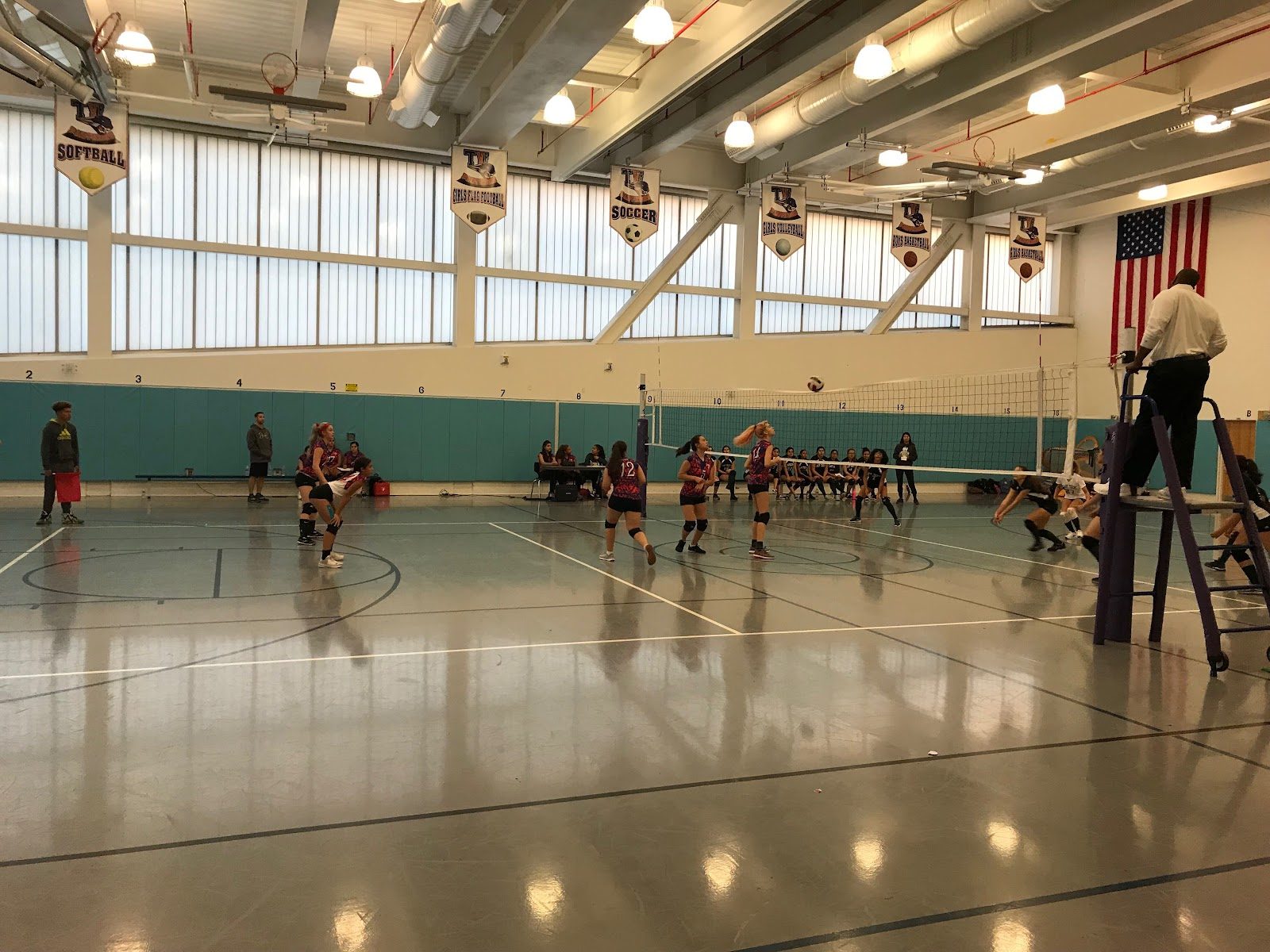
Academy for Careers in Television & Film
Long Island City, New York · United States
A waterfront Queens campus where students edit and shoot films against the Manhattan skyline, backed by a million-dollar production arsenal.
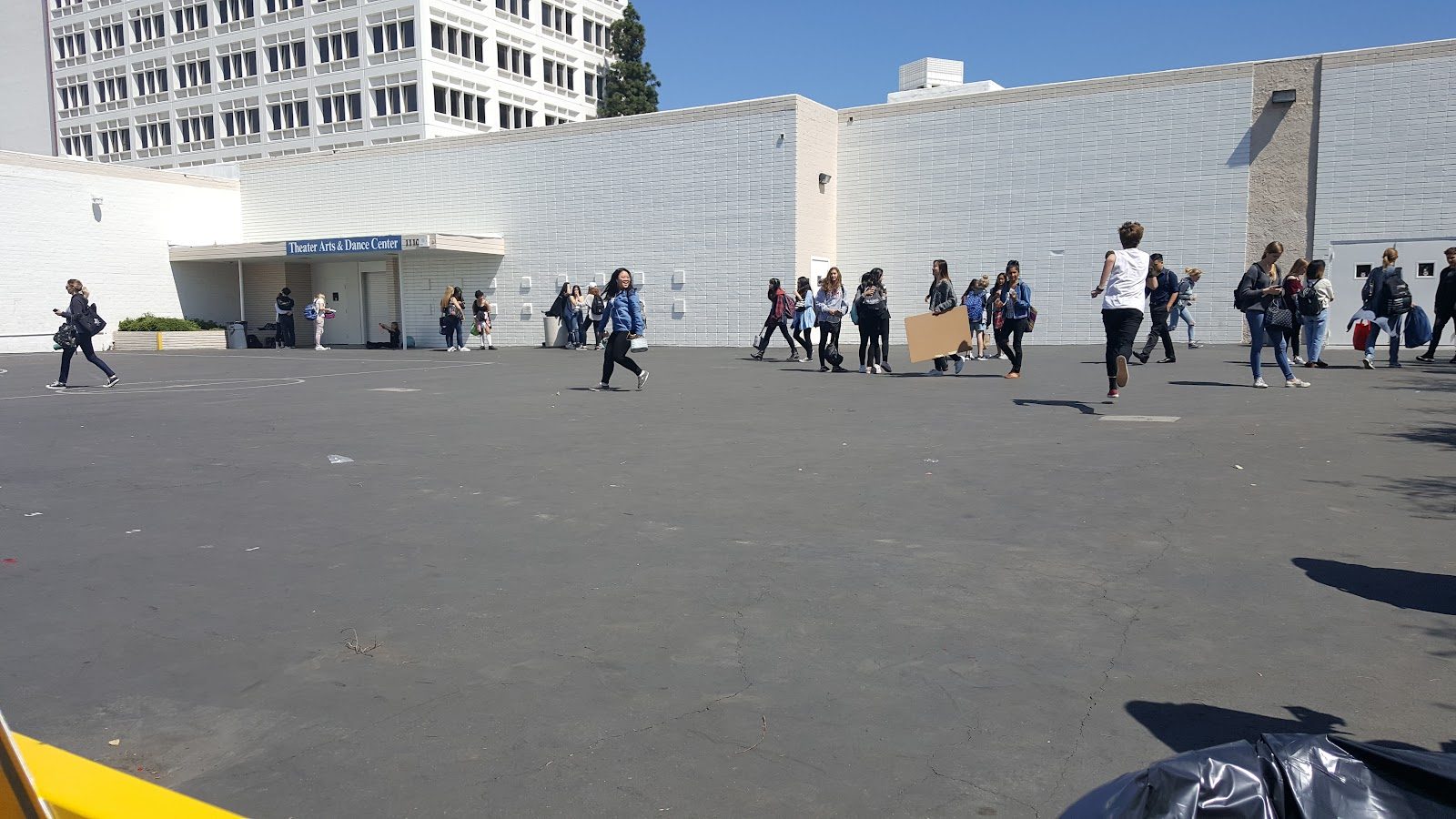
Orange County School of the Arts
Santa Ana, CA · United States
Seventeen conservatories and a half-day devoted to pre-professional training turn this Santa Ana charter school into a proving ground for young artists.
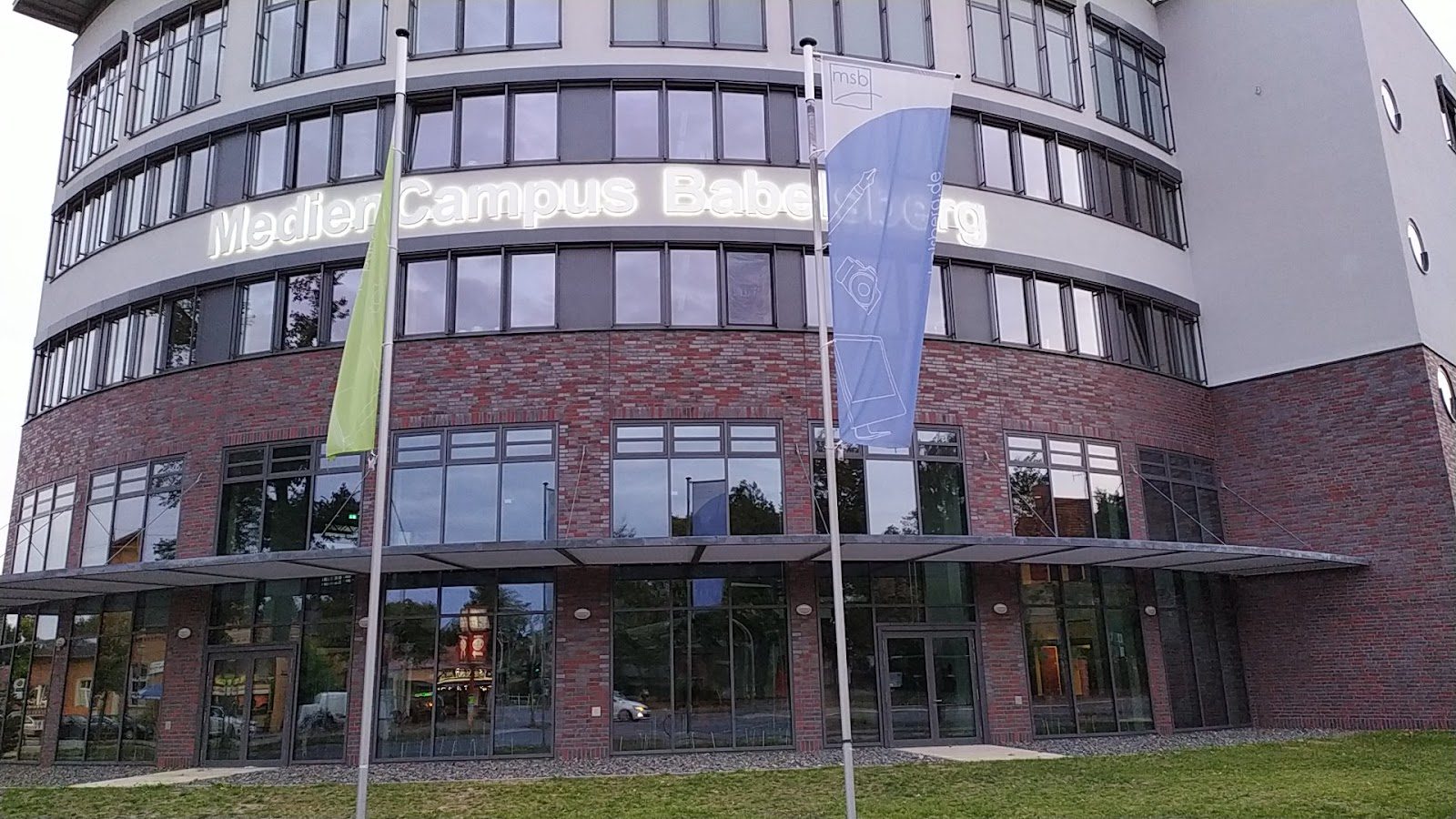
Babelsberger Filmgymnasium
Potsdam-Babelsberg · Germany
On the media campus beside Babelsberg's historic film studios, Abitur students specialize in cinema and screen their work at a biennial festival.
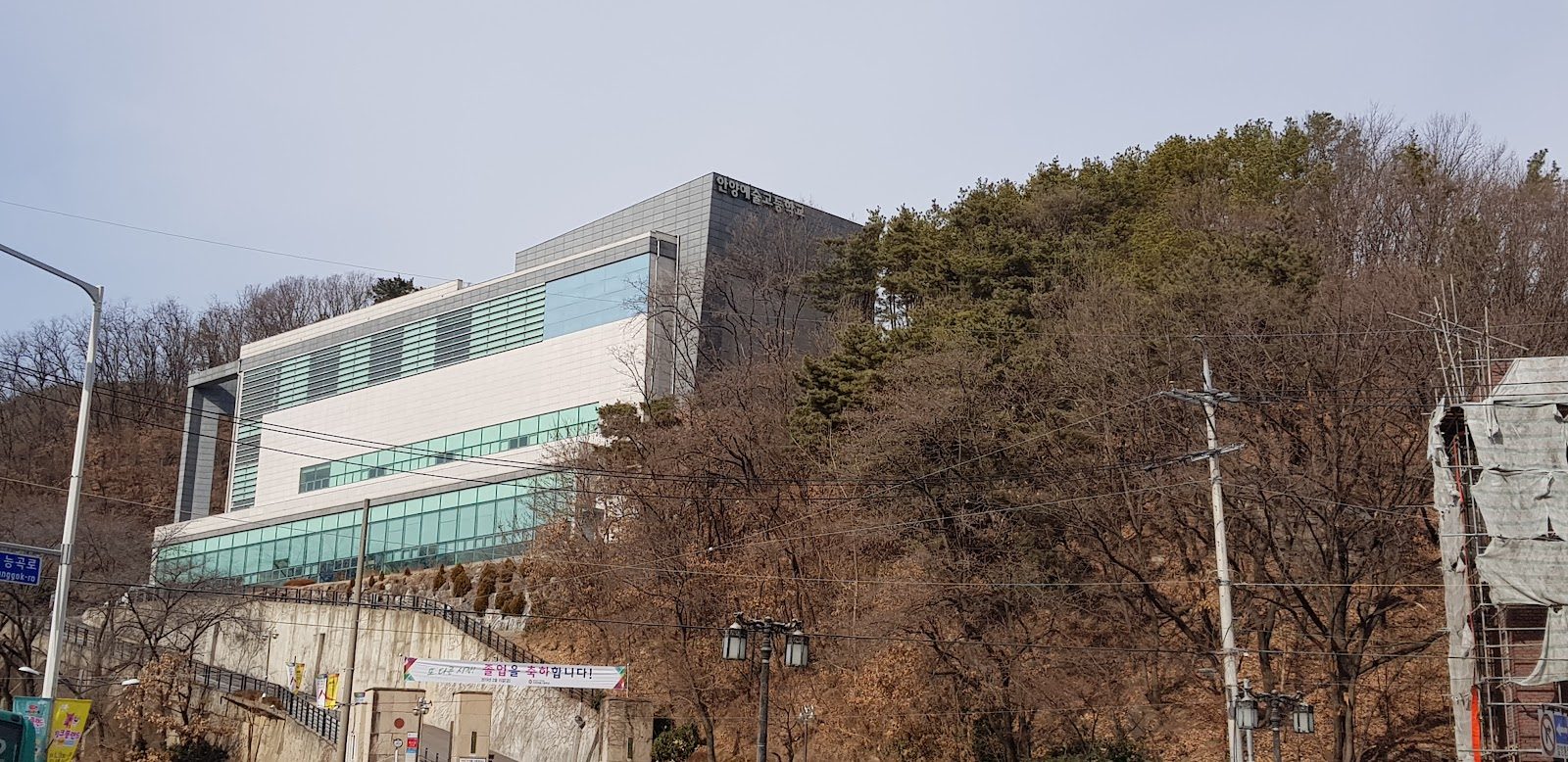
Anyang Arts High School
Anyang · South Korea
Tracing its roots to a 1960s film academy, this Anyang campus pairs literary, theater and dance training under one arts-focused roof.
Same specialism, country and curriculum — closest matches within ±10 points either way