
Queensland
The Southport School
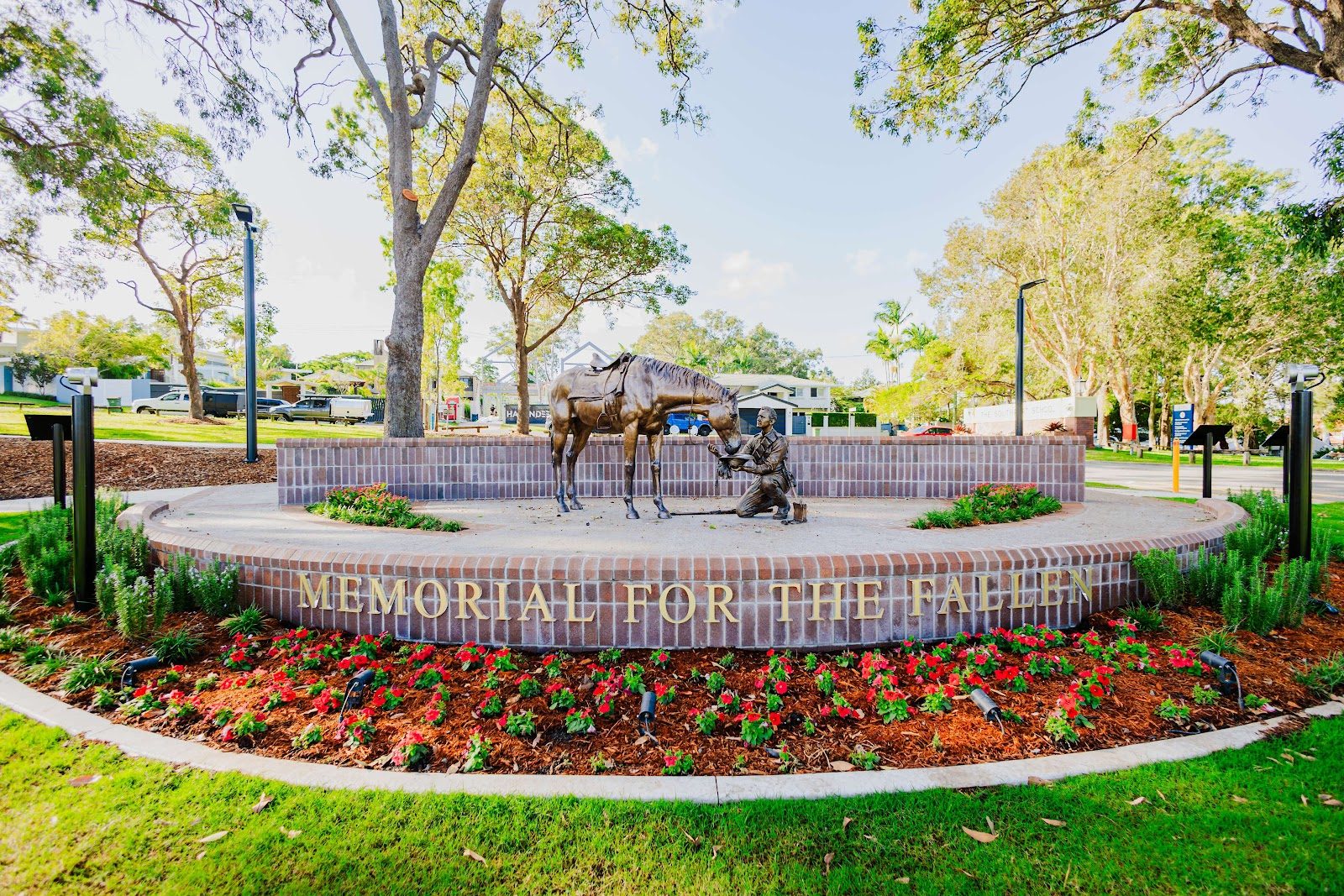
low confidence· 2/6 cats · 3.33 avg sourcesBeside the Nerang River, the Gold Coast's only boys' school pairs a storied rowing boatshed with Queensland's largest boarding house.
Type
Both
Ages
3–18
Curriculum
Australian
Qualifications
QCE · IB Diploma
Ratio
—
The Verdict
Editor's commitment
Right for
Boys aged 3–18 wanting an Anglican day-and-boarding school in Southport, with Australian curriculum continuity from early learning to secondary.
Wrong for
Girls, and families wanting co-education, a non-Australian curriculum, or a non-religious school; TSS is a boys' Anglican school founded in 1901.
Watch out for
Boarding is part of the offer, but TSS does not publish academic outcomes or inspection grades here; AHISA membership is not an academic guarantee.
Ranking breakdown
The Southport School · #669 of 1591
Composite score 58.4. 8 weighted criteria.
By criterion
Academic Outcomes
Weight 20%
#857
of 1529 scored
University Placement
Weight 16%
#848
of 1529 scored
Prestige & Heritage
Weight 12%
#608
of 1571 scored
Alumni Network
Weight 12%
#1479
of 1530 scored
Facilities
Weight 12%
#569
of 1533 scored
Transparency & Communications
Weight 8%
#725
of 1532 scored
Peer & Industry Review
Weight 10%
#893
of 1548 scored
Admissions Selectivity & Demand
Weight 8%
#760
of 1529 scored
Peer & Industry Review
How The Southport School is regarded in the sector
66
Respected · medium confidence
Within Queensland's competitive GPS network, TSS is consistently grouped alongside Brisbane Grammar, Churchie, Terrace and Nudgee College as one of the state's established Anglican boys' schools, a membership that itself signals peer recognition given the GPS association's strict entry criteria around academic, sporting and co-curricular standing. Its rowing program is repeatedly cited in Queensland Head of the River coverage, reinforcing its standing among rival heads and coaches in a sport where reputation is closely tracked. University pathways commonly referenced for TSS leavers include University of Queensland, Griffith University and Bond University, reflecting the school's Gold Coast/Brisbane catchment rather than a distinct national admissions narrative. Independent commentary on TSS tends to appear within broader Queensland boarding-school roundups rather than dedicated feature reviews, and it does not yet feature prominently in national newspaper league tables the way older Sydney or Melbourne GPS schools do. Overall, TSS holds solid regional standing built on boarding heritage and sporting pedigree, but its footprint in independent education press and cross-border peer commentary remains modest compared with the most prestigious Australian institutions.
Award

Elite Sport 80
World's Top School · The Global Ranking
The Southport School is featured on our Global Top 80 ranking at #46. This seal is available for the school's marketing team to use on their website, prospectus and social channels.
- Berrick Barnes — Rugby union player, Wallabies
- James Slipper — Rugby union player, Wallabies captain
- Nathan Baggaley — Olympic canoeist, silver medalist
Editors' overview
The Southport School occupies a narrow but powerful niche: a boys’ Anglican school on the Gold Coast with a full age range from 3–18, day and boarding provision, and a history that runs back to 1901. That combination matters. In a region crowded with co-educational independents, TSS offers a single-sex pathway with institutional heft, a strong sense of continuity and a boarding operation large enough to shape the school’s culture rather than sit at its edges. The setting beside the Nerang River is not cosmetic. It gives TSS one of the clearest sporting signatures in the market, with rowing woven into the school’s identity in a way that feels storied, disciplined and deeply local.
What puts it on a shortlist is not novelty but concentration. Parents looking for an Australian curriculum in English, delivered in an Anglican framework and backed by a long-established boys’ school tradition, get exactly that. TSS is for families who want structure, visible standards and a school community built around boys from the early years through to the end of secondary education. The boarding offer also broadens its reach well beyond the Gold Coast commuter belt. For regional, interstate or international families who want a recognisable Australian boarding school experience without sending a son to Brisbane or Sydney, TSS holds a distinct place. Queensland’s largest boarding house is not a decorative claim; it signals scale, routine and a boarder presence strong enough to define weekends, friendships and school spirit.
The school will suit boys who thrive in an environment with clear expectations, strong pastoral containment and a heavy co-curricular pulse. Rowers, team-sport boys and students who like belonging to a house-based, tradition-conscious community will find plenty to grip onto. So will boarders who want a busy, camaraderie-heavy school life rather than an anonymous one. Boys who want a highly progressive, overtly experimental or co-educational culture should look elsewhere. TSS trades in heritage, identity and collective belonging; for the right student, that feels anchoring, ambitious and full-blooded.
An Elite Sport 80 school
The Southport School — universally known as TSS — is at rank forty-six on the Elite Sport 80 because it is one of Queensland's most productive Great Public Schools boarding institutions across rugby, rowing and swimming. Multiple Olympic swimmers and Wallabies have come through, and the school's 1st XV, 1st VIII rowing crew and swimming squad all compete at the top of the GPS Queensland competition.
The specialisms are rugby union (with a formal academy model, professional coaching and links to the Queensland Reds and Australian Rugby), rowing (with a full boathouse on the Gold Coast Broadwater and integrated training programme), swimming (with a nationally competitive squad and multiple Australian age-group representatives), athletics and cricket. Basketball, football, water polo and surf life-saving all run at high schoolboy standard.
Notable alumni across codes include Grant Hackett (multi-time Olympic swimming gold medallist), several Wallabies and Super Rugby regulars from the past two decades, Olympic rowers, and a rolling roster of Queensland cricket and rugby league professionals. The school's swimming programme, alongside Hackett, has produced multiple Australian representative swimmers over the past three decades.
International openness is genuine. TSS is a full boys' boarding school with an established overseas cohort — particularly from Papua New Guinea, the Pacific islands, southern Africa, the UK and mainland Europe — and integrated ESL and pastoral support. Fees for full boarding sit around A$52,000-58,000 per year, positioning it in the upper tier of Australian boarding costs but well below equivalent US boarding schools with comparable sporting output. Admissions is a standard application process plus a sport-specific reference or trial where relevant. Australian student visas are straightforward for full-time enrolment. For a family relocating from a rugby-, rowing- or swimming-strong nation to Queensland and targeting a genuine international sporting pathway alongside Australian HSC and NCAA D1 recruiting options, TSS is one of the top three sport-oriented boarding schools in the state.
Academic Performance
TSS sits in the group of established Queensland independents where families expect solid senior results, but the school does not publish the kind of aggregate external data that would let parents place it cleanly against the state’s strongest academic competitors. We have not seen public ATAR distributions, median ATAR, subject-by-subject score tables or a sustained run of headline leavers’ outcomes. That matters. In a market where some schools release enough to prove academic sharpness, opacity counts against TSS. The academic case here rests more on institutional reputation and scale than on a transparent, annually evidenced results story. For parents who want hard-edged proof of top-tier attainment, that is a real weakness.
That does not place TSS in an underperforming bracket; it places it in a school category where academic performance sits alongside sport, boarding life and character formation rather than dominating the public narrative. In practical terms, that puts it closer to the broad church of full-service boys’ schools than to the results-obsessed end of the independent sector. Boys with range, stamina and a taste for a high-commitment all-round education can do well here. Families chasing the most academically data-rich option on the Gold Coast or in south-east Queensland will want more disclosure before treating TSS as a first-choice academic bet.
Facilities
The facilities that matter at TSS are the ones tied to identity rather than brochure inflation. First is the riverfront rowing set-up. Plenty of Australian independents field rowing crews; far fewer have the water as part of the school’s daily geography. That gives TSS an advantage that purpose-built erg rooms and polished gym blocks at inland rivals cannot replicate. For boys serious about rowing, this is not a decorative extra but a defining competitive asset. The second is boarding. The school’s claim to Queensland’s largest boarding house is not trivial chest-beating; it points to infrastructure on a scale that few peer schools on the coast can match. A large boarding operation changes the rhythm of a campus, extends supervision and activity beyond lessons, and creates a full-service school life that day-only schools cannot offer.
Against peer schools, that leaves TSS strongest in sport-and-boarding provision rather than in the sort of architectural spectacle some newer campuses use to impress. We have not seen a publicly detailed inventory of specialist academic spaces, performing arts venues or standout STEM infrastructure, so parents should ask hard questions there. That gap matters because leading independent schools now publish laboratories, theatres, maker spaces and specialist centres in exacting detail. TSS’s public identity rests instead on the boatshed, the grounds and the residential core. For the right family, that mix is powerful, masculine and deeply coherent. For families benchmarking pure academic or arts facilities, it is a less fully evidenced proposition.
For parents who want hard-edged proof of top-tier attainment, that is a real weakness
Prestige
TSS carries real regional prestige and a narrower national cachet. On the Gold Coast, its name lands with weight because it controls a category no rival can match cleanly: the area’s only boys’ school, with a full age range and a boarding operation of unusual scale. That mix gives it social visibility well beyond the classroom. In Queensland independent-school circles, it sits inside the old-guard Anglican boys’ tradition, and that still counts. The river setting and boatshed culture sharpen that standing: rowing remains one of the clearest status sports in Australian schooling, and TSS has built a strong, recognisable identity around it. Prestige here rests on continuity, ritual, sport and network, not on a gleaming aura of academic supremacy.
That distinction matters. This is not a school whose prestige comes from publishing hard proof of elite academic outcomes or from dominating national conversation. Its status is institutional and tribal rather than intellectual. For many families, that is enough, even desirable: the pull lies in belonging to a long-established boys’ school with a visible public profile, a substantial boarder cohort and a culture that feels deeply embedded in Queensland private-school life. For families who define prestige through selective admissions, international brand power or transparent top-end results, TSS sits a tier below the most rarefied names. For families who value tradition, sport, pastoral structure and social capital on the coast, it is one of the market’s heavier hitters.
That gap matters because leading independent schools now publish laboratories, theatres, maker spaces and specialist centres in exacting detail
Communications
TSS communicates in the manner of an established full-service school: institution first, family second. The public face is clear enough on the basics of identity, admissions and school life, but it does not operate with the high-spec transparency now common at the sharper end of the independent market. Parents can grasp the school’s ethos quickly. What they get less readily is a detailed, data-rich picture of how the school reports day-to-day academic progress, tracks pupil wellbeing, or distinguishes urgent operational notices from the steady churn of school news. For a school serving boys from the early years through to senior school, with a residential population woven into the life of the campus, communication needs to be tight, layered and unmissable. We have not seen enough public evidence of that precision.
That does not mean parents are left in the dark; it means the school’s communications culture reads as traditional rather than forensically parent-facing. That suits families who value institutional confidence and do not need hand-holding. It suits them less well if they expect the polished cadence of a modern parent portal culture, with immediate visibility on progress, routines and accountability. The tone fits the school: solid, hierarchical, more comfortable projecting identity than exposing inner workings. For some families, that feels reassuringly grown-up. For others, especially boarder parents or those managing family life across distance, it leaves too much to assumption and too little spelled out.
Uniqueness
What marks TSS out is concentration of type. On the Gold Coast, no other school occupies this exact lane: a boys-only institution with both day and boarding life, an Anglican frame, and a culture built around the full span from the earliest years to school leaving. That creates a closed-loop community with fewer internal fractures than schools that bolt one phase onto another or treat boarding as a side business. Boys grow up inside one social grammar: houses, rites, expectations, loyalties, older-younger ties. For the right child, that breeds deep institutional confidence and a strong sense of place. It also gives families a rare alternative to the coast’s co-educational norm without sacrificing scale or continuity.
The other point of difference is the way river, boatshed and boarding work together. Many schools offer sport; fewer organise identity around it so completely. Here, rowing is not an accessory but part of the school’s bloodstream, and the large residential cohort intensifies that culture after classes end. The result is a high-commitment, tribe-forming education in which belonging is earned through participation, routine and shared effort. That brings real benefits: tighter friendships, stronger mentoring between year groups, and a school day that extends into something more immersive than classes plus pickup. It also narrows the fit. Boys who dislike collective culture, single-sex intensity or sport-led status systems will find TSS constraining rather than liberating.
The Southport School occupies a narrow but powerful niche: a boys’ Anglican school on the Gold Coast with a full age range from 3–18, day and boarding provision, and a history that runs back to 1901
Student Profile
The boy who fits TSS is comfortable inside a strongly coded male environment. He does not need a school to dilute competition, flatten hierarchy or apologise for tradition. He benefits from structure, from visible standards, and from a social order in which houses, teams and older boys carry real weight. Sport matters here, not as a pleasant add-on but as a status system and a daily organising force. Rowers, team-sport boys and students who enjoy routine, banter and collective endeavour will have a clear route into the culture. Boarders and day boys who want a full-throttle school life, with friendships built through shared activity rather than private eccentricity, fit well. The age span from 3–18 also favours families who want one institutional culture from the earliest years to school leaving.
The less obvious fit is the boy who needs room to sit outside the group without penalty. TSS suits students who can absorb tribal intensity and handle the pressure that comes with a school where identity is public and participation is noticed. Quiet boys can do well, but only if they have inner ballast and can tolerate a culture that rewards engagement over detachment. This is not the right setting for a child who wants a soft-edged, experimental or highly individualist education. It is also not ideal for families who dislike single-sex social dynamics or who want academic life to outrank sport and communal loyalty in the pecking order. For the right boy, though, the fit is tight, energising and formative.
What puts it on a shortlist is not novelty but concentration
Co-curricular strengths
Arts & sport, on a separate axis
Overall 7.88/10
Scored 0-10 from the school's own published evidence. This axis is editorial-only — it does not feed the main WTS ranking.
Sports
9.4/10
Absolute Queensland GPS association powerhouse; fields historically dominant rugby, swimming, and rowing crews based at its pristine riverfront campus infrastructure.
Drama
8/10
High-quality seasonal theater tracker staging complex, technically demanding productions inside the modern theater spaces.
Dance
5.5/10
Strong afternoon performance track providing core choreography assets for major collaborative musical theater shows.
Music
8.5/10
Outstanding musical depth; features the renowned TSS Choir alongside active jazz ensembles and symphonic bands.
Visual Arts
8/10
Exceptional art school infrastructure running top-tier advanced studios for architecture, fine oil painting, and high-end digital photography.
Strengths
- +Day and boarding options from age three to eighteen
- +Australian curriculum may suit families relocating within Australia
- +Anglican school for families specifically wanting Christian formation
- +AHISA-accredited independent school with established governance
Considerations
- −Boys-only education excludes families wanting co-education
- −Anglican ethos may not suit non-religious families
- −English-only instruction limits bilingual or non-English support
Availability
Primary entry gate & tests
Academic Record + Interview
Gallery
Parent reviews
Have you sent your child here?
Voice reviews carry the strongest trust badge — we transcribe them for you to tidy up before they go live. Prefer to type? A written review is fine too.
Add your voice
In 60 seconds, tell other parents: what's the best thing about The Southport School, and what surprised you when your child joined?
We ask for a Google sign-in so every review has a real face behind it — no anonymous drive-by attacks on schools, and no faked positive reviews. Your email is never shown publicly.
Send this profile to a friend
International parents rely on word-of-mouth. Share this review with someone weighing the same decision.
Schools with places
Similar schools to The Southport School with places available now.
Pymble Ladies' College
Sydney · Australia
- 2026-27
- WAITPOOLVacancy-dependent
- 2027-28
- PLACES OPEN
Ivanhoe Grammar School
Melbourne · Australia
- 2026-27
- WAITPOOLVacancy-dependent
- 2027-28
- PLACES OPEN
Ascham School
Sydney · Australia
- 2026-27
- WAITPOOLVacancy-dependent
- 2027-28
- PLACES OPEN
Wesley College
Melbourne · Australia
- 2026-27
- WAITPOOLVacancy-dependent
- 2027-28
- PLACES OPEN
Availability first, then country, area, curriculum, price, co-curricular
Consider also
Also worth looking at alongside The Southport School.
Loreto Kirribilli
Kirribilli · Australia
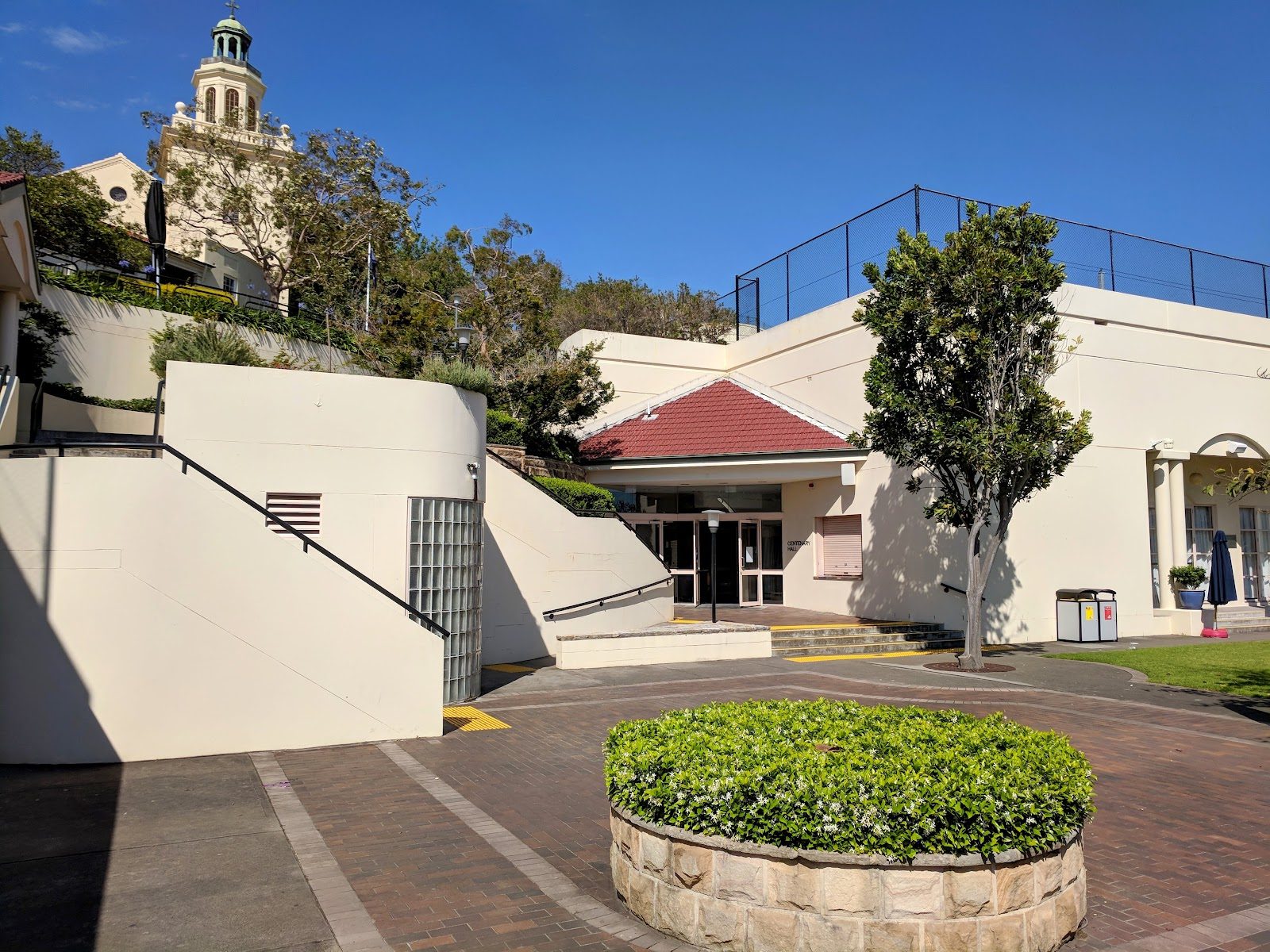
On Sydney Harbour since 1908, its chapel tower once guided sailors--now it anchors a top-performing Catholic girls' school.
Kambala
Rose Bay · Australia
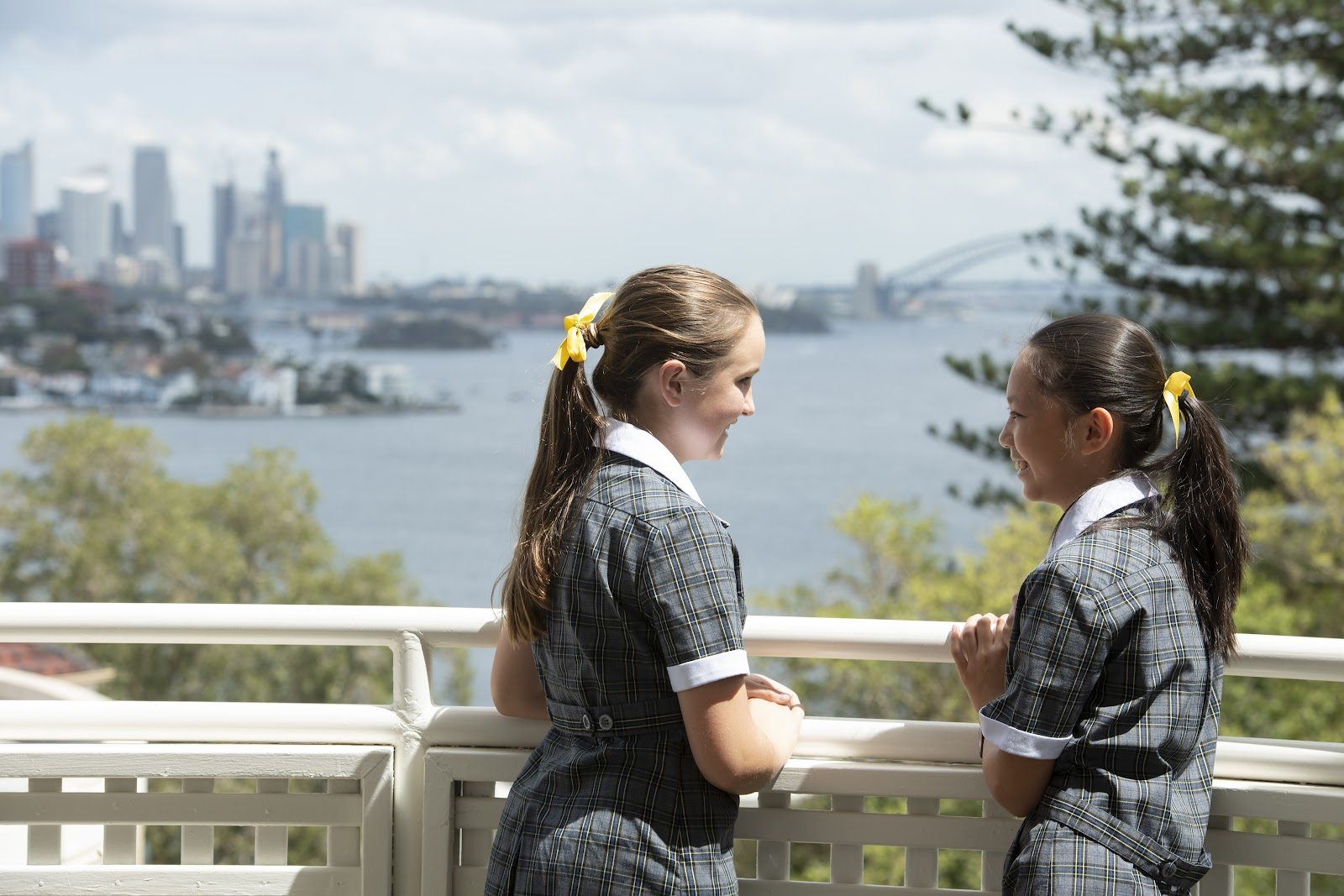
On the Tivoli headland above Sydney Harbour, a non-selective girls' school topped the state for pairing IB and HSC results in 2024.
Pymble Ladies' College
Sydney · Australia
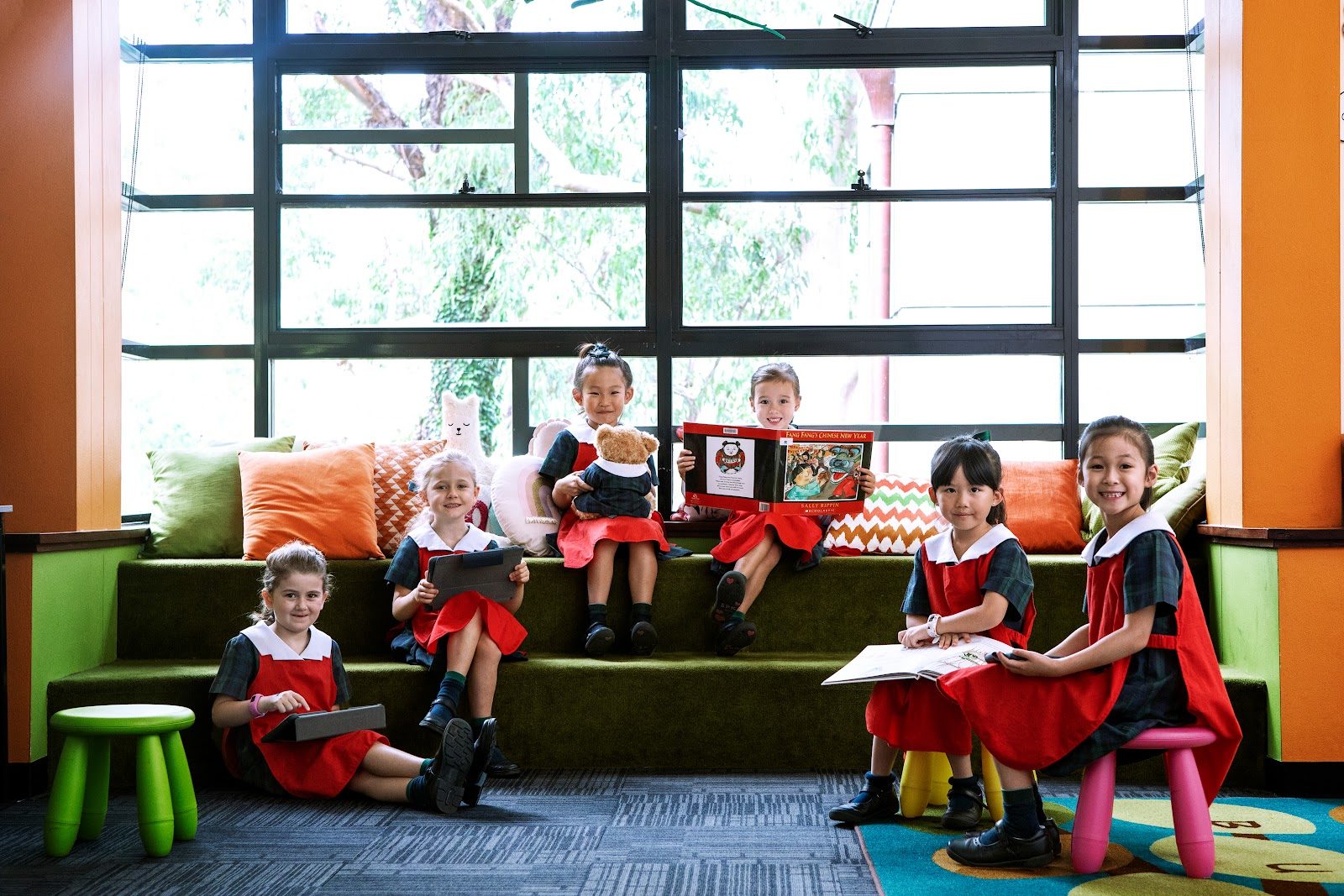
On Sydney's Upper North Shore, a non-selective campus of five schools lets girls choose between the IB and HSC pathways.
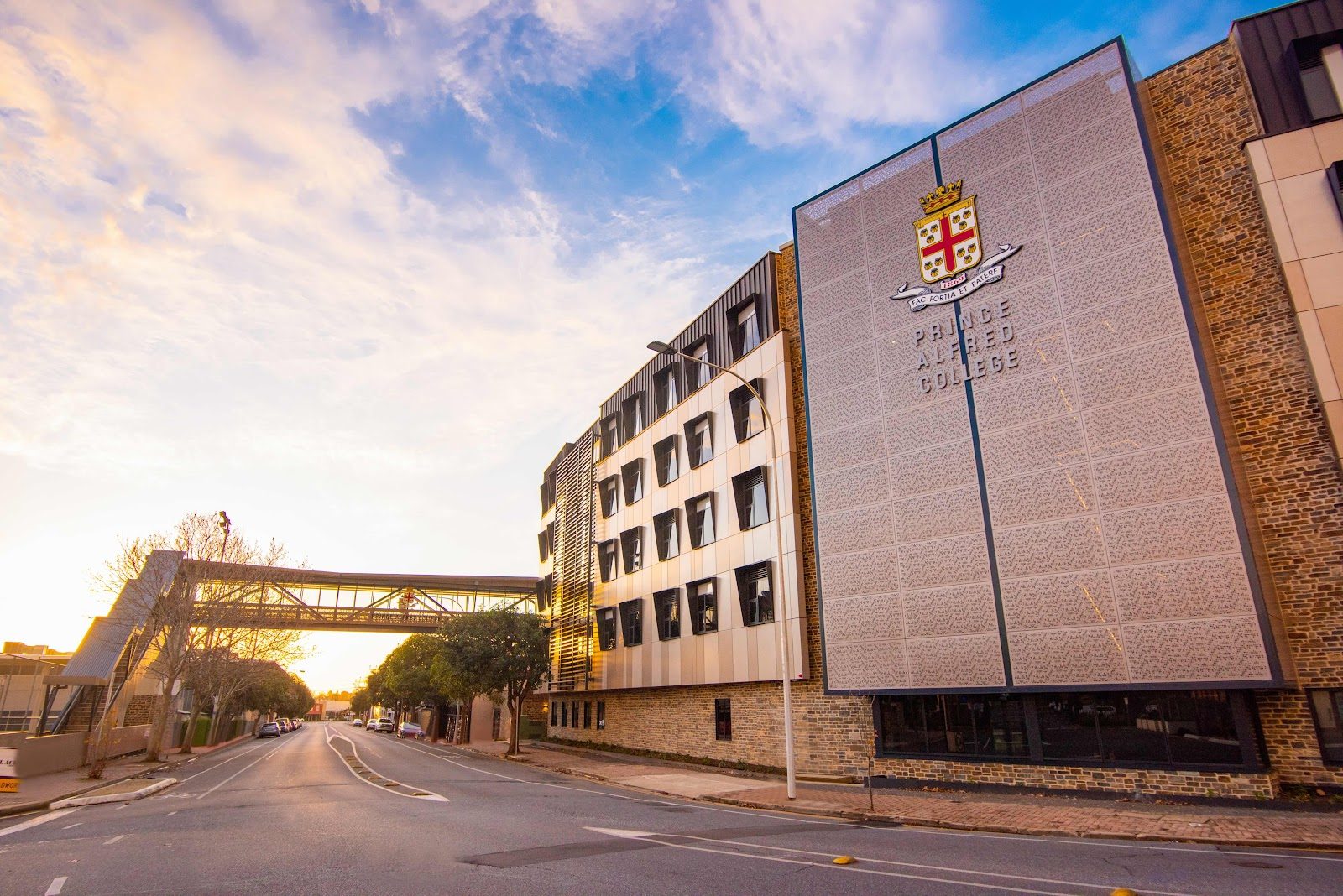
Prince Alfred College
Adelaide · Australia
A Duke laid its 1867 foundation stone; today this Adelaide college ships Year 9 boys to riverside and peninsula campuses for a term outdoors.
Same country and curriculum — closest matches within ±10 points either way