
Guangdong
Utahloy International School Guangzhou
medium confidence· 4/6 cats · 3.11 avg sourcesLakeside in Baiyun since 1998, running Guangzhou's only full IB continuum, with most graduates earning bilingual diplomas.
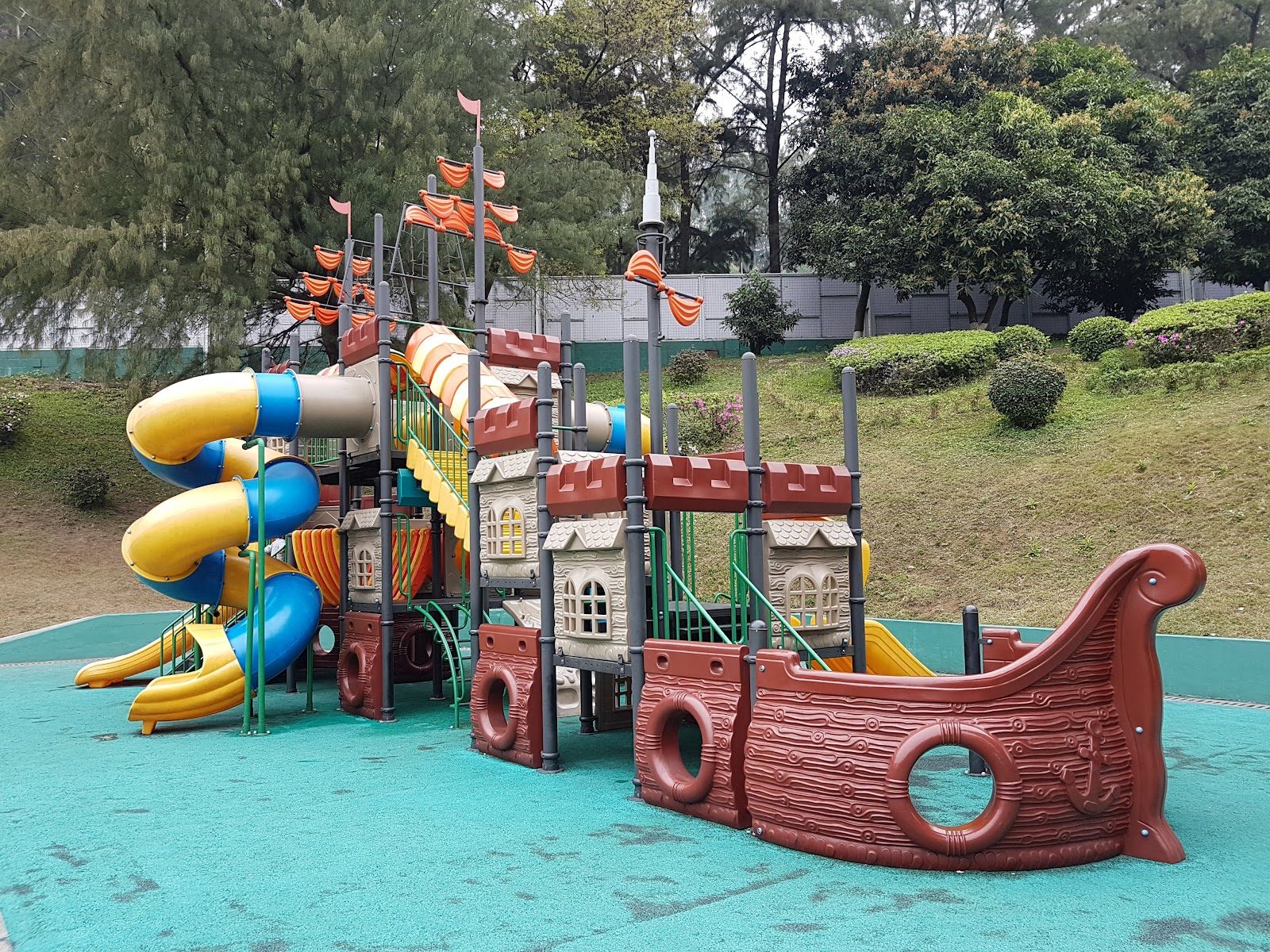
Photo © Raimundo Maia Júnior via Google Maps
Type
Day + Boarding
Ages
3–18
Curriculum
IB
Ratio
—
The Verdict
Editor's commitment
Right for
Families wanting Guangzhou's only full IB continuum from age 3 to 18, with English and Mandarin across a genuinely international cohort.
Wrong for
Parents chasing a Chinese national curriculum, a religious ethos, or large anonymous year groups; UISG runs day and boarding in Baiyun.
Watch out for
CIS, WASC and IB accreditation reassure, but the school does not publish aggregate Diploma results; average class size is 18.
Ranking breakdown
Utahloy International School Guangzhou · #668 of 1591
Composite score 67.0. 8 weighted criteria.
By criterion
Academic Outcomes
Weight 20%
#586
of 1529 scored
University Placement
Weight 16%
#649
of 1529 scored
Prestige & Heritage
Weight 12%
#967
of 1571 scored
Alumni Network
Weight 12%
#619
of 1530 scored
Facilities
Weight 12%
#666
of 1533 scored
Transparency & Communications
Weight 8%
#725
of 1532 scored
Peer & Industry Review
Weight 10%
#793
of 1548 scored
Admissions Selectivity & Demand
Weight 8%
#547
of 1529 scored
Score history
Utahloy International School Guangzhou · 2026
Movement across 2024–2026. Peer average overlaid.
Overall — 2024–2026
67.0/ 100
▲ +16.5 vs 2025
year on year
Peer & Industry Review
How Utahloy International School Guangzhou is regarded in the sector
60
Respected · low confidence
Utahloy International School Guangzhou is one of the older established international schools in China (founded 1998), regularly listed in expat parent directories and forums (e.g. Guangzhou expat community sites, International Schools Database, ISC Research profiles) as a respected IB continuum school, but it does not consistently appear in higher-tier specialist rankings like Tatler Asia or Good Schools Guide China lists that feature Guangzhou's more internationally prominent schools (e.g. NAIS, GES, WAB). Peer reputation appears solid and regional rather than elite-tier.
Evidence sources
Editors' overview
Utahloy International School Guangzhou occupies a distinct niche in the city: it runs Guangzhou’s only full IB continuum, from the Primary Years Programme through the Middle Years Programme to the Diploma Programme, on a single campus in Baiyun. Founded in 1998, it has longevity that many newer international schools lack. The offer is coherent and easy to understand: an English-medium IB education, with Mandarin in the linguistic mix, for children aged 3 to 18, with day and boarding options. For parents who want one school to carry a child from the early years to university entry without a mid-course curriculum switch, that is a serious practical advantage.
The school’s international make-up is one of its strongest selling points. It enrols students from over 50 countries, with seven major home languages cited across the community, and reports an average class size of 18 with a teacher-student ratio of 1:8. Those numbers matter. They point to classrooms that are small enough for discussion-led teaching and individual attention, without the social thinness that can afflict very small schools. The bilingual diploma profile also gives Utahloy an edge in Guangzhou: this is a school for internationally minded families who still want strong Chinese language development rather than an expat bubble sealed off from its host country. The setting adds to the appeal: a lakeside campus in Baiyun gives the school a physical identity that many urban competitors do not have.
This school belongs on a shortlist for families who value continuity, cultural range and the IB’s inquiry-heavy approach. It suits students who are comfortable in a diverse peer group, who benefit from discussion rather than rote instruction, and who want a school with an explicitly international rhythm from the earliest years onward. Boarders, too, widen the mix and give the campus a lived-in atmosphere beyond the day school timetable. The best fit is not the child who wants a narrowly exam-drilled, hyper-competitive local Chinese model. Utahloy is for students who thrive in a globally mixed environment, who can handle the demands of IB coursework over time, and who want the option of graduating with a bilingual academic identity rather than a monolingual one.
Academic Performance
Utahloy’s academic profile has one clear strength and one clear weakness. The strength is structural: students move through a single IB track without the disruption of a curriculum change, which matters in a qualification that rewards continuity, writing stamina and long-form coursework discipline. The school also states that most graduates earn bilingual diplomas, a serious academic differentiator in a market where many schools talk about multilingualism but deliver a thinner result by the end of secondary school. For internationally mobile families who want university-entry credentials with real linguistic depth, that is a concrete advantage. The weakness is disclosure. The school does not publish aggregate Diploma results, average point scores, top scores, subject breakdowns or multi-year trends in the public domain. That leaves parents without the basic data needed to place Utahloy securely against the city’s more results-transparent competitors.
So where does that leave it relative to peers? In reputation terms, Utahloy sits in the established, internationally mixed tier rather than the headline-grabbing exam-factory end of the Guangzhou market. The absence of published outcomes blocks any claim to elite IB performance. It also blocks fair comparison with schools that release full Diploma statistics each year. That does not mean weak results; it means opaque results. For some families, continuity, bilingual attainment and a broad international cohort will outweigh that opacity. For others, especially those making a hard-nosed comparison on university outcomes and top-end IB scores, the missing data is a real handicap.
Facilities
The campus’s strongest facility asset is not a trophy theatre or a vast sports complex in the mould of the region’s biggest premium schools. It is the setting itself: a lakeside site with room to breathe, which is a genuine advantage in a dense urban market where many international schools operate from tighter, more vertical footprints. That matters day to day. Outdoor circulation, visual calm and a campus that does not feel boxed in shape the student experience more than brochure-piece architecture. The school also gains from being a through-school for a wide age span: parents get one physical environment that can accommodate early years through to senior students, rather than a fragmented arrangement across separate sites. Add a community drawn from 50-plus nationalities and the campus functions as a lived-in international environment, not a showroom.
Against peers, Utahloy’s facilities profile reads as good, not extravagant. The public picture does not show the sort of specialised, headline-grabbing infrastructure that top-fee competitors use to justify eye-watering prices: no published claim of Olympic-scale aquatics, no major performing arts centre pushed to the fore, no obvious arms race in sport or design-tech spaces. That is not a fatal weakness. For many families, a campus with usable space, environmental character and classrooms kept to an average of 18 matters more than architectural swagger. Still, parents comparing Utahloy with Guangzhou schools that trade heavily on cutting-edge facilities will find a campus with substance over spectacle.
The school does not publish aggregate Diploma results, average point scores, top scores, subject breakdowns or multi-year trends in the public domain
Prestige
Utahloy carries real standing in Guangzhou’s international-school market, but not the kind built on mystique or published score dominance. Its prestige rests on institutional shape: one campus, one coherent academic route, a long-established presence, and a student body drawn from 50-plus national backgrounds. That gives it credibility with internationally mobile families who value stability and social range over badge-chasing. The school also benefits from rarity value. In a crowded market, being the city’s sole full-through IB provider creates a clear identity that parents understand quickly. Add the bilingual diploma profile and Utahloy holds a distinctive niche: serious enough for academically minded families, but not cast in the mould of an exam-prep machine.
That said, this is solid prestige, not top-table prestige. The school does not publish the kind of outcome data that turns reputation into hard academic authority, and that matters. Among well-informed parents, prestige built without transparent results has a ceiling. Utahloy’s name carries weight because it is established, internationally mixed, and structurally unusual, not because it dominates public league-table conversation or university-placement chatter. The low staffing ratio of 1:8 and modest average class size of 18 strengthen the impression of quality and care, and the lakeside setting adds social polish. But the school’s status remains that of a respected specialist, not an untouchable flagship.
For others, especially those making a hard-nosed comparison on university outcomes and top-end IB scores, the missing data is a real handicap
Communications
Utahloy’s parent communication reads as that of an established school that knows its audience and keeps the core message simple. The public-facing information is clear about the school’s identity, age range and international make-up, and that matters: parents can grasp the shape of the school quickly without wading through slogan-heavy fog. The bilingual reality of the community also helps. With families drawn from more than 50 countries and 7 major home languages cited, the school has no choice but to communicate across cultures with some discipline. That tends to produce a more functional, less parochial style of parent engagement. For internationally mobile families, that is a practical strength.
The limit is transparency. Communication is effective on ethos and day-to-day identity, but weaker where hard accountability starts. The school does not publish the result data that serious parents use to test academic claims, and that gap matters just as much in communications as it does in performance. Good school communications do not stop at warmth, welcome and community tone; they also disclose outcomes, trends and comparative context. Utahloy stops short of that. So the verdict is mixed: clear enough in presentation, thin where it counts most. Parents who care first about atmosphere and cultural fit will find the communication serviceable. Parents who want forensic clarity on academic outcomes will find it frustratingly opaque.
Uniqueness
Utahloy’s clearest point of difference is coherence. In a market full of schools that splice together different systems or force a curriculum jump in the senior years, Utahloy gives families one educational logic from the first years through university entry. That matters more than marketing copy admits. It means students learn one set of habits — inquiry, discussion, reflection, sustained writing — and keep building on them instead of resetting halfway through adolescence. The other distinctive element is linguistic ambition. The school says most graduates leave with bilingual diplomas, which gives students more than classroom Mandarin; it gives them a serious academic claim to bicultural competence. For internationally mobile families who still want China to be part of a child’s intellectual life, that is a rare practical advantage.
The community profile sharpens that distinctiveness. A student body drawn from 50-plus national backgrounds, with 7 major home languages cited, creates a social environment that is genuinely international rather than decorative. Students do not just study global-mindedness; they live with it in classrooms, friendships and routine disagreement. That carries real benefits: stronger intercultural fluency, less parochialism, and better preparation for universities and workplaces where mixed backgrounds are the norm. Add a teacher-student ratio of 1:8, and Utahloy offers a form of international education that is structurally consistent, linguistically demanding and harder to replicate than shinier schools with louder branding.
But the school’s status remains that of a respected specialist, not an untouchable flagship
Student Profile
This is a school for children who are comfortable being one nationality among many, not the dominant culture in the room. With families drawn from more than 50 countries and 7 major home languages cited across the community, Utahloy suits students who are curious, socially adaptable and steady in mixed settings. The best-fit child does not need sameness to feel secure. They can handle classmates with different assumptions, accents and home lives, and they gain from that variety rather than retreat from it. The low staffing ratio also points to a school where students are known closely. That works well for children who respond to adult attention, class discussion and regular feedback. It works less well for those who want anonymity or who prefer to coast unnoticed at the back.
The strongest fit is the student with an international cast of mind and enough resilience to manage a school community that is culturally dense rather than socially simple. Children who enjoy conversation, group work and crossing between linguistic worlds will do well here. So will families who want Chinese language development to remain central, not decorative. The less natural fit is the child who wants a narrowly local peer culture, a hard-edged exam hothouse or a socially uniform environment. Utahloy asks students to live with difference every day. For the right child, that is formative. For the wrong one, it is tiring.
Good school communications do not stop at warmth, welcome and community tone; they also disclose outcomes, trends and comparative context
Co-curricular strengths
Arts & sport, on a separate axis
Overall 8.26/10
Scored 0-10 from the school's own published evidence. This axis is editorial-only — it does not feed the main WTS ranking.
Sports
8.8/10
Basketball, Football, Volleyball, and Swimming as extracurriculars.
Drama
8.2/10
Drama Club is explicitly named in the extracurricular list.
Dance
7.3/10
Music
8.6/10
Choir and Orchestra are explicitly listed as extracurricular offerings, but there is no additional evidence of facilities, staffing, or performance distinction.
Visual Arts
8.4/10
Editor first-pass · editor-reviewable · 7/27/2026
Strengths
- +IB continuum: Primary, Middle and Diploma programmes
- +English-language teaching throughout the school
- +Students aged 2 to 19 on one campus
- +Over 50 nationalities represented
Considerations
- −No published exam results in provided sources
- −No published accreditation details in provided sources
- −Baiyun District location may suit fewer families
Availability
Primary entry gate & tests
Academic Record
Gallery
Photo © Joseph King via Google Maps
Photo © Raimundo Maia Júnior via Google Maps
Photo © Raimundo Maia Júnior via Google Maps
Photo © Raimundo Maia Júnior via Google Maps
Photo © Raimundo Maia Júnior via Google Maps
Photo © Joseph King via Google Maps
Photo © Raimundo Maia Júnior via Google Maps
Photo © Raimundo Maia Júnior via Google Maps
Photo © Joseph King via Google Maps
Parent reviews
Have you sent your child here?
Voice reviews carry the strongest trust badge — we transcribe them for you to tidy up before they go live. Prefer to type? A written review is fine too.
Add your voice
In 60 seconds, tell other parents: what's the best thing about Utahloy International School Guangzhou, and what surprised you when your child joined?
We ask for a Google sign-in so every review has a real face behind it — no anonymous drive-by attacks on schools, and no faked positive reviews. Your email is never shown publicly.
Send this profile to a friend
International parents rely on word-of-mouth. Share this review with someone weighing the same decision.
Schools with places
Similar schools to Utahloy International School Guangzhou with places available now.
Availability first, then country, area, curriculum, price, co-curricular
Consider also
Also worth looking at alongside Utahloy International School Guangzhou.
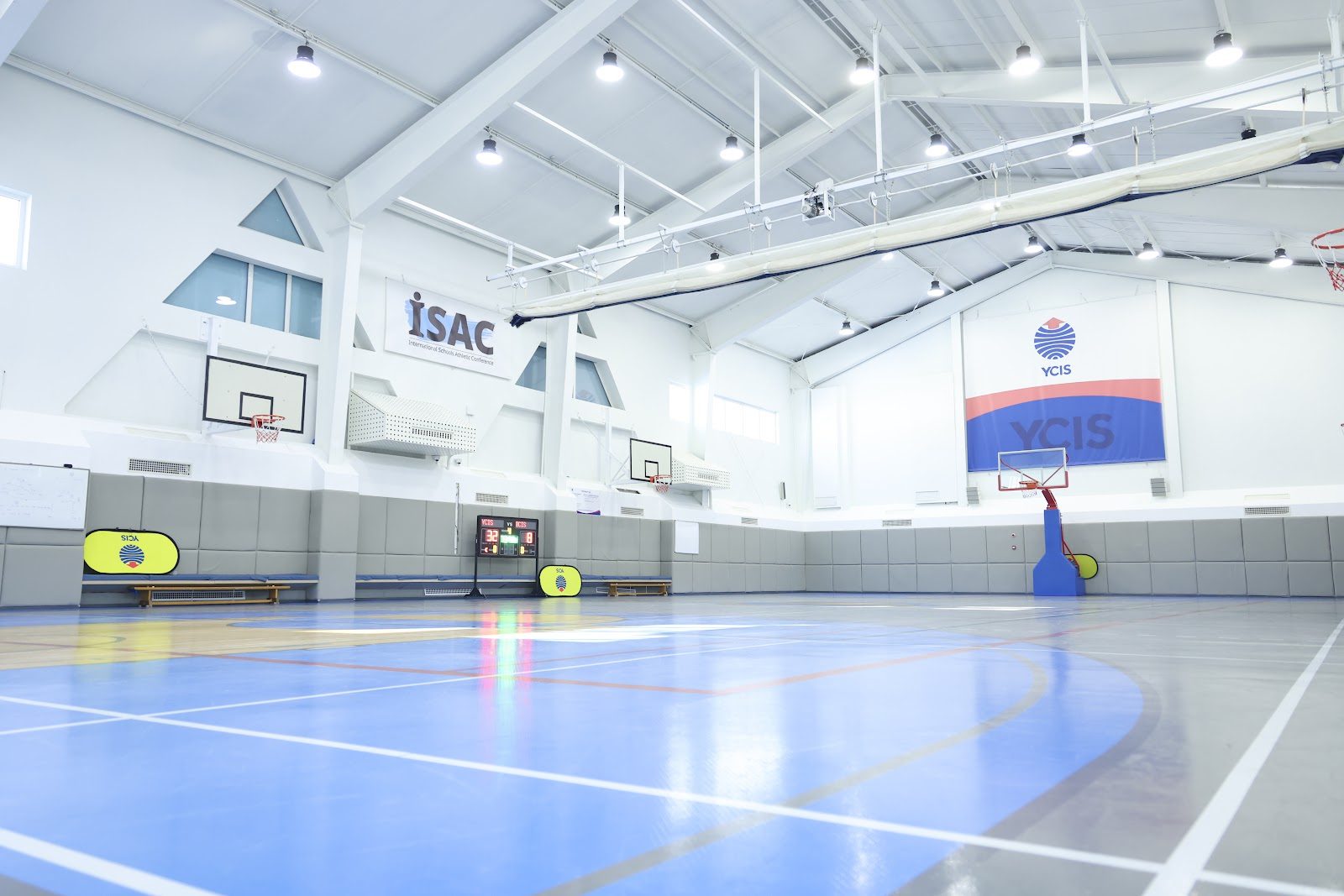
Yew Chung International School of Beijing
Beijing · China
Every classroom pairs a Western and a Chinese teacher, threading bilingual learning through a parkland Chaoyang campus.
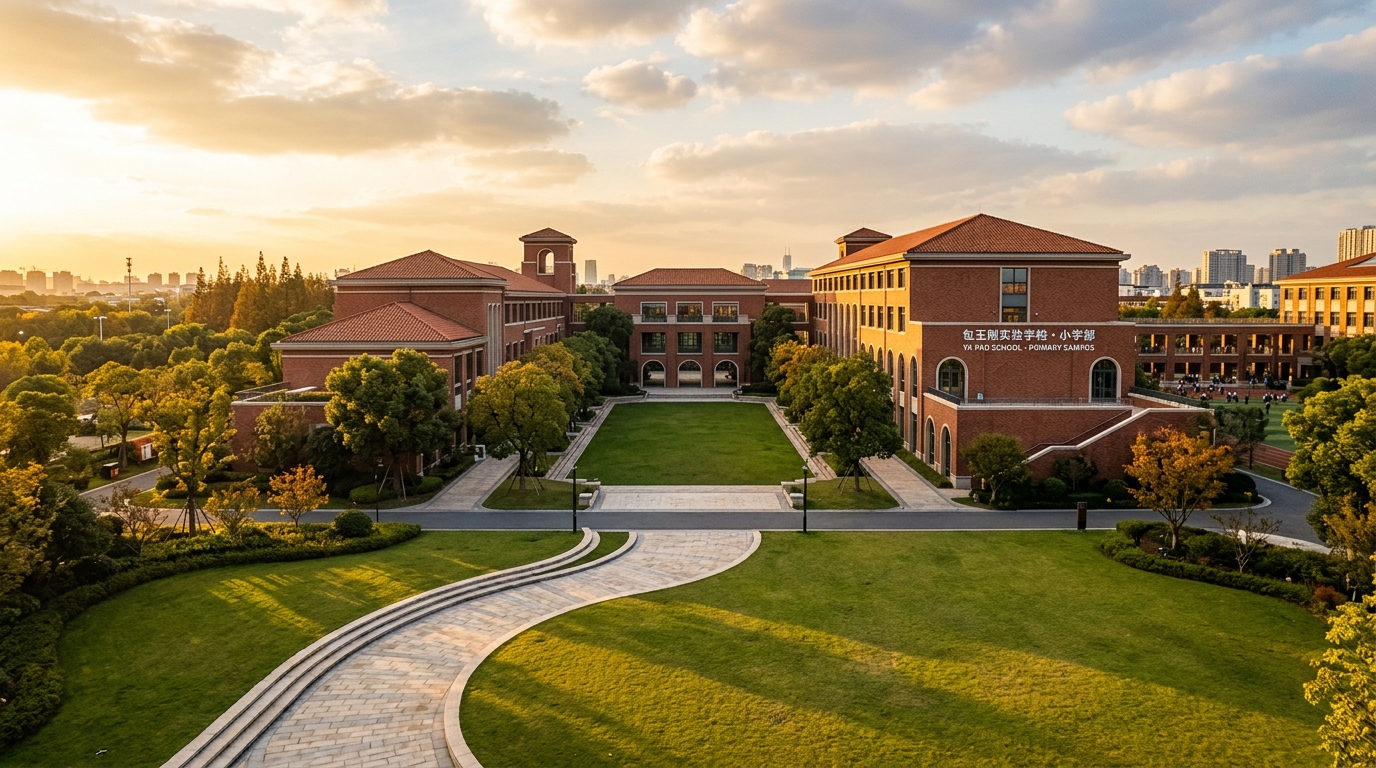
YK Pao School
Shanghai · China
Mandarin-English immersion anchors an IB and IGCSE track, with senior boarders housed in a Tudor-style village in Songjiang.
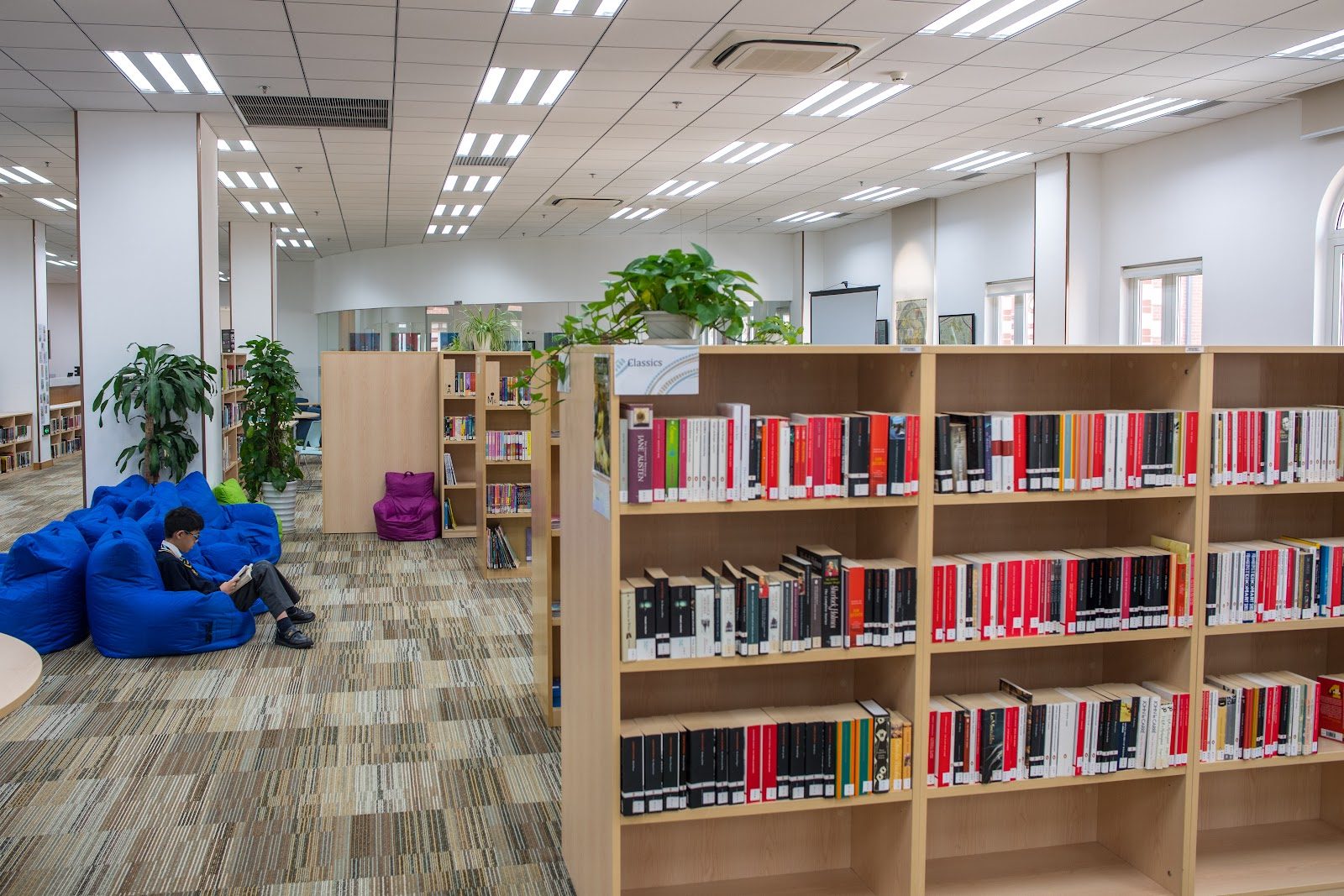
Wellington College International Shanghai
Shanghai · China
Rooted in an 1859 British foundation, this Pudong riverside campus channels house spirit into IB scores averaging 37 points.
UWC Changshu China
Changshu · China
On an island in Kuncheng Lake, mainland China's first UWC pairs the IB diploma with mandatory Mandarin study and a student-run Zhixing service programme.
Same country and curriculum — closest matches within ±10 points either way