
District 2
European International School Ho Chi Minh City
medium confidence· 4/6 cats · 1.71 avg sourcesA cluster of former diplomatic villas in Thao Dien reborn as a full IB continuum, from toddlers to bilingual diploma candidates

Photo © EUROPEAN International School Ho Chi Minh City via Google Maps
Type
Day
Ages
3–18
Curriculum
IB
Qualifications
IB Diploma · IB MYP · IB PYP
Ratio
—
The Verdict
Editor's commitment
Right for
Families wanting a full IB continuum from ages 3–18, with English teaching, CIS accreditation and an average class size of 20.
Wrong for
Parents wanting a cheaper, larger school: this is a day-only, boutique Thao Dien campus founded in 2013, not a sprawling institution.
Watch out for
The school cites 33.5 average IBDP results and bilingual diploma uptake, but it does not publish cohort size or full outcomes breakdown.
Ranking breakdown
European International School Ho Chi Minh City · #571 of 1591
Composite score 68.1. 8 weighted criteria.
By criterion
Academic Outcomes
Weight 20%
#209
of 1529 scored
University Placement
Weight 16%
#649
of 1529 scored
Prestige & Heritage
Weight 12%
#1054
of 1571 scored
Alumni Network
Weight 12%
#900
of 1530 scored
Facilities
Weight 12%
#279
of 1533 scored
Transparency & Communications
Weight 8%
#204
of 1532 scored
Peer & Industry Review
Weight 10%
#424
of 1548 scored
Admissions Selectivity & Demand
Weight 8%
#1232
of 1529 scored
Peer & Industry Review
How European International School Ho Chi Minh City is regarded in the sector
58
Credible · medium confidence
European International School Ho Chi Minh City (EIS) is consistently named among the city's most credible IB providers, with the Good Schools Guide listing it alongside SSIS, BIS HCMC, AIS and ISHCMC as one of the most well-regarded international schools in Ho Chi Minh City. Its standing rests on tangible, verifiable credentials rather than marketing spend: full Council of International Schools accreditation, IB World School status across the whole PYP-MYP-DP continuum (a rarity in Vietnam), and ownership by Inspired Education Group, a recognised international schools operator. Coverage from the region's specialist review press remains thin, however; no dedicated WhichSchoolAdvisor or Tatler verdict on EIS could be verified as live, so its reputation currently sits on solid credentials and inclusion in "best of Saigon" round-ups rather than deep independent sector scrutiny. It reads as a genuinely respected boutique option in Thao Dien, but one still building the wider specialist-press footprint of its larger city rivals.
Evidence sources
Editors' overview
European International School Ho Chi Minh City occupies a distinctive niche in the city’s international market: a smaller, more intimate IB day school in Thao Dien, built across former villas rather than a single monumental campus. That physical layout matters. It gives EIS a more domestic scale than the big compounds and lends the school a calm, village-like atmosphere that many families value after seeing larger, more corporate operations. Founded in 2013, it offers the full IB continuum in English for ages 3–18, with a strong bilingual diploma strand in the senior years. The school says students and families represent over 40 nationalities, average class size is 20, and 66% of diploma candidates earned the bilingual diploma in its published 2026 results. For parents who want an IB education without the impersonality that can come with very large schools, that is the core attraction.
What lifts EIS onto a serious shortlist is not scale, but fit. This is a school for families who want close pastoral knowledge of their child, a clearly international intake, and an IB pathway that does not wait until sixth form to become coherent. Its own published figures point to a school that tracks outcomes carefully: 33.5 average IB points and a 100% pass rate in the 2026 diploma cohort. Those are respectable numbers. They do not place EIS in the city’s academic stratosphere, but they do indicate a dependable level of sixth-form performance. The breadth beyond the classroom also has weight: the school advertises 100+ extracurricular activities, and its membership of the Inspired group expands access to exchanges, shared programming and boarding-school routes abroad. Families should still separate group-level marketing from what happens daily on this campus; the real value lies in the school’s size, continuity and pastoral texture, not in corporate grandstanding.
The students who thrive here are those who benefit from personal attention, a gentler social scale and an internationally mixed peer group without the intensity of a hyper-competitive environment. EIS will suit children who are academically solid, socially adaptable and ready to take advantage of languages, arts and activities alongside the IB. It will also appeal to families who want a school that feels ordered and humane rather than hard-edged. The trade-off is clear: parents seeking the biggest facilities, the broadest subject depth at every level or the strongest published record of elite academic outcomes in Ho Chi Minh City will compare EIS with larger rivals. Parents seeking a tranquil setting, coherent IB provision and a school small enough to know its pupils properly will find EIS a convincing option.
Academic Performance
EIS publishes enough diploma data to give parents a usable read on sixth-form outcomes, though not enough to rank it with precision against the city’s most transparent heavyweights. The headline figures are solid: a 100% pass rate, an average of 33.5 points, and a bilingual diploma share of 66%. That places the school in the competent middle-to-upper tier of the Ho Chi Minh City market: above the global IB baseline, comfortably credible, but short of the top-table academic profiles that use very high mean scores, large cohorts and extensive subject-result breakdowns to prove elite status. The school also claims graduates achieve results above world averages and that most senior students pursue the bilingual route; both points fit the broad picture of a school with a serious academic core rather than a merely pastoral one.
Where EIS is less convincing is transparency beyond the headline. The school does not publish a multi-year results series, cohort size for the diploma class in the excerpt quoted here, subject-by-subject performance, or the distribution of top scores. That matters. A strong pass rate means more with a large cohort than with a small one, and an average points score tells only part of the story without the spread behind it. Relative to peers, EIS sits as a respectable, dependable IB option with outcomes that clear the threshold for serious consideration, but not as the city’s academic pace-setter.
Facilities
The campus is one of EIS’s clearest selling points. Rather than a single mega-site, the school occupies a cluster of former villas in Thao Dien, with expansive green areas threaded through the layout. That gives it a calmer, more domestic feel than the fortress-style compounds used by some rivals, and for younger children that matters: movement between spaces feels manageable, the grounds have breathing room, and the architecture avoids the institutional chill that large concrete blocks can impose. The school also claims state-of-the-art facilities and specialist rooms for subjects from drama and dance to music, sport and public speaking, backed by 100+ extracurricular activities. Parents should read that as breadth of programming more than proof of vast specialist infrastructure. EIS offers a lot to do; it does not read as a campus built to overpower on scale.
Against peer schools in Ho Chi Minh City, EIS sits in the middle on facilities: stronger than a converted-house school that never escaped its improvised origins, but short of the city’s heavyweight campuses with competition-grade sports provision, major theatres, extensive maker spaces and the sheer land to separate every age group fully. The advantage here is liveability, human scale and a setting children can inhabit without feeling processed. The limitation is plain: families chasing showpiece facilities will find larger competitors better equipped. Families who value greenery, manageable surroundings and a less corporate daily environment will rate EIS highly.
EIS has enough to support a serious, respectable reputation, but not enough to claim top-tier dominance
Prestige
EIS carries modest prestige rather than marquee cachet. In Ho Chi Minh City’s international-school hierarchy, it does not trade on old institutional status, a dominant citywide reputation, or the kind of published outcomes that force comparison with the most academically formidable names. Its standing comes from something narrower and more practical: a well-regarded boutique niche for families who want an IB school with a smaller social scale, a mixed international intake and a campus atmosphere that feels more residential than corporate. The student body drawn from more than 40 nationalities adds genuine cosmopolitan credibility, and the school’s place within Inspired gives it some extra polish with mobile international families who recognise the group. That helps. It does not turn EIS into a prestige powerhouse in its own right.
Why rate it at this level? Because prestige in this market rests on three things: admissions selectivity, elite outcomes, and public proof. EIS has enough to support a serious, respectable reputation, but not enough to claim top-tier dominance. The published diploma results are good rather than exceptional, and the university messaging leans heavily on first-choice admissions and scholarships without naming a deep roster of destinations or publishing fuller longitudinal data. The strongest prestige signal here is not raw academic muscle but discerning parental fit: families choosing intimacy, pastoral attention and bilingual ambition over scale, spectacle and institutional swagger. That is real status, but it is quiet status, not market-leading clout.
That is real status, but it is quiet status, not market-leading clout
Communications
EIS communicates in the polished, conversion-focused style common to premium school groups: glossy visuals, strong claims, prominent calls to enquire or book a tour, and a steady emphasis on pastoral warmth, university destinations and opportunity. For first impressions, that works. Parents can grasp the school’s scale, ethos and broad offer quickly, and the site gives enough concrete hooks to feel usable rather than vague: over 40 nationalities, 100+ activities, specialist language support, exchange routes through Inspired, and named headline diploma outcomes. That is better than the empty brand language many schools hide behind. The tone is still heavily managed, sales-led and at times corporate to a fault, especially where group benefits threaten to overshadow the daily realities of this campus.
The test of school communication is not polish; it is whether parents get a clear, durable picture of what their child’s experience will be. EIS does this well on atmosphere, community and broad structure, and less well on the harder operational detail that experienced international parents look for. We have not seen much published here on the mechanics of parent-school communication itself: reporting cadence, platform use, response expectations, leadership accessibility, complaint routes, or the routine flow of academic updates. The school publishes enough to attract interest, but not enough to count as fully transparent. In practice, EIS communicates its identity confidently and its outcomes selectively. Families who value plain dealing will want to probe beyond the marketing layer on a visit.
Uniqueness
What marks EIS out is not raw scale or institutional muscle, but a rare combination of domestic intimacy and full-school ambition. Many international schools claim warmth; far fewer operate across a network of former villas that gives daily life a genuinely lived-in, neighbourhood-sized character. For children, that changes the texture of school. Younger pupils move through spaces that feel manageable rather than overwhelming. Older students get continuity without the anonymity that large-campus schools can create. The international mix also has substance: the school cites families from over 40 nationalities, which gives classroom discussion and friendship groups a breadth that is useful, not decorative.
The other point of difference is the school’s bilingual tilt in the senior years. EIS does not treat multilingualism as an optional extra bolted onto an English-medium school; it pushes it into the centre of its diploma identity, with most students taking the bilingual route and 66% earning the bilingual diploma in the published results. That matters for internationally mobile families, mixed-language households and students who want academic fluency to extend beyond one language. Add the Inspired connection and students gain access to a wider network of exchanges, advisors and onward routes than a standalone boutique school can offer. The result is a school that feels small-scale but not small-minded: pastorally close, internationally mixed, and more serious about languages than many competitors of similar size.
Founded in 2013, it offers the full IB continuum in English for ages 3–18, with a strong bilingual diploma strand in the senior years
Student Profile
EIS suits children who do better in a school that knows them properly. The intake is internationally mixed, with families from more than 40 nationalities, and that gives the social environment a genuinely international cast rather than an expat monoculture. Students who fit here are adaptable, courteous and comfortable around difference. This is not the obvious home for children who want a huge peer pool, a more anonymous social scene or the status competition that comes with larger flagship schools. It works better for pupils who value close adult oversight, steady routines and a campus culture that feels contained rather than sprawling. The school’s strong bilingual strand also gives it a natural pull for multilingual children and families who want language competence treated as serious academic work, not decoration.
In temperament, the best-fit student is engaged rather than showy. EIS will reward children who participate, join activities and make use of the school’s broad extracurricular menu of 100+ options. It will also suit students who need teachers to notice when things slip, whether academically or socially. The weaker fit is the child who thrives on hard-edged academic rivalry, mass-school energy or a sixth form built around brute subject breadth. EIS is for families choosing human scale, pastoral attentiveness and an orderly, internationally minded student culture over spectacle.
For parents who want an IB education without the impersonality that can come with very large schools, that is the core attraction
Co-curricular strengths
Arts & sport, on a separate axis
Overall 7.74/10
Scored 0-10 from the school's own published evidence. This axis is editorial-only — it does not feed the main WTS ranking.
Sports
7.8/10
Drama
7.8/10
Dance
7.5/10
Music
7.8/10
Visual Arts
7.8/10
Editor first-pass · editor-reviewable · 7/30/2026
Strengths
- +Offers the full IB continuum (PYP, MYP and DP), giving families a single consistent framework from early years through Grade 12.
- +Campus is based in the An Phu area of Thu Duc City (District 2), a residential district favoured by many expatriate families in Ho Chi Minh City.
- +Smaller cohort sizes relative to the city's largest international schools allow for more individual teacher contact time in most year groups.
- +European curricular heritage in the school's founding model gives an additional academic reference point alongside the IB framework.
Considerations
- −Ranking and enrolment scale sit below the city's longest-established international schools (e.g. ISHCMC, BIS, AIS), meaning fewer alumni outcomes are publicly documented.
- −As a single-campus day school, boarding and multi-campus flexibility are not available, which may matter for relocating families with shifting housing plans.
- −Being a comparatively newer and smaller IB World School, extracurricular breadth and facilities may be narrower than at larger, longer-running competitors.
- −Verified, independently published fee schedules and results data are limited in the public domain, making direct comparison with peer schools harder for prospective parents.
Availability
Primary entry gate & tests
Academic Record
Gallery
Parent reviews
Have you sent your child here?
Voice reviews carry the strongest trust badge — we transcribe them for you to tidy up before they go live. Prefer to type? A written review is fine too.
Add your voice
In 60 seconds, tell other parents: what's the best thing about European International School Ho Chi Minh City, and what surprised you when your child joined?
We ask for a Google sign-in so every review has a real face behind it — no anonymous drive-by attacks on schools, and no faked positive reviews. Your email is never shown publicly.
Send this profile to a friend
International parents rely on word-of-mouth. Share this review with someone weighing the same decision.
Schools with places
Similar schools to European International School Ho Chi Minh City with places available now.
Availability first, then country, area, curriculum, price, co-curricular
Consider also
Also worth looking at alongside European International School Ho Chi Minh City.
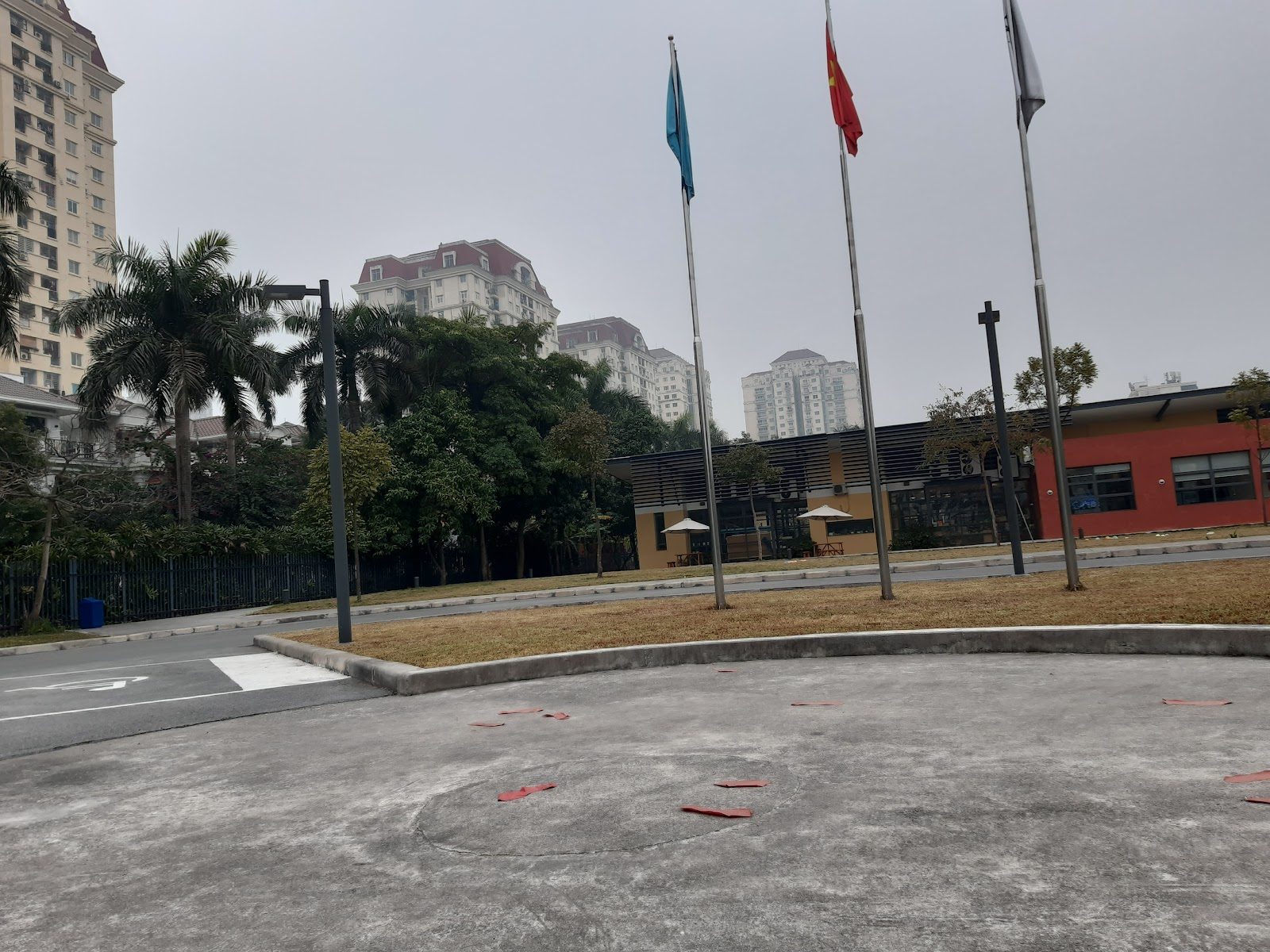
United Nations International School of Hanoi
Hanoi · Vietnam
One of only two UN-affiliated schools on earth, weaving the Sustainable Development Goals into an IB curriculum spanning 60-plus nationalities
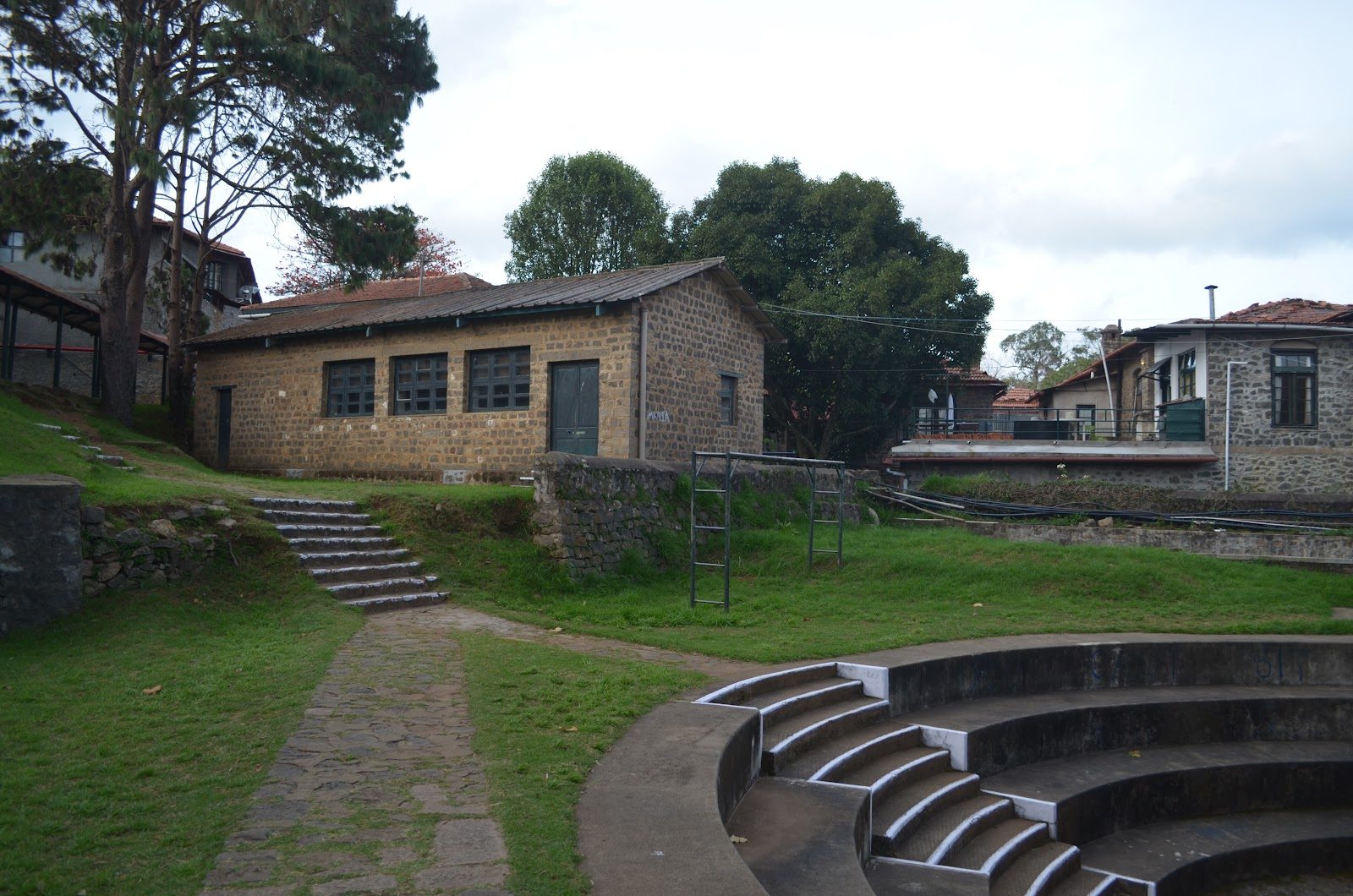
Kodaikanal International School
Kodaikanal · India
Founded in 1901 at 6,998 feet in the Palani Hills, it became India's first IB school and runs its own 135-acre wilderness campus for outdoor learning.
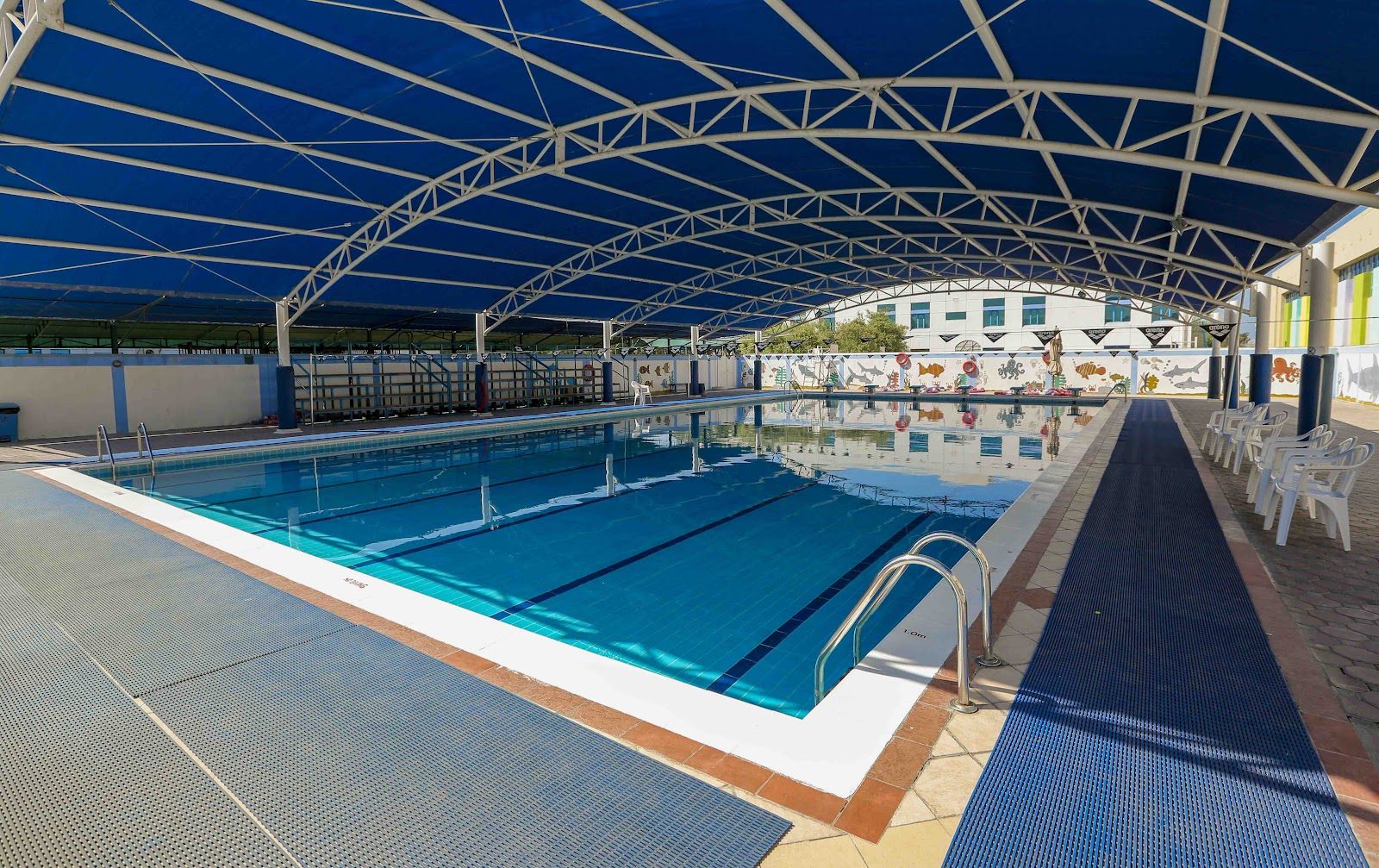
Emirates International School Jumeirah
Dubai · United Arab Emirates
Dubai's first IB World School, still running the full four-programme continuum from Early Years to graduation.
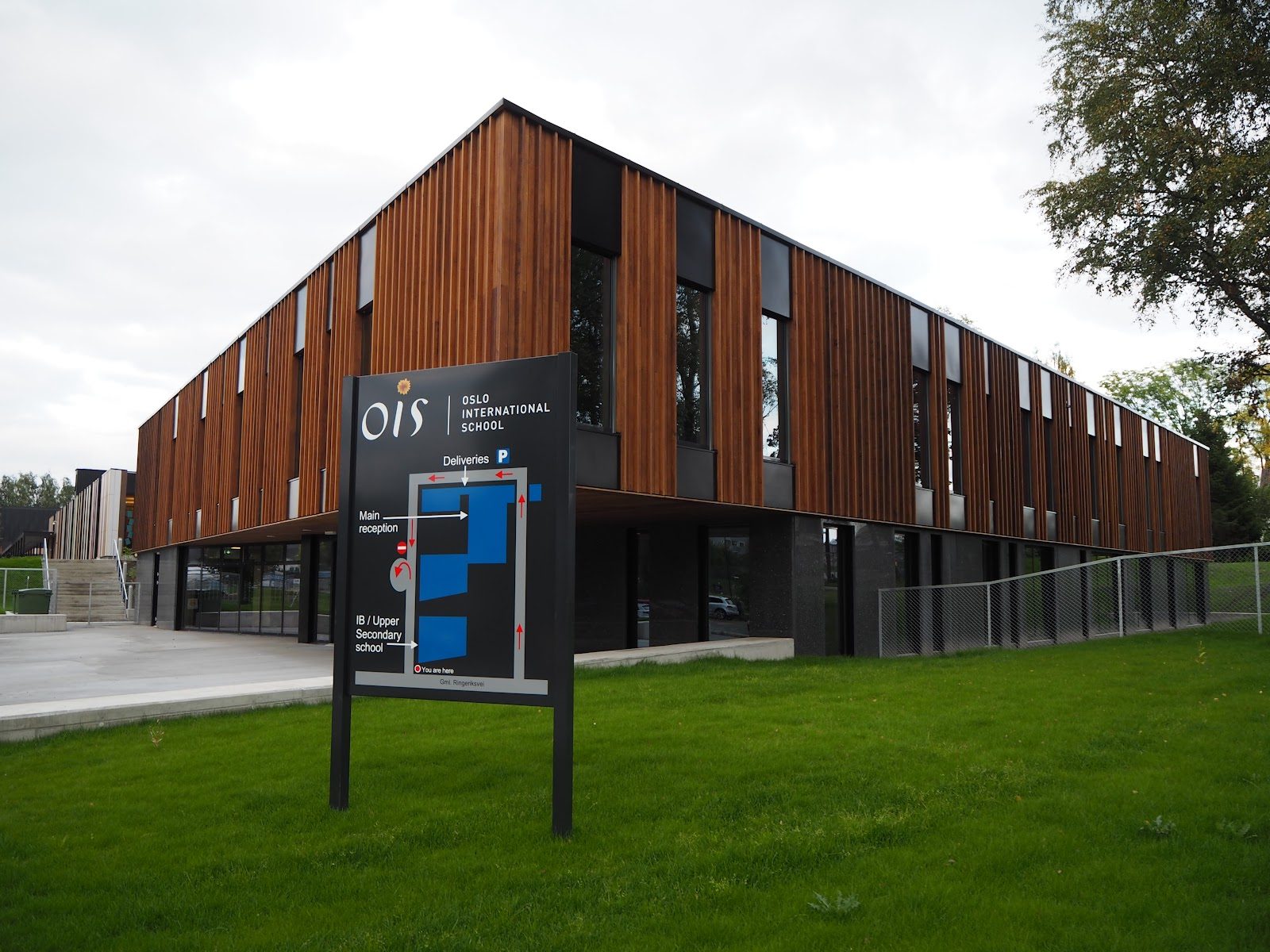
Oslo International School
Bekkestua · Norway
Six decades in a Baerum suburb, where IB Diploma scores average nearly seven points above the global mean
Same country and curriculum — closest matches within ±10 points either way