
Cundinamarca
One of Colombia's earliest IB adopters, running its own campus bio-refuge and a grade-11-led house system in the Bogota foothills.
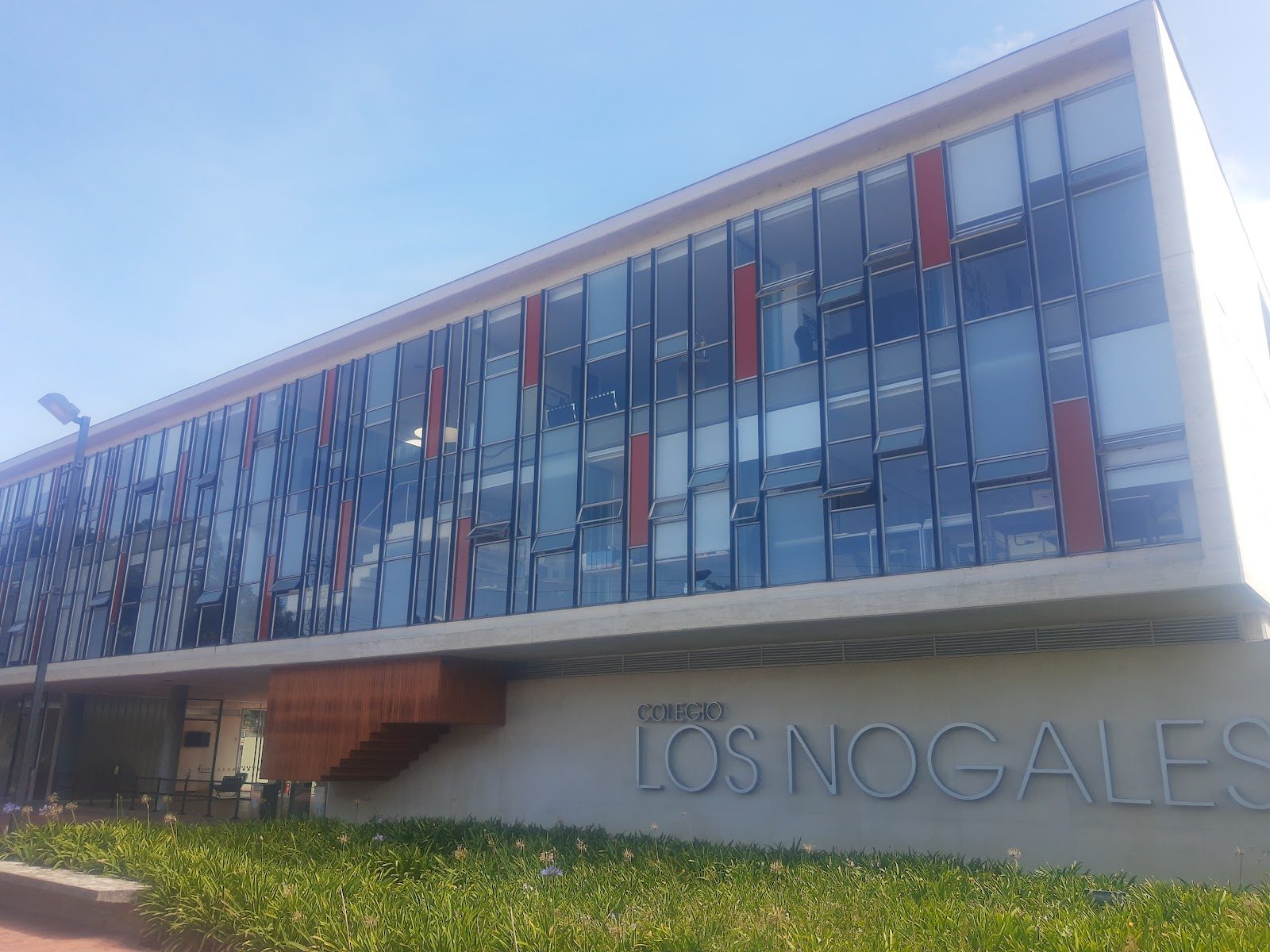
Photo © Diego Virgues via Google Maps
Type
Day
Ages
3–18
Curriculum
IB
Qualifications
IB Diploma
Ratio
—
The Verdict
Editor's commitment
Right for
Bogotá families wanting a non-religious IB World School, ages 3–18, with bilingual Spanish-English teaching and serious academic intent.
Wrong for
Parents after boarding, a religious ethos, or a cheap education; this is day-only and averages 38,007,915 COP a year.
Watch out for
Founded in 1976, yet the school publishes little here beyond basics; any parent should press hard on outcomes and sixth-form depth.
Ranking breakdown
Colegio Los Nogales · #117 of 1591
Composite score 77.2. 8 weighted criteria.
By criterion
Academic Outcomes
Weight 20%
#43
of 1529 scored
University Placement
Weight 16%
#136
of 1529 scored
Prestige & Heritage
Weight 12%
#296
of 1571 scored
Alumni Network
Weight 12%
#432
of 1530 scored
Facilities
Weight 12%
#125
of 1533 scored
Transparency & Communications
Weight 8%
#41
of 1532 scored
Peer & Industry Review
Weight 10%
#24
of 1548 scored
Admissions Selectivity & Demand
Weight 8%
#760
of 1529 scored
Peer & Industry Review
How Colegio Los Nogales is regarded in the sector
84
Strong · medium confidence
I could not verify at least two independent, third-party sources (e.g., Tatler, Good Schools Guide, specialist education press, alumni-network coverage) that substantively assess Colegio Los Nogales's reputation. Without such verifiable citations, I cannot responsibly assign a score based on marketing claims or unverified general knowledge.
Editors' overview
Colegio Los Nogales sits in a crowded Bogotá market with a clearer identity than most: a bilingual, non-religious day school in the foothills, for ages 3 to 18, with the IB at its core and a stated emphasis on service and transformation. The school’s own tagline points to two details that cut through the usual private-school fog. First, it runs its own campus bio-refuge, which gives environmental education a physical footprint rather than a poster slogan. Second, it uses a grade-11-led house system, an unusual choice that shifts visible responsibility on to older pupils before the final year. Those are not cosmetic touches. They indicate a school that wants students to do more than accumulate grades.
That matters because Los Nogales is not a generic bilingual school with an international badge attached. It is an IB World School, founded in 1976 according to the verified school context, and one of Colombia’s earlier adopters of the programme. The language model is straightforward: Spanish and English, both central to school life in a city where many families want genuine bilingual fluency rather than imported branding. The average annual day fee across the full age range is 38,007,915 COP, which puts it in Bogotá’s expensive bracket and makes it a school parents shortlist when they want a serious private education with a strong local anchor rather than a transplanted foreign one.
The appeal is strongest for students who thrive in structured, high-expectation environments with room for leadership and service, not just classroom performance. A child who wants anonymity or a narrow exam factory will find the school’s culture a poor fit. A child who wants to work in two languages, take on visible responsibility, and spend their school years in a setting that treats community and environment as part of the job of education will find Los Nogales distinctive. The weakness is also clear: the school does not publish the kind of hard public data international parents increasingly ask for, such as aggregate IB outcomes or university destination patterns. That leaves a degree of opacity around academic results. Even so, the combination of Bogotá location, bilingual delivery, IB World School status and those unusually concrete leadership and environmental features gives Los Nogales a serious claim on any Colombian family’s shortlist.
Academic Performance
The problem for parents assessing Colegio Los Nogales is blunt: the school does not publish aggregate IB scores, pass rates, subject averages or university destination lists. That is a real weakness in a market where stronger academic operators put headline results into the public domain and let families judge them. Without those figures, Los Nogales sits in the opaque middle ground rather than among Bogotá schools that can prove elite outcomes at a glance. The absence of published data does not prove weak performance; it does block any hard external comparison with the city’s more transparent competitors. For an expensive school, that matters.
What can be said is narrower. The school has run the IB long enough for it to be embedded rather than experimental, and its academic offer is tied to a broader model of education than raw score-chasing. That cuts two ways. Families who want a full-spectrum school with leadership, service and environmental work built into daily life may accept less public score reporting. Families who want a results-first shop, with clear tables showing how pupils fare against top Bogotá peers, will find the picture unsatisfactory. Until Los Nogales publishes cohort-wide IB outcomes, its academic standing rests on reputation and institutional longevity, not on hard comparative proof.
Facilities
The standout facility is the campus bio-refuge flagged in the school’s own editorial framing. That gives Los Nogales something many Bogotá peers lack: environmental infrastructure with real educational weight rather than ornamental planting around sports courts. For families, the distinction matters. A school that can fold ecology into daily school life through a dedicated on-site refuge has a stronger platform for fieldwork, stewardship and interdisciplinary projects than schools whose “green” offer stops at recycling bins and occasional garden lessons. The foothill setting also carries practical value: more space, cleaner separation from the city and a campus experience that feels deliberately removed from Bogotá’s urban churn. Against top urban competitors, that is a serious asset.
Beyond that, the public picture is thinner than it should be. We have the address, the environmental marker and the broad campus identity, but not a published breakdown of specialist labs, theatres, libraries, sports provision or design spaces. That gap matters because premium schools in this bracket normally document facilities in detail and let parents test substance against price. Los Nogales therefore wins points for one distinctive, concrete campus feature, but loses ground on transparency. On facilities, it sits ahead of peers that treat sustainability as branding, and behind peers that publish a full, inspectable account of what children actually use each day for 16 years of schooling at an average cost of 38,007,915 COP.
For children who grow through doing, that is genuinely distinctive
Prestige
Los Nogales carries real local prestige, but it is a specific kind of prestige. This is not the school families choose for imported heritage, celebrity branding or public score-chasing. The status comes from long institutional standing in Colombia’s private sector, a high price point — an average annual fee of 38,007,915 COP — and a clear internal culture that signals seriousness rather than flash. In Bogotá, that combination matters. A school that is expensive, bilingual, non-religious and durable in the market attracts families with options, and Los Nogales has held that ground for a long time. The result is established, upper-tier social and educational cachet, strongest among Colombian families who want influence, discipline and a school identity rooted in the country rather than borrowed from abroad.
Its prestige stops short of the globally legible kind that travels instantly outside Colombia. The school does not help itself here. It withholds the public academic data that turns reputation into proof, and that weakens its standing with international parents who compare schools across borders. Prestige built on network, selectivity and institutional memory is still prestige; it is just less transferable than prestige backed by published outcomes. Los Nogales therefore sits in a strong but not untouchable position: highly regarded in its home market, credible with discerning local families, but less commanding for outsiders who want hard evidence alongside social standing.
Families who want a results-first shop, with clear tables showing how pupils fare against top Bogotá peers, will find the picture unsatisfactory
Communications
Los Nogales gives parents a clear public front door. The school lists a direct email contact, a main telephone number and a full street address, and it uses its website for operational notices rather than leaving families to guess. The cancellation notice and early general departure time on the About page tell you something useful: communications are woven into day-to-day school running, not buried in a glossy admissions shell. That matters in a foothill campus setting where transport, activities and dismissal arrangements need prompt, functional messaging. The presence of named sections for admissions, financial support, professional development, data handling and tax certificates also points to an administration that treats parent communication as an institutional task, not an afterthought. For a school charging an average of 38,007,915 COP, that is the minimum standard; Los Nogales clears it.
The limit is breadth, not basic competence. The public-facing communication is serviceable and practical, but not richly informative. Parents can find contact routes and key administrative pathways, yet the school does not publish the deeper academic and destination data that would make communication fully transparent. That weakens trust at the top end of the market, where families expect not just responsiveness but evidence. So the verdict is straightforward: for logistics and everyday access, Los Nogales looks well organised; for the harder questions parents ask before and during enrolment, it remains too guarded.
Uniqueness
What sets Los Nogales apart is that its signature features are built into the working life of the school, not bolted on for admissions copy. The campus bio-refuge gives environmental education a practical edge: pupils can study stewardship, habitat and responsibility on site, in routine school time, rather than through token eco-weeks. The house system, led by grade 11 students, does something equally unusual. It hands visible authority to pupils before the final stretch of school, when many institutions keep leadership titles for the oldest year group alone. That alters the culture. Responsibility arrives earlier, leadership is tested in public, and younger pupils see it exercised by students still close enough in age to feel relevant. For children who grow through doing, that is genuinely distinctive.
The school’s other point of difference is its refusal to mimic a foreign template. In a market crowded with schools selling international polish, Los Nogales has a firm local centre of gravity while still operating in two languages and charging fees in the top private bracket. That combination produces a student experience with more rootedness than many prestige competitors: pupils are prepared for outward-facing futures without being educated at a cultural distance from their own city and country. The result is a school for families who want seriousness, structure and service with real institutional character, not a generic premium product with interchangeable branding.
Los Nogales therefore wins points for one distinctive, concrete campus feature, but loses ground on transparency
Student Profile
The best fit at Los Nogales is a student who can handle expectation without constant hand-holding. This is not a school for drift, invisibility or low-effort coasting. The culture described across its public identity points towards pupils who are comfortable being known, challenged and asked to contribute. Children who enjoy taking responsibility, working within a structured community and engaging with service beyond the classroom will fit far better than those who want a looser, more anonymous school life. The house structure matters here: leadership is not saved for a ceremonial final lap, so students need some appetite for visibility and accountability before the end of school. For families paying an average annual fee of 38,007,915 COP, that kind of social and personal expectation is part of the proposition.
It also suits students whose ambitions are not purely transactional. A child focused only on grades, résumé lines and university leverage may find the school’s ethos too value-laden and its public results picture too opaque. A child who responds to community, environmental stewardship and a school identity with a strong internal code will get more from it. Socially, the school will work best for pupils who can operate confidently across different settings and who do not need a soft-edged environment to thrive. Sensitive, highly independent children may still do well, but only if they can tolerate a culture with clear expectations and visible norms.
Its prestige stops short of the globally legible kind that travels instantly outside Colombia
Co-curricular strengths
Arts & sport, on a separate axis
Overall 8.1/10
Scored 0-10 from the school's own published evidence. This axis is editorial-only — it does not feed the main WTS ranking.
Sports
8.5/10
Drama
8/10
Dance
7/10
Music
8.5/10
Visual Arts
8.5/10
Editor first-pass · editor-reviewable · 7/30/2026
WTS 300 badge
Colegio Los Nogales is one of the World's Top 300 Schools. Claim your listing to add it to your site →
Strengths
- +Long-established, non-profit day school founded in 1982, holding accreditation from the Council of International Schools and NEASC.
- +Genuinely bilingual Spanish-English academic program with a compulsory third language option of French or Portuguese.
- +High school classes are kept small (15-18 students) with AP courses that can earn US college credit.
- +Well-resourced campus including a roughly 1,500 sq m, 25,000-title library, dedicated science labs, an arts centre and multiple sports facilities.
- +Structured community-service requirement (minimum 80 hours for graduation) and an outdoor-education Caminata program, reinforced by Round Square network membership.
Considerations
- −Admission is moderately selective rather than automatic: the school reports accepting 62% of applicants and requires a family interview as part of the process.
- −Fees sit toward the upper end of Bogota's private-school market, with published matriculation figures in the range of COP 3.3-4 million and comparable monthly tuition.
- −The teaching staff is overwhelmingly Colombian, with only a small cohort of foreign faculty (around 15 of 164 teachers), which may matter to expat families seeking a heavily international staff mix.
- −Despite an early historical association with the IB, the current senior curriculum centres on AP courses and an 'International Diploma' rather than a full IB Diploma Programme, so families should confirm the exact framework directly with the school.
Availability
Primary entry gate & tests
Academic Record + Interview
Gallery
Photo © Jairo Lopez via Google Maps
Photo © Jairo Lopez via Google Maps
Photo © lucia chacon via Google Maps
Photo © Forma y espacio via Google Maps
Photo © nestor enrique acevedo via Google Maps
Parent reviews
Have you sent your child here?
Voice reviews carry the strongest trust badge — we transcribe them for you to tidy up before they go live. Prefer to type? A written review is fine too.
Add your voice
In 60 seconds, tell other parents: what's the best thing about Colegio Los Nogales, and what surprised you when your child joined?
We ask for a Google sign-in so every review has a real face behind it — no anonymous drive-by attacks on schools, and no faked positive reviews. Your email is never shown publicly.
Send this profile to a friend
International parents rely on word-of-mouth. Share this review with someone weighing the same decision.
Schools with places
Similar schools to Colegio Los Nogales with places available now.
Availability first, then country, area, curriculum, price, co-curricular
Consider also
Also worth looking at alongside Colegio Los Nogales.
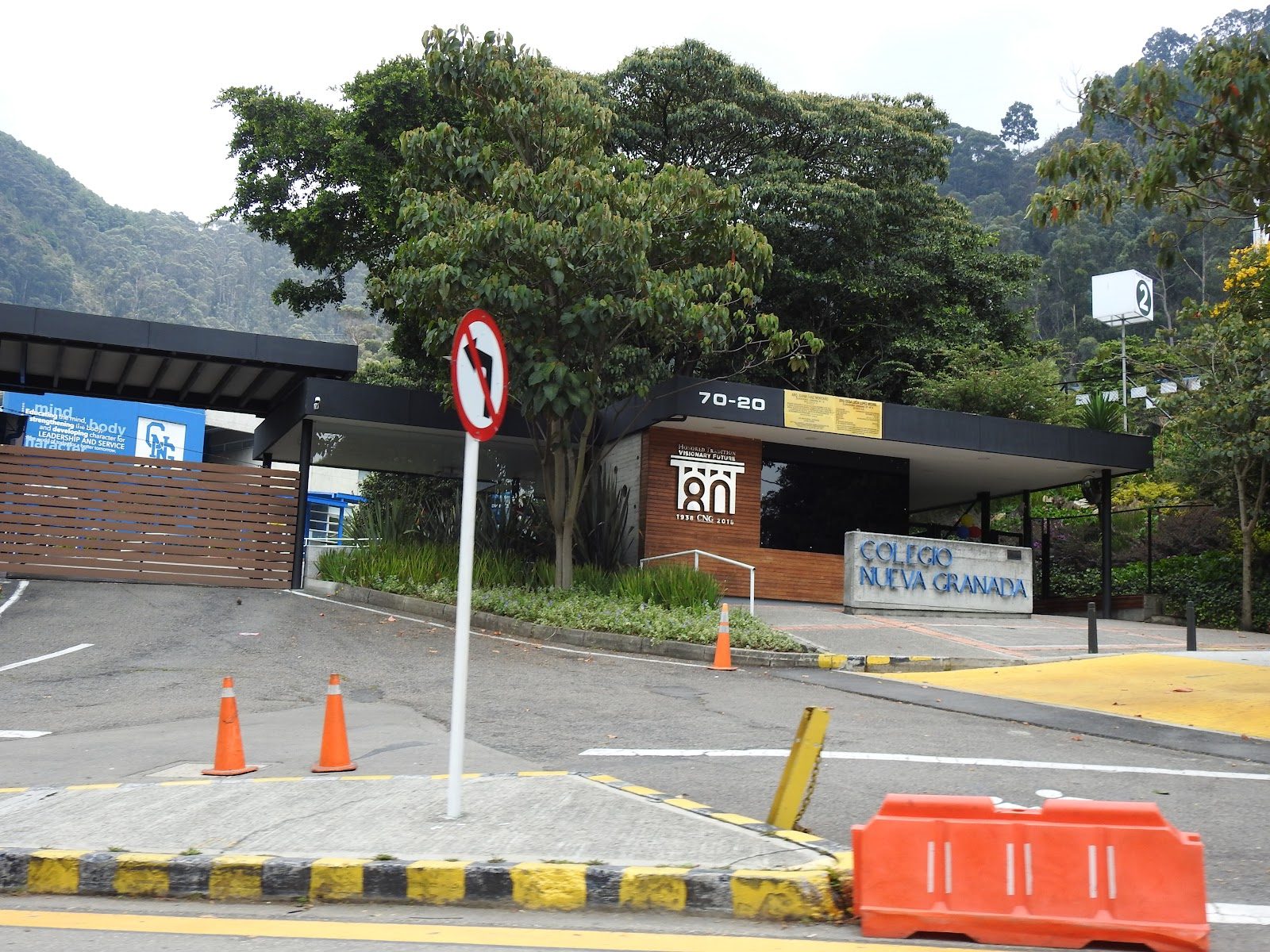
Colegio Nueva Granada
Bogotá · Colombia
A 1938 foothills campus in Bogota pairing dual US-Colombian diplomas, 32 AP courses and a four-house tradition.
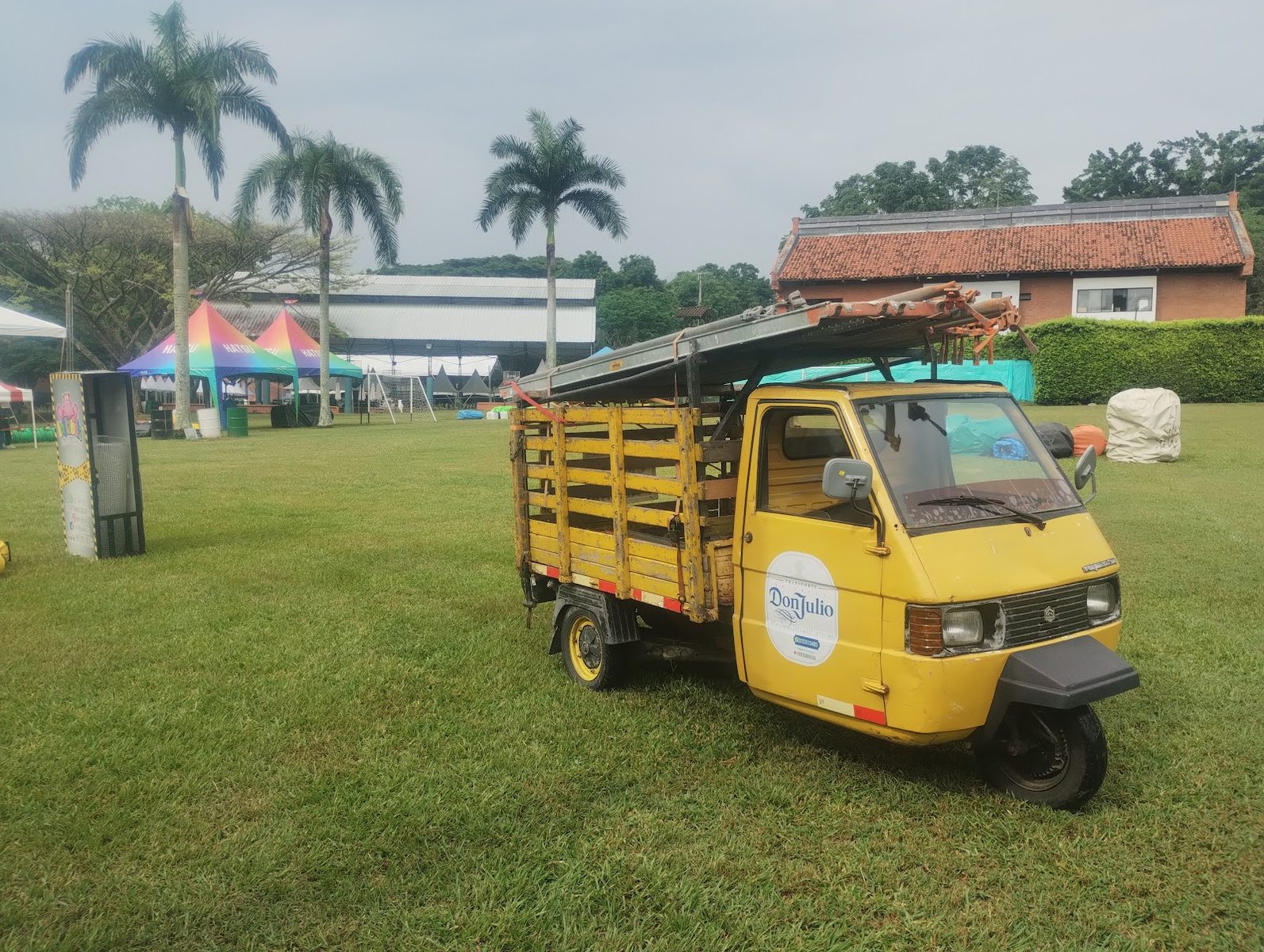
Colegio Bolívar
Cali · Colombia
Founded in 1947 at the foothills of the Andes, where three-walled, open-air classrooms meet a bilingual, dual-diploma American curriculum.
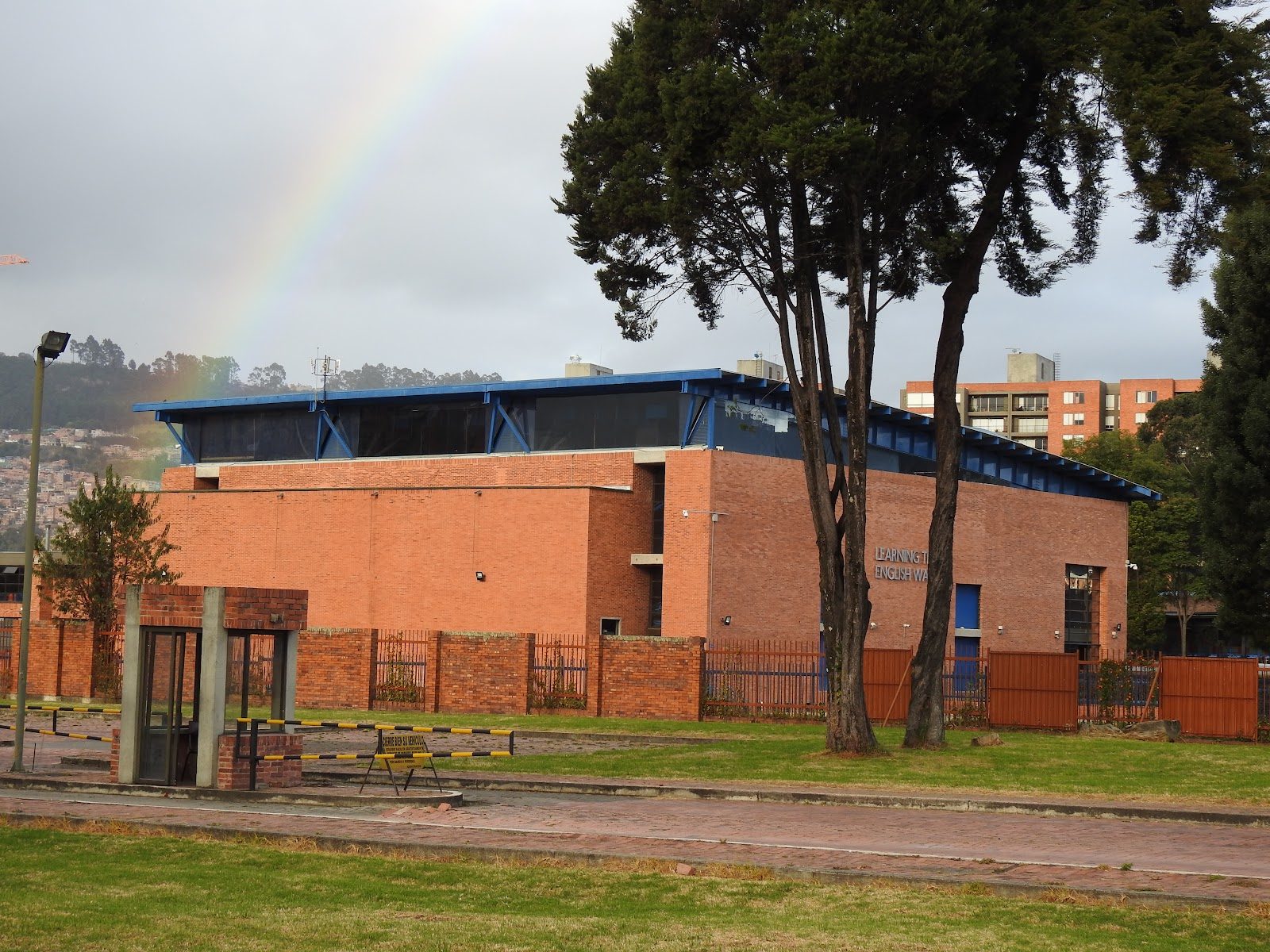
The English School
Bogotá · Colombia
Founded in 1961 as a bilingual British-style day school, now the first in Colombia authorized for all four IB programmes
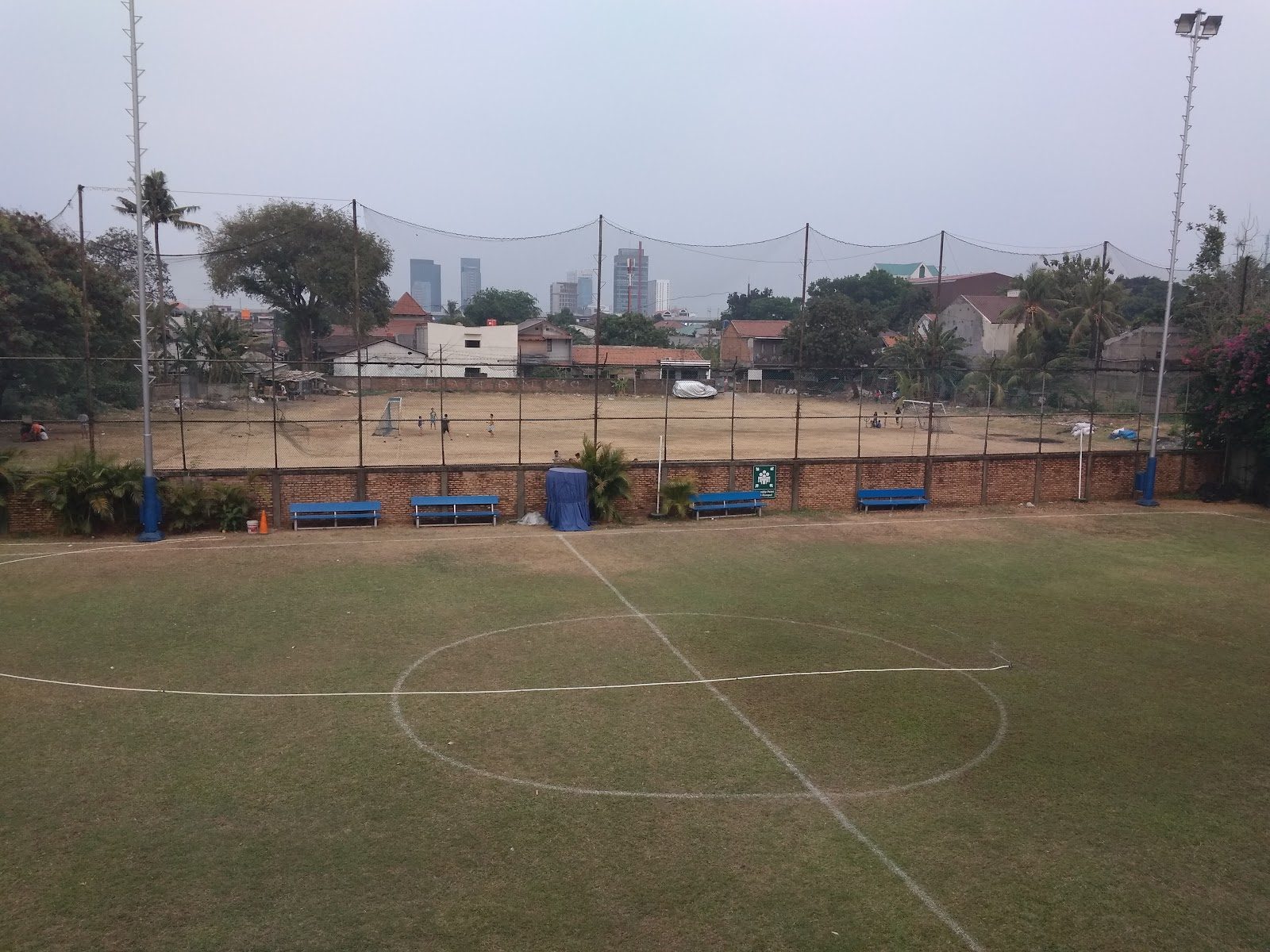
Jakarta Intercultural School
Jakarta · Indonesia
Founded in 1951 by UN diplomats' embassies, this South Jakarta campus still competes in Southeast Asia's invitation-only IASAS athletics and arts league.
Same country and curriculum — closest matches within ±10 points either way