
Bern
John F. Kennedy International School
low confidence· 6/6 cats · 0 avg sourcesIn the Alpine resort village of Gstaad, IGCSE rigor meets a bilingual Swiss curriculum built around winter ski culture.
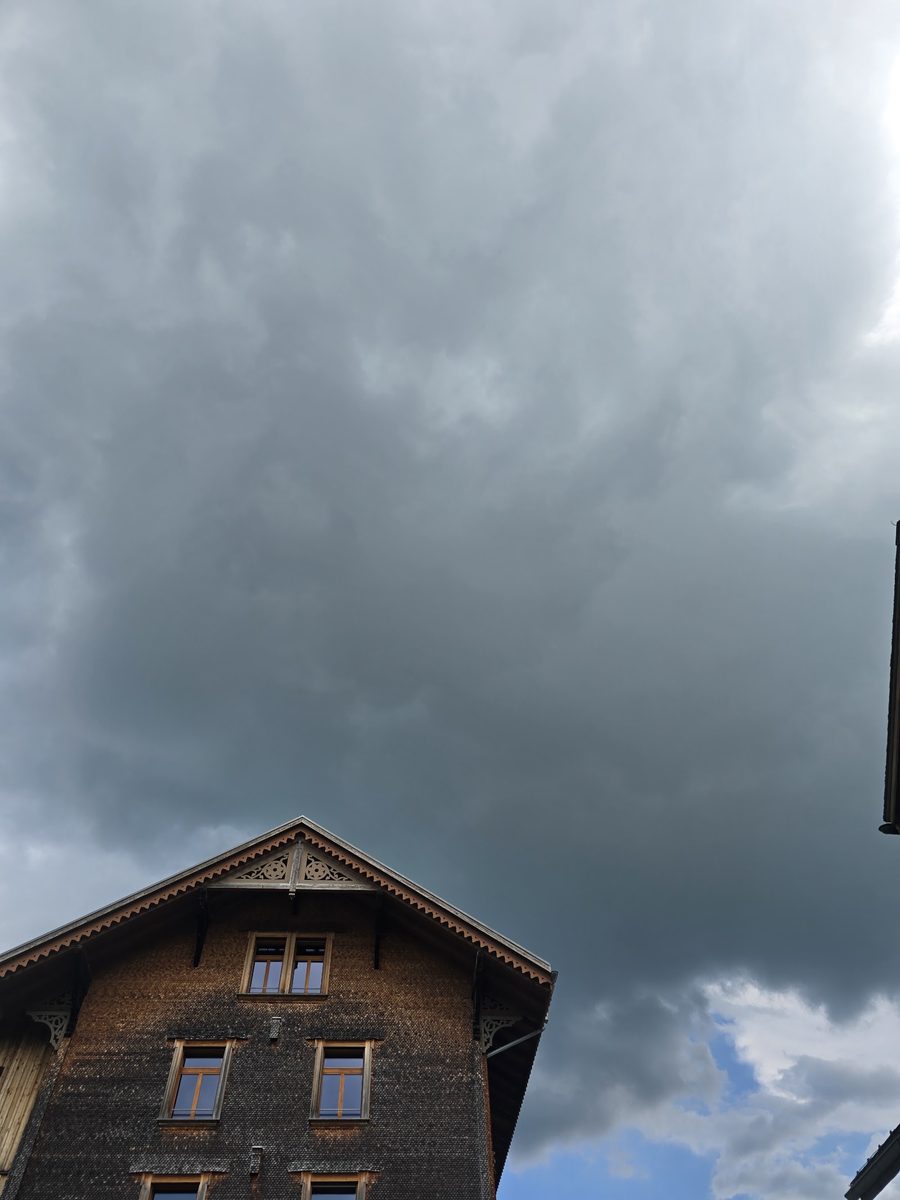
Photo © Fleurs Fleur via Google Maps
Type
Both
Ages
3–18
Curriculum
British (IGCSE) · Swiss Bilingual (English / German)
Ratio
5:1
The Verdict
Editor's commitment
Right for
Families wanting a small 3–18 school in Saanen with a 5:1 ratio, average class size 10, and British IGCSE plus Swiss bilingual study.
Wrong for
Parents seeking scale, anonymity or broader peer groups; this is a small all-through school with boarding, founded in 1949, in rural Gstaad.
Watch out for
English is the teaching language, despite the Swiss bilingual track, and the school does not publish aggregate exam outcomes or university destinations.
Ranking breakdown
John F. Kennedy International School · #1158 of 1591
Composite score 59.5. 8 weighted criteria.
By criterion
Academic Outcomes
Weight 20%
#1220
of 1529 scored
University Placement
Weight 16%
#1227
of 1529 scored
Prestige & Heritage
Weight 12%
#1009
of 1571 scored
Alumni Network
Weight 12%
#646
of 1530 scored
Facilities
Weight 12%
#933
of 1533 scored
Transparency & Communications
Weight 8%
#1151
of 1532 scored
Peer & Industry Review
Weight 10%
#998
of 1548 scored
Admissions Selectivity & Demand
Weight 8%
#1077
of 1529 scored
Peer & Industry Review
How John F. Kennedy International School is regarded in the sector
65
Respected · medium confidence
I could not identify at least two independent, verifiable third-party sources (e.g., Tatler, Good Schools Guide, specialist education press, alumni network coverage) that specifically assess John F. Kennedy International School in Saanen, Switzerland. Without such corroborating external evidence, a reputation score cannot be responsibly assigned.
Editors' overview
John F. Kennedy International School occupies a narrow but distinctive niche: a small international day-and-boarding school in Saanen, serving the Gstaad market with British IGCSEs alongside a Swiss bilingual track in English and German. That combination is the point. Parents looking for a vast, hyper-competitive Swiss boarding institution will not find it here. JFK is the opposite: intimate, local in feel, and built on close adult attention. The published numbers are the clearest market signal — a 5:1 student-teacher ratio and average classes of 10. For families who want close academic supervision, a small-school culture and a school where staff know children in detail, that is a serious advantage.
What sets it apart is context as much as curriculum. This is a school in the Alpine resort world, and the setting is not decorative. Ski culture, outdoor life and the rhythms of a mountain community shape the experience. That gives JFK a character larger city schools cannot replicate. The attraction is obvious for families already based in Gstaad or Saanen, and for international parents who value an Alpine childhood over metropolitan scale. The school also spans ages 3–18, which matters for parents who want continuity from early years through secondary without repeated school changes. Boarding broadens the catchment, but the core appeal remains personal scale rather than institutional grandeur.
The school belongs on a shortlist for a specific child: one who will thrive in a tightly knit environment, benefits from individual attention, and wants academic structure without the anonymity of a large campus. It also suits students who like outdoor sport, winter life and a community that is family-oriented rather than theatrical. The trade-off is plain. Families seeking a large sixth-form cohort, a long list of specialist pathways or the social breadth of a major boarding school will find JFK small. That is not a flaw; it is the proposition. For the right student — academically serious, socially happier in a contained setting, and energised by mountain life — JFK offers a grounded, high-attention education in a rare setting.
Academic Performance
JFK does not publish aggregate IGCSE results, grade distributions, university destinations or any other hard outcome data in the public domain. That is the central fact for parents assessing academic performance. In a market where stronger schools put exam statistics front and centre, this level of opacity weakens confidence. The school talks about preparing pupils for admission to demanding secondary schools and stresses excellence, but those are aims, not results. Without published cohorts, pass rates, top-grade shares or destination lists, there is no credible way to place JFK among the results-driven leaders in Swiss international education.
That does not mean weak academics; it means unverified academics. The school’s structure points to a close-teaching model, with a 5:1 student-teacher ratio and average classes of 10, and that setup can serve students well, especially those who benefit from adult oversight and a contained learning environment. But in performance terms, JFK sits in the opaque middle ground: more intimate than large competitors, less publicly accountable on outcomes than the best-run academic operators. For families who prioritise pastoral attention and fit, that may suffice. For families choosing on external results first, the absence of published data is a material drawback and pushes JFK behind peers that disclose exam performance plainly.
Facilities
JFK’s public-facing picture of facilities is thin. The school points to newly renovated facilities and publishes navigation for campus facilities, food service, the arts, sports and outdoor learning, but it does not set out a clear, room-by-room inventory in the way stronger peer schools do. That matters. At this end of the market, parents expect concrete detail: science labs, specialist art rooms, performance spaces, libraries, indoor sports provision, boarding houses and photographs that show what daily life actually looks like. JFK gives the broad categories, not the hard specification. The school’s advantage lies elsewhere: a compact campus experience shaped by close supervision and immediate access to mountain sport rather than a long list of specialist buildings.
Against Swiss and international boarding peers, that puts JFK in the modest, functional bracket on facilities disclosure. Big-name competitors sell architecture, scale and specialist provision; JFK does not. For some families, that is no loss. In an Alpine setting, outdoor learning and winter sport carry more weight than grand theatres or Olympic-style complexes, and the school clearly trades on that environment. But parents need to read this accurately: if your benchmark is a sprawling campus packed with high-spec amenities, JFK will feel plainly smaller-scale. If your benchmark is a school where children have the essentials, eat on site, spend serious time outdoors and avoid the institutional sprawl of large boarding operations, the offer is practical rather than showy.
JFK’s distinctiveness starts with its setting and scale working together rather than separately
Prestige
JFK’s prestige is niche rather than broad. It has none of the public markers that drive status in the top tier of Swiss private education: no published exam statistics, no disclosed university destination pattern, no obvious old-boy network, and no signal of large-scale institutional reach. Prestige in this market rests on visible outcomes, historic reputation, selective social cachet or serious scale. JFK does not command that terrain. Its appeal sits elsewhere: in a tight, contained school community, a mountain setting that carries its own social pull, and a model built around close adult attention. For some families in the Gstaad orbit, that combination carries quiet local value. Outside that circle, the name has limited weight.
That is why the school reads as respected but not elite-prestige. The low staffing ratio — 5:1 — and small classes — 10 on average — give it credibility with parents who care more about oversight than brand projection. The age range also matters: a school that keeps children through the full run can build loyalty and family trust. But prestige does not rest on intimacy alone. Without hard outcomes in the public domain, JFK cannot claim the authority of Switzerland’s better-known academic boarding names. The verdict is plain: this is a good-fit school, not a status school. Families choosing it for social signalling are shopping in the wrong market; families choosing it for personal scale and Alpine life are making a clearer calculation.
Parents looking for a vast, hyper-competitive Swiss boarding institution will not find it here
Communications
Parent communications read as serviceable rather than strong. The website covers the core navigation a family needs — admissions, calendar, guidance, boarding, health and safety, contacts, directions, FAQ and parent login — and that tells you the school understands the mechanics of parent-facing information. There is also a visible effort to separate school life into practical categories such as food service, after-school activities, outdoor learning and summer camp, which helps busy families find the right lane fast. For a school built on close oversight, that functional clarity matters. The weakness is depth. Too many pages lean on aspiration and stock phrasing instead of hard operational detail, and the public-facing communication does not match the precision parents expect when they are paying for a high-attention education.
That gap matters more here because a school of this size trades on trust. Parents need crisp answers on who does what, how issues are escalated, what pastoral systems look like in practice and how academic progress is reported across the year. We have not seen that level of published specificity. Nor does the school publish the kind of outcome data that would strengthen credibility when the prose turns self-congratulatory. The result is a communications style that feels warm, accessible and easy to navigate, but not fully transparent. The parent portal may well carry more of the day-to-day substance, but from the public side the verdict is plain: competent on basics, thin on proof, and less authoritative than the best-run schools in this market.
Uniqueness
JFK’s distinctiveness starts with its setting and scale working together rather than separately. Plenty of schools claim outdoor learning; few sit in a place where mountain life dictates the school week, the social calendar and the practical shape of childhood. Here, winter sport is not an add-on and the Alpine backdrop is not marketing decoration. That gives the school a clear local identity in a market crowded with generic international branding. Add the school’s tight-knit size, and the result is a daily experience with far less anonymity than at larger Swiss private schools. Children are known, routines are watched closely, and transitions between stages of schooling carry less disruption. For students who find giant institutions impersonal or socially exhausting, that is a real structural advantage.
The other point of difference is the school’s willingness to stay deliberately small while covering the full age range and serving both local and international families. That creates an unusual mix: not a grand Swiss boarding name, not a transient expat day school, but a compact community with a stable local base and an international edge. The published staffing model reinforces that promise. A ratio of 5:1 and classes averaging 10 point to close adult oversight, quicker intervention when a child drifts, and more room for individual strengths to surface. The gain for students is straightforward: high-attention schooling in a setting that prizes continuity, routine and outdoor life over scale, spectacle or social theatre.
JFK is the opposite: intimate, local in feel, and built on close adult attention
Student Profile
The best fit is a child who benefits from being known in detail. This is not a school for students who want to disappear into a big cohort, reinvent themselves every term, or draw energy from constant social churn. It suits children who work better with close adult oversight, clear routines and a community where teachers spot drift early. The published staffing profile — 5:1 and average classes of 10 — points to that kind of daily experience. Students who are steady rather than flashy, and who value reassurance without mollycoddling, will do well here. So will families who want one school to hold a child through multiple stages instead of forcing repeated transitions.
The social fit matters as much as the academic one. JFK suits children who enjoy contained communities, outdoor life and the practical rhythms of a mountain town. Skiing, winter weather and Alpine routines are part of the setting, not weekend extras, so the school will appeal to students who relish that lifestyle and to families already tied to the Gstaad area. It also fits pupils who sit comfortably between local and international worlds rather than needing a vast, intensely cosmopolitan crowd. Children who crave a huge friendship pool, a bustling sixth form scene or the anonymity that bigger schools provide will find JFK too enclosed. For the right student, though, that small-scale intensity is the whole advantage.
The published numbers are the clearest market signal — a 5:1 student-teacher ratio and average classes of 10
Co-curricular strengths
Arts & sport, on a separate axis
Overall 7.34/10
Scored 0-10 from the school's own published evidence. This axis is editorial-only — it does not feed the main WTS ranking.
Sports
8.3/10
Drama
7.7/10
Dance
5.5/10
Music
7.8/10
Visual Arts
7.4/10
Strengths
- +Ages 3–18 allow one-school continuity.
- +5:1 student-teacher ratio permits close academic attention.
- +Average class size 10 suits quieter learners.
- +British IGCSE and Swiss bilingual pathways widen options.
Considerations
- −English-only instruction may limit German immersion.
- −Very small classes may feel socially narrow.
- −Boarding details are not published in sources.
Availability
Primary entry gate & tests
Academic Record
Gallery
Photo © John F. Kennedy International School via Google Maps
Photo © John F. Kennedy International School via Google Maps
Photo © JFK School via Google Maps
Photo © John F. Kennedy International School via Google Maps
Photo © John F. Kennedy International School via Google Maps
Parent reviews
Have you sent your child here?
Voice reviews carry the strongest trust badge — we transcribe them for you to tidy up before they go live. Prefer to type? A written review is fine too.
Add your voice
In 60 seconds, tell other parents: what's the best thing about John F. Kennedy International School, and what surprised you when your child joined?
We ask for a Google sign-in so every review has a real face behind it — no anonymous drive-by attacks on schools, and no faked positive reviews. Your email is never shown publicly.
Send this profile to a friend
International parents rely on word-of-mouth. Share this review with someone weighing the same decision.
Schools with places
Similar schools to John F. Kennedy International School with places available now.
Collège du Léman
Versoix · Switzerland
- 2026-27
- WAITPOOLSpace-dependent
- 2027-28
- PLACES OPENRolling
Lyceum Alpinum Zuoz
Zuoz · Switzerland
- 2026-27
- WAITPOOLSpace-dependent
- 2027-28
- PLACES OPENRolling
International School of Geneva
Geneva · Switzerland
- 2026-27
- WAITPOOLSpace-dependent
- 2027-28
- PLACES OPENRolling
Institut International de Lancy
Geneva · Switzerland
- 2026-27
- WAITPOOLSpace-dependent
- 2027-28
- PLACES OPENRolling
Availability first, then country, area, curriculum, price, co-curricular
Consider also
Also worth looking at alongside John F. Kennedy International School.
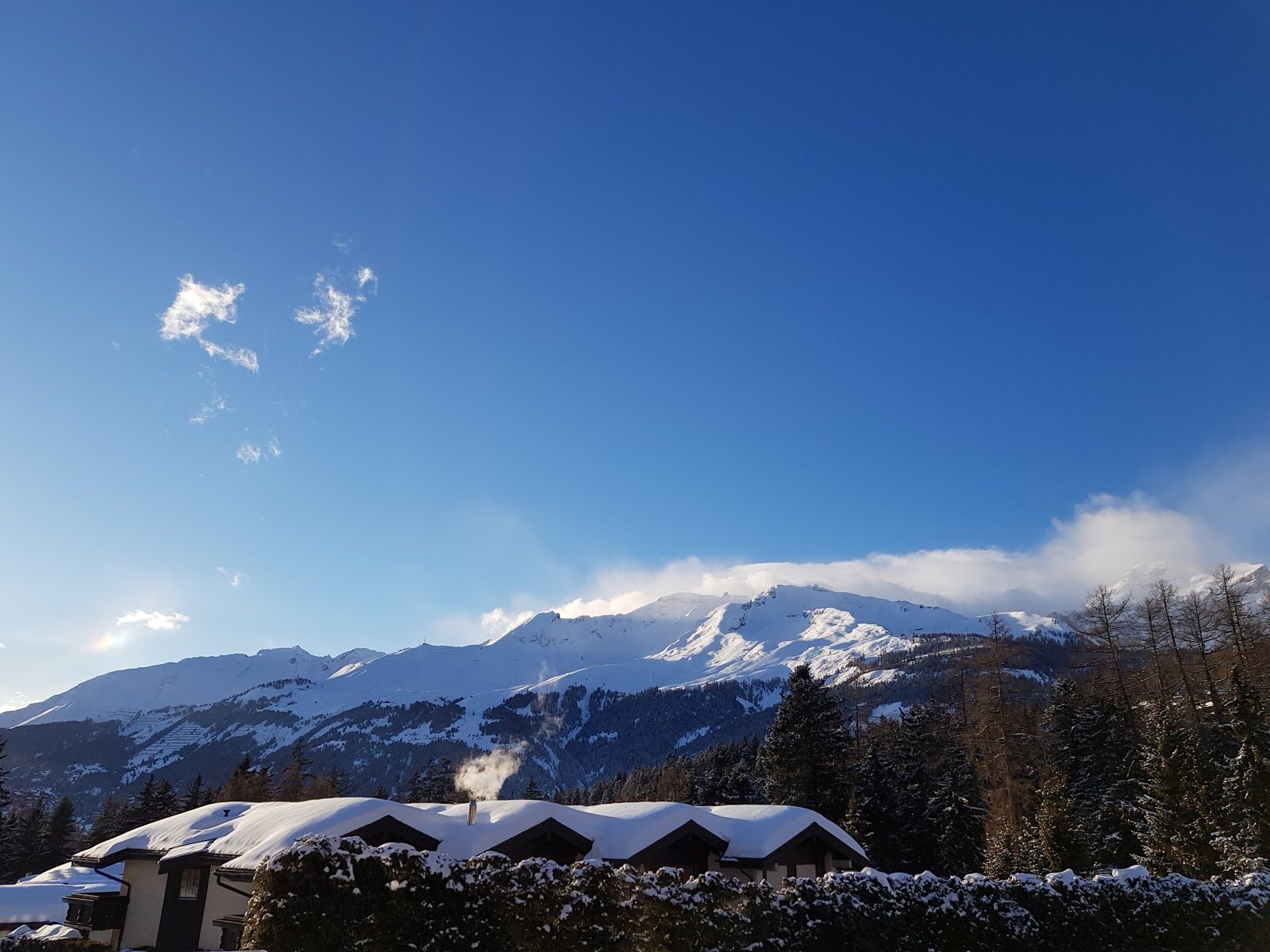
Le Régent International School
Crans-Montana · Switzerland
A purpose-built 2015 alpine campus at 1,500m pairing British and IB curricula with daily ski-in, ski-out outdoor education.

Collège Champittet
Pully · Switzerland
A Dominican-founded lakeside campus above Lake Geneva, where boarders choose between IB, French Bac and Swiss Maturite tracks.
Zurich International School
Zurich · Switzerland
On Lake Zurich's shore, a 1963-founded day school pairs American diplomas and the IB with a bilingual German-English track from age three.
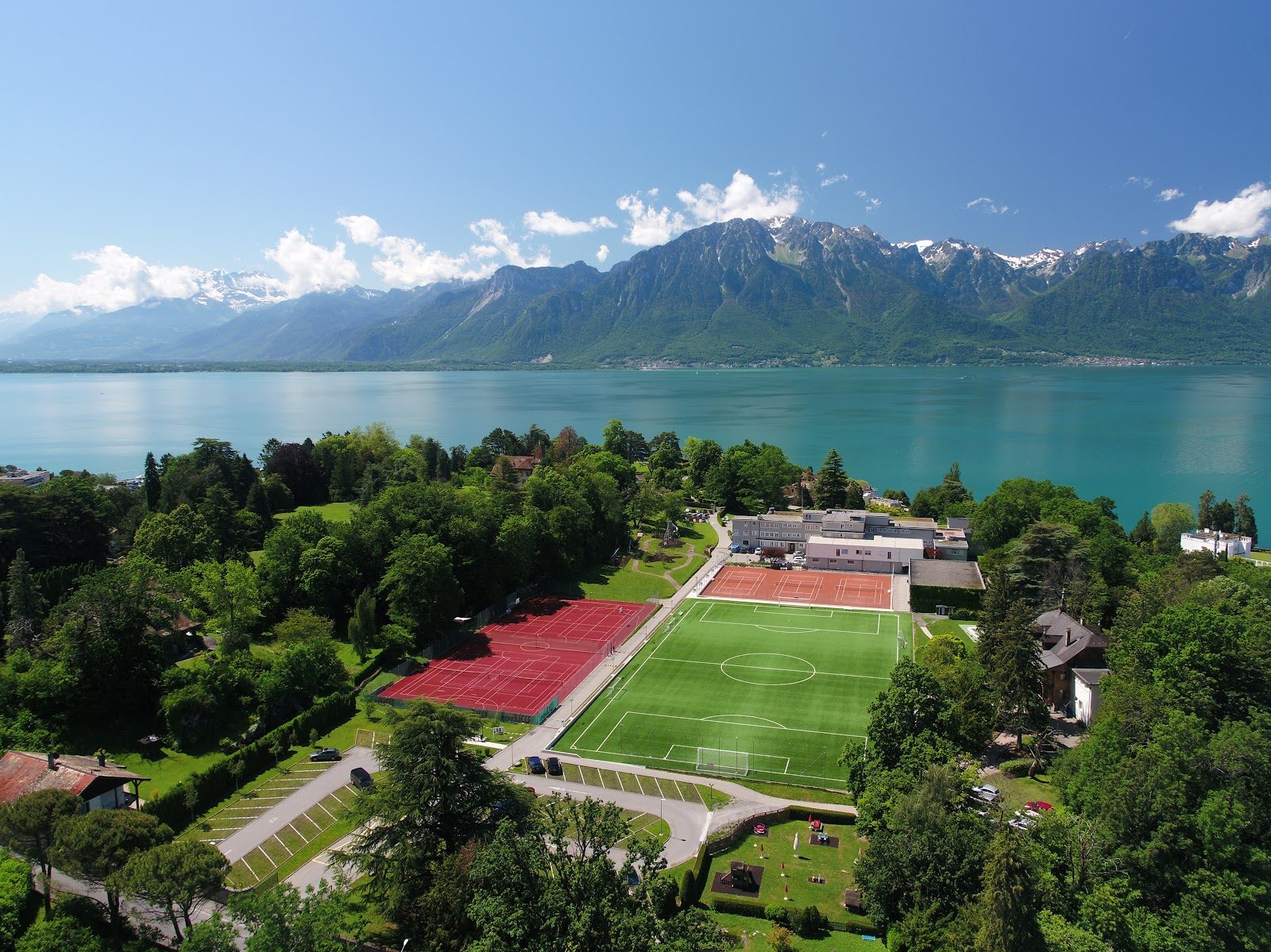
St George's International School (Montreux)
Montreux · Switzerland
Founded in 1927 by two Oxford graduates on the shores of Lake Geneva, pairing British rigor with IB ambition.
Same country and curriculum — closest matches within ±10 points either way