
New York
Founded in 1869 as a girls' seminary in Westchester, this campus still measures success by its motto: not for self, but for service.
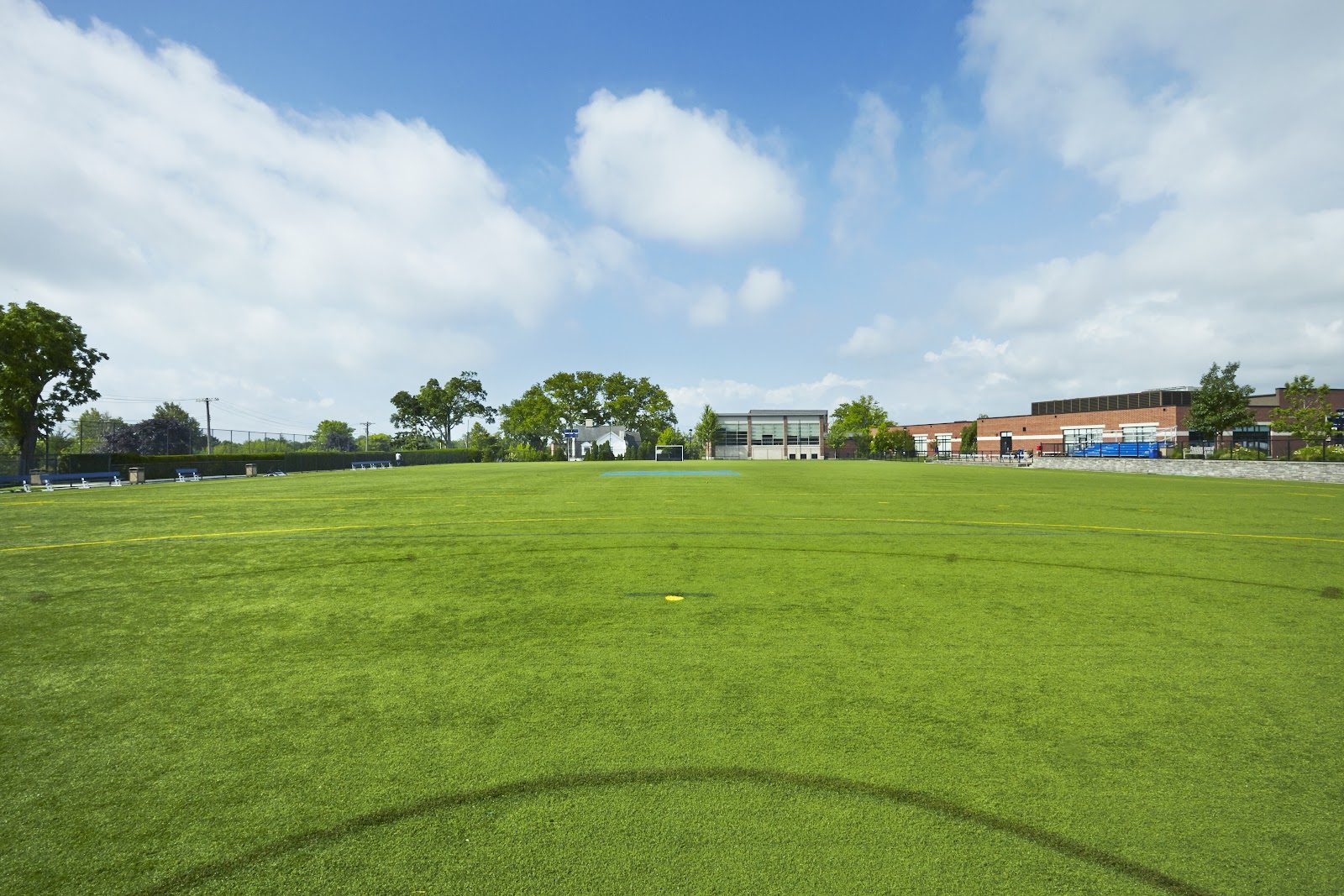
Photo © Rye Country Day School via Google Maps
Type
Day
Ages
3–18
Curriculum
American
Qualifications
AP
Ratio
7:1
The Verdict
Editor's commitment
Right for
Families wanting a non-religious American day school, ages 3–18, with a 7:1 ratio and a service-led culture.
Wrong for
Parents chasing boarding, a faith framework or an international curriculum mix; Rye Country Day is day-only, English-medium and American.
Watch out for
At an average US$55,550 a year, this Westchester school sits firmly in the expensive bracket; NEASC and NAIS accreditation do not cheapen it.
Ranking breakdown
Rye Country Day School · #223 of 1591
Composite score 74.8. 8 weighted criteria.
By criterion
Academic Outcomes
Weight 20%
#260
of 1529 scored
University Placement
Weight 16%
#263
of 1529 scored
Prestige & Heritage
Weight 12%
#273
of 1529 scored
Alumni Network
Weight 12%
#207
of 1529 scored
Facilities
Weight 12%
#352
of 1529 scored
Transparency & Communications
Weight 8%
#289
of 1529 scored
Peer & Industry Review
Weight 10%
#387
of 1529 scored
Admissions Selectivity & Demand
Weight 8%
#247
of 1529 scored
Score history
Rye Country Day School · 2026
Movement across 2024–2026. Peer average overlaid.
Overall — 2024–2026
74.8/ 100
▲ +23.8 vs 2025
year on year
Peer & Industry Review
How Rye Country Day School is regarded in the sector
68
Respected · medium confidence
Rye Country Day School is consistently ranked among the top private K-12 schools in New York State and Westchester County on Niche.com and similar aggregator rankings, and is recognized as a peer institution within the competitive Fairchester Athletic Association alongside schools like Hackley and Greenwich Country Day. It has a notable alumni network including business and entertainment figures, but it receives less specialist press coverage (e.g., Tatler, Good Schools Guide) compared to nationally top-tier boarding schools, reflecting a strong regional rather than globally unanimous reputation.
Evidence sources
- William H. Donaldson — Co-founder of Donaldson, Lufkin & Jenrette; former SEC Chairman, Business/Finance
- Christopher Buckley — Author/Satirist, Literature
- Andrew Tobias — Author and former Treasurer of the DNC, Finance/Writing
Editors' overview
Rye Country Day School carries an old New York independent-school inheritance without the social varnish that can make such schools insular. Founded in 1869, first as a girls’ seminary, it now runs as a coeducational American day school for ages 3 to 18 on a college-preparatory model. The motto, “Not for Self, but for Service”, still matters because the school ties achievement to contribution rather than mere polish. That matters in a market full of schools that sell ambition but struggle to define character beyond it. With a 7:1 student-teacher ratio, RCDS has the staffing to make good on its promise that pupils are known well. Parents in Westchester, Fairfield County and New York City are not short of choice; Rye Country Day stays on the shortlist because it offers serious academic intent inside a community that puts relationships at the centre rather than treating pastoral care as an annex.
This is an expensive school at an average annual day fee of $55,550, and it sits squarely in the premium tier of the New York suburban day-school market. For that price, parents will expect intellectual stretch, close adult attention and a peer group that is both able and motivated. The school’s accreditations — NEASC and NAIS — give it institutional credibility, though accreditations are baseline reassurance, not a distinction in themselves. The more telling point is structural: Pre-K through Grade 12 on one site and one culture, with Lower School through Grade 4, Middle School through Grade 8 and Upper School through Grade 12. That continuity suits families who want a long runway rather than multiple school transitions, and it gives the school more control over how habits of work, confidence and citizenship are built over time.
The child who thrives here is bright, engaged and willing to be known. This is not the right fit for a student who wants anonymity, low demands or a transactional route to college. It suits pupils who want a high-touch environment, who benefit from strong teacher contact, and who can handle being challenged in class while also being expected to contribute to the life of the school. The alumni floor is respectable rather than trivial — 15 notable alumni catalogued in Wikidata, including Barbara Bush and figures in the arts and scholarship — but Rye’s real strength is not celebrity cachet. It is the combination of age, continuity, academic purpose and deliberate community culture. For parents who want an American independent school that is established, properly resourced and less interested in swagger than substance, Rye Country Day makes a convincing case.
Academic Performance
Rye Country Day does not publish the kind of headline exam data that lets parents benchmark it cleanly against the most transparent independent schools. No aggregate SAT, ACT or AP results are in public view here, and no IB data exists because that is not the school’s programme. That opacity matters. In a market where many ambitious families want hard outcome measures, Rye asks parents to judge academic performance through structure, staffing and college-preparatory intent rather than a sheet of public numbers. The school does at least show the architecture behind the promise: a dedicated college counselling team of 4, a faculty where 86% hold advanced degrees, and a timetable built on a six-day cycle that creates more room for electives, teacher access and co-curricular commitments. That points to a serious academic operation, but it does not replace disclosed results.
Relative to peers, Rye sits in the group of established US independents whose reputation rests less on massaged statistics and more on selective intake, close adult oversight and strong onward placement. That can produce genuinely strong outcomes, but the school leaves outsiders to infer them. Parents who want a data-rich account of academic performance will find this frustrating. Parents who trust long-standing college-prep schools to deliver without publishing every score will be less troubled. The underlying read is clear: this is an academically demanding, high-expectation school, but not a numerically transparent one.
Facilities
Facilities are a serious part of Rye Country Day’s offer, not an afterthought. The standout pieces are easy to identify: a separate performing arts centre with classrooms, music rooms, a dance studio and a 450-seat theatre-auditorium; an innovative creative arts centre measuring 23,000 square feet; and an athletic centre of 40,000 square feet served by four turf fields. That mix gives the school real depth across performance, studio practice and sport, rather than forcing everything into a single multipurpose block. Two libraries and two dining rooms also matter more than prospectus filler would imply. They point to a campus built for daily use by different age groups, with enough infrastructure to stop younger and older pupils tripping over one another all day. In peer terms, this is a well-funded, properly equipped suburban independent-school campus with genuine breadth.
Where Rye earns extra credit is in balance. Many schools can show off a theatre or a sports hall; fewer support arts, athletics and routine school life at this level without one side swallowing the others. The campus is not vast by US exurban standards, and families hunting for the grandiose sprawl of a boarding school will not find it. What they get instead is a tightly run, high-functioning day-school estate with specialist spaces that match the school’s academic and co-curricular ambitions. Against day-school peers in the New York orbit, that places Rye in the upper tier for facilities.
Rye Country Day School carries an old New York independent-school inheritance without the social varnish that can make such schools insular
Prestige
Rye Country Day carries real local prestige and a solid wider reputation in the north-eastern independent-school world, but this is not one of the handful of US schools whose name alone functions as a global status signal. That distinction matters. In Westchester and among New York-area families, it has weight because it combines selectivity, continuity and resources with a culture that resists the more brittle forms of elite-school performance. The pupil body is drawn from 43 school districts across three states, which gives the school reach beyond a purely neighbourhood catchment. Its trustees include parents and alumni, the endowment stands at $99 million, and the annual financial aid budget reaches $8.1 million. Those are markers of institutional depth, not surface glamour.
The prestige here rests less on public exam bragging rights and more on established social confidence: families know the school, colleges know the school, and the school has enough maturity to back its programme with serious staffing, specialist facilities and a broad co-curricular life. The alumni record supports that standing without turning it into a celebrity shop window; there is a credible bench in public life, scholarship and the arts, including top-tier award winners. That puts Rye in the category of quietly powerful schools: respected, well connected, and fully part of the American independent-school establishment. It does not trade in rarefied mystique. It trades in durable confidence and long-term trust.
That can produce genuinely strong outcomes, but the school leaves outsiders to infer them
Communications
Rye Country Day communicates with parents through a structured, service-heavy day-school model rather than mystique. The website carries more than admissions gloss: clear divisional organisation, curriculum guides, student-life information, dining details, club timings, schedule architecture, quick links, publications and a virtual tour. Parents can also see practical operating facts that many schools bury, including school-day timings, eligibility rules for extended day, and the existence of a college counselling team of 4. That breadth matters because strong parent communication is not only about tone; it is about whether a family can work out how the school actually runs. On that test, Rye is competent and transparent in the day-to-day essentials.
The stronger point is cultural. The school talks in a consistent register about relationships, partnership, belonging, service and moral responsibility, and that message runs across leadership writing, mission language and programme descriptions. There is no split between a hard-driving academic brand on one page and soft pastoral varnish on another. Parents get a coherent read of what the school values. The weakness sits elsewhere: communication about outcomes is less candid than communication about operations. Families can find plenty on ethos, routines and opportunities, but not the public academic scorecard that more exacting parents will want. So the verdict is clear: Rye communicates school life well and plainly; it communicates academic results too cautiously.
Uniqueness
What marks Rye out is not novelty for its own sake, but the way it fuses old-line independent-school discipline with a declared ethic of service and an unusually deliberate culture of belonging. Plenty of affluent day schools promise rigour and care; fewer put moral responsibility, respect, diversity and service so explicitly into the core operating language of the school. That matters because it shapes the experience beyond the classroom. Children here are not being trained only to accumulate credentials. They are being pushed towards a model of success tied to contribution, accountability and participation in a shared community. The result is a school with a clear moral centre and a less performative version of ambition than parents will find elsewhere in this market.
The other distinctive strength is operational breadth without institutional sprawl. A pupil can move from early childhood to the end of school life inside one coherent system, with separate divisions, substantial specialist provision and enough scale to offer real range, yet still remain in a place where relationships carry weight. The draw from 43 districts gives students a broader social mix than a narrow neighbourhood school, while the proportion of students of colour — 48.9% — gives the community a diversity that many old-established independents still struggle to match. Add a board that includes alumni and parents, plus an ethos where it is “cool to be smart”, and Rye offers something *harder to manufacture than glossy facilities: a settled, self-confident culture* that gives students both stretch and ballast.
The other distinctive strength is operational breadth without institutional sprawl
Student Profile
The Rye student is academically committed, socially engaged and comfortable in a community where adults know who they are. This is not a school for drifting through the day unnoticed. It suits children who will use close teacher contact well, speak up in class, join in beyond the timetable and tolerate being held to account. The intake is drawn from a wide catchment — 43 school districts across New York, Connecticut and New Jersey — so pupils are not confined to one narrow local social circle. The school also has a genuinely mixed student body, with 48.9% identifying as students of colour. That gives the place a broader texture than many old suburban independents and strengthens the school’s claim to care about inclusion rather than merely advertising it.
The best fit is a child who can handle high expectations without needing a brutal atmosphere, and who values serious belonging over teenage detachment. There is room here for the sporty, the artistic, the intellectually hungry and the civic-minded, but less room for cynicism, showboating or cultivated indifference. The motto and core values are not decorative; they point to a school that wants students to contribute, not just achieve. Families seeking a status stage or a laissez-faire social scene will find a mismatch. Families with children who want structure, challenge and a community that treats service and character as part of the job will find a strong cultural fit.
The school also has a genuinely mixed student body, with 48.9% identifying as students of colour
Co-curricular strengths
Arts & sport, on a separate axis
Overall 9.12/10
Scored 0-10 from the school's own published evidence. This axis is editorial-only — it does not feed the main WTS ranking.
Sports
9.2/10
A 40,000–45,000 sq ft athletic center, four turf fields, an ice rink/tennis field house, extensive multi-season interscholastic sports, and full-time coaches, which together evidence a purpose-built major sports plant and notable programme strength.
Drama
9/10
Theater productions, Wikipedia describes the separate Dunn Performing Arts Center with a 450-seat theater-auditorium, and verified alumni include Tony winner Edward Albee, together supporting a high score.
Dance
9.2/10
Wikipedia evidences dance through dedicated dance studios in the separate Dunn Performing Arts Center, which is sufficient for notable strength even though no dance ensembles or competitive outcomes are cited.
Music
9/10
Jazz ensemble and chamber orchestra, plus band/choral/instrumental rehearsal spaces in the Dunn Performing Arts Center, and a verified Grammy-winning alumnus anchors the programme at least at 7.
Visual Arts
9.2/10
The 23,000 sq ft Cohen Center for the Creative Arts and the profile explicitly lists visual arts, so the school has a substantial dedicated visual-arts facility consistent with an 8.
Editor first-pass · editor-reviewable · 7/28/2026
Notable alumni · Wikidata
15notable alumni
Includes
- Barbara Bush(1925)
3 historic (born pre-1930) · 5 modern (born post-1970)wikidata:2026-07-28 How we source this
WTS 300 badge
2025/26 editionRye Country Day School is one of the World's Top 300 Schools for 2025/26. Claim your listing to add it to your site →
Strengths
- +The school's student-teacher ratio is 6:1, allowing for close academic attention across Pre-K through Grade 12.
- +The school traces its roots to 1869 and today enrolls roughly 900-970 students across its lower, middle, and upper divisions, drawing from Westchester County, Fairfield County, and New York City.
- +Recent college matriculation includes strong placement at selective universities: from 2021-2025, the top college matriculation choices were Cornell University (27), Colgate University (18), Northwestern University (17), Georgetown University (15), University of Chicago (14), University of Pennsylvania (14).
- +Athletics are a significant part of school life, with approximately 86% of Upper School students participating in at least one team sport across 19 interscholastic sports.
- +The school maintains a need-based financial aid program, granting approximately $8.1 million in need-based financial aid to approximately 15% of students.
Considerations
- −Admission is highly selective, with acceptance rate estimates ranging from 23%, which is lower than the national average of 76%, to the school's own reported Acceptance Rate: 29%, meaning most applicants are turned away.
- −Annual tuition is substantial, running from roughly $50,675 for pre-kindergarten through grade 4, $53,400 for grades 5 through 8, and $57,350 for grades 9 through 12, and the School does not offer academic, athletic, or merit-based scholarships of any kind, so aid is need-based only.
- −As a day school, RCDS offers no boarding option, so relocating families must secure housing within commuting distance of Rye, New York.
- −Applicants beyond the standard entry points face tighter odds, since the most common entry points are Pre-K, Kindergarten, Grade 4, Grade 6, and Grade 9, so if you're applying outside those years, expect things to be even more competitive, and openings in other grades depend entirely on current enrollment, which means availability can be tight.
Availability
Primary entry gate & tests
ISEE/SSAT + Interview
Gallery
Photo © Rye Country Day School via Google Maps
Photo © Rye Country Day School via Google Maps
Photo © Rye Country Day School via Google Maps
Photo © Rye Country Day School via Google Maps
Photo © Rye Country Day School via Google Maps
Photo © Rye Country Day School via Google Maps
Photo © Rye Country Day School via Google Maps
Photo © Mike Brittain via Google Maps
Photo © Rye Country Day School via Google Maps
Parent reviews
Have you sent your child here?
Voice reviews carry the strongest trust badge — we transcribe them for you to tidy up before they go live. Prefer to type? A written review is fine too.
Add your voice
In 60 seconds, tell other parents: what's the best thing about Rye Country Day School, and what surprised you when your child joined?
We ask for a Google sign-in so every review has a real face behind it — no anonymous drive-by attacks on schools, and no faked positive reviews. Your email is never shown publicly.
Send this profile to a friend
International parents rely on word-of-mouth. Share this review with someone weighing the same decision.
Schools with places
Similar schools to Rye Country Day School with places available now.
Ethical Culture Fieldston School
New York City · United States
- 2026-27
- WAITPOOLLimited late availability
- 2027-28
- OPENS SOONOpens post-Labor Day '26
Saint Ann's School
Brooklyn · United States
- 2026-27
- WAITPOOLLate / attrition-dependent
- 2027-28
- OPENS SOONOpens 8 Sept '26
Riverdale Country School
New York City · United States
- 2026-27
- WAITPOOLLate application possible
- 2027-28
- OPENS SOONOpens 8 Sept '26 (Noon ET)
Friends Seminary
New York City · United States
- 2026-27
- WAITPOOLLate/held pending openings
- 2027-28
- OPENS SOONExpected Sept '26
Availability first, then country, area, curriculum, price, co-curricular
Consider also
Also worth looking at alongside Rye Country Day School.
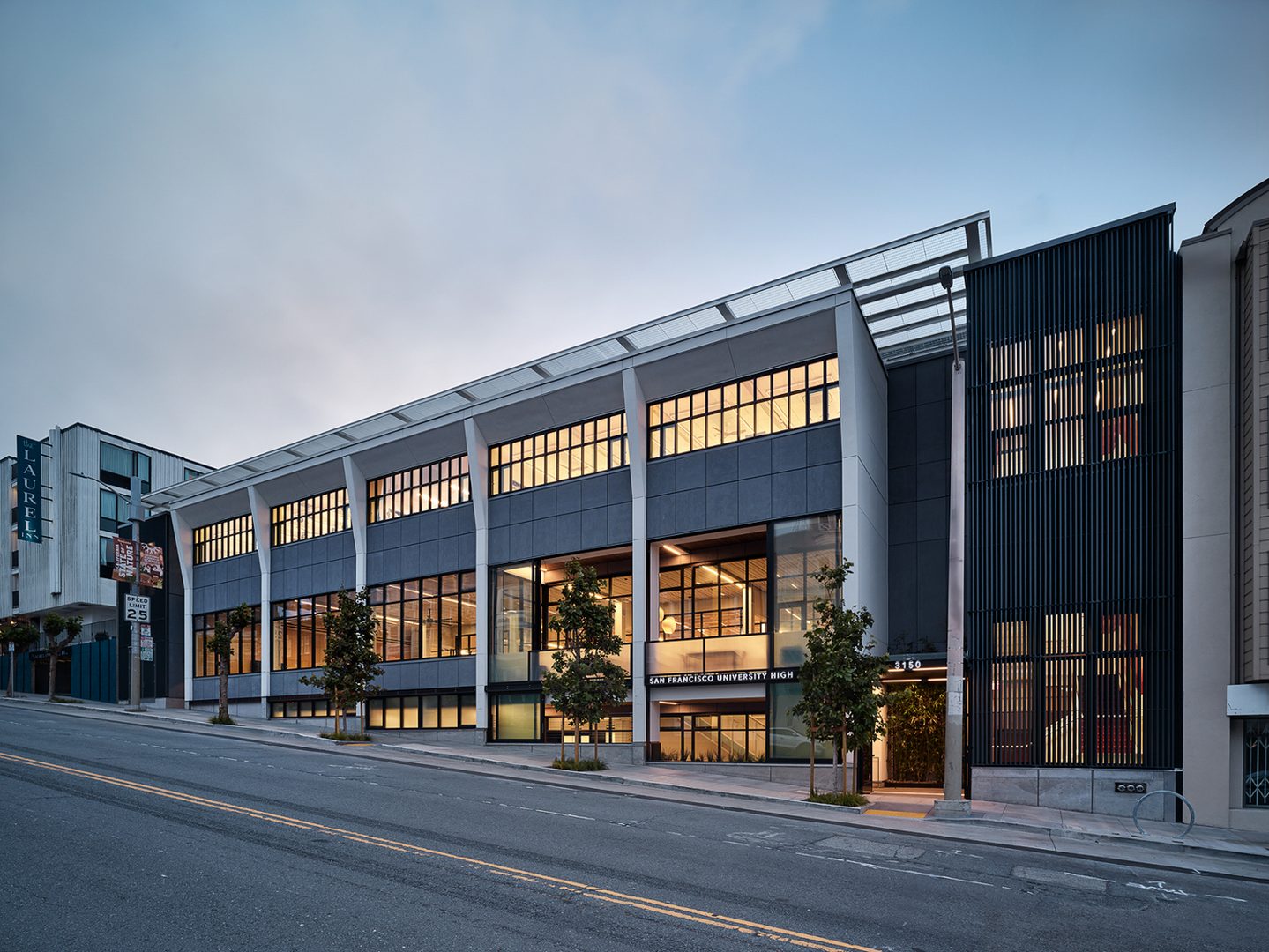
San Francisco University High School
San Francisco · United States
Inside a 1917 Julia Morgan building in Pacific Heights, a signature Civilization seminar drives independent-study scholarship.
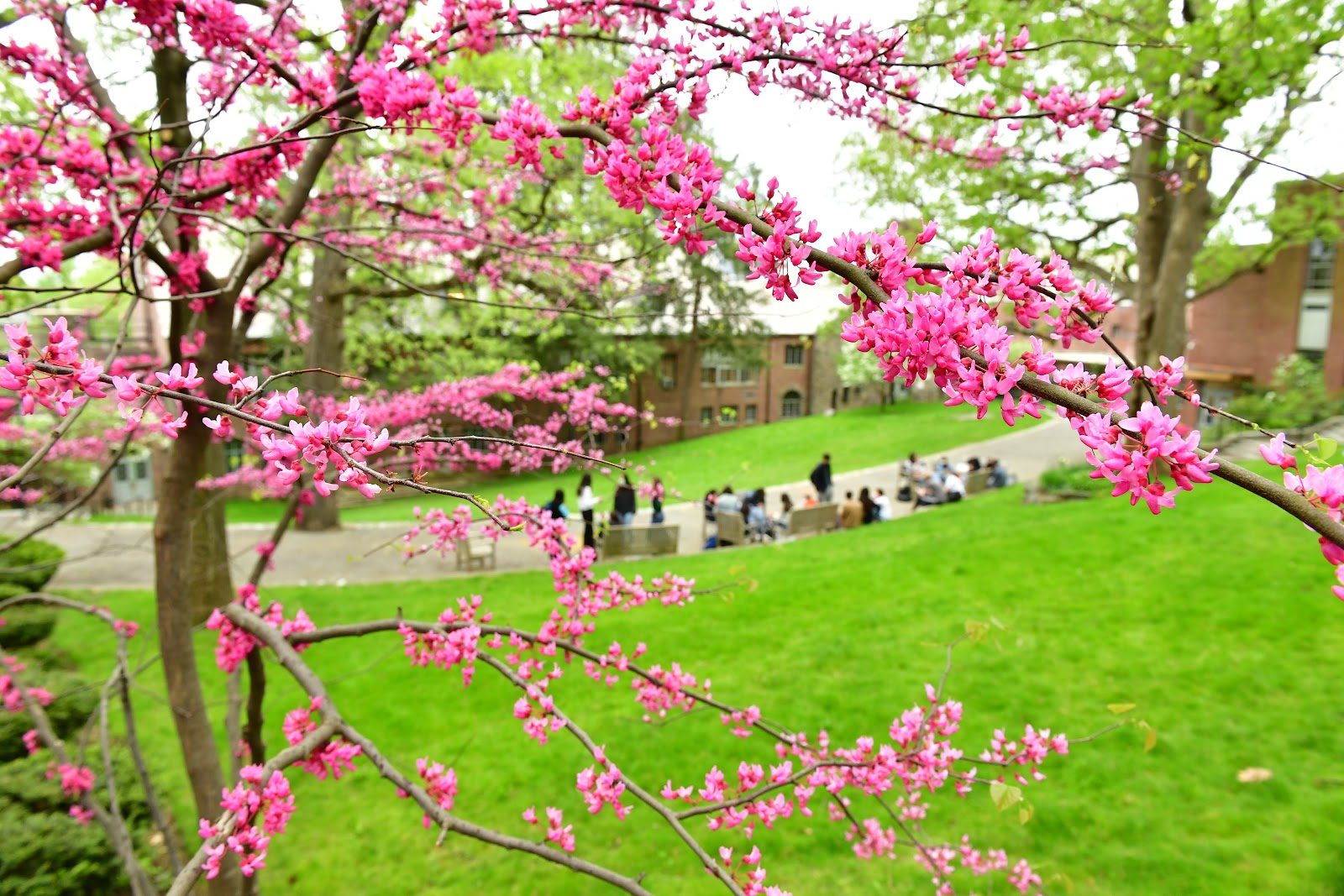
Ethical Culture Fieldston School
New York City · United States
Rooted in Felix Adler's 1878 Ethical Culture movement, its wooded Riverdale hilltop campus still anchors progressive American pedagogy.
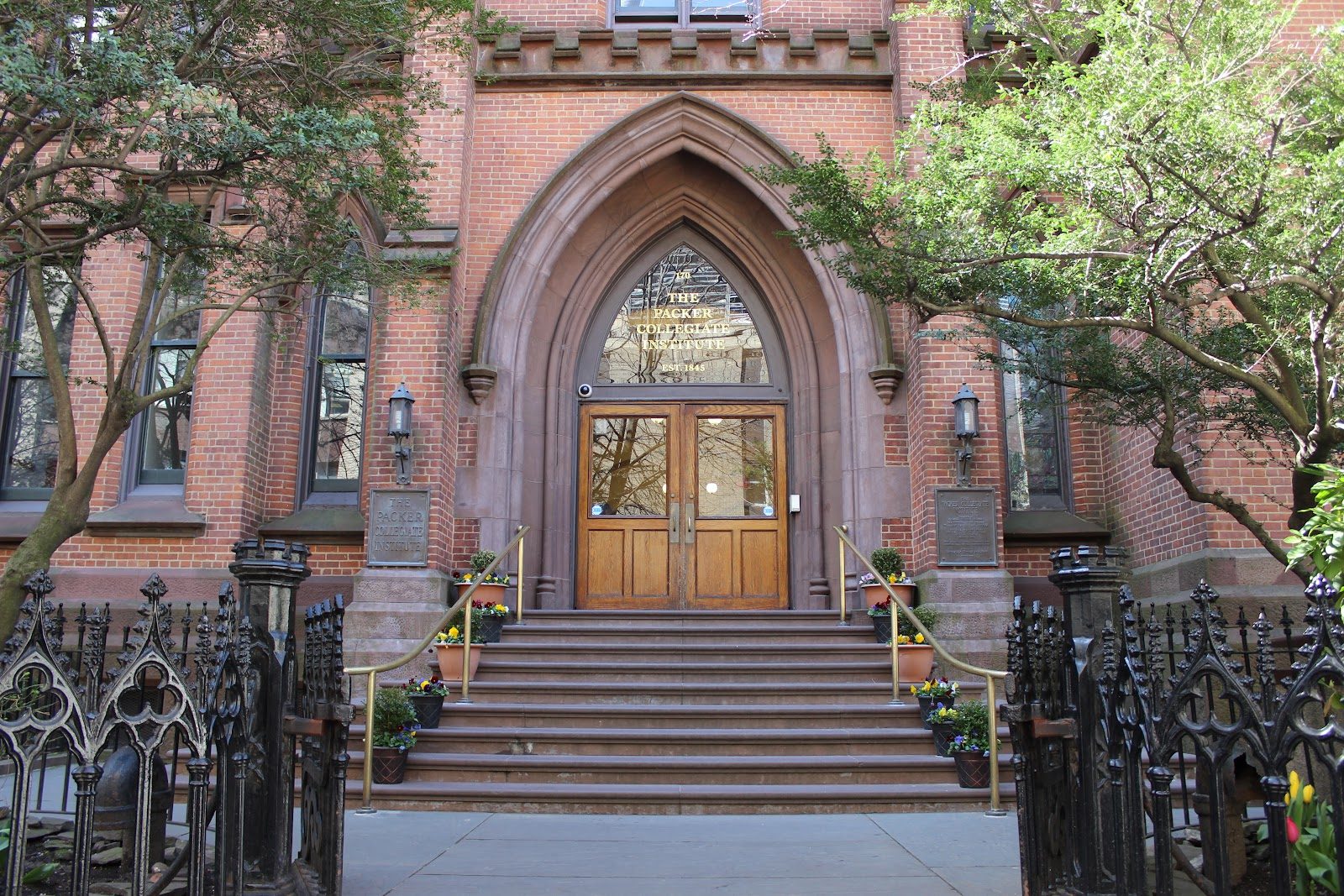
Packer Collegiate Institute
Brooklyn · United States
Brooklyn Heights' oldest independent school, its 1854 Gothic Revival chapel still glowing with Tiffany glass a single subway stop from Manhattan.
Convent of the Sacred Heart (NYC)
New York City · United States
Since 1881, New York's oldest girls' school has taught inside two landmarked Fifth Avenue mansions.
Same country and curriculum — closest matches within ±10 points either way