
Nouvelle-Aquitaine
Bordeaux International School
low confidence· 6/6 cats · 0 avg sourcesRun as a teacher-owned cooperative since 1999, this Bordeaux day school has been an official Cambridge examination centre since 1991.
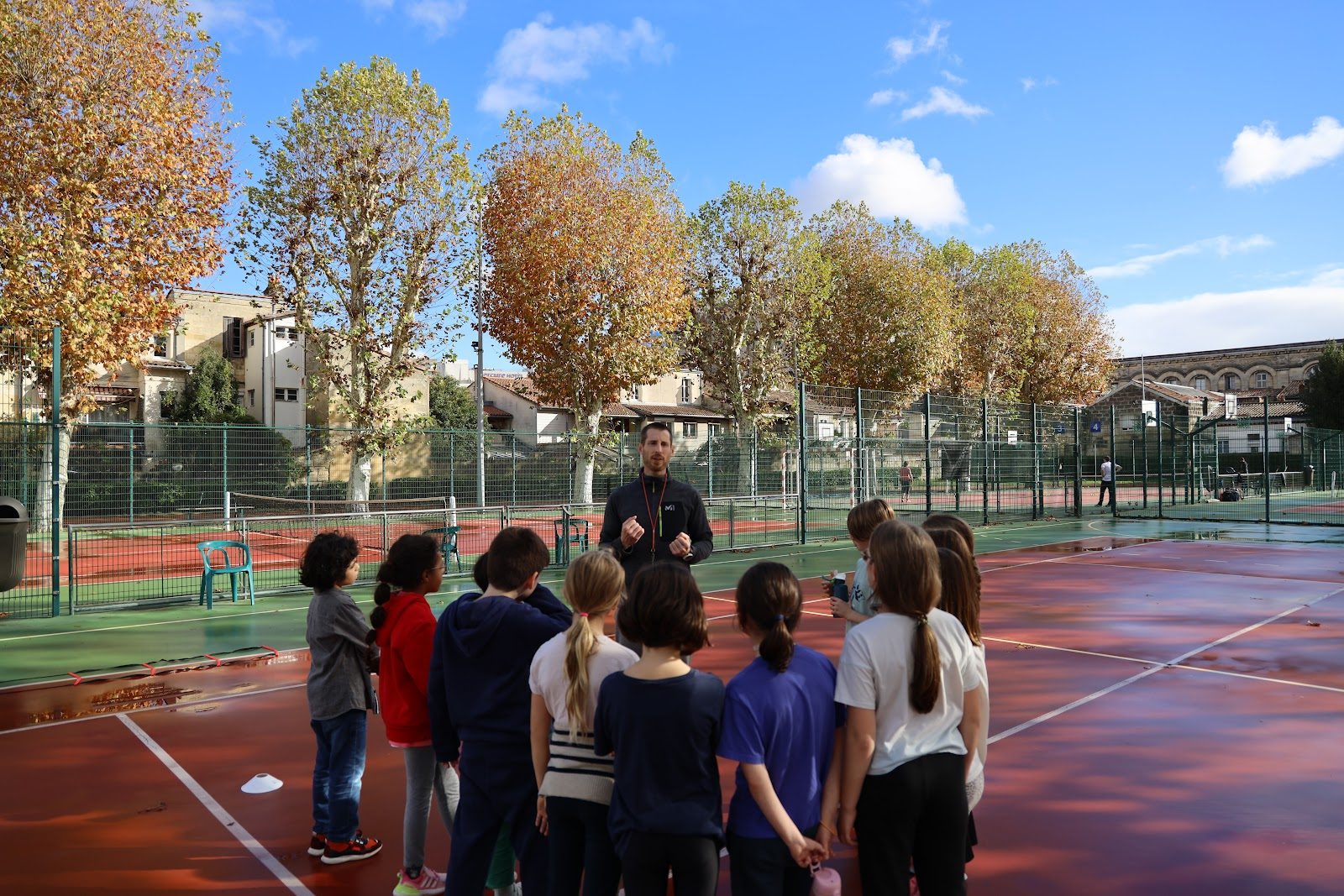
Photo © Bordeaux International School via Google Maps
Type
Day
Ages
3–18
Curriculum
British (IGCSE, A-Level)
Ratio
8:1
The Verdict
Editor's commitment
Right for
Families who want a 3–18 English-medium day school with Cambridge IGCSE/A-Level, CIS accreditation and class caps of 10–12 early years, 16 later.
Wrong for
Parents who want a conventional owner-run school, French-medium teaching or a large campus culture; this Bordeaux school is a SCOP and stays small.
Watch out for
The cooperative model and 40-nationality intake are distinctive, but the school does not publish aggregate IGCSE or A-Level results.
Ranking breakdown
Bordeaux International School · #1142 of 1591
Composite score 59.9. 8 weighted criteria.
By criterion
Academic Outcomes
Weight 20%
#1136
of 1529 scored
University Placement
Weight 16%
#1144
of 1529 scored
Prestige & Heritage
Weight 12%
#1115
of 1571 scored
Alumni Network
Weight 12%
#721
of 1530 scored
Facilities
Weight 12%
#1110
of 1533 scored
Transparency & Communications
Weight 8%
#1138
of 1532 scored
Peer & Industry Review
Weight 10%
#893
of 1548 scored
Admissions Selectivity & Demand
Weight 8%
#943
of 1529 scored
Peer & Industry Review
How Bordeaux International School is regarded in the sector
66
Respected · medium confidence
I could not identify at least two independent third-party sources (e.g., Tatler, Good Schools Guide, specialist education press, or established expat forums) that specifically discuss Bordeaux International School's reputation, alumni network, or standing among peer institutions. Without verifiable independent coverage, a reliable score cannot be assigned.
Editors' overview
The unusual fact here is structural: Bordeaux International School is run as a teacher-owned cooperative, a SCOP, rather than as a conventional private school. That matters. It gives BIS a clear institutional identity in a market where many international schools lean on branding and little else. The school says decisions are not driven by profit, and the cooperative model includes teachers, staff and parents in governance. Parents should take that seriously, but also test it in practice: cooperative governance can produce strong community buy-in and stable culture, yet it also demands clarity and discipline from leadership. BIS has enough substance behind the claim to merit attention. It teaches in English, serves ages 3 to 18, caps classes at 10/12 pupils in Early Learning and 16 in Primary and Secondary, and says it welcomes students from about 40 nationalities. For families in Bordeaux who want an international education without a corporate-school template, that is a distinctive offer.
The academic shape is also straightforward. This is a British-curriculum day school offering IGCSE and A-Level, and it has been an official Cambridge examination centre since 1991. That long-standing Cambridge status carries more weight than glossy rhetoric; it indicates institutional continuity and experience with external examinations. BIS also holds CIS accreditation as a “School of Excellence”, and the school says it has worked with CIS since 2000. That combination — Cambridge exams, CIS accreditation, small classes, and a full 3–18 age range — puts BIS in the bracket of serious small schools rather than lifestyle outposts for transient expatriates. What is missing is just as important: the school does not publish aggregate IGCSE or A-Level results here, so parents who care about outcomes data will need to ask direct questions.
The child who will want Bordeaux International School is not hard to picture. This suits students who benefit from close adult attention, small classes, and a tight-knit school community rather than a large-campus social scene. It also suits internationally mobile families who want English-medium schooling in Bordeaux, and bilingual or internationally minded children who will thrive in a school that calls itself bilingual while the verified language of instruction is English. Students who need anonymity, extensive facilities, or the scale of a big metropolitan international school will find BIS too intimate. Students who value being known, taught in small groups, and educated in a school with an independent governing model should have it firmly on the shortlist.
Academic Performance
Bordeaux International School does not publish aggregate IGCSE or A-Level results in the public domain. That is the central fact, and it limits any serious external judgment on academic performance. Parents cannot verify pass rates, top-grade shares, subject entry patterns, university destinations, or year-on-year consistency from the school’s published information. In a market where stronger schools increasingly disclose at least headline outcomes, that gap matters. It does not disqualify BIS, but it places the school in the opaque camp on results reporting rather than the data-led one. The school’s status as an official Cambridge examination centre carries weight, yet exam-centre status is not the same thing as published attainment.
Relative to peers, BIS fits the category of a small-scale, close-attention international school whose academic case rests more on structure and teaching conditions than on publicly demonstrated results. The school’s capped class sizes and long-running use of Cambridge examinations give it a credible framework for solid individual support, and that model can work very well for students who need close oversight. But without disclosed outcome data, BIS does not enter the same evidence-based bracket as schools that publish clear sixth-form and senior exam performance. The right conclusion is straightforward: this is a school where parents need to ask hard questions. Ask for the last 3 years of IGCSE and A-Level results, grade distributions, cohort sizes, and university offers. Any school confident in its record can produce them without fuss.
Facilities
The facilities case here is defined less by spectacle than by teaching conditions. BIS advertises a small-scale environment with classes capped at 16 in Primary and Secondary and 10/12 in Early Learning, and that staffing pattern matters more than glossy architecture. For the right child, room to be known and taught closely beats an atrium and a climbing wall. For the wrong child, it feels constrained. The school also ties its primary section into the French state system under contract, which adds a layer of external scrutiny that many private schools do not have. What BIS does not set out in public is just as telling: there is no detailed published inventory of specialist science labs, performing arts spaces, sports provision, libraries, or sixth-form study areas. Parents need to ask for a direct tour of those spaces rather than infer quality from the school’s community language.
Against peers, this puts BIS in the serious small-school bracket, not the campus-led one. Larger international schools sell breadth of plant: multiple courts, dedicated theatres, maker spaces, expansive grounds. BIS sells intimacy, oversight, and a cooperative culture. That can be educationally sharper than a big campus with thin pastoral follow-through, but only if the core rooms are well kept and properly equipped. The absence of published detail keeps the facilities offer opaque. Parents comparing BIS with bigger Bordeaux-area options should inspect science, sport, outdoor play, and senior independent-study provision with care; those are the areas where small schools either punch above their weight or show their limits.
The unusual fact here is structural: Bordeaux International School is run as a teacher-owned cooperative, a SCOP, rather than as a conventional private school
Prestige
Bordeaux International School has local standing more than broad international cachet. In Bordeaux, its independent cooperative structure gives it a profile that most private schools do not have, and the mix of parent, staff and teacher involvement in governance carries social weight with families who care about institutional character rather than brand prestige. The school also benefits from being the only institution in the region that the school says holds its CIS distinction, and from enrolling children from about 40 nationalities. That combination gives BIS a serious niche reputation: not grand, not elite in the old-money sense, but distinctive and credible within its market. For families who value a school’s governing model and community culture as much as polished facilities or scale, that matters.
The limit on prestige is just as clear. BIS does not carry the global name recognition of the big international-school groups, nor does it publish the kind of outcomes data that turns a good local school into a destination school. Prestige in this sector rests on three things: institutional identity, external validation, and visible academic results. BIS has the first two. The third is missing from public view. That keeps its reputation in the category of respected specialist school rather than status school. Parents who want a tight, purposeful education in a school with an unusual ownership model will rate it highly. Parents who want social signalling, scale, or publicly evidenced academic clout will not.
The child who will want Bordeaux International School is not hard to picture
Communications
Bordeaux International School’s parent communication is rooted in access rather than polish. The school puts leadership, governance and ethos front and centre, and that matters because parents can see what kind of institution they are dealing with: a cooperative, not a remote corporate office. The invitation to visit, message the team and engage with the school fits that structure. So does the claim that parents actively contribute to the life of the school. For some families, that level of involvement is reassuringly direct. For others, it risks feeling too intimate if boundaries between governance, culture and day-to-day school management are not kept clear. The school also foregrounds regular inspection in part of the school and ties its public voice closely to values such as inclusion, respect and cooperation. That gives communication a clear moral frame rather than a sales pitch.
The weakness is not tone but disclosure. BIS communicates its ethos, class-size policy and community identity with confidence, and the reference to roughly 40 nationalities adds useful texture. But parents need more than atmosphere. The school does not publish the deeper operational detail that strong parent communication also requires: public academic outcomes, fuller facilities information, and the sort of routine data that answers hard questions before they are asked. That leaves the communication style warm but incomplete. Families who value conversation, access and a human-scale school culture will respond well. Families who want hard-edged transparency in published information will find gaps.
Uniqueness
What sets Bordeaux International School apart is not a branding line or a fashionable programme. It is the governing structure. BIS runs as a SCOP, an educational cooperative, with teachers, staff and parents participating in the life of the institution. That gives the school a rare civic character in a sector crowded with owner-led or chain-managed schools. For students, that can produce a more accountable adult culture: decisions sit closer to the classroom, the school’s values are not just marketing copy, and community participation has real institutional force. The French state-contract element in part of the school adds another layer of discipline. So does the school’s mix of local and international families, drawn from around 40 nationalities. The result is a school with a strong internal identity rather than a borrowed one.
That distinctiveness brings clear benefits and clear limits. Students who flourish in a close-knit, adult-led environment gain from the coherence of a school that knows exactly what it is for. A cooperative model can support consistency, shared responsibility and a more human rhythm than the transactional feel of some private schools. It also suits families who want education treated as a common good rather than a premium consumer product. The trade-off is obvious: this is not a place selling scale, gloss or institutional distance. It is a conviction-led school. For the right child, that means being educated in a community with real ownership, not just attendance.
Bordeaux International School does not publish aggregate IGCSE or A-Level results in the public domain
Student Profile
The best fit at Bordeaux International School is the child who wants to be known, not managed at arm’s length. This suits students who work well in a close-attention environment, where adults will notice gaps in effort, confidence or organisation quickly. It will also suit families who value a school with a participatory culture rather than a consumer relationship. The student body draws from about 40 nationalities, so children who are internationally mobile, mixed-background, or already comfortable moving between different social codes will find peers who recognise that experience. The school also uses the word bilingual about its identity, which points to a cohort that includes both local and international families rather than a pure expatriate enclave.
The less suitable student is just as easy to identify. Children who want the anonymity, breadth of friendship groups and sheer social churn of a big campus will find BIS too contained. So will students who need a highly competitive atmosphere to stay switched on, or those who define school life through large-scale sport, performance and visible institutional buzz. BIS looks strongest for community-minded, steady students who benefit from structure, adult access and a school culture with real collective ownership. It is a strong option for children who want education to feel personal and grounded. It is not the obvious choice for teenagers chasing status, scale or distance from adults.
Bordeaux International School has local standing more than broad international cachet
Co-curricular strengths
Arts & sport, on a separate axis
Overall 7.3/10
Scored 0-10 from the school's own published evidence. This axis is editorial-only — it does not feed the main WTS ranking.
Sports
7/10
Drama
7.5/10
Dance
7.5/10
Music
7/10
Visual Arts
7.5/10
Strengths
- +British curriculum through IGCSE and A-Level
- +English-medium teaching throughout ages 3–18
- +8:1 student-teacher ratio allows close attention
- +CIS School of Excellence accreditation cited
Considerations
- −Founded year unclear: 1987 website, 1988 context
- −British-only pathway; no IB or French curriculum listed
- −Day school only; no boarding option
Availability
Primary entry gate & tests
Academic Record
Gallery
Photo © Bordeaux International School via Google Maps
Photo © Bordeaux International School via Google Maps
Photo © Bernard Georges Pipier via Google Maps
Photo © Bordeaux International School via Google Maps
Photo © Bordeaux International School via Google Maps
Photo © Bordeaux International School via Google Maps
Photo © Bordeaux International School via Google Maps
Photo © Bordeaux International School via Google Maps
Photo © Bordeaux International School via Google Maps
Parent reviews
Have you sent your child here?
Voice reviews carry the strongest trust badge — we transcribe them for you to tidy up before they go live. Prefer to type? A written review is fine too.
Add your voice
In 60 seconds, tell other parents: what's the best thing about Bordeaux International School, and what surprised you when your child joined?
We ask for a Google sign-in so every review has a real face behind it — no anonymous drive-by attacks on schools, and no faked positive reviews. Your email is never shown publicly.
Send this profile to a friend
International parents rely on word-of-mouth. Share this review with someone weighing the same decision.
Schools with places
Similar schools to Bordeaux International School with places available now.
École Alsacienne
Paris · France
- 2026-27
- CLOSEDStandard route
- 2027-28
- OPENS SOONOpens Sept/Oct '26
The British School of Paris
Paris · France
- 2026-27
- WAITPOOLSpace-dependent
- 2027-28
- PLACES OPENRolling
International School of Paris
Paris · France
- 2026-27
- WAITPOOLSpace-dependent
- 2027-28
- PLACES OPENRolling
American School of Paris
Saint-Cloud · France
- 2026-27
- WAITPOOLSpace-dependent
- 2027-28
- PLACES OPENRolling
Availability first, then country, area, curriculum, price, co-curricular
Consider also
Also worth looking at alongside Bordeaux International School.
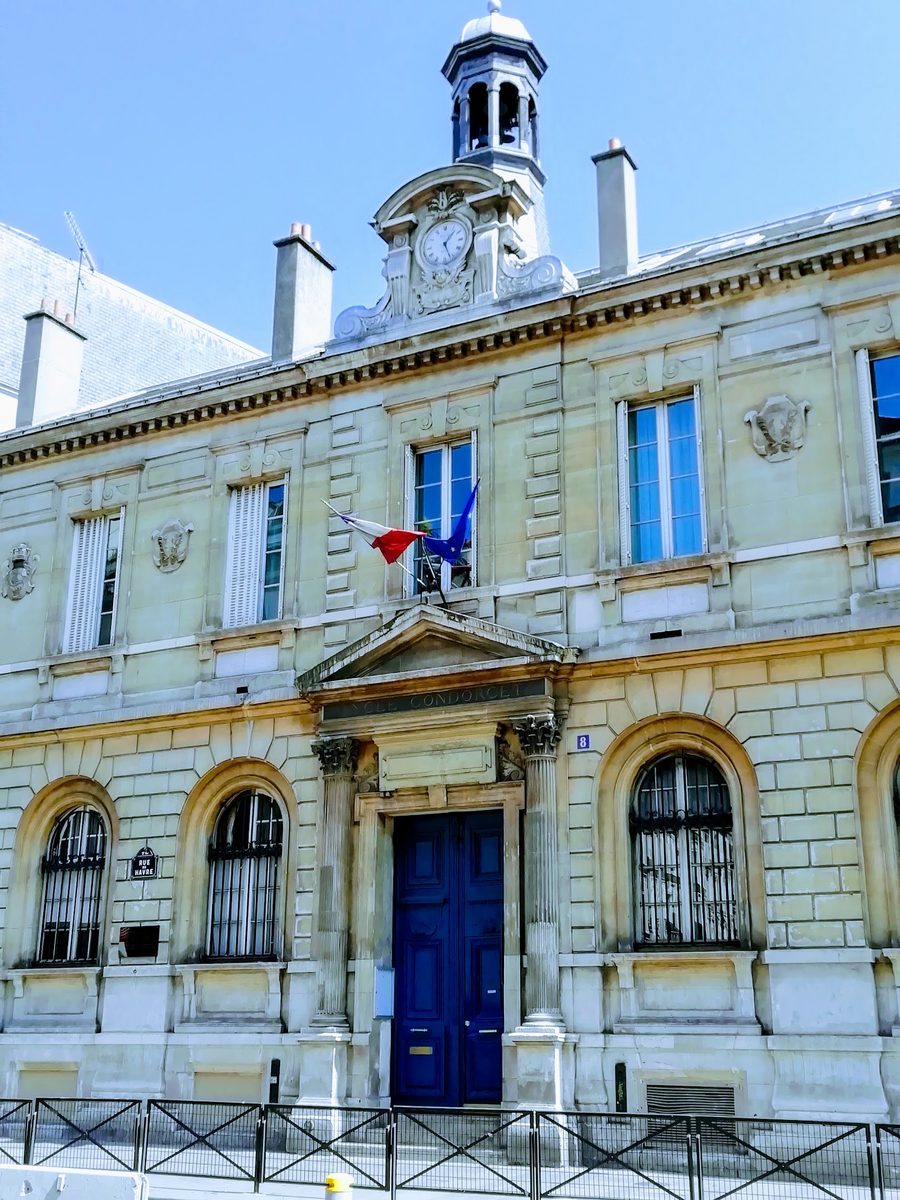
Lycée Condorcet
Paris · France
Housed in a former Capuchin cloister near Saint-Lazare, this boarding-free lycee still funnels day students into France's elite prep classes.
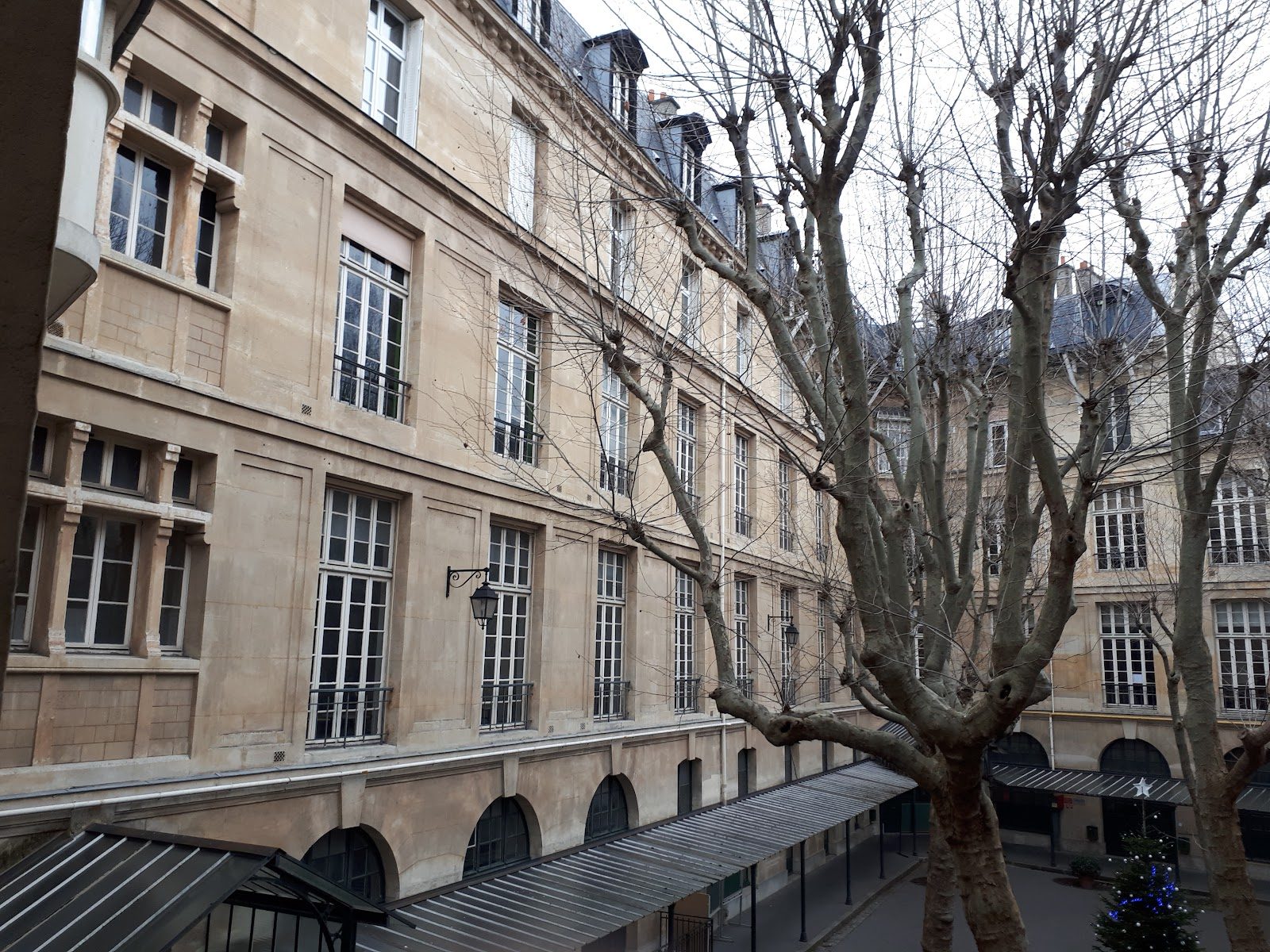
Lycée Fénelon
Paris · France
A former hotel particulier turned Paris's first girls' lycee, now second nationally for ENS admissions via its literary prepa.
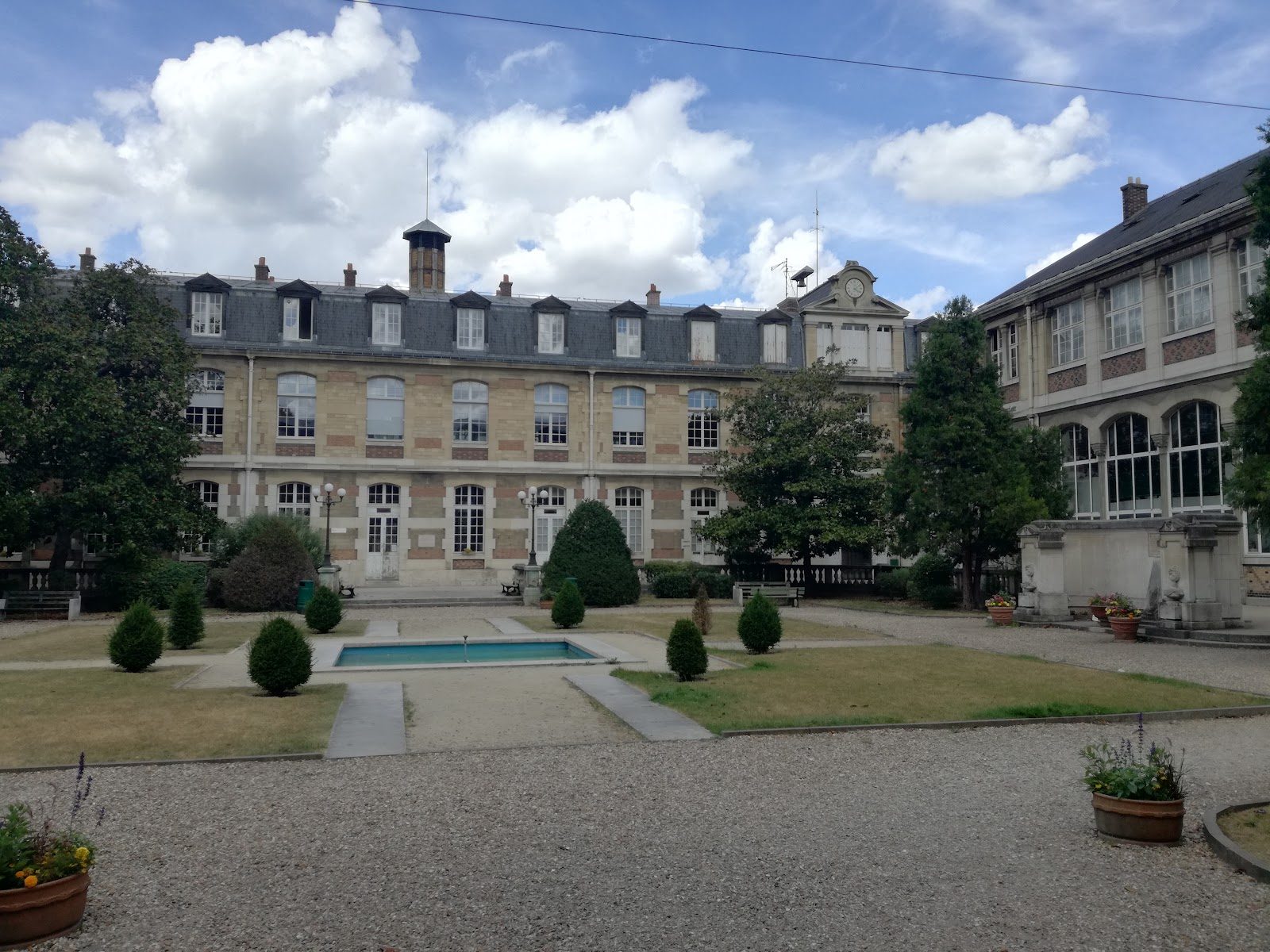
Lycée Janson-de-Sailly
Paris · France
A jilted lawyer's bequest built a 16th-arrondissement giant whose prepa classes still funnel thousands into France's grandes ecoles.
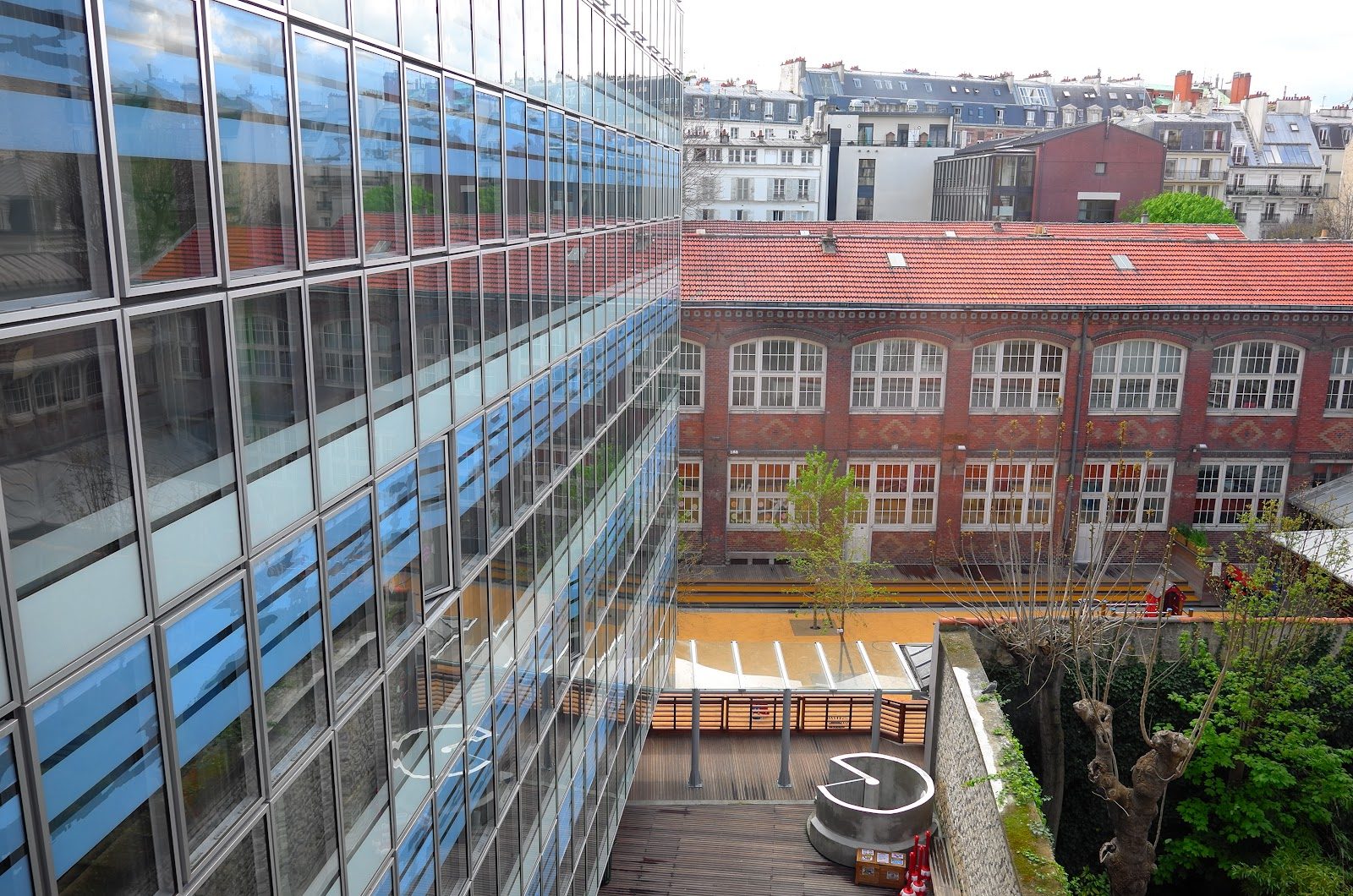
École Alsacienne
Paris · France
Founded by Alsatian refugees in 1874, a Left Bank laboratory for secular, progressive pedagogy that shaped France's republican school system.
Same country and curriculum — closest matches within ±10 points either way