
Dorset
Bryanston School
low confidence· 6/6 cats · 0 avg sourcesWeekly one-to-one tutorials descended from the Dalton Plan shape learning inside a Grade I Norman Shaw mansion above the River Stour.
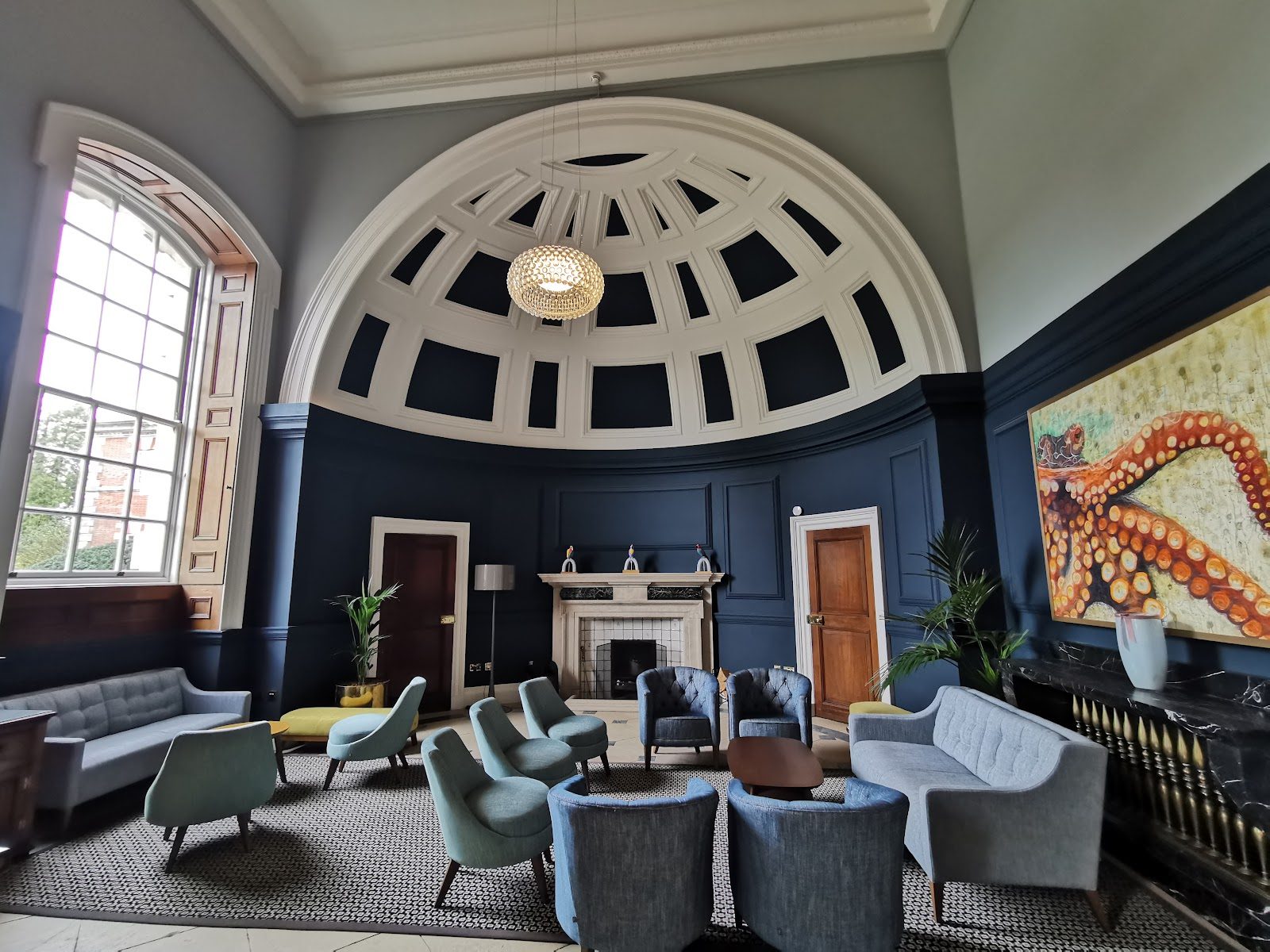
Photo © Cheeky Boy Adventures via Google Maps
Type
Both
Ages
13–18
Curriculum
British
Ratio
7:1
The Verdict
Editor's commitment
Right for
Teenagers aged 13–18 who want weekly one-to-one tutorials, a British curriculum and full boarding in 400 Dorset acres.
Wrong for
Families wanting a through-school before 13, a religious ethos, or a cheaper route than £38,000 day and £57,000 boarding.
Watch out for
Bryanston’s 1928 Dalton Plan inheritance demands self-management; in a Grade I Norman Shaw mansion, charm does not replace structure.
Ranking breakdown
Bryanston School · #1075 of 1591
Composite score 61.2. 8 weighted criteria.
By criterion
Academic Outcomes
Weight 20%
#1192
of 1529 scored
University Placement
Weight 16%
#1201
of 1529 scored
Prestige & Heritage
Weight 12%
#854
of 1571 scored
Alumni Network
Weight 12%
#544
of 1530 scored
Facilities
Weight 12%
#808
of 1533 scored
Transparency & Communications
Weight 8%
#1098
of 1532 scored
Peer & Industry Review
Weight 10%
#998
of 1548 scored
Admissions Selectivity & Demand
Weight 8%
#960
of 1529 scored
Peer & Industry Review
How Bryanston School is regarded in the sector
78
Strong · high confidence
Bryanston is consistently treated by sector reviewers as one of Dorset's flagship full-boarding schools, with WhichSchoolAdvisor rating its inspection standard "Excellent" and highlighting a personal tutor system peers view as distinctive. The Good Schools Guide praises its "quiet confidence" and calls the school "superbly staffed, safe, kind, rigorous", while Tatler's 2026 guide singles out the tutor system as "a lot more comprehensive than those run elsewhere" and notes a record IB average of 38 points. Its long HMC membership, near-century history and creative-arts alumni lineage reinforce a well-established national reputation rather than a merely regional one. A 2025 ISI inspection flagged governance and safeguarding compliance issues, subsequently resolved by early 2026, which tempers an otherwise strong peer standing.
Award
Elite Visual & Fine Arts 76
World's Top School · The Global Ranking
Bryanston School is featured on our Global Top 76 ranking at #63. This seal is available for the school's marketing team to use on their website, prospectus and social channels.
Editors' overview
Bryanston trades on a proposition few British boarding schools can match: weekly one-to-one tutorials, rooted in the Dalton Plan, inside a Grade I Richard Norman Shaw house set in 400 acres above the River Stour. That combination matters. The architecture gives the school its romance; the tutorial structure gives it its educational distinctiveness. Founded in 1928 near Blandford Forum in Dorset, Bryanston is a British, English-medium, non-religious school for ages 13 to 18, taking both day pupils and boarders. In market terms, this is an expensive, full-blooded English independent school: the average annual fee is £37,662 for day pupils and £56,523 for boarders.
What puts Bryanston on a shortlist is not raw traditionalism but its refusal to run on autopilot. Weekly tutorials signal a school built around individual oversight rather than simple classroom throughput. For the right child, that is a serious advantage: pupils who have ideas, interests and drive, but need close intellectual engagement from adults, get more here than they do in schools where pastoral attention and academic attention sit in separate silos. The setting also counts. A Norman Shaw mansion and a large Dorset estate create a highly charged sense of place, and for many families that atmosphere forms part of the education. Parents who want a stripped-back, urban, hard-edged academic machine should look elsewhere.
Bryanston suits teenagers who want a boarding school with character, independence and a strong physical environment around them. It fits pupils who respond to individual scrutiny, who benefit from sustained adult attention, and who want the scale and social life of a traditional senior school without a religious frame. It is less convincing for families who want maximum public data on outcomes: the school does not publish the kind of granular results and destination detail that make comparison easy. Bryanston’s appeal rests instead on a distinctive educational method, a famous house, and the promise of a more personal intellectual relationship between pupil and teacher than most schools at this level offer.
An Elite Visual & Fine Arts 76 school
Bryanston School in Blandford Forum, Dorset, holds an elite ranking in visual and fine arts on the strength of a genuinely artist-led studio culture: two of the twentieth century's most significant British painters, Lucian Freud and Howard Hodgkin, passed through the school, and that lineage is still visible in a purpose-built art school with its own reputation for producing working artists rather than merely competent A-level portfolios.
The specialism runs through the Don Potter Art School, opened in 1997 and named for the sculptor and potter who taught sculpture, metalwork and pottery at Bryanston from 1940 to 1984. Facilities cover painting, drawing, sculpture, ceramics, photography, printmaking and textiles, with studios accessible outside class hours. Its art teachers are practising artists, and Bryanston was among the first schools to offer History of Art at A-level, taught alongside Fine Art, 3D Art, Photography and IB Visual Arts, with pupils regularly progressing to institutions such as the Slade and the Royal College of Art.
Alongside Freud and Hodgkin, the arts pedigree continues through work by sculptor Barbara Hepworth long kept on campus and through contemporary Old Bryanstonian artists connected to the school. Current pupils win national recognition too, and pupil and alumni work has been exhibited together in London galleries, evidencing a studio culture that reaches well beyond the classroom.
International families are well accommodated: overseas pupils can join in Years 9, 10, 11 or the Sixth Form, applying directly or through an agency, with CAT4 assessment and an English-language qualification typically required where English is not a first language. Bryanston holds a UKVI sponsor licence to issue visa CAS, and a UK guardian is required for pupils whose parents live abroad. Given visa processing and guardian arrangements, overseas families should begin the application at least a full academic year ahead of the intended entry point.
Academic Performance
Bryanston does not give parents the clean, high-frequency exam data that the most results-forward British independents now publish. No aggregate GCSE or A-level score profile is in the public domain here, and the school does not set out the kind of year-by-year grade breakdown that lets families benchmark it quickly against rivals in the top academic tier. That matters. In a market where leading schools use detailed results tables to prove academic edge, Bryanston asks parents to buy into method and culture with less hard proof than some competitors provide. For families who want a forensic comparison of outcomes, that is a real weakness.
That does not place Bryanston in the weak academic camp; it places it in the harder-to-rank middle ground occupied by schools whose reputations rest on educational style as much as exam production. Weekly tutorials and close staff attention can support strong individual performance, but without published aggregate results, Bryanston does not earn a place in the conversation dominated by the most data-rich and exam-intense boarding schools. Relative to peers, the school reads less like a pure marks machine and more like a broad independent senior school where academic success sits alongside independence, confidence and personal formation. Parents who need a school to prove excellence in numbers will find Bryanston opaque; parents comfortable judging quality through ethos and fit will find that less troubling.
Facilities
The estate does a lot of the heavy lifting. A Richard Norman Shaw house set in 400 acres gives Bryanston a physical plant that few peers can match for scale or theatre, and that matters beyond postcard value. Large grounds support the full boarding-school package families expect at this price point: outdoor sport, room for movement, and a campus life with genuine separation from the day-to-day noise of town life. Against rival English boarding schools, that puts Bryanston in the camp of schools whose land is part of the offer, not an afterthought. The mansion itself adds architectural drama and a strong sense of occasion, but old grand buildings also bring the trade-off many parents know well: they can be inspiring without delivering the slick efficiency or clean-lined practicality of newer purpose-built campuses.
What stands out more than any single specialist block is the relationship between setting and school model. A campus of this scale gives space for independence and for the tutorial-led culture to breathe; pupils are not being educated in a tight urban footprint. That said, Bryanston does not flood the public domain with the kind of detailed facilities inventory that some competitors now use to signal investment in science, performance or elite-level sport. Parents can conclude that the grounds and main house are major assets. They cannot draw the same clear public picture of every specialist facility. In peer terms, Bryanston wins on atmosphere, estate quality and sense of place; it is less transparent on the finer grain of bricks-and-mortar provision.
The architecture gives the school its romance; the tutorial structure gives it its educational distinctiveness
Prestige
Bryanston carries real cachet in the British independent sector, but it is not prestige of the cold, exam-factory variety. Its standing rests on a recognisable identity: a major country-house setting, a long-established name in boarding-school circles, and an educational model that departs from standard classroom orthodoxy. The weekly tutorial system gives Bryanston a point of distinction that parents, pupils and rival schools all recognise. So does the estate itself. A school set in a Grade I Norman Shaw house across 400 acres has symbolic force, and prestige in this market still draws heavily from architecture, land and continuity as much as from grades. Add annual fees averaging £56,523 for boarders and £37,662 for day pupils, and Bryanston sits firmly in the upper tier of British fee-paying education.
That said, its prestige has texture. This is not the granite-hard social or academic status of the most famous old public schools, nor the results-dominant authority of the tightest London day schools. Bryanston’s reputation is more cultivated and self-consciously individual: admired for style, confidence and a liberal strand in its teaching, rather than for brute selectivity or relentless public proof of outcomes. That makes it prestigious in a manner many families value more: less about institutional intimidation, more about belonging to a school with a clear educational philosophy and a name that still carries weight beyond Dorset.
What puts Bryanston on a shortlist is not raw traditionalism but its refusal to run on autopilot
Communications
Bryanston’s parent communication has to do more than circulate notices. A school built around weekly one-to-one academic oversight creates an expectation of regular adult contact, clear reporting and prompt intervention when a pupil drifts. That structure works in the school’s favour: if tutors know pupils closely, parents have a credible route into the academic life of the school rather than contact limited to generic term reports and occasional parents’ evenings. For boarding families in particular, that matters more than polished marketing. The school’s identity rests on personal knowledge of each child, so its communications need to feel direct, specific and tied to actual progress.
Where Bryanston is less strong is public-facing transparency. The school’s broader communications do not give parents the same level of hard information that the most buttoned-up competitors now publish as standard. When a school asks families to trust method and culture, it needs disciplined, detailed communication to offset the absence of richer public results data. Bryanston has the educational model to support good parent contact; what it does not project is a data-sharp culture of external accountability. That leaves the impression of a school that can communicate well at the individual level while remaining less rigorous in how it communicates institutional performance. For families who value relationship over dashboards, that will suffice. For parents who want exhaustive published evidence alongside personal contact, it will not.
Uniqueness
Bryanston’s real point of difference is not the house, the grounds or the price bracket, but the tutorial system inherited from the Dalton Plan. Weekly one-to-one academic meetings give pupils a structure that few British senior schools sustain at this level of regularity. That changes the texture of school life. A teenager cannot disappear into the crowd, coast on charm, or leave confusion to compound for weeks. Staff know what each pupil is reading, where work is slipping, and when ambition needs sharpening. For self-motivated pupils, that can be liberating: they get room to think, make choices and pursue interests without losing adult oversight. For less organised pupils, it brings steady pressure and constant accountability.
The other element that marks Bryanston out is the fusion of that intellectual model with an environment of unusual scale and theatricality. A Norman Shaw mansion in 400 acres gives daily life a charged sense of occasion that newer campuses cannot manufacture. That setting does more than flatter the prospectus; it supports a school culture built around independence, movement and a full residential rhythm. The gain for students is a strong sense that education here extends beyond timetabled lessons into how they use space, manage freedom and inhabit a community. The trade-off is clear too: Bryanston is idiosyncratic, not standardised. Families who want a more uniform, tightly measured version of school life will find its individuality either the draw or the objection.
One who wants a purely transactional route to top grades should choose another school
Student Profile
Bryanston fits teenagers who want more than a timetable and can cope with being known properly. The school’s tutorial structure suits pupils who think independently, ask questions and respond to close intellectual scrutiny. It also suits those with uneven patches in their work, because the system leaves little room to hide. That does not make it a refuge for chaos. A pupil still needs enough self-command to handle freedom on a big country campus and enough resilience to meet adults one-to-one every week without folding under steady pressure. Children who want anonymity, heavy spoon-feeding or a narrow exam-drill culture will struggle. So will those who need school to feel brisk, urban and tightly standardised.
Socially, Bryanston will appeal to families drawn to a school with strong character rather than polished uniformity. The environment carries status and scale, and the fees — £37,662 for day pupils and £56,523 for boarders on average each year — place it in a market where expectations are high and peer groups are privileged. The best fit is a student with interests beyond the classroom, some appetite for independence and a tolerance for a setting that feels full-blooded, idiosyncratic and visible in its traditions. A teenager who wants to be pushed, noticed and given room to develop a personal style will do well here. One who wants a purely transactional route to top grades should choose another school.
In market terms, this is an expensive, full-blooded English independent school: the average annual fee is £37,662 for day pupils and £56,523 for boarders
Co-curricular strengths
Arts & sport, on a separate axis
Overall 9.16/10
Scored 0-10 from the school's own published evidence. This axis is editorial-only — it does not feed the main WTS ranking.
Sports
9/10
Balances major field tracking across its sprawling 400-acre estate with horse riding (equestrian) facilities and outdoor climbing.
Drama
9.3/10
Features the spectacular outdoor Greek Theatre alongside the professional Coade Hall, giving it a pre-eminent position for performance art.
Dance
9/10
Highly developed formal dance tracks running contemporary ballet, jazz, and modern composition inside custom studios.
Music
9.3/10
Outstanding musical depth; offers a pre-conservatory environment with high-end digital recording studios and classical orchestras.
Visual Arts
9.2/10
World-class visual arts giant; the legendary Don Potter Art School provides immense technical space for sculpture, fine arts, and furniture design.
Editor-verified · 8/6/2026
Strengths
- +World-class visual-arts provision, with a purpose-built art school and practising-artist staff
- +World-class music, drama and dance provision across the co-curriculum
- +400-acre Dorset campus offers substantial outdoor and specialist space
- +Boarding and day options widen family flexibility
- +Self-directed ethos suits motivated, independent learners
Considerations
- −Blandford Forum location is deeply rural and several hours from London
- −Self-directed learning suits independent pupils better than those needing close structure
- −Fees sit in the sector's upper range
- −Boarding-centred culture can feel bifurcated as day numbers grow
Availability
Primary entry gate & tests
Written Exams + Interview
Gallery
Photo © George via Google Maps
Photo © Ethan Wheal via Google Maps
Photo © Jón Gunnar Þorsteinsson via Google Maps
Photo © Emma Cooke via Google Maps
Photo © Tobi Allen via Google Maps
Photo © Jaime Mayol via Google Maps
Photo © Bryanston School via Google Maps
Photo © Bryanston School via Google Maps
Photo © Bryanston School via Google Maps
Parent reviews
Have you sent your child here?
Voice reviews carry the strongest trust badge — we transcribe them for you to tidy up before they go live. Prefer to type? A written review is fine too.
Add your voice
In 60 seconds, tell other parents: what's the best thing about Bryanston School, and what surprised you when your child joined?
We ask for a Google sign-in so every review has a real face behind it — no anonymous drive-by attacks on schools, and no faked positive reviews. Your email is never shown publicly.
Send this profile to a friend
International parents rely on word-of-mouth. Share this review with someone weighing the same decision.
Schools with places
Similar schools to Bryanston School with places available now.
Badminton School
Bristol · United Kingdom
- 2026-27
- CLOSEDStandard route closed
- 2027-28
- PLACES OPENCloses Oct/Nov '26
Thomas's Battersea
London · United Kingdom
- 2026-27
- CLOSEDStandard route closed
- 2027-28
- PLACES OPENRegistration open for Sept 2027 and beyond
Christ's Hospital
Horsham · United Kingdom
- 2026-27
- CLOSEDStandard route closed
- 2027-28
- PLACES OPEN2027 entry assessment timetable active
Millfield School
Street · United Kingdom
- 2026-27
- CLOSEDStandard route closed
- 2027-28
- PLACES OPEN11+ / 13+ / 16+ active
Availability first, then country, area, curriculum, price, co-curricular
Consider also
Also worth looking at alongside Bryanston School.
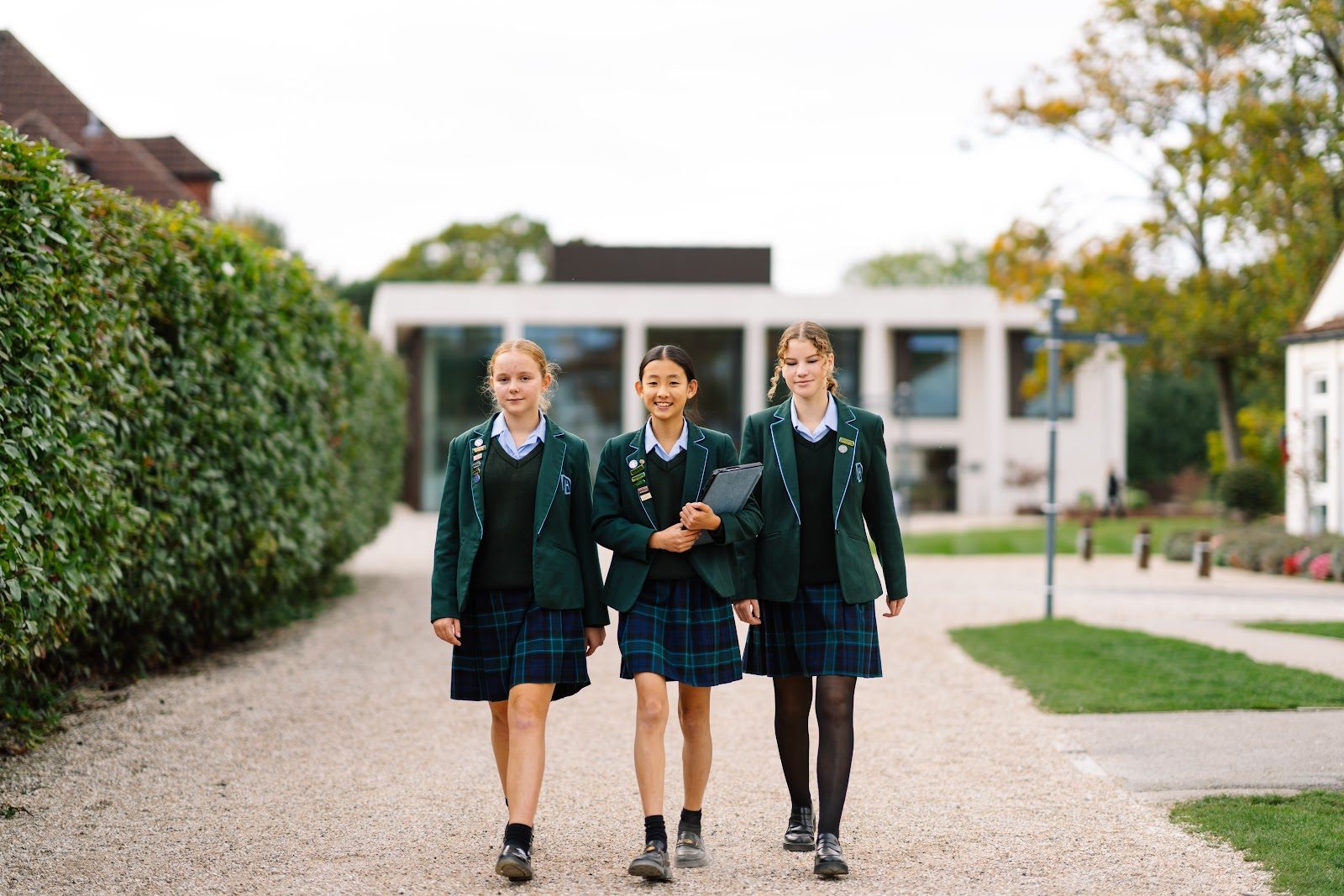
Downe House School
Cold Ash · United Kingdom
Rooted in Charles Darwin's former home, now a 110-acre Berkshire estate where science thrives and Oxbridge ambition runs deep.
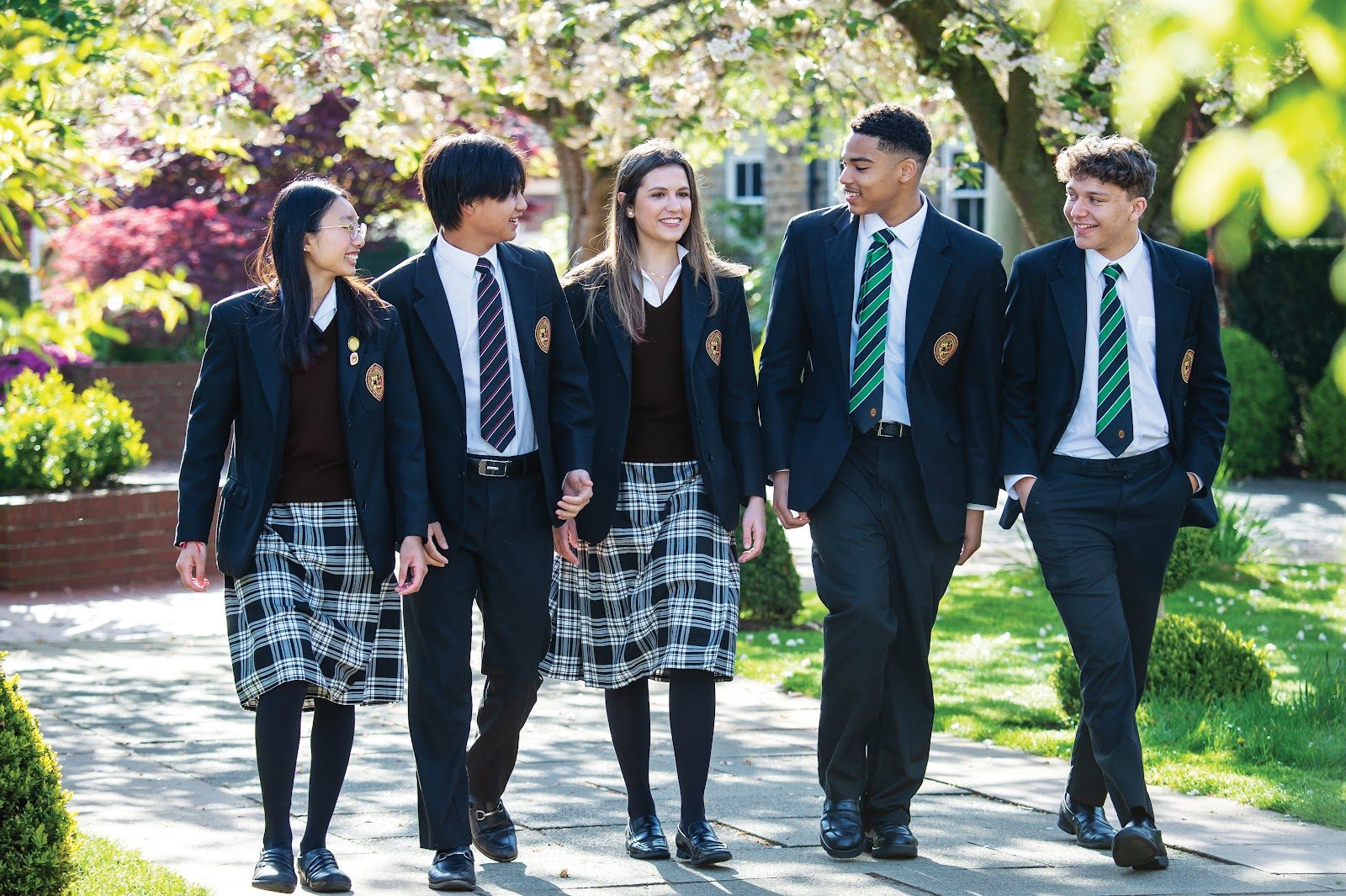
Oakham School
Oakham · United Kingdom
Where a 1584 market-town foundation meets Rutland Water sailing, early co-education, and a long-standing IB Diploma alongside A-levels.
Ibstock Place School
London · United Kingdom
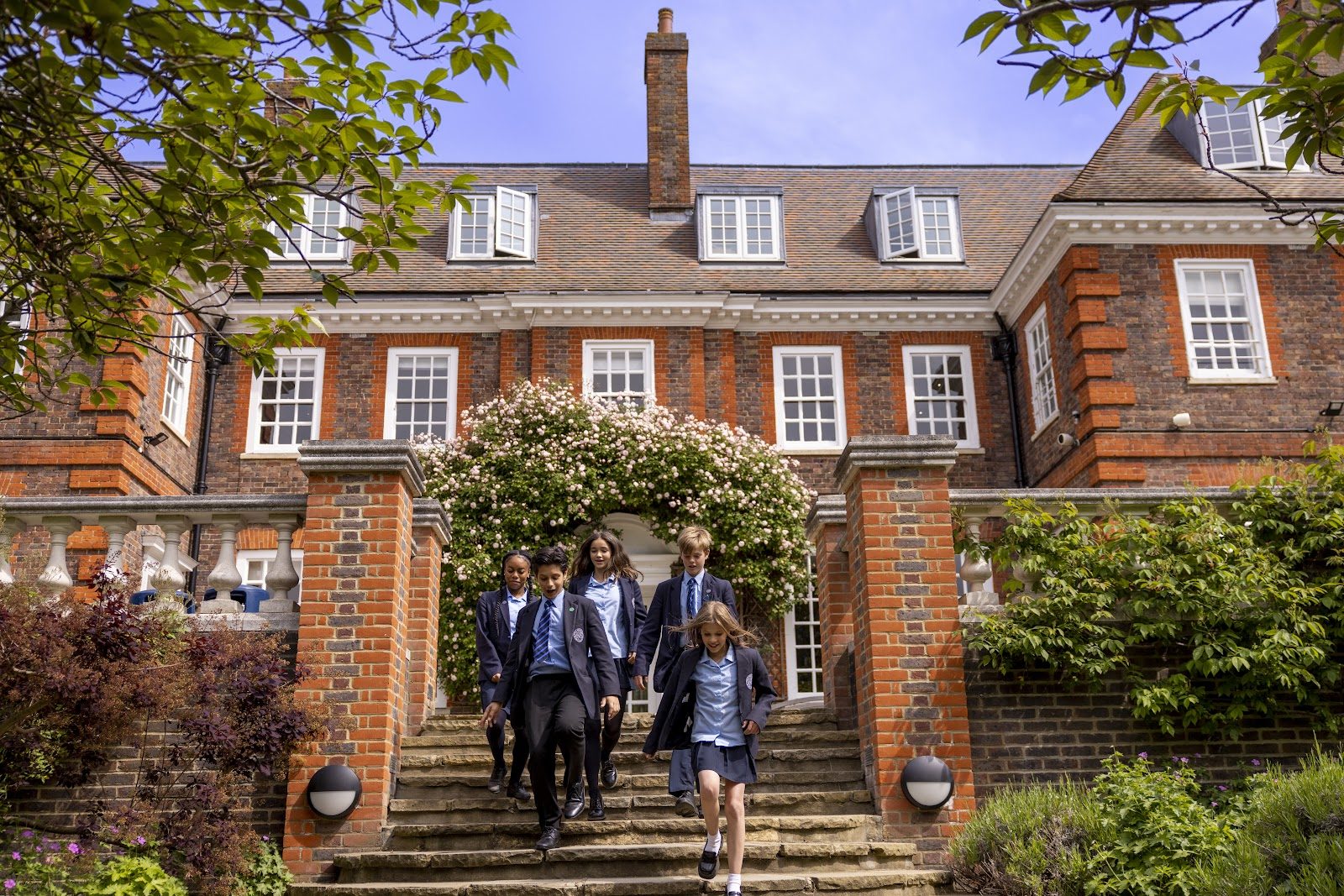
On the fringe of Richmond Park, a Froebel-founded day school has championed co-education since 1894.
Malvern College
Malvern · United Kingdom
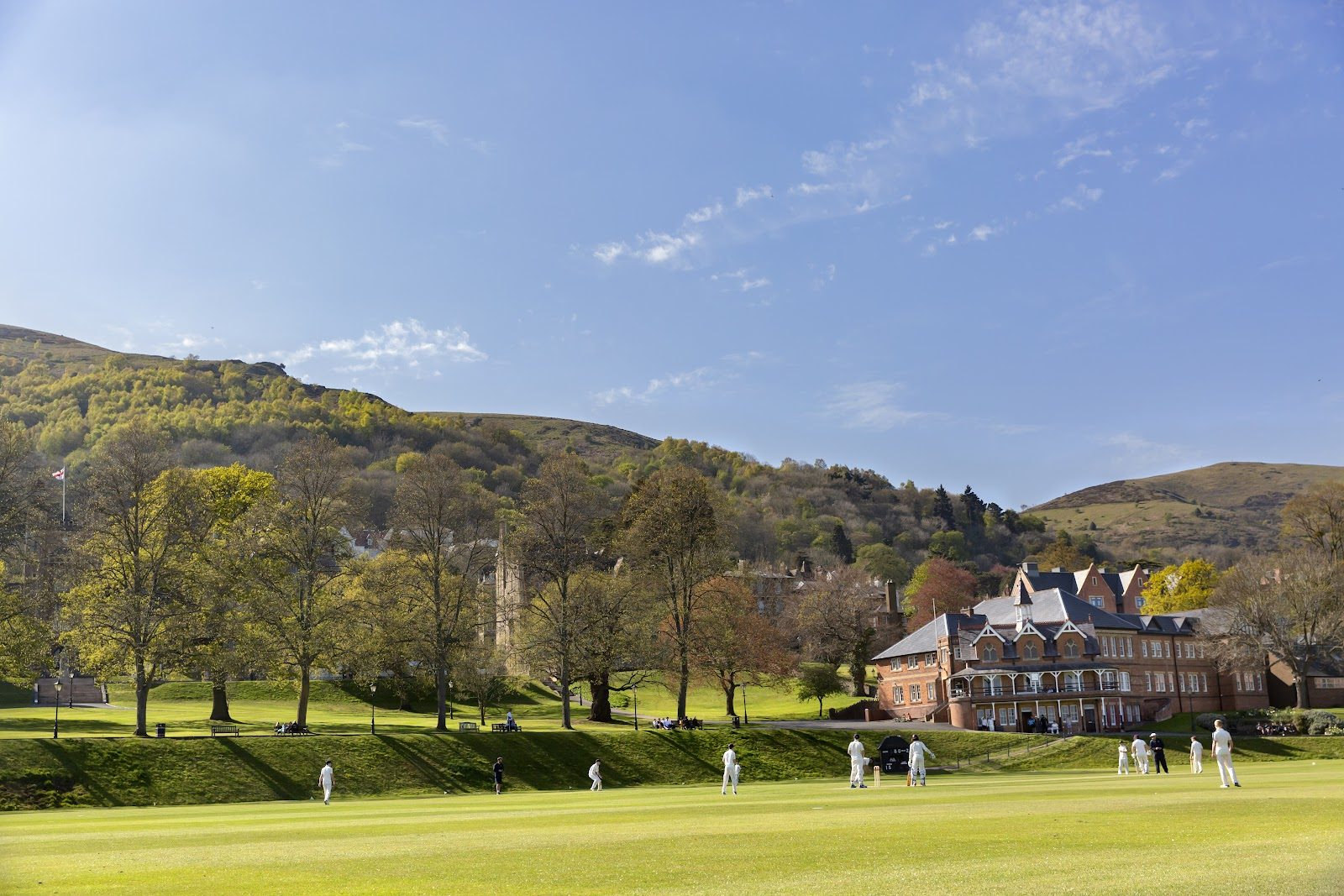
Beneath the Malvern Hills, a campus that once housed wartime radar research has produced four Nobel Prize winners.
Same country and curriculum — closest matches within ±10 points either way