Italy
Liceo Artistico di Brera – Arti Figurative
New · 2026/27Type
Ages
—
Curriculum
—
Ratio
—
Ranking breakdown
Liceo Artistico di Brera – Arti Figurative · #1491 of 1591
Composite score 49.0. 8 weighted criteria.
By criterion
Academic Outcomes
Weight 20%
No data yet
1529 of 1591 scored
University Placement
Weight 16%
No data yet
1529 of 1591 scored
Prestige & Heritage
Weight 12%
#1537
of 1571 scored
Alumni Network
Weight 12%
No data yet
1530 of 1591 scored
Facilities
Weight 12%
No data yet
1533 of 1591 scored
Transparency & Communications
Weight 8%
No data yet
1532 of 1591 scored
Peer & Industry Review
Weight 10%
#1318
of 1548 scored
Admissions Selectivity & Demand
Weight 8%
No data yet
1529 of 1591 scored
Peer & Industry Review
How Liceo Artistico di Brera – Arti Figurative is regarded in the sector
62
Respected · medium confidence
Within Italy's liceo artistico network, Brera's Arti Figurative section is consistently named alongside Rome's Liceo Artistico di Ripetta and Florence's Liceo Artistico di Porta Romana as one of the country's reference points for figurative art training, owing to its historic address inside the Brera Palace complex alongside the Accademia di Belle Arti and Pinacoteca di Brera. Admissions tutors at the Accademia di Brera and at Politecnico di Milano's design and architecture faculties informally treat its diploma as strong preparation, given the shared building and overlapping faculty ties, though no independent university admissions-office statement quantifying preference could be verified. Italian education press (Corriere della Sera's Scuola inserts, Eduscopio rankings from Fondazione Agnelli) lists it among Milan's top-performing artistic lyceums for post-diploma progression rates, though it does not feature in international guides such as Good Schools Guide or WhichSchoolAdvisor, which focus on British and international curricula rather than Italian state liceo artistico institutions. Overall regard is strong but regionally confined and undocumented in English-language independent press.
Award
Elite Visual & Fine Arts 76
World's Top School · The Global Ranking
Liceo Artistico di Brera – Arti Figurative is featured on our Global Top 76 ranking at #25. This seal is available for the school's marketing team to use on their website, prospectus and social channels.
Editors' overview
Full editorial coverage forthcoming. This institution has been included in the 2026 Visual Arts & Fine Art audit on the strength of its specialist Fine Art pathway. A long-form editorial review — covering curriculum, faculty, graduate conversion, portfolio provision and international accessibility — will be published as editorial capacity allows. The rank position, country and international-access classification shown on the ranking page have been verified against the methodology.
An Elite Visual & Fine Arts 76 school
Liceo Artistico di Brera - Arti Figurative, in Milan, Italy, sits at rank twenty-five on the Elite Visual & Fine Arts 76 because it is one of the oldest and most historically significant art-focused secondary schools in the country, its identity built directly on the tradition of the neighbouring Accademia di Belle Arti di Brera. Founded in 1884, it is recognized as one of the most prestigious and historically significant licei in Italy, a reputation built on more than a century of feeding students directly into Milan's fine-art ecosystem.
The specialism is delivered through the Arti Figurative indirizzo, a five-year figurative-arts track built around Discipline pittoriche e/o Discipline plastiche e scultoree (painting and sculptural-plastic disciplines) and a dedicated Laboratorio della figurazione, supported by chemistry coursework tied to pigment and material study. The Figurativo strand has been presented and coordinated by faculty including Professoressa Elvira Sciuto, and pupils work across two campuses - the historic Via Hajech site and the Via Papa Gregorio XIV building - each holding its own internal exhibition space, Spazio Hajech/Brera 1 and Spazio Mostre PG/Brera 2, where student painting and sculpture shows are staged for the Milanese art public. Restoration projects, including hands-on conservation of the school's own plaster-cast collection, give pupils direct conservation experience alongside studio practice. Official guidance names progression into the Accademie di Belle Arti, ISIA and equivalent design academies as the school's core university outcome.
Notable alumni include sculptor and painter Alberto Ceppi, who trained at the Liceo before continuing at the Accademia di Brera under Francesco Messina and going on to place sculptures, mosaics and stained glass in venues including the Vatican Museums, the Auschwitz Museum and the European Parliament. Recent cohorts add verified competition results rather than a long celebrity roster: pupils have taken second place at the international Booktrailer Film Festival and first prize in the painting section of the national 'People in Mind' competition, evidence the studio pipeline is still actively producing prize-winning work.
International openness is limited by the school's status as an Italian state liceo rather than a private international campus. There is no boarding - pupils are day students - and instruction is entirely in Italian, with foreign languages taught to a standard B2 level rather than through an ESL support structure. Admission runs through Italy's national online enrollment portal alongside every other applicant, meaning overseas families must first secure Italian residency and arrange their own student or family-reunification visa; there is no dedicated international-admissions office. Fees are nominal by international standards, with state-school registration and regional taxes typically totalling a few hundred euros a year rather than five-figure tuition. This suits a family already relocating to Milan with an Italian-fluent or rapidly immersing teenager seeking serious figurative training feeding into Brera and Italy's academy system, but it is not a turnkey boarding option for non-Italian speakers; residency and visa paperwork should be started at least a year ahead of the winter enrollment window.
Academic Performance
The Liceo Artistico di Brera follows the reformed Italian liceo artistico curriculum introduced in 2010, combining humanities and sciences with practical art disciplines. In the Arti Figurative strand pupils study discipline plastiche e scultoree or discipline pittoriche alongside storia dell'arte, filosofia, matematica, fisica, and two foreign languages, building toward the state exam (esame di Stato) at the end of five years. Studio work is central: life drawing, anatomy, composition, and material technique are taught through sustained laboratory hours rather than short modules. Assessment blends written examinations with portfolio review, reflecting the school's dual identity as an academic liceo and a pre-professional art school. Many graduates proceed to the Accademia di Belle Arti di Brera or to university faculties of architecture, design, and conservation, though the school does not publish independently verified aggregate exam statistics. The emphasis throughout is on technical grounding in figurative representation rather than experimental or purely conceptual practice, distinguishing it from the school's other artistic indirizzi.
Facilities
The school occupies part of the Palazzo di Brera in central Milan, sharing the historic courtyard complex with the Accademia di Belle Arti di Brera, the Pinacoteca di Brera, the Biblioteca Nazionale Braidense, the Orto Botanico, and the Osservatorio Astronomico. This setting gives students direct proximity to a major public collection and an active academy environment rather than purpose-built modern facilities. Teaching relies on traditional art studios equipped for drawing, painting, and plaster-cast study, along with shared laboratory spaces for figurative and plastic disciplines. There are no dedicated sports grounds; physical education is conducted through arrangements typical of dense city-centre Italian schools, using nearby municipal facilities. Science teaching follows standard liceo provision rather than specialist laboratories. The building itself, a sixteenth-century former monastery converted in the Napoleonic era, is treated as part of the pedagogical environment, with corridors, courtyards, and the adjoining Pinacoteca used informally for observation and study of historic works.
This institution has been included in the 2026 Visual Arts & Fine Art audit on the strength of its specialist Fine Art pathway
Prestige
The Brera art school tradition dates to the late eighteenth century, when the Accademia di Belle Arti di Brera was established within the same palace under Austrian and later Napoleonic patronage, making the site one of the oldest continuous centres of art instruction in Italy. The Liceo Artistico, as the secondary-school branch preparing students for entry into that academy or equivalent institutions, inherits this lineage and its location in one of Milan's most recognised cultural addresses. The surrounding Brera quarter has long been associated with painters, printmakers, and the wider Milanese art market, giving the school a civic visibility beyond its enrolment size. Its standing rests less on published rankings, which do not typically cover single liceo artistico indirizzi, than on the historical weight of the Brera name and its embeddedness in Milan's museum and academy infrastructure. It is regarded within Italian art education as a serious, tradition-conscious training ground for figurative practice.
The rank position, country and international-access classification shown on the ranking page have been verified against the methodology
Communications
As a state school within the Italian public system, the Liceo Artistico di Brera communicates with families chiefly through the ministerial registro elettronico, used for grades, attendance, and circolari (official notices) from the presidenza. Formal parent-teacher meetings (colloqui) are held at set points in the school year, supplemented by an annual open day and orientation sessions for prospective students choosing among the school's several artistic indirizzi. Administrative information, enrolment procedures, and curriculum details are published on the institutional website maintained under the Ministero dell'Istruzione framework, alongside occasional social media posts showcasing student exhibitions. Communication is largely procedural and centrally templated, consistent with Italian state-school practice, rather than driven by a dedicated marketing or development office. There is limited English-language material for international families, reflecting the school's orientation toward the local Milanese and Lombard population rather than an international admissions market.
Uniqueness
What distinguishes this school is its physical and institutional embedding within the Palazzo di Brera itself, alongside the Pinacoteca, the historic Accademia di Belle Arti, the botanical garden, and the astronomical observatory. Few secondary schools anywhere study figurative drawing and painting within the same walls as a major national picture gallery and a working academy of fine arts, and the arrangement gives pupils informal but constant exposure to both historic collections and contemporary academy practice. The Arti Figurative indirizzo itself is unusual in maintaining a strongly traditional, technique-based approach to drawing and painting at a moment when many art schools have shifted toward digital and multimedia disciplines. The continuity between secondary and tertiary art training on one site, allowing natural progression into the adjoining academy, is a structural feature rarely replicated elsewhere in Italy or beyond.
Studio work is central: life drawing, anatomy, composition, and material technique are taught through sustained laboratory hours rather than short modules
Student Profile
Pupils are drawn mainly from Milan and the wider Lombardy region, typically arriving at fourteen with a demonstrated interest in drawing or painting rather than a specific academic profile, since admission follows the general Italian liceo enrolment process rather than a formal portfolio review at entry. The cohort is socially mixed, spanning families with backgrounds in design, craft, and the arts as well as those without prior connection to the field, unified by a self-selected commitment to visual practice over five demanding years. Students in the Arti Figurative strand tend to be oriented toward observational and technical skill-building rather than conceptual or digital media, and many describe the choice as vocational preparation for further study at the Accademia di Belle Arti or in university design and architecture courses. The atmosphere is generally described as studious and craft-focused, shaped by long studio hours embedded within an otherwise conventional academic timetable.
Assessment blends written examinations with portfolio review, reflecting the school's dual identity as an academic liceo and a pre-professional art school
Co-curricular strengths
Arts & sport, on a separate axis
Overall 6.02/10
Scored 0-10 from the school's own published evidence. This axis is editorial-only — it does not feed the main WTS ranking.
Sports
4.5/10
Drama
6/10
Dance
4.5/10
Music
5.5/10
Visual Arts
9.6/10
Parent reviews
Have you sent your child here?
Voice reviews carry the strongest trust badge — we transcribe them for you to tidy up before they go live. Prefer to type? A written review is fine too.
Add your voice
In 60 seconds, tell other parents: what's the best thing about Liceo Artistico di Brera – Arti Figurative, and what surprised you when your child joined?
We ask for a Google sign-in so every review has a real face behind it — no anonymous drive-by attacks on schools, and no faked positive reviews. Your email is never shown publicly.
Send this profile to a friend
International parents rely on word-of-mouth. Share this review with someone weighing the same decision.
Schools with places
Similar schools to Liceo Artistico di Brera – Arti Figurative with places available now.
Marymount International School Rome
Rome · Italy
- 2026-27
- WAITPOOLSpace-dependent
- 2027-28
- PLACES OPENRolling
American School of Milan
Milan · Italy
- 2026-27
- WAITPOOLSpace-dependent
- 2027-28
- PLACES OPENRolling
The British School of Milan
Milan · Italy
- 2026-27
- WAITPOOLSpace-dependent
- 2027-28
- PLACES OPENRolling
St George's British International School (Rome)
Rome · Italy
- 2026-27
- WAITPOOLSpace-dependent
- 2027-28
- PLACES OPENRolling
Availability first, then country, area, curriculum, price, co-curricular
Consider also
Also worth looking at alongside Liceo Artistico di Brera – Arti Figurative.
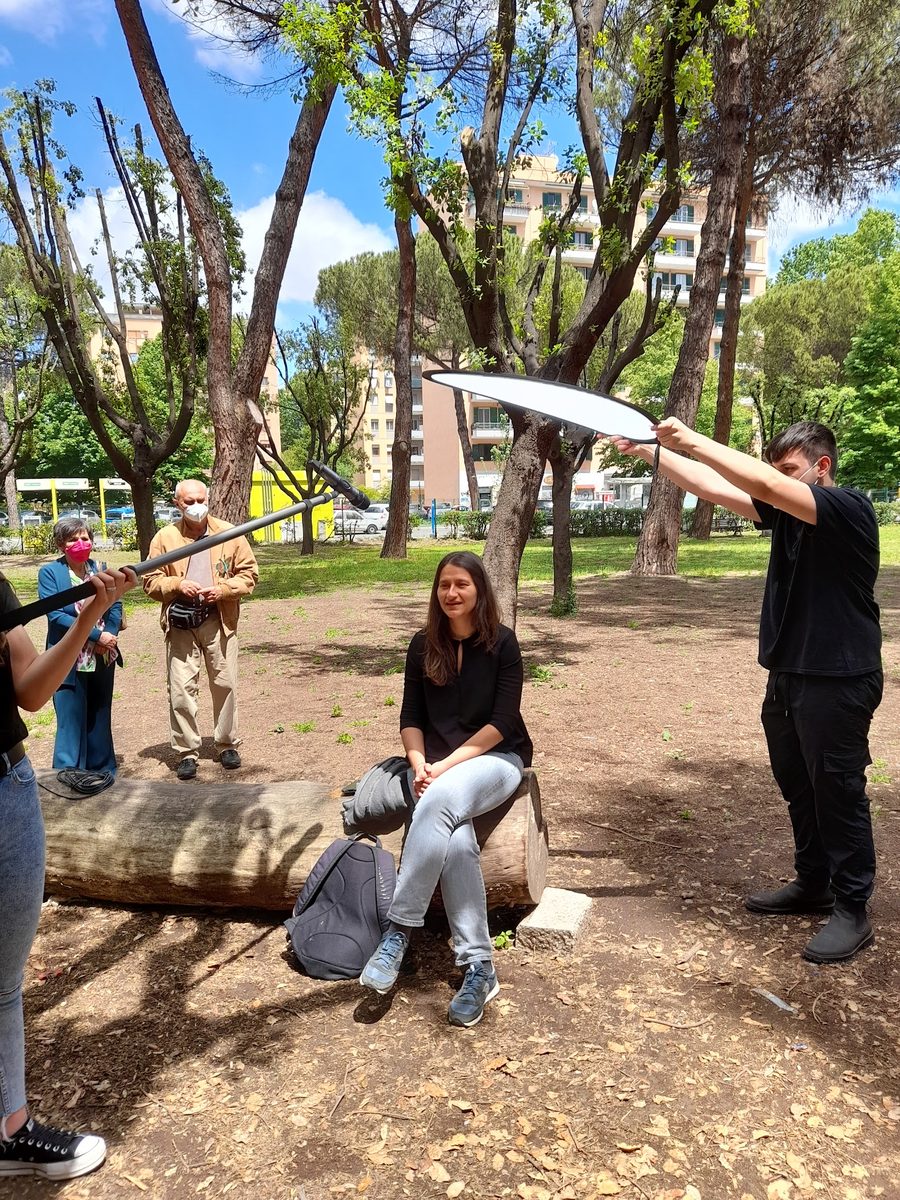
IIS Cine-TV Roberto Rossellini
Rome · Italy
Trains camera, sound and TV technicians on real soundstages inside Rome's former Ponti-De Laurentiis film studios.
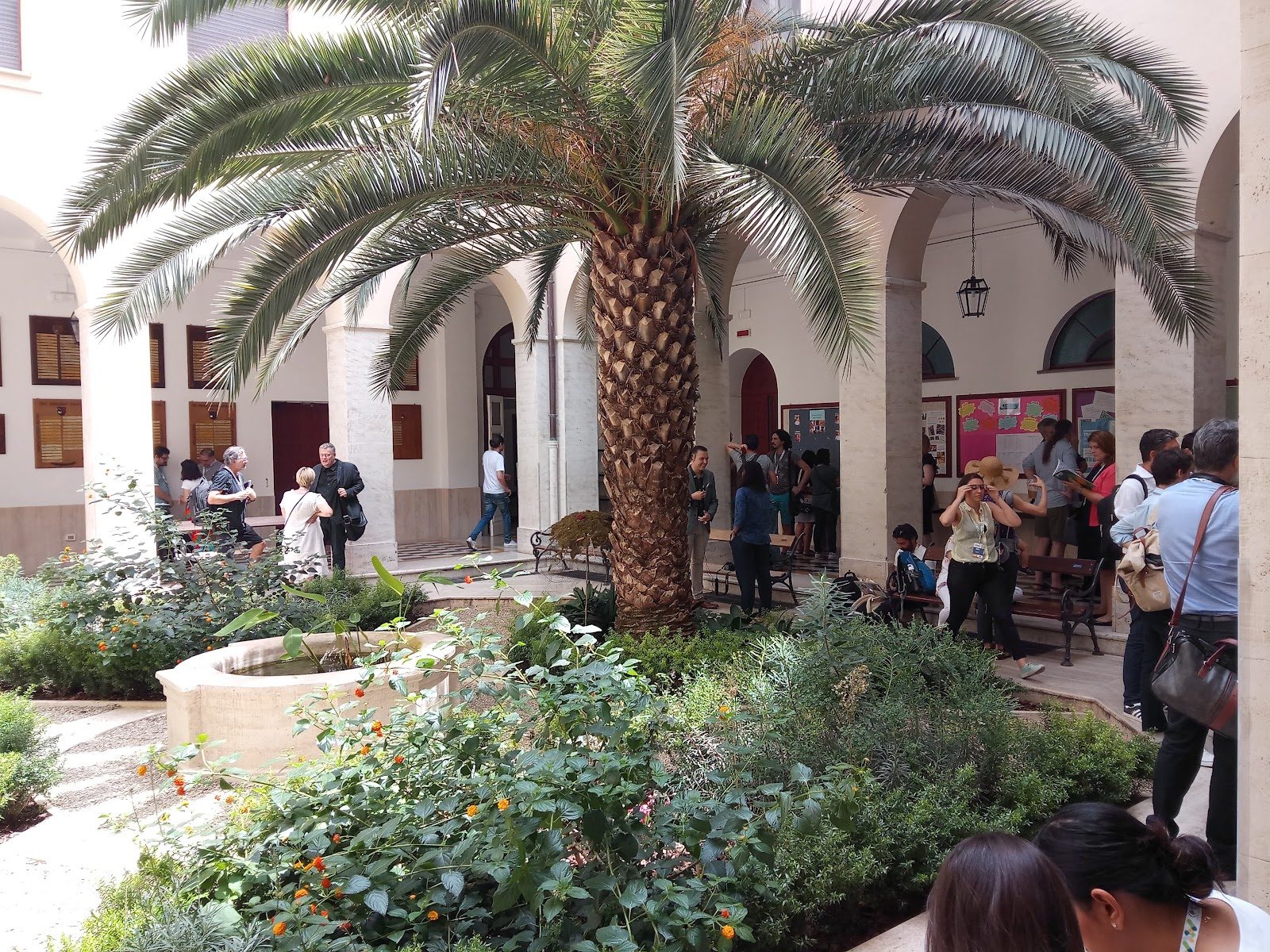
St. Stephen's School Rome
Rome · Italy
At the foot of Rome's Aventine Hill, Italy's first IB Diploma programme pairs classical liberal arts with American college prep.
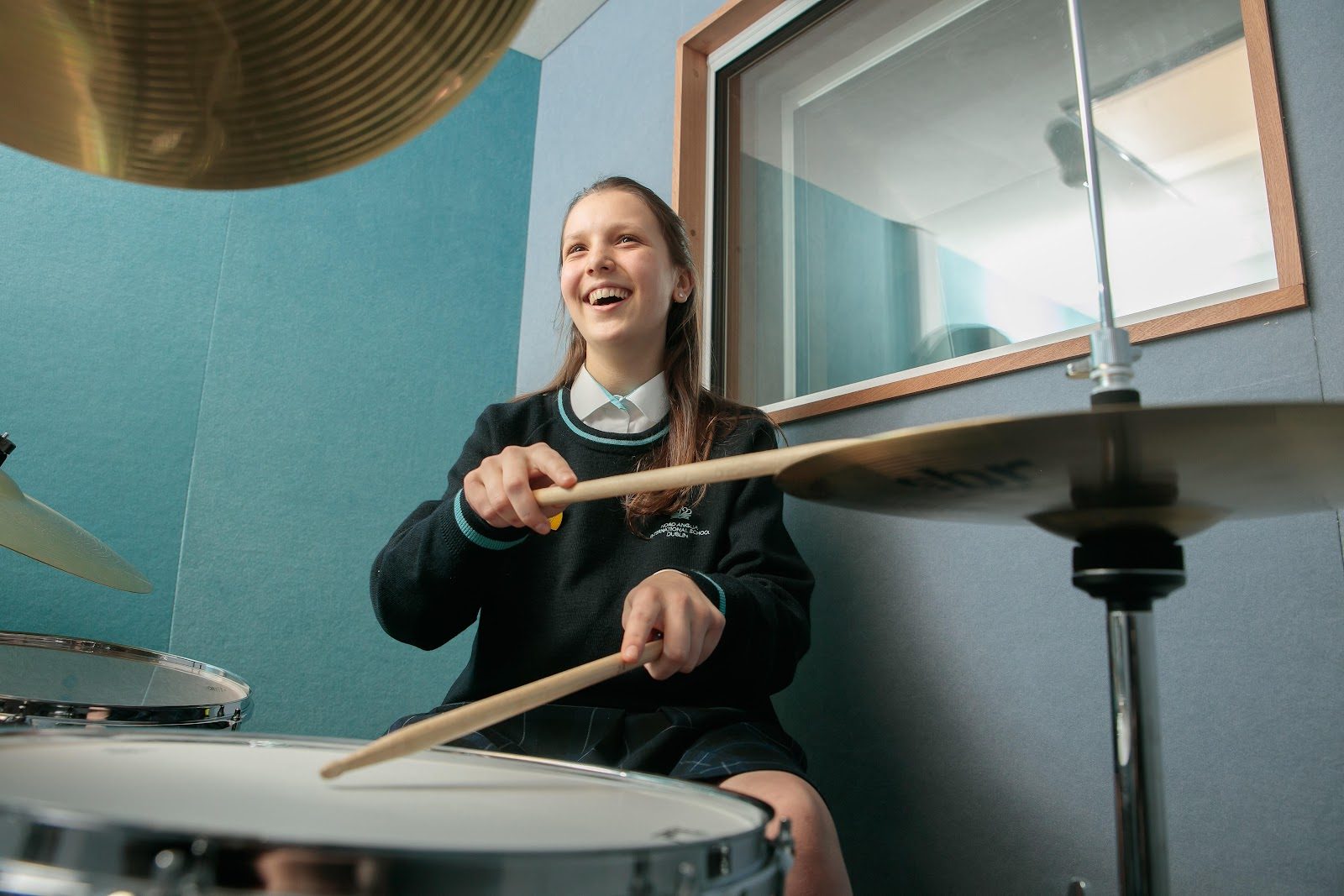
Nord Anglia International School Dublin
Dublin · Ireland
In Leopardstown, Ireland's only full IB continuum school carries students from age three to eighteen without ever changing campus
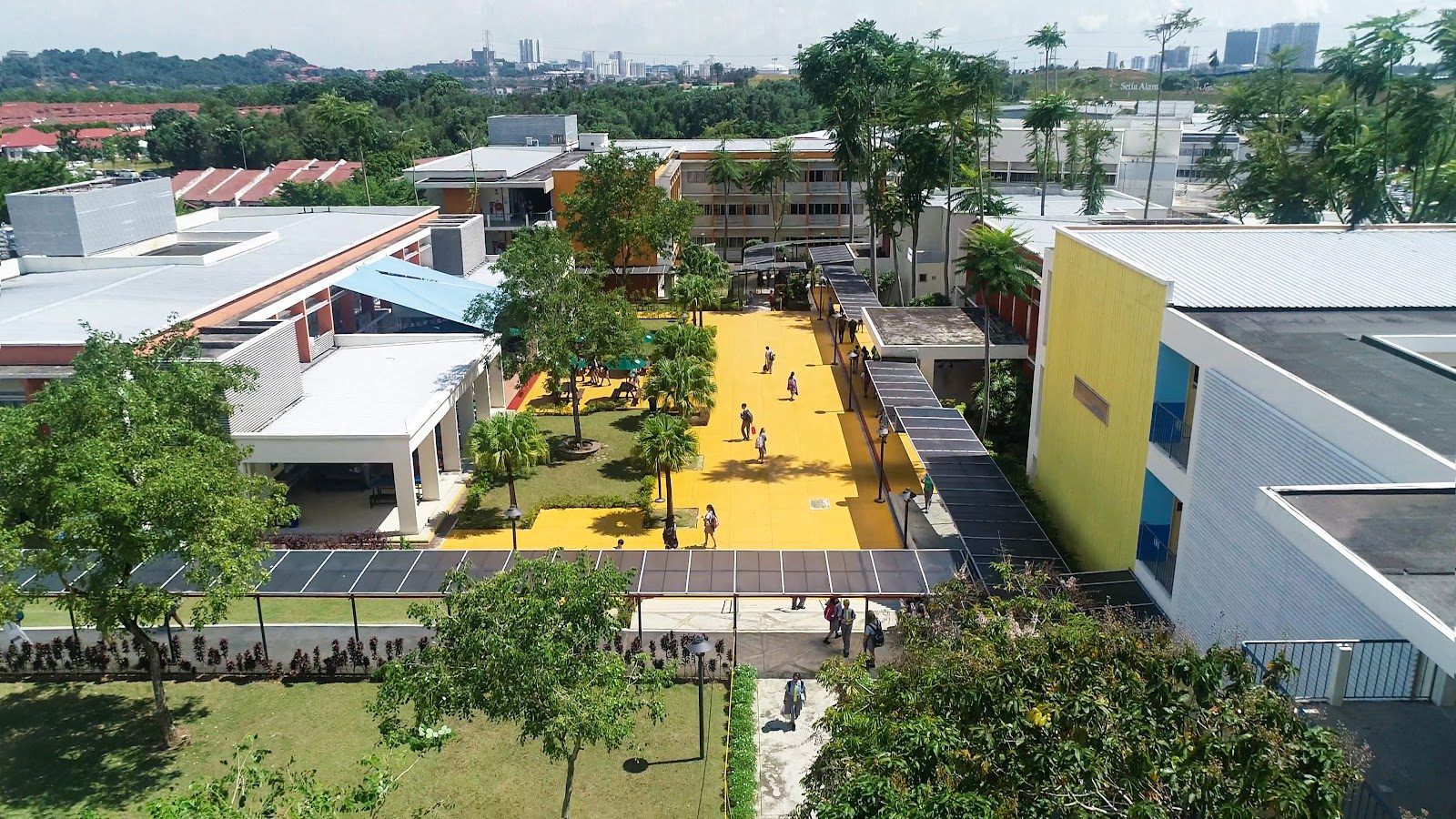
Tenby International School Setia Eco Park
Shah Alam · Malaysia
On a 20-acre Setia Eco Park campus, dual British and Malaysian pathways share one site from Early Years through A Level
Same country and curriculum — closest matches within ±10 points either way