
California
Seminar-style rigor in Rockridge, where an 8:1 ratio once helped earn a Wall Street Journal top-six national ranking
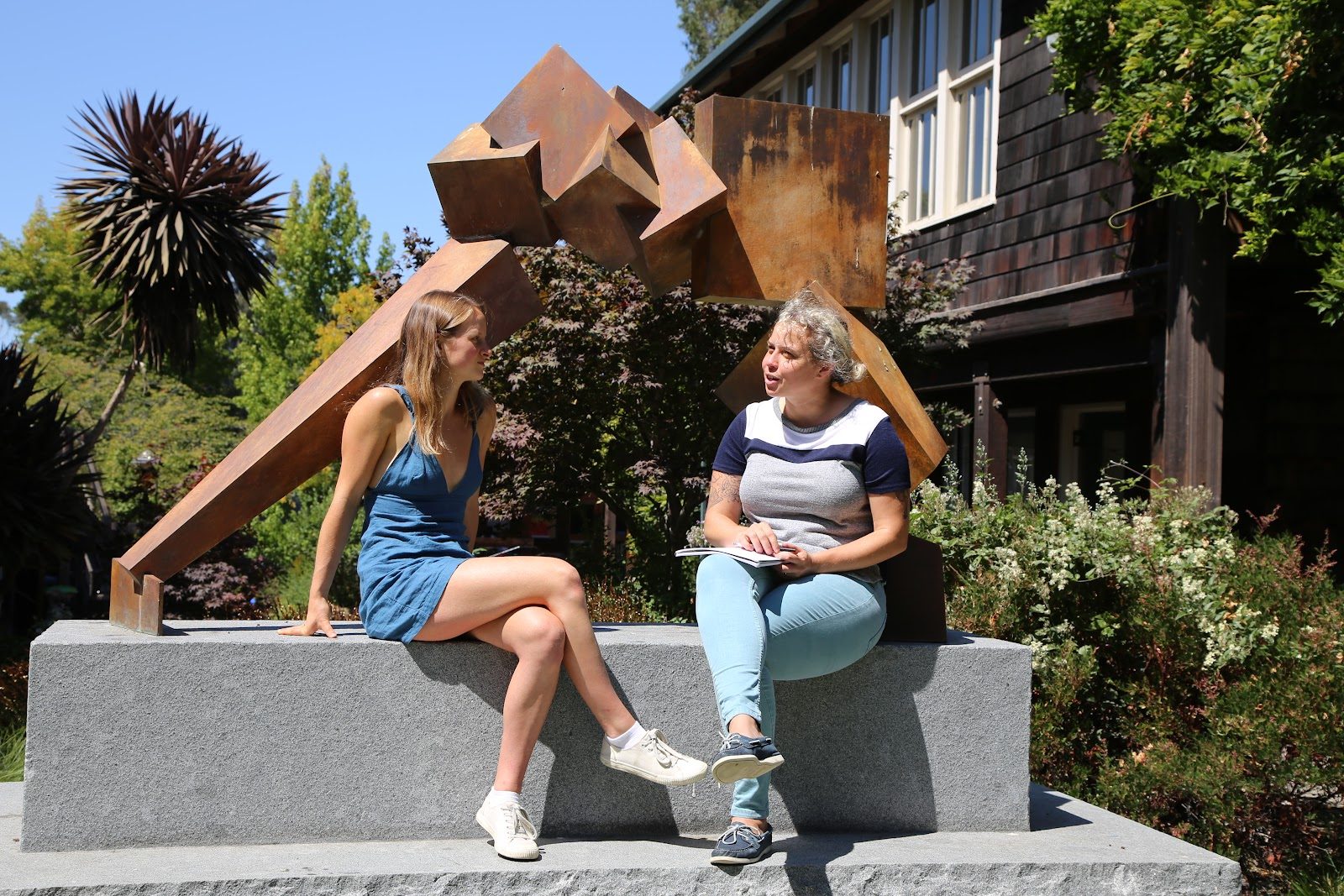
Photo © The College Preparatory School via Google Maps
Type
Day
Ages
14–18
Curriculum
American
Qualifications
AP
Ratio
—
The Verdict
Editor's commitment
Right for
Academically hungry teenagers who want American day schooling with seminar-style teaching, an 8:1 ratio, and NEASC and NAIS accreditation.
Wrong for
Families wanting breadth over intensity, younger entry than ages 14–18, or a cheaper Oakland option than the US$62,760 average annual fee.
Watch out for
This is a small, selective Rockridge high school drawing from 100-plus middle schools; the social reset is real, and there is no boarding.
Ranking breakdown
The College Preparatory School · #174 of 1591
Composite score 76.0. 8 weighted criteria.
By criterion
Academic Outcomes
Weight 20%
#118
of 1529 scored
University Placement
Weight 16%
#136
of 1529 scored
Prestige & Heritage
Weight 12%
#393
of 1529 scored
Alumni Network
Weight 12%
#306
of 1529 scored
Facilities
Weight 12%
#502
of 1529 scored
Transparency & Communications
Weight 8%
#153
of 1529 scored
Peer & Industry Review
Weight 10%
#338
of 1529 scored
Admissions Selectivity & Demand
Weight 8%
#143
of 1529 scored
Score history
The College Preparatory School · 2026
Movement across 2024–2026. Peer average overlaid.
Overall — 2024–2026
76.0/ 100
▲ +31.4 vs 2025
year on year
Peer & Industry Review
How The College Preparatory School is regarded in the sector
78
Strong · medium confidence
College Preparatory School (CPS) in Oakland is consistently recognized in Niche.com rankings as one of the top private high schools in California and the Bay Area, and is frequently cited in regional college-counseling and independent school discourse as a highly rigorous, academically elite institution comparable to peers like Head-Royce and Bishop O'Dowd. It has a strong reputation among Bay Area independent school peers and college admissions offices for its demanding curriculum, though it lacks the national-level name recognition or consistent presence in top-tier national press (e.g., no frequent Forbes/WSJ 'best schools' features) that would place it in the 90+ tier.
Evidence sources
Editors' overview
Rockridge is full of good schools; The College Preparatory School earns a place on a shortlist because it does something narrower and harder. It is a small, non-religious American day school for ages 14 to 18, founded in 1960, with an 8:1 student-teacher ratio that supports the kind of seminar-style teaching many schools advertise and few sustain. The school’s own language is telling: students “engage deeply with big ideas and the craft of scholarship”, and conversations “spill over into the courtyard”. That can read like boilerplate elsewhere. Here, paired with the ratio and the school’s long-standing academic reputation, it points to a campus built around discussion, close reading, writing and intellectual confidence rather than scale, spectacle or varsity culture.
What is special about College Prep is the combination of serious academic pressure and an informal, welcoming social tone. Students arrive from over 100 different middle schools, which matters: this is not a monoculture feeding itself from one junior pipeline, but a high-attaining upper school that assembles a broad intake and expects them to learn from one another. The school is accredited by NEASC and NAIS, which gives it solid institutional standing, but the stronger signal is cultural. This is a place for pupils who want teachers to know them well, who enjoy ideas enough to keep talking about them after class, and who do not need hand-holding to value scholarship. Parents paying an average annual fee of $62,760 are buying access to that intensity.
This school is not for every bright teenager. It suits students who are genuinely bookish, verbally agile, self-motivated and comfortable in classrooms where participation carries weight. It will appeal to young people who want their peers to care about learning and who prefer depth over breadth in daily school life. Families looking for a sprawling campus, a softer academic pace or a more overtly branded “balanced” experience should look elsewhere. College Prep’s appeal is sharper than that: high standards are the norm, inquiry drives the culture, and the right student will find it electrifying.
Academic Performance
College Prep’s academic reputation is formidable, but the school does not publish the hard outcome data that would let parents test that reputation properly. We have not seen aggregate SAT or ACT figures, AP participation or score profiles, National Merit totals, or a university destinations table in the public domain. That opacity matters. In the US private-school market, top academic schools that want credit for exam performance and college placement usually disclose at least some headline numbers. College Prep asks families to trust its culture of scholarship more than its published metrics. That is not fatal, but it is a real weakness for a school in this fee bracket.
Even with that gap, the surrounding signals place it in the serious academic tier of Bay Area independents. The school’s own emphasis on “big ideas” and “the craft of scholarship” points to a classroom culture built around reading, writing and discussion rather than test-drill or broad-brush grade inflation. A past Wall Street Journal ranking in the national top six gives external confirmation that the school has, at minimum, carried weight well beyond its size. Still, among direct peers, undisclosed exam data leaves it harder to benchmark with precision. The conclusion is clear: this is a high-expectation school with elite intellectual ambitions, but parents who want clean, published proof of external results will find the record frustratingly opaque.
Facilities
The school’s physical pitch is deliberately modest. The public description gives parents a “campus” tucked into a glen in Rockridge, with courtyards where academic conversation carries on after class. That points to a site organised for proximity and daily intellectual traffic rather than monumental architecture or high-visibility amenities. The facilities that matter here sit inside the academic and creative programme: dedicated arts provision across visual art, dance, drama and music; a library; technology and innovation space; learning support; and an athletics set-up with sports medicine and recreation. For an upper school drawing from 100-plus feeder schools, that breadth is the minimum required. The distinction is not abundance but fit: spaces built to keep older teenagers working, talking and making things without the dead zones and logistical sprawl that weaken larger campuses.
Against Bay Area independent peers, this places College Prep in a serious but unspectacular bracket for plant. Families hunting Olympic-scale pools, arena-grade sports complexes or the manicured grandeur of wealth on display will find slimmer pickings. Families who care more about whether classrooms, arts rooms, the library and student commons serve an exacting school culture will find the essentials in place. That trade-off matches the school’s identity. It spends its institutional energy on scholarship and teacher access, not on selling a fantasy campus. In this market, that reads as either refreshingly adult or thin for the price. The facilities do the job; they are not the reason to choose the school.
Rockridge is full of good schools; The College Preparatory School earns a place on a shortlist because it does something narrower and harder
Prestige
College Prep carries real prestige, but it is a specific kind of prestige. This is not the glossy, mass-market status of a giant brand-name independent with stadium facilities and a global admissions machine. Its cachet is narrower, more academic and more local in texture: the esteem of families, universities and educators who value hard classroom thinking, articulate students and a culture where scholarship has social standing. The low staffing ratio already noted strengthens that reading, because it supports close teaching rather than institutional sprawl. So does the intake pattern from 100-plus feeder schools, which gives the school reach across a wide slice of the region’s ambitious families instead of relying on one captive pipeline. For the right audience, that makes the school selective in tone as well as in admissions.
The alumni signal adds weight. Wikidata records 22 notable alumni across business, science, writing and the arts, including 1 top-tier award winner. That is not a vanity list padded with minor fame; it is enough to show that the school has produced people who travel well beyond school-gate reputation. Prestige also draws strength from scarcity. College Prep serves only the upper secondary years, keeps its focus tight, and cultivates a serious intellectual identity that does not chase every market trend. The limit on its prestige is visibility: the school does not publish the kind of outcome data that would turn reputation into an airtight public case. Even so, within the Bay Area independent-school hierarchy, it holds elite academic standing and a quietly formidable name.
It suits students who are genuinely bookish, verbally agile, self-motivated and comfortable in classrooms where participation carries weight
Communications
College Prep communicates in the idiom of a school that expects parents to keep up: dense navigation, a long menu of academic and student-life pages, clear signposts for calendars, login areas, directories, giving, admissions events and financial aid, and none of the fluff that clogs weaker school sites. That breadth matters for a stand-alone upper school with students arriving from 100-plus previous schools. Families need structure, not mood-setting. On that test, the school does well. The website gives a workable map of how the institution runs and who does what. The tone is also consistent with the school’s culture: adult, scholarly and unembarrassed by seriousness. The welcome messaging leans hard on ideas, inquiry and community values; parents who want a school to state its priorities plainly will get a clean read of the place.
The limit is depth. We have not seen the kind of parent-facing transparency that turns communication from competent to first-rate: no public digest of academic outcomes, no obvious dashboard of headline performance, and little that translates the school’s internal confidence into hard external proof. For current families, the presence of portals and directories points to functional day-to-day communication. For prospective families, the school is clear about ethos and thin on evidence. That split is important. College Prep communicates its identity with precision; it communicates measurable results with restraint, and at this fee level that restraint is a real flaw.
Uniqueness
What sets College Prep apart is its refusal to dilute its purpose. Many strong schools talk about inquiry, voice and close teacher attention; this one has built its whole upper-school model around them. It takes teenagers from 100-plus prior schools and throws them quickly into a culture where discussion carries real weight, ideas matter in public, and intellectual confidence is part of daily social life. That produces a student body that is less inherited and more assembled: young people arriving with different habits, backgrounds and assumptions, then learning to test them against one another. The result is sharper conversation, higher academic voltage and a form of peer education that extends beyond the timetable.
That narrowness is the point, and it brings real gains for the right student. Older pupils get a school designed for their stage of life rather than one where sixth form sits on top of a much larger K–12 machine. Teachers can push harder, expect more independence and spend less time translating adolescent seriousness into child-friendly school culture. Students who thrive here leave with more than polished transcripts; they leave with a habit of argument, a tolerance for being challenged and the ability to hold their own among other bright, articulate people. That is rare, demanding and deeply formative. It also makes the school a poor fit for passengers.
A past Wall Street Journal ranking in the national top six gives external confirmation that the school has, at minimum, carried weight well beyond its size
Student Profile
The pupils who fit best here are intellectually self-propelled, verbally confident and happy to have their ideas tested in public. This is a school for teenagers who read closely, write fluently, ask follow-up questions and do not treat classroom discussion as a performance to be survived. The intake from more than 100 prior schools matters because it creates a student body with mixed habits and assumptions; pupils need the confidence to enter that mix without relying on an old friendship ecosystem or a single feeder culture. Curiosity, stamina and social ease all count. So does the ability to accept correction without drama. Students who need constant external structure, heavy pastoral cushioning or a lower-friction route through school life will find the pace demanding, the peer group sharp-edged and the expectations unforgiving.
Socially, the best fit is a young person who wants bright classmates to care about ideas as much as sport, image or adolescent hierarchy. Kindness and respect matter in the school’s own account, but this does not read like a cosy refuge for every high achiever. It reads like a place where scholarship has status and where the right student will enjoy that fact. The low staffing ratio, already noted elsewhere, supports pupils who want real access to adults and can use it well. A student who is bookish, self-possessed and energised by serious conversation will thrive. A student looking for anonymity, hand-holding or a more lightly academic culture will not.
Wikidata records 22 notable alumni across business, science, writing and the arts, including 1 top-tier award winner
Co-curricular strengths
Arts & sport, on a separate axis
Overall 8.58/10
Scored 0-10 from the school's own published evidence. This axis is editorial-only — it does not feed the main WTS ranking.
Sports
7.5/10
A high-participation interscholastic athletics programme with 21 league titles since 2010, 7 NCS championships, 64 league championships overall, 90 collegiate athletes, and unrestricted use of the Tom Bates Regional Sports Complex.
Drama
8.8/10
The arts department offers drama, the programme runs two major productions each year and is supported by stagecraft, drama tech and digital video production classes, and verified alumnus Chris Tashima is an Academy Award laureate, which together support a notable drama pedigree.
Dance
8.8/10
Dance is offered at all levels, students perform in high school dance festivals, senior centers and theaters throughout the Bay Area, the programme has around 70 dancers, and it teaches named modern-dance techniques and choreographic traditions, indicating a strong, structured and outward-facing programme.
Music
8.8/10
Instrumental ensembles including jazz band and orchestra, a dedicated chorus and vocal ensemble with auditioned advanced tiering, and regular student selection to the prestigious National Honor Choir organized by the American Choral Directors Association, which is sustained national-level recognition.
Visual Arts
9/10
Wikipedia explicitly names visual arts within the arts department and notes foundation- and advanced-level classes in drawing and design plus regular student publication features, showing a structured programme with progression.
Editor first-pass · editor-reviewable · 7/28/2026
Notable alumni · Wikidata
22notable alumni
0 historic (born pre-1930) · 11 modern (born post-1970)wikidata:2026-07-28 How we source this

WTS 300 badge
2025/26 editionThe College Preparatory School is one of the World's Top 300 Schools for 2025/26. Claim your listing to add it to your site →
Strengths
- +Very low student-to-faculty ratio of about 8:1, allowing close academic mentoring across a small student body of roughly 370.
- +Niche ranks the school #1 among Best Private High Schools in California, reflecting strong outcomes and reviews.
- +Compact five-acre campus set within the Oakland Hills in the Rockridge neighborhood, giving a close-knit, walkable community feel.
- +Reported average academic profile is high, with a 3.74 average GPA, 1490 average SAT, and 100% graduation rate among Niche-surveyed students.
- +Founded in 1960 with an established single-purpose mission -- a four-year, non-residential high school solely focused on college preparation.
Considerations
- −Annual day tuition is roughly $60,050, plus an estimated $1,200-$1,500 a year in non-tuition costs such as books and a laptop.
- −The school enrolls only grades 9-12 with no lower or middle school, so relocating families must secure separate schooling for younger children.
- −Admission is competitive, with a reported acceptance rate around 30%, meaning places are not guaranteed even for strong applicants.
- −The school does not offer ESL classes, so international applicants are expected to arrive with solid English proficiency already in place.
Availability
Primary entry gate & tests
ISEE/SSAT + Interview
Gallery
Photo © The College Preparatory School via Google Maps
Photo © The College Preparatory School via Google Maps
Photo © The College Preparatory School via Google Maps
Photo © The College Preparatory School via Google Maps
Photo © The College Preparatory School via Google Maps
Photo © The College Preparatory School via Google Maps
Photo © Daniel Major via Google Maps
Photo © Daniel Major via Google Maps
Photo © The College Preparatory School via Google Maps
Parent reviews
Have you sent your child here?
Voice reviews carry the strongest trust badge — we transcribe them for you to tidy up before they go live. Prefer to type? A written review is fine too.
Add your voice
In 60 seconds, tell other parents: what's the best thing about The College Preparatory School, and what surprised you when your child joined?
We ask for a Google sign-in so every review has a real face behind it — no anonymous drive-by attacks on schools, and no faked positive reviews. Your email is never shown publicly.
Send this profile to a friend
International parents rely on word-of-mouth. Share this review with someone weighing the same decision.
Schools with places
Similar schools to The College Preparatory School with places available now.
Riverdale Country School
New York City · United States
- 2026-27
- WAITPOOLLate application possible
- 2027-28
- OPENS SOONOpens 8 Sept '26 (Noon ET)
Ethical Culture Fieldston School
New York City · United States
- 2026-27
- WAITPOOLLimited late availability
- 2027-28
- OPENS SOONOpens post-Labor Day '26
Saint Ann's School
Brooklyn · United States
- 2026-27
- WAITPOOLLate / attrition-dependent
- 2027-28
- OPENS SOONOpens 8 Sept '26
Loomis Chaffee School
Windsor · United States
- 2026-27
- WAITPOOLLate/Rolling Space Available
- 2027-28
- OPENS SOONOpens 1 Sept '26
Availability first, then country, area, curriculum, price, co-curricular
Consider also
Also worth looking at alongside The College Preparatory School.
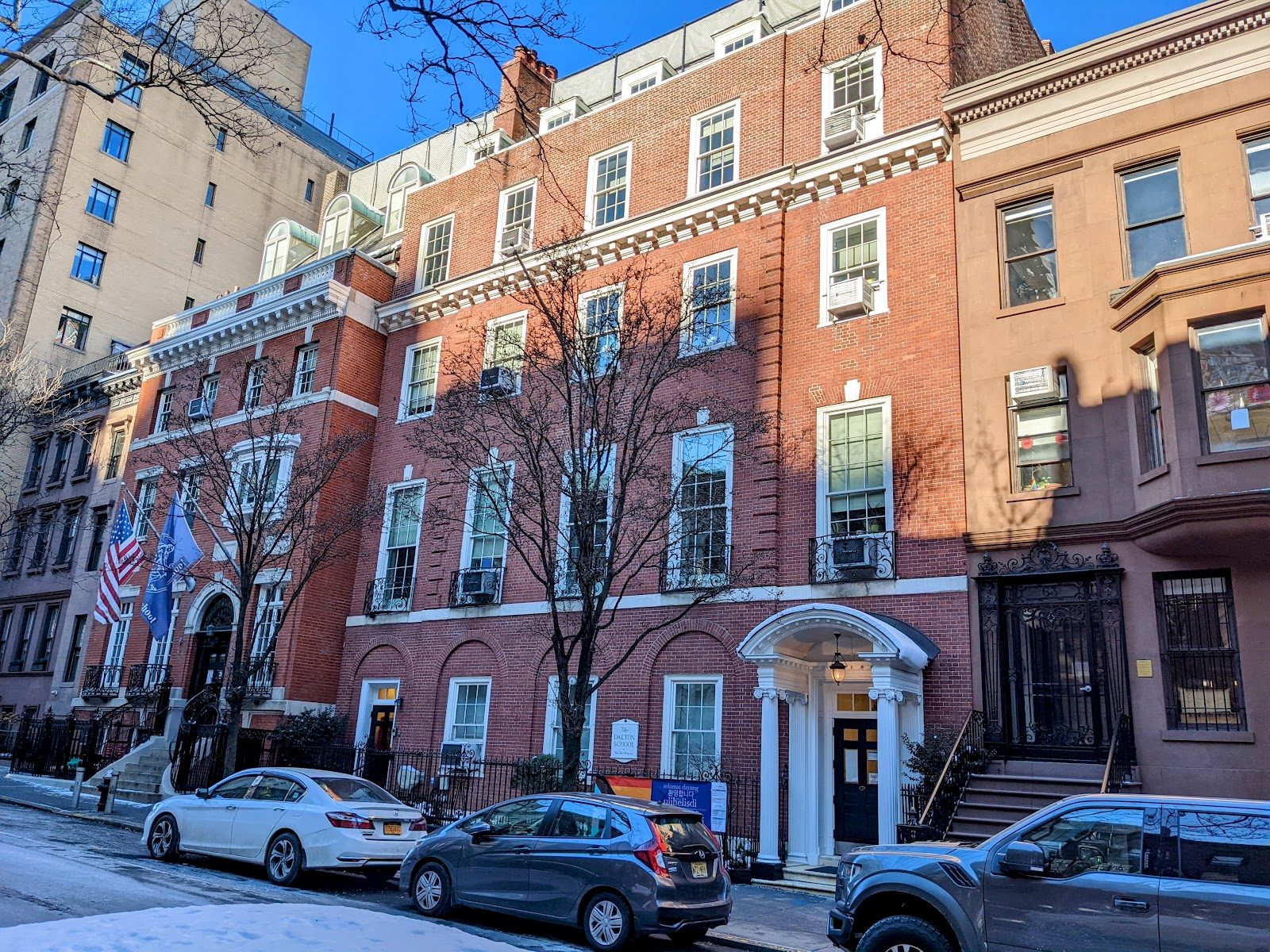
The Dalton School
New York City · United States
A century-old progressive blueprint of House, Assignment, and Lab still shapes learning on the Upper East Side.
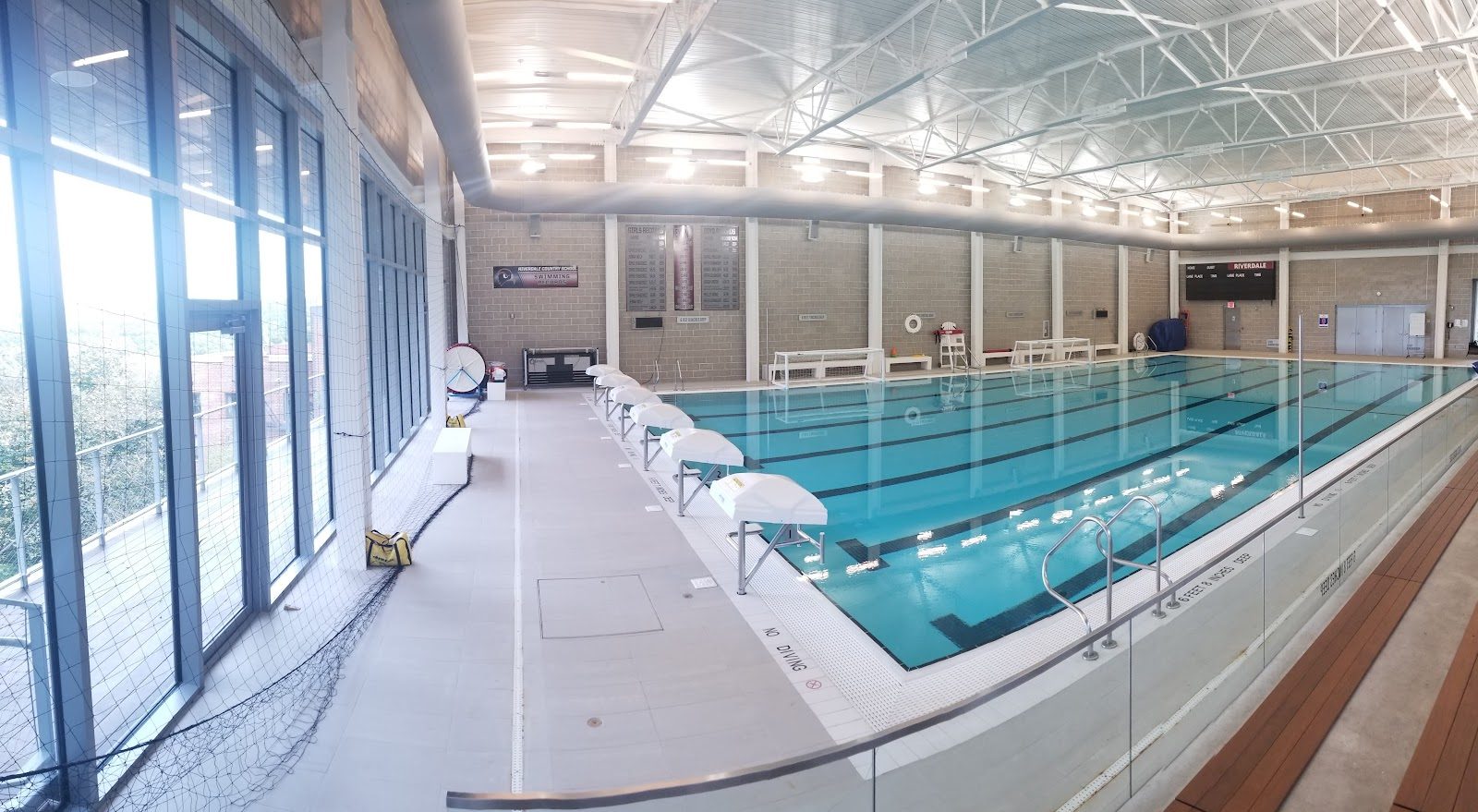
Riverdale Country School
New York City · United States
A century-old Bronx country day school split between a Hudson River campus and a Van Cortlandt Park hilltop, built on the motto Mind, Character, Community.
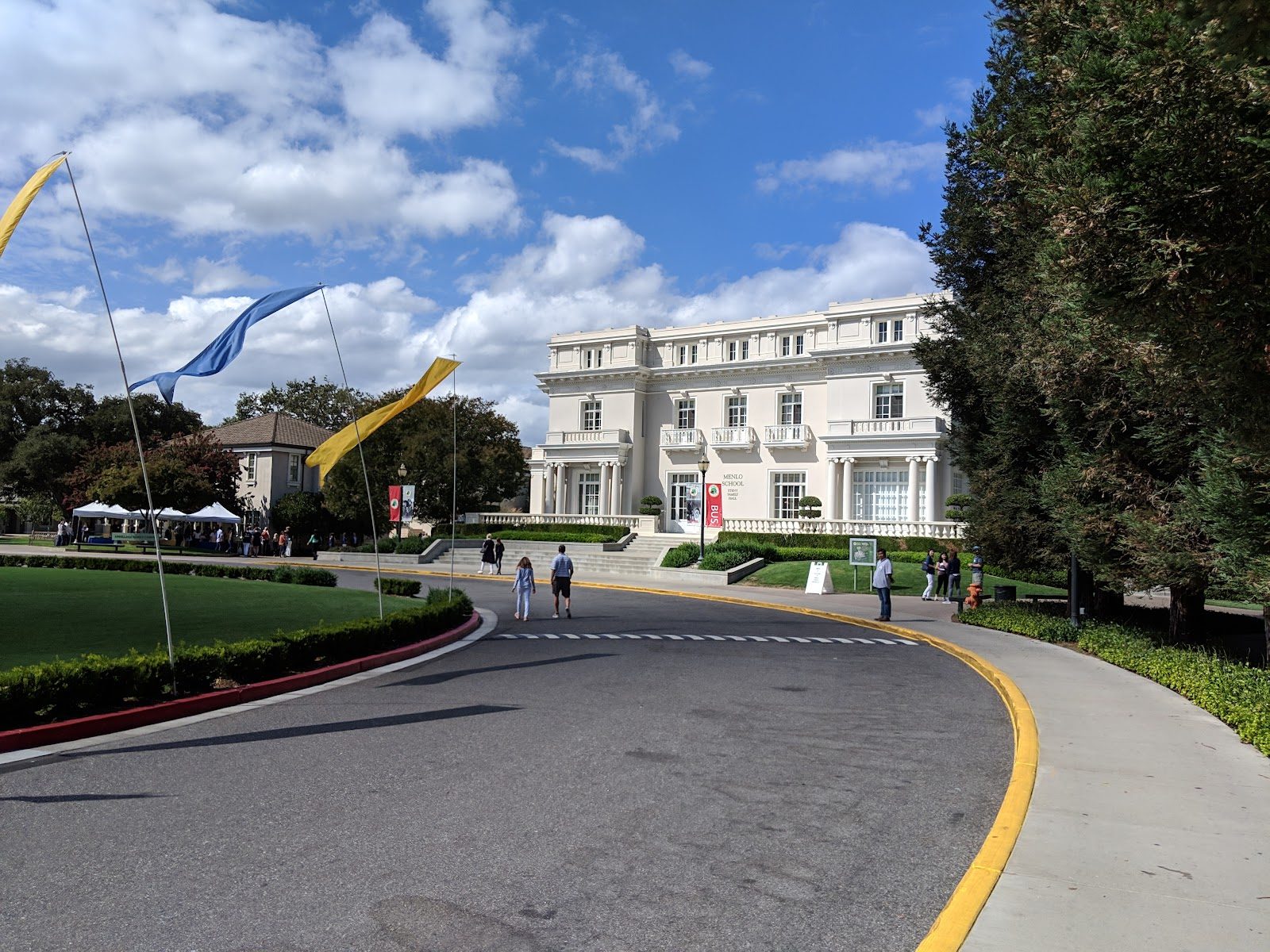
Menlo School
Atherton · United States
A 1915 Atherton campus near Stanford where an 8:1 ratio lets students chart their own humanities, STEM, or arts path.

The Spence School
New York City · United States
Since 1892 on Manhattan's Upper East Side, an all-girls institution built on research fellowships and a founder's progressive vision.
Same country and curriculum — closest matches within ±10 points either way