
California
Sierra Canyon School
low confidence· 3/6 cats · 3 avg sourcesAlong equestrian trails in the San Fernando Valley foothills, a liberal-arts day school fields 76 varsity teams.
Type
Day
Ages
4–18
Curriculum
American
Qualifications
US High School Diploma
Ratio
1:8
The Verdict
Editor's commitment
Right for
Families wanting an American day school for ages 4–18, with English teaching, NAIS accreditation and an unusual 76 varsity teams.
Wrong for
Anyone seeking boarding, a religious frame, or a school where sport stays peripheral; Sierra Canyon is non-religious and emphatically all-day.
Watch out for
The average annual day fee is $42,038, and the lower-through-upper structure spans Pre-K–12, so this is a long, expensive commitment.
Ranking breakdown
Sierra Canyon School · #1046 of 1591
Composite score 60.4. 8 weighted criteria.
By criterion
Academic Outcomes
Weight 20%
#667
of 1529 scored
University Placement
Weight 16%
#584
of 1529 scored
Prestige & Heritage
Weight 12%
#723
of 1571 scored
Alumni Network
Weight 12%
#1492
of 1530 scored
Facilities
Weight 12%
#329
of 1534 scored
Transparency & Communications
Weight 8%
#551
of 1532 scored
Peer & Industry Review
Weight 10%
#640
of 1548 scored
Admissions Selectivity & Demand
Weight 8%
#686
of 1529 scored
Peer & Industry Review
How Sierra Canyon School is regarded in the sector
68
Respected · medium confidence
Among Los Angeles independent schools, Sierra Canyon is regarded less as an academic rival to establishment names like Harvard-Westlake or Marlborough and more as a basketball and media powerhouse; its varsity program drew national press (ESPN, Sports Illustrated) during the Bronny James and Zaire Wade years, coverage that dwarfs anything written about its academics. Independent education press and guides that typically profile Southern California's elite day schools give it comparatively thin treatment, reflecting a shorter institutional track record than century-old peers. University admissions offices know Sierra Canyon as a solid, well-resourced WASC-accredited college-prep school sending graduates to a broad range of selective universities, but it does not appear in the same breath as feeder schools with decades of Ivy League placement data. Its reputation is driven substantially by celebrity enrollment and athletic visibility rather than by academic league-table performance or scholarly distinction cited by rival heads of school.
Award
Elite Sport 80
World's Top School · The Global Ranking
Sierra Canyon School is featured on our Global Top 80 ranking at #50. This seal is available for the school's marketing team to use on their website, prospectus and social channels.
- Kylie Jenner — Media personality/entrepreneur
- Marvin Bagley III — NBA basketball player
- Bronny James — Basketball player
Editors' overview
Set against the equestrian trails of Chatsworth in the San Fernando Valley foothills, Sierra Canyon pairs a full American school ladder for ages 4 to 18 with an athletic operation on a scale that is unusual for a day school: 76 varsity teams. That alone tells parents a great deal. This is not a niche progressive school or a narrowly academic hothouse. It is a large, high-visibility independent school with serious investment in student life beyond the classroom. The structure is clear — Lower School from Pre-K to Grade 6, Middle School for Grades 7 and 8, Upper School for Grades 9 to 12 — and the school also flags college counselling, experiential learning, character education, after-school enrichment and summer programmes as core parts of the offer, not side notes.
What makes Sierra Canyon distinctive is the breadth of ambition. Many schools claim to value arts, athletics and academics in equal measure; Sierra Canyon has built visible infrastructure around all three. The website gives as much prominence to its Arts Academy, film festival and spring arts festival as it does to its athletics pages and sports medicine provision. That breadth will appeal to families who want a child to do several things at once, and to do them seriously. The average annual day fee is $42,038, which places Sierra Canyon firmly in the expensive US private-day bracket. Parents paying that level will expect depth, options and a polished college-preparatory environment. Sierra Canyon offers that, with the caveat that families seeking a small, understated or deliberately low-pressure school are shopping in the wrong market.
This school belongs on a shortlist for students who are energetic, outward-facing and comfortable in a busy institutional culture. It suits children who want the conventional American independent-school package done at scale: strong co-curriculars, organised school spirit, extensive team sport, visible performing arts, and the infrastructure of a Pre-K–12 day school that has been in place since 1978. It also fits students who thrive when there is a lot to join, a lot to try and a lot happening around them. It is less suited to the child who wants anonymity, a quietly alternative atmosphere or a stripped-back academic setting with little fanfare. Sierra Canyon’s appeal lies in range, reach and momentum; for the right student, that is a powerful mix.
An Elite Sport 80 school
Sierra Canyon School in Chatsworth, California, sits at rank fifty on the Elite Sport 80 because, in a very short period, it has become one of the most-watched basketball schools in the United States — home to the sons of LeBron James (Bronny and Bryce) plus a rolling roster of five-star recruits — and a consistent NCAA D1 recruiting factory. The Trailblazers' varsity boys' basketball programme is a perennial USA Today national top-ten team and its games are routinely broadcast on national television.
The specialisms are boys' basketball (the flagship), girls' basketball, boys' football and boys' baseball. Each is supported by full-time coaching, sports-science provision and college-recruiting infrastructure. Sierra Canyon has become a national talent magnet: pupils regularly transfer in from across the US and internationally specifically to play in the programme.
Notable alumni across codes include Marvin Bagley III (NBA lottery pick), Cassius Stanley, KJ Martin, Scotty Pippen Jr., Amari Bailey, and — most recently — Bronny and Bryce James, alongside a rolling roster of current NBA G League and NCAA D1 recruits. Girls' basketball has produced multiple NCAA D1 recruits and a growing WNBA-eligible pipeline.
International openness is genuine but structurally complex. Sierra Canyon is primarily a day school for families resident in Los Angeles County; overseas admissions typically require a US-side accommodation solution and an F-1 student visa arranged through a partner exchange organisation. Tuition sits around US$44,000-46,000 with sport-oriented financial aid available. Admissions is a standard application process plus sport-specific reference for scholarship consideration. For a family already relocating to Los Angeles with an elite basketball prospect and a viable accommodation plan, Sierra Canyon offers arguably the highest media-profile and best-connected NBA-recruiting pathway of any US high school; families without an LA residency plan may find boarding academies elsewhere on this list — particularly Montverde and Oak Hill — more structurally practical.
Academic Performance
Sierra Canyon does not publish aggregate SAT, ACT, AP or IB outcomes in the public domain, and that matters. In a crowded US private-school market, serious college-prep schools that deliver standout examination results tend to show the numbers. Sierra Canyon instead puts far more institutional weight, at least publicly, on programme breadth: college counselling, experiential learning, character education, arts pathways and a substantial athletics operation. That does not invalidate the academic offering, but it leaves parents without the clean external benchmark that many rival independent schools provide. For a family trying to place it precisely against results-driven peers, the picture is opaque.
That opacity places Sierra Canyon in a mixed category academically: not weak, not demonstrably elite on published exam evidence. The university-preparatory framing and the scale of the school point to a serious academic core, and a full through-school structure gives continuity that many families value. But without disclosed school-wide score data, there is no basis for calling it a top-tier exam performer in the same breath as the most hard-charging independents. The academic proposition here reads less like a narrow hothouse and more like a broad American private-school model in which examination strength sits alongside many other priorities. For some families, that balance is the attraction. For others, the absence of published outcomes is a clear drawback.
Facilities
Facilities at Sierra Canyon are built around range rather than architectural mystique. The school gives dedicated space and institutional prominence to an Athletic Training Center, sports medicine, a Center for the Arts, visual and performing arts, an Arts Academy, a film festival and extensive after-school provision. That mix places it above many US day-school peers that offer strong academics with a decent gym and a theatre, but not a genuinely multi-strand co-curricular estate. The athletic side is the clearest marker of scale: 76 varsity teams require serious field, court, training and support capacity, and that pushes Sierra Canyon into a large-format, high-throughput category that few day schools match. For families with children who live through sport, performance, or both, that matters more than pretty landscaping.
The trade-off is that Sierra Canyon’s facilities read as institutionally ambitious rather than intimate. This is not the kind of campus whose appeal rests on cloistered calm or understated charm. It is built for movement, scheduling, rehearsals, fixtures, supervision and visible student activity across the day. The inclusion of equestrian among the varsity sports also marks a degree of breadth that even well-funded competitors do not reach. In peer terms, the school stands strongest on athletics and all-round student infrastructure; on the evidence in public view, parents get more clarity on training, arts participation and organised activity than on specialist academic spaces such as laboratories, libraries or research centres. That imbalance is not fatal, but it is telling.
What makes Sierra Canyon distinctive is the breadth of ambition
Prestige
Sierra Canyon carries real name recognition in the Los Angeles private-school market, but its prestige rests on visibility and access to opportunity more than on published academic distinction. The school has the social markers many families read as status: an expensive fee point, a large through-school structure, polished programming in arts and athletics, and a campus life built for public display as much as private education. The headline athletic footprint — 76 varsity teams — matters here. Schools do not field sport on that scale unless they have money, demand and institutional confidence. That gives Sierra Canyon high-profile standing with families who value network, campus energy and a big-stage student experience.
That said, prestige here is not the same thing as academic supremacy. The school does not disclose the hard score data that would justify placing it among the most results-obsessed independent schools. Its reputation therefore sits in a different lane: socially visible, co-curricularly rich, and strong in the kind of American private-school breadth that families notice immediately on a visit. For parents, the distinction is important. Sierra Canyon offers a recognisable badge and a busy, aspirational environment; it does not offer the public academic transparency that defines the most intellectually exacting peers. I rate its prestige as high, but not in the narrow old-guard sense. It is prestige built on scale, profile and institutional reach, not on published proof of classroom dominance.
What sets Sierra Canyon apart is not one flagship strength but the sheer breadth of its organised student life
Communications
Sierra Canyon communicates like a large American independent school that expects families to navigate a lot of moving parts. The public-facing structure is clear: admission, tuition and financial aid, transport, college counselling, after-school care, summer programmes, athletics schedules and scoreboards, coaches, arts strands, festivals, and student leadership all have distinct lanes rather than being buried in generic copy. That matters. Parents can see where to go for operational information, and the school does not hide the fact that day-to-day life here runs on systems, calendars and organised participation. The presence of an international programme also signals a school used to handling families who need practical clarity rather than vague reassurance. For a school with 76 varsity teams and a heavy co-curricular load, that level of navigability is not optional; it is basic institutional competence.
The limits are just as clear. Sierra Canyon communicates volume and opportunity better than it communicates academic accountability. There is no public bank of aggregate exam data to anchor the college-prep story, and that weakens trust with hard-nosed parents who want evidence, not atmosphere. The website gives abundant space to student voice, school spirit and programme menus; it gives less weight to the metrics that would let families judge academic outcomes with cold precision. So the communications are effective in the operational sense — parents can grasp the offer, the culture and the machinery — but selective in what they illuminate. If your priority is logistics and breadth, the school communicates well. If your priority is forensic transparency, it does not.
Uniqueness
What sets Sierra Canyon apart is not one flagship strength but the sheer breadth of its organised student life. Many American day schools offer sport, arts and clubs; Sierra Canyon runs them with institutional force. The clearest signal is the athletics programme: 76 varsity teams, including an equestrian strand that fits the foothill setting and widens the school’s reach beyond the standard California private-school playbook. At the same time, the school gives real estate and status to dance, musical theatre, chamber ensemble, film and festival-style performance. That combination creates a high-output environment where a child can train, perform and study without being pushed into a single identity. Students who want one school to accommodate several ambitions at once will find more room here than at narrower peers.
That scale brings clear advantages. Children get a busy, opportunity-rich adolescence with multiple stages on which to test themselves: teams, productions, assemblies, festivals, leadership roles and enrichment beyond the timetable. It also builds confidence in public settings, not just private classrooms. The downside is just as clear: this is a full-volume institution. Students who flourish here tend to enjoy visibility, structure and momentum. Those who want a quieter, more inward school life will find the culture demanding. Sierra Canyon’s uniqueness lies in that combination of breadth, polish and public-facing energy — a big-campus experience delivered without boarding.
Sierra Canyon’s uniqueness lies in that combination of breadth, polish and public-facing energy — a big-campus experience delivered without boarding
Student Profile
The student who fits Sierra Canyon wants a full diary and has the stamina for it. This is a school for children who like joining things, being seen and moving between classrooms, rehearsals, training sessions and organised activities without needing adults to coax them along. The public student voice leans strikingly cheerful and engaged: dance, violin, musical theatre, Lego engineering, spelling bees, flag football, lacrosse, assemblies and cultural celebrations all surface as normal parts of school life. That breadth matters more than the glossy packaging around it. A child with several interests at once — the one who wants sport, performance and friendship networks running in parallel — has real room here. The athletic scale alone, with 76 varsity teams, marks a high-output culture with little patience for passivity.
The best fit is outward-facing, socially confident and comfortable in a community where enthusiasm is public rather than private. Students who enjoy school spirit, visible achievement and a lot of institutional structure will settle faster than those who want a low-stimulation environment or the freedom to drift unnoticed. There is also a polished, high-expectation social layer that accompanies an average annual fee of $42,038; families need to be realistic about that. Sierra Canyon suits children who gain energy from momentum and from peers who are doing a lot. It is not a sanctuary for the withdrawn. It is a school for busy students who want range, pace and a big-stage adolescence.
This is not a niche progressive school or a narrowly academic hothouse
Co-curricular strengths
Arts & sport, on a separate axis
Overall 8.96/10
Scored 0-10 from the school's own published evidence. This axis is editorial-only — it does not feed the main WTS ranking.
Sports
9.8/10
Absolute athletic powerhouse with massive national prominence; fields historically dominant varsity basketball and football programs with a direct NCAA Division I pipeline.
Drama
8.5/10
High-quality seasonal theater tracker staging complex, technically demanding productions inside modern theater spaces.
Dance
9/10
Strong afternoon performance track providing core choreography assets for major collaborative musical theater shows.
Music
8.5/10
Robust private vocal and instrumental infrastructure feeding active jazz big bands and full symphonies.
Visual Arts
9/10
Studio-intensive fine arts focus housed within custom studio environments, prioritizing portfolio layout and digital media.
Strengths
- +Ages 4–18 on one campus pathway
- +American curriculum, clear for US university preparation
- +Nationally prominent basketball and football pipeline
- +NAIS accreditation provides recognised external oversight
Considerations
- −Day school only; no boarding for overseas families
- −English-only instruction may limit non-native speakers
- −Heavy athletics profile may overshadow other priorities
Availability
Primary entry gate & tests
ISEE/SSAT + Interview
Parent reviews
Have you sent your child here?
Voice reviews carry the strongest trust badge — we transcribe them for you to tidy up before they go live. Prefer to type? A written review is fine too.
Add your voice
In 60 seconds, tell other parents: what's the best thing about Sierra Canyon School, and what surprised you when your child joined?
We ask for a Google sign-in so every review has a real face behind it — no anonymous drive-by attacks on schools, and no faked positive reviews. Your email is never shown publicly.
Send this profile to a friend
International parents rely on word-of-mouth. Share this review with someone weighing the same decision.
Schools with places
Similar schools to Sierra Canyon School with places available now.
Head-Royce School
Oakland · United States
- 2026-27
- CLOSEDRegular cycle
- 2027-28
- OPENS SOONOpens Sept '26
The Webb Schools
Claremont · United States
- 2026-27
- CLOSEDRegular cycle closed
- 2027-28
- PLACES OPENPortal live
The Branson School
Ross · United States
- 2026-27
- CLOSEDRegular cycle
- 2027-28
- OPENS SOONOpens Sept '26
Crystal Springs Uplands School
Hillsborough · United States
- 2026-27
- CLOSEDRegular cycle
- 2027-28
- OPENS SOONOpens Sept '26
Availability first, then country, area, curriculum, price, co-curricular
Consider also
Also worth looking at alongside Sierra Canyon School.

Germantown Friends School
Philadelphia · United States
Rooted in an 1845 Quaker meeting in historic Germantown, where juniors design a month-long independent study of their own.
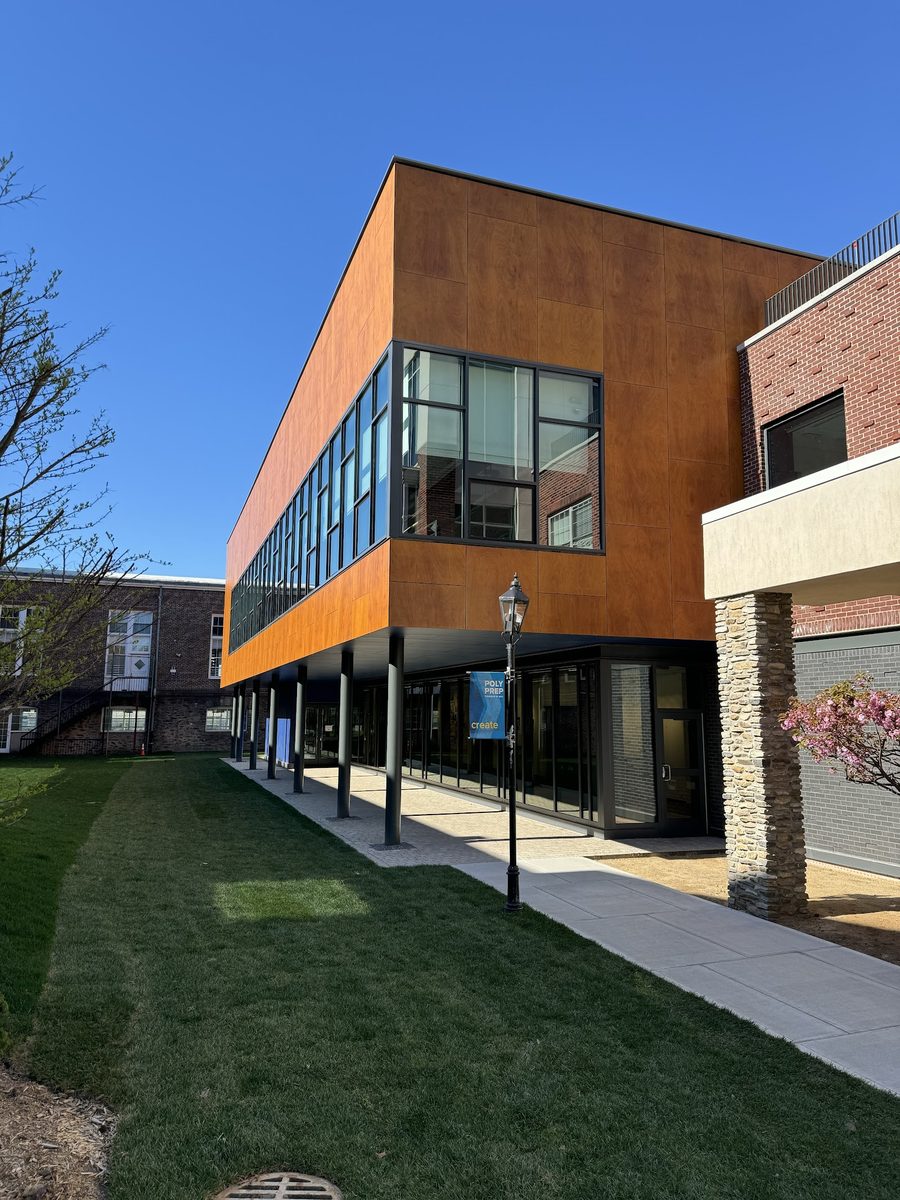
Poly Prep Country Day School
Brooklyn · United States
Founded in 1854 as Brooklyn's first boys' school, this day school pairs a Prospect Park mansion with a 25-acre Dyker Heights campus.
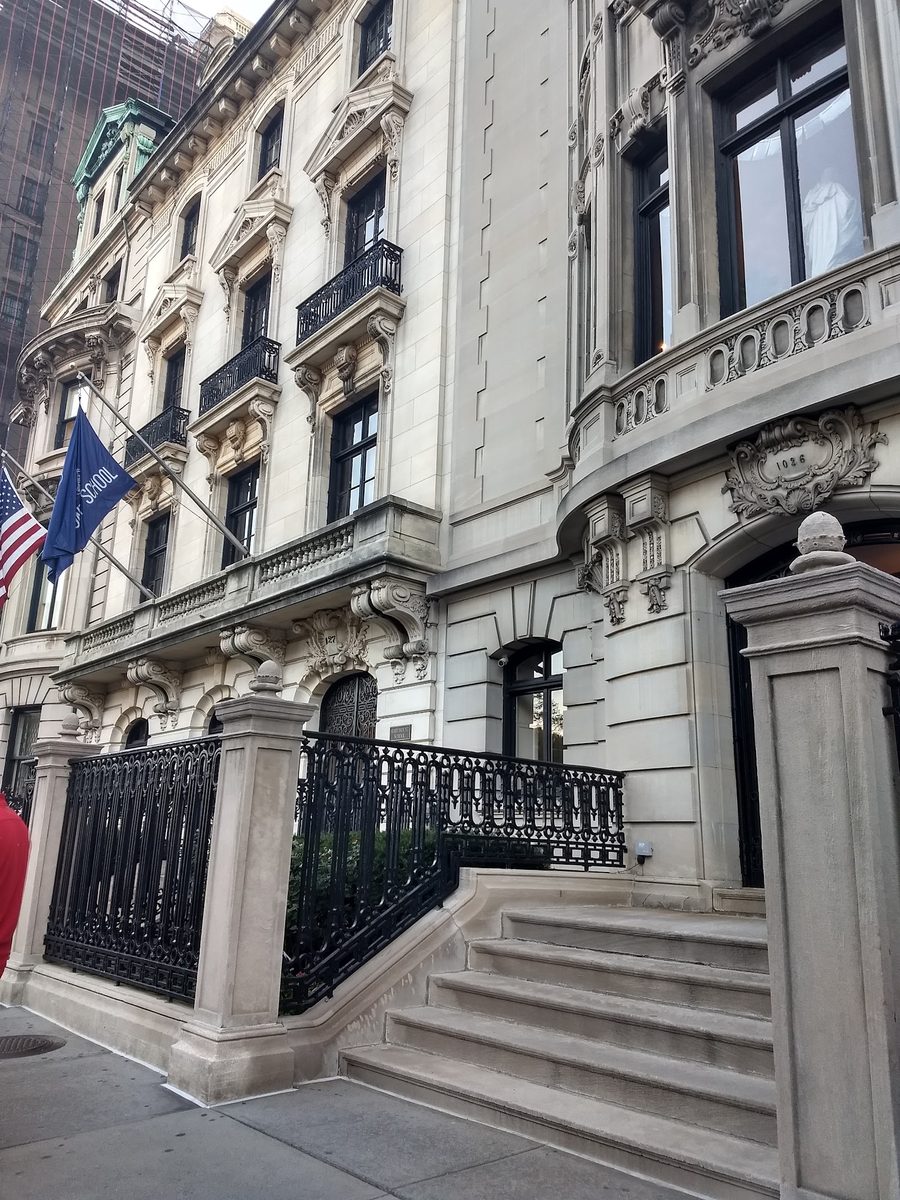
Marymount School of New York
New York City · United States
On Fifth Avenue, landmark mansions give way to Bloomberg terminals and classrooms inside the Met.
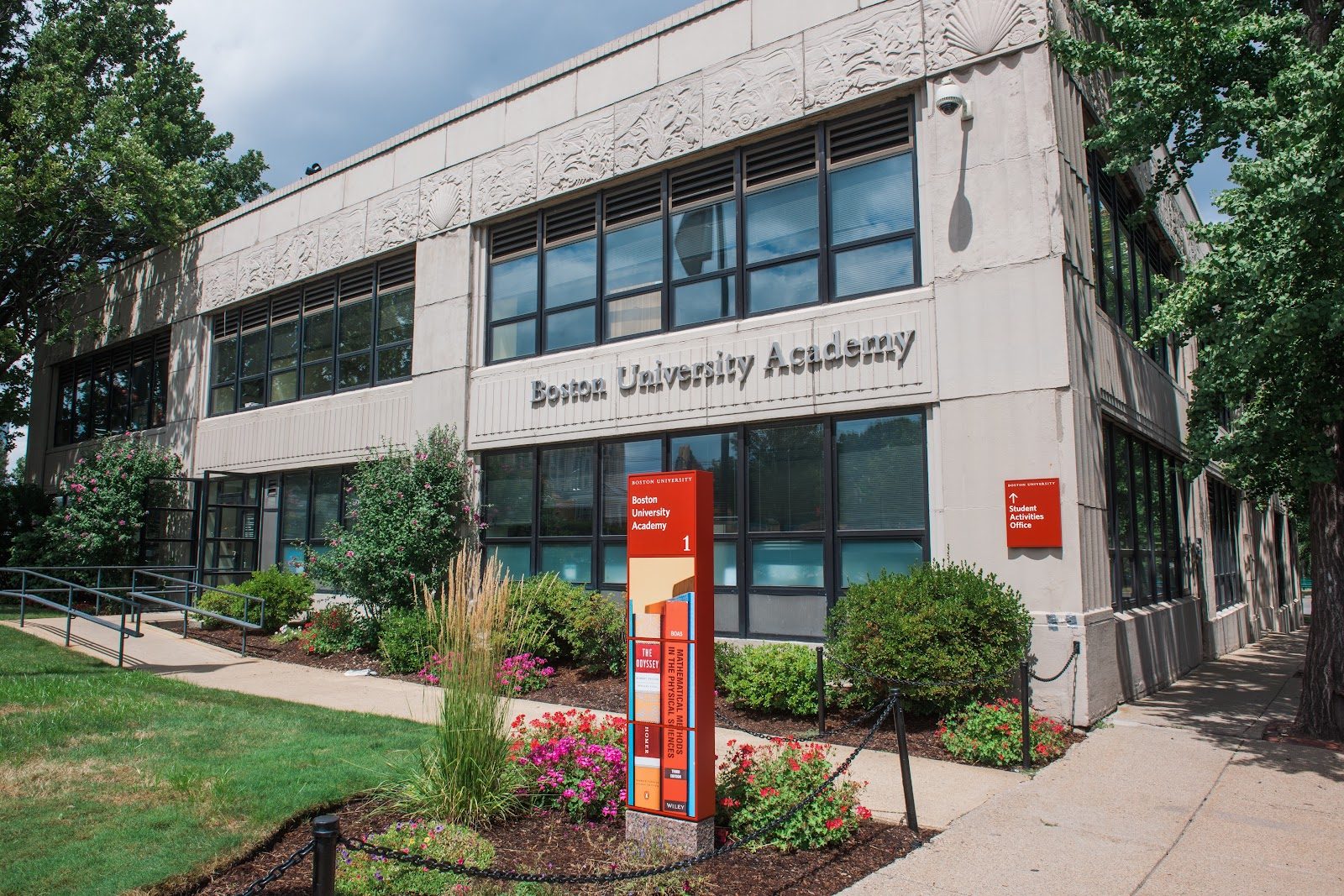
Boston University Academy
Boston · United States
Upperclassmen trade study halls for Boston University lecture halls, banking college credit before graduation.
Same country and curriculum — closest matches within ±10 points either way