
Samut Prakan Province
Concordian International School
Where English-Chinese immersion meets full IB rigor, the only trilingual PYP-MYP-DP campus on Bangna-Trad Road.
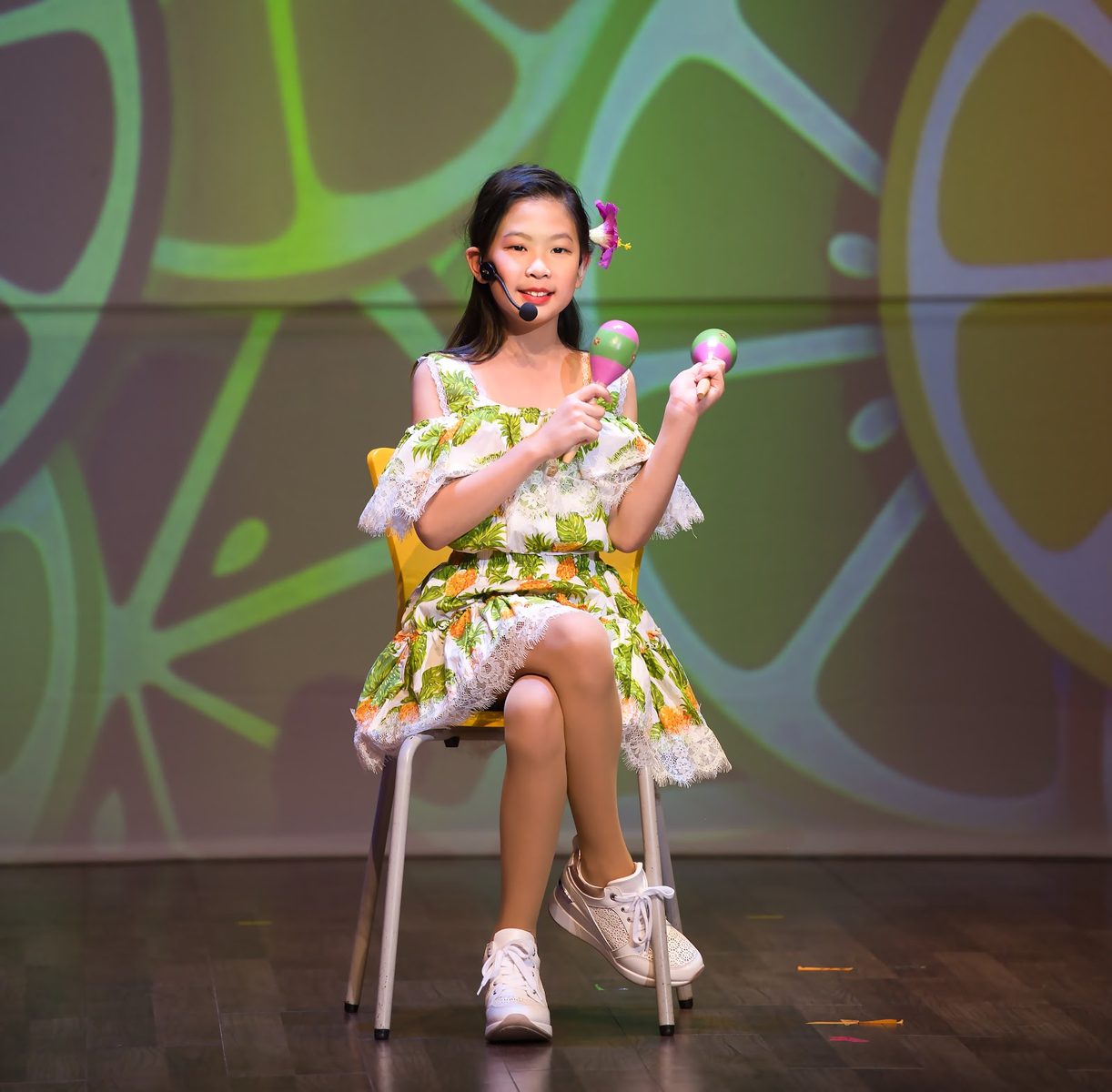
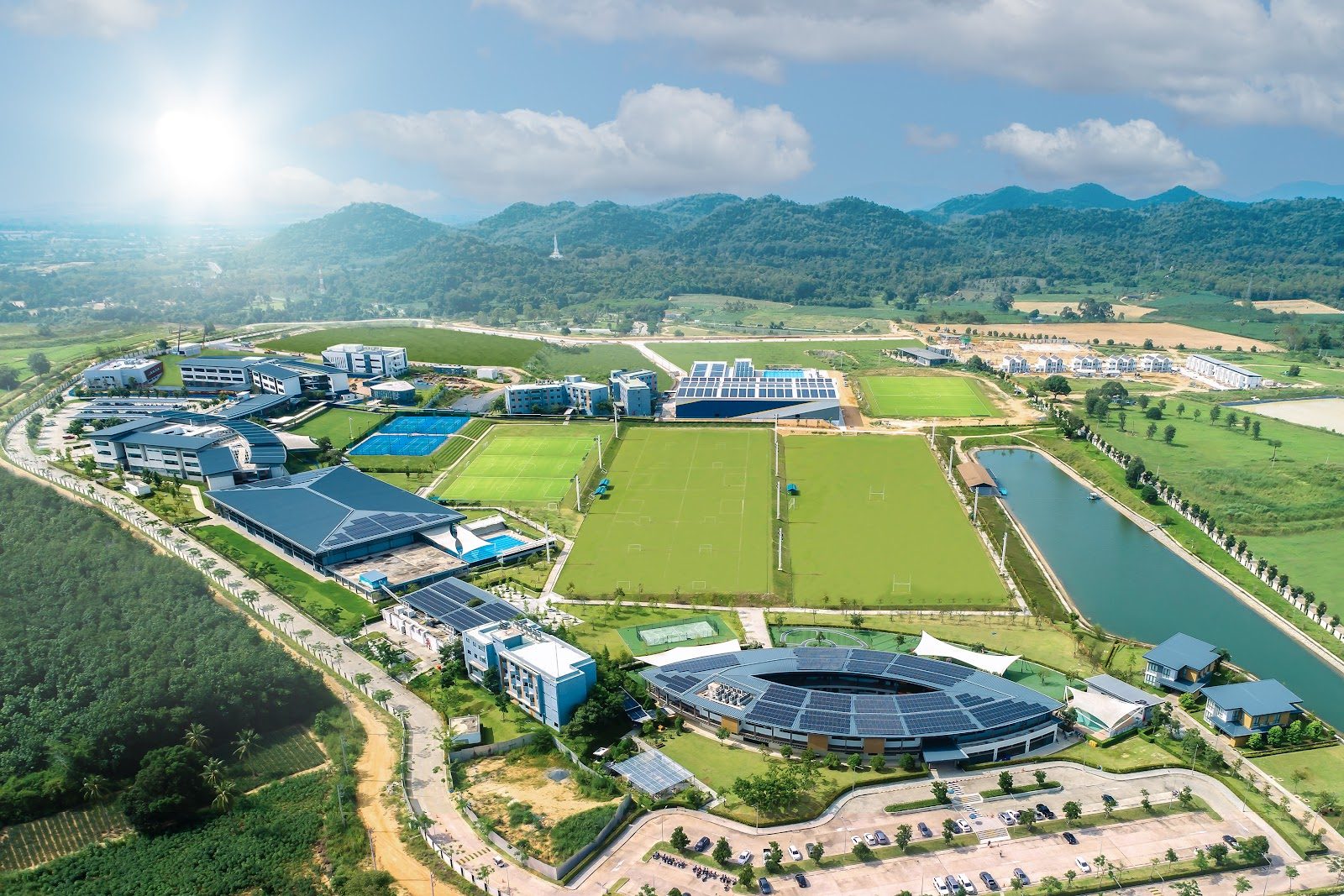
Photo © Boonchu Areechitkasem via Google Maps
Type
Day
Ages
15–18
Curriculum
IB · Trilingual
Qualifications
IB Diploma
Ratio
—
The Verdict
Editor's commitment
Right for
Families who want full IB at an IB World School, with trilingual immersion in English, Chinese and Thai rooted in Thailand.
Wrong for
Parents seeking boarding, a faith-based setting or a narrower sixth-form route than the IB in Samut Prakan.
Watch out for
Concordian runs about 1,100 students from Pre-K to Grade 12, but ages 15–18 here mean you are judging only the senior years.
Ranking breakdown
Concordian International School · #1495 of 1591
Composite score 48.8. 8 weighted criteria.
By criterion
Academic Outcomes
Weight 20%
#1352
of 1529 scored
University Placement
Weight 16%
#1414
of 1529 scored
Prestige & Heritage
Weight 12%
#1471
of 1571 scored
Alumni Network
Weight 12%
#1247
of 1530 scored
Facilities
Weight 12%
#1248
of 1534 scored
Transparency & Communications
Weight 8%
#1326
of 1532 scored
Peer & Industry Review
Weight 10%
#1445
of 1548 scored
Admissions Selectivity & Demand
Weight 8%
#1497
of 1529 scored
Peer & Industry Review
How Concordian International School is regarded in the sector
55
Credible · medium confidence
Concordian sits outside Bangkok's top tier of long-established international schools (NIST, Bangkok Patana, ISB, Harrow), and is rarely referenced directly in comparative commentary from those schools' leadership. As an IB World School offering PYP, MYP and DP, it is listed in the IBO school directory alongside Thailand's larger IB providers, giving it a baseline credibility marker used by regional accreditation bodies (CIS, WASC) rather than bespoke press coverage. Independent guides such as WhichSchoolAdvisor and Good Schools Guide International do not currently carry a dedicated in-depth review of Concordian, unlike their coverage of Bangkok's flagship campuses, meaning its public reputation rests more on parent-forum sentiment and school-published DP results than on independent journalistic scrutiny. University-side recognition is limited to standard IB Diploma acceptance rather than named admissions-officer endorsements. Overall, Concordian reads as a solid, accredited mid-tier Bangkok-area international school known within Thai international-education circles for its Samut Prakan location and bilingual-adjacent positioning, but it has not yet generated the kind of peer-head commentary, league-table prominence, or dedicated press analysis associated with the country's most internationally scrutinized schools.
Editors' overview
Concordian International School occupies a narrow, valuable niche in the Bangkok market: full IB schooling with a serious trilingual foundation, not a token language add-on. The distinguishing fact is simple. Children start in full immersion across English, Chinese and Thai through Grade 5, then move into full English immersion with Chinese and Thai continuing as additional languages from Grade 6 to Grade 12. Few schools attempt that structure; fewer sustain it across the whole age range. For families who want more than airport-lounge internationalism, Concordian offers a clear proposition: global curriculum, local linguistic fluency, and a daily life that treats Chinese and Thai as working languages rather than enrichment extras.
The school’s scale also matters. With about 1,100 students from Pre-K to Grade 12, Concordian sits in the useful middle ground: large enough to run the full IB continuum with breadth, small enough to avoid the anonymous sprawl of the biggest Bangkok campuses. Its market position rests on that combination of academic seriousness and linguistic ambition. The trilingual model is the headline, but the deeper point is cognitive and cultural range. A child who spends the early years switching between three languages learns to tolerate complexity, handle nuance and move across cultures without theatrical fuss. That gives Concordian a stronger identity than many competitors, whose “international” offer rests on English alone.
Why put it on a shortlist? Because the school does something structurally distinctive, and does it from the start. A family choosing Concordian is not buying prestige by postcode; it is buying an educational design. That will appeal to parents who value intellectual stretch, East-West fluency and long-term IB continuity from the primary years to the diploma. It will also suit families in Bangkok’s eastern corridor who want a serious day school on Bangna-Trad Road rather than a central-city compromise. What it will not suit is the student who wants a loose, monolingual international education with language learning kept safely at the margins.
The best fit is a student who is adaptable, verbally confident and ready for full-immersion challenge. Children who enjoy patterns in language, can cope with switching codes, and thrive in structured academic environments will get the most from Concordian. So will internationally minded Thai and expatriate families who want their children anchored in Thailand while operating comfortably in English and Chinese. For the right child, this is a rare proposition: not just an IB school, but a school built around trilingual competence as a core academic discipline from day one to Grade 12.
Academic Performance
Concordian’s academic case rests on continuity and selectivity of effort rather than published headline bragging. The school runs students through the full IB pathway and finishes with the Diploma, but it does not publish aggregate Diploma outcomes in the public domain: no cohort average, no pass rate, no breakdown of high scorers against global norms. That is a real weakness in a market where serious schools know parents compare hard numbers. Without those figures, Concordian cannot claim the same exam transparency as Bangkok competitors that release annual Diploma averages and top-score profiles. For families making a results-led decision, that opacity matters.
That said, the structure of the school points to a demanding academic model. A trilingual start, followed by later specialisation inside the IB, asks for stamina, organisation and strong language control. Schools built on that framework do not attract families looking for an easy academic ride. Relative to peers, Concordian sits in an interesting but hard-to-rank tier: distinctive in educational design, harder to place on raw attainment because the school does not disclose the data that would settle the argument. If future cohorts are delivering standout Diploma results, Concordian should publish them plainly. Until then, the academic picture is credible but insufficiently evidenced on external examination performance.
Facilities
Concordian’s facilities matter most where they support the school’s central claim: sustained academic work across a long age span, not resort-style campus theatre. The public facts are thin on specialist spaces, which is itself worth noting. We know the school operates as a full Pre-K to Grade 12 campus for about 1,100 students, so parents can expect the baseline infrastructure that scale requires: age-segmented classrooms, libraries, science provision, sports areas, dining and circulation designed for a through-school. What the school does not put clearly into the public domain is the level of technical depth behind those facilities — no detailed account of laboratories, performance venues, design spaces or elite sports infrastructure. Against Bangkok peers, that leaves Concordian at a disadvantage in presentation. Strong schools do not need glossy exaggeration, but they do need plain factual disclosure.
That does not make the campus weak; it makes it under-explained. In this part of the market, rival schools compete hard on visible hardware: black-box theatres, competition pools, maker spaces, broadcast studios, specialist music suites. Concordian’s differentiator sits elsewhere. Parents choosing it are buying an academically purposeful environment tied to language immersion and continuity, not the flashiest physical plant on the circuit. If your benchmark is a sprawling campus sold on spectacle, Concordian has not made that case publicly. If your benchmark is whether the facilities support disciplined daily schooling across 12 year groups, the answer is yes — but the school needs to publish sharper detail.
Because the school does something structurally distinctive, and does it from the start
Prestige
Concordian carries niche prestige, not mass-market glamour. In Bangkok’s international-school hierarchy, that matters. This is not the name parents choose for inherited cachet, old-association status or glossy social signalling; it is the name they choose when they want a school with a distinct intellectual shape. The prestige comes from difficulty and distinctiveness. A school of about 1,100 students that commits to a trilingual model across the full age range occupies a rare position in Thailand. That gives Concordian credibility with families who value substance over polish. It also gives the school a sharper identity than many competitors whose “international” offer rests on familiar formulas. Among parents who understand the market, Concordian has serious specialist standing.
That is why the school earns respect without commanding the broad, automatic prestige of Bangkok’s most famous legacy brands. Its reputation rests on educational design, not social mythology. For the right family, that is a stronger kind of status: harder won, less performative, more tied to what children actually do all day. The limit is clear. Prestige built on a distinctive model still needs public academic proof, and Concordian does not publish the aggregate Diploma figures that would strengthen its standing decisively. So the verdict is balanced but firm: Concordian offers earned esteem in a well-defined segment of the market, not blanket prestige across every international-school audience.
Without those figures, Concordian cannot claim the same exam transparency as Bangkok competitors that release annual Diploma averages and top-score profiles
Communications
Concordian’s parent communication has one clear advantage: the school has a sharply defined educational identity, so the core message is easy to grasp. Parents do not need to decode a vague mission. The school tells them what matters — a through-school built around 3 languages in the early years and continued language study later on — and that gives communications a coherent spine. That coherence counts. Schools with a complicated model need disciplined explanation, and Concordian has a proposition that is easier to follow than many competitors with sprawling promises and indistinct priorities. The fact that the school serves about 1,100 students also means communication systems need to be organised rather than ad hoc; a school at that scale cannot rely on corridor conversations and goodwill alone.
The limit is transparency. Concordian communicates its model clearly, but it does not disclose enough hard performance detail to parents who want evidence as well as narrative. The missing aggregate Diploma outcomes matter here too, because effective communication is not just about tone or frequency; it is about whether families can see, in plain terms, how the school is performing. On that front, the public picture stays selective, tighter on identity than on proof, and less informative than the strongest schools in the market. So the verdict is mixed but firm: Concordian communicates its educational philosophy with real clarity, but its accountability to parents is incomplete where published outcomes and sharper operational detail are concerned.
Uniqueness
Concordian’s uniqueness is structural, not cosmetic. Plenty of schools add Mandarin lessons, celebrate multilingualism on posters and call it internationalism. Concordian built its entire early-years and primary design around children working across 3 languages every day, then carries that linguistic discipline forward through the senior years instead of dropping it once the academic pressure rises. That matters because it turns language from an enrichment extra into a core operating skill. Students do not just study another language; they learn to shift register, context and cultural frame as part of ordinary school life. In a market crowded with interchangeable English-medium schools, that is a genuinely rare educational model.
For students, the gain is wider than fluency. A trilingual foundation trains attention, memory and mental flexibility, then feeds into a secondary experience that asks pupils to handle complexity without panic. That suits children who are quick-thinking, verbally agile and comfortable being stretched. It also gives families something more grounded than generic global-mindedness: a school life tied to Thailand, open to China, and fully usable in international academic settings. The result is a graduate profile with more texture than the usual international-school template. Concordian does not offer the easy comfort of monolingual schooling. It offers a demanding advantage that few schools sustain all the way to Grade 12.
In a market crowded with interchangeable English-medium schools, that is a genuinely rare educational model
Student Profile
The best fit at Concordian is the student who treats language as work, not decoration. This school suits children who enjoy mental switching, tolerate correction and can keep their footing when expectations rise across subjects and cultures at once. The trilingual start sets the tone early, and the later move into an English-dominant senior phase with Chinese and Thai still in play keeps that pressure on. Students who thrive here are verbally alert, intellectually stretchable and comfortable with a school day that asks for precision rather than coasting. A child who wants an easy social glide through international education will find the model demanding by design.
It also suits families who want their children rooted in Thailand without narrowing their outlook. Concordian is a strong match for bilingual or internationally minded Thai families, mixed-nationality households, and expatriate parents who value cultural range over expat-bubble comfort. The school’s through-school structure, serving about 1,100 pupils from the earliest years to graduation, creates a student body with continuity rather than churn; that favours pupils who build steadily over time and respond well to consistent expectations. The weaker fit is clear. Children who resist language learning, need a loose academic culture, or prefer a more anonymous large-school experience will struggle to love this environment. For the right student, though, Concordian offers a rare kind of fluency: academic, linguistic and social.
Concordian International School occupies a narrow, valuable niche in the Bangkok market: full IB schooling with a serious trilingual foundation, not a token language add-on
Co-curricular strengths
Arts & sport, on a separate axis
Overall 8.84/10
Scored 0-10 from the school's own published evidence. This axis is editorial-only — it does not feed the main WTS ranking.
Sports
9/10
Drama
9/10
Dance
8.5/10
Music
9/10
Visual Arts
8.7/10
Strengths
- +Offers a distinctive trilingual program teaching English, Mandarin Chinese, and Thai concurrently, unusual among Bangkok-area international schools.
- +Authorised as an IB World School offering the continuum programme, providing a recognised pathway to university-entry qualifications.
- +Located in Samut Prakan, giving access to a large, more affordable campus footprint compared to central Bangkok international schools.
- +Serves a genuinely mixed Thai and expatriate student body, supporting real trilingual immersion rather than token language classes.
- +Long-established institution with an operating history stretching back over two decades, giving it more institutional continuity than many newer entrants.
Considerations
- −Samut Prakan location is outside central Bangkok, meaning a longer commute for families based in the main expatriate residential areas.
- −Editorial rank (741) and rising_star tier indicate it is not yet in the established top bracket of Thailand's international schools by reputation.
- −Trilingual instructional model demands strong commitment from students and families juggling three languages, which may not suit short-stay postings.
- −Public information on university placement outcomes, inspection reports, and fee schedules is limited, making outcomes harder to independently verify.
Availability
Primary entry gate & tests
Academic Record
Gallery
Photo © Boonchu Areechitkasem via Google Maps
Photo © Boonchu Areechitkasem via Google Maps
Photo © Yurin lala via Google Maps
Photo © TeeBiBi via Google Maps
Photo © SURAFARM CAFE via Google Maps
Photo © SURAFARM CAFE via Google Maps
Photo © SURAFARM CAFE via Google Maps
Parent reviews
Have you sent your child here?
Voice reviews carry the strongest trust badge — we transcribe them for you to tidy up before they go live. Prefer to type? A written review is fine too.
Add your voice
In 60 seconds, tell other parents: what's the best thing about Concordian International School, and what surprised you when your child joined?
We ask for a Google sign-in so every review has a real face behind it — no anonymous drive-by attacks on schools, and no faked positive reviews. Your email is never shown publicly.
Send this profile to a friend
International parents rely on word-of-mouth. Share this review with someone weighing the same decision.
Schools with places
Similar schools to Concordian International School with places available now.
NIST International School
Bangkok · Thailand
- 2026-27
- WAITPOOLSpace-dependent
- 2027-28
- PLACES OPENRolling
Bangkok Patana School
Bangkok · Thailand
- 2026-27
- CLOSEDThai closed / Non-Thai open
- 2027-28
- OPENS SOONThai 1 Sept / Non-Thai rolling
Shrewsbury International School Bangkok
Bangkok · Thailand
- 2026-27
- WAITPOOLSpace-dependent
- 2027-28
- PLACES OPENRolling
International School Bangkok
Bangkok · Thailand
- 2026-27
- WAITPOOLSpace-dependent
- 2027-28
- OPENS SOONOpens Sept '26
Availability first, then country, area, curriculum, price, co-curricular
Consider also
Also worth looking at alongside Concordian International School.
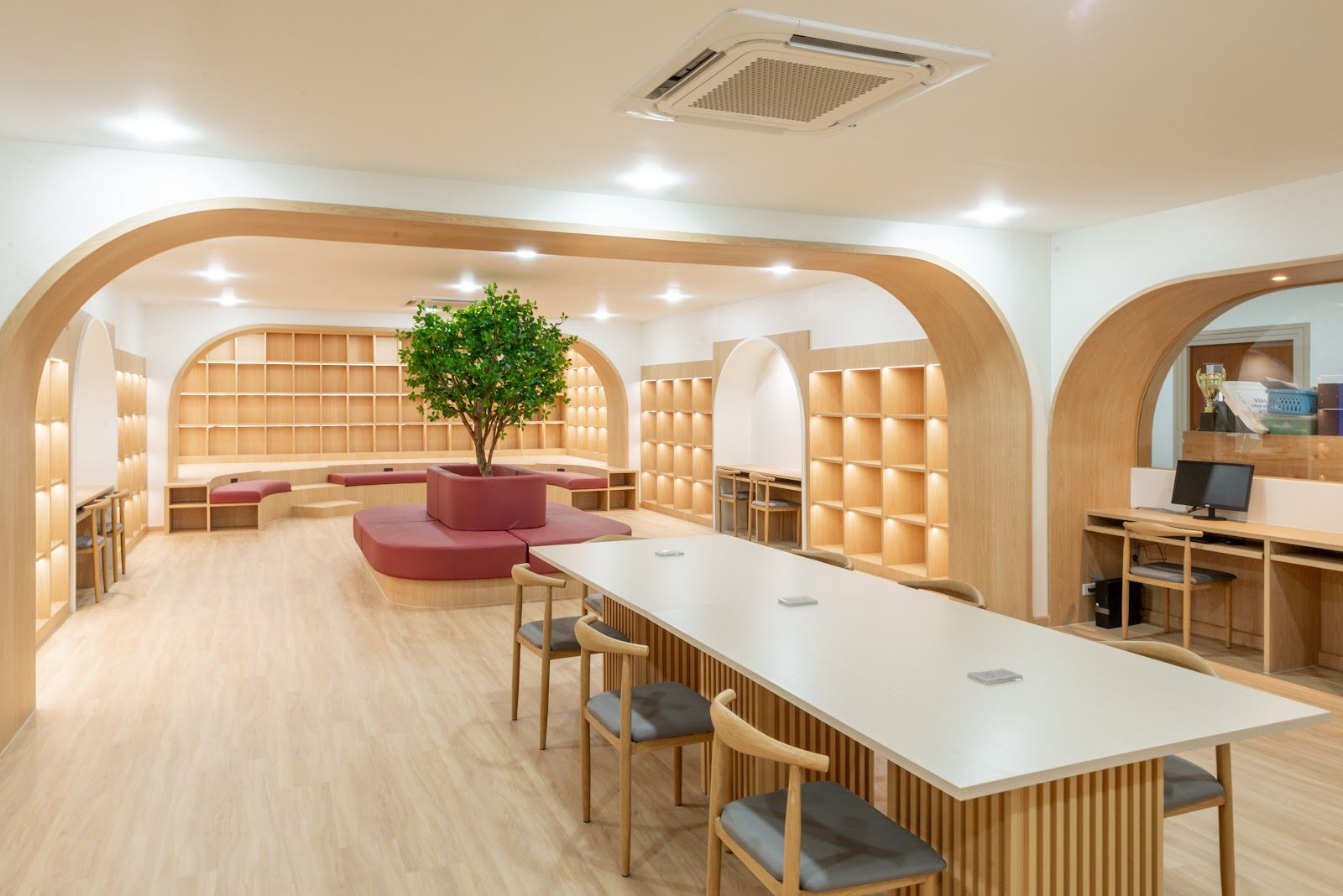
Regents International School Bangkok
Bangkok · Thailand
British curriculum through IGCSE gives way to the IB Diploma at Sixth Form, a pairing rare among Bangkok's boarding schools.
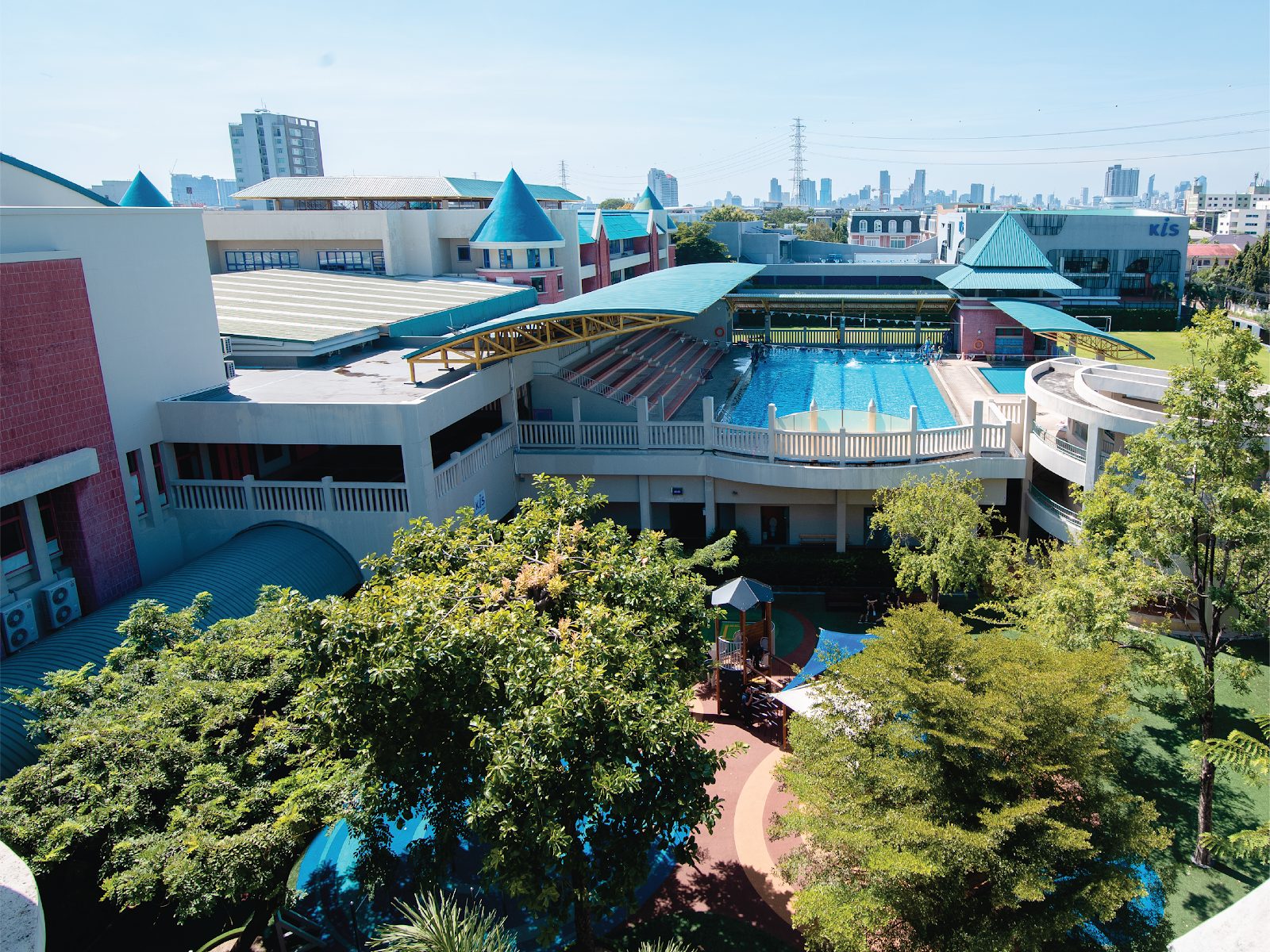
KIS International School
Bangkok · Thailand
Bangkok's only school running the full IB continuum, PYP to Career-related, with Diploma scores averaging five points above the world mean.
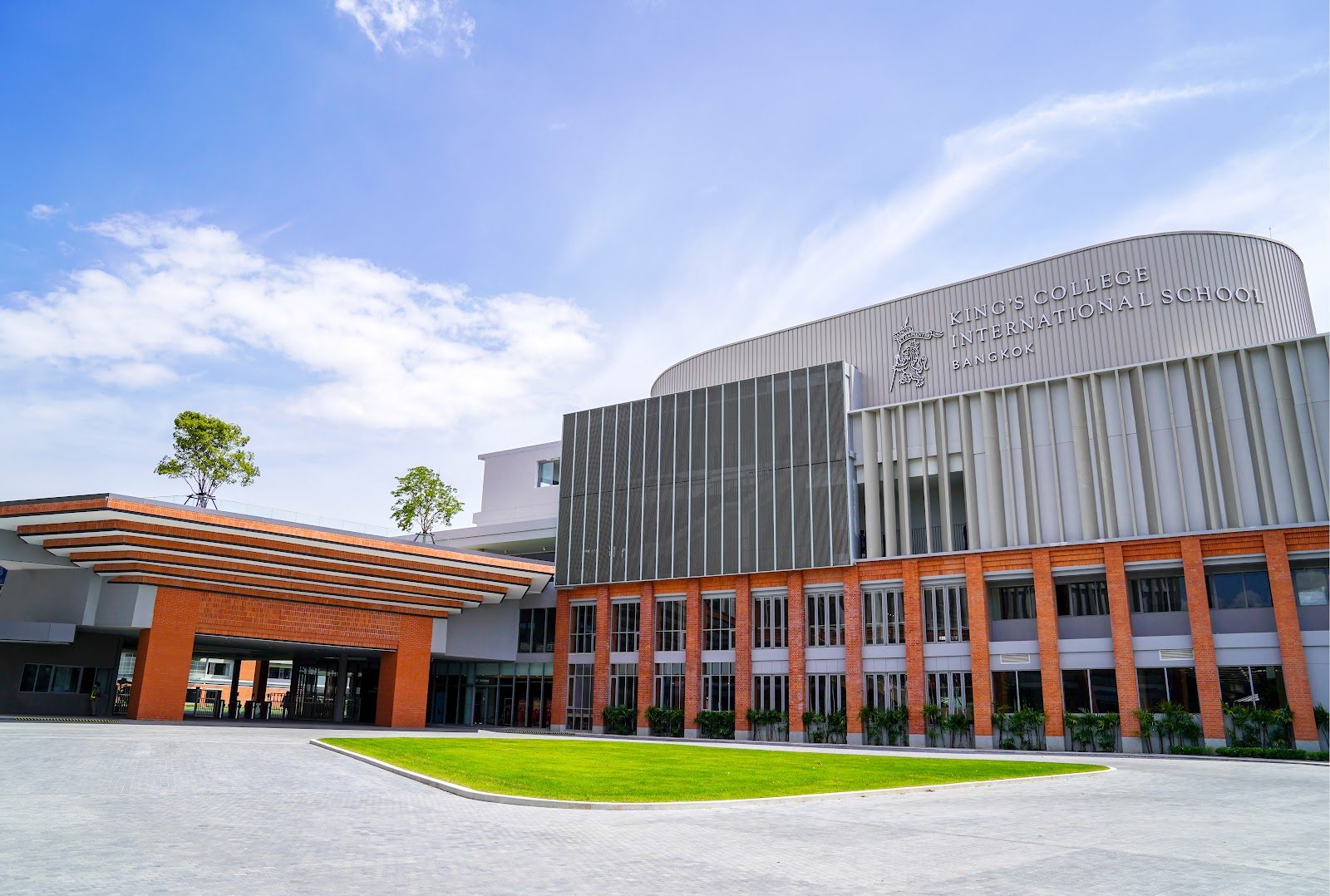
King's College International School Bangkok
Bangkok · Thailand
Southeast Asia's first King's Wimbledon offshoot pairs British rigor with kindness and good manners on Ratchada-Rama 3.
Rugby School Thailand
Chonburi · Thailand
The birthplace of rugby football's sister campus takes root in Chonburi, backed by rare double Beacon-status boarding.
Same country and curriculum — closest matches within ±10 points either way