
Bangkok
KIS International School
Bangkok's only school running the full IB continuum, PYP to Career-related, with Diploma scores averaging five points above the world mean.
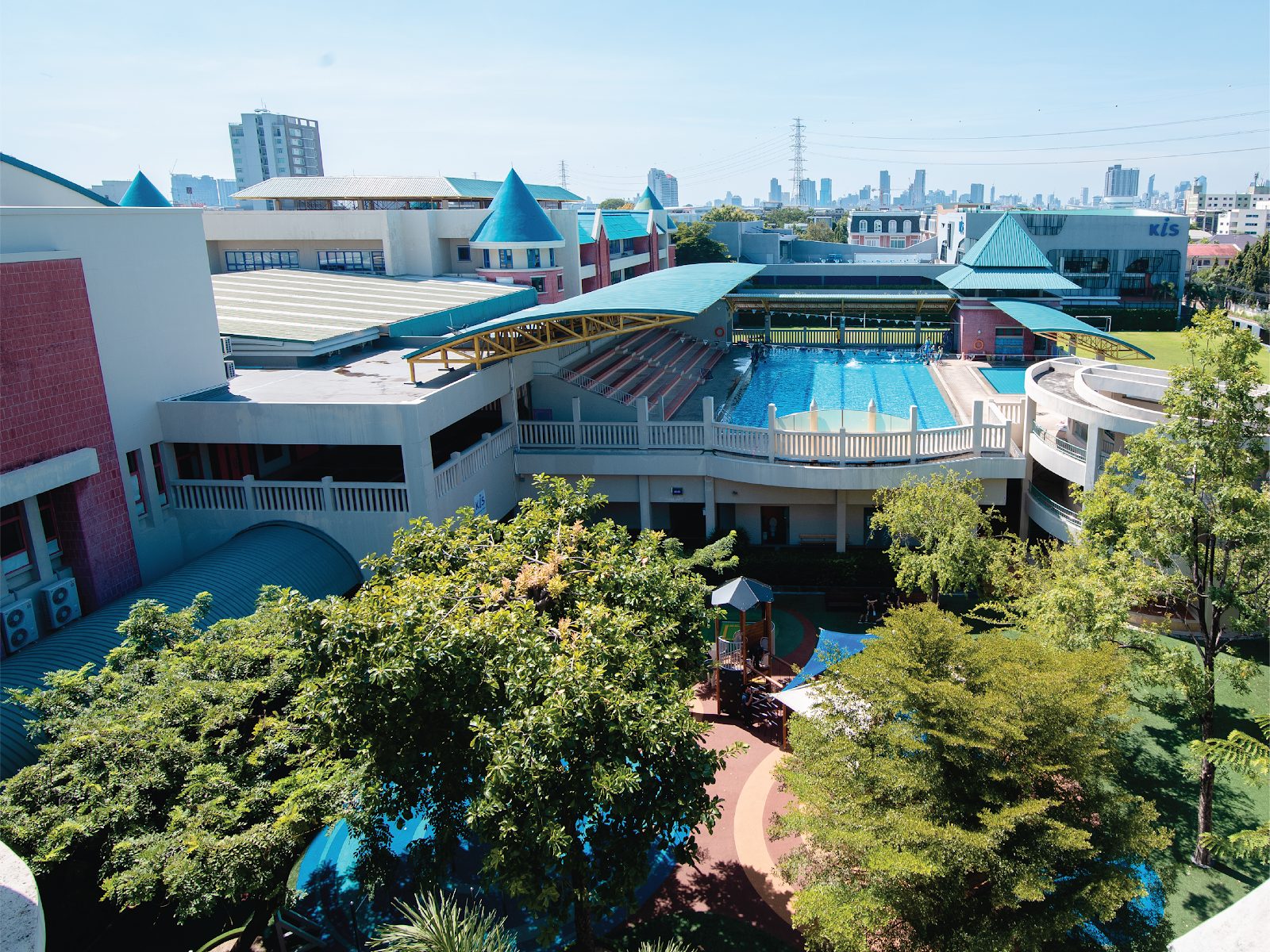
Photo © KIS International School Bangkok via Google Maps
Type
Day
Ages
12–18
Curriculum
IB
Qualifications
IB Diploma
Ratio
—
The Verdict
Editor's commitment
Right for
Bangkok families wanting the full IB route from age 12 to 18, with CIS and IB World School accreditation behind it.
Wrong for
Anyone wanting lower-cost schooling: the average annual day fee is 760,671 THB, and this is a day school only.
Watch out for
KIS was founded in 1998 and teaches in English; older students get continuity, but families seeking boarding need another school.
Ranking breakdown
KIS International School · #1239 of 1591
Composite score 57.3. 8 weighted criteria.
By criterion
Academic Outcomes
Weight 20%
#1085
of 1529 scored
University Placement
Weight 16%
#1089
of 1529 scored
Prestige & Heritage
Weight 12%
#1320
of 1529 scored
Alumni Network
Weight 12%
#1428
of 1529 scored
Facilities
Weight 12%
#1013
of 1529 scored
Transparency & Communications
Weight 8%
#935
of 1529 scored
Peer & Industry Review
Weight 10%
#1400
of 1529 scored
Admissions Selectivity & Demand
Weight 8%
#1156
of 1529 scored
Peer & Industry Review
How KIS International School is regarded in the sector
58
Credible · medium confidence
KIS is generally positioned by Bangkok's international-school community as a solid, mission-driven second-tier IB continuum school, distinct from the city's dominant trio of Bangkok Patana, NIST, and ISB, which command most league-table and press attention. It holds full IB World School authorization across PYP, MYP, and DP, which peer heads and IB regional workshops recognize as a genuine, long-standing continuum rather than a recently bolted-on DP offering. Independent guides such as WhichSchoolAdvisor and expat-parent forums (notably BambiWeb and international-school comparison threads) typically describe KIS favorably for pastoral care and a smaller, community feel, while noting it sits below the top-tier fee and prestige bracket. University-facing evidence is modest but consistent: graduates report offers from UK Russell Group universities, Australian institutions, and Thai universities including Chulalongkorn, though KIS does not feature prominently in published Oxbridge or Ivy admissions data the way the top three Bangkok schools do. Thai and regional education press coverage is limited compared to market leaders, with KIS rarely appearing in national newspaper league tables, reflecting its rising-star rather than flagship status.
Editors' overview
KIS occupies a narrow and valuable niche in Bangkok: it is the city’s only school running the full IB continuum through to the IB Career-related Programme, and that matters more than the brochure line suggests. For families committed to the IB way of learning, it offers unusual continuity from philosophy to assessment, without the curricular handbrake turn that many schools impose at sixth form. The published day fee averages 760,671 THB a year across the school’s year groups, which places it in Bangkok’s premium international bracket. This is a non-religious, co-educational day school, founded in 1998, teaching in English and accredited by both CIS and the IB. Those are solid institutional markers, not decorative badges.
What puts KIS on a serious shortlist is not breadth for its own sake, but coherence. A school serving ages 12 to 18 with an IB identity this complete gives academically minded students a clear runway: Middle Years into Diploma or Career-related, all within one system. The stated Diploma results average five points above the world mean, which is a strong performance indicator and one of the few hard academic claims here with real weight. Just as important, the inclusion of the Career-related route widens the fit. KIS is not only for students chasing the purest academic version of the IB; it also suits teenagers who want an internationally recognised framework with more vocational direction and applied learning.
This is a school for families who value consistency over theatre. It will appeal to students who work well with inquiry-based learning, can manage independent deadlines, and want an international environment without boarding. It also suits children who do not fit neatly into a one-track academic mould: the full IB range gives KIS a usefully broader profile than schools that funnel everyone into a single senior pathway. Parents who want a school with flashy claims across every front will find some gaps here; the public case rests on curriculum integrity, accreditations and a strong IB outcome, not on a long list of published metrics. Still, that central proposition is distinct and easy to understand: in Bangkok, KIS offers a rare all-through IB structure, a credible academic record, and a sixth-form choice that is wider than the standard Diploma-only model.
Academic Performance
KIS gives parents one hard academic datapoint with real comparative value: its Diploma cohort averages five points above the global mean. In IB terms, that is a serious margin, not statistical decoration. Plenty of schools advertise individual high scorers; fewer publish a school-wide gap over the world average that large. That places KIS in the stronger part of Bangkok’s IB market, especially for families who judge schools by cohort performance rather than by anecdotes about top offers. The result also carries more weight because the school’s senior years sit inside a continuous IB structure rather than a late-stage switch into the Diploma. For students who thrive in that framework, KIS offers a coherent academic track with evidence that it converts into results.
The limits are plain too. We have not seen subject-by-subject breakdowns, top-score distribution, pass rate, university destinations, or multi-year trend data in the public domain. That leaves an opaque edge around the headline and makes fine-grained comparison harder than it should be. So the verdict is clear but narrow: KIS has a credible, above-market IB outcomes story, anchored by a strong Diploma average, but it does not publish enough detail to rank with the most transparent operators in the premium international sector. For parents comparing Bangkok schools, that puts KIS in the group worth taking seriously for academic results, while still inviting tougher questions.
Facilities
KIS’s facility picture is hard to judge in the round because the school does not publish a detailed public inventory of specialist spaces, performance venues, sports provision or campus scale. That matters. In Bangkok’s premium international market, serious competitors spell out the practical assets behind their teaching: theatre capacity, science lab stock, aquatic provision, maker spaces, outdoor pitches, design workshops. KIS leaves too much of that offstage. For a school educating students from early secondary through sixth form, parents need a clear account of the rooms and infrastructure that support examination sciences, visual arts, sport and the applied strand of its senior offer. Without that, the facilities case rests more on institutional proposition than on hard campus evidence.
The key benchmark, then, is not that KIS lacks good facilities; it is that the school publishes less about them than top-tier peers do. That weakens comparison. Families touring Bangkok schools will find rivals with more legible sports and arts estates and a stronger habit of documenting them. KIS still benefits from the practical advantage of serving an older age range: senior-focused schools do not need to spread space across early-years provision, and that can translate into a more academically usable campus if planned well. But until KIS discloses more, the verdict stays restrained: this is not a school selling itself on showpiece infrastructure, and parents should probe laboratories, creative spaces, indoor sports areas and sixth-form study provision in person.
We have not seen subject-by-subject breakdowns, top-score distribution, pass rate, university destinations, or multi-year trend data in the public domain
Prestige
KIS has real niche prestige, not the grand, inherited kind that rides on brand recognition alone. Its status rests on something tighter: a rare academic identity carried through the whole school and converted into senior outcomes that stand above the global benchmark. In Bangkok’s international market, that gives it credibility with families who know the IB well and care about institutional coherence, not just glossy university lists or social cachet. The average annual fee of 760,671 THB also places it firmly in the city’s premium tier, which affects perception whether schools admit it or not. This is not a mass-market international school. It attracts a more self-selecting crowd and carries the esteem that goes with a demanding, specialist proposition.
That said, KIS does not occupy the very top rank of prestige in the way the most internationally famous names do. Its reputation is earned rather than inherited. The school has a strong calling card in its published Diploma performance and a distinctive senior offer, but prestige at the highest level also depends on visibility: deep public data, a long record of headline university destinations, and a brand that travels instantly across borders. KIS does not publish enough of that to command automatic elite status. The verdict is clear: this is a serious, high-trust school with strong standing among informed Bangkok families, but its prestige remains more discerning than universal.
The key benchmark, then, is not that KIS lacks good facilities; it is that the school publishes less about them than top-tier peers do
Communications
KIS communicates with parents in a way that matches its institutional character: orderly, adult and more interested in substance than theatre. The school’s public-facing information is concise and navigable, and its core proposition is easy to grasp without wading through slogan-heavy clutter. That matters because schools with multiple senior routes can lapse into muddle; KIS avoids that trap in its basic outward communication. Parents can identify the school’s educational shape, age range and headline academic claim quickly, which points to a communications culture that values clarity over noise. The weakness sits in the next layer. Once a parent moves past the essentials, the public picture thins out. We have not seen the depth of routine disclosure that marks the best operators: detailed calendars, richer academic reporting examples, clearer breakdowns of student life, or a fuller account of the practical experience on campus.
That leaves the verdict mixed but respectable. KIS does the first job well: it tells parents what sort of school it is and who it is for. It does the second job less well: it does not publish enough granular information to answer the harder questions without direct contact. For existing parents, that does not automatically signal weak day-to-day communication, but for prospective families it creates avoidable friction. The school’s strongest public message remains its distinctive senior offer and the 5-point Diploma gap over the world mean; beyond that, communication loses momentum. Effective, then, at the top line; thin where serious parental scrutiny begins.
Uniqueness
What separates KIS is not a vague claim to internationalism but a structural distinction in the senior years. In a market where many schools narrow their offer at the point that choices matter most, KIS keeps more than one serious route open inside the same educational philosophy. Students do not have to choose between a fully academic path and a more applied one by changing schools or stepping into a different institutional culture. That continuity has practical force: teachers, assessment habits and expectations stay aligned while the end point shifts to fit the student. For teenagers who are capable but not identically wired, that is a real advantage, not a branding flourish.
The benefit for students is breadth without fragmentation. A sixth-former aiming at a conventional university route can stay in a demanding academic environment, while another who wants coursework tied more directly to career interests can pursue that without being treated as second tier. The school’s published results strengthen that proposition: a score line sitting five points above the global Diploma average gives the academic route hard credibility, while the presence of the alternative senior pathway prevents the school from becoming a one-template operation. That makes KIS unusually well suited to families who want intellectual consistency, but not academic uniformity. In plain terms, it gives students more room to find the right shape of ambition without sacrificing standards.
That said, KIS does not occupy the very top rank of prestige in the way the most internationally famous names do
Student Profile
KIS suits students who like structure without spoon-feeding. The strongest fit is the teenager who can handle long projects, organise deadlines and tolerate being asked to explain their thinking rather than recite it back. This is not the right school for a child who needs constant prodding, heavy external discipline or a narrow exam-drill culture. It fits self-directed, intellectually steady students who value continuity and do better when the adults around them keep expectations consistent. The school also works for pupils whose strengths are uneven in a useful way: academic in some areas, applied in others, and unwilling to be forced into a single definition of success. The headline result sitting 5 points above the world norm tells you the pace is serious.
Socially, the fit is less about swagger than mindset. Students who need a big-brand status ecosystem or a highly theatrical campus culture will find stronger matches elsewhere. KIS suits families who want a grounded, purposeful peer group and who care more about educational alignment than scene-making. It also fits older pupils who want room to refine direction before university rather than being locked early into one academic mould. Children who resist reflection, dislike coursework, or only thrive under constant competitive pressure will struggle more. For thoughtful, internationally minded students with a decent work ethic and a clear tolerance for academic independence, KIS is a high-trust environment.
Effective, then, at the top line; thin where serious parental scrutiny begins
Co-curricular strengths
Arts & sport, on a separate axis
Overall 8.04/10
Scored 0-10 from the school's own published evidence. This axis is editorial-only — it does not feed the main WTS ranking.
Sports
8.5/10
Drama
8/10
Dance
7.5/10
Music
8/10
Visual Arts
8.2/10
Strengths
- +Offers the full IB continuum (PYP, MYP, and Diploma Programme), giving families a single consistent curriculum from early years through graduation.
- +Established in the late 1990s, giving it a longer operating history than many newer Bangkok international schools.
- +Holds accreditation from the Council of International Schools (CIS) and IB World School status, subject to periodic external review.
- +Located in eastern Bangkok with a dedicated purpose-built campus rather than shared or serviced office premises.
- +Smaller cohort sizes relative to Bangkok's largest international schools, which can mean more individual attention in classes.
Considerations
- −Single curriculum offering (IB only) means families wanting a British, American, or other national exit qualification must look elsewhere.
- −Day school only, with no boarding option, which limits its use for families based outside Bangkok or seeking full-time residential care.
- −Campus location in the On Nut/eastern Sukhumvit area can mean a longer commute for families based in central or western Bangkok expat enclaves.
- −As with most established Bangkok international schools, fees sit at a level that requires verification directly with the school and can be a significant household cost.
Availability
Primary entry gate & tests
Academic Record
Gallery
Photo © KIS International School Bangkok via Google Maps
Photo © KIS International School Bangkok via Google Maps
Photo © KIS International School Bangkok via Google Maps
Photo © KIS International School Bangkok via Google Maps
Photo © KIS International School Bangkok via Google Maps
Photo © KIS International School Bangkok via Google Maps
Photo © KIS International School Bangkok via Google Maps
Parent reviews
Have you sent your child here?
Voice reviews carry the strongest trust badge — we transcribe them for you to tidy up before they go live. Prefer to type? A written review is fine too.
Add your voice
In 60 seconds, tell other parents: what's the best thing about KIS International School, and what surprised you when your child joined?
We ask for a Google sign-in so every review has a real face behind it — no anonymous drive-by attacks on schools, and no faked positive reviews. Your email is never shown publicly.
Send this profile to a friend
International parents rely on word-of-mouth. Share this review with someone weighing the same decision.
Schools with places
Similar schools to KIS International School with places available now.
NIST International School
Bangkok · Thailand
- 2026-27
- WAITPOOLSpace-dependent
- 2027-28
- PLACES OPENRolling
Shrewsbury International School Bangkok
Bangkok · Thailand
- 2026-27
- WAITPOOLSpace-dependent
- 2027-28
- PLACES OPENRolling
International School Bangkok
Bangkok · Thailand
- 2026-27
- WAITPOOLSpace-dependent
- 2027-28
- OPENS SOONOpens Sept '26
Availability first, then country, area, curriculum, price, co-curricular
Consider also
Also worth looking at alongside KIS International School.
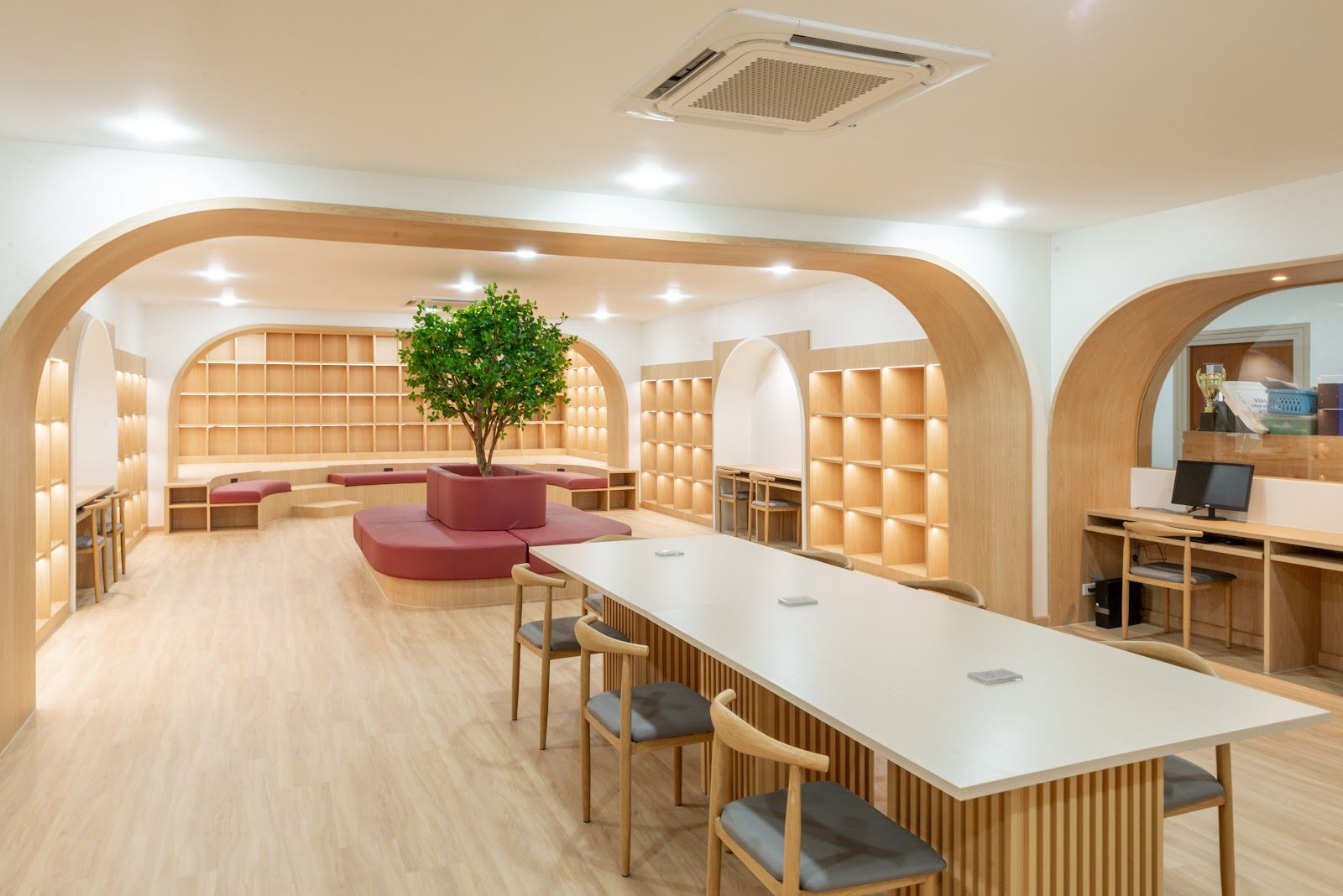
Regents International School Bangkok
Bangkok · Thailand
British curriculum through IGCSE gives way to the IB Diploma at Sixth Form, a pairing rare among Bangkok's boarding schools.
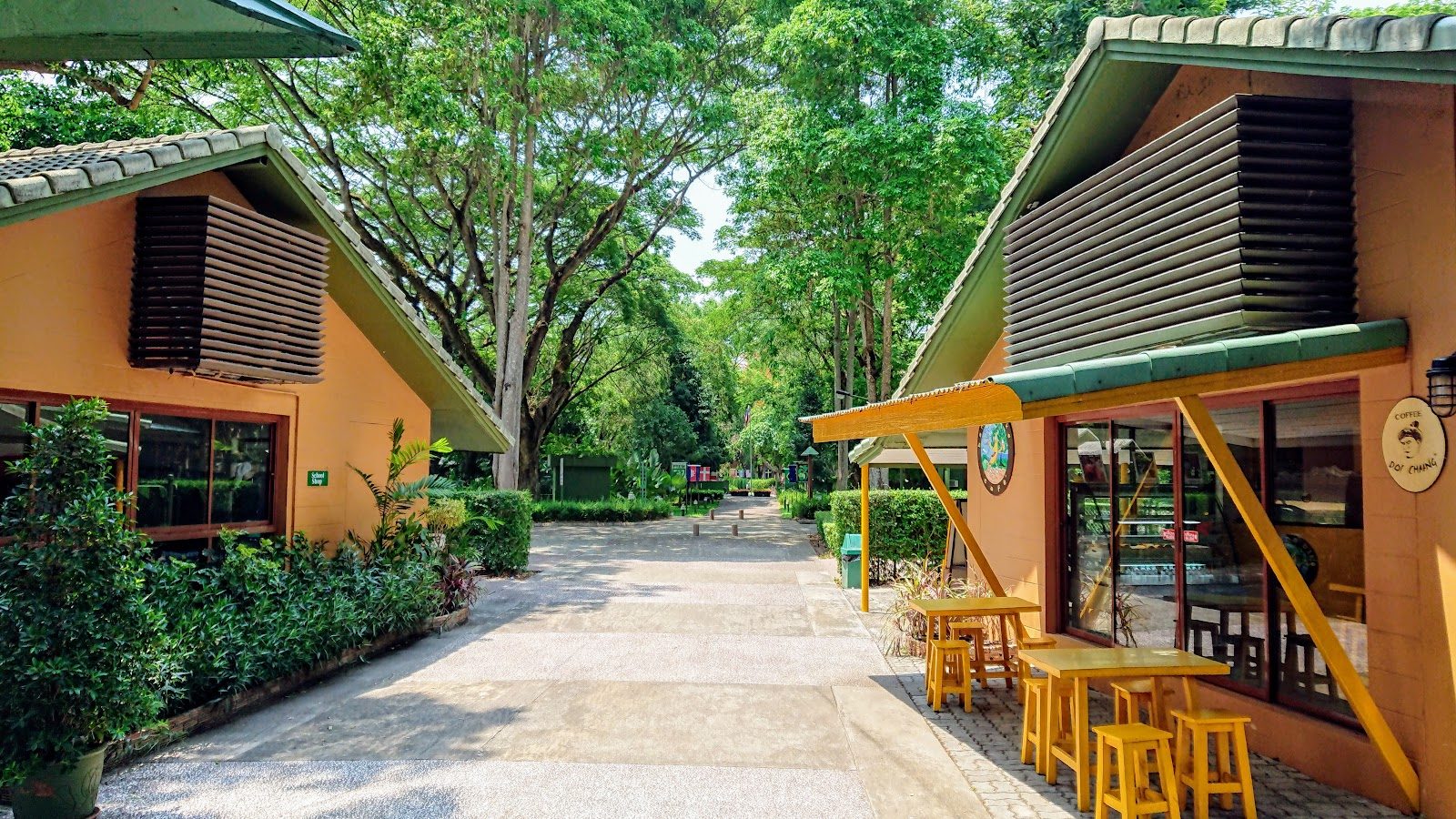
Prem Tinsulanonda International School
Chiang Mai · Thailand
On a 100-acre farm and forest campus in the Mae Rim foothills, the first school in Southeast Asia to run all four IB programmes
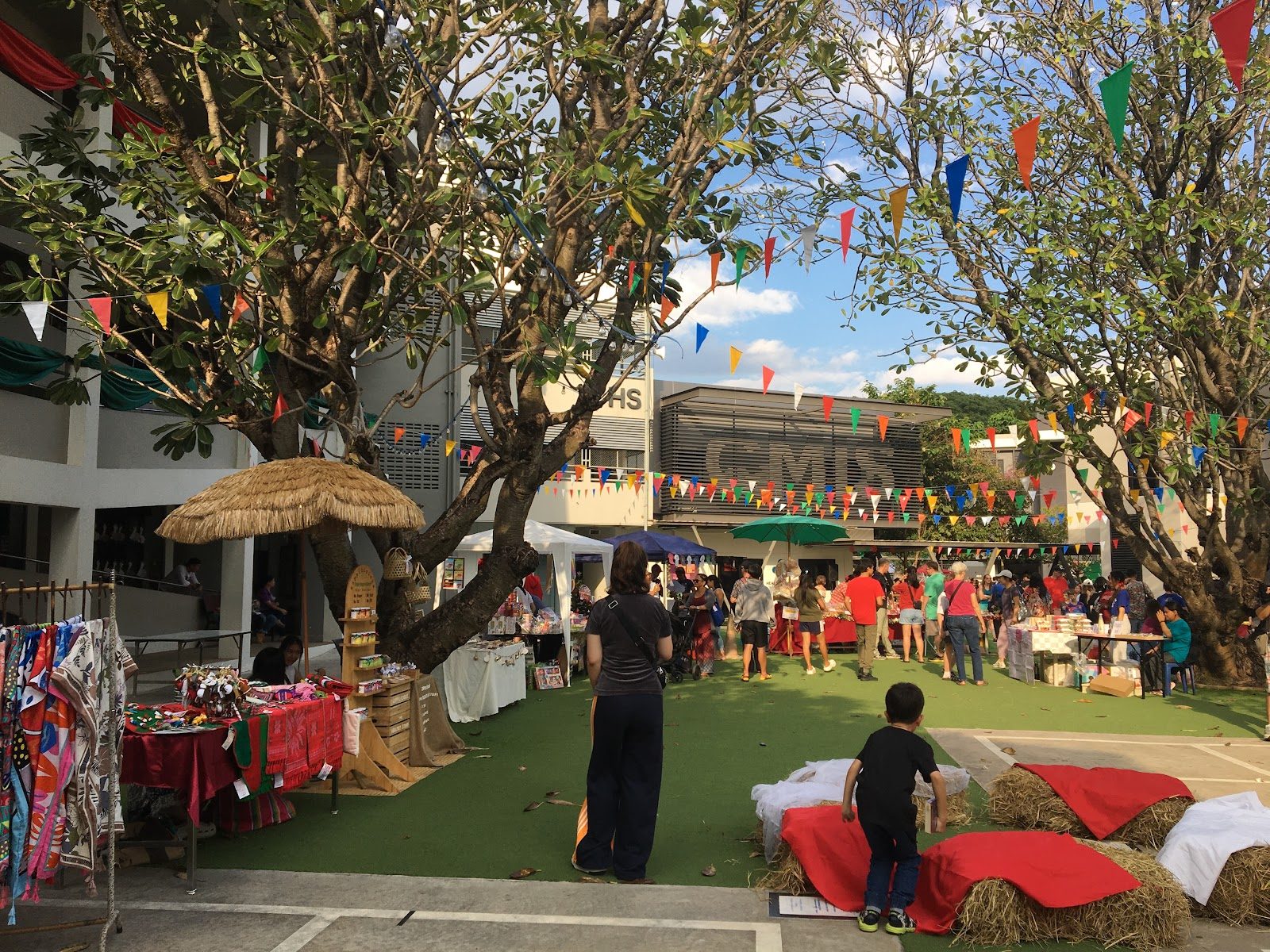
Chiang Mai International School
Chiang Mai · Thailand
Founded by returning missionaries in 1954, this Ping River campus was Thailand's first international school outside Bangkok.
Yew Chung International School of Chongqing
Chongqing · China
Chongqing's first Ministry-registered international school, pairing Chinese and Western co-teachers through IGCSE and the IB Diploma.
Same country and curriculum — closest matches within ±10 points either way