
Hong Kong
Hong Kong's first Catholic boys' school, teaching Labour and Virtue from a declared-monument campus on Kennedy Road since 1875.
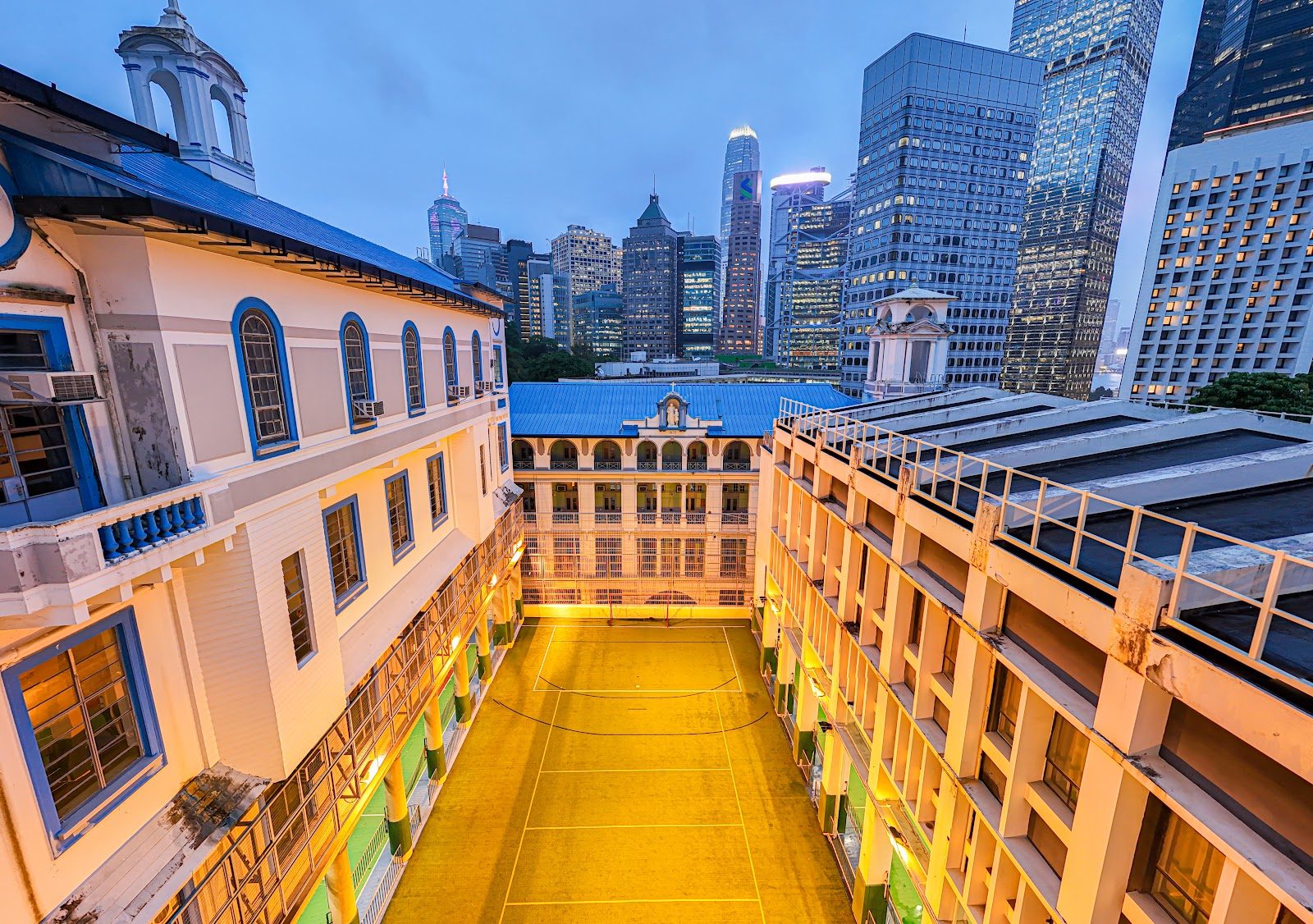
Photo © Lee Ching Hang via Google Maps
Type
Day
Ages
5–18
Curriculum
Hong Kong DSE
Ratio
18:1
The Verdict
Editor's commitment
Right for
Families wanting an English-medium day school in Central with Hong Kong DSE continuity from ages 5–18 and a declared-monument Kennedy Road campus.
Wrong for
Parents who want co-education, small classes or intensive individual attention: this is a boys' school with classes of 36 and an 18:1 ratio.
Watch out for
The school claims strong HKDSE and university entry, but publishes no aggregate results; at 150 years old, reputation still carries more weight than data.
Ranking breakdown
St. Joseph's College · #243 of 1591
Composite score 73.4. 8 weighted criteria.
By criterion
Academic Outcomes
Weight 20%
#386
of 1529 scored
University Placement
Weight 16%
#459
of 1529 scored
Prestige & Heritage
Weight 12%
#139
of 1571 scored
Alumni Network
Weight 12%
#62
of 1530 scored
Facilities
Weight 12%
#1004
of 1533 scored
Transparency & Communications
Weight 8%
#354
of 1532 scored
Peer & Industry Review
Weight 10%
#300
of 1548 scored
Admissions Selectivity & Demand
Weight 8%
#229
of 1529 scored
Peer & Industry Review
How St. Joseph's College is regarded in the sector
58
Credible · medium confidence
St. Joseph's College is one of Hong Kong's most storied heritage schools, but it sits outside the international-school review ecosystem that expat parents typically consult. Coverage is not found on WhichSchoolAdvisor, whose Hong Kong roster focuses on IB and international-curriculum schools rather than local Band 1 aided institutions teaching the HKDSE. The South China Morning Post has repeatedly profiled the college as an elite boys' school marking milestones such as its 145-year-old status and a HK$500 million facelift spanning 22 years in three phases, and Wikipedia notes alumni including a Nobel laureate (Professor Charles Kao, Father of fibre optics). Its reputation is genuine and locally formidable, resting on 150 years of history and a listed campus rather than on the kind of specialist expat-facing rankings this guide otherwise prioritises, so international parent-community awareness is modest relative to its domestic prestige.
Evidence sources
Editors' overview
St. Joseph’s College occupies a rare position in Hong Kong’s school market: an old, academically ambitious boys’ day school in Central with real institutional weight behind it. Founded in 1875, it trades on substance, not novelty. The setting matters. A declared-monument campus on Kennedy Road gives the school a strong sense of place that newer campuses cannot imitate, and its age gives it a deep bench of tradition, ritual and expectation. For parents who want a school with history, discipline and a settled identity, St. Joseph’s merits attention at once.
What sets it apart is the combination of old-school prestige and a conventional local academic route. The curriculum is the Hong Kong DSE, taught in English, so this is not an international school in the expatriate-market sense; it is a local independent fixture with a long record of sending boys through Hong Kong’s mainstream examination system. The school talks up strong results and a high university entrance rate, but it does not publish aggregate HKDSE outcome data in the public domain. That opacity matters. Parents must buy into the school’s reputation and competitive culture more than into disclosed metrics. Even so, the signal is clear: this is a place for boys who can handle pace, pressure and comparison in large classes of 36, with a student–teacher ratio of 18:1.
The appeal, then, is specific. St. Joseph’s suits academically sharp, self-propelled boys who will thrive in a high-expectation culture, value established traditions, and want a school life that extends beyond the classroom into sport, competitions and inter-school leadership. It also suits families who want English-medium teaching without stepping outside the local system. Boys who need a highly pastoral, softly structured environment, extensive individual attention, or a progressive co-educational ethos will find a tougher fit here. The school’s draw is earned prestige, serious academic intent, institutional confidence and a formidable heritage — not warmth, novelty or hand-holding.
Academic Performance
St. Joseph’s states that its boys have “consistently scored outstanding results” across public examinations and that university entry rates are high. That claim fits the school’s standing in Hong Kong’s academic hierarchy, but the hard data remain frustratingly opaque. The school does not publish aggregate HKDSE results, no headline subject breakdowns are in the public domain, and there is no school-level table of top scores for parents to interrogate. For a school with this level of reputation, that is a material gap. Families therefore judge performance through indirect markers: long-standing prestige, sustained competitiveness in a demanding local system, and repeated success in mathematics and informatics Olympiads, where students have represented Hong Kong at continental and international level.
Relative to peers, St. Joseph’s sits in the territory’s elite traditional boys’ school bracket rather than in the broader middle of the market. That places it alongside institutions where expectations are high, internal competition is real, and public exams function as a sorting mechanism as much as a qualification route. The absence of published aggregates stops short of a clean league-table verdict, and that matters. Still, schools do not retain this kind of status over generations on thin academic substance. The more accurate reading is that St. Joseph’s has strong outcomes, but parents must accept them on institutional track record rather than on disclosed, school-wide HKDSE evidence.
Facilities
The campus itself is the headline facility. Kennedy Road gives St. Joseph’s something peers cannot replicate: a declared-monument setting with real architectural presence and a strong institutional atmosphere. That matters more than brochure gloss. For boys educated in a crowded, exam-led city, place shapes culture, and this site projects seriousness, continuity and expectation. The school also maintains enough specialist provision to support the activities it values most. Its own account points to sustained participation in inter-school sport, service in inter-school organisations, and high-level work in mathematics and informatics Olympiads. That indicates usable sports spaces, rooms for societies and training, and the kind of academic support infrastructure that allows competition teams to function. The contact detail and published plans and reports also signal an established operation rather than an improvised one.
Against Hong Kong peers, the facilities case is distinctive but uneven. St. Joseph’s has more heritage and symbolic weight than newer campuses built for spectacle, but it does not compete on sheer scale or resort-style amenity. Families choosing this school are not buying expansive grounds, cutting-edge design, or the all-inclusive polish of newer international schools. They are buying a campus with rare civic stature and facilities that serve a hard-working, competition-minded boys’ school. If your benchmark is monumental character and school identity, St. Joseph’s ranks near the top. If your benchmark is acreage, wow-factor build quality, or an exhaustive suite of specialist spaces, other schools do more.
The absence of published aggregates stops short of a clean league-table verdict, and that matters
Prestige
St. Joseph’s carries top-tier local prestige. In Hong Kong, that prestige rests on three things: age, continuity and selectivity of culture. The school occupies a place in the city’s educational memory that newer institutions cannot buy. Its Kennedy Road setting, with the declared-monument aura attached to it, reinforces that status every day; this is a campus that signals institutional permanence before a lesson starts. The school’s own emphasis on sustained examination strength, high university entry and representation in mathematics and informatics Olympiads adds a second layer: not just old reputation, but a reputation tied to performance and competition. For families inside the local market, the name carries instant recognition.
We rate it highly because the prestige is not cosmetic. It sits in the narrow band of Hong Kong boys’ schools whose standing has held across generations, and that matters more than glossy branding. The social value of a St. Joseph’s education lies in the network, the discipline of its expectations, and the signal it sends about a boy’s ability to cope in a demanding, status-conscious academic environment with classes of 36 and a staffing ratio of 18:1. That said, prestige here has a hard edge. It is earned rather than cosy, and it trades on tradition, comparison and institutional confidence rather than pastoral softness. Parents who want serious cachet in the local system will find it here.
Against Hong Kong peers, the facilities case is distinctive but uneven
Communications
Parent communication looks competent, formal and institution-led rather than intimate. The school publishes the essentials cleanly: direct contact details, named leadership, a clear site structure, and dedicated sections for plans, reports, school identity, donations and personal data policy. That matters. Schools with weak administrative habits hide behind vague portals and generic inboxes; St. Joseph’s does not. The presence of a public email address, a main telephone line and named senior figures gives parents clear routes in, and the navigation signals an established organisation with proper institutional habits. For a traditional boys’ school with large classes and a strong internal culture, that kind of orderly communication spine is more valuable than polished marketing copy.
The limits are plain as well. Communication here reads top-down, not dialogic. The public face prioritises structure, identity and reputation over granular disclosure. Parents get enough to understand who runs the school and how to contact it, but less than they need if they want hard-edged transparency on outcomes, day-to-day academic reporting or the finer texture of pastoral life. We have not seen the school publish the kind of detailed performance dashboards or parent-facing explanatory depth that stronger communicators now provide as standard. So the verdict is mixed but clear: effective for official information and institutional confidence; less convincing for families who want full, data-rich openness and a warmer sense of partnership. The baseline is solid. The transparency is not.
Uniqueness
What makes St. Joseph’s distinct is not one feature but a combination that very few schools can match: a Catholic Lasallian inheritance inside a school now listed here as non-religious; a monumental urban campus that carries real civic weight; and a boys’ culture shaped by long memory, ritual and competition rather than by educational fashion. Plenty of Hong Kong schools have academic ambition. Far fewer have this level of institutional gravity. The school identity is explicit enough to have its own published section, motto and supervising Brother, and that gives pupils something many modern schools lack: a settled framework of conduct, belonging and expectation. For the right boy, that produces serious self-discipline and a strong sense that he is joining something larger than himself.
That uniqueness brings clear gains and clear trade-offs. Students benefit from a deep-rooted alumni culture, visible inter-school standing and a house style that prizes commitment over display. The school’s long-running strength in Olympiad-level mathematics and informatics adds another distinguishing edge: intellectual competitiveness here does not stop at classroom compliance. Boys with appetite for challenge get hard-edged validation from public competition, team identity and the prestige attached to wearing the badge. The cost is equally plain. This is not an experimental, child-centred environment built around individual comfort. It is a tradition-bound, comparison-heavy institution with classes of 36. For confident boys, that can be formative. For others, it will feel unforgiving.
For parents who want a school with history, discipline and a settled identity, St
Student Profile
The boys who thrive here are bright, self-directed and comfortable in a culture that rewards stamina as much as talent. St. Joseph’s suits students who do not need constant shepherding, who can absorb instruction in a busy classroom, and who treat competition as motivation rather than threat. The school’s own emphasis on public-exam success, inter-school sport, leadership roles and Olympiad representation points to a pupil body that is driven, status-aware and used to comparison. With an average class size of 36 and a staffing ratio of 18:1, boys need enough confidence to speak up, enough organisation to keep pace, and enough resilience not to wobble when surrounded by other high performers.
The best fit is a boy who likes structure, respects hierarchy and wants to belong to a school with a strong internal identity. He does not need a progressive atmosphere or heavy pastoral cushioning; he needs standards, routines and peers who take achievement seriously. This also suits boys who want school life to extend beyond lessons into teams, competitions and visible representation. The weaker fit is easy to define: children who need close adult monitoring, a gentler emotional climate, or broad tolerance for inconsistency will find this place hard-edged, tradition-bound and at times unforgiving. For the right student, that pressure sharpens ambition. For the wrong one, it grinds.
What sets it apart is the combination of old-school prestige and a conventional local academic route
Co-curricular strengths
Arts & sport, on a separate axis
Overall 8.12/10
Scored 0-10 from the school's own published evidence. This axis is editorial-only — it does not feed the main WTS ranking.
Drama
8.5/10
Dance
5/10
Music
8.8/10
Visual Arts
8.5/10
Editor-verified · 8/7/2026
WTS 300 badge
St. Joseph's College is one of the World's Top 300 Schools. Claim your listing to add it to your site →
Strengths
- +One of Hong Kong's oldest Catholic boys' schools, founded in 1875 by the De La Salle Christian Brothers and marking its 150th anniversary in 2025.
- +Historic Central Mid-Levels campus with North and West Block buildings declared Grade I monuments, reflecting a rare heritage setting for a working school.
- +Alumni include Nobel Physics laureate Charles Kao, cited by the school as the 'Father of fibre optics,' alongside other prominent public figures.
- +Estimated Band 1A academic standing, with independent DSE analysis ranking it among the top 14-34 schools in Hong Kong territory and 3-6 within the Central & Western district.
- +As a government-aided school it charges only nominal tuition rather than international-school-level fees, a rarity for a school of this academic profile.
Considerations
- −All-boys institution, so families wanting a coeducational environment must look elsewhere.
- −Follows the HKDSE curriculum exclusively, with no IB or A-level track, and requires Chinese Language study, which can be demanding for children without prior Cantonese or Chinese literacy.
- −Entry runs through Hong Kong's Secondary School Places Allocation system, which weights primary-school academic ranking (25%), ECA/awards (15%) and conduct (10%), rather than open international-style admissions.
- −Compact, century-old urban campus; the school has undertaken a large-scale facilities upgrade, implying the existing plant was dated relative to purpose-built modern campuses.
Availability
Primary entry gate & tests
HK Central Allocation / Exam (Boys)
Gallery
Photo © Lee Ching Hang via Google Maps
Photo © Sunny Hiker via Google Maps
Photo © Johnson IF Collection via Google Maps
Photo © Sunny Hiker via Google Maps
Photo © Sunny Hiker via Google Maps
Photo © Ben Lee via Google Maps
Photo © Fatrill Luk via Google Maps
Photo © Ben Lee via Google Maps
Photo © Andrew Lau via Google Maps
Parent reviews
Have you sent your child here?
Voice reviews carry the strongest trust badge — we transcribe them for you to tidy up before they go live. Prefer to type? A written review is fine too.
Add your voice
In 60 seconds, tell other parents: what's the best thing about St. Joseph's College, and what surprised you when your child joined?
We ask for a Google sign-in so every review has a real face behind it — no anonymous drive-by attacks on schools, and no faked positive reviews. Your email is never shown publicly.
Send this profile to a friend
International parents rely on word-of-mouth. Share this review with someone weighing the same decision.
Schools with places
Similar schools to St. Joseph's College with places available now.
Kellett School
Hong Kong · Hong Kong
- 2026-27
- WAITPOOLSpace-dependent
- 2027-28
- PLACES OPENRolling
German Swiss International School
Hong Kong · Hong Kong
- 2026-27
- PLACES OPENRolling
- 2027-28
- PLACES OPENRolling
Hong Kong International School
Hong Kong · Hong Kong
- 2026-27
- WAITPOOLVacancy-dependent
- 2027-28
- PLACES OPENPriority 1 Oct/1 Nov
Harrow International School Hong Kong
Hong Kong · Hong Kong
- 2026-27
- WAITPOOLSpace-dependent
- 2027-28
- OPENS SOONOpens 1 Sept '26
Availability first, then country, area, curriculum, price, co-curricular
Consider also
Also worth looking at alongside St. Joseph's College.
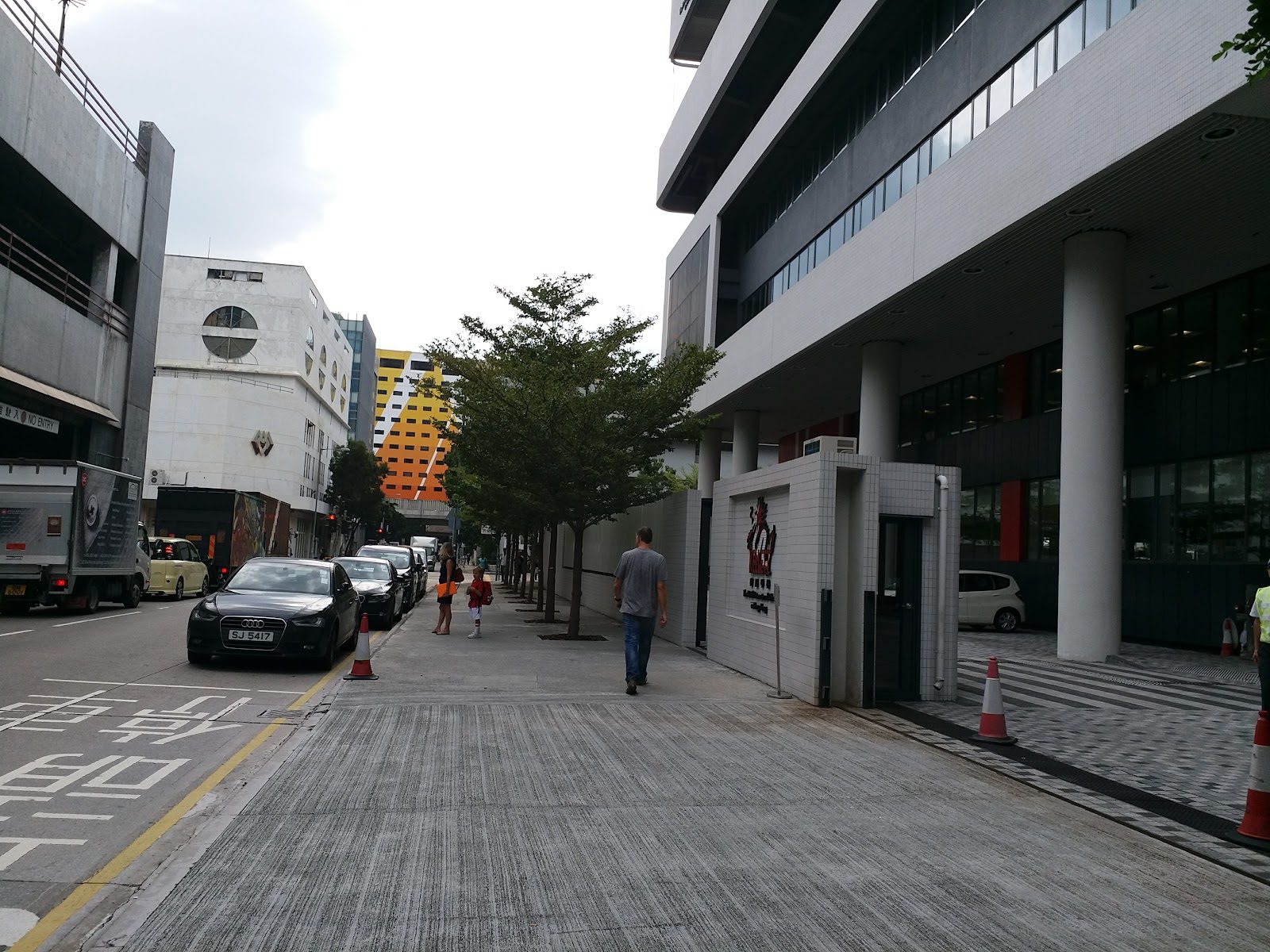
Kellett School
Hong Kong · Hong Kong
Long-established, parent-founded British international day school in Hong Kong, taking pupils through GCSEs and A-Levels from age 4 to 18.
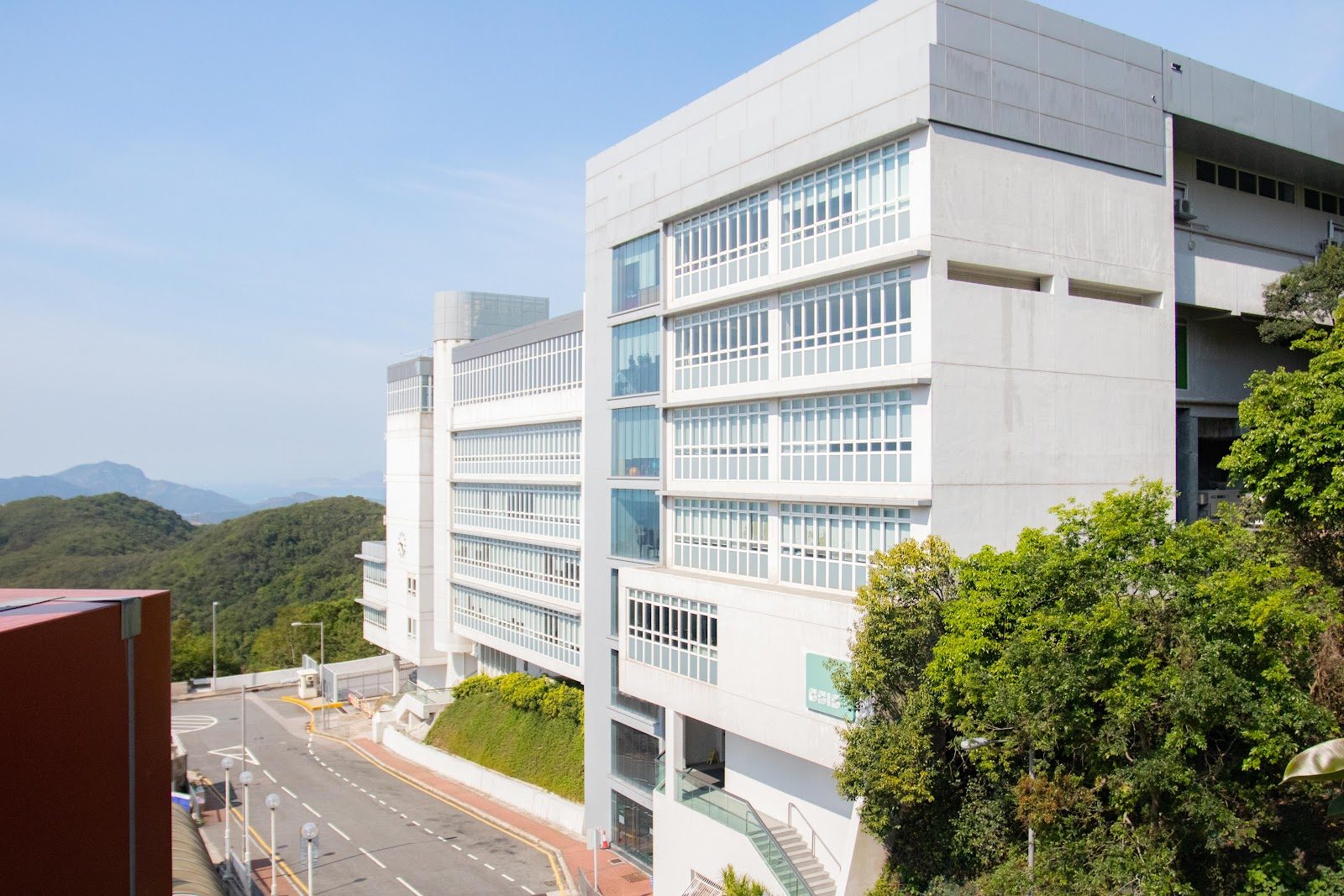
German Swiss International School
Hong Kong · Hong Kong
Perched on the Peak since 1969, twin German Abitur and IB streams share one campus and one house system.
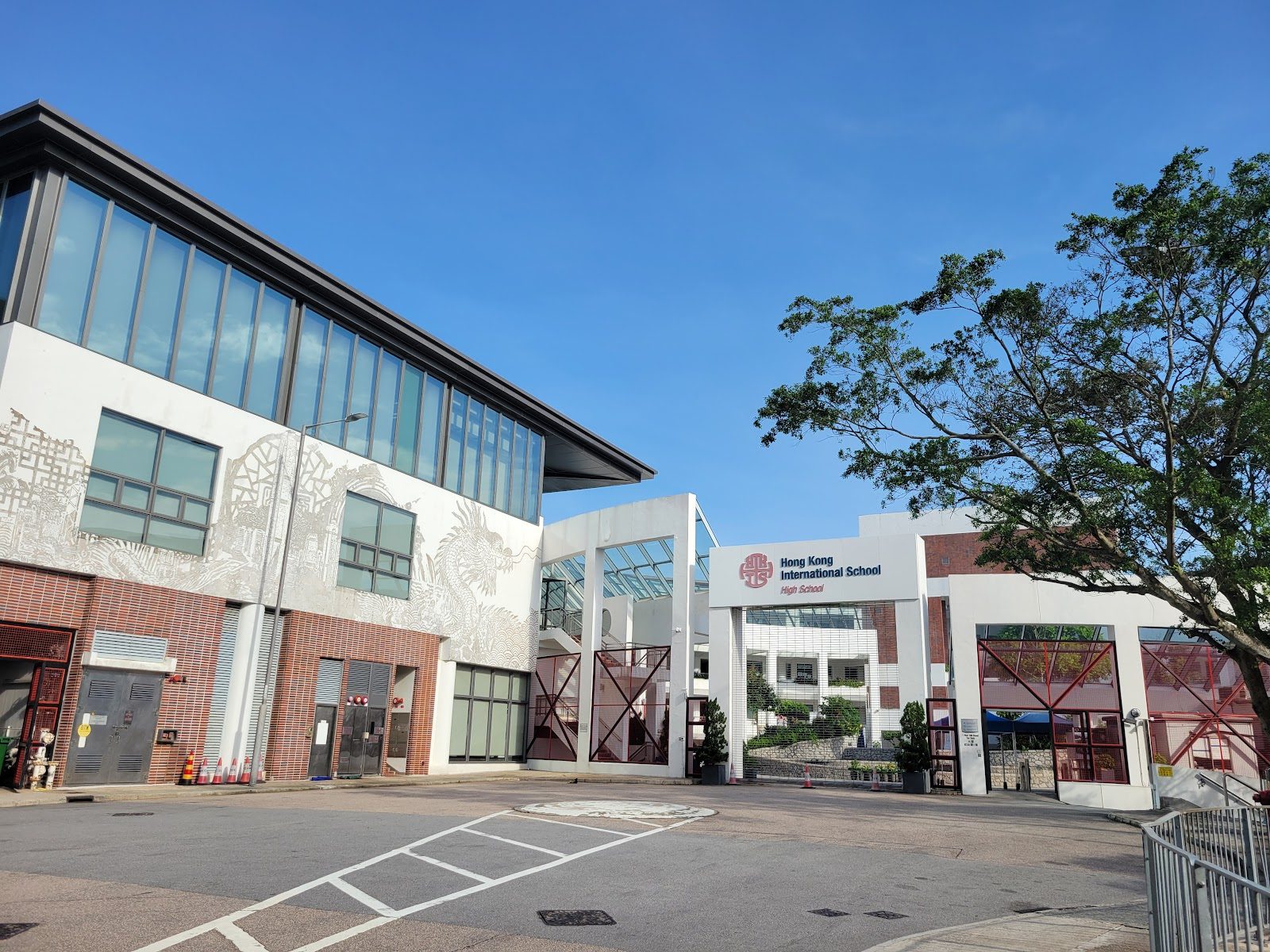
Hong Kong International School
Hong Kong · Hong Kong
Since 1966, an American-style curriculum with Lutheran roots spans two Hong Kong Island campuses framed by mountains and Tai Tam Bay.
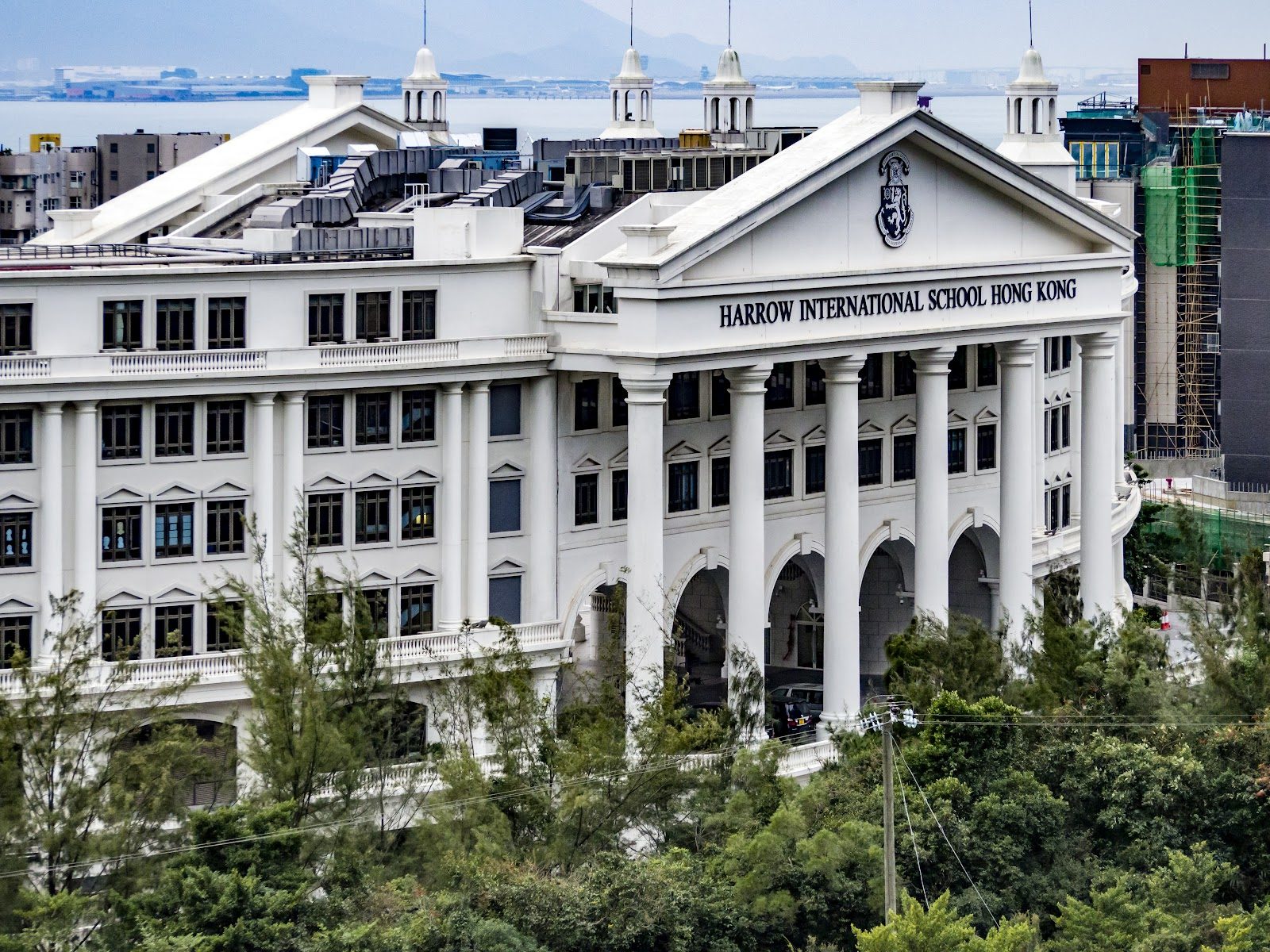
Harrow International School Hong Kong
Hong Kong · Hong Kong
A crescent-shaped Tuen Mun campus, modelled on Bath's Royal Crescent, houses Hong Kong's only formal weekly boarding and house system.
Same country and curriculum — closest matches within ±10 points either way