
Texas
Since 1913, the nation's largest PK-12 girls' school builds leaders on 100 North Dallas acres around four founding cornerstones.

Photo © The Hockaday School via Google Maps
Type
Day
Ages
3–18
Curriculum
US High School Diploma · Advanced Placement
Ratio
8:1
The Verdict
Editor's commitment
Right for
Girls who want a serious all-through education: PK-12, 8:1 student-teacher ratio, 14-pupil classes, and AP on a 100-acre Dallas campus.
Wrong for
Families wanting co-education, boarding or a bargain; Hockaday is day-only, girls-only, and the average annual fee is $36,609.
Watch out for
NAIS membership is clear, but the school does not publish aggregate AP outcomes here; prestige and a 1913 name are not the same as data.
Ranking breakdown
The Hockaday School · #84 of 1591
Composite score 78.3. 8 weighted criteria.
By criterion
Academic Outcomes
Weight 20%
#183
of 1529 scored
University Placement
Weight 16%
#187
of 1529 scored
Prestige & Heritage
Weight 12%
#91
of 1571 scored
Alumni Network
Weight 12%
#42
of 1530 scored
Facilities
Weight 12%
#110
of 1533 scored
Transparency & Communications
Weight 8%
#153
of 1532 scored
Peer & Industry Review
Weight 10%
#164
of 1548 scored
Admissions Selectivity & Demand
Weight 8%
#247
of 1529 scored
Peer & Industry Review
How The Hockaday School is regarded in the sector
88
Strong · high confidence
Hockaday is consistently ranked among the top all-girls independent schools in the US, frequently cited by Niche and Forbes-style rankings as one of the best private schools in Texas, and is a member of the prestigious 'Ten Schools Admission Organization' peer group alongside elite East Coast girls' schools. Its notable alumnae (including business and cultural figures) and strong college matriculation to Ivy League and top-tier universities are widely referenced in regional and national education press, and it is regularly benchmarked against peer institutions like Greenhill and St. Mark's School of Texas.
Evidence sources
Editors' overview
A 100-acre North Dallas campus and the claim to be the nation’s largest PK–12 girls’ school put Hockaday in a rare bracket from the outset: this is a big, established all-girls institution with the scale to offer breadth, but without the muddle that can come with a co-ed mega-school. The essentials are clear. Hockaday is a non-religious day school for girls aged 3 to 18, founded in 1913, teaching to the US High School Diploma with Advanced Placement in the upper years. The academic set-up looks deliberately intimate for a school of that reach: a 8:1 student-teacher ratio and average class size of 14 give it the staffing profile parents expect at the expensive end of the US independent market. At an average annual day fee of $36,609 across the full PK–12 ladder, it sits firmly in that bracket.
What distinguishes Hockaday is not novelty but institutional confidence. The school still leans on its Four Cornerstones — character, courtesy, scholarship and athletics — and that framework tells parents a lot about the place. This is not a progressive free-for-all and not a narrow exam factory either. It is a college-preparatory girls’ school that wants high performance to sit alongside poise, conduct and visible participation. For the right student, that is a serious advantage: girls who thrive in an academically focused environment, want the energy of a large campus, and value leadership opportunities in a female-centred setting will find plenty to work with here. The all-girls case is central, not decorative.
The caveat is equally plain. A school built on scholarship and athletics, with a clear sense of tradition and a strong internal culture, will not suit every child. Girls who want a looser, more experimental atmosphere or who draw confidence from daily co-educational life may find Hockaday too contained or too codified. Parents also need to accept a degree of opacity around outcomes: we have not seen aggregate AP results or university destination data in the public domain here, so the school’s academic reputation rests more on structure, selectivity cues and long-standing standing than on published hard metrics. Even so, Hockaday merits a shortlist because it offers something distinct and durable: a large-scale girls’ education with small classes, strong adult attention, and a mission that is specific enough to shape the lived experience rather than decorate the prospectus.
Academic Performance
Hockaday does not publish the data parents need for a hard academic verdict. We have not seen aggregate AP scores, AP participation rates, SAT or ACT averages, or a university destination list in the public domain. That matters. In the top tier of US independent schools, strong outcomes are no longer enough; schools also need to show them. On this front Hockaday is opaque. The school’s academic case rests instead on indirect but still useful indicators: a serious college-preparatory identity, small classes, close staffing, a declared emphasis on scholarship, and a strategic plan that talks in concrete terms about assessment, interdisciplinary work, project-based learning and intellectual risk-taking rather than vague uplift.
Relative to peers, that places Hockaday in an awkward middle ground editorially. The school has the scale, history and institutional machinery of a major girls’ school, and nothing in its public positioning reads as lightweight or casual. The academic culture is plainly ambitious. But without published external-result data, it does not earn the same evidence-based confidence as schools that disclose full AP profiles or complete university matriculation lists. Parents can still read Hockaday as clearly high-expectation and academically structured, but they need to test that assumption in admissions conversations: ask for recent AP distribution, top-score rates, subject breadth, and where graduates actually enrol. Until those figures are public, Hockaday’s performance sits in the category of credible but unproven in print.
Facilities
Hockaday’s facilities case starts with breadth. A school that covers the full age range on a large campus has room to separate functions properly, and Hockaday uses that advantage in the way top American independents do: dedicated space for academics, fine arts, athletics and student life rather than a single overloaded building trying to do everything. The school itself foregrounds campus highlights, fine arts, athletics philosophy and facilities, student support, innovation and collaboration, and an Institute for Social Impact. That points to a campus built for more than classroom delivery. Parents should read the athletic provision as structural, not decorative: one of the school’s four founding cornerstones is athletics, so sport has institutional weight here that many peer schools talk about but do not fully embed. At the expensive end of the market, that matters.
Against peer schools, the strength is not one famous specialist building in isolation but a whole-campus proposition. Large girls’ schools with serious arts and sports provision are rare, and Hockaday has the scale to sustain both alongside close adult attention, reflected in its 8:1 staffing ratio and average class size of 14. The limitation is disclosure. The school does not publish the sort of detailed facilities inventory that helps parents benchmark hard — no clear public accounting of theatres, labs, pools, maker spaces or performance venues. That leaves Hockaday with a strong but under-evidenced facilities profile: plainly more substantial than the average day school, but less precisely documented than the best-run peer institutions.
In the top tier of US independent schools, strong outcomes are no longer enough; schools also need to show them
Prestige
Hockaday carries real prestige in the American independent-school world, and for clear reasons. Single-sex schools that cover the full age range at this scale are rare; girls’ schools with national name recognition are rarer still. Hockaday has built that recognition through longevity, institutional coherence and a model that families understand immediately: rigorous college preparation, visible expectations around conduct, and a strong co-curricular spine rather than a narrow classroom-only identity. The school’s claim to be the nation’s largest PK–12 girls’ school matters here. Size, in this case, is not bloat; it signals reach, alumni depth and the capacity to sustain serious programmes across arts, sport and student leadership without losing the intimacy implied by an 8:1 staffing ratio.
That said, this is not prestige grounded in public exam transparency or glossy headline outcomes. It is brand prestige, social prestige and institutional prestige more than published-performance prestige. The fees reinforce that status: an average annual charge of $36,609 places Hockaday in the expensive end of the market, where parents buy not only teaching but access to a durable network and a school identity that carries weight. The alumnae footprint adds substance, with 14 notable alumni already catalogued in Wikidata, including figures from the screen world. Our rating rests on that combination: high-status, long-established, and plainly influential — but held back from the very top rank by opaque outcomes data.
Our rating rests on that combination: high-status, long-established, and plainly influential — but held back from the very top rank by opaque outcomes data
Communications
Hockaday communicates with parents through a dense, well-organised digital front end. The public site is not elegant in a pared-back way, but it is functional and revealing: admissions, tuition assistance, academics by division, student support, college counselling, athletics, fine arts, diversity work, alumnae activity and summer programmes are all easy to locate from the main navigation. That matters because schools with a lot going on often hide key information behind vague brand language; Hockaday does not. It publishes a broad map of school life and gives parents a clear sense of the institution’s priorities, from the Four Cornerstones to wellbeing, inclusion and leadership. The navigation is busy, even cluttered, but not evasive. Parents can reach substance without too much digging.
The stronger point is tone. Hockaday writes with institutional clarity and a firm sense of internal culture. The messaging is consistent across admissions, academics and student experience, which tells parents this is a school that knows exactly what it wants to be. That coherence builds confidence. The weakness sits elsewhere: communication is stronger on mission and programme architecture than on hard outcomes. We have not seen public aggregate AP data, test averages or destination reporting, and that gap limits trust at the top end of the market. For day-to-day parent understanding of ethos, structure and opportunities, communication is effective; for evidence-led scrutiny of results, it is still too guarded. The low staffing ratio of 8:1 and average annual fee of $36,609 raise the bar here, and Hockaday does not meet it fully.
Uniqueness
What marks Hockaday out is not a gimmick or a niche programme. It is scale married to a single-sex institutional logic that runs all the way through the school. Many girls’ schools are strong in the classroom; fewer operate with this level of range and internal coherence from the earliest years to graduation. The Four Cornerstones are the clearest signal. Character, courtesy, scholarship and athletics are not decorative heritage language here; they form a codified culture that tells students what the school values in daily life. That brings clarity. Girls get a setting where academic ambition, public conduct, leadership and physical confidence are treated as parts of the same education, not competing priorities. For students who flourish with structure, adult attention and visible expectations, that is a serious advantage.
The second point of difference is the school’s willingness to frame girls’ education in explicitly developmental terms: resilience, confidence, purpose, digital judgement, interdisciplinary work, service, and a stated commitment to inclusion and belonging. The strategic plan is more concrete than the airy rhetoric many schools publish. It talks about assessment reform, project-based learning, partnerships beyond campus, and support for a wide range of learning profiles. That gives students more than a conventional college-prep track; it gives them a highly managed platform for testing themselves across academics, arts and sport without the noise of a co-ed environment. The trade-off is plain. A culture this intentional can also feel strongly scripted. Girls who want a looser, more oppositional school atmosphere may chafe.
We have not seen public aggregate AP data, test averages or destination reporting, and that gap limits trust at the top end of the market
Student Profile
The best fit is a girl who wants structure, pace and adult attention without losing access to breadth. Hockaday is built for students who can handle a high-expectation culture in which scholarship, conduct and participation all count. The low 8:1 staffing ratio and small average classes of 14 point to a school where hiding is hard and passive attendance carries little value. Girls who enjoy speaking up, taking on visible responsibility and moving between classroom, arts, sport and service will have room to do that here. The school’s language around resilience, integrity, digital judgement and leadership is not accidental; it tells you the student ideal is self-possessed, engaged and comfortable being held to account.
The less natural fit is just as clear. A student who wants anonymity, a loose social code or a more oppositional adolescent culture may find Hockaday too managed and too mannered. The all-girls setting is central to the school’s identity, so families looking for daily co-educational social life will need to decide whether that trade-off works for their child. This also suits girls who value ambitious peers without the churn of a giant lecture-hall atmosphere: the school is large enough to offer range, but the teaching set-up stays deliberately intimate. Given the annual cost, families also need a child ready to use what is on offer; this is not a place for drifting.
At an average annual day fee of $36,609 across the full PK–12 ladder, it sits firmly in that bracket
Co-curricular strengths
Arts & sport, on a separate axis
Overall 8.54/10
Scored 0-10 from the school's own published evidence. This axis is editorial-only — it does not feed the main WTS ranking.
Sports
8.5/10
Highly dominant athletic cornerstone; fields massive, highly competitive rowing (crew) and lacrosse networks on a 100-acre estate.
Drama
8.6/10
Large-scale, 600-seat auditorium productions frequently staged in deep collaboration with local all-boys partner schools.
Dance
8.2/10
Exceptionally rare, highly prestigious high school drill team alongside dedicated pre-professional studio tracks.
Music
8.7/10
Robust private vocal and piano training modules feeding elite regional touring orchestras and ensembles.
Visual Arts
8.7/10
Highly technical AP studio design programs featuring student-curated public galleries and custom ceramic workshops.
Editor-verified · 8/6/2026
Notable alumni · Wikidata
14notable alumni
2 historic (born pre-1930) · 2 modern (born post-1970)wikidata:2026-08-02 How we source this

WTS 300 badge
The Hockaday School is one of the World's Top 300 Schools. Claim your listing to add it to your site →
Strengths
- +Founded in 1913, Hockaday is one of the oldest and largest all-girls college-preparatory day schools in the United States, with a 100-acre campus in northwest Dallas.
- +Small classes and a low student-teacher ratio (reported at 9:1 to 10:1, with average class sizes of 14-16) allow for close academic attention.
- +Strong university placement record, with 100% of graduates reported to enroll in college and alumnae attending institutions including MIT, Harvard, and the University of Chicago.
- +Cross-registration arrangement with the neighboring St. Mark's School of Texas gives Hockaday students access to additional courses such as German, psychology, astronomy, and geology.
- +Two members of the class of 2018 were named Rhodes Scholars in 2022, an outcome the school notes had never before gone to two students from the same high school class.
Considerations
- −Single-sex structure (all-girls, PK-12) will not suit families seeking a coeducational environment for their daughters.
- −Highly selective admissions, with a reported acceptance rate around 17%, meaning many qualified applicants are turned away each year.
- −Day tuition has been reported in the $34,500 to $41,000 range for high school grades in 2024-25, a significant cost before books, uniforms, and activity fees are added.
- −As a Dallas day school (with limited boarding for grades 8-12), relocating expat families without local housing near the Welch Road campus face added logistical planning.
Availability
Primary entry gate & tests
ISEE/SSAT + Interview (Girls)
Gallery
Photo © The Hockaday School via Google Maps
Photo © The Hockaday School via Google Maps
Photo © The Hockaday School via Google Maps
Photo © The Hockaday School via Google Maps
Photo © The Hockaday School via Google Maps
Photo © The Hockaday School via Google Maps
Photo © The Hockaday School via Google Maps
Photo © The Hockaday School via Google Maps
Photo © The Hockaday School via Google Maps
Parent reviews
Have you sent your child here?
Voice reviews carry the strongest trust badge — we transcribe them for you to tidy up before they go live. Prefer to type? A written review is fine too.
Add your voice
In 60 seconds, tell other parents: what's the best thing about The Hockaday School, and what surprised you when your child joined?
We ask for a Google sign-in so every review has a real face behind it — no anonymous drive-by attacks on schools, and no faked positive reviews. Your email is never shown publicly.
Send this profile to a friend
International parents rely on word-of-mouth. Share this review with someone weighing the same decision.
Schools with places
Similar schools to The Hockaday School with places available now.
Availability first, then country, area, curriculum, price, co-curricular
Consider also
Also worth looking at alongside The Hockaday School.
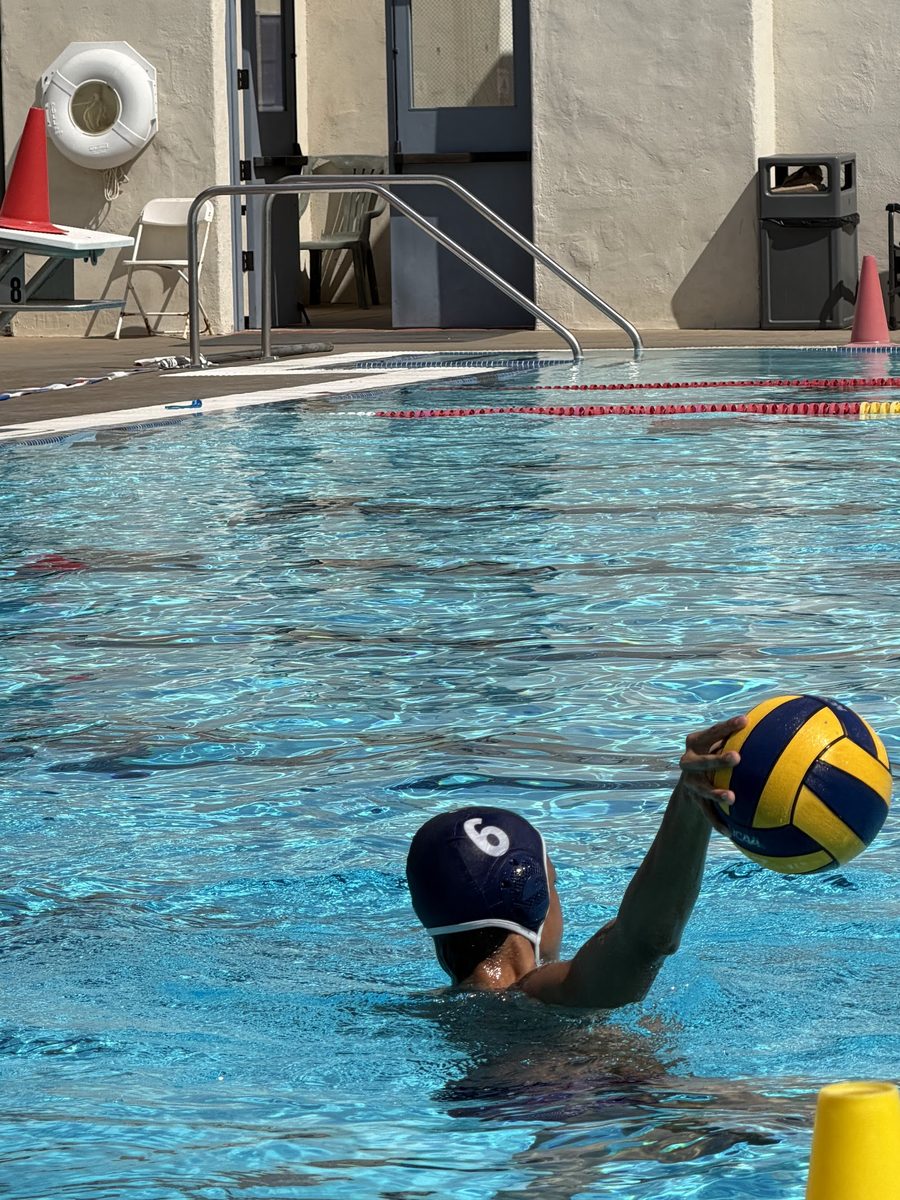
Polytechnic School
Pasadena · United States
Descended from Caltech's own Throop roots, this 1907 Pasadena day school still marries rigorous academics with hands-on inquiry.
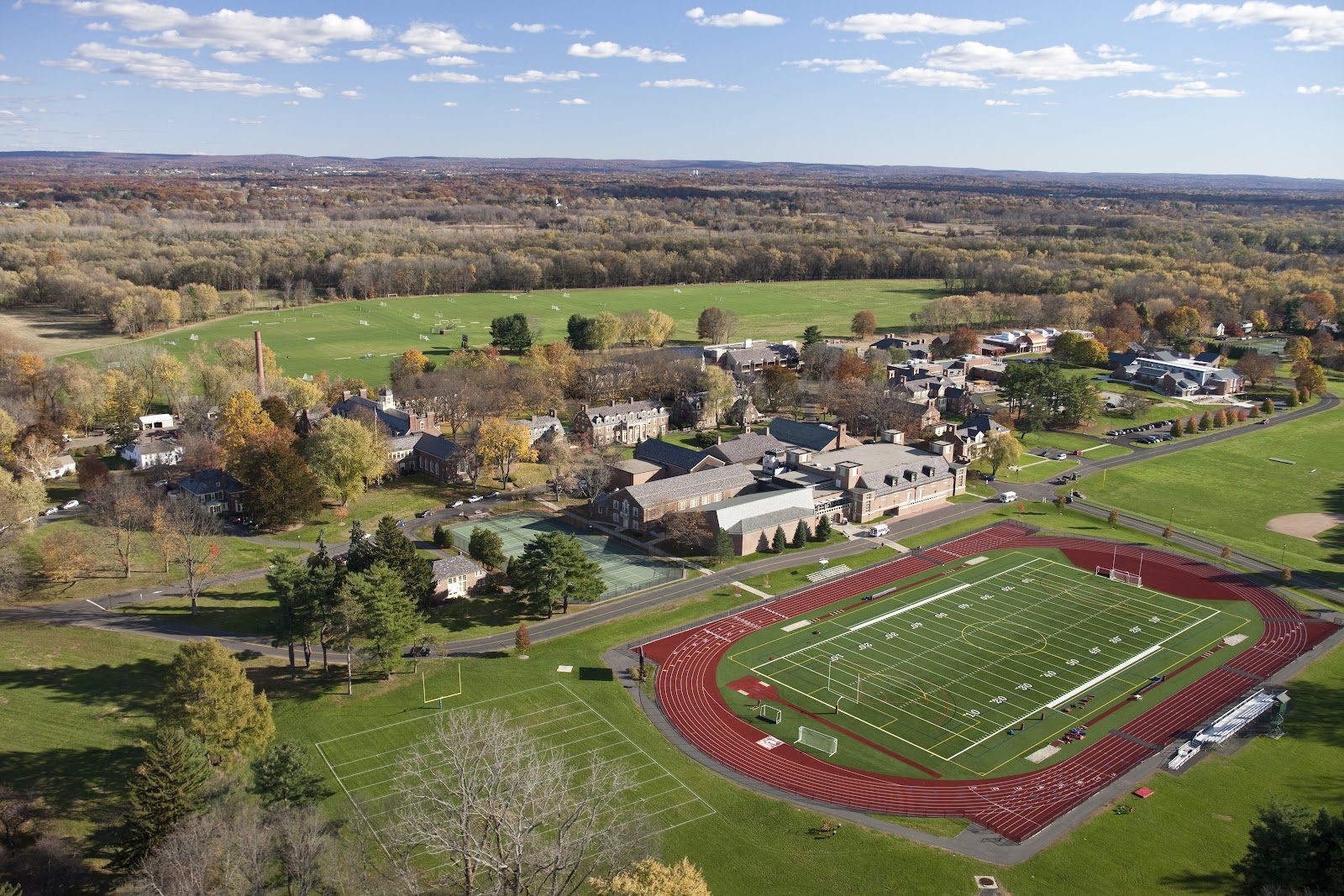
Loomis Chaffee School
Windsor · United States
On a river-cut 'Island' campus, seniors trade classrooms for client work each spring in the Innovation Trimester.
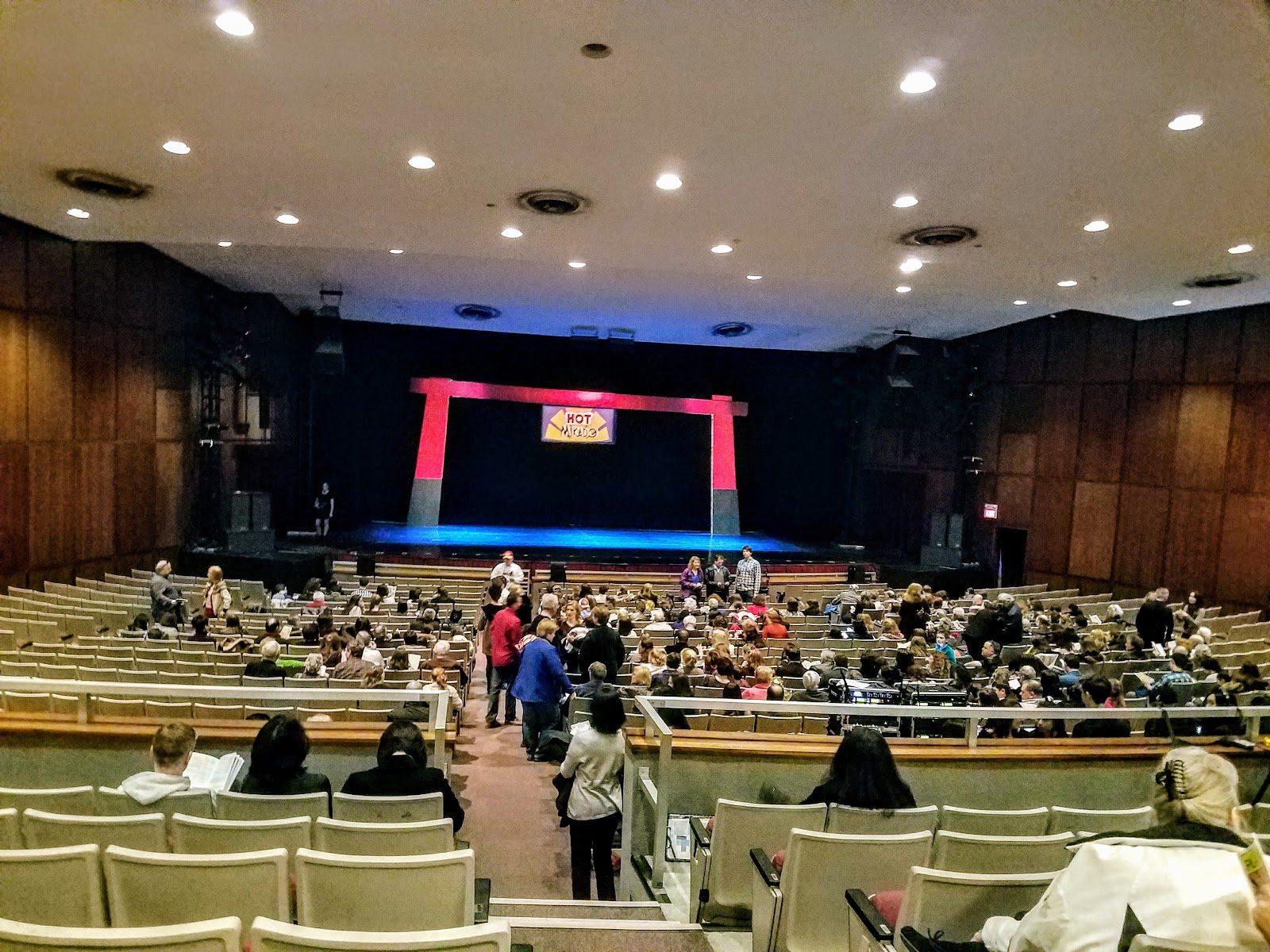
Bergen County Academies
Hackensack · United States
Seven college-style academies and on-campus stem-cell, nanotech, and optics labs turn Hackensack teens into Regeneron Science Talent Search scholars.
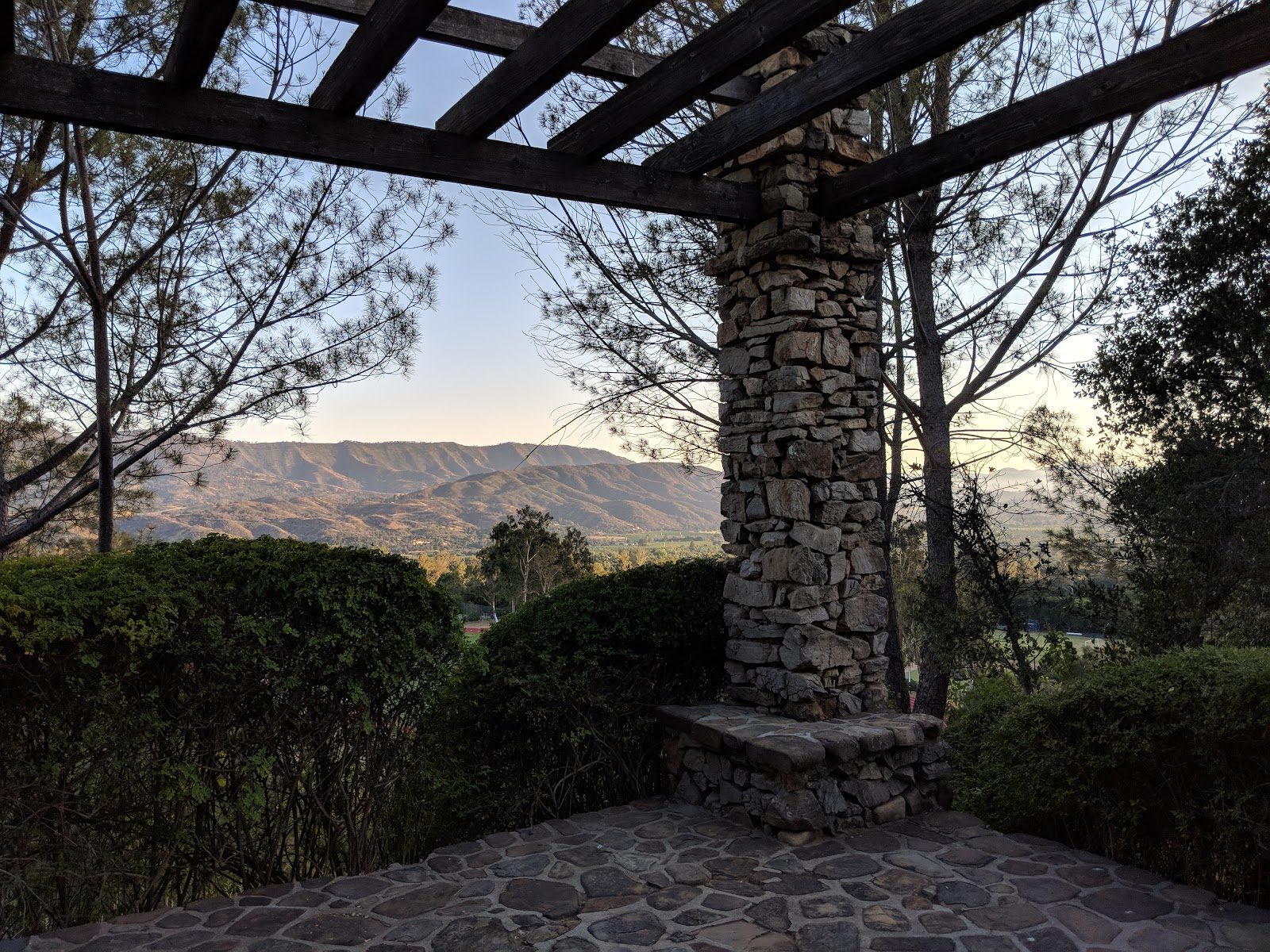
The Thacher School
Ojai · United States
Every freshman is assigned a horse to feed, saddle and ride daily in the foothills above Ojai
Same country and curriculum — closest matches within ±10 points either way