
New South Wales
On a North Sydney hilltop above the harbour, a founding GPS school since 1889 built on boarding houses, rowing and Anglican tradition
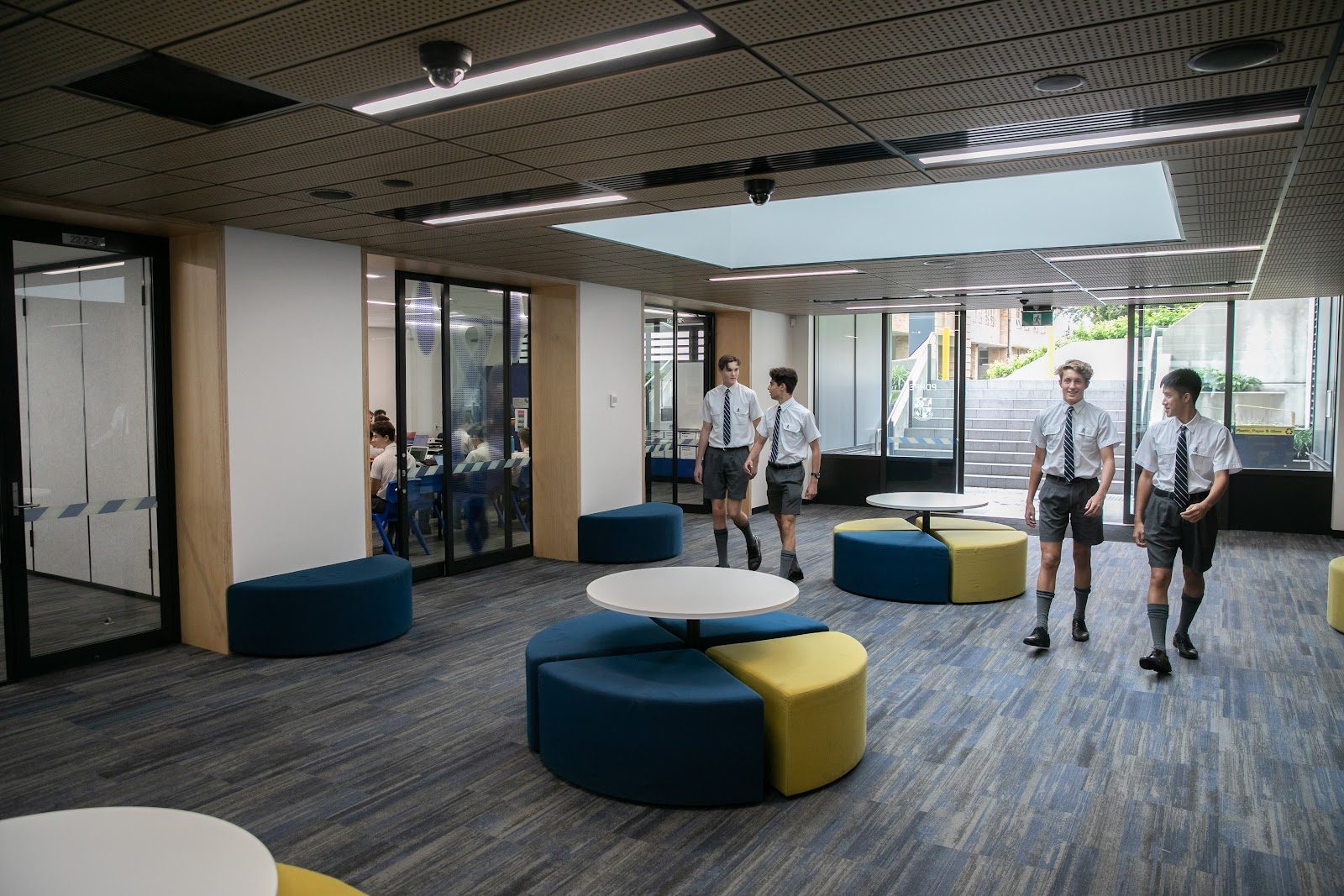
Photo © Shore School via Google Maps
Type
Both
Ages
3–18
Curriculum
Australian
Qualifications
HSC · IB Diploma
Ratio
—
The Verdict
Editor's commitment
Right for
Families wanting an Anglican 1889 school in North Sydney with ages 3–18 and AAGPS sport woven into the offer.
Wrong for
Parents seeking co-education, a secular ethos or a non-Australian curriculum: Shore is Anglican, boys-focused in identity, and explicitly Australian.
Watch out for
Type is listed as both, yet the school talks about educating boys since 1889; pin down the girls' provision and boarding details.
Ranking breakdown
Sydney Church of England Grammar School · #149 of 1591
Composite score 75.8. 8 weighted criteria.
By criterion
Academic Outcomes
Weight 20%
#334
of 1529 scored
University Placement
Weight 16%
#354
of 1529 scored
Prestige & Heritage
Weight 12%
#91
of 1571 scored
Alumni Network
Weight 12%
#25
of 1530 scored
Facilities
Weight 12%
#71
of 1533 scored
Transparency & Communications
Weight 8%
#288
of 1532 scored
Peer & Industry Review
Weight 10%
#300
of 1548 scored
Admissions Selectivity & Demand
Weight 8%
#647
of 1529 scored
Peer & Industry Review
How Sydney Church of England Grammar School is regarded in the sector
78
Strong · medium confidence
Shore (SCEGS North Sydney) is consistently listed among Sydney's elite GPS (Greater Public Schools) institutions, regularly featured in Sydney Morning Herald and other Australian press HSC 'top schools' rankings, and has a well-documented alumni network including prominent judges, business leaders, and Olympians. It lacks the global cross-border cachet of Tatler/Good Schools Guide UK-style unanimous top-tier recognition but is firmly respected as a leading peer institution within the Australian independent school sector.
Evidence sources
Award

Elite Sport 80
World's Top School · The Global Ranking
Sydney Church of England Grammar School is featured on our Global Top 80 ranking at #52. This seal is available for the school's marketing team to use on their website, prospectus and social channels.
Editors' overview
Sydney Church of England Grammar School — Shore — occupies a distinct niche in Sydney’s independent market: an old-line Anglican boys’ school with real boarding infrastructure, AAGPS sporting muscle and a hilltop North Sydney setting above the harbour. Founded in 1889, it trades on continuity, ritual and institutional confidence. The school runs from ages 3–18, teaches in English and follows the Australian curriculum. Boarding is not an afterthought here. The North Sydney campus includes 4 boarding houses for Years 7–12, with both weekday and full-time boarding. That matters. Plenty of city schools court regional families; Shore is built to take them in.
What marks Shore out is the combination of old Sydney establishment, full-scale boys’ schooling and a public Christian purpose stated without embarrassment. The school’s own language is explicit: Anglican faith, Bible teaching, chapel, Christian Studies, service learning, pastoral care. Parents who want a school to keep religion in the background will find that emphasis too strong. Parents who want a school where faith still shapes the institutional life, not just the crest, will put Shore straight on the shortlist. Add the AAGPS affiliation and the school’s long boarding tradition, and the proposition sharpens: this is a school for families who value structure, tradition and belonging over educational fashion.
The right student for Shore is a boy who will thrive in a culture with clear expectations, strong community identity and a visible commitment to sport, service and house life. Boarders, boys from regional New South Wales and families who want a serious Anglican framework all fit naturally here. So do students who want the intensity of a boys’ environment and the discipline of an established institution. The trade-off is just as clear. Families seeking a progressive, secular or co-educational atmosphere should look elsewhere. Shore belongs on a shortlist because it offers something specific and hard to replicate in Sydney: *a harbour-side boarding school with deep roots*, a defined moral framework and the scale to carry that identity from the early years to the end of secondary school.
An Elite Sport 80 school
Shore School — Sydney Church of England Grammar School — is at rank fifty-two on the Elite Sport 80 because it is one of Sydney's core Great Public Schools rowing, rugby and cricket boarding institutions with a sustained Wallabies, Olympic rowers and Test cricket pipeline across generations. The Shore 1st XV, 1st VIII rowing crew and 1st XI cricket squad all compete at the top of the GPS competition.
The specialisms are rowing (with a full boathouse on Sydney Harbour and a Head of the River pedigree), rugby union (a formal academy model with professional coaching and links to the Waratahs), cricket (with a New South Wales Blues and Australian pipeline), athletics and swimming. Basketball, hockey and water polo run at high schoolboy standard.
Notable alumni across codes include Bill Woodfull (Australian Test cricket captain), David Nunn's contemporaries in rowing, several Wallabies and Super Rugby regulars from the past two decades, and Olympic rowers across multiple Games. In athletics, Shore has produced multiple Australian representative sprinters and jumpers over the decades.
International openness is genuine. Shore is a full boys' boarding school with an established overseas cohort — particularly from the Pacific islands, southern Africa, the UK, mainland Europe and Asia — and integrated ESL and pastoral support. Fees for full boarding sit around A$55,000-62,000 per year, positioning Shore in the upper tier of Australian boarding costs but well below equivalent US boarding schools with comparable sporting output. Admissions is a standard application process plus a sport-specific reference or trial where relevant. Australian student visas are straightforward for full-time enrolment. For a family relocating from a rugby-, rowing- or cricket-strong nation to Sydney and targeting a genuine Wallabies, Olympic rowing or Test cricket pathway alongside HSC and NCAA D1 recruiting options, Shore is one of the top three GPS boarding schools in the state.
Academic Performance
Shore’s academic reputation in Sydney is strong, but the school does not publish the kind of granular external-results data that would let parents test that reputation properly. We have not seen aggregate ATAR outcomes, median ATAR, HSC band distributions, subject-by-subject distinctions or a clear rank against other leading New South Wales independents. That opacity matters. In a market where top academic schools trade heavily on published outcomes, Shore asks families to rely more on institutional standing than on hard public numbers. For some parents that is enough; for others it is a gap. A school with this level of confidence and scale should publish more.
Relative to peers, Shore sits in the bracket of high-status, tradition-heavy Sydney boys’ schools where academic ambition is built into the culture, even when the public case is thinner than it should be. The school’s own language stresses “excellence and rigour in teaching and learning”, and the broader proposition points to a serious, high-expectation environment rather than a soft pastoral model dressed up as scholarship. That does not make Shore the obvious first pick for families chasing the most data-driven academic comparison; some rivals are cleaner and more transparent on results. It does place Shore among the established schools where strong outcomes are expected as part of the package, alongside sport, faith and house life, rather than marketed as the single defining claim.
Facilities
The defining facilities at Shore are the ones that shape daily life rather than decorate a prospectus. The North Sydney campus carries serious boarding infrastructure: 4 boarding houses integrated into the senior years, not a token residence block added for reach. For families comparing Sydney boys’ schools, that puts Shore in a narrow group. Many day schools offer strong grounds and specialist rooms; far fewer sustain boarding at this scale inside a metropolitan setting. The school also gives Christian life a physical centre through chapel and religious programming woven into campus use, which matters because the Anglican identity here is active, not ceremonial. Add the demands of AAGPS sport and you get the expected supporting estate: playing fields, training spaces and boating provision linked to the school’s rowing culture. Shore’s hilltop site above the harbour adds real symbolic heft, but the practical value lies in how tightly the campus supports house life, sport and supervision.
Against peers, Shore’s facilities read as institutional rather than flashy. This is not the Sydney school families choose for theatrical design statements or a start-up feel. It is the school families choose when they want a campus built for routine, competition, worship and adolescent containment. The benchmark matters: among old-line boys’ schools, Shore matches the sector where it counts most — boarding, sport and whole-school infrastructure — even if the public picture is thinner on specialist academic spaces than some rivals with shinier science and arts messaging. For the right family, that balance feels robust, traditional and hard-edged.
The language is orderly, values-heavy and authoritative; some families will read that as reassuring, others as top-down and tradition-bound
Prestige
A Shore education carries real Sydney establishment weight. This is not prestige built on glossy international branding or a burst of new money; it rests on old institutional capital, a recognised place in the AAGPS orbit, and the social durability that comes from generations of families, old boys and professional networks treating the school as part of the city’s upper tier. The Anglican identity strengthens that signal rather than softening it: Shore does not dilute its religious character for a broader market, and that clarity gives the school a defined social and cultural profile. The presence of 4 boarding houses also lifts its standing. In Sydney, full boarding infrastructure inside a major metropolitan boys’ school remains distinctive and gives Shore reach beyond local day families into regional and long-standing pastoral networks.
Its prestige is not universal in the modern independent-school sense. Shore carries traditional prestige, not fashionable prestige. That distinction matters. Families drawn to progressive co-education, softer branding or a more secular social mix will rate other schools more highly. Shore’s name still lands with force among families who value house loyalty, chapel, sport and institutional continuity, and among employers and universities who know the old school map of Sydney. The weakness is public academic transparency: a school of this stature should publish stronger outcome data. Even with that caveat, Shore sits in the city’s serious old-guard bracket and retains the kind of reputation that opens doors through recognition alone.
Founded in 1889, it trades on continuity, ritual and institutional confidence
Communications
Shore’s parent communication follows the pattern of an old, well-organised institution: centralised, formal and built around systems rather than charm. The public-facing structure is clear. The school pushes families towards a parent portal, payment links, term dates, sport fixtures, tours and applications from the top navigation, which tells you what it treats as core traffic. That matters at a school where daily life is shaped by multiple divisions, competitive sport, chapel life and boarding routines. Parents need operational clarity more than glossy storytelling, and Shore gives that impression. The strategic material is also direct about mission. The Christian purpose is stated in blunt terms, not buried in euphemism, and that honesty helps families judge fit early. In a crowded market, clarity of ethos beats carefully softened messaging.
The limitation is tone. Shore communicates with institutional confidence, but not with much warmth. The language is orderly, values-heavy and authoritative; some families will read that as reassuring, others as top-down and tradition-bound. We have seen evidence of structure, but not much evidence of rich public disclosure on the questions hard-nosed parents ask most: detailed academic outcomes, comparative performance data, or a fuller picture of how the school handles scrutiny beyond its own narrative. For existing parents, the portal-led model and fixture-heavy navigation are practical strengths. For prospective parents, the communication is effective on identity and logistics, weaker on transparency. It tells you what Shore believes. It is less good at showing, in hard public detail, how well the school delivers on those beliefs.
Uniqueness
Shore’s uniqueness lies in the way it fuses old-guard metropolitan privilege with a functioning boarding school and an unapologetically Christian institutional life. Plenty of established boys’ schools keep the chapel, the crest and the language of values. Shore goes further: Bible teaching, Christian Studies, chapel services, service learning and pastoral care sit at the centre of the school’s account of itself. That gives students a clear moral frame, not a decorative one. Add the fact that the senior school houses boarders in 4 separate houses and the culture tightens again: this is a school built around belonging, routine, supervision and tribal loyalty. For the right boy, that creates a high-containment, high-identity environment that can be deeply stabilising.
What students gain is coherence. Shore does not ask them to assemble their own culture from disconnected strengths in academics, sport, faith and pastoral care; the institution does that work for them. Boys who thrive on structure, competition and explicit expectations get a school life with real internal logic. House attachment carries weight. Service carries religious meaning, not just résumé value. Daily life has rhythm and authority. The benefit is confidence, community and a strong sense of place. The cost is just as plain: boys who resist hierarchy, dislike institutional religion or want more room for self-invention will find Shore constraining and, at times, unyielding.
The school runs from ages 3–18, teaches in English and follows the Australian curriculum
Student Profile
The boy who fits Shore is the one who wants a school to set the tone for him, not negotiate it with him. This is a strong match for students who respond well to clear authority, structured routine and a culture where loyalty to house, team and school carries real weight. Boarders and boys from families who value institutional belonging will slot in fastest, because daily life rests on shared expectations rather than personal tailoring. Boys who enjoy organised sport, accept public standards of conduct and do not bristle at hierarchy will find the place coherent and energising. The Christian side also matters. Shore speaks openly about Bible teaching, chapel and Christian Studies, so the comfortable student profile includes boys willing to live inside a school where faith is part of the weekly rhythm, not an optional extra.
The weaker fit is just as easy to identify. A boy who wants a looser, more individualistic atmosphere, dislikes all-boys social dynamics or resists overt religious framing will find Shore tight-grained and, at times, hard-edged. This is not the school for a child who needs constant reinvention, light-touch boundaries or a casual relationship with rules. It suits boys who gain confidence from institution and ritual, and who can absorb the pressure that comes with a school of this scale and reputation. For the right student, that produces deep attachment and durable self-discipline. For the wrong one, it produces friction from the first term.
The North Sydney campus includes 4 boarding houses for Years 7–12, with both weekday and full-time boarding
Co-curricular strengths
Arts & sport, on a separate axis
Overall 8.22/10
Scored 0-10 from the school's own published evidence. This axis is editorial-only — it does not feed the main WTS ranking.
Sports
9.5/10
Elite AAGPS athletic titan; fields historically dominant varsity rowing crews (based at its Gladesville boathouse) and premier rugby programs.
Drama
8.8/10
Active theatrical tracking inside the Playfair Hall, emphasizing technical stagecraft and classical acting styles.
Dance
5.5/10
Maintained strictly as a minor auxiliary component for stage movement in musical theater rather than an independent discipline.
Music
9.3/10
Deeply institutionalized music school supporting massive symphonic bands, chapel choirs, and regular community concert showcases.
Visual Arts
8/10
The state-of-the-art visual arts center runs advanced technical design and sculpture portfolios built for the rigorous HSC syllabus.
Editor-verified · 8/6/2026

WTS 300 badge
Sydney Church of England Grammar School is one of the World's Top 300 Schools. Claim your listing to add it to your site →
Strengths
- +Achieved a median ATAR of 91.13 in the 2025 HSC with 465 top-band results and 26 All-round Achievers, despite a non-selective entry policy.
- +One of Australia's oldest Anglican boys' schools, founded in 1889, giving it a long-established alumni and old-boy network.
- +Offers a genuine boarding pathway, with roughly 200 boarders across four houses and a weekly-boarding option for regional or international families.
- +Alumni include a former Prime Minister, High Court justices, Reserve Bank governors, Rhodes Scholars and elite sportspeople such as John Newcombe and Phil Waugh.
- +Facilities have been progressively renewed, including a 2020 learning centre with flexible teaching spaces and a 50-metre pool at the Northbridge sports campus.
Considerations
- −Single-sex from Year 3 through Year 12; only the Early Learning Centre to Year 2 at Northbridge is co-educational, so it is not an option for girls beyond infancy.
- −Fees sit at the upper end of the Sydney private-school market, with day fees reported in the roughly AUD 31,000 to 48,000 range and boarding attracting a substantial additional charge.
- −Day-place demand is intense enough that the school advises families to apply from birth, meaning late-arriving expat families may face long waiting lists rather than open competitive entry.
- −As a non-selective, comprehensive intake school, the academic cohort spans a wide ability range rather than being uniformly high-achieving, which affects classroom pacing versus fully selective rivals.
Availability
Primary entry gate & tests
Academic Record + Interview (Boys)
Gallery
Photo © Albert Tong (E-mail) via Google Maps
Photo © Albert Tong (E-mail) via Google Maps
Photo © Albert Tong (E-mail) via Google Maps
Photo © Albert Tong (E-mail) via Google Maps
Photo © Albert Tong (E-mail) via Google Maps
Parent reviews
Have you sent your child here?
Voice reviews carry the strongest trust badge — we transcribe them for you to tidy up before they go live. Prefer to type? A written review is fine too.
Add your voice
In 60 seconds, tell other parents: what's the best thing about Sydney Church of England Grammar School, and what surprised you when your child joined?
We ask for a Google sign-in so every review has a real face behind it — no anonymous drive-by attacks on schools, and no faked positive reviews. Your email is never shown publicly.
Send this profile to a friend
International parents rely on word-of-mouth. Share this review with someone weighing the same decision.
Schools with places
Similar schools to Sydney Church of England Grammar School with places available now.
The King's School (Parramatta)
Parramatta · Australia
- 2026-27
- WAITPOOLVacancy-dependent
- 2027-28
- PLACES OPEN
Sydney Grammar School
Sydney · Australia
- 2026-27
- WAITPOOLYr 7 closed; Yrs 8-11 enquire
- 2027-28
- WAITPOOLYr 7 closed; Yrs 8-11 enquire
Ascham School
Sydney · Australia
- 2026-27
- WAITPOOLVacancy-dependent
- 2027-28
- PLACES OPEN
Pymble Ladies' College
Sydney · Australia
- 2026-27
- WAITPOOLVacancy-dependent
- 2027-28
- PLACES OPEN
Availability first, then country, area, curriculum, price, co-curricular
Consider also
Also worth looking at alongside Sydney Church of England Grammar School.
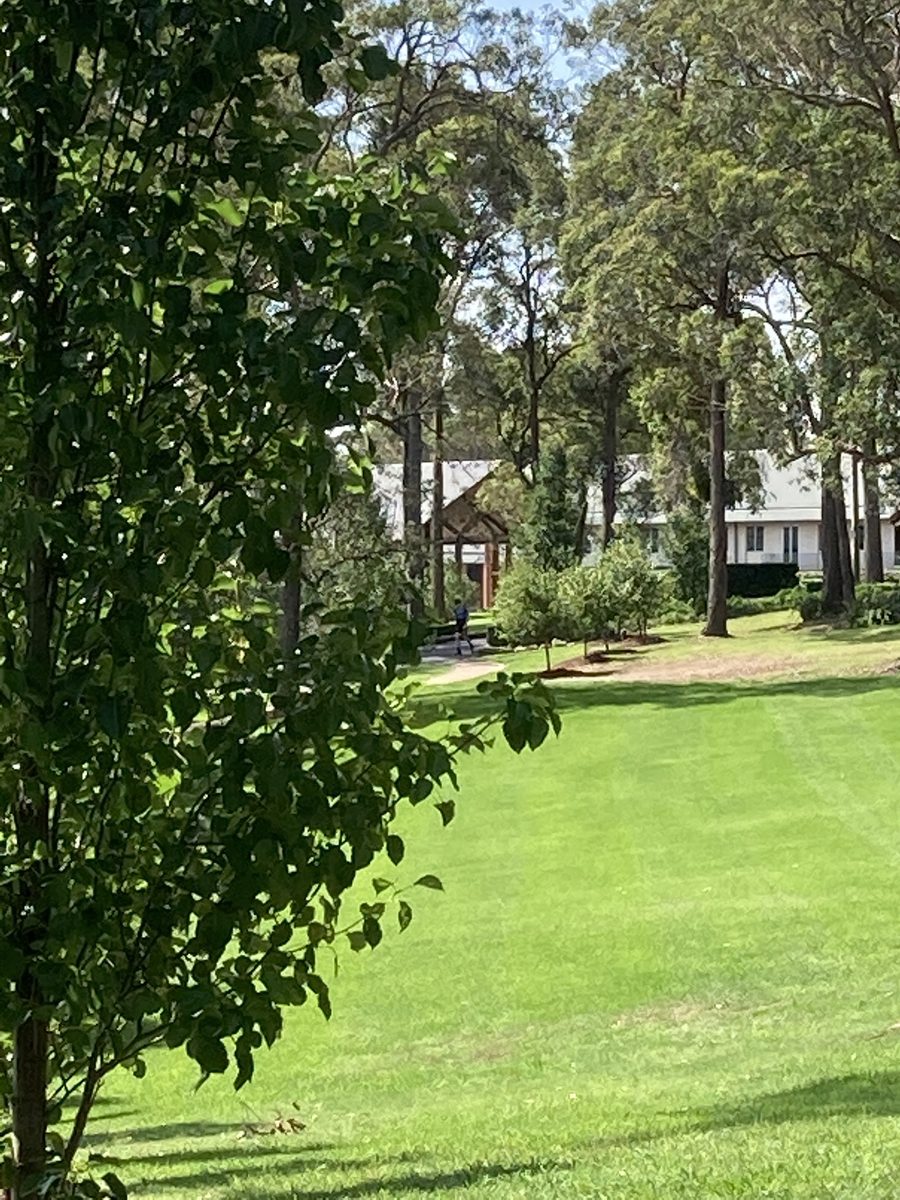
The King's School (Parramatta)
Parramatta · Australia
Australia's oldest independent school, where an 1831 foundation still marches in the country's oldest surviving military uniform and cadet corps.
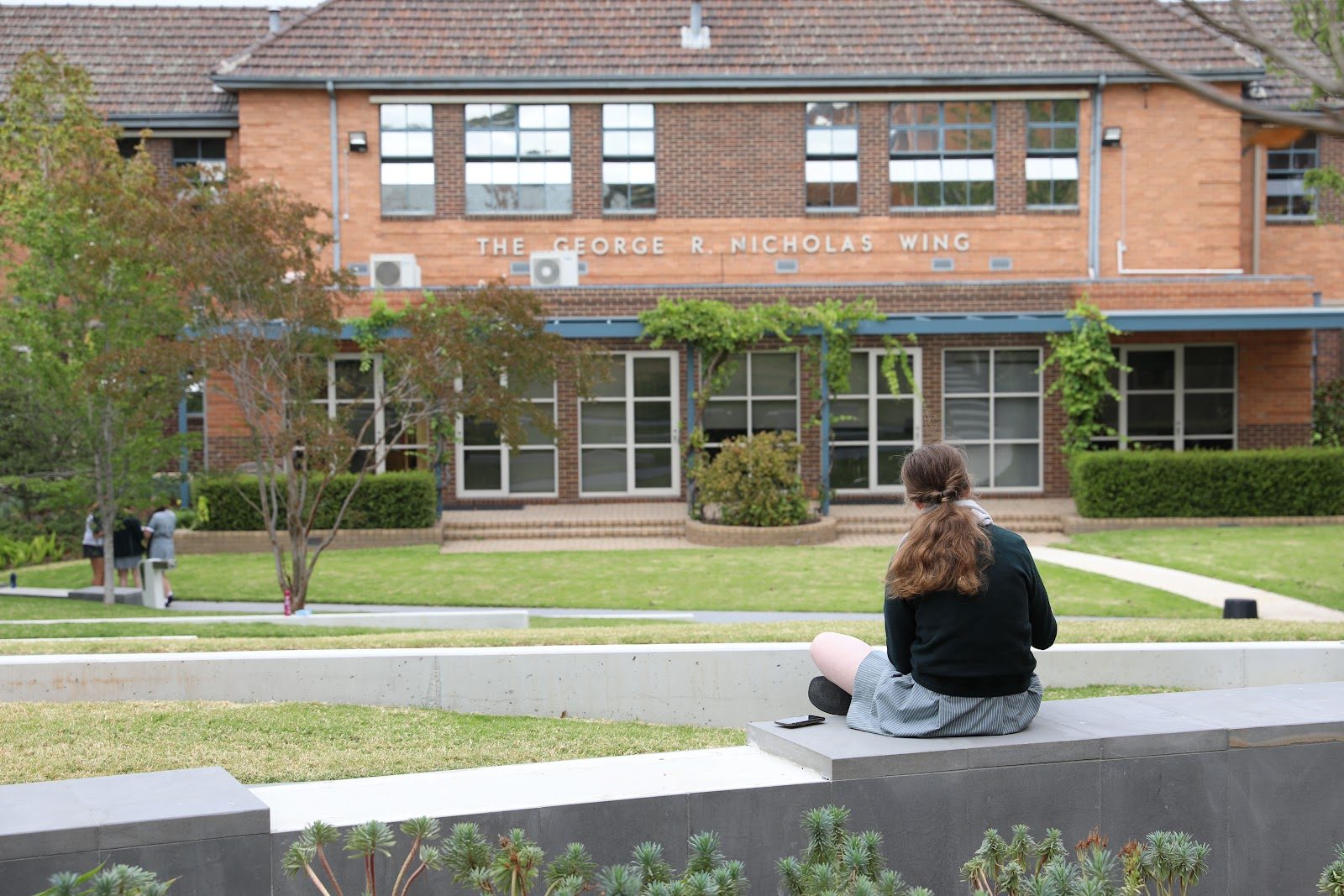
Methodist Ladies' College
Melbourne · Australia
First school worldwide to put laptops in every student's hands in 1990, now pairing deep VCE-IB choice with an eight-week Marshmead wilderness term.
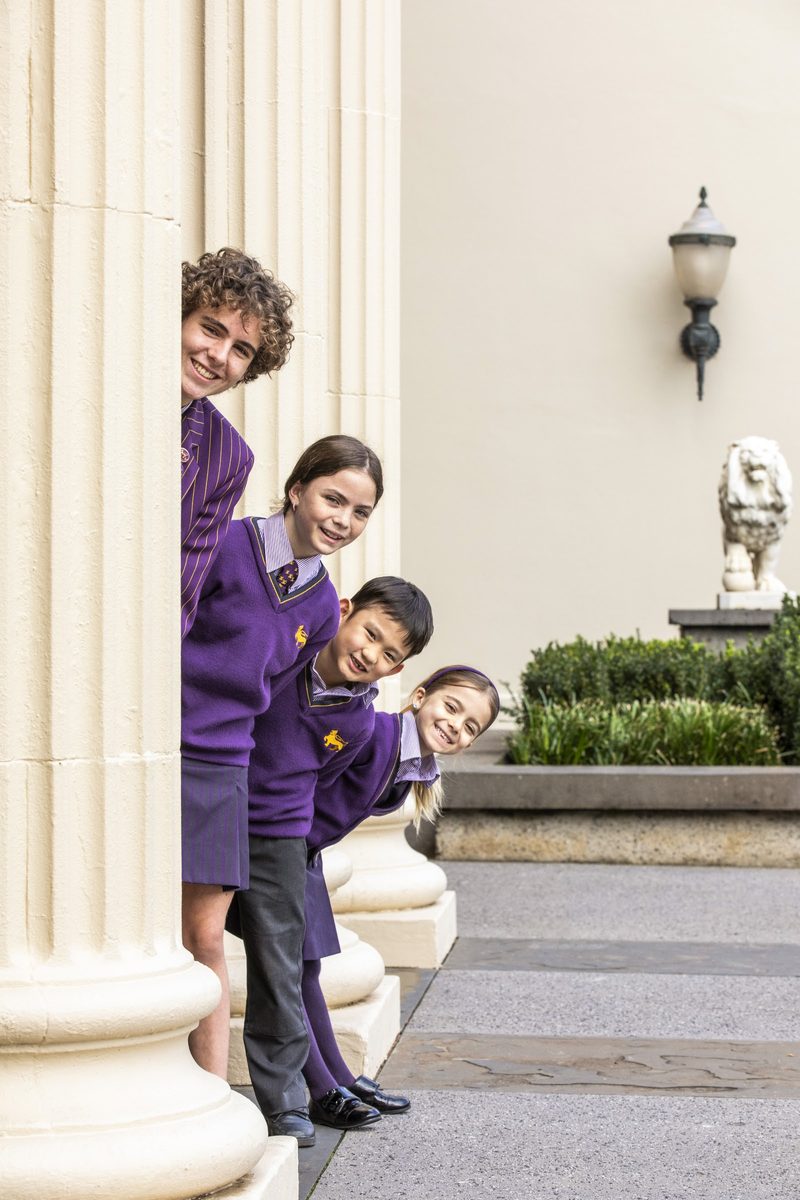
Wesley College
Melbourne · Australia
Runs the full IB continuum alongside VCE across three Melbourne campuses, reaching all the way to a studio school in the Kimberley outback.
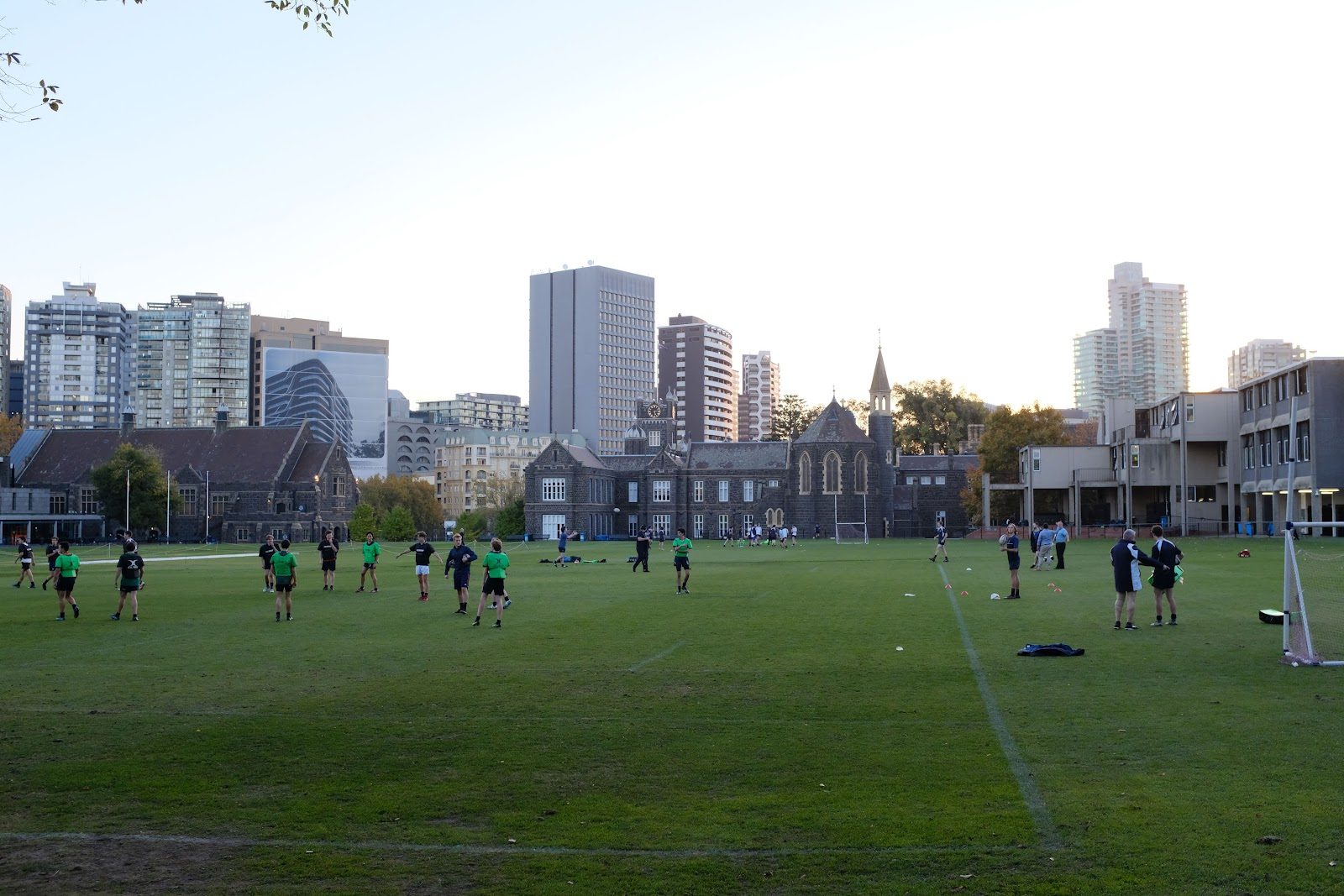
Melbourne Grammar School
Melbourne · Australia
Site of the first recorded Australian Rules football match in 1858, its bluestone St Kilda Road campus still borders the Royal Botanic Gardens.
Same country and curriculum — closest matches within ±10 points either way