
New South Wales
On Sydney's Upper North Shore, a century-old boys' school blends HSC rigor with IB breadth across three boarding houses and a 90-strong music program
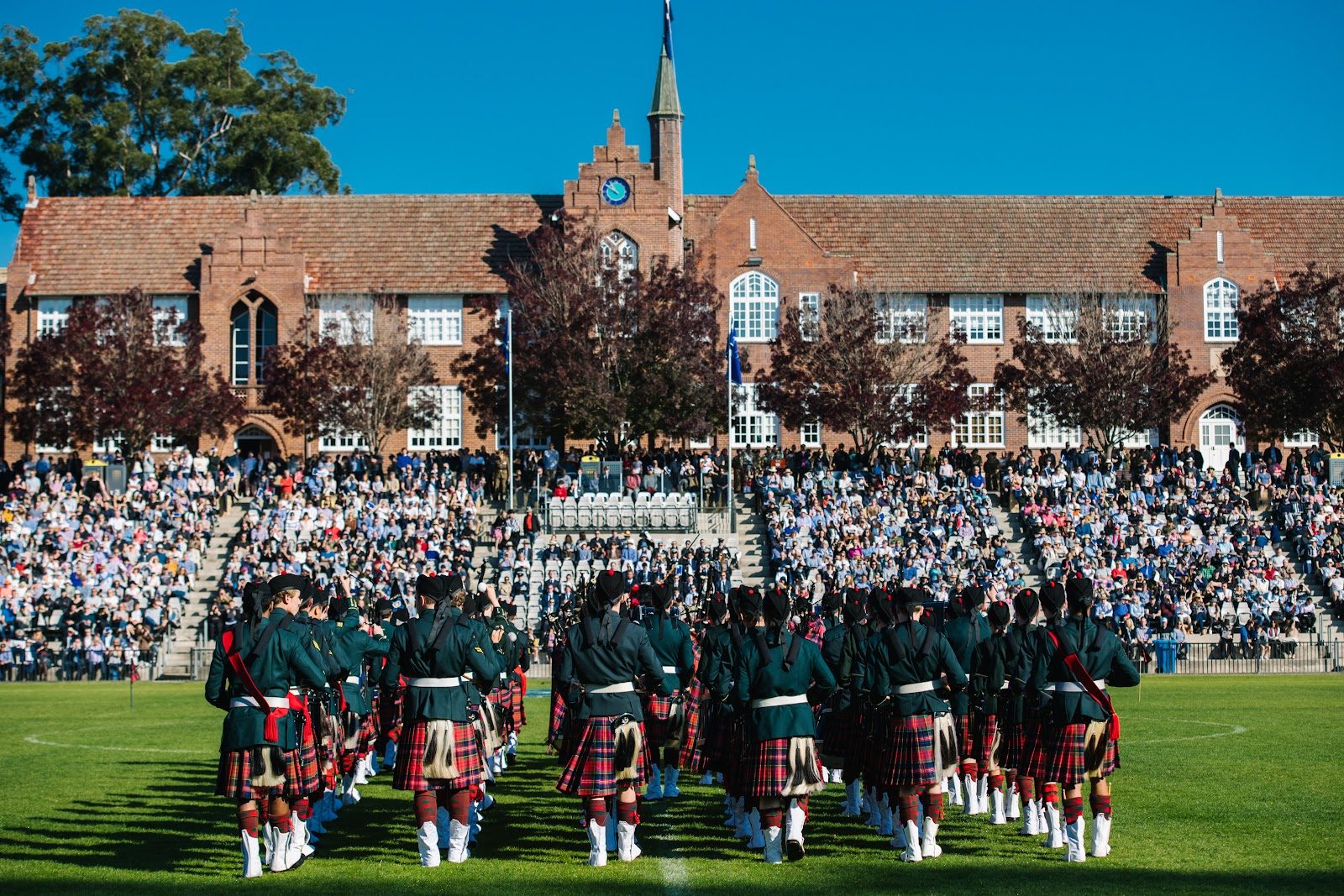
Photo © Knox Grammar School via Google Maps
Type
Both
Ages
11–18
Curriculum
Australian HSC · IB (Diploma)
Ratio
11:1
The Verdict
Editor's commitment
Right for
Boys aged 11–18 who want a day-or-boarding school in Wahroonga with HSC or IB Diploma choice, 11:1 staffing and classes of 22.
Wrong for
Families wanting co-education, a secular foundation, or a small school; Knox is a Uniting Church boys' school with about 3,345 students.
Watch out for
Boarding is real but not intimate: about 210 boarders from Years 7–12 inside a much larger school, with English-only teaching throughout.
Ranking breakdown
Knox Grammar School · #257 of 1591
Composite score 74.2. 8 weighted criteria.
By criterion
Academic Outcomes
Weight 20%
#293
of 1529 scored
University Placement
Weight 16%
#354
of 1529 scored
Prestige & Heritage
Weight 12%
#227
of 1571 scored
Alumni Network
Weight 12%
#126
of 1530 scored
Facilities
Weight 12%
#125
of 1533 scored
Transparency & Communications
Weight 8%
#255
of 1532 scored
Peer & Industry Review
Weight 10%
#393
of 1548 scored
Admissions Selectivity & Demand
Weight 8%
#888
of 1529 scored
Peer & Industry Review
How Knox Grammar School is regarded in the sector
52
Credible · medium confidence
Knox Grammar is consistently listed among Sydney's top-performing GPS schools in HSC results coverage (Sydney Morning Herald, Daily Telegraph 'top schools' lists) and has a large, visible alumni network in business, sport and politics, giving it solid academic peer standing. However, its reputation was significantly damaged by the 2016 Royal Commission into Institutional Responses to Child Sexual Abuse, which found systemic failures by the school's leadership to act on abuse allegations—coverage that remains a persistent reference point in independent press (ABC News, SMH). This mix of strong academic/peer regard and serious historical scandal places it in the middle of the scale rather than top-tier.
Evidence sources
Editors' overview
Knox Grammar School occupies a strong position in Sydney’s boys’ school market: a large, old-established campus on the Upper North Shore with the scale to offer both academic breadth and serious co-curricular depth. Founded in 1924, it serves boys aged 11–18 and runs both the Australian HSC and the IB Diploma, a combination that matters. Many schools talk about choice; Knox delivers an actual fork in the road at the senior end. For families weighing university pathways inside and outside Australia, that dual track gives Knox a practical edge. The school is also one of the few boys’ schools in Sydney with substantial boarding, housing around 210 boarders, which extends its reach well beyond the North Shore. The operation is big, with approximately 3,345 students across the wider school, and that scale brings opportunity as well as institutional heft. This is not a boutique school. It is a large, organised, high-output one.
What distinguishes Knox is not novelty but range. The academic structure is broad, the boarding offer is real, and the co-curricular engine is built for boys who want a full programme rather than a narrow school day. The published student–teacher ratio of 11:1 and average class size of 22 point to a school that has managed size without surrendering classroom order. Parents should also note the school’s religious identity with precision: it is a Uniting Church school, not a secular one, even if the tone is less confessional than at some denominational rivals. That matters for families who want values and pastoral structure without an aggressively doctrinal culture. There is institutional confidence here, and also the expectations that come with it: boys are not hidden in a soft environment.
Knox belongs on a shortlist for families seeking a boys’ school with serious academic ambition, visible structure and enough scale to support very different kinds of student under one banner: the boarder from regional Australia, the day boy chasing top HSC results, the sixth-former who wants the IB, the musician, the athlete, the boy who thrives in a busy, competitive setting. It suits students who want momentum, routine and a campus with real critical mass. It does not suit boys who need an intimate, low-pressure atmosphere or families looking for progressive co-education. Knox’s appeal rests on a clear proposition: a century-old boys’ school with 1924 pedigree, 210 boarders, and the kind of breadth that gives ambitious families *a strong sense of options without sacrificing discipline*.
Academic Performance
Knox gives families a genuine academic choice at the senior end, but public performance data are uneven. The school’s HSC standing has long kept it in the conversation with Sydney’s stronger non-selective independents, and that matters more than any brochure rhetoric. In a city where boys’ schools compete hard on outcomes, Knox sits in the serious academic bracket rather than the merely respectable one. The stronger point is breadth with consequence: pupils can pursue a conventional local route or an internationally portable diploma without leaving the same institution. That widens the school’s reach, but it also makes clean comparison harder, because headline results split across two examination systems.
The limitation is transparency. We have not seen consolidated, recent whole-school outcome data in the public domain that would let parents judge Knox against its closest peers with forensic precision. No aggregate IB average is published here, and no single headline measure captures the full picture across both senior pathways. That does not weaken the academic proposition; it does make it less crisply legible than schools that publish top-band rates, median study scores or full diploma averages year after year. Relative to peers, Knox reads as a high-output school with strong expectations and credible examination performance, but not one that makes external-results disclosure its sharpest instrument. Parents who want hard-edged comparison will need current HSC and IB breakdowns before drawing fine distinctions.
Facilities
Facilities are one of Knox’s clear competitive strengths. Scale matters here, and the school uses it to build a campus that supports a full-service boys’ school life rather than a narrow academic day. The most important assets are the boarding houses, which anchor a residential offer of around 210 students and give the school a reach that day-only rivals cannot match; in Sydney, that already places Knox in a smaller field. Beyond boarding, the critical comparison point is breadth: a large senior campus, a separate preparatory operation, and enough physical capacity to run substantial sport, music and after-hours activity without everything feeling improvised. For parents comparing the Upper North Shore independents, Knox sits in the group where facilities are not a side note but part of the school’s institutional muscle.
What we have not seen is the kind of sharply itemised public facilities case that top schools now publish when they want to turn buildings into a recruiting tool. That leaves some opacity around specialist spaces, recent capital upgrades and the exact standard of arts, science and sports provision. Still, the basics are clear. A school serving roughly 3,345 students across the wider operation, with an average class size of 22, needs serious physical infrastructure to function well, and Knox has that large-scale operational backbone. Against peers, the verdict is straightforward: strong and broad, especially for boarding and all-round school life, even if the public detail is less hard-edged than at competitors who document every studio, lab and pavilion.
Founded in 1924, it serves boys aged 11–18 and runs both the Australian HSC and the IB Diploma, a combination that matters
Prestige
Knox carries real weight in the Sydney independent-school market. The reasons are straightforward: age, scale, selective social reach and a long-established presence in one of the city’s most status-conscious education corridors. This is not a school that trades on novelty or niche identity. It trades on institutional confidence, visible tradition and a reputation that travels well beyond its immediate suburb, helped by a boarding population of around 210 and total enrolment of about 3,345 across the wider school. Among Australian families, that gives Knox the profile of a serious mainline establishment school rather than a fashionable upstart or a local secret.
The prestige here sits in the upper tier, though not in the tiny handful of schools that dominate every national conversation. That distinction matters. Knox has name recognition, social cachet and enough academic credibility to command attention from ambitious families, but its standing rests more on substantial institutional muscle than on mystique. It is prestigious because it is big, established, well-known and demanding, with the breadth to serve many kinds of successful boy under one banner. It is less rarefied than the most socially mythologised Sydney names, and that works in its favour: the brand has force without feeling fragile or theatrical. For many parents, that makes Knox a stronger proposition than schools whose prestige depends too heavily on aura alone.
Many schools talk about choice; Knox delivers an actual fork in the road at the senior end
Communications
Knox communicates like a large, disciplined institution: formal channels, clear ownership and little appetite for informality. The public-facing basics are in order. Contact details are easy to find, the school signposts key administrative pages, and its digital presence spans the standard modern mix of website, Instagram, Vimeo, LinkedIn and an eNewsletter sign-up. That does not prove excellent parent communication, but it does show a school that understands the need for steady, multi-channel contact rather than relying on one overworked office line. For a school of this size, with around 3,345 students across the wider operation and about 210 boarders, communications need system and cadence. Knox has the infrastructure of a school built for volume, and parents will value that operational seriousness.
The weaker point is warmth and granularity. We have not seen much public evidence of the school turning communication itself into a point of distinction through detailed news flow, transparent reporting dashboards or unusually open leadership commentary. The tone is more institutional than conversational. Some families like that: it signals order, authority and a low tolerance for muddle. Others will read it as controlled rather than candid. The verdict: effective in the practical sense, less compelling in the relational one. Knox communicates competently and at scale, but not with the sharp transparency or parent-facing intimacy that marks out the best communicators in this market.
Uniqueness
What marks Knox out is not one glamorous feature but an uncommon combination: a large boys’ school that still offers multiple senior academic routes, a serious residential dimension, and enough institutional scale to sustain demanding co-curricular life without treating it as decoration. Many schools can claim one of those things. Far fewer can hold all three together in a coherent operation. That matters for students because it creates real internal range. A boy can move through a structured, high-expectation environment without being forced into a single mould of success. The boarder, the high-performing academic, the committed musician and the sport-focused student all fit within the same school, and the school has the size to serve each of them credibly rather than symbolically.
There is also a distinctive social geography to Knox. It draws not just from its affluent local catchment but from families beyond metropolitan Sydney, giving the school a broader social mix than many North Shore day schools. That changes the texture of student life: less insular, more varied, and more accustomed to boys arriving with different backgrounds and levels of independence. For students, the gain is practical as much as cultural. They get a high-pressure, high-opportunity setting with genuine breadth, but also a community that is not confined to one suburb’s worldview. The trade-off is clear. This is a big, brisk, competitive institution. Boys who need constant softness or intimate hand-holding will find it a hard fit.
For families weighing university pathways inside and outside Australia, that dual track gives Knox a practical edge
Student Profile
The boy who fits Knox best is energetic, durable and comfortable in a school that runs at pace. This is a strong match for students who like structure, respond to clear expectations and want access to a crowded field of opportunities without needing constant adult coaxing. Academic ambition helps, but temperament matters just as much: boys who manage busy timetables, competitive peer culture and institutional routine will do well. The school also suits students who want their identity to stretch beyond the classroom. With around 210 boarders and a music programme of about 90 performers, Knox draws boys who are prepared to commit, rehearse, train and keep moving. It rewards self-starting, high-output students more than hesitant ones.
The weaker fit is easy to identify. Boys who need a gentle, intimate atmosphere, low social friction or heavy individual buffering can get lost in the scale and tempo. Knox is not built around softness, and that will suit many families perfectly well. It works best for boys who can hold their own, absorb correction without drama and find motivation in being surrounded by other busy, capable students. There is room here for different strengths, but not for opting out of the school’s rhythm. The right student will find it bracing, demanding and full of momentum. The wrong one will find it impersonal and tiring.
The operation is big, with approximately 3,345 students across the wider school, and that scale brings opportunity as well as institutional heft
Co-curricular strengths
Arts & sport, on a separate axis
Overall 8.54/10
Scored 0-10 from the school's own published evidence. This axis is editorial-only — it does not feed the main WTS ranking.
Sports
9.7/10
Absolute athletic giant; fields nationally dominant rugby, swimming, and cricket programs across a stunning, manicured Wahroonga estate.
Drama
9/10
The spectacular on-campus theater venues function like a professional conservatory environment, mounting elite, large-scale theater productions.
Dance
5.5/10
Offered primarily as a movement asset within theatrical physical training rather than an independent classical track.
Music
9.5/10
Exceptional music wing supporting top-tier youth orchestras, chamber groups, and a celebrated marching pipe band tradition.
Visual Arts
9/10
Highly disciplined fine arts track emphasizing technical portfolio mastery and advanced graphic design suites.
Editor-verified · 8/6/2026
WTS 300 badge
Knox Grammar School is one of the World's Top 300 Schools. Claim your listing to add it to your site →
Strengths
- +In the 2023 HSC, results indicated a median ATAR score of 93, with one student achieving a perfect ATAR score and 38 students achieved an ATAR of 99 or higher, underscoring the high level of academic performance at the school.
- +Knox Grammar secured the 11th position in the Sydney Morning Herald's Top 150 Schools Report for the 2023 HSC cohort.
- +The school teaches both the NSW HSC and the IB Diploma, giving senior students a choice of examination pathway.
- +The school enrols approximately 2900 students across its Preparatory and Senior Schools, including approximately 210 boarding students from Years 7 to 12 housed across three boarding houses.
- +Knox has a formal partnership with sister school Ravenswood, giving boys co-educational opportunities such as cadets, service learning and the performing arts alongside a shared commitment to the whole student, embracing a common approach to learning, and the wellbeing of all students.
Considerations
- −Founded in 1924 by the Presbyterian Church of Australia as an all-boys school, Knox remains single-sex, so it offers no everyday co-education beyond limited joint programs with its sister school.
- −A 2015 Royal Commission public hearing inquired into sexual abuse of former students at Knox Grammar School and examined the response of the school and the Uniting Church between 1970 and 2012, with five teachers charged and later convicted of child sex offences against students; families should weigh this historical record against current safeguarding practice.
- −Indicative day-school tuition has been quoted at Average Tuition Fees: (AUD) 20,910 - 34,110 per year, before boarding, uniforms and activity levies are added.
- −Despite strong local HSC outcomes, the school's editorial ranking places it in the 'challenger' band rather than the very top bracket of nationally benchmarked schools, reflecting a gap versus the highest-ranked peers.
Availability
Primary entry gate & tests
Academic Record + Interview (Boys)
Gallery
Photo © Knox Grammar School via Google Maps
Photo © Knox Grammar School via Google Maps
Photo © Joshua Mercer via Google Maps
Photo © David Hayes via Google Maps
Photo © David Hayes via Google Maps
Photo © Ayako Tamura via Google Maps
Photo © Ayako Tamura via Google Maps
Photo © Knox Grammar School via Google Maps
Photo © pond jaemsopon via Google Maps
Parent reviews
Have you sent your child here?
Voice reviews carry the strongest trust badge — we transcribe them for you to tidy up before they go live. Prefer to type? A written review is fine too.
Add your voice
In 60 seconds, tell other parents: what's the best thing about Knox Grammar School, and what surprised you when your child joined?
We ask for a Google sign-in so every review has a real face behind it — no anonymous drive-by attacks on schools, and no faked positive reviews. Your email is never shown publicly.
Send this profile to a friend
International parents rely on word-of-mouth. Share this review with someone weighing the same decision.
Schools with places
Similar schools to Knox Grammar School with places available now.
The King's School (Parramatta)
Parramatta · Australia
- 2026-27
- WAITPOOLVacancy-dependent
- 2027-28
- PLACES OPEN
Ascham School
Sydney · Australia
- 2026-27
- WAITPOOLVacancy-dependent
- 2027-28
- PLACES OPEN
Sydney Grammar School
Sydney · Australia
- 2026-27
- WAITPOOLYr 7 closed; Yrs 8-11 enquire
- 2027-28
- WAITPOOLYr 7 closed; Yrs 8-11 enquire
Pymble Ladies' College
Sydney · Australia
- 2026-27
- WAITPOOLVacancy-dependent
- 2027-28
- PLACES OPEN
Availability first, then country, area, curriculum, price, co-curricular
Consider also
Also worth looking at alongside Knox Grammar School.
The King's School (Parramatta)
Parramatta · Australia
Australia's oldest independent school, where an 1831 foundation still marches in the country's oldest surviving military uniform and cadet corps.
Methodist Ladies' College
Melbourne · Australia
First school worldwide to put laptops in every student's hands in 1990, now pairing deep VCE-IB choice with an eight-week Marshmead wilderness term.
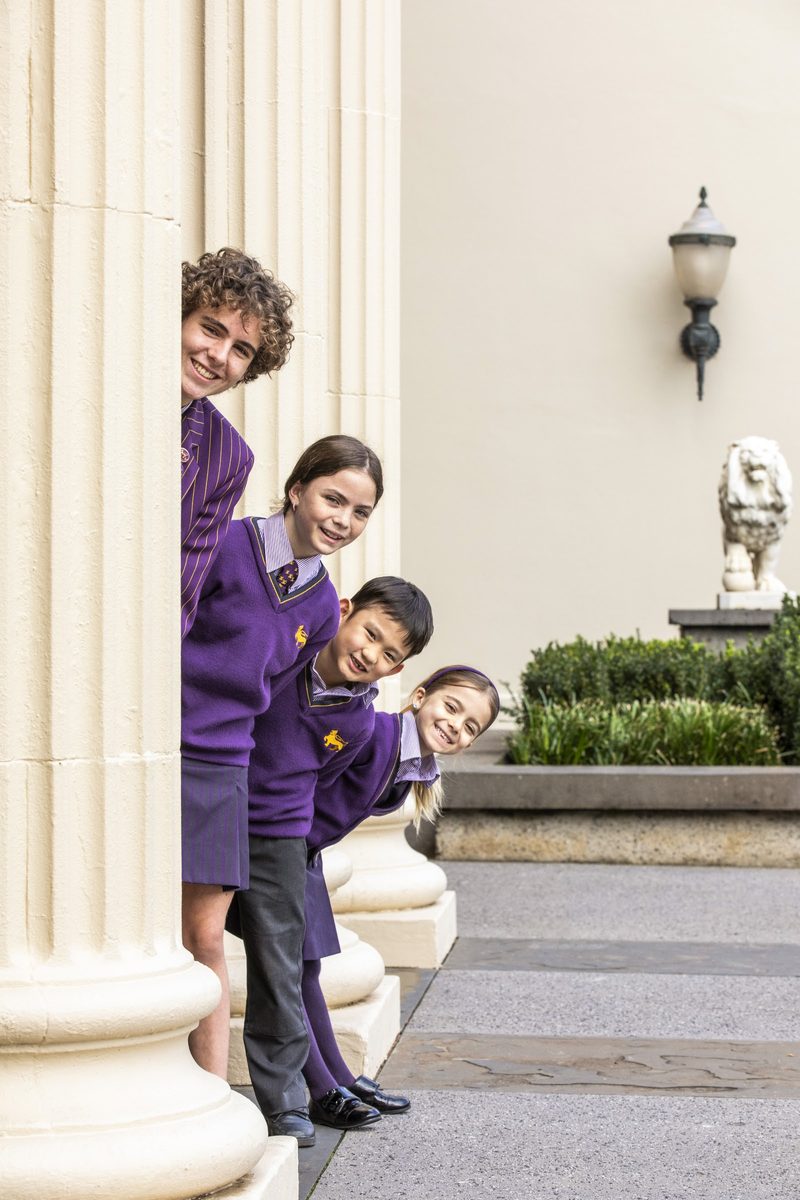
Wesley College
Melbourne · Australia
Runs the full IB continuum alongside VCE across three Melbourne campuses, reaching all the way to a studio school in the Kimberley outback.
Cranbrook School
Sydney · Australia
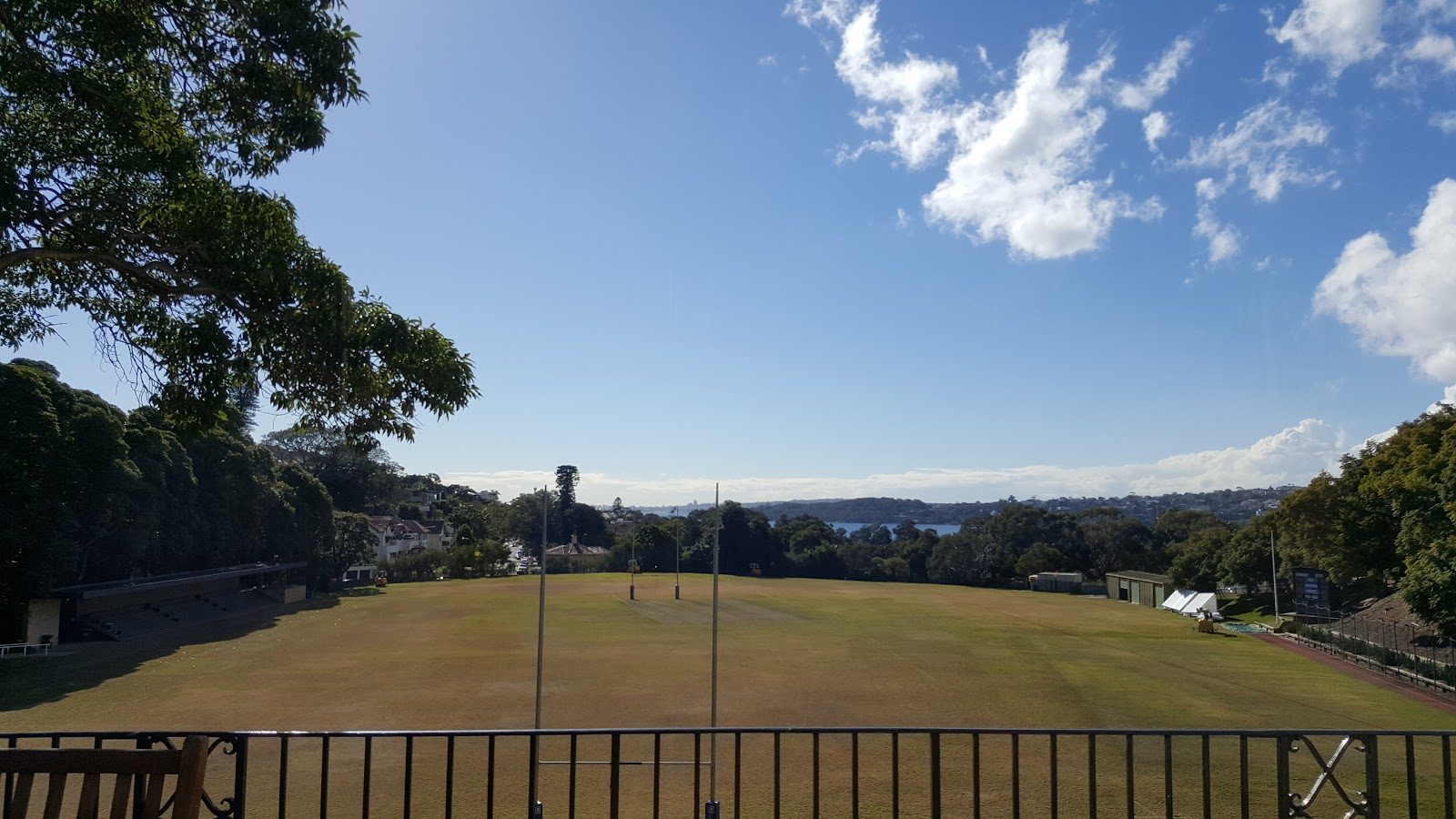
Sydney's first IB Continuum School, pairing Bellevue Hill harbour views with a Blue Mountains bush campus for experiential learning.
Same country and curriculum — closest matches within ±10 points either way