
Essex
A state grammar bearing two royal charters, from Henry VIII to Elizabeth I, with its own boarding house and a science-and-languages bent.

Type
Both
Ages
11–18
Curriculum
British
Qualifications
GCSE · A-Level
Ratio
13:1
The Verdict
Editor's commitment
Right for
Bright 11–18s who want a British grammar with boarding, a 13:1 ratio, and sixth-form exits to Cambridge, Oxford and Imperial.
Wrong for
Families wanting a softer comprehensive ethos: this state grammar was founded in 1128, runs classes of 25, and sends 88% to top-100 universities.
Watch out for
The intellectual pitch is unapologetically high: 14 Oxbridge places from 160 leavers, plus a science-and-languages bent that rewards academic appetite.
Ranking breakdown
Colchester Royal Grammar School · #70 of 1591
Composite score 78.8. 8 weighted criteria.
By criterion
Academic Outcomes
Weight 20%
#43
of 1529 scored
University Placement
Weight 16%
#59
of 1529 scored
Prestige & Heritage
Weight 12%
#91
of 1571 scored
Alumni Network
Weight 12%
#81
of 1530 scored
Facilities
Weight 12%
#808
of 1533 scored
Transparency & Communications
Weight 8%
#153
of 1532 scored
Peer & Industry Review
Weight 10%
#164
of 1548 scored
Admissions Selectivity & Demand
Weight 8%
#81
of 1529 scored
Score history
Colchester Royal Grammar School · 2026
Movement across 2024–2026. Peer average overlaid.
Overall — 2024–2026
78.8/ 100
▲ +25.9 vs 2025
year on year
Peer & Industry Review
How Colchester Royal Grammar School is regarded in the sector
78
Strong · high confidence
Colchester Royal Grammar School ranks among the very top state schools in England, placing sixth nationally out of 400 schools in the Sunday Times Parent Power guide and topping the East Anglia grammar and comprehensive table. WhichSchoolAdvisor confirms this standing, noting the school "achieves a consistently high set of academic results and is a top performing school both locally and nationally," while flagging that places are fiercely contested via the CSSE 11+ exam. The Good Schools Guide goes further, judging that CRGS "offers an education on a par with a top flight independent school" for able, self-motivated pupils, though it notes the adjustment required to thrive among such a strong peer cohort. As a rare state boarding grammar with a long royal charter history, its reputation is well established regionally and nationally, if not quite at the global independent-sector benchmark tier.
Evidence sources
Editors' overview
What sets Colchester Royal Grammar School apart is the combination of grammar-school selectivity, a boarding offer, and a history that predates most of British schooling. Founded in 1128 and carrying two royal charters, it has the institutional weight parents expect from an old grammar, but the more useful point is current performance. This is a British-curriculum school for ages 11–18, with a 13:1 student-teacher ratio and average class size of 25: large enough to sustain serious subject breadth, small enough to avoid the anonymity of a giant sixth form. The school’s own language points to challenge and high standards; the harder fact is that its recent destinations back that up. In the 2024 leavers’ cohort of 160, 88% went to top-100 universities, with 14 to Oxbridge and 34 to Russell Group institutions. For a state school, that is formidable.
This is not a school for a child who needs gentle pacing or constant hand-holding. Colchester Royal Grammar suits students who are intellectually competitive, self-directed and comfortable in a culture where academic traction matters. The editorial tagline gets to the heart of it: there is a science-and-languages bent, and that combination matters. It signals a school that prizes disciplined thinking, not just general busyness. The boarding element also changes the market position. In the UK, very few state grammars can offer both day and boarding places; that makes CRGS an unusual proposition for families who want academic intensity without the fee structure of a full independent boarding school. It sits in a narrow niche: selective, historic, state-funded, and residential.
Parents should shortlist it if they want a school with clear academic ambition and a record to prove it, rather than pastoral theatre or lifestyle gloss. The latest school news also records an Ofsted inspection in April 2026 with “exceptional” in four categories, which adds current regulatory strength to the historical reputation. The alumni floor is strong too: 62 notable alumni catalogued in Wikidata, including 29 scientists and scholars and 11 writers and journalists. That points to a school with a long memory for scholarship. The trade-off is plain. This is a demanding environment, and students who thrive here tend to enjoy stretch, precision and the company of other able pupils. For the right child, that is exactly the attraction; for the wrong one, it is not for the faint-hearted.
Academic Performance
CRGS sits in the top tier of English state schools for raw academic output. The public indicators point in one direction: this is a results-driven grammar with a hard-edged academic culture. The school’s own news feed foregrounds both GCSE and A-level results days, and the destinations data gives the sharper measure of where those results lead. In the latest leavers’ cohort, 88% progressed to top-100 universities, with 14 going to Oxbridge. That places CRGS in rarefied company among state schools and well inside the territory where families compare grammars not with local comprehensives, but with the strongest selective day schools. The school also records a New York finals prize in the M3 Challenge, which reinforces the impression of serious mathematical strength rather than broad but shallow activity.
The limitation is disclosure. CRGS does not publish aggregate GCSE grade profiles or A-level summary tables on the source material here, so parents cannot inspect the exam picture in the granular way they can at more transparent competitors. That opacity matters. At this level of selectivity, top university destinations are impressive but they are not a substitute for full attainment data. Even so, the pattern is clear: CRGS delivers elite academic traction for able pupils, and it does so in a state-school setting that remains genuinely unusual. Relative to peers, it belongs in the conversation with the country’s strongest grammars.
Facilities
The clearest facility advantage at CRGS is the one few state schools can match: it takes both day and boarding pupils. That matters because boarding is not an add-on in this market; it changes how a school functions, widening catchment, extending study time and making the place viable for families who want grammar-school academics without moving house. Against peer grammars, that is a serious differentiator. The school also sits on its own dedicated site on Lexden Road rather than borrowing university buildings or operating from a cramped town-centre footprint. What is missing, though, is detailed public explanation of specialist spaces. The school does not publish a clear facilities inventory covering laboratories, performing arts provision, sports stock or design-and-technology spaces. For a school with this profile, that gap is conspicuous.
The public clues point to strength in maths and science activity: the M3 Challenge success and the school’s longstanding academic identity fit a campus built for disciplined classroom teaching rather than showpiece lifestyle infrastructure. Parents comparing CRGS with leading independent day schools need to keep that distinction in view. You choose this school for intellectual environment and access to selective teaching, not for a glossy aquatics centre or a theatre complex. Against other top state grammars, that is normal. Against premium independents, it is a plain-spoken trade-off. The boarding house remains the standout facility feature; beyond that, CRGS is more functional than flaunted, and the school gives parents less hard detail than it should.
In the 2024 leavers’ cohort of 160, 88% went to top-100 universities, with 14 to Oxbridge and 34 to Russell Group institutions
Prestige
CRGS carries real prestige, but not the glossy, fee-driven kind. Its status rests on three sturdier pillars: extreme age, selective state entry, and a record of sending pupils to serious universities in serious numbers. In England, that combination is rare. Add a royal-grant lineage and the result is a school with institutional heft that reaches well beyond Essex. Among informed British families, this is not a hidden local success; it is a grammar with national recognition. The alumni floor reinforces that standing. 62 notable former pupils catalogued in Wikidata, including a heavy concentration in science and scholarship, points to a school whose reputation has been built over centuries, not manufactured in a marketing cycle.
The prestige rating also comes from scarcity. There are many academically ambitious schools; there are very few state schools that combine this level of selectivity with a residential offer and a long-established scholarly identity. That makes CRGS a distinctive proposition in the UK market. The latest Ofsted news item strengthens the case, with “exceptional” recorded in 4 categories, and the university outcomes push it further into top-flight grammar territory. The only drag on prestige is disclosure: the school does not publish the kind of aggregate exam tables that would let parents test attainment in full. Even with that caveat, CRGS holds high-order academic prestige—earned through history, selection and outcomes, not branding.
CRGS sits in the top tier of English state schools for raw academic output
Communications
CRGS communicates in a brisk, functional way. The website does the core job: clear contact details, named leadership, a parent portal, prospectus access, calendar entries and a rolling news feed. That matters at a school with both day and boarding families, because parents need logistics as much as rhetoric. The school also uses Instagram, which gives it a current public-facing channel beyond static web pages. Most useful is the cadence of updates. The homepage carries operational notices, term dates, event listings and headline academic announcements, including exam-results posts and even a temporary phone-number alert. That points to a school that treats communication as practical infrastructure, not image management.
The weakness is depth. CRGS gives parents the essentials, but not a rich layer of explanatory detail. The facilities picture is thin, and the academic data published publicly is selective rather than comprehensive. That same pattern affects communications more broadly: efficient on notices, lighter on scrutiny-grade disclosure. For some families, that will feel disciplined and refreshingly unshowy; for others, it will feel too terse for a school with a wide catchment and a high-stakes admissions profile. The strongest evidence of effectiveness is simple: the site surfaces the information parents actually need day to day, and it does so without clutter. The limitation is just as clear. CRGS communicates cleanly, but not lavishly, and parents who want chapter-and-verse transparency will ask harder questions.
Uniqueness
CRGS is unusual in a way that matters. It is not just a selective state school with a long institutional memory; it also runs a residential element inside that grammar-school framework. That combination is genuinely scarce. For students, the effect is practical as much as symbolic. The school can draw able pupils from a wider geography, sustain a stronger scholarly peer group, and create a culture where study does not stop at the final bell. The result is a place with high academic voltage and a wider field of competition than most local state options. Its alumni profile sharpens the point: 29 scientists and scholars catalogued in Wikidata is not a decorative detail, and the tally of 62 notable former pupils gives the school a deep-rooted intellectual inheritance rather than a short burst of recent success.
The second point of difference is the shape of that intellectual identity. This is not a school trading on generic “all-round excellence”. The editorial line about science and languages fits the evidence better: a grammar that values analytical precision, subject seriousness and outcomes that travel. Students gain from that clarity. Able mathematicians, scientists and strong linguists get a peer set that pushes them hard, and they do so in a school where university progression is treated as the normal route rather than an exceptional win. The trade-off is plain: children who want constant cushioning or a softer pace will find the culture unforgiving. For the right pupil, that exact intensity is the attraction.
In the latest leavers’ cohort, 88% progressed to top-100 universities, with 14 going to Oxbridge
Student Profile
CRGS suits children who are bright, self-propelled and comfortable in a room full of other able pupils. This is not the right fit for a student who needs coaxing to stay organised, reassurance after every setback or a broad tolerance for drifting. The intake is selective and the culture rewards pupils who can absorb pressure, recover fast and take intellectual competition in stride. The school’s public emphasis on challenge and high standards is not decorative language; it points to a student body that values mastery, pace and getting things right. The strongest fit is a child with sharp academic appetite, good self-command and enough confidence to ask questions without needing to dominate.
There is also a social point parents should weigh carefully. A school with day and boarding pupils, strong university ambitions and a long scholarly identity attracts families who take education very seriously. That can create a bracing peer environment for mathematicians, scientists and linguists who want stretch from classmates as much as teachers. It can also feel relentless for children whose strengths lie in slower-burn creative development or who flourish in a looser, more nurturing atmosphere. The destinations profile, with 14 Oxbridge places and 88% progressing to top-100 universities, tells you a great deal about the dominant student temperament: focused, disciplined and future-facing. For the right pupil, that is electrifying; for the wrong one, it is hard going.
At this level of selectivity, top university destinations are impressive but they are not a substitute for full attainment data
Co-curricular strengths
Arts & sport, on a separate axis
Overall 7.32/10
Scored 0-10 from the school's own published evidence. This axis is editorial-only — it does not feed the main WTS ranking.
Sports
8.3/10
Rugby, cricket, football and athletics, and external evidence adds 12 acres of playing fields, tennis courts, a swimming pool and a gymnasium, indicating both breadth of provision and dedicated facilities.
Drama
8.3/10
Drama productions, Wikipedia identifies the George Young building as used for drama, and two verified Oscar-winning alumni in drama-related fields provide star-tier pedigree that anchors this dimension at 8.
Dance
3.5/10
Music
9/10
School orchestra and choir, and external evidence adds Elyanore House used for music teaching, giving both named ensembles and a dedicated music facility.
Visual Arts
7.5/10
A new art building opened in 2003, which is clear evidence of a dedicated visual arts facility.
Editor first-pass · editor-reviewable · 7/28/2026
Outcomes & destinations
Where students go next
Editorial estimateClass of 2024
160 graduates
A-Level distribution
100% covered
- A*38%
- A33%
- B24%
- C5%
Top destinations
48 placements
- Cambridge· 8
- Oxford· 6
- Imperial College London· 8
- UCL· 6
- Durham· 6
- Warwick· 5
- Nottingham· 5
- Sheffield· 4
Essex boys' selective state grammar; established 1128.
Editor-approximated from the school's own leavers report. Awaiting school-attested figures.
Notable alumni · Wikidata
62notable alumni
18 historic (born pre-1930) · 4 modern (born post-1970)wikidata:2026-07-28 How we source this
The story in one line
Attainment 8 of 82.1·from a cohort where 4.7% of pupils are eligible for Free School Meals
FSM is the Department for Education's headline marker of low household income (pupils whose families claim income-based benefits). It's the fairest lens for a school's true value-add: a school with a wealthier intake gets a head start; a school achieving strong outcomes with a broader FSM base is doing more of the work itself. Avg GCSE grade across 8 subjects · national ≈ 46. Punching above weight
DfE-verified statistics
Official GCSE data · 2024/2025
Progress 8
—
Value-added score. State-schools only; 0 = expected progress, +1 = one grade above.
Attainment 8
82.1
Average grade across 8 GCSEs (score out of 90). National ≈ 46.
EBacc average score
7.85
Avg grade across the 5 EBacc pillars (English, Maths, Sciences, Language, Humanity).
EBacc slots filled
3
How many of the 5 EBacc pillars pupils typically enter (max 5).
Cohort · Pupils on roll
640
Free school meals
4.7%
English as additional language
8.8%
A-Level attainment
Cohort · 2023/24
Avg A-Level grade
A
APS per entry: 49.64
Best 3 grade
A
Best-3 APS: 50.09
≥ AAB + 2 fac.
67.6%
Russell-Group predictor.
Progress (value-added)
+0.16
Above average
URN 149899Verified · DfE 2024/2025
Official inspection
Ofsted report · 2026
Inspectorate
Ofsted
The UK's official inspectorate for state-funded schools.
Latest report
17 June 2026
Ofsted inspection
Read it in full
Official reportVerified · OfstedSource-of-truth
WTS 300 badge
2025/26 editionColchester Royal Grammar School is one of the World's Top 300 Schools for 2025/26. Claim your listing to add it to your site →
Strengths
- +Rated Outstanding by OFSTED, the highest available inspection grade.
- +State-funded grammar school status means no tuition fees are charged for day places, unlike comparable independent schools.
- +Strong 2024 university progression, with 88% of leavers to top-100 universities and 14 Oxbridge places.
- +One of very few state boarding schools, offering a small sixth-form boarding house for up to 30 students at boarding-only fees of £19,050 a year.
- +Long institutional history, holding royal charters granted by Henry VIII in 1539 and Elizabeth I in 1584.
- +World-class music provision (co-curricular score 9.0), with outstanding sport and drama.
Considerations
- −The main school (ages 11-16) admits boys only; girls are admitted solely into the co-educational sixth form from age 16.
- −Entry at 11+ via the CSSE examination is highly competitive, with far more qualified applicants than places available.
- −Boarding is very limited in scale, restricted to up to 30 sixth-form students across two on-site houses, so most pupils commute daily.
- −The academic, competitive culture may not suit pupils who need a highly individualised pace or extensive pastoral hand-holding.
Availability
Primary entry gate & tests
11+ CSSE Consortium Exam
Recommended reading
Independent write-ups of this school from editorial outlets we trust.
- Colchester Royal Grammar SchoolGood Schools Guide
- Colchester Royal Grammar School — review on WhichSchoolAdvisorWhichSchoolAdvisor
Parent reviews
Have you sent your child here?
Voice reviews carry the strongest trust badge — we transcribe them for you to tidy up before they go live. Prefer to type? A written review is fine too.
Add your voice
In 60 seconds, tell other parents: what's the best thing about Colchester Royal Grammar School, and what surprised you when your child joined?
We ask for a Google sign-in so every review has a real face behind it — no anonymous drive-by attacks on schools, and no faked positive reviews. Your email is never shown publicly.
Send this profile to a friend
International parents rely on word-of-mouth. Share this review with someone weighing the same decision.
Schools with places
Similar schools to Colchester Royal Grammar School with places available now.
Charterhouse
Godalming · United Kingdom
- 2026-27
- CLOSEDStandard route
- 2027-28
- PLACES OPEN16+ Active (Closes 23 Sept); 13+ Late
Tonbridge School
Tonbridge · United Kingdom
- 2026-27
- CLOSEDStandard route
- 2027-28
- PLACES OPEN16+ Active; 13+ Std Closed; 13+ Late enquire
Highgate School
London · United Kingdom
- 2026-27
- CLOSEDStandard route
- 2027-28
- PLACES OPEN11+ (Closes 4 Nov); 16+ (16 Oct)
Harrow School
London · United Kingdom
- 2026-27
- CLOSEDStandard route
- 2027-28
- PLACES OPEN16+ Active; 13+ Closed
Availability first, then country, area, curriculum, price, co-curricular
Consider also
Also worth looking at alongside Colchester Royal Grammar School.
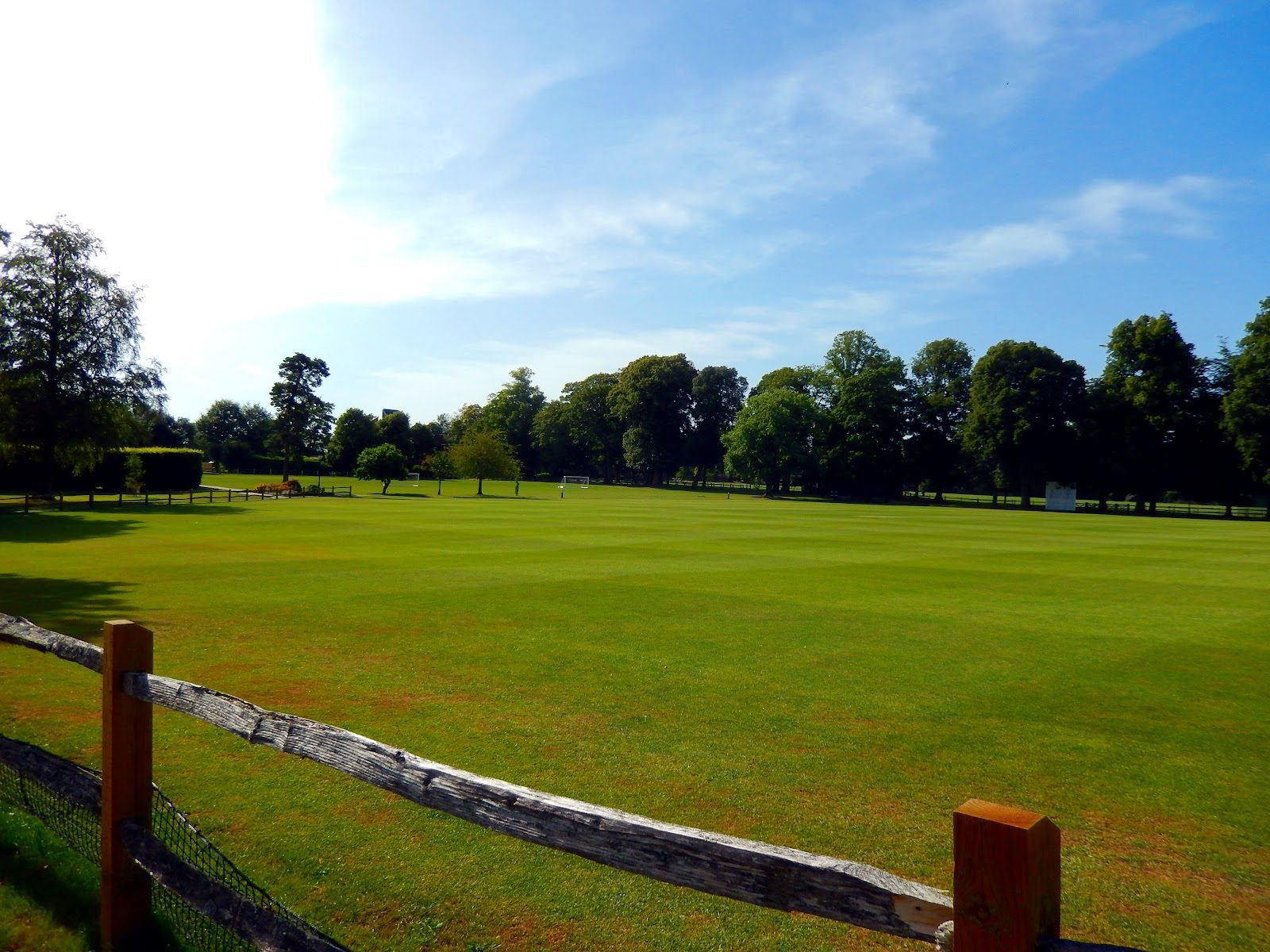
Charterhouse
Godalming · United Kingdom
One of England's Nine Great Public Schools, now fully coeducational, set on a 250-acre Surrey campus with IB scores averaging 37 points.
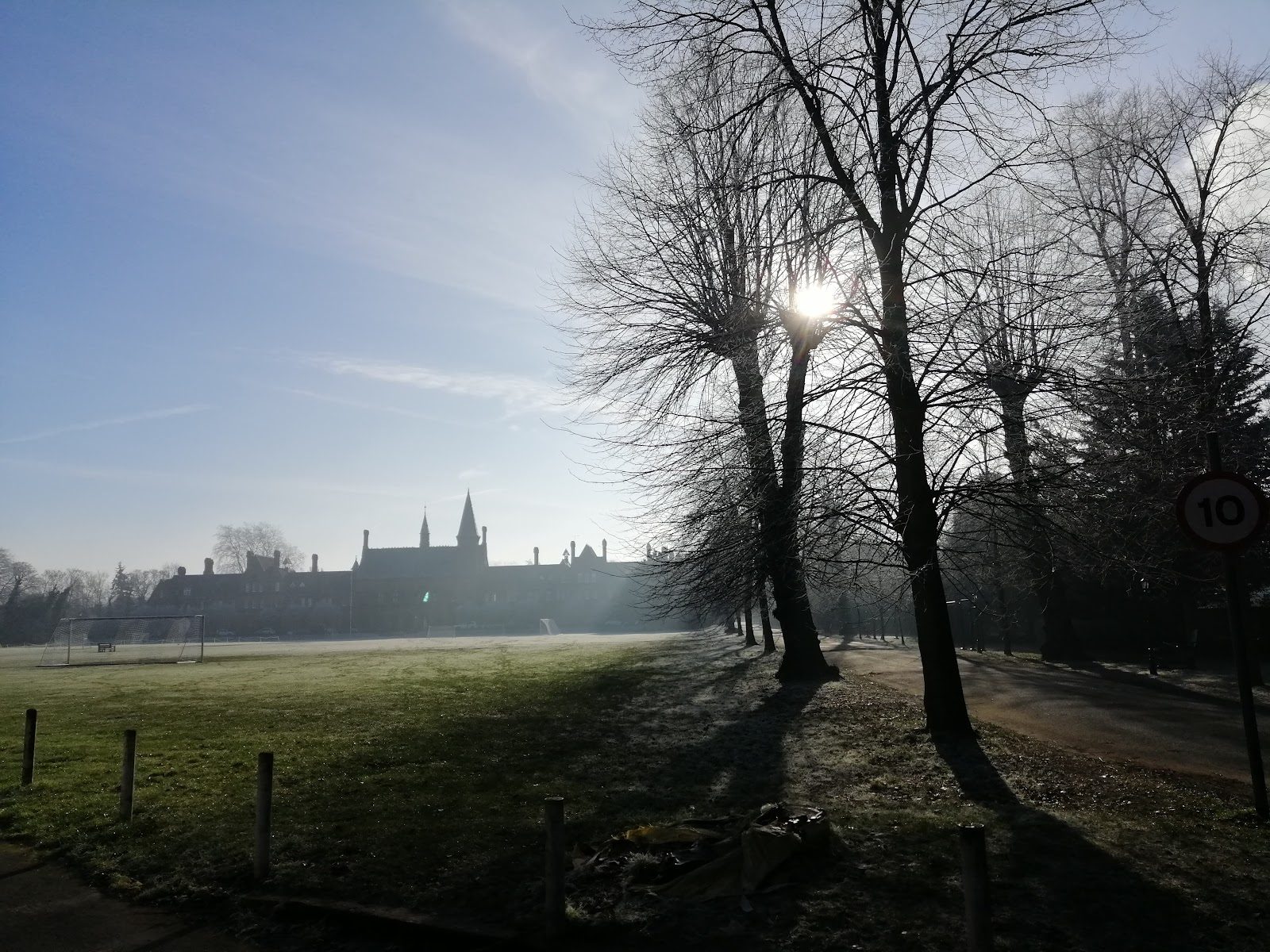
Reading School
Reading · United Kingdom
Founded within Reading Abbey in 1125, this selective state grammar for boys still sends the bulk of its leavers to Russell Group and Oxbridge places.
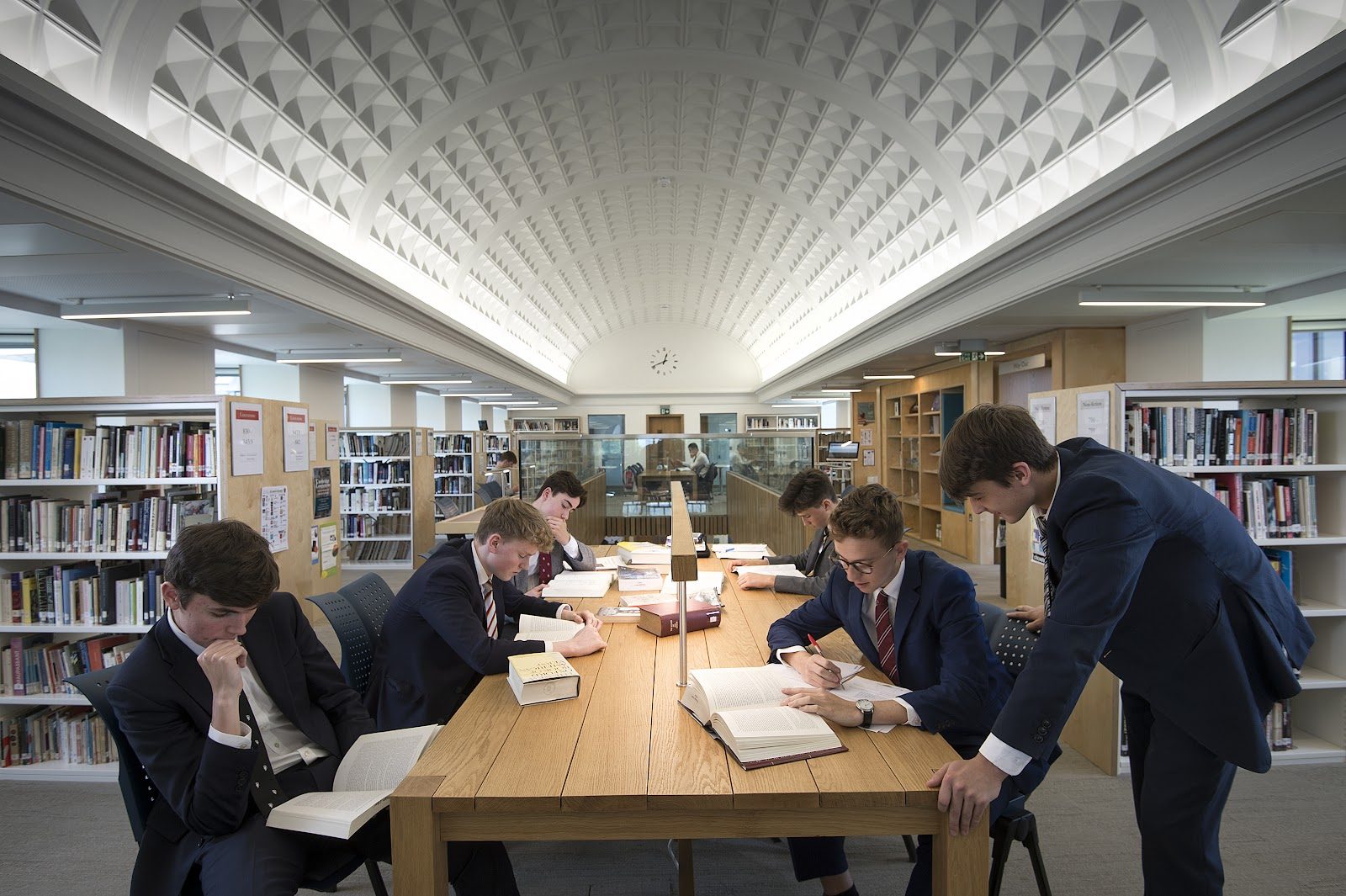
Tonbridge School
Tonbridge · United Kingdom
A 1553 foundation tied to London's Skinners' livery company, where seven Kent boarding houses still dine together each night
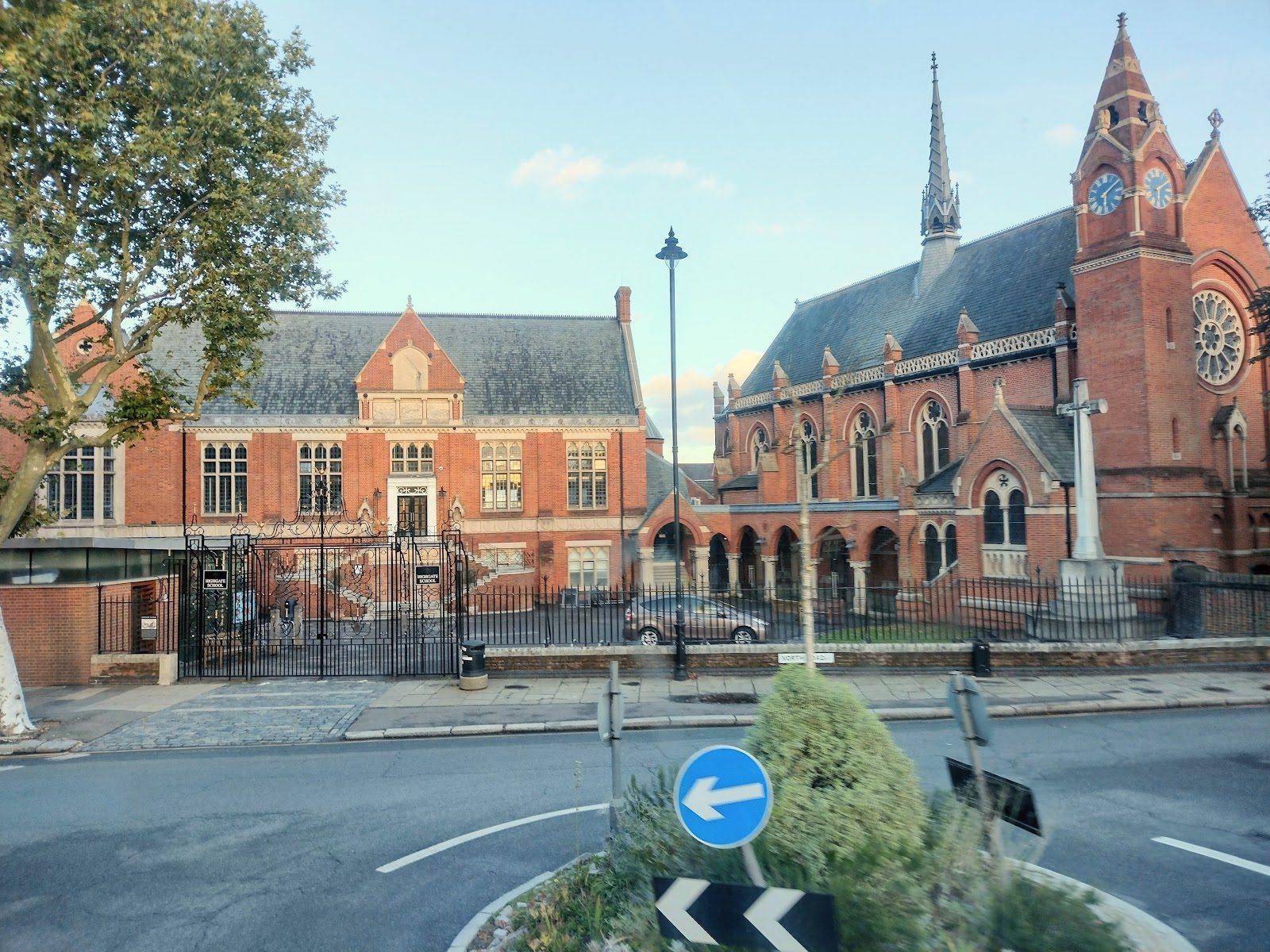
Highgate School
London · United Kingdom
Chartered by Elizabeth I in 1565, this Highgate grammar school now founds access academies alongside its Oxbridge-bound sixth form.
Same country and curriculum — closest matches within ±10 points either way