
Michigan
On a Beverly Hills campus built around Mens Sana in Corpore Sano, students edit genomes through a Stanford research partnership before college even starts.

Photo © Art Daggett via Google Maps
Type
Day
Ages
3–18
Curriculum
American (US High School Diploma) · AP (Advanced Placement)
Ratio
8:1
The Verdict
Editor's commitment
Right for
Families wanting a serious all-rounder: preschool to Grade 12, 8:1 teaching, 100% sports participation in Grades 7-12, and six arts conservatories.
Wrong for
Parents seeking a cheaper, narrower academic hothouse; the average annual fee is $37,172, and DCDS pushes athletics and arts as hard as APs.
Watch out for
NAIS accreditation and 7,125 alumni signal heft, but the school does not publish aggregate AP results; verify academic outcomes beyond the glossy breadth.
Ranking breakdown
Detroit Country Day School · #293 of 1591
Composite score 73.5. 8 weighted criteria.
By criterion
Academic Outcomes
Weight 20%
#333
of 1529 scored
University Placement
Weight 16%
#305
of 1529 scored
Prestige & Heritage
Weight 12%
#393
of 1529 scored
Alumni Network
Weight 12%
#257
of 1529 scored
Facilities
Weight 12%
#352
of 1529 scored
Transparency & Communications
Weight 8%
#354
of 1529 scored
Peer & Industry Review
Weight 10%
#426
of 1529 scored
Admissions Selectivity & Demand
Weight 8%
#282
of 1529 scored
Peer & Industry Review
How Detroit Country Day School is regarded in the sector
68
Respected · medium confidence
Detroit Country Day School is consistently ranked among Niche.com's top private K-12 schools in Michigan and is well known regionally for strong college placement and athletics (notable alumni include NBA players Shane Battier and Chris Webber). It receives regular coverage in Michigan-focused education and sports press and is frequently cited as the top or near-top private school in the Detroit metro area, but it lacks the national/international profile or specialist press coverage (Tatler, Good Schools Guide) seen in globally benchmarked institutions.
Evidence sources
Editors' overview
Genome editing before graduation is not a line many schools can use with a straight face. Detroit Country Day earns it. On its Beverly Hills campus, this is a full-age-range day school for ages 3 to 18 with an American high school diploma and AP programme, and it pushes hard on the old independent-school trifecta of academics, arts and sport. The school’s own framing is blunt: hard-driving, broad and deliberately balanced, under the motto Mens Sana in Corpore Sano. The numbers back that structure up. The student-teacher ratio sits at 8:1, sport participation in Grades 7–12 is 100%, and the school runs 6 arts conservatory programmes. For parents who want a school that treats intellectual stretch, performance and physical training as parts of the same education, that is the core proposition.
What sets Detroit Country Day apart is the combination of old-school American prep culture with real access to advanced work. The Stanford research partnership in genome editing gives the school a sharper academic edge than the usual AP-heavy prospectus language. This is not just about stacking courses; it is about getting able students into serious work early. The alumni floor is also stronger than many peer schools can show publicly: 43 notable alumni catalogued in Wikidata, spanning politics, business, science and the arts, with verified top-tier awards in drama and music. Add a diverse, non-religious setting and NAIS accreditation, and the school lands as an ambitious, high-expectation option in the Detroit market rather than a soft, country-club version of college prep.
It also charges at that level. The average annual day fee across the full ladder is $37,172, which places it firmly in the premium US private-day bracket. That price makes sense for families who will use the whole machine: the arts conservatories, the competitive athletics, the small-class access to teachers, and the advanced academic opportunities. It makes less sense for children who want a narrow academic lane with minimal sport or performance, or for families who prefer a looser, less structured culture. Detroit Country Day will suit students who are energetic, competitive, and comfortable being pulled in several directions at once. It will appeal to children who want to write, perform, research, train and lead before college starts — and who do not need a school to lower the temperature.
Academic Performance
Detroit Country Day pitches itself as a college-preparatory school built on challenge, and the academic story only lands fully when hard public outcomes are visible. Here the school leaves a gap. We have not seen aggregate AP results, mean scores, score distributions, National Merit counts, SAT or ACT averages, matriculation by destination band, or any other external-results data that would let parents place it cleanly against top US independents. That absence matters. In this tier, schools that produce consistently strong examination outcomes publish them, at least in summary. Detroit Country Day instead asks families to infer academic strength from programme breadth, selective culture and advanced opportunities. That is not the same thing as showing the numbers.
Set against direct peers, that puts the school in an opaque position on academic performance. The curriculum mix gives able students plenty of scope, and the school’s emphasis on rigorous preparation carries weight, but public evidence of exam success remains thin. Parents comparing Detroit Country Day with other premium day schools need to press for a full results picture: AP participation and score profile, standardised testing averages, and university destinations over several years rather than a single admissions season. Until those figures are published, the school sits in the category of promising but unproven in public on external examination outcomes, rather than among the academically transparent leaders of the market.
Facilities
Detroit Country Day’s facilities are built around breadth, not a single showpiece. The school advertises a fully integrated academics-arts-athletics model, and the physical estate reflects that: dedicated arts training through 6 conservatory programmes, heavy sport provision to sustain universal participation in the secondary years, and specialist teaching spaces that support advanced work rather than just standard classroom delivery. The genome-editing partnership flagged in the school’s editorial profile matters here because it implies access to serious lab environments and staff capacity to run work beyond routine school science. That puts Detroit Country Day above the many independent day schools that talk about innovation but still deliver science in perfectly ordinary laboratories and reserve genuine research exposure for a small after-school niche.
Against US private-day peers, the campus offer reads as broad, deliberate and well-resourced rather than architecturally famous or extravagantly branded. The motto-driven “sound mind in a sound body” philosophy is not cosmetic; sport, arts and academic spaces all carry institutional weight. Families looking for a school with a single dominant specialism—a conservatoire with classrooms attached, or an exam factory with minimal co-curricular infrastructure—will find a different proposition here. Detroit Country Day’s advantage lies in the whole machine working at once: competitive athletics, performance training, and serious college-prep teaching on one campus network. That is a demanding, premium facilities package, and stronger than the thinner amenity mix common at many regional independents.
Detroit Country Day’s distinctiveness lies in the way it treats breadth as a serious operating principle rather than a glossy add-on
Prestige
Detroit Country Day carries real local weight and a credible national sheen, but not the automatic aura of America’s oldest East Coast boarding names. Its standing rests on substance: a long-established independent-school identity, a serious college-preparatory brief, a low staffing ratio, and a culture that treats sport, arts and scholarship as part of the same enterprise rather than as decorative extras. The school also benefits from visible alumni reach. A public floor of 43 notable alumni across politics, business, science and the performing arts gives it more than social cachet; it shows that the institution has produced graduates with reach beyond its own region. For families in metropolitan Detroit, that translates into genuine status and a network with useful heft.
The prestige rating stops short of the topmost bracket because the school does not publish the kind of hard academic outcomes that turn reputation into undisputed academic authority. Prestige in independent education comes from two things: who passes through the gates, and what the school can prove they achieve. Detroit Country Day is strong on the first and persuasive on the broader educational proposition. On the second, the public record is thinner than it should be for a school charging an average of $37,172 a year. That leaves it as a high-prestige regional powerhouse with clear social and cultural capital, rather than a fully transparent national academic standard-bearer.
The genome-editing link with Stanford lifts the science offer beyond standard AP-course inflation and into genuinely rare territory for a day school
Communications
Detroit Country Day communicates like a school that wants to project confidence and institutional coherence. The public-facing messaging is polished, values-led and tightly controlled: mission, ethos, diversity statement, history and programme identity all sit front and centre, with the school’s core idea repeated clearly enough that parents will not miss it. That brings advantages. Families get a clean sense of priorities — academic rigour, artistic expression, competitive sport, service and character — and the site does not read like a cluttered admissions funnel. The emphasis on community, mutual respect and belonging also gives parents a direct view of the social contract the school expects children to live under. For a school with 7,125 alumni around the world and a strongly developed internal culture, that coherence matters.
The weakness is not tone but disclosure. Detroit Country Day communicates identity better than evidence. It tells parents what it values and how it wants students to grow, but it publishes too little hard performance data to make the academic case fully convincing. That gap affects communications quality because effective parent communication is not just warmth, aspiration and brand discipline; it is also usable information. Families paying an average of $37,172 a year need more than rhetoric and institutional self-belief. They need regular, concrete proof of outcomes and operational detail. On that measure, the school is strong on narrative, thin on accountability and less transparent than the best-run independents, which put results alongside philosophy without fuss.
Uniqueness
Detroit Country Day’s distinctiveness lies in the way it treats breadth as a serious operating principle rather than a glossy add-on. Plenty of American independents promise balanced development; fewer build a school in which intellectual ambition, organised sport and trained artistic practice all carry equal institutional force. Here, that balance is enforced, not optional. The school’s own motto gives the game away: a sound mind in a sound body. That produces a culture that is deliberately high-pressure, conspicuously all-in and *not designed for specialists who want to hide in one lane*. A child who only wants books, or only wants sport, will feel the school pulling them outward. For the right student, that is the point.
The sharper point of difference is the combination of that old independent-school ideal with access to advanced work that most pupils do not reach until university. The genome-editing link with Stanford lifts the science offer beyond standard AP-course inflation and into genuinely rare territory for a day school. Add the school’s insistence on universal athletics in the secondary years, its 6 conservatory pathways in the arts, and an alumni body of 7,125 around the world, and the result is a student experience built around stretch, public performance and visible participation. Students leave with more than course coverage. They learn to manage competing demands, perform under scrutiny and operate in a community that expects range as well as excellence.
Genome editing before graduation is not a line many schools can use with a straight face
Student Profile
The students who thrive here are busy by temperament and resilient under pressure. This school expects children to do more than accumulate grades: they need to train, perform, contribute and keep pace across several fronts at once. With 100% sports participation in the secondary years and 6 arts conservatory pathways carrying real institutional weight, Detroit Country Day suits pupils who do not resent obligations beyond the classroom. The best fit is a child who enjoys structure, can handle adult expectations early, and gets energy from visible involvement rather than private, low-friction school life. It is a strong home for the high-output generalist, the restless striver, and the student who wants school to feel full rather than calm.
It fits less well for children who want to stay in a single lane. A pure academic introvert, a reluctant athlete, or a student who dislikes public performance may find the culture insistent and hard-edged. The school’s stated emphasis on challenge, service, character and cooperation points to a community that values participation and social accountability, not detached brilliance. That does not mean every child must be extrovert; it means they must be willing to show up. Families who want a soft-touch environment or a school that lets students opt out of the communal life will find a mismatch. Children who respond well here are self-propelling, competitive without fragility, and comfortable being known by teachers and peers rather than disappearing into the crowd.
The school’s own framing is blunt: hard-driving, broad and deliberately balanced, under the motto Mens Sana in Corpore Sano
Co-curricular strengths
Arts & sport, on a separate axis
Overall 9.26/10
Scored 0-10 from the school's own published evidence. This axis is editorial-only — it does not feed the main WTS ranking.
Sports
9.7/10
The profile gives explicit evidence of a substantial sports programme through '100% sports participation in grades 7–12' and repeated emphasis on athletics, but it names no specific teams, facilities, staff, or competitive results.
Drama
9.2/10
Verified alumni evidence includes two star-tier drama laureates, Robin Williams and Courtney B. Vance, which establishes a strong drama pedigree and anchors this dimension at least at 8.
Dance
9/10
Music
9.2/10
'6 arts conservatory programs' and verified alumni include Grammy winner Robin Williams, whose star-tier music award alone anchors music at at least 7.
Visual Arts
9.2/10
Visual arts is covered only indirectly within the school's broad arts offer and the mention of '6 arts conservatory programs,' without named facilities, departments, staff, exhibitions, or laureate evidence.
Editor first-pass · editor-reviewable · 8/2/2026
Notable alumni · Wikidata
43notable alumni
1 historic (born pre-1930) · 24 modern (born post-1970)wikidata:2026-08-02 How we source this

WTS 300 badge
Detroit Country Day School is one of the World's Top 300 Schools. Claim your listing to add it to your site →
Strengths
- +Every Detroit Country Day School graduate is accepted at four-year colleges and universities, with recent matriculations including Princeton, Harvard, MIT, Yale and University of Chicago.
- +The school offers 23 AP courses within a college-preparatory liberal arts curriculum for grades nine through twelve.
- +Founded in 1914, DCDS is one of the older established independent day schools in the Detroit metropolitan area, with a network of over 7,100 alumni.
- +The school provides door-to-door bus transportation and a Bus Stop program across Southeast Michigan, easing daily logistics for families spread across the region.
- +DCDS operates a need-based financial aid program (Guided Tuition) intended to allow admission regardless of a family's ability to pay full fees.
Considerations
- −Upper School tuition runs into the mid-$30,000s to low-$40,000s per year depending on the source and year cited, a significant recurring cost for relocating families.
- −Reported acceptance rate is around 25%, markedly more selective than the national private-school average.
- −DCDS is a day school only, with no boarding option, so international or relocating families must independently arrange local housing.
- −The campus sits in suburban Beverly Hills/Franklin, roughly 15 miles from downtown Detroit, meaning families must settle in a car-dependent suburb rather than an urban core.
Availability
Primary entry gate & tests
ISEE/SSAT + Interview
Gallery
Photo © Detroit Country Day School - Upper School via Google Maps
Photo © Detroit Country Day School - Upper School via Google Maps
Photo © Detroit Country Day School - Upper School via Google Maps
Photo © Detroit Country Day School - Upper School via Google Maps
Photo © Detroit Country Day School - Upper School via Google Maps
Photo © Detroit Country Day School - Upper School via Google Maps
Photo © Detroit Country Day School - Upper School via Google Maps
Photo © Detroit Country Day School - Upper School via Google Maps
Photo © Detroit Country Day School - Upper School via Google Maps
Parent reviews
Have you sent your child here?
Voice reviews carry the strongest trust badge — we transcribe them for you to tidy up before they go live. Prefer to type? A written review is fine too.
Add your voice
In 60 seconds, tell other parents: what's the best thing about Detroit Country Day School, and what surprised you when your child joined?
We ask for a Google sign-in so every review has a real face behind it — no anonymous drive-by attacks on schools, and no faked positive reviews. Your email is never shown publicly.
Send this profile to a friend
International parents rely on word-of-mouth. Share this review with someone weighing the same decision.
Schools with places
Similar schools to Detroit Country Day School with places available now.
Friends Seminary
New York City · United States
- 2026-27
- WAITPOOLLate/held pending openings
- 2027-28
- OPENS SOONExpected Sept '26
Saint Ann's School
Brooklyn · United States
- 2026-27
- WAITPOOLLate / attrition-dependent
- 2027-28
- OPENS SOONOpens 8 Sept '26
Ethical Culture Fieldston School
New York City · United States
- 2026-27
- WAITPOOLLimited late availability
- 2027-28
- OPENS SOONOpens post-Labor Day '26
Riverdale Country School
New York City · United States
- 2026-27
- WAITPOOLLate application possible
- 2027-28
- OPENS SOONOpens 8 Sept '26 (Noon ET)
Availability first, then country, area, curriculum, price, co-curricular
Consider also
Also worth looking at alongside Detroit Country Day School.
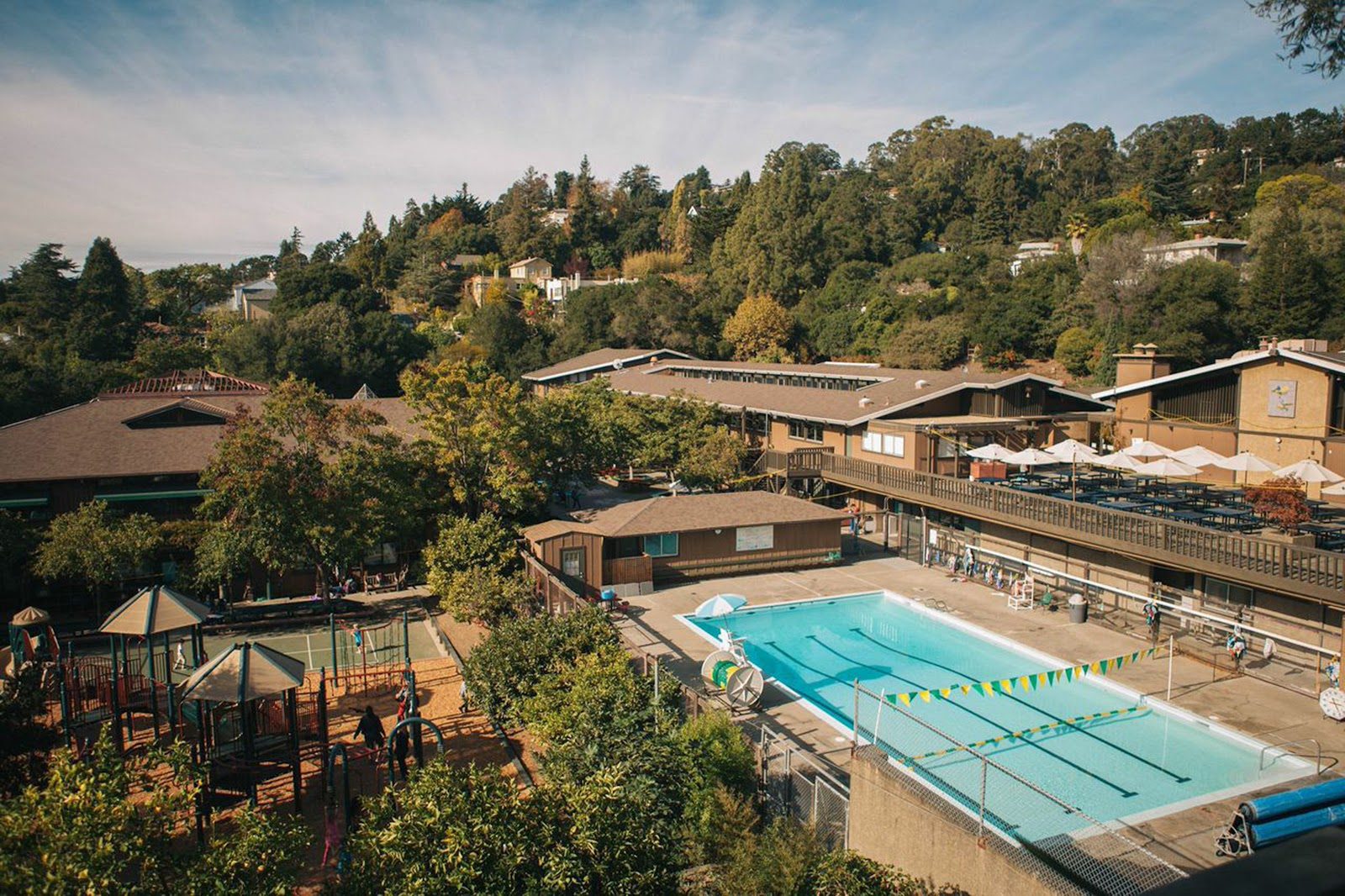
Head-Royce School
Oakland · United States
Since 1887 on a wooded Oakland hills campus, pairing rigorous scholarship with a decades-old public-school partnership that opens college doors for first-generation students
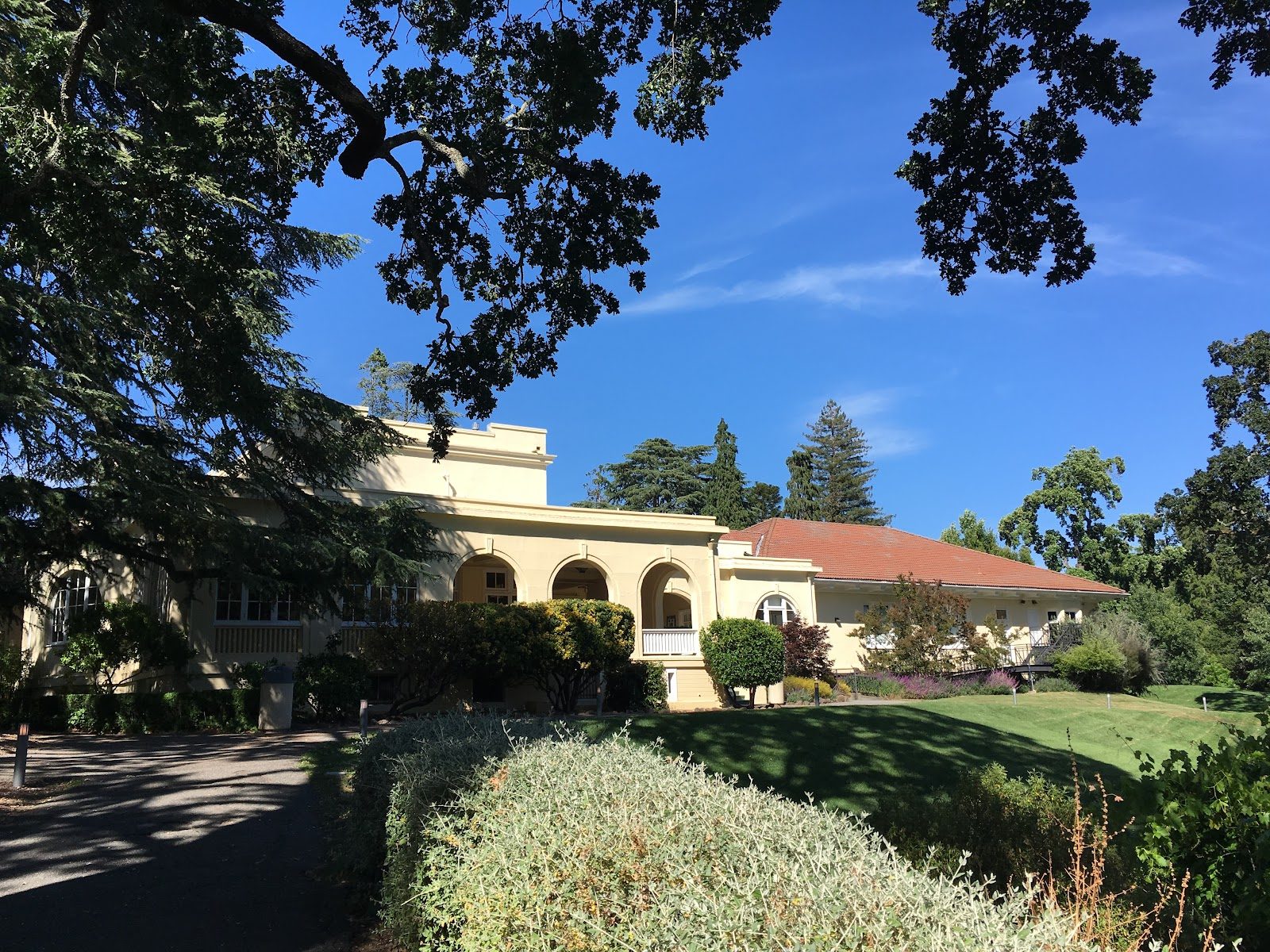
The Branson School
Ross · United States
A Marin hillside campus that skips AP tests for honors depth, immersive electives, and outdoor-education fieldwork.
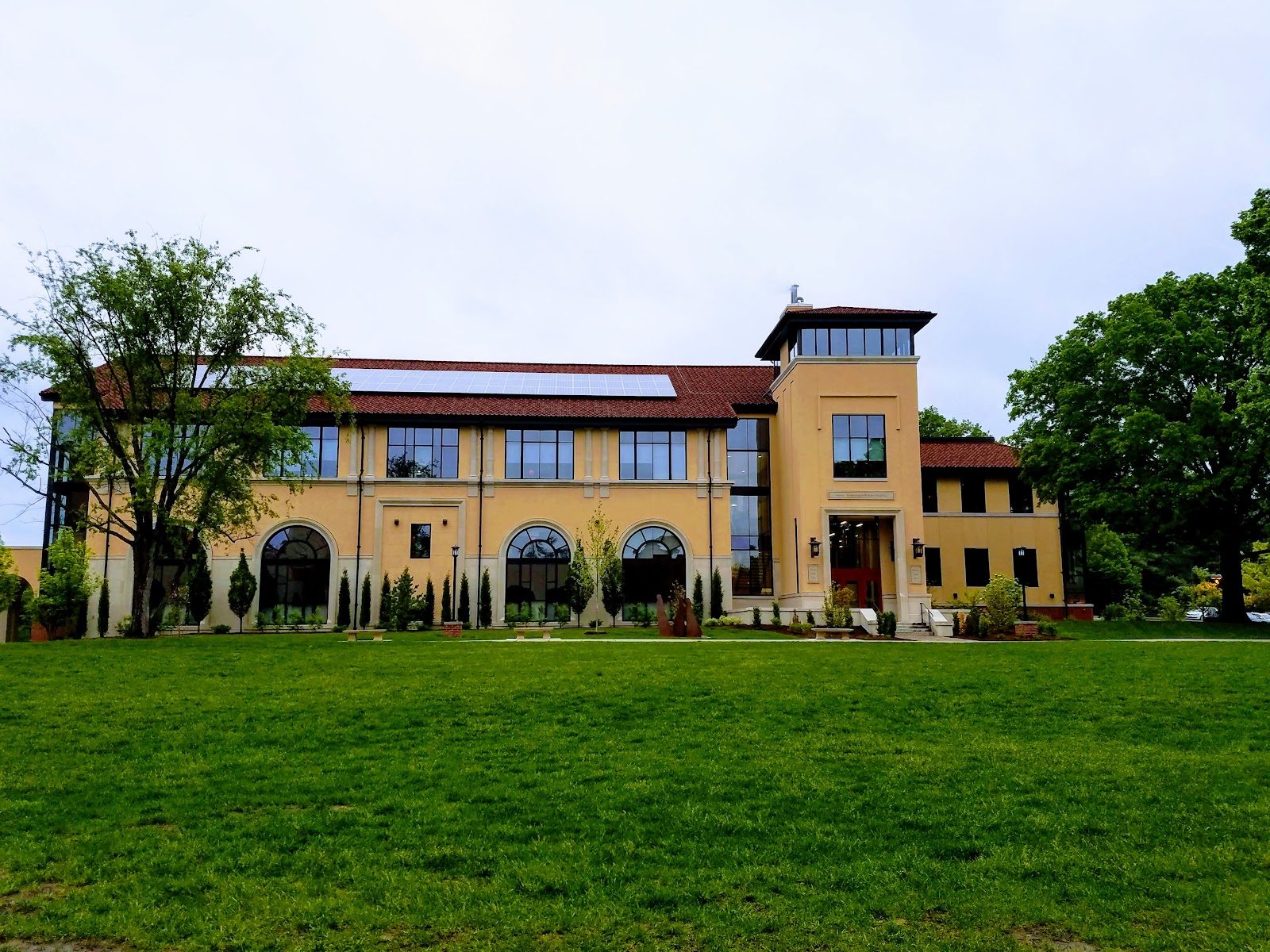
John Burroughs School
St Louis · United States
Since 1923 in the Ladue suburbs, a liberal-arts day school where family-style lunches and an Ozarks wilderness camp shape scholars as much as seminars do.
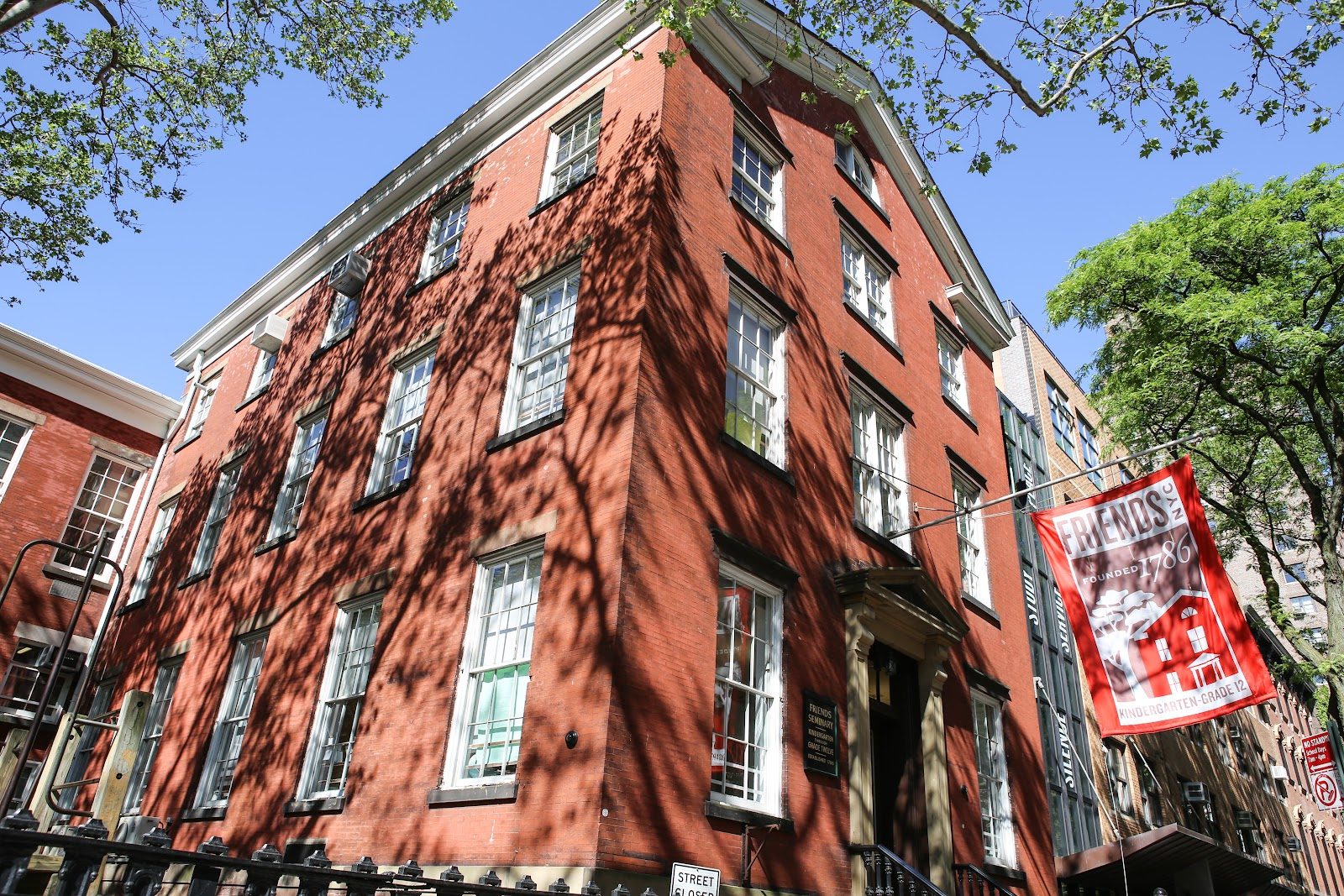
Friends Seminary
New York City · United States
Founded in 1786, the oldest coeducational school in New York City still teaches Quaker simplicity and peace amid Manhattan's bustle
Same country and curriculum — closest matches within ±10 points either way