
Queensland
Marist College Ashgrove
Brisbane's only Marist day-and-boarding school for boys, where rugby pedigree and faith-led character rise beneath the landmark Tower Block.
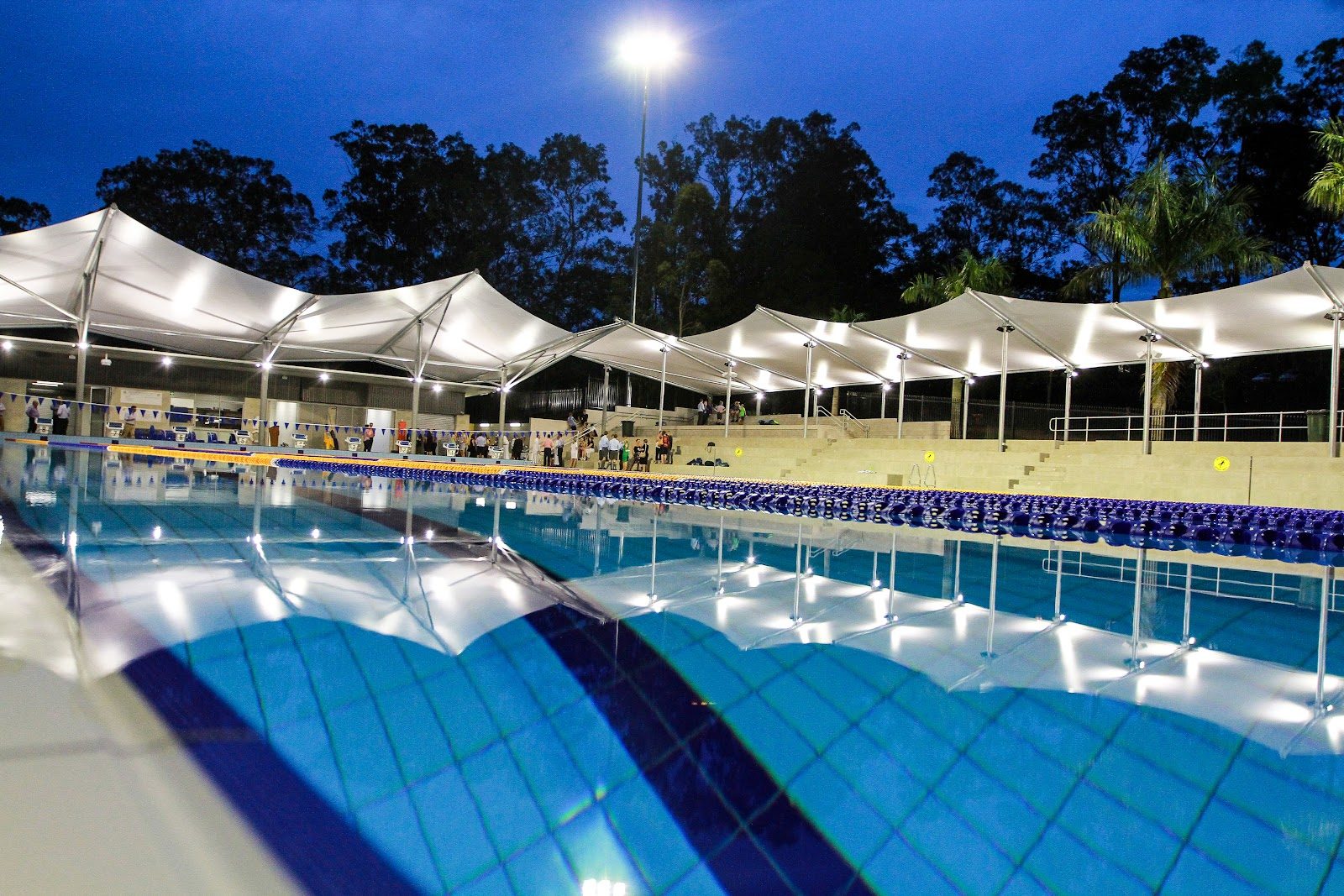
Photo © Marist College Ashgrove via Google Maps
Type
Day
Ages
5–18
Curriculum
QCE
Ratio
—
The Verdict
Editor's commitment
Right for
Boys aged 5–18 who want a Catholic education in English, with QCE and the draw of Brisbane’s only Marist boys’ day-and-boarding school.
Wrong for
Girls, families outside Ashgrove, or anyone wanting co-education, a non-Catholic setting, or a curriculum beyond QCE for boys from Year 5 to 12.
Watch out for
The listing says day, while public sources also state boarding; the school must clarify that contradiction before parents treat the offer as settled.
Ranking breakdown
Marist College Ashgrove · #1011 of 1591
Composite score 62.7. 8 weighted criteria.
By criterion
Academic Outcomes
Weight 20%
#1223
of 1529 scored
University Placement
Weight 16%
#1089
of 1529 scored
Prestige & Heritage
Weight 12%
#870
of 1529 scored
Alumni Network
Weight 12%
#787
of 1529 scored
Facilities
Weight 12%
#207
of 1529 scored
Transparency & Communications
Weight 8%
#1016
of 1529 scored
Peer & Industry Review
Weight 10%
#100
of 1529 scored
Admissions Selectivity & Demand
Weight 8%
#1506
of 1529 scored
Peer & Industry Review
How Marist College Ashgrove is regarded in the sector
80
Strong · medium confidence
Within Brisbane's competitive Catholic and GPS Queensland circuit, Marist Ashgrove is generally bracketed with Iona, Villanova and Nudgee College as a solid, tradition-driven Marist Brothers school rather than a top-tier academic powerhouse like Brisbane Grammar or Churchie. Its reputation rests heavily on rugby and co-curricular strength, with regular GPS premierships giving it standing in interschool sporting circles that often exceeds its academic league-table position. Queensland media coverage (Courier-Mail ATAR and QCE result round-ups) places it mid-to-upper pack among GPS schools, consistently improving but not routinely topping the state. Independent guides such as Good Schools Guide Australia and WhichSchoolAdvisor entries describe it as a values-based, community-oriented Catholic school with strong pastoral care rather than an elite academic hothouse. University admissions engagement is typical of Queensland Catholic colleges, feeding into UQ and QUT pathway programs, but it lacks the Oxbridge/Ivy pipeline recognition of Australia's most prestigious independent schools. Overall industry regard is respectable and stable, anchored in Marist ethos and sporting pedigree, not headline academic prestige.
Award

Elite Sport 80
World's Top School · The Global Ranking
Marist College Ashgrove is featured on our Global Top 80 ranking at #67. This seal is available for the school's marketing team to use on their website, prospectus and social channels.
- Harry Wilson — Rugby union player, Wallabies captain
- James Slipper — Rugby union player, Wallabies
- Berrick Barnes — Rugby union player, Wallabies
Editors' overview
Marist College Ashgrove occupies a distinct niche in Brisbane: a Catholic boys’ school with a serious sporting identity, a long-established Marist ethos and a scale that runs from primary through to Year 12. In market terms, that combination matters. Parents looking at boys’ schools in Brisbane will already know that many offer Catholic formation, strong co-curriculars or established senior years. Marist Ashgrove’s draw lies in the blend: one campus, one culture, and a reputation built as much on hard-edged schoolboy sport and ritualised school spirit as on classroom continuity. The Tower Block gives the place a recognisable physical centre; the Marist identity gives it a clear moral frame. This is not a neutral, all-things-to-all-families school. It is a school with a defined culture, and that clarity has value.
The shortlist case rests on fit. For the right boy, Marist Ashgrove offers tribal belonging, visible tradition and the steadying structure that many families want from a Catholic education. Boys who thrive here will not want a loose, experimental school culture. They will want house identity, team sport, school ceremony and adults who take conduct seriously. Rugby looms large in the public imagination around the school, and that pedigree will attract ambitious athletes as well as families who like the discipline and camaraderie that sport can impose on adolescent life. The age span, 5–18, also matters: parents can buy into the culture early and avoid a second school transition later. As a boys’ school, it also speaks directly to families who want an environment designed around how boys work, compete and mature.
There are trade-offs, and parents should face them directly. A school with this much institutional identity can feel demanding as well as supportive. Boys who dislike overt tradition, are indifferent to organised sport, or want a more mixed social setting may find the culture too narrow. Families who want a progressive, less codified version of Catholic schooling should look hard at whether the school’s values and rhythms match life at home. The curriculum is QCE, the language of instruction is English, and the school serves boys from Year 5 to Year 12. In short: Marist College Ashgrove belongs on a shortlist for families seeking a high-commitment boys’ education with Catholic conviction, competitive sporting energy and a campus identity strong enough to shape a boy’s daily life, not just his timetable.
An Elite Sport 80 school
Marist College Ashgrove in Brisbane is at rank sixty-seven on the Elite Sport 80 because it is one of Queensland's most productive Great Public Schools boarding institutions across rugby, rowing and swimming, with a sustained Wallabies and Olympic representative pipeline. The Marist 1st XV rugby squad is a fixture at the top of the GPS Queensland competition, and the 1st VIII rowing crew is a regular Head of the River finalist.
The specialisms are rugby union (with a formal academy model, professional coaching and links to the Queensland Reds and Australian Rugby), rowing (with a full boathouse and integrated training programme), swimming (with a nationally competitive squad and multiple Australian age-group representatives), athletics and cricket. Basketball, football, tennis and surf life-saving all run at high schoolboy standard.
Notable alumni across codes include several Wallabies and Super Rugby regulars from the past two decades, Olympic rowers across multiple Games, and — in swimming — multiple Australian representative swimmers over the past three decades. Cricket has produced Queensland Bulls squad members, and rugby league has produced NRL professionals despite not being a formal school sport.
International openness is genuine. Marist Ashgrove is a full Catholic boys' boarding school with an established overseas cohort — particularly from the Pacific islands, Papua New Guinea, southern Africa and the UK — and integrated ESL and pastoral support. Fees for full boarding sit around A$46,000-52,000 per year, positioning it in the middle tier of Australian boarding costs and well below equivalent US boarding schools with comparable sporting output. Admissions is a standard Catholic boarding-school process plus a sport-specific reference or trial where relevant. Australian student visas are straightforward for full-time enrolment. For a family relocating from a rugby-, rowing- or swimming-strong nation to Queensland and targeting a genuine Wallabies, Olympic rowing or Australian representative pathway alongside HSC and NCAA D1 recruiting options, Marist Ashgrove is one of the top three sport-oriented Catholic boarding schools in the state.
Academic Performance
Public data on external results are thin. The school does not publish aggregate ATAR outcomes, subject-by-subject distributions or a consistent run of senior results in the public domain. That matters. In a Brisbane market where stronger academic operators use hard numbers to prove their case, this level of opacity leaves parents judging academic performance through reputation, cohort fit and broader school culture rather than through clean, comparable evidence. For a school with a prominent public identity, that gap is conspicuous.
That does not place Marist College Ashgrove in a weak academic bracket; it places it in an unclear one. The school sits in a competitive boys’ school landscape where peers with sharper examination disclosure make benchmarking easier. Here, the academic proposition rests less on headline result-chasing and more on whether a family wants a structured, high-expectation education inside a strong institutional culture. For ambitious families focused first on elite tertiary entry, the lack of published external exam data is a real handicap in the admissions process. For families who prize formation, discipline and breadth alongside academics, the school remains credible — but not data-rich.
Facilities
The standout facility is the Tower Block, which functions as more than an architectural marker: it gives the campus a ceremonial centre and reinforces the school’s institutional gravity. For a boys’ school whose appeal depends on belonging and collective identity, that matters. Beyond that, the school’s public profile points parents toward sport first. This is a campus built to sustain a serious rugby culture and the wider machinery of schoolboy competition, not a boutique urban school where athletics sit at the margins. Against Brisbane peers in the same segment, that places Marist Ashgrove in the stronger bracket for outdoor team-sport infrastructure and for the day-to-day visibility of games, training and house activity.
What is less clear is the depth of specialist academic and arts provision. We have not seen a detailed public inventory of laboratories, design spaces, performing arts venues or senior study facilities, and that absence matters when benchmarking against schools that publish them aggressively. Parents can infer that the school has the core facilities required for a full boys’ school running from primary into secondary years; they cannot verify from public information whether those spaces are best-in-class, merely competent, or in need of renewal. So the facilities verdict is mixed: *strong where sport, scale and tradition intersect; less transparent* where ambitious families now expect hard detail. In this market, opacity weakens the case.
That does not place Marist College Ashgrove in a weak academic bracket; it places it in an unclear one
Prestige
Marist College Ashgrove carries real prestige in Brisbane, though not the polished, numbers-first prestige of an overtly academic status school. Its standing rests on institutional weight, tribal loyalty and a public identity that extends well beyond the classroom. In practical terms, this is a school people know: not just among Catholic families, but across the city’s boys’ school market and sporting circuits. The all-boys setting, the Marist name and the school’s visible ceremonial life give it a strong social signal. That matters to families who want a school with recognition, tradition and a culture that is immediately legible from the outside. The age span from 5–18 strengthens that status by making the school a long-term institutional home rather than a narrow senior-school stop.
Why not rate its prestige even higher? Because the school’s public cachet draws heavily from culture, sport and heritage, while academic distinction is less clearly evidenced in the public domain. That is not fatal to prestige, but it does define its type. This is earned prestige through identity, not prestige built on relentless publication of top-end results or a hyper-selective intellectual brand. For some families, that makes the school more attractive, not less: they want confidence without varnish, old-school credibility and a boys’ environment with a clear code. For others, especially those shopping on hard academic metrics, the prestige feels incomplete.
Marist College Ashgrove carries real prestige in Brisbane, though not the polished, numbers-first prestige of an overtly academic status school
Communications
Marist College Ashgrove’s parent communications need to do a hard job: explain daily life in a school with a strong internal code, heavy co-curricular traffic and a culture that asks for family buy-in, not passive attendance. In that context, clarity and frequency matter more than polish. The public-facing communication is functional rather than sophisticated. Families can grasp the school’s priorities quickly — faith, conduct, participation, sport, belonging — and that directness is useful. There is no mistaking what kind of institution this is. That said, the school does not publish enough hard academic information, and that weakness carries into the communications picture. When a school is high-commitment in tone, parents also need hard proof on outcomes, pathways and senior performance. Here, that part of the story is thin.
So the verdict is mixed. Marist Ashgrove communicates its culture forcefully and with conviction; it communicates academic performance less well. For many families, especially those already aligned with the school’s values, that first strength will count for a great deal. They will read the signals, understand the expectations and know what they are joining. For more analytical parents, the communication leaves work undone. A school asking for years of trust from families with boys spanning 5 to 18 needs sharper disclosure than this. The tone is confident; the informational architecture is less complete.
Uniqueness
What sets Marist College Ashgrove apart is not novelty but density of culture. Plenty of schools offer Catholic education, boys’ education or a strong games programme. Far fewer fuse them into a single social code that starts in the primary years and runs through the senior school without dilution. The result is a campus where identity is not an optional extra bolted onto lessons; it structures the day. Boys move through a school that asks for visible participation, loyalty to group, comfort with hierarchy and readiness for scrutiny. That can be immensely steadying for boys who need clear edges, adult authority and a strong sense of belonging. It can also feel constricting for boys who want room to improvise, dissent or stay at the margins.
The other point of difference is the school’s ability to turn collective life into a serious formative tool. In many schools, spirit is decorative. Here, it is hard-wired into how boys compete, socialise and measure themselves. The age span from 5–18 deepens that effect: habits, friendships and status patterns bed in early and gather force over time. For the right student, that delivers durable confidence, resilience and a strong peer identity. For the wrong student, it magnifies pressure. Marist Ashgrove’s uniqueness lies there: this is a school that does not just educate boys; it actively shapes the kind of boy it wants to produce.
What sets Marist College Ashgrove apart is not novelty but density of culture
Student Profile
The boys who fit best here want structure, clear rules and a strong sense of where they belong. This is a school for students who do not mind being known, measured and expected to join in. Boys with energy to burn, a taste for competition and tolerance for hierarchy will find plenty to work with. So will boys who respond well to adult authority and to a culture that treats conduct as part of education, not an optional add-on. The school starts at Year 5 and runs to Year 12, so it suits families prepared for a long institutional journey rather than a brief senior-school transaction. The strongest fit is a boy who wants to be part of something larger than himself, and who draws confidence from clear boundaries, shared ritual and high-visibility participation.
The weaker fit is just as clear. A boy who resists organised group culture, dislikes being pushed toward teams and public involvement, or wants a looser social environment will feel out of step here. Quiet, independent boys can still do well, but they need enough self-possession to hold their ground inside a culture that rewards presence, commitment and collective spirit. This is also not an easy setting for families ambivalent about Catholic formation or unconvinced by boys’ schooling. Marist Ashgrove suits students who want belonging with demands attached; it is not for the faint-hearted and it does not bend itself around every temperament.
The age span from 5–18 strengthens that status by making the school a long-term institutional home rather than a narrow senior-school stop
Co-curricular strengths
Arts & sport, on a separate axis
Overall 8.14/10
Scored 0-10 from the school's own published evidence. This axis is editorial-only — it does not feed the main WTS ranking.
Strengths
- +Established Catholic Marist Brothers school with a long history of Marist tradition and values-based pastoral care in Brisbane's inner-northwest.
- +Single-sex boys' day school offering continuity from Prep through to Year 12, allowing families to avoid a school transition at adolescence.
- +Strong and well-resourced co-curricular program, particularly in rugby union, rugby league and rowing, competing in the AIC (Associated Independent Colleges) competition.
- +Delivers the Queensland Certificate of Education (QCE), giving graduates a recognised pathway into Queensland universities and interstate tertiary study.
- +Located in an established, leafy inner-city Brisbane suburb with good road access, suiting families wanting proximity to the CBD without inner-city fees.
Considerations
- −Single-sex boys' environment will not suit families seeking co-education or a more gender-diverse social setting for their children.
- −As a Catholic systemic-adjacent independent school, religious observance and Marist ethos are woven into school life, which may not appeal to strictly secular families.
- −Heavy emphasis on rugby codes in the co-curricular culture may not suit boys whose interests lie outside traditional football sports.
- −Specific, independently verified fee figures, academic (ATAR) results and named notable alumni are not readily available from public sources, limiting like-for-like comparison with other Brisbane schools.
Gallery
Photo © Marist College Ashgrove via Google Maps
Photo © Fidel Perez-Smith via Google Maps
Photo © Harry Gaston via Google Maps
Photo © Marist College Ashgrove via Google Maps
Photo © Marist College Ashgrove via Google Maps
Photo © James Curtain via Google Maps
Photo © James Curtain via Google Maps
Parent reviews
Have you sent your child here?
Voice reviews carry the strongest trust badge — we transcribe them for you to tidy up before they go live. Prefer to type? A written review is fine too.
Add your voice
In 60 seconds, tell other parents: what's the best thing about Marist College Ashgrove, and what surprised you when your child joined?
We ask for a Google sign-in so every review has a real face behind it — no anonymous drive-by attacks on schools, and no faked positive reviews. Your email is never shown publicly.
Send this profile to a friend
International parents rely on word-of-mouth. Share this review with someone weighing the same decision.
Schools with places
Similar schools to Marist College Ashgrove with places available now.
Ivanhoe Grammar School
Melbourne · Australia
- 2026-27
- WAITPOOLVacancy-dependent
- 2027-28
- PLACES OPEN
Wesley College
Melbourne · Australia
- 2026-27
- WAITPOOLVacancy-dependent
- 2027-28
- PLACES OPEN
The King's School (Parramatta)
Parramatta · Australia
- 2026-27
- WAITPOOLVacancy-dependent
- 2027-28
- PLACES OPEN
Methodist Ladies' College
Melbourne · Australia
- 2026-27
- WAITPOOLVacancy-dependent
- 2027-28
- PLACES OPEN
Availability first, then country, area, curriculum, price, co-curricular
Consider also
Also worth looking at alongside Marist College Ashgrove.
Ipswich Grammar School
Ipswich, QLD · Australia
Queensland's oldest grammar school, its Gothic Revival Great Hall still anchoring lessons atop Grammar School Hill.
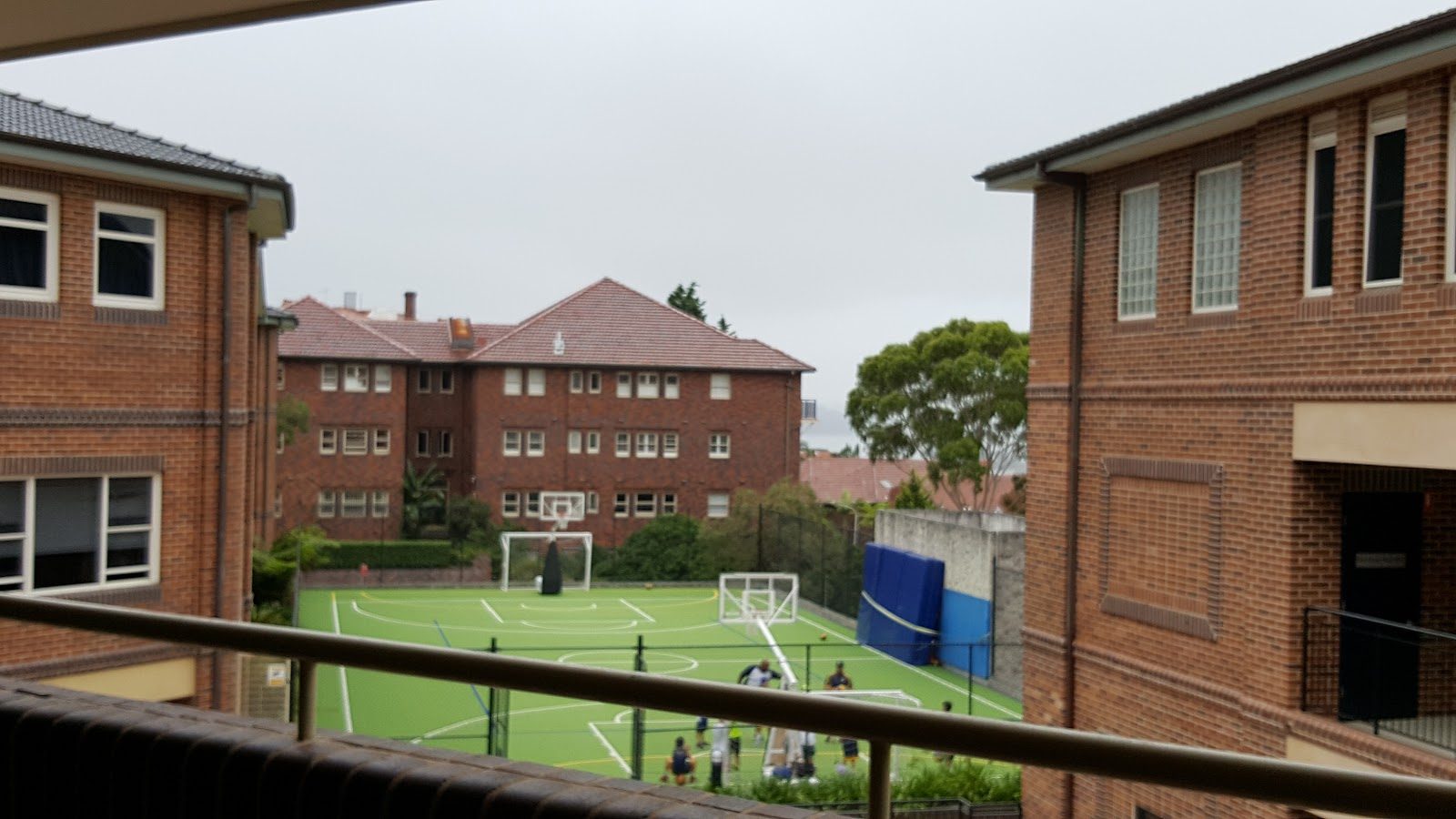
The Scots College
Bellevue Hill, NSW · Australia
Presbyterian boys' school since 1893, blending IB and HSC study with a Kangaroo Valley outdoor campus and five heritage boarding houses.
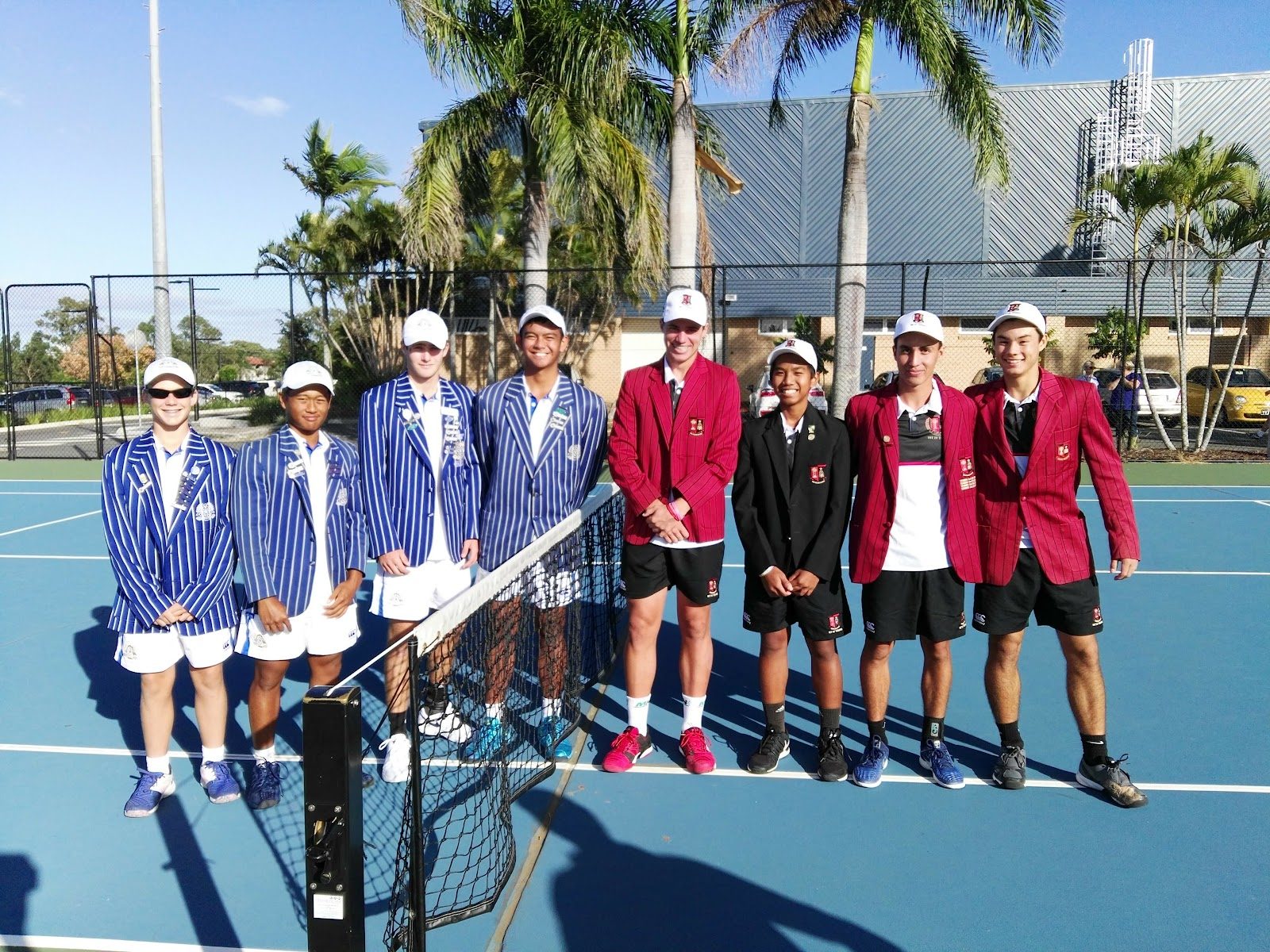
St Joseph's Nudgee College
Boondall, QLD · Australia
Founded in 1891 as Queensland's first purpose-built Catholic boarding college, its Boondall campus still spans working farmland and wetlands.
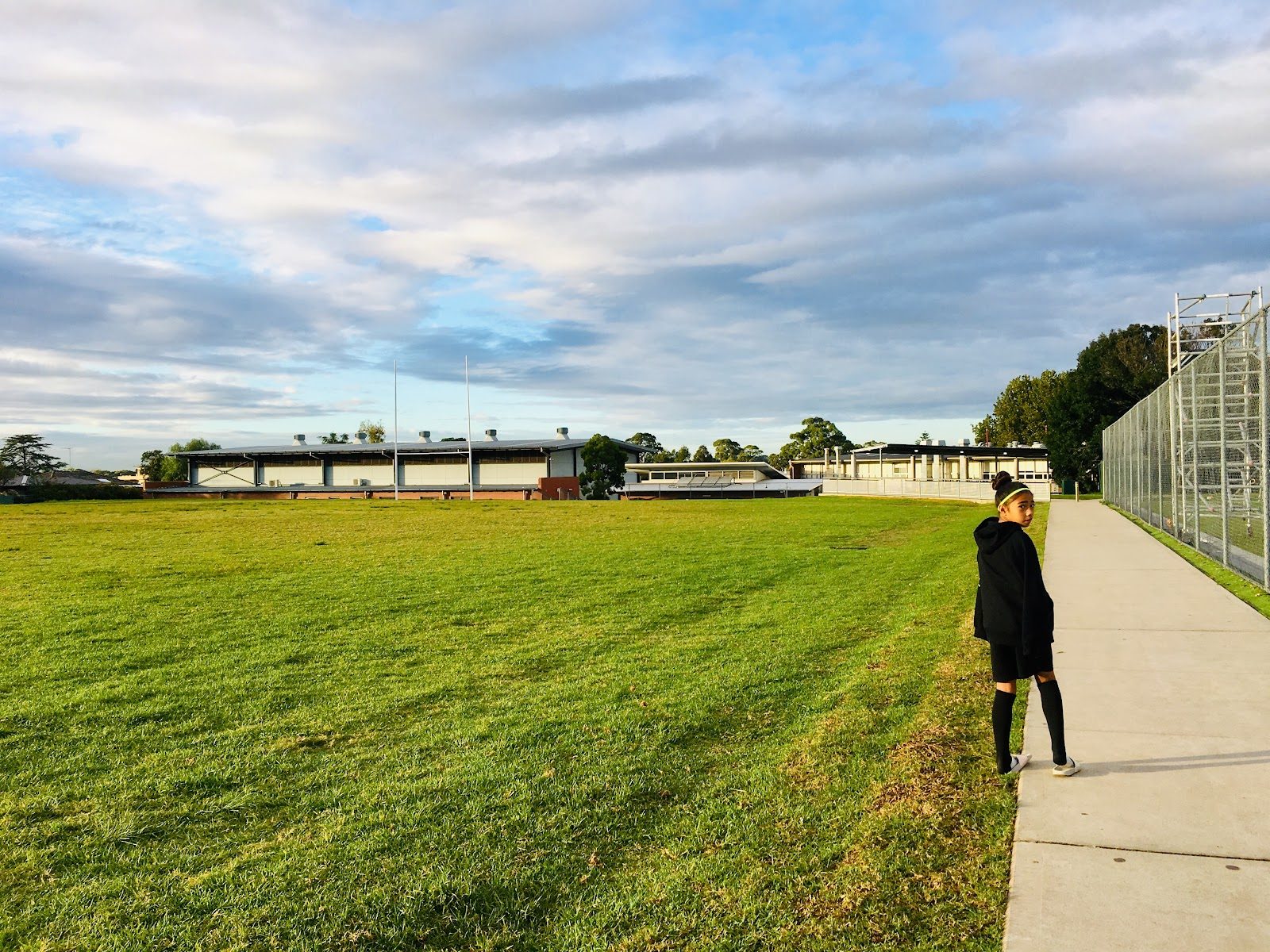
Westfields Sports High School
Fairfield West, NSW · Australia
Australia's first dedicated sports high school, pairing HSC study with pathways to NRL squads and Olympic teams in western Sydney.
Same specialism, country and curriculum — closest matches within ±10 points either way