
Hertfordshire
A 1573 royal charter grammar school that still tops England's grammar-school A-level tables -- and is now exporting its model to Dubai.
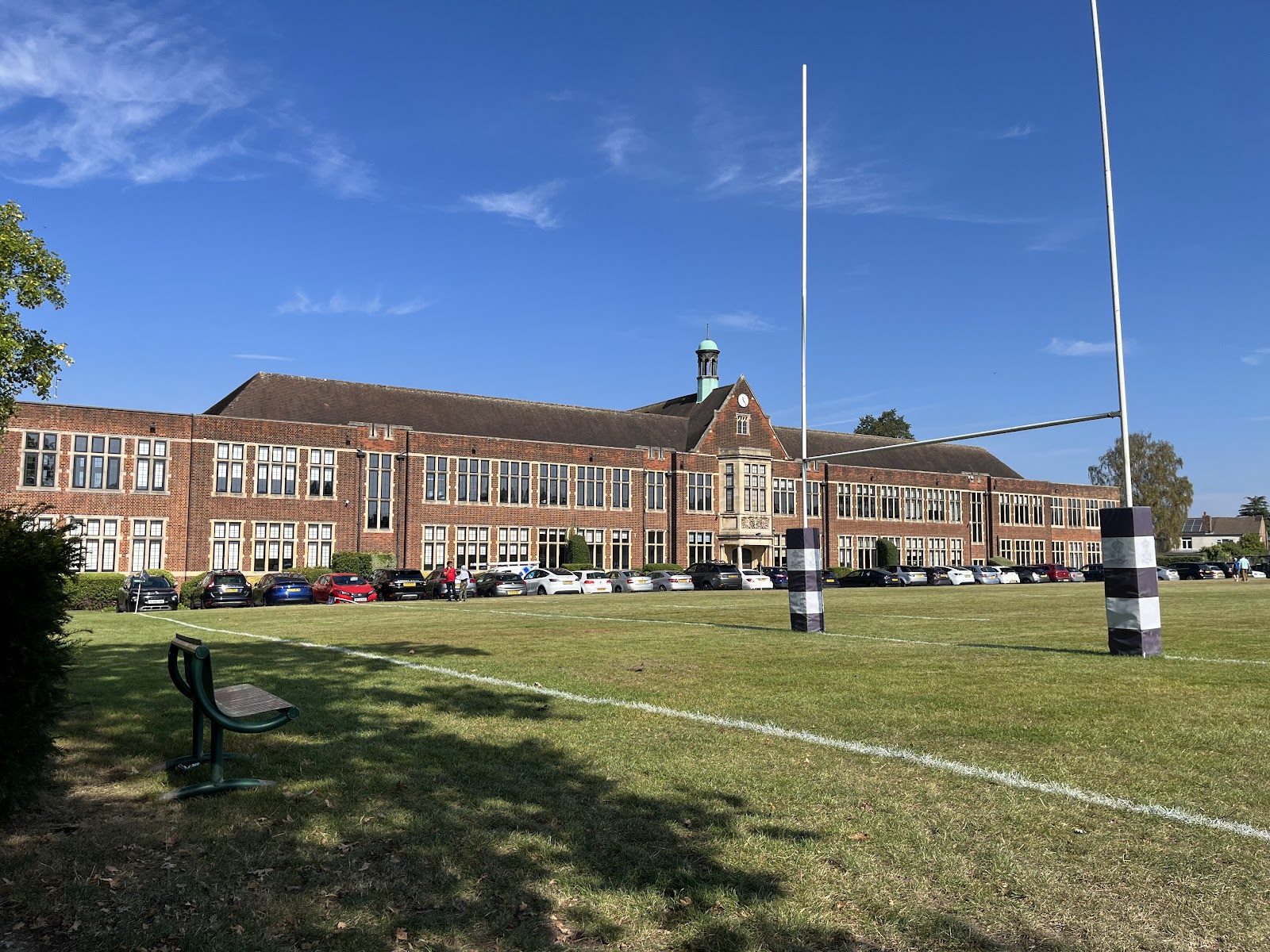
Photo © Dayanandan N via Google Maps
Type
Day
Ages
11–18
Curriculum
British
Ratio
14:1
The Verdict
Editor's commitment
Right for
Boys aged 11–18 who want a selective state grammar school with a 14:1 ratio and a 1573 foundation.
Wrong for
Families wanting co-education, boarding or a softer admissions model; this is a boys' day school with average class size 27.
Watch out for
Academic reputation drives interest, but the school does not publish outcomes here; judge the 11–18 British offer on current results.
Ranking breakdown
Queen Elizabeth's School, Barnet · #40 of 1591
Composite score 79.9. 8 weighted criteria.
By criterion
Academic Outcomes
Weight 20%
#20
of 1529 scored
University Placement
Weight 16%
#24
of 1529 scored
Prestige & Heritage
Weight 12%
#94
of 1571 scored
Alumni Network
Weight 12%
#65
of 1530 scored
Facilities
Weight 12%
#820
of 1533 scored
Transparency & Communications
Weight 8%
#153
of 1532 scored
Peer & Industry Review
Weight 10%
#146
of 1548 scored
Admissions Selectivity & Demand
Weight 8%
#51
of 1529 scored
Peer & Industry Review
How Queen Elizabeth's School, Barnet is regarded in the sector
92
Top-tier · high confidence
Queen Elizabeth's School, Barnet is widely regarded as the benchmark state grammar school in England, with WhichSchoolAdvisor noting it is consistently among the top-performing state schools in England and reporting that in 2025 across 1,900 GCSE entries not a single paper was graded below Grade 4. The Good Schools Guide, which does not accept payment for inclusion, calls it a traditional, well-organised state grammar school, framing it as a unique and unashamed meritocracy in which clever, hard-working boys who like a challenge will thrive. National press coverage reinforces this standing: it was named State Secondary School of the Year by The Sunday Times in 2001, 2007, 2022 and 2026, and independent reporting confirmed it as the UK's top-performing secondary state school in the 2026 Parent Power Guide. With a 450-year history, a strong Oxbridge and Russell Group pipeline, and now the first UK state grammar school expanding internationally via a Dubai campus, its peer and sector reputation is virtually unmatched among state schools.
Editors' overview
Queen Elizabeth’s School, Barnet occupies a rare position in the English state sector: a fiercely academic, highly selective boys’ day school with roots in 1573 and the cultural confidence that long history brings. This is not a gentle comprehensive with a grammar stream attached; it is a grammar school in the full old sense, built for boys who can handle fast pace, heavy competition and a peer group stacked with able students. The headline attraction is simple. Parents who want a state education with the intensity, expectations and university focus of a top independent school will put QE Barnet on the list. The school’s reputation rests on academic performance, selective intake and a strikingly established brand in north London.
What marks it out is the combination of age, selectivity and institutional self-belief. A school founded under a royal charter still trades on serious intellectual ambition, and that matters to families who value scholarship over pastoral rhetoric. The public face is less polished than many fee-charging rivals, but the substance is clear: this is a place that prizes attainment, independence and high-performance habits. A student-teacher ratio of 14:1 and average class size of 27 tell their own story. Individual attention exists, but this is not a boutique environment. Boys need to be self-propelling, resilient and ready to compete without constant hand-holding.
It belongs on a shortlist for families who want academic pressure with purpose, a state-school route into top university applications, and a cohort that treats hard work as normal. It suits boys who enjoy exams, think quickly, absorb challenge and do not need elaborate persuasion to study. It will also appeal to families drawn to institutional gravitas and the cachet of an old grammar school with modern reach. It will not suit every child. Boys who need a softer pastoral culture, broader mixed-ability intake or a less exam-centred atmosphere will find better fits elsewhere. For the right student, though, QE Barnet offers prestige without fees and a hard-edged academic culture that few schools match.
A Global Elite 50 Music school
Music is the standout co-curricular strength at Queen Elizabeth's School, Barnet, reaching a world-class standard. Provision extends well beyond classroom teaching into a full programme of ensembles and performance, and the school's musicians have undertaken international tours to cities including Paris and Vienna. For a state grammar school without independent-sector fees, this level of musical ambition is notable, and it sits comfortably alongside the school's broader emphasis on scholarship and enrichment. Families of musically able boys should expect performance opportunities and touring to be a genuine, sustained feature of school life rather than an occasional add-on.
Academic Performance
Academic performance is the entire proposition here. QE Barnet sits at the sharp end of the state sector and has long ranked among England’s strongest grammar schools for sixth-form outcomes, with A-level results that place it in the company of the country’s most academically selective schools, fee-paying and state alike. That standing does not rest on a single strong year. It rests on sustained public exam performance, a highly filtered intake and a school culture built around scholarship, pace and competitive university preparation. Parents do not choose QE for educational breadth first; they choose it for elite exam performance.
Relative to peers, the comparison group is not the average London secondary or even the average grammar. It is the small cluster of top-flight selective schools that send large numbers of pupils into the most competitive university courses. In that field, QE Barnet remains a serious operator. The caveat is straightforward: raw results reflect both excellent teaching and heavy pre-selection, so they do not tell you how much value the school adds for an individual boy. They do tell you the academic standard of the cohort and the level of daily expectation. For families seeking a results-driven state education, QE belongs near the top of the list.
Facilities
Facilities are not the school’s main selling point, and that distinction matters. QE Barnet wins families on academic culture and outcomes, not on a country-estate campus, theatre complex or glossy sports village. Publicly available detail on specialist spaces is thin, which leaves an opaque picture by the standards of peer schools that publish extensive campus information. One concrete signal does stand out: the school runs its own TEDx event, which points to an auditorium or hall capable of hosting formal talks and a culture that values public speaking alongside exam performance. That is useful, but it is not the same as a broad, well-documented facilities offer.
Against top independent day schools in London, QE’s estate reads as functional rather than lavish. Against other state grammars, that is less of a handicap; many parents in this segment accept modest physical plant if teaching and peer quality are exceptionally strong. The practical question is not whether QE has the flashiest laboratories, arts spaces or sports provision in its cohort — we have not seen enough published detail to award it that status. The practical question is whether the site supports a hard-driving academic routine. It does. Families hunting for architectural drama or a deep co-curricular infrastructure on campus will find richer provision elsewhere. Families content with serious, serviceable facilities in support of a results-first education will not be deterred.
Parents who want a state education with the intensity, expectations and university focus of a top independent school will put QE Barnet on the list
Prestige
QE Barnet carries serious prestige in the English state sector because it offers something rare: a grammar-school education with the social and academic cachet that parents more often associate with top independents. Its name travels well beyond its immediate catchment. In north London admissions culture, QE functions as a shorthand for extreme selectivity, exam ambition and a pupil body recruited from families prepared to organise their lives around winning a place. That matters. Prestige in schools is not only about age or history; it is about who competes to get in, who talks about the school with deference, and how firmly the brand holds its value over time. On that measure, QE sits near the top of the state hierarchy.
The prestige also has substance behind it. This is not a school trading on manners, blazers and nostalgia while results drift. Its standing rests on durable academic seriousness, a hard-driving culture and consistent association with high-end university pathways. The boys-only format sharpens that identity further: QE is not trying to be all things to all families. It is a status school for a narrow brief, and that focus strengthens the brand. There is, though, a limit to the glamour. Outside the UK, the name does not carry the instant global recognition of Eton, Westminster or St Paul’s. Within its own lane, however, QE has formidable clout — and for a school with no fees, that is unusually powerful.
It is the small cluster of top-flight selective schools that send large numbers of pupils into the most competitive university courses
Communications
Communication with parents looks serviceable rather than sophisticated. The public website does the basics: clear navigation, core school information and a visible window onto selected activities, including the school’s TEDx work. That tells parents two useful things. First, the school is willing to put pupil intellectual life on display beyond exam statistics. Second, communication is organised around institutional function, not brand theatre. There is little sign of the polished storytelling, admissions funnel management or constant news churn that independent schools now treat as standard. For many families, that restraint will read as refreshingly no-nonsense. Others will read it as thin.
Effectiveness depends on what a parent wants. If the priority is a steady operational link with a high-performing state grammar, the school clears the bar: key facts are accessible, the tone is formal, and the overall message is consistent with a place running at scale, with average classes of 27 and a culture that expects families to keep up. If the priority is rich disclosure — detailed pastoral messaging, extensive campus explanation, frequent strategic updates, or a strong sense of day-to-day life across departments — the picture is weaker. The school does not communicate with brochure-school fluency. It communicates with the brisk confidence of an institution that knows demand is entrenched and does not feel pressure to oversell itself. For the right audience, that is perfectly adequate. For anxious first-time parents, it leaves gaps.
Uniqueness
What makes QE Barnet distinctive is not heritage alone, nor selectivity alone, but the way those forces lock together inside the state sector. This is a boys’ grammar school with the self-command of an old institution and the working tempo of a modern exam machine. Few schools combine publicly funded access with this level of social competition, parental ambition and academic sorting. The result for pupils is a peer group that normalises intense study, fast comprehension and intellectual one-upmanship. For the right boy, that is electrifying. He does not need to be persuaded that effort matters; the culture settles that on day one. Even the school’s TEDx activity points to something useful beneath the results narrative: boys are not trained only to score, but to articulate, defend and perform ideas in public.
The school is also unusual in the severity of its fit. Many high-performing schools still try to reassure every family that they offer balance for all temperaments. QE does not read that way. Its identity is narrow, unapologetic and high-pressure, and that clarity is an advantage. Boys who thrive here gain more than grades: they learn to work in a room where able peers are everywhere, where weak excuses carry no weight, and where independence is not an aspiration but a daily requirement. That creates formidable academic stamina and a strong preparation for competitive university environments. It also narrows the margin for those who need softer pacing, broader definitions of success or more adult prompting.
For families seeking a results-driven state education, QE belongs near the top of the list
Student Profile
The boys who fit QE Barnet best are fast-thinking, self-propelling and highly comfortable with comparison. This is a school for pupils who treat demanding work as normal, not as an event that needs managing around confidence dips or constant reassurance. The all-boys setting reinforces a direct, competitive social rhythm: classroom status comes from grasping ideas quickly, arguing well and sustaining output over time. A student-teacher ratio of 14:1 and average class size of 27 also point to an environment where boys need to organise themselves, keep pace and recover from setbacks without heavy adult intervention. The ideal pupil does not just test well at entry; he has the stamina to live inside an unapologetically high-pressure peer group for years.
This suits academically ambitious families who want a state grammar with old-school intellectual severity and little interest in softening its edges. Boys with genuine appetite for scholarship, strong exam technique and enough social resilience to handle being one able pupil among many will thrive. So will pupils who enjoy formal speaking and public intellectual life, as the school’s TEDx activity hints. The weaker fit is clear. Boys who need a warmer pastoral atmosphere, more visible emotional cushioning or broader validation beyond academic distinction will find the culture hard-edged and, at times, not for the faint-hearted. QE rewards discipline, composure and internal drive. It does not slow the pace for reluctant high achievers.
Against top independent day schools in London, QE’s estate reads as functional rather than lavish
Co-curricular strengths
Arts & sport, on a separate axis
Overall 7.58/10
Scored 0-10 from the school's own published evidence. This axis is editorial-only — it does not feed the main WTS ranking.
Sports
8/10
Highly disciplined physical programming anchored by the state-of-the-art Martin Swimming Pool; dominant in national water polo.
Drama
8.2/10
Active classical drama societies and Shakespeare showcases focused on building public speaking and confidence traits.
Dance
4.5/10
Auxiliary track used mostly as an internal performance asset for intra-school house arts competition weeks.
Music
9.2/10
Highly elite music wing backed by the custom Friends' Recital Hall, supporting top-tier youth orchestras in London.
Visual Arts
8/10
Highly structured fine art layout leaning heavily toward technical drawing and architecture to feed their massive engineering tracks.
Editor-verified · 8/6/2026

WTS 300 badge
Queen Elizabeth's School, Barnet is one of the World's Top 300 Schools. Claim your listing to add it to your site →
Strengths
- +Selective state grammar school and academy for boys aged 11-18 in Chipping Barnet, founded in 1573, with no tuition fees.
- +Rated Outstanding by Ofsted in all areas at its May 2022 inspection, the sixth consecutive time it has been awarded the highest grade.
- +Placed first in national state-school rankings combining GCSE and A-level performance, and named The Sunday Times State Secondary School of the Year for 2026.
- +World-class music provision, with an enrichment programme extending to international music tours.
- +No catchment area, so eligible boys can apply from across London and beyond rather than being restricted by postcode.
Considerations
- −The school admits boys aged 11-18 only, so it is not an option for families with daughters or those wanting co-education.
- −Entry is fiercely competitive, with well over 2,000 applicants each year for roughly 180 Year 7 places and recently reported combined-score cut-offs above 220.
- −The intake is socioeconomically narrow, with free-school-meal eligibility well below the national average.
- −Admission runs through the UK state system: parents must complete both the school's online registration form and the local authority Common Application Form, which can be a hurdle for families newly relocating to the UK.
Availability
Primary entry gate & tests
11+ Entrance Exam (Boys)
Gallery
Photo © JohnO via Google Maps
Photo © Annalisa Caciorgna via Google Maps
Photo © Phil G via Google Maps
Photo © Phil G via Google Maps
Photo © Alix of Baden via Google Maps
Photo © Phil G via Google Maps
Photo © Phil G via Google Maps
Photo © MoRaL's via Google Maps
Photo © P Reddy Madadi via Google Maps
Parent reviews
Have you sent your child here?
Voice reviews carry the strongest trust badge — we transcribe them for you to tidy up before they go live. Prefer to type? A written review is fine too.
Add your voice
In 60 seconds, tell other parents: what's the best thing about Queen Elizabeth's School, Barnet, and what surprised you when your child joined?
We ask for a Google sign-in so every review has a real face behind it — no anonymous drive-by attacks on schools, and no faked positive reviews. Your email is never shown publicly.
Send this profile to a friend
International parents rely on word-of-mouth. Share this review with someone weighing the same decision.
Schools with places
Similar schools to Queen Elizabeth's School, Barnet with places available now.
Merchant Taylors' School
Northwood · United Kingdom
- 2026-27
- CLOSEDStandard route
- 2027-28
- PLACES OPEN11+/16+ Active (Closes Oct 31)
Haberdashers' Boys' School
Elstree · United Kingdom
- 2026-27
- CLOSEDStandard route
- 2027-28
- PLACES OPENCloses Nov
Haileybury
Hertford · United Kingdom
- 2026-27
- CLOSEDStandard route
- 2027-28
- PLACES OPEN16+ Active; 13+ Std Closed; 13+ Late enquire
Availability first, then country, area, curriculum, price, co-curricular
Consider also
Also worth looking at alongside Queen Elizabeth's School, Barnet.
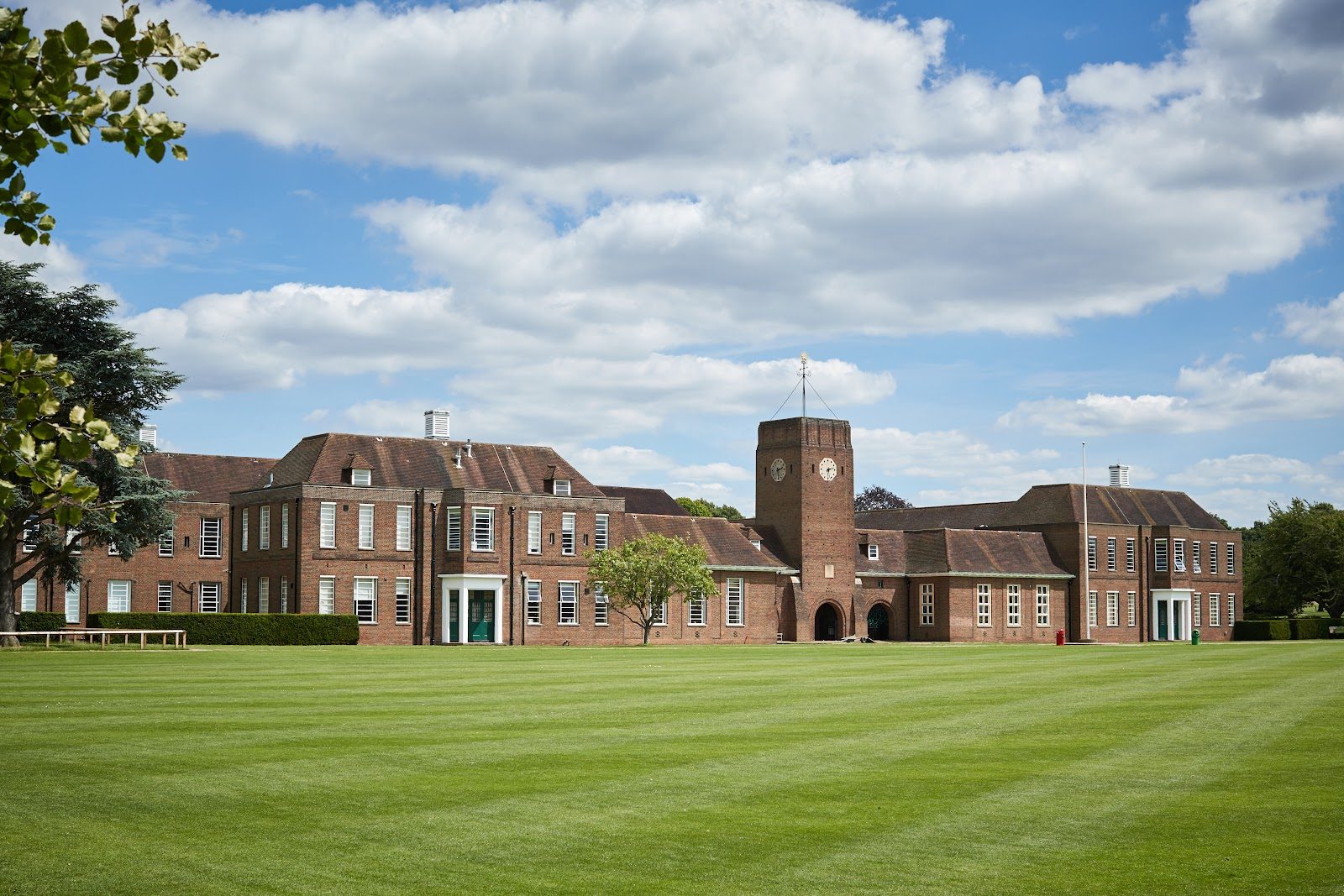
Merchant Taylors' School
Northwood · United Kingdom
A 1561 City livery-company foundation now spans 285 Art Deco acres near Northwood, its GCSE grades among England's top one percent.

Manchester Grammar School
Manchester · United Kingdom
Founded in 1515 as a free grammar school, this Rusholme day school still funds over 200 bursary places every year.
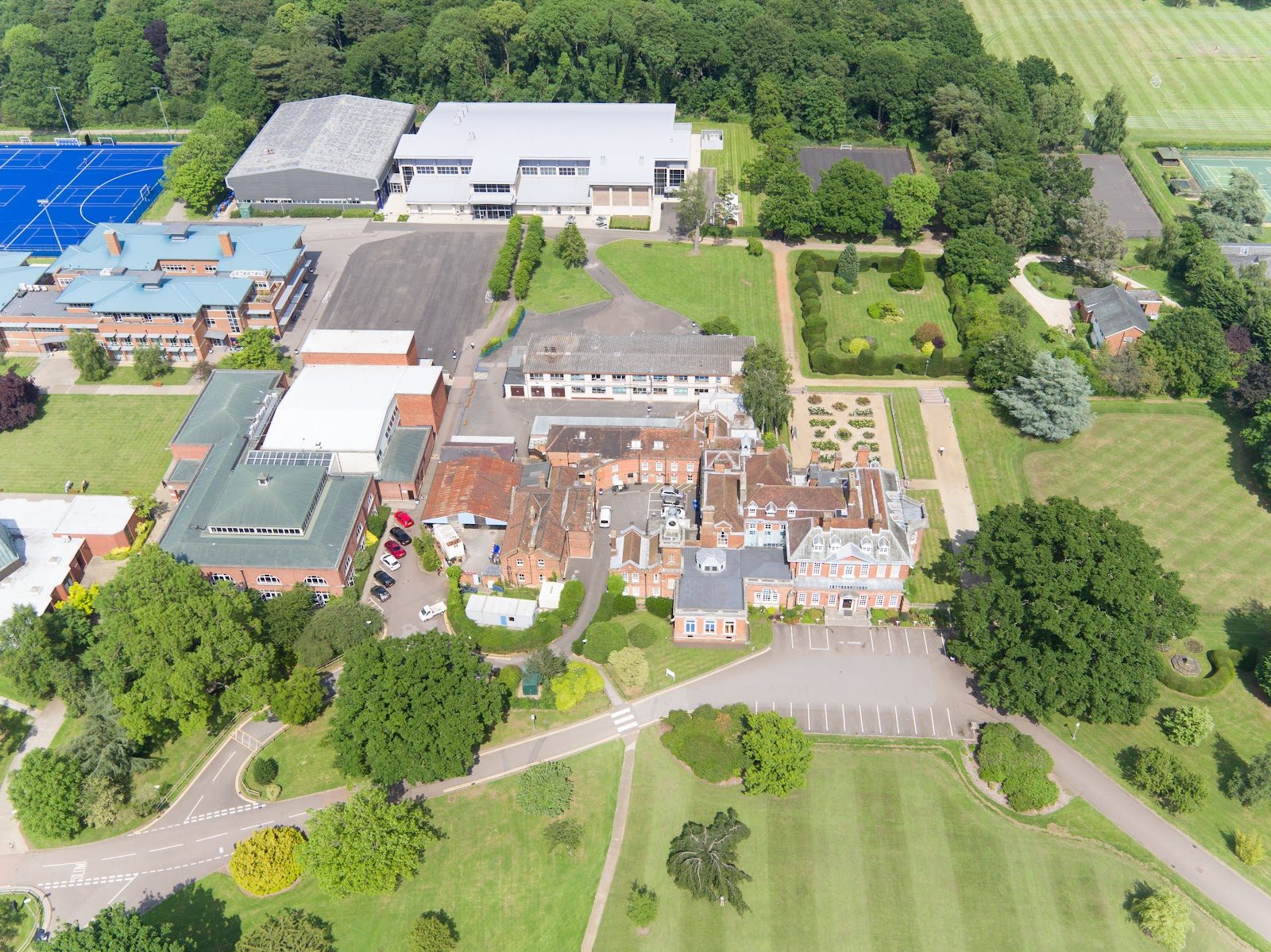
Haberdashers' Boys' School
Elstree · United Kingdom
A 104-acre green-belt campus and a 34-route coach network bring rigorous, Oxbridge-focused schooling within reach of London
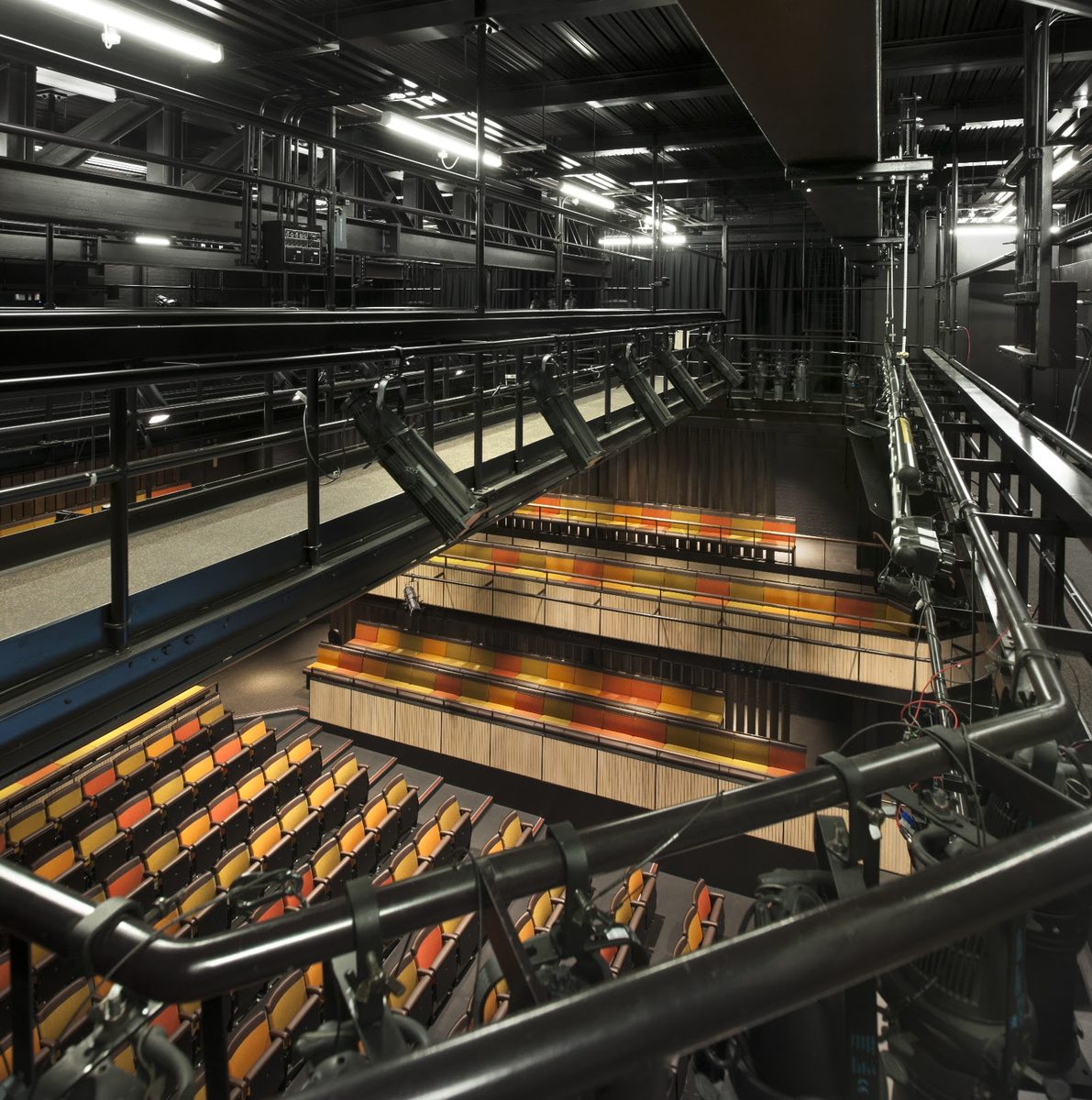
The Perse School
Cambridge · United Kingdom
Founded in 1615 as a free grammar school, Cambridge's oldest secondary keeps classics and coding on equal footing en route to Oxbridge.
Same country and curriculum — closest matches within ±10 points either way