
Connecticut
Kent School
low confidence· 2/6 cats · 2.6 avg sourcesOn the banks of the Housatonic, a century-old rowing tradition steers a rigorous AP curriculum on a 1,200-acre Connecticut campus.

Photo © Di Lou (Dee Lo) via Google Maps
Type
Both
Ages
14–18
Curriculum
US High School Diploma · Advanced Placement
Ratio
5:1
The Verdict
Editor's commitment
Right for
Teenagers who want a 520-student Episcopal boarding school with a 5:1 ratio, 12-pupil classes and a serious AP track.
Wrong for
Families wanting a large, secular day school at lower cost; day fees average $62,900 and boarding averages $83,700.
Watch out for
Kent sells purpose and self-reliance hard; on a 1,200-acre campus, students who need constant scaffolding can get lost.
Ranking breakdown
Kent School · #428 of 1591
Composite score 69.9. 8 weighted criteria.
By criterion
Academic Outcomes
Weight 20%
#261
of 1529 scored
University Placement
Weight 16%
#219
of 1529 scored
Prestige & Heritage
Weight 12%
#139
of 1571 scored
Alumni Network
Weight 12%
#1306
of 1530 scored
Facilities
Weight 12%
#110
of 1533 scored
Transparency & Communications
Weight 8%
#204
of 1532 scored
Peer & Industry Review
Weight 10%
#221
of 1548 scored
Admissions Selectivity & Demand
Weight 8%
#282
of 1529 scored
Peer & Industry Review
How Kent School is regarded in the sector
82
Strong · medium confidence
Kent School is a well-known Connecticut boarding school consistently included in rankings and guides of top US boarding schools (e.g., Niche.com's top boarding schools lists, Boarding School Review), with a strong athletic and rowing tradition and a notable alumni network including figures in business, politics, and the arts. It is a member of the Eight Schools Association-adjacent prep school circuit and frequently discussed in college counseling and boarding school forums alongside peers like Hotchkiss, Taft, and Salisbury, though it is generally seen as a strong but not quite top-tier (e.g., not Andover/Exeter level) institution.
Evidence sources
- Aga Khan IV — 49th Imam of Ismaili Muslims, philanthropist/business investor
- F. Ross Johnson — CEO, RJR Nabisco
- William Scranton — Governor of Pennsylvania, politician
Editors' overview
Rowing is the obvious hook at Kent, but the school’s real distinction is the way it binds old New England boarding-school culture to a tightly staffed academic model. This is a coeducational Episcopal boarding school in Kent, Connecticut, founded in 1906, serving 520 students in grades 9–12 with a post-graduate option. The setting matters: a 1,200-acre campus on the Housatonic gives the place physical scale, and the century-old rowing tradition is not decorative. Neither is the academic structure. A 5:1 student-teacher ratio and average classes of 12 put Kent in the category of schools where adults know students well and idleness is hard to hide. The curriculum is the US High School Diploma with Advanced Placement, so this is a school for families who want a conventional American college-preparatory route rather than IB breadth or a progressive, loose-edged programme.
What puts Kent on a shortlist is the combination of serious adult oversight, ritualised community life and a clear sense of institutional identity. The school states its Episcopal roots plainly and does not dilute them into vague language about “values”; chapel, spiritual life and the school’s own competencies sit inside the daily fabric. That will suit some families and rule it out for others. Kent also trades on tradition without letting the whole offer collapse into nostalgia: Rock Day, class rituals and boarding culture give it social glue, while the academic proposition stays rigorous and legible. NAIS accreditation adds a baseline mark of credibility, but parents should focus less on the badge and more on the operational facts: small classes, full boarding infrastructure and a school large enough to offer breadth without becoming anonymous. At an average annual fee of $84,000 for boarders and $63,000 for day pupils, Kent sits in the expensive, high-commitment end of the US independent-school market.
The best fit is a student who wants structure, tradition and close contact with teachers, and who will use a boarding campus rather than merely inhabit it. Kent suits teenagers who are *robust, sociable and game for institutional life*: crew athletes, committed performers, diligent AP students, and adolescents who like the idea of shared customs and a moral vocabulary that the school actually uses. It does not suit families looking for a secular atmosphere, a highly urban sixth-form experience, or a school that defines itself through public exam data and published league-table style outcomes; Kent does not publish aggregate AP results in the public domain here. Its alumni footprint is substantial, with 148 notable alumni catalogued in Wikidata across politics, business, scholarship, the arts and sport. That breadth reinforces the school’s market position: Kent is not a niche specialist; it is a full-culture American boarding school with a strong sense of self, and that clarity is its strength.
Academic Performance
Kent’s academic performance is harder to judge than its staffing model or campus culture, because the school does not publish aggregate AP scores, mean AP grades, or a full university-destination breakdown in the public domain. That matters. In a US college-preparatory market where many rivals trumpet testing data at every turn, Kent asks families to trust the school’s internal confidence rather than inspect a clean results table. For some parents, that opacity is a serious drawback. For others, especially those weighing schools through fit, teaching access and sixth-form maturity rather than headline score-chasing, it will feel perfectly acceptable. What can be said with confidence is that a school of this type, with a 5:1 staffing ratio and classes averaging 12, has the structural conditions for close academic supervision, regular written feedback and swift intervention when a pupil drifts.
Relative to peers, Kent fits the high-expectation traditionalist end of the American boarding-school sector rather than the data-marketing end. The AP route gives pupils recognised external benchmarks, but Kent does not use public exam statistics as a selling tool. That places it behind the most transparent competitors on pure disclosure, and parents who want published score distributions should treat that as a real limitation, not a footnote. Still, the combination of a long-established college-preparatory model, explicit habits-of-mind framework and compulsory contribution to community life points to a school that values disciplined performance over showy metrics. Kent’s academic reputation rests on institutional seriousness, not on a spreadsheet released to the public.
Facilities
Kent’s facilities matter because they support a boarding-school life built around supervision, ritual and organised activity rather than loose independence. The campus is vast by any standard, and the river setting gives the rowing programme a practical advantage that many rivals cannot match on site. At schools where crew is central, direct water access is a real asset, not a brochure flourish. The chapel also carries more weight here than at secular peers or church-affiliated schools where religious identity has faded into branding; at Kent, spiritual life has a physical centre and that shapes the rhythm of the place. Add the stage, dormitories, playing fields and student centre named in the school’s own description, and you get a campus designed for full-immersion boarding life, not a day school with beds attached.
Against peer boarding schools, the strength here is not a parade of flashy specialist buildings but a coherent, old-style residential estate where academic, spiritual, athletic and social spaces all pull in the same direction. The student jobs tradition also changes how facilities function: dining hall, grounds and shared spaces are part of the educational model, not just serviced amenities. Families looking for showpiece innovation labs or a visibly corporate, newly built campus may find Kent less glossy than competitors in the top fee bracket. Families who value landscape, rowing infrastructure, chapel-centred community and the serious uses of space that define classic New England boarding schools will find a stronger proposition. The scale of the grounds — 1,200 acres — places Kent among the more generously sited schools in its market.
Families looking for showpiece innovation labs or a visibly corporate, newly built campus may find Kent less glossy than competitors in the top fee bracket
Prestige
Kent carries real boarding-school prestige, but not the loud, brand-saturated kind that trades on relentless public self-promotion. Its status rests on a durable mix of selectivity, institutional continuity, expensive full-service provision and a social world that still values inherited customs, chapel, shared obligations and adult authority. The school’s alumni base strengthens that standing. 148 notable alumni catalogued in Wikidata is a substantial footprint for a school of this size, with reach across politics, finance, scholarship, journalism, the arts and elite sport. That breadth matters more than a single celebrity name: it shows Kent has long fed graduates into the American establishment and into public-facing professions that confer visibility. In prestige terms, this is a serious old-school institution, not a fashionable newcomer and not a merely local private school.
That said, Kent sits a rung below the tiny group of US boarding schools whose names function as global shorthand in every market. Its prestige is strong but not absolute. The school projects cultural confidence through ritual, discipline and a clearly held Episcopal identity, and for the right family that reads as high-status substance rather than quaint theatre. The fees reinforce the point: an average annual charge of $83,700 for boarding places Kent firmly in the top end of the market. We rate its prestige highly because the school combines wealth, history, recognisable alumni output and a coherent institutional identity. We do not rate it at the very summit because its public academic disclosure is thinner than that of the most assertive rivals, and because its name carries more weight in US independent-school circles than in every international household.
The fees reinforce the point: an average annual charge of $83,700 for boarding places Kent firmly in the top end of the market
Communications
Kent communicates in the same register it uses to run the school: direct, formal and institution-first. The public-facing message is clear on mission, chapel life, equity and inclusion, student obligations and inherited rituals. That matters, because parents can see the school’s expectations before a child arrives. There is no attempt to sand down the Episcopal identity into generic wellbeing language, and no effort to disguise the demands of communal life behind glossy lifestyle copy. That gives families a clean read on the culture. A school with around 520 pupils and a 5:1 staffing ratio also has the operational conditions for close parent contact when needed: staff know students, issues surface early, and communication can stay personal rather than bureaucratic. For boarders, that level of adult visibility is a serious strength.
The weakness is external transparency. Kent explains who it is better than it proves how well it performs. Parents get a strong account of values, traditions and daily life, but not the kind of academic disclosure that many fee-paying families now expect as standard. We have not seen aggregate AP outcomes or a detailed public results picture, and that limits trust at the exact point where expensive schools need to be most concrete. So the verdict is mixed but firm: communication about ethos and expectations is excellent; communication about measurable academic outcomes is too guarded. Families choosing on culture will find reassurance. Families choosing on published performance data will find a gap.
Uniqueness
Kent’s distinctiveness lies in how thoroughly it makes community a lived obligation rather than a slogan. The clearest example is the student jobs system: every pupil carries a regular duty in the running of shared life, from dining hall work to helping maintain the campus. That is old-fashioned in the best sense and more demanding than the token service hours many schools badge as character education. Add chapel, class rituals, elected student leadership and a house-and-dorm rhythm that ties daily conduct to institutional expectations, and Kent produces a high-structure adolescence with very little room for passive consumption. Students do not just attend; they contribute, perform, turn up and pull weight. For the right teenager, that builds real self-command, social fluency and resilience.
The other point of difference is the marriage of that communal discipline with a setting built for immersion. A student body of 520 is large enough for range and small enough for visibility, while the vast riverside estate gives traditions such as rowing genuine force rather than symbolic value. The result is a school where landscape, ritual and adult oversight all reinforce one another. Kent is not unique because it offers rare subjects or a novel educational theory. It is unique because it still believes in a fully inhabited boarding-school culture — spiritual, physical, social and academic — and has the scale, confidence and staffing to enforce it. That brings clarity, belonging and pressure in equal measure.
Kent’s distinctiveness lies in how thoroughly it makes community a lived obligation rather than a slogan
Student Profile
The best fit at Kent is a teenager who wants structure and will not fight it. This is not a casual, pick-and-mix adolescence. The school asks pupils to live inside a framework of chapel, shared rules, formal traditions and communal obligations, and it suits students who gain energy from that kind of order. A child who likes being known by adults, accepts correction without drama and can handle a day with little dead air will do well. The student jobs tradition is a strong filter: pupils are expected to contribute to the running of the place, not just consume what a high-fee school provides. That makes Kent a strong match for grounded, community-minded students and a poor one for the precious or self-excusing. With a 5:1 student-teacher ratio and classes averaging 12, invisibility is not on offer.
Socially, Kent suits adolescents who can operate in a close residential culture where customs carry weight and peer life has memory. Rowers and other committed athletes fit naturally, but the deeper common trait is willingness to join in: attend, help, practise, lead, repeat. The Episcopal identity also matters. Families do not need to share the faith, but they do need tolerance for a school that treats spiritual life as part of the institution rather than an optional extra. Students who want a high-accountability, ritual-heavy environment with adult presence everywhere will thrive. Students chasing maximum independence or a detached, transactional school experience will chafe.
Kent is not unique because it offers rare subjects or a novel educational theory
Co-curricular strengths
Arts & sport, on a separate axis
Overall 8.6/10
Scored 0-10 from the school's own published evidence. This axis is editorial-only — it does not feed the main WTS ranking.
Sports
9.2/10
Playing fields and describes Kent as having a 'widely recognized rowing reputation' and a 'nationally competitive rowing program,' which constitutes notable strength through recurring competitive results and sport-specific prestige.
Drama
8.5/10
Verified alumni laureates include Ted Danson, Peter Farrelly, and Seth MacFarlane, and the policy states that 3+ star-tier laureates anchor a dimension at at least 8 regardless of limited programme detail in the prose.
Dance
8/10
Music
8.8/10
Visual Arts
8.5/10
Editor-verified · 8/5/2026
Notable alumni · Wikidata
148notable alumni
45 historic (born pre-1930) · 33 modern (born post-1970)wikidata:2026-08-02 How we source this
Strengths
- +Founded in 1906 in the Episcopal tradition, Kent School has more than a century of continuous operation as a coeducational boarding school.
- +The 1,200-acre campus sits directly on the Housatonic River, giving the school's near-century-old rowing program a rare on-site training water just steps from the dormitories.
- +Kent draws boarding and day students from over 40 countries, giving the community a genuinely international boarding cohort rather than a mostly local day population.
- +The school operates a substantial need-based financial aid program, with an average award of roughly $59,200 and about a third of students receiving assistance.
- +Notable alumni include philosopher John Rawls, former Secretary of State Cyrus Vance, and actor Treat Williams, indicating a long track record of producing high-profile graduates.
Considerations
- −Boarding tuition runs in the region of $73,000-$81,500 depending on the year cited, placing Kent among the costlier US boarding options for relocating families.
- −The campus is in rural northwestern Connecticut, meaning families should factor in a multi-hour journey from New York City or Hartford for visits and airport transfers.
- −Published acceptance-rate figures vary widely across directories (from mid-teens to high-30s percent), so families cannot rely on a single, consistent selectivity benchmark.
- −As an Episcopal-affiliated school with twice-weekly chapel services, families seeking a strictly secular environment should weigh this institutional character.
Availability
Primary entry gate & tests
SSAT/ISEE + Interview
Gallery
Photo © Di Lou (Dee Lo) via Google Maps
Photo © Mark Gosden via Google Maps
Photo © Mark Gosden via Google Maps
Photo © Mark Gosden via Google Maps
Photo © Constance Hannon via Google Maps
Photo © william forrester via Google Maps
Photo © Kent School via Google Maps
Photo © Kent School via Google Maps
Photo © Kent School via Google Maps
Parent reviews
Have you sent your child here?
Voice reviews carry the strongest trust badge — we transcribe them for you to tidy up before they go live. Prefer to type? A written review is fine too.
Add your voice
In 60 seconds, tell other parents: what's the best thing about Kent School, and what surprised you when your child joined?
We ask for a Google sign-in so every review has a real face behind it — no anonymous drive-by attacks on schools, and no faked positive reviews. Your email is never shown publicly.
Send this profile to a friend
International parents rely on word-of-mouth. Share this review with someone weighing the same decision.
Schools with places
Similar schools to Kent School with places available now.
Brunswick School
Greenwich · United States
- 2026-27
- CLOSEDRegular cycle
- 2027-28
- OPENS SOONOpens Sept '26
Greenwich Academy
Greenwich · United States
- 2026-27
- CLOSEDRegular cycle closed
- 2027-28
- OPENS SOONOpens Sept '26
Hopkins School
New Haven · United States
- 2026-27
- CLOSEDRegular cycle
- 2027-28
- OPENS SOONOpens Sept '26
Loomis Chaffee School
Windsor · United States
- 2026-27
- WAITPOOLLate/Rolling Space Available
- 2027-28
- OPENS SOONOpens 1 Sept '26
Availability first, then country, area, curriculum, price, co-curricular
Consider also
Also worth looking at alongside Kent School.

Episcopal High School
Alexandria · United States
A 130-acre hilltop campus 10 minutes from the Capitol, running America's only fully residential school of its caliber in a major metro area.
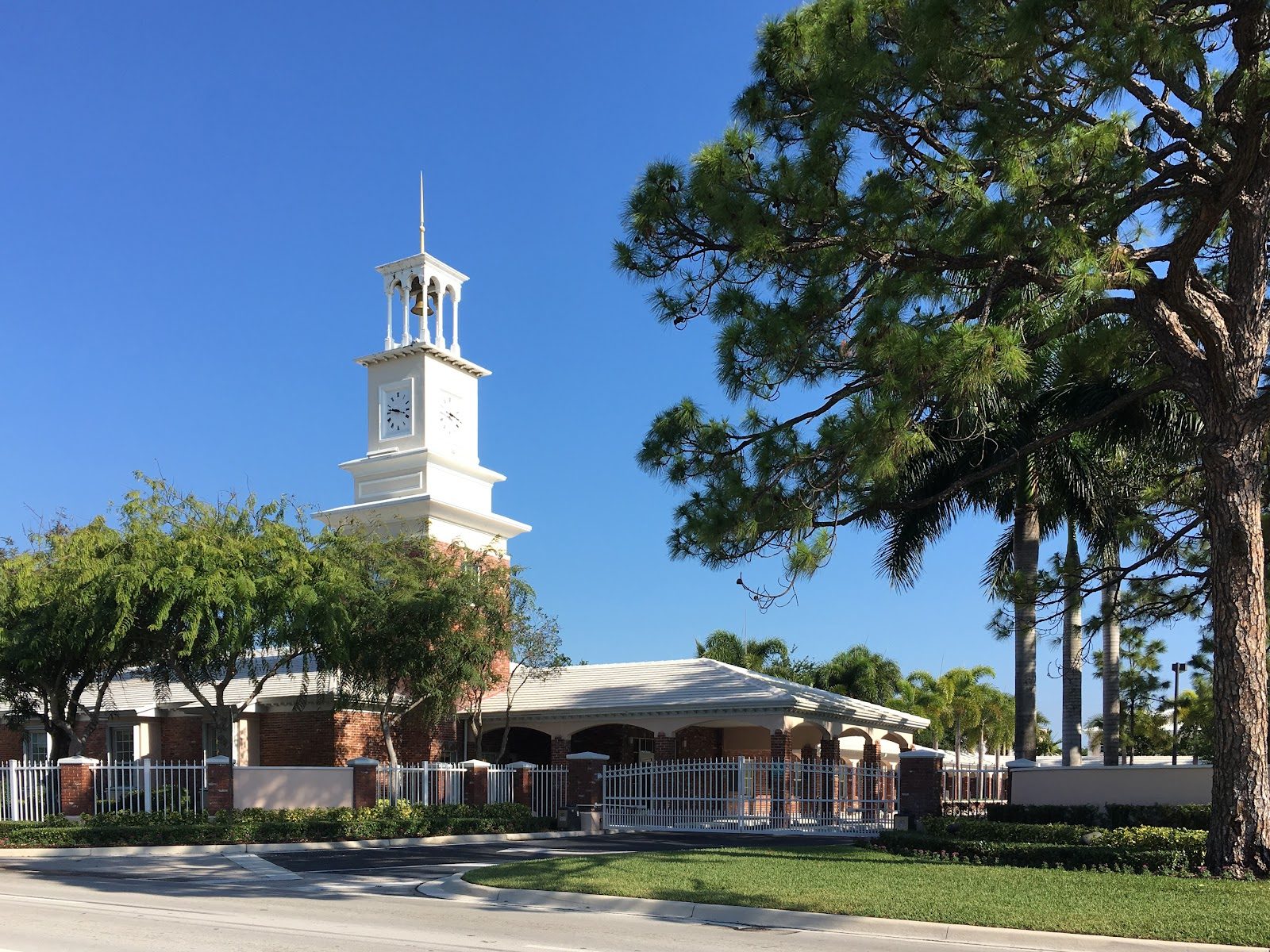
Pine Crest School
Fort Lauderdale · United States
Born as a 1930s tutoring practice for winter visitors, this Fort Lauderdale day school now tops the nation's Challenge Index rankings.
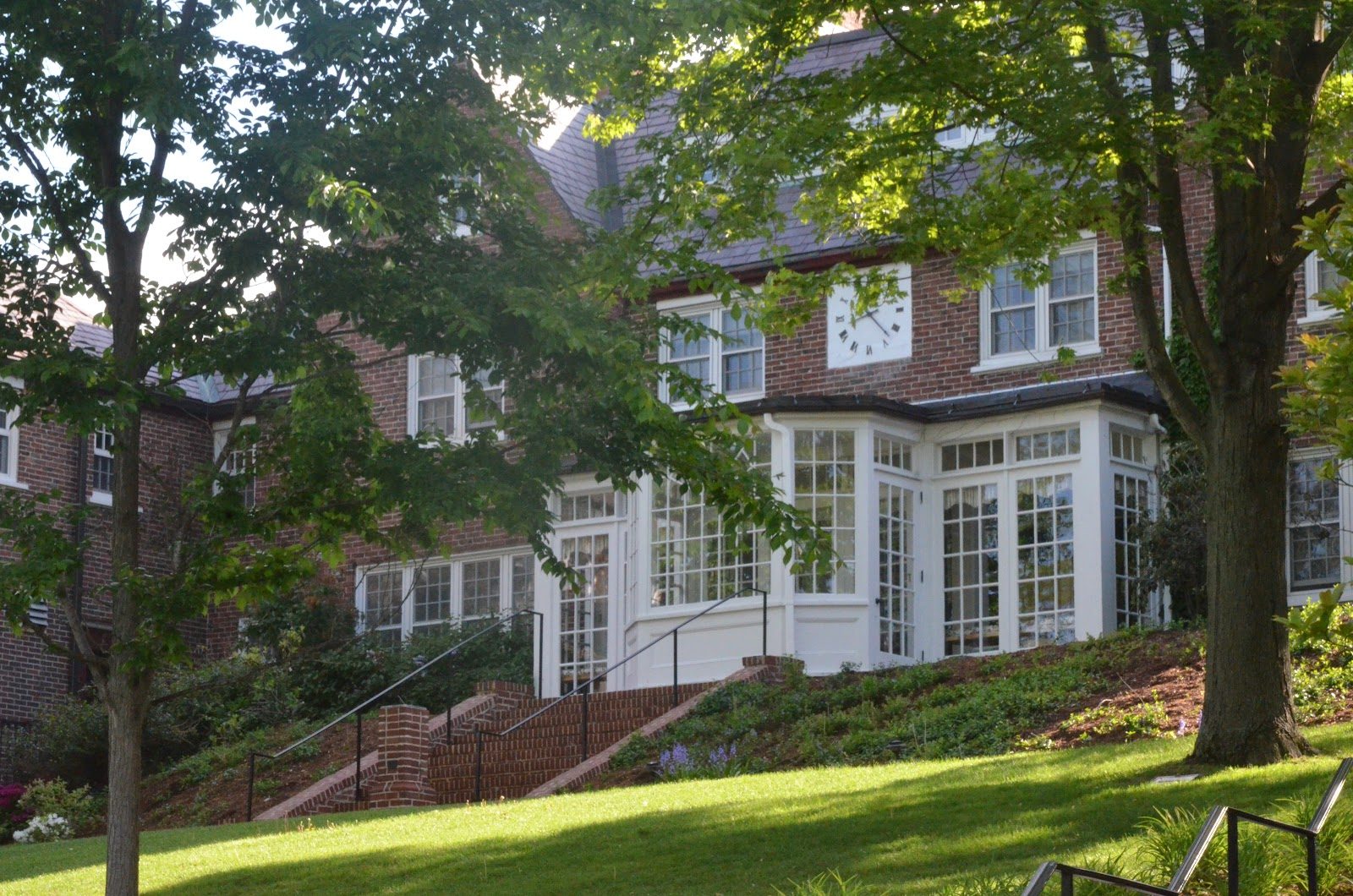
Belmont Hill School
Belmont · United States
A hilltop day school outside Boston, where jacket-and-tie ritual and family-style lunch anchor a century-old all-boys formation.

Ransom Everglades School
Miami · United States
On Biscayne Bay since 1903, where sailing and marine science turn the water itself into a classroom
Same country and curriculum — closest matches within ±10 points either way