
Colorado
A 200-acre foothills campus with reservoirs, canoes and wetlands doubles as home to a student-run credit union founded in 1984.

Photo © From a Google User via Google Maps
Type
Day
Ages
11–18
Curriculum
American
Qualifications
AP · US High School Diploma
Ratio
8:1
The Verdict
Editor's commitment
Right for
Children who will use a 200-acre Englewood campus properly: grades 6-12, 200+ courses, an 8:1 ratio and serious room to roam.
Wrong for
Families wanting cheap access or a primary-through school: this is day-only, ages 11-18, and the average annual fee is $43,250.
Watch out for
Kent Denver talks fluently about mission and inclusion, but publishes no exam data or university outcomes here; 789 students and ACIS accreditation do not fill that gap.
Ranking breakdown
Kent Denver School · #259 of 1591
Composite score 72.9. 8 weighted criteria.
By criterion
Academic Outcomes
Weight 20%
#386
of 1529 scored
University Placement
Weight 16%
#354
of 1529 scored
Prestige & Heritage
Weight 12%
#377
of 1571 scored
Alumni Network
Weight 12%
#195
of 1530 scored
Facilities
Weight 12%
#279
of 1533 scored
Transparency & Communications
Weight 8%
#354
of 1532 scored
Peer & Industry Review
Weight 10%
#385
of 1548 scored
Admissions Selectivity & Demand
Weight 8%
#438
of 1529 scored
Peer & Industry Review
How Kent Denver School is regarded in the sector
73
Respected · medium confidence
Within the Denver independent school landscape, Kent Denver is generally spoken of alongside a small set of established peers such as Colorado Academy and St. Mary's Academy, competing chiefly on athletics, academics and college placement rather than national profile. Its matriculation lists reportedly include a mix of flagship state universities and selective private colleges, consistent with a strong regional day school rather than a national feeder. Coverage in UK-oriented independent-school press such as the Good Schools Guide or WhichSchoolAdvisor is minimal to absent, since these outlets concentrate on British and internationally boarding-focused institutions; Kent Denver's visibility is instead carried through US regional education reporting and Colorado independent-school association channels. There is no strong evidence of it appearing in national US league tables with the prominence of the most storied East Coast prep schools. In short, its standing is that of a well-regarded, locally trusted institution with a solid but not headline-grabbing national or international reputation.
Editors' overview
Kent Denver’s defining advantage is physical as much as academic: a 200-acre campus in the Colorado foothills, with reservoirs, canoes and wetlands, gives the school room to do things that urban private schools cannot. That matters because this is not a cramped college-prep operation trading on aspiration alone. It runs an American curriculum for ages 11 to 18 on a genuinely expansive site, and it does so with 8:1 student-to-teacher ratio. The school enrols 789 students in grades 6–12, draws them from 55 zip codes, and reports that 86% of faculty hold advanced degrees. Parents looking for a serious academic day school with scale, space and a broad metro catchment will understand the appeal quickly.
What makes Kent Denver memorable, though, is the combination of institutional heft and unusual student responsibility. The standout example is the student-run credit union founded in 1984: not a token enterprise project, but a durable piece of school life that tells you something about the place. This is a school that values scholarship and character in plain terms and sets high expectations around both. It also states its commitment to a diverse community across gender, ability, religion, sexual orientation, race, ethnicity and economic background, and backs access with $5.6 million in annual financial aid; 22% of students receive aid, with an average award of $31,606. At an average annual fee of $43,250, Kent Denver sits in the expensive bracket of the US day-school market, but it offers the infrastructure, staffing and programme breadth to justify that position.
It belongs on a shortlist for families who want a high-functioning, academically ambitious, non-religious day school without the social sprawl or anonymity that larger public systems can bring. It will suit students who are curious, organised and ready to use a campus fully: the child who wants strong classroom teaching, plenty of courses, real extracurricular range and adults who know them well. It will also suit students who like institutions with clear standards rather than therapeutic vagueness. The less obvious point is that Kent Denver is not for children who need a loose structure or who want a narrow, purely exam-driven experience. Its attraction lies in breadth, expectation and engagement. For the right student, that mix is hard to replicate.
Academic Performance
Kent Denver publishes one headline outcome with confidence: 100% college acceptance. That tells parents something useful about baseline competence and college counselling, but it does not settle the harder question of academic performance against top independent-school peers. The school also advertises a course catalogue of more than 200 classes, with AP and honours options, which signals breadth and ceiling. What it does not publish here is the data that serious comparison requires: aggregate AP scores, mean SAT or ACT results, matriculation distribution by selectivity, or subject-by-subject examination performance. That gap matters. In a results-conscious market, schools with genuinely strong external outcomes put more numbers into the public domain.
Set against peers, Kent Denver therefore reads as a school with solid academic infrastructure and opaque public reporting. The low staffing ratio, advanced-degree-heavy faculty and explicit college-preparatory mission all support the case for high attainment, and the universal college placement figure rules out any weak finish. But without published score profiles, it is impossible to place the school precisely in the top tier on results alone. Parents should treat it as an academically serious school with broad course access and a strong onward-placement machine, then ask for the missing performance data directly. At this level of fees, polished messaging is not enough; hard numbers are the standard.
Facilities
The campus is the headline facility here, and with reason. Few day schools offer a site of this scale, let alone one with reservoirs, canoes and wetlands built into daily school life. That gives Kent Denver something many urban independents cannot match: room for fieldwork, outdoor education, sport and simple physical ease. Add more than 100,000 square feet of renovated classroom space and the practical picture sharpens. This is not a school making do with decent teaching inside a constrained estate; it has serious physical capacity. For families comparing it with other college-prep day schools, that matters. Many peers have strong labs, theatres and playing fields. Far fewer have a campus that changes how students move, gather and learn across the day. The result is a distinctive operational advantage, not just a pretty setting.
Beyond the land itself, the important point is programme infrastructure. Kent Denver offers the facilities base to sustain a genuinely broad student experience: extensive athletics provision, a large club ecosystem, elective space in the middle school, and the kind of specialist settings required for signature programmes. The student-run credit union stands out because it implies dedicated space, systems and adult oversight behind the scenes, not just a clever line in a prospectus. Against peers, the school sits in the well-resourced upper bracket for a non-boarding day school. What it does not advertise heavily, at least in public, is the granular detail parents may want on performing arts venues, laboratory specification or maker facilities. Ask for that tour.
It runs an American curriculum for ages 11 to 18 on a genuinely expansive site, and it does so with 8:1 student-to-teacher ratio
Prestige
Kent Denver carries real regional standing in the Denver independent-school market. That status rests on substance, not mystique: a long-established college-preparatory identity, selective private-school economics, a broad course catalogue, serious athletics, and the kind of extracurricular architecture that marks out an institution with depth rather than a pleasant small school with ambitions. The student body draws from a wide metropolitan footprint, which matters. Schools with weak pull do not attract families from across dozens of catchment areas. The school also has the confidence of a place that expects to be considered among the city’s leading non-religious day options, and the scale of financial aid reinforces that point: this is not a niche boutique operation, but a high-status, well-resourced institution with reach.
That said, prestige here is *earned more through local reputation than national myth*. Kent Denver does not trade on old East Coast boarding-school cachet, nor does it publish the full battery of outcome data that would strengthen a claim to elite academic transparency. Its public prestige therefore rests on known strengths that parents can see clearly: a low adult-to-student ratio, more than 200 courses, 23 sports offerings, and a full extracurricular programme that includes unusual student responsibility, not least the student-run credit union. At an average annual fee of $43,250, families buy entry into a school with serious social and academic capital in its home market. Nationally, the name has less weight. Locally, it is a first-rank contender.
In a results-conscious market, schools with genuinely strong external outcomes put more numbers into the public domain
Communications
Kent Denver communicates like a school that knows its audience expects order, access and institutional competence. The public-facing site is clean, easy to navigate and strong on the essentials parents use first: mission, leadership voice, academics, co-curricular range, financial aid and practical routes into admissions. It also publishes more than many schools do on the shape of the community, including the breadth of its intake, the scale of its aid budget and the proportion of staff with advanced degrees. That creates a reassuringly concrete picture rather than a fog of slogans. The tone is polished and confident, with a clear emphasis on standards, belonging and opportunity. The weakness is also clear: when the subject turns from experience to outcomes, the school’s communications become less exacting. It sells the destination well, but publishes too few hard academic metrics for a school charging an average of $43,250.
For existing parents, the communications culture reads as structured and adult-run, not casual. A school with this many courses, sports and signature programmes has to communicate consistently across divisions and departments, and Kent Denver’s published information has that organised feel. The head’s message is plain, the institutional priorities are easy to identify, and the school does not bury financial aid or community language in fine print. That said, slick presentation is not the same as full transparency. Parents who want detailed reporting on attainment, assessment and post-school outcomes will need to ask direct questions. The school communicates well on identity and operations; it communicates selectively on results.
Uniqueness
Kent Denver’s real point of difference is that it gives students access to institutions, not just activities. The student-run credit union is the clearest example. A school can offer clubs, leadership badges and polished talk about entrepreneurship; far fewer hand teenagers responsibility inside a structure with consequences, continuity and public trust. That matters because it shifts student development from curated simulation to lived accountability. Add a metro-wide intake drawn from 55 postcodes, and the result is a school with a broader social mix of experience than many affluent suburban independents manage. The combination produces a culture that is not hermetically polished or narrowly local. Students learn to operate across difference, manage responsibility and function inside a community larger than their immediate friendship circle.
The other distinctive element is the way the campus itself expands the school’s educational range. Reservoirs, canoes and wetlands are not decorative extras; they give outdoor learning and environmental work a practical seriousness that most day schools cannot match. So does the sheer programme span: 20 signature programmes, more than 40 upper-school clubs and over a dozen middle-school electives create genuine room for self-definition. That breadth benefits the student who wants more than a linear march through classes and sport. It also benefits the child who needs multiple ways to earn competence and status. Kent Denver’s uniqueness lies in this mix of institutional depth, real responsibility and physical space that supports more ambitious uses than a standard college-prep campus.
But without published score profiles, it is impossible to place the school precisely in the top tier on results alone
Student Profile
Kent Denver suits the student who wants to be busy on purpose. With more than 200 courses, a large sports programme and a thick layer of clubs, electives and signature offerings, it rewards adolescents who like to choose, commit and follow through. This is not a school for passengers. The best fit is a child who can handle range without losing focus: academically able, organised, willing to speak to adults, and ready to move between classroom demands, team commitments and the wider life of the school. The social environment also favours students who can work across difference. The intake reaches across 55 zip codes rather than drawing from one narrow neighbourhood, which gives the school a broader metropolitan mix than many affluent day schools. For the right child, that creates a lively, socially mixed and high-expectation peer group.
Just as important, Kent Denver fits students who want responsibility with substance. The credit union matters here because it points to a culture that values trust, competence and follow-through over performative leadership. Children who thrive tend to like structure, enjoy being known by teachers, and have enough self-command to use a large campus well rather than drift through it. It will work less well for students who need constant external prodding, resist deadlines, or want a narrowly transactional school life built only around grades. This is a strong match for the child who is curious, dependable and happy inside a community with clear standards and plenty to do.
The result is a distinctive operational advantage, not just a pretty setting
Co-curricular strengths
Arts & sport, on a separate axis
Overall 9.1/10
Scored 0-10 from the school's own published evidence. This axis is editorial-only — it does not feed the main WTS ranking.
Sports
9.2/10
Drama
9/10
Dance
9/10
Music
9/10
Visual Arts
9.3/10

WTS 300 badge
Kent Denver School is one of the World's Top 300 Schools. Claim your listing to add it to your site →
Strengths
- +Student-teacher ratio of 8:1, among the lowest of Colorado's private day schools, according to U.S. News data.
- +200-acre campus centered on two lakes and bordered by the Highline Canal, with six building complexes and 68 classrooms.
- +Recent graduates have matriculated to selective universities including Brown, Duke, Northwestern, Stanford, Princeton, MIT and Johns Hopkins.
- +Financial aid program awards roughly $3.2 million annually to about 23% of the student body, applied directly against tuition.
- +Founded in 1922 and merged with Denver Country Day School in 1974, giving it over a century of institutional history in the region.
Considerations
- −Day school only, with no boarding option, so families must live within commuting distance of Cherry Hills Village/Englewood.
- −Tuition is set at $43,250 for 2026-27, plus separate class fees ($300-$360), optional laptop purchase and bus transport costs.
- −Primary entry points are limited to grade 6 (about 75 new students) and grade 9 (about 60 new students), constraining flexibility for families arriving mid-schooling.
- −Standardized testing (ISEE or SSAT) is typically part of the application, adding a testing-preparation burden atypical of some international curricula.
Availability
Primary entry gate & tests
ISEE/SSAT + Interview
Gallery
Photo © Kent Denver School via Google Maps
Photo © From a Google User via Google Maps
Photo © Ulysses Atkeson via Google Maps
Photo © Mo Mo via Google Maps
Photo © Mo Mo via Google Maps
Parent reviews
Have you sent your child here?
Voice reviews carry the strongest trust badge — we transcribe them for you to tidy up before they go live. Prefer to type? A written review is fine too.
Add your voice
In 60 seconds, tell other parents: what's the best thing about Kent Denver School, and what surprised you when your child joined?
We ask for a Google sign-in so every review has a real face behind it — no anonymous drive-by attacks on schools, and no faked positive reviews. Your email is never shown publicly.
Send this profile to a friend
International parents rely on word-of-mouth. Share this review with someone weighing the same decision.
Schools with places
Similar schools to Kent Denver School with places available now.
The Webb Schools
Claremont · United States
- 2026-27
- CLOSEDRegular cycle closed
- 2027-28
- PLACES OPENPortal live
Maret School
Washington, D.C. · United States
- 2026-27
- CLOSEDRegular cycle closed
- 2027-28
- PLACES OPENCloses 6 Jan '27
The Baldwin School
Bryn Mawr · United States
- 2026-27
- CLOSEDRegular cycle closed
- 2027-28
- OPENS SOONOpens 1 Sept '26
The Pingry School
Basking Ridge · United States
- 2026-27
- CLOSEDRegular cycle closed
- 2027-28
- PLACES OPENActive now
Availability first, then country, area, curriculum, price, co-curricular
Consider also
Also worth looking at alongside Kent Denver School.
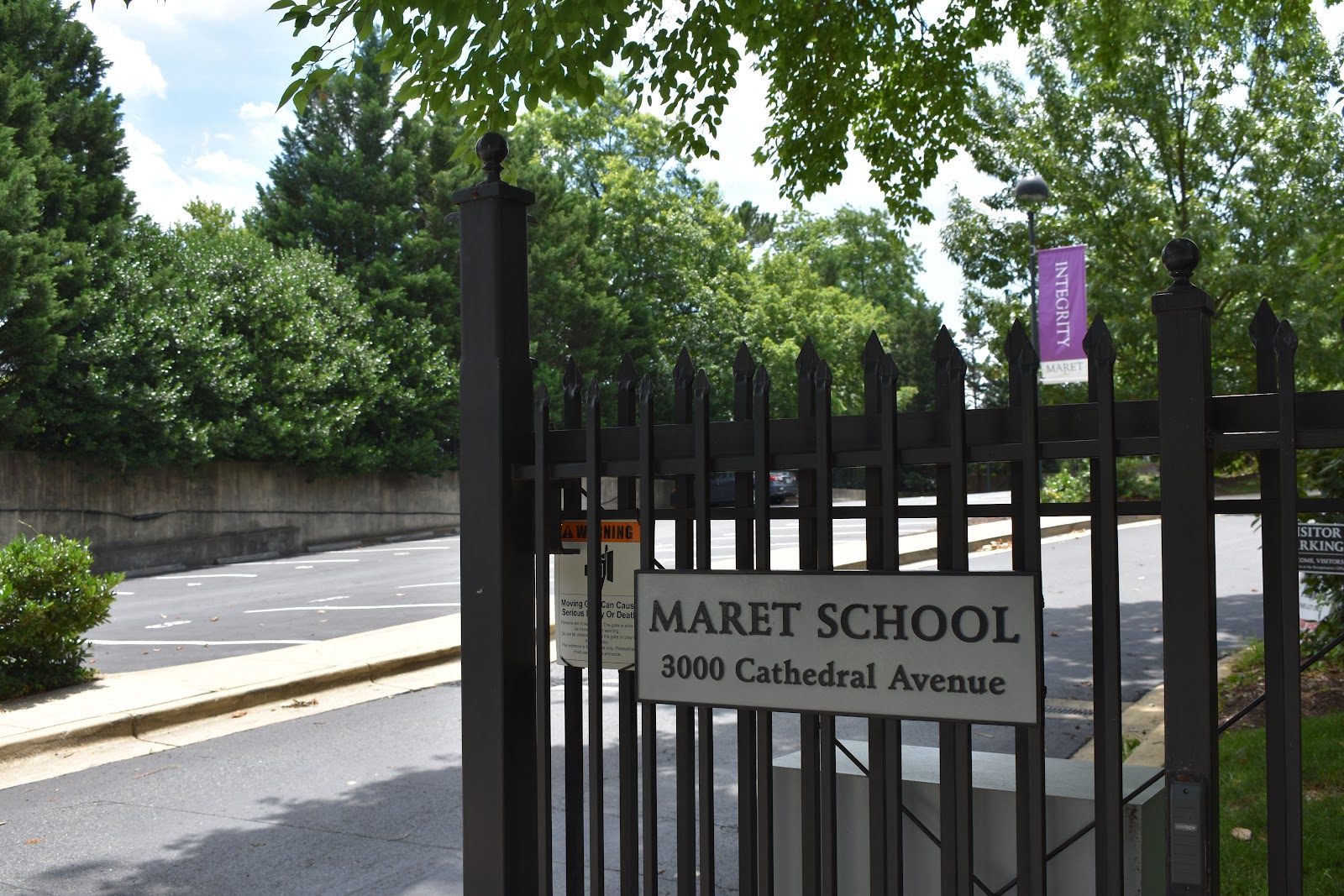
Maret School
Washington, D.C. · United States
A Federal-era Woodley Park estate carries forward the French-language roots planted by three immigrant sisters in 1911.
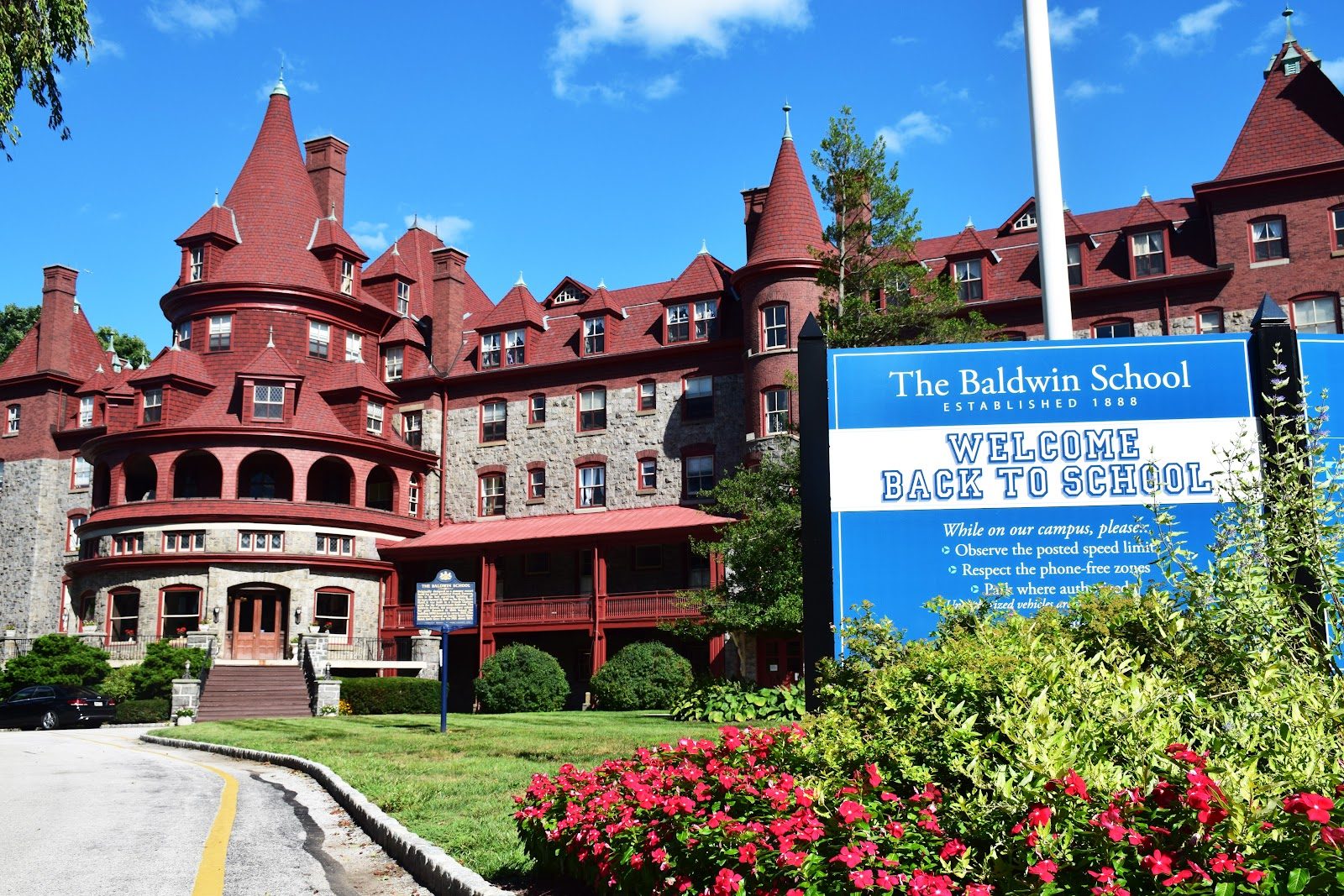
The Baldwin School
Bryn Mawr · United States
Since 1888, a single-sex college-prep tradition on Philadelphia's Main Line, housed in Frank Furness's landmark former Bryn Mawr Hotel.
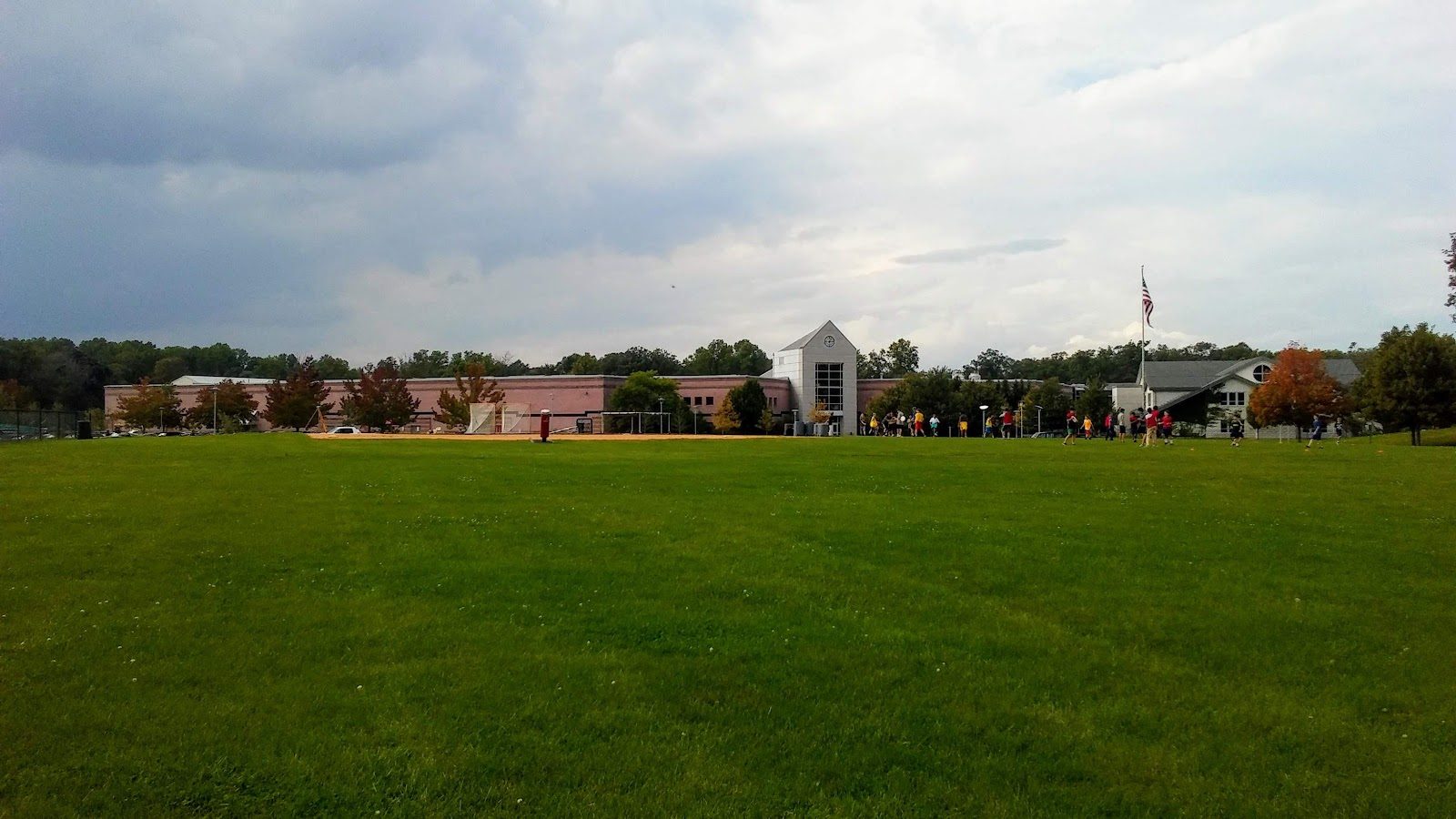
The Pingry School
Basking Ridge · United States
A 1861-founded New Jersey day school whose soccer pitches were deemed fit to host Morocco's 2026 World Cup training camp.
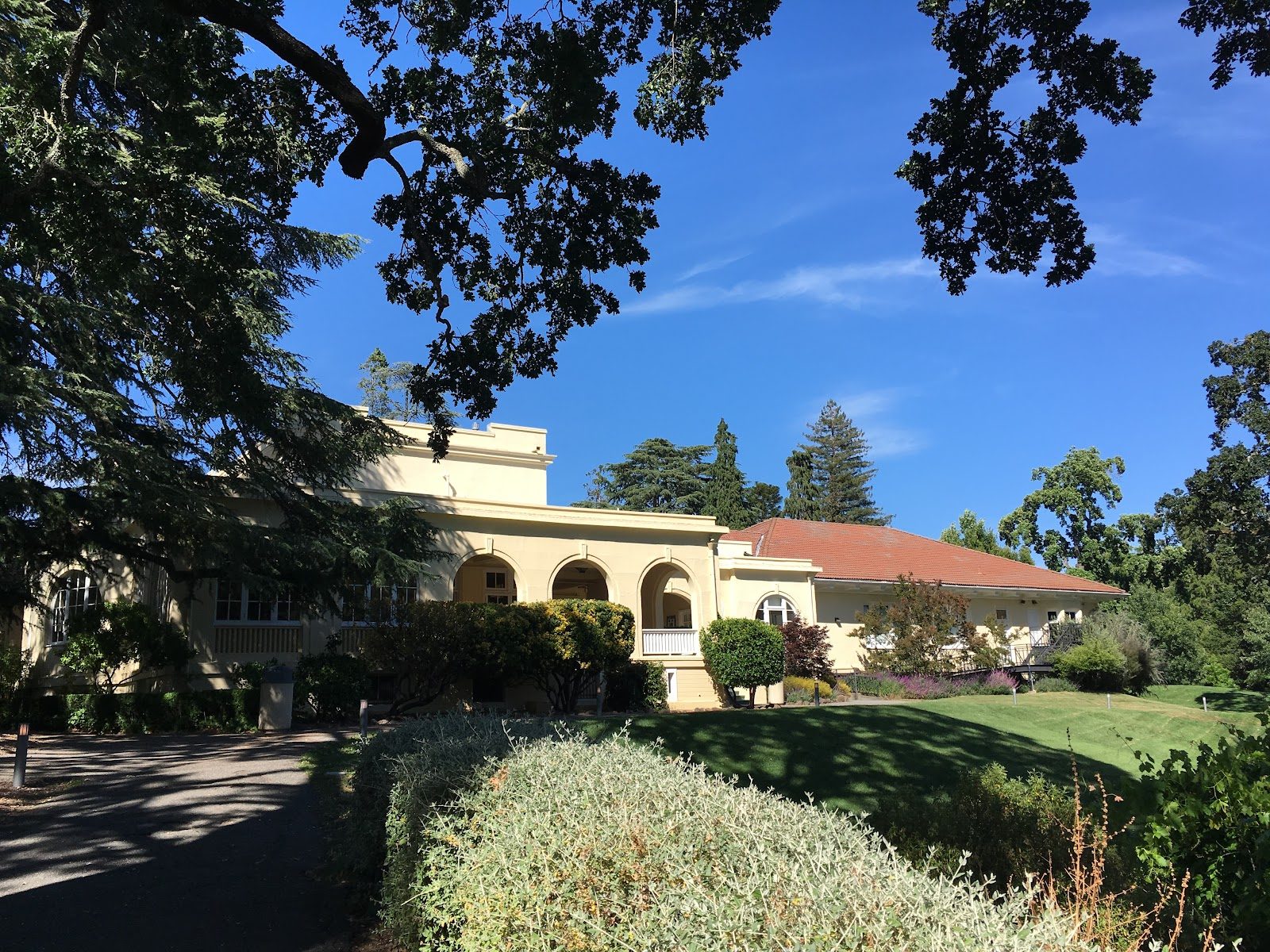
The Branson School
Ross · United States
A Marin hillside campus that skips AP tests for honors depth, immersive electives, and outdoor-education fieldwork.
Same country and curriculum — closest matches within ±10 points either way