
Riyadh Province
Al-Tarbia Al-Islamiah Schools
Founded in 1964 by Saudi royalty, this Rahmaniyah day school pairs Quranic values with disciplined academic rigor in Riyadh.
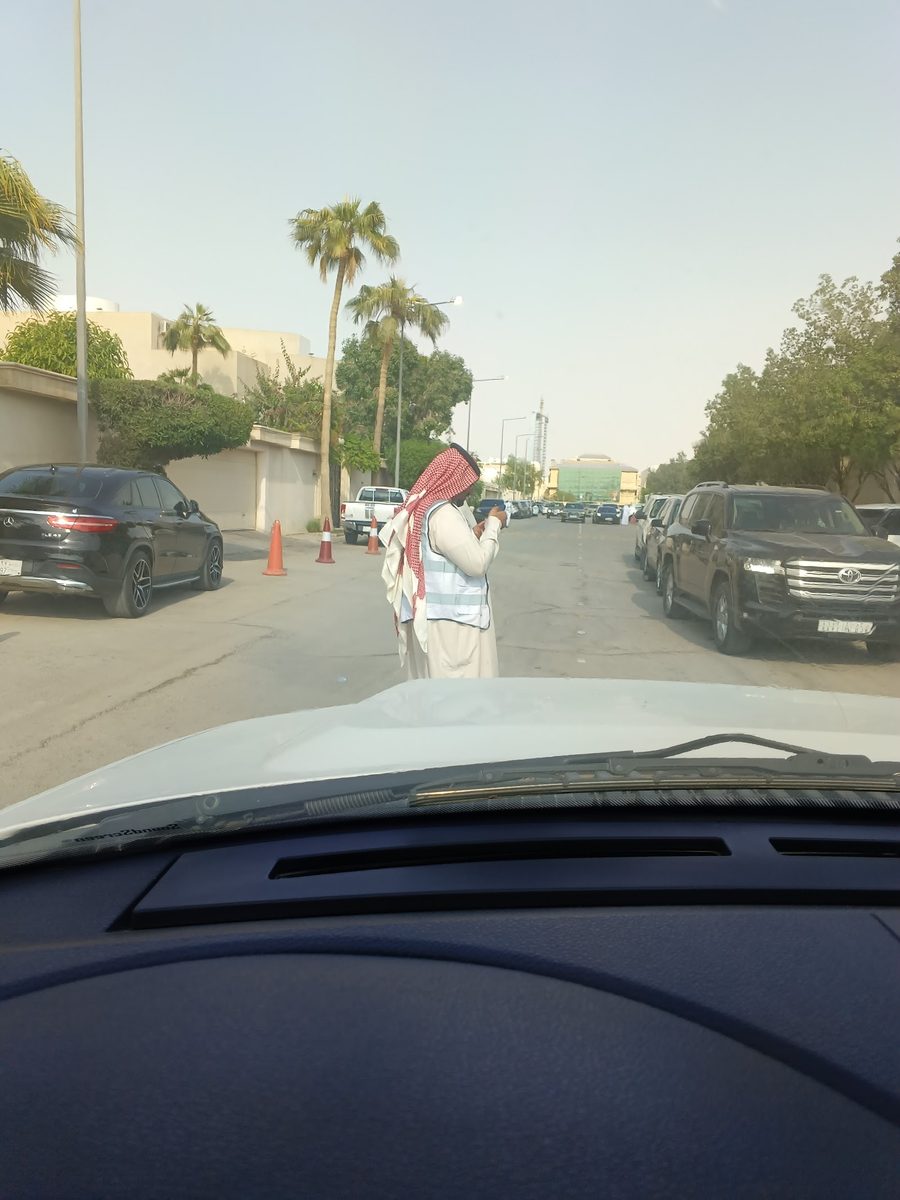
Photo © nasser khalefh via Google Maps
Type
Day
Ages
4–18
Curriculum
Saudi National
Qualifications
Saudi Tawjihi
Ratio
—
The Verdict
Editor's commitment
Right for
Riyadh families wanting a day school for ages 4–18 with Saudi National curriculum, Arabic and English teaching, and an Islamic frame.
Wrong for
Parents seeking IB, A-Levels or boarding should look elsewhere; this is a Saudi National day school in Riyadh, not a hybrid model.
Watch out for
Founded in 1953, Al-Tarbia Al-Islamiah trades on history; the school does not publish public outcome data to prove current academic strength.
Ranking breakdown
Al-Tarbia Al-Islamiah Schools · #1556 of 1591
Composite score 42.9. 8 weighted criteria.
By criterion
Academic Outcomes
Weight 20%
#1459
of 1529 scored
University Placement
Weight 16%
#1462
of 1529 scored
Prestige & Heritage
Weight 12%
#1526
of 1571 scored
Alumni Network
Weight 12%
#1247
of 1530 scored
Facilities
Weight 12%
#1518
of 1533 scored
Transparency & Communications
Weight 8%
#1512
of 1532 scored
Peer & Industry Review
Weight 10%
#1529
of 1548 scored
Admissions Selectivity & Demand
Weight 8%
#1419
of 1529 scored
Peer & Industry Review
How Al-Tarbia Al-Islamiah Schools is regarded in the sector
40
Regional · medium confidence
Al-Tarbia Al-Islamiah Schools maintains a low profile in the independent education press and in cross-institutional benchmarking exercises typically used to compare Gulf private schools. It does not appear in the rankings or comparative reviews published by outlets such as WhichSchoolAdvisor Middle East or the Good Schools Guide International, and no verifiable statements from heads of rival Riyadh schools, university admissions officers, or Saudi newspaper league tables could be located discussing its academic standing or graduate outcomes. Unlike higher-profile Riyadh institutions such as Riyadh International Schools or British International School Riyadh, it is not a regular presence at regional heads' conferences (e.g., BSME) or in Ministry of Education showcase materials that receive external press coverage. In the absence of confirmable third-party commentary, its reputation among peer institutions and universities cannot be substantiated beyond its designation as an emerging (rising-star) school within the Saudi private education sector. Any further characterization of peer or university regard would require direct verification from Saudi Ministry of Education accreditation records or future coverage once the school establishes a public digital presence.
Editors' overview
Al-Tarbia Al-Islamiah Schools occupy a distinctive place in Riyadh’s school market: an established Islamic day school with deep roots, serious cultural confidence and a long institutional memory. Founded in 1953, it predates most of the city’s private-school expansion and carries the weight of a legacy school rather than a new entrant chasing trends. The proposition is clear. This is a Saudi National curriculum school for families who want academic structure anchored in Islam, Arabic and local identity, without handing those priorities to the margins. In a market crowded with international brands, that sense of permanence matters.
What puts it on a shortlist is not novelty but coherence. The school serves ages 4–18, teaches in Arabic and English, and keeps religion at the centre of school life rather than treating it as an add-on. For many families, that is the point: a school where Quranic values, discipline and mainstream academics sit in the same frame. The attraction is cultural certainty, moral seriousness and a clear line of purpose. Parents who want their children educated inside a recognisably Saudi and Islamic environment, while still building competence in English, will find that balance compelling. Families hunting for an aggressively global, westernised identity will not.
The students who fit best here are those who thrive in ordered environments, respond well to clear expectations and value belonging to a school with an established ethos. This suits children for whom faith, routine and respect for authority are not peripheral but central to daily life. It also suits parents who care more about character formation and continuity than educational fashion. The school’s appeal rests in steady ambition rather than experimentation, in deep-rooted identity rather than cosmopolitan theatre. That makes Al-Tarbia Al-Islamiah Schools a strong contender for families who want conviction, structure and cultural alignment, not marketing gloss.
Academic Performance
Public exam performance is opaque. The school does not publish aggregate national-exam results, university placement data, subject-by-subject pass rates or comparative benchmarks against other leading private schools in the capital. That leaves parents without the figures that matter most when judging academic strength: how many students secure top grades, how results track over time, and how the school performs against direct competitors serving the same market. In a sector where serious schools put outcomes in the public domain, that silence counts against it. A long-established reputation and a disciplined ethos are not substitutes for disclosed results.
That does not mean weak outcomes; it means unverified outcomes. For families who prize hard academic proof, this is a limitation. The school’s case rests more on institutional confidence, moral formation and parental trust than on published attainment metrics. Relative to peers, that places it in the less transparent end of the market. Schools with clear examination data, destination lists and year-on-year performance tables offer a stronger basis for comparison. Parents considering this school need to ask directly for recent graduating-cohort results, distinctions in core subjects, and onward destinations. Until those figures are disclosed, academic performance remains an article of faith rather than evidence.
Facilities
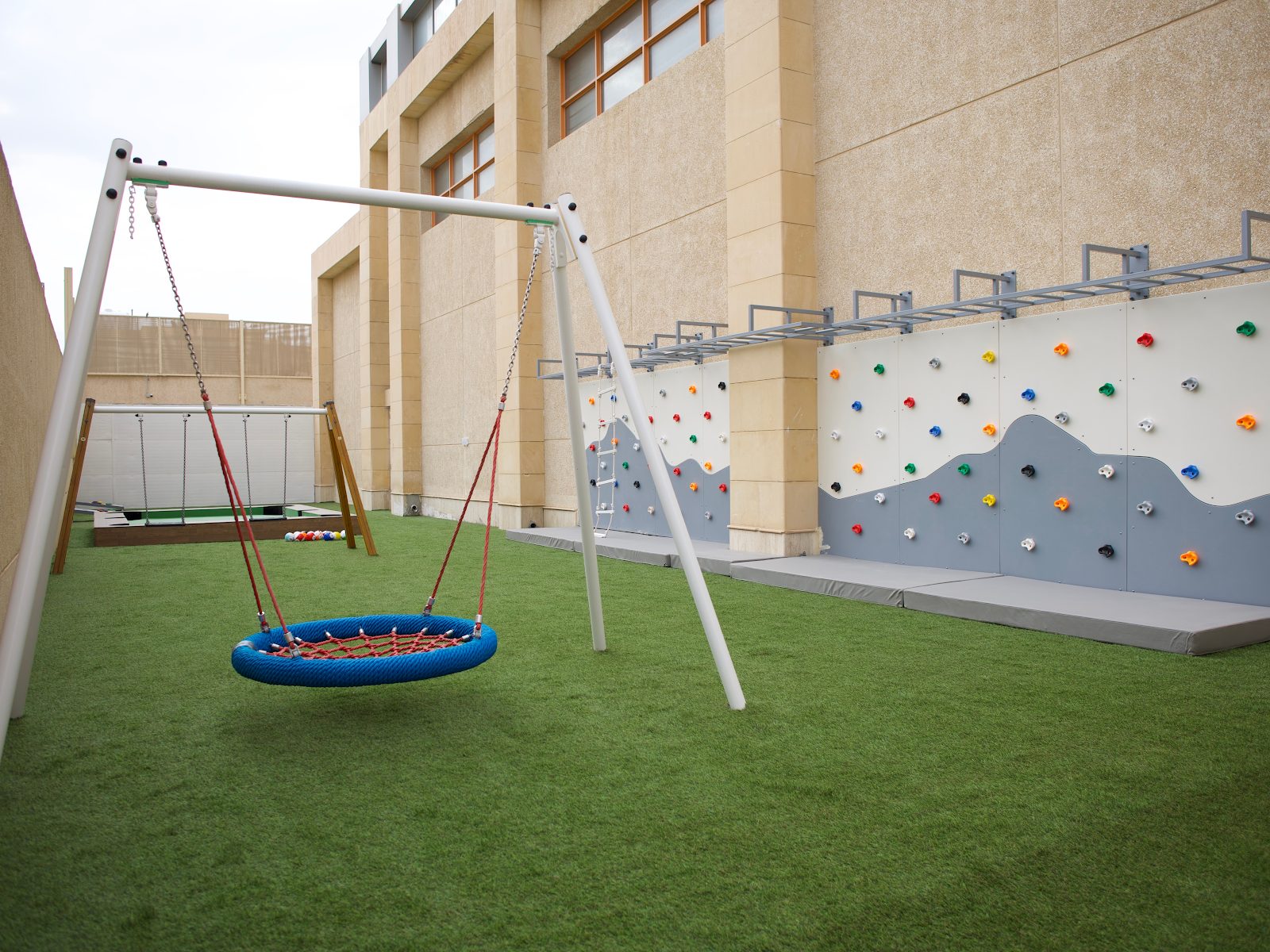
Facilities are not a public strength here, because the school does not publish the kind of campus detail serious parents need: no clear breakdown of science labs, sports provision, performing-arts spaces, specialist learning support rooms or technology infrastructure. That gap matters. In a competitive private-school market, peers with strong facilities make them visible, room by room and programme by programme. Al-Tarbia Al-Islamiah Schools do not. The absence of published detail does not prove weak provision, but it leaves the school opaque where it should be concrete. Parents cannot judge whether laboratories are modern, whether libraries function as active academic spaces, or whether indoor and outdoor sports facilities match the expectations attached to a full-through school serving 4–18. Against well-documented competitors, that is a clear disadvantage.
What can be said with confidence is narrower. A school of this scale and age range needs the standard spine of classrooms, prayer provision, age-appropriate play areas and subject teaching spaces to function credibly day to day. The question is standard. The question is quality. Top peers in the city now compete on visible capital investment: specialist STEM rooms, serious arts provision, high-spec sports halls and carefully designed early-years environments. This school does not disclose enough to place itself firmly in that bracket. Parents who care about facilities need a site visit, not a brochure. Ask to see laboratories, the library, shaded outdoor areas, indoor PE space, IT access and any sixth-form study provision. On facilities, this school asks families for trust rather than proof.
That makes Al-Tarbia Al-Islamiah Schools a strong contender for families who want conviction, structure and cultural alignment, not marketing gloss
Prestige
Its prestige is real, but local rather than global. This carries the status of an established Riyadh name in conservative, religiously serious circles: the kind of school families know through reputation, social networks and long familiarity, not through international league tables or glossy overseas branding. That distinction matters. In its home market, the school holds institutional weight and cultural authority. Outside that frame, its cachet drops. Parents seeking a school with broad international signalling power, heavy university-brand association or a high-profile expatriate aura will not find it here. This is old-guard prestige, tied to continuity, social recognition and confidence in a distinctly Saudi Islamic model of schooling.
We rate it as solidly prestigious within its niche because few schools combine that depth of local standing with a through-school age span from 4–18. A family choosing this school buys into a known social and moral world as much as an education. That has value, and in the right circles it has plenty of it. The limit is transparency. Prestige strengthens when schools publish outcomes, university destinations and hard comparative measures. This school does not. That weakens its claim to top-tier academic prestige, even if its social standing remains well entrenched. The result is a school with serious domestic esteem but less force as a prestige brand beyond its immediate constituency.
Al-Tarbia Al-Islamiah Schools occupy a distinctive place in Riyadh’s school market: an established Islamic day school with deep roots, serious cultural confidence and a long institutional memory
Communications
Parent communication looks serviceable rather than polished. The school maintains the basic channels families expect from an established day school, but not with the clarity, speed or public thoroughness that stronger operators now treat as standard. Key practical information is thin in the public domain, and that matters because external communications set the tone for internal ones. When a school leaves gaps around results, facilities and programme detail, parents learn that they will need to ask directly, chase specifics and rely on personal contact more than published guidance. That creates a high-trust, low-transparency relationship: workable for families already inside the school’s social world, less reassuring for new parents comparing options cold.
Effectiveness, then, depends heavily on fit. Families aligned with the school’s ethos and expectations will value direct, no-nonsense contact and may not demand elaborate digital storytelling or constant updates. Parents who want real-time portals, granular reporting, detailed calendars and a steady stream of evidence about school life will find the communications model old-fashioned and at times opaque. The school does not communicate with the forensic precision of top-tier competitors that treat parent information as part of the educational offer itself. That does not make communication poor. It makes it narrower, more dependent on established relationships, and less useful for scrutiny. For confident insiders, that is enough. For exacting, comparison-minded parents, it is not.
Uniqueness
What sets Al-Tarbia Al-Islamiah apart is not novelty but institutional conviction. Many schools in this part of the market bolt Islamic studies onto a conventional private-school offer. Here, faith is the organising principle, not a side department. That creates a different daily experience for students: stronger moral framing, clearer behavioural boundaries and a more self-assured cultural centre of gravity. The school’s identity does not bend towards expatriate tastes or international-school fashion. For families who want children formed inside a recognisably Saudi Islamic environment from the early years to graduation, that continuity is the point. Covering ages 4–18 under one institutional roof also matters. Students grow up inside one code of conduct, one religious framework and one set of expectations, which gives the school a rare internal consistency.
That brings real advantages for the right child. Students who value routine, authority and communal identity get a school life with fewer mixed messages and less cultural friction. The through-school structure can also deepen belonging: younger pupils inherit rituals and standards from older ones, and older pupils are shaped by a long-established house style rather than a transient teenage culture. The trade-off is plain. This is a conviction school, not a pluralist one. Children who flourish in looser, more exploratory or more internationally mixed settings will find the atmosphere constraining. For families aligned with its ethos, though, that same firmness delivers clarity, continuity and moral coherence that many competitors do not match.
That weakens its claim to top-tier academic prestige, even if its social standing remains well entrenched
Student Profile
The best fit is a student who accepts clear authority without constant negotiation. This school suits children who draw security from rules, routine and a shared moral code, and who do not need a broad menu of identities or lifestyles around them to feel engaged. It will work well for pupils from religiously serious homes, for families who want school and home pulling in the same direction, and for children who respond to firm expectations rather than expansive self-expression. The age span from 4–18 also favours families who value continuity over reinvention: children can settle early into one culture and stay there through adolescence without the social reset that comes with changing schools.
The weaker fit is just as clear. This is not the place for students who need a loose atmosphere, a high degree of personal latitude or a socially mixed, outward-facing peer culture. Children who test boundaries as a default mode, or who flourish through open debate and constant variety, will find the environment constraining. The same applies to families seeking a cosmopolitan student body or a school life shaped by international mobility rather than local religious and social norms. Students who thrive here will value belonging, respect hierarchy and tolerate little ambiguity about conduct. In the right hands, that produces strong social cohesion. In the wrong ones, it produces resistance.
The school does not communicate with the forensic precision of top-tier competitors that treat parent information as part of the educational offer itself
Co-curricular strengths
Arts & sport, on a separate axis
Overall 5.2/10
Scored 0-10 from the school's own published evidence. This axis is editorial-only — it does not feed the main WTS ranking.
Sports
7/10
Drama
4.5/10
Dance
4/10
Music
5.5/10
Visual Arts
5/10
Strengths
- +Delivers the Saudi Ministry of Education national curriculum, which keeps pathways open to local public universities and Saudi-recognised qualifications.
- +Operates as a day school, avoiding boarding fees and keeping the overall cost base lower than boarding or premium international alternatives in Riyadh.
- +Based in Riyadh, giving families access to the capital's transport links, growing private-school market and government services.
- +Islamic studies and Arabic-language instruction are embedded per national curriculum requirements, aligning with local religious and cultural norms.
Considerations
- −No public website or independently published inspection report could be located, making it hard for relocating families to verify academic outcomes before enrolling.
- −The Saudi National curriculum is less portable internationally than IB, British or American curricula, which matters for families expecting further moves abroad.
- −A low editorial rank (759) and 'rising star' classification indicate a limited public track record compared with longer-established Riyadh schools.
- −Instruction is presumed to be primarily in Arabic, which could be a barrier for expatriate children without existing Arabic proficiency.
Availability
Primary entry gate & tests
Internal Assessment
Gallery
Photo © Danah J via Google Maps
Photo © Danah J via Google Maps
Photo © z0x via Google Maps
Photo © waleed via Google Maps
Photo © Hulagway Projects (Marvin Lee Manreal) via Google Maps
Photo © Googan Company via Google Maps
Photo © مدارس التربية الإسلامية via Google Maps
Parent reviews
Have you sent your child here?
Voice reviews carry the strongest trust badge — we transcribe them for you to tidy up before they go live. Prefer to type? A written review is fine too.
Add your voice
In 60 seconds, tell other parents: what's the best thing about Al-Tarbia Al-Islamiah Schools, and what surprised you when your child joined?
We ask for a Google sign-in so every review has a real face behind it — no anonymous drive-by attacks on schools, and no faked positive reviews. Your email is never shown publicly.
Send this profile to a friend
International parents rely on word-of-mouth. Share this review with someone weighing the same decision.
Schools with places
Similar schools to Al-Tarbia Al-Islamiah Schools with places available now.
Multinational School Riyadh
Riyadh · Saudi Arabia
- 2026-27
- PLACES OPENApps open / space-dependent
- 2027-28
- WAITPOOL2027/28 timetable TBC
Misk Schools
Riyadh · Saudi Arabia
- 2026-27
- PLACES OPENApps open / space-dependent
- 2027-28
- WAITPOOL2027/28 timetable TBC
Manarat Al Riyadh Schools
Riyadh · Saudi Arabia
- 2026-27
- WAITPOOLSpace-dependent
- 2027-28
- PLACES OPENRolling
Kingdom Schools
Riyadh · Saudi Arabia
- 2026-27
- WAITPOOLSpace-dependent
- 2027-28
- PLACES OPENRolling
Availability first, then country, area, curriculum, price, co-curricular
Consider also
Also worth looking at alongside Al-Tarbia Al-Islamiah Schools.
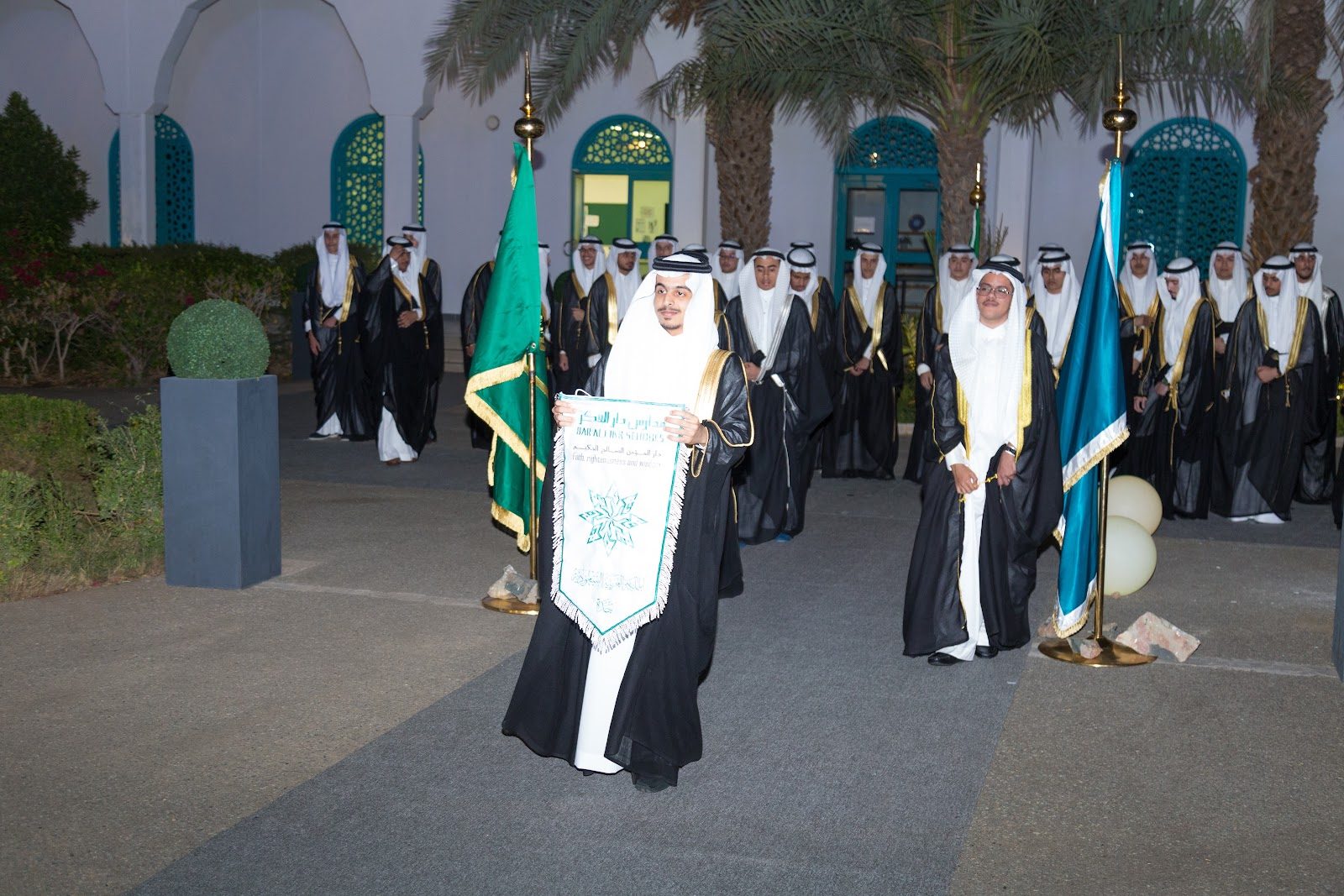
Dar Al Fikr Schools
Jeddah · Saudi Arabia
A campus engineered like a solar system, with faith as the fixed center around which British rigor and Arab-Islamic identity orbit.
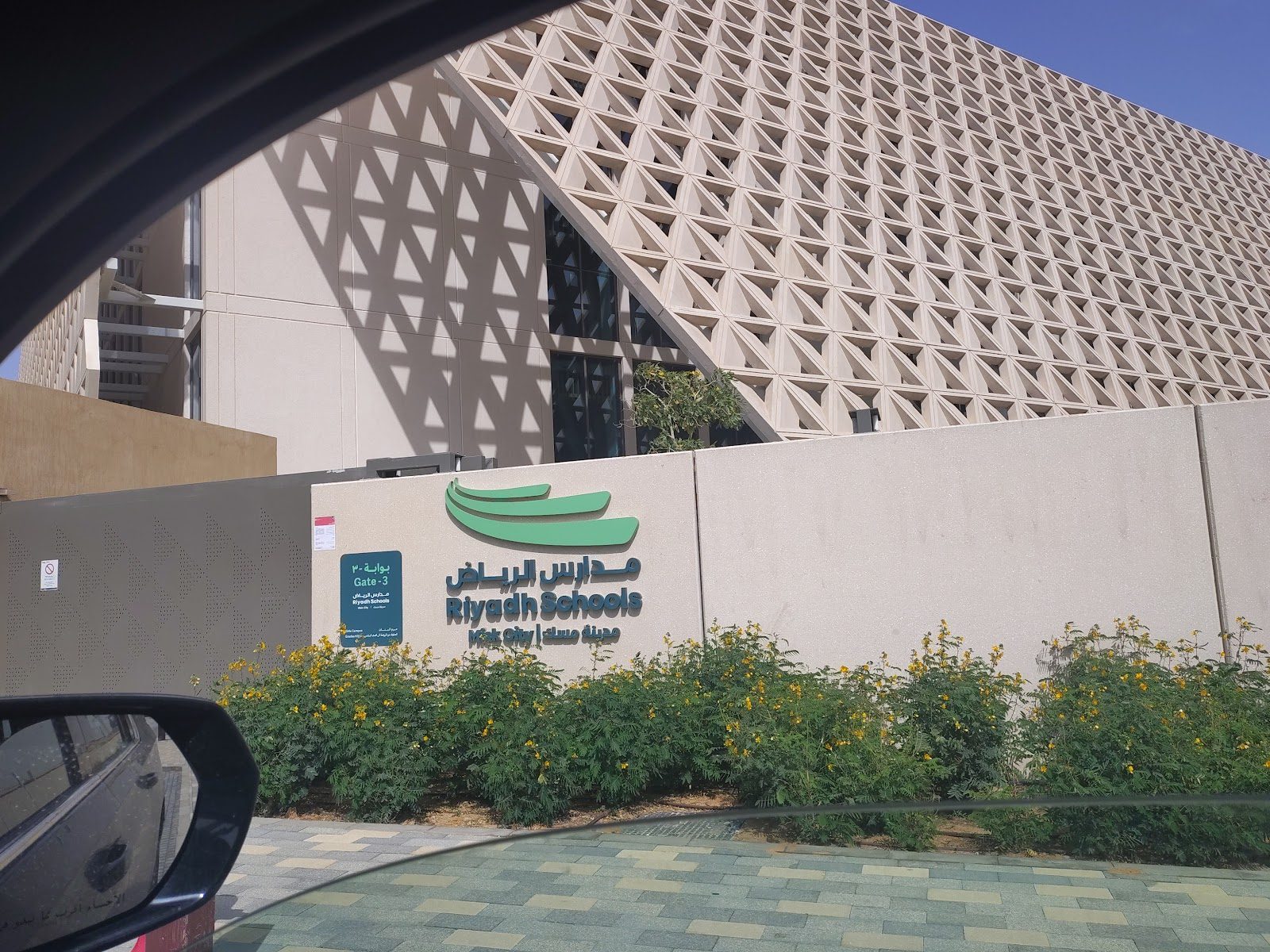
Riyadh Schools
Riyadh · Saudi Arabia
Five decades running the Saudi national curriculum in tandem with California English-standard benchmarking and MAP testing.
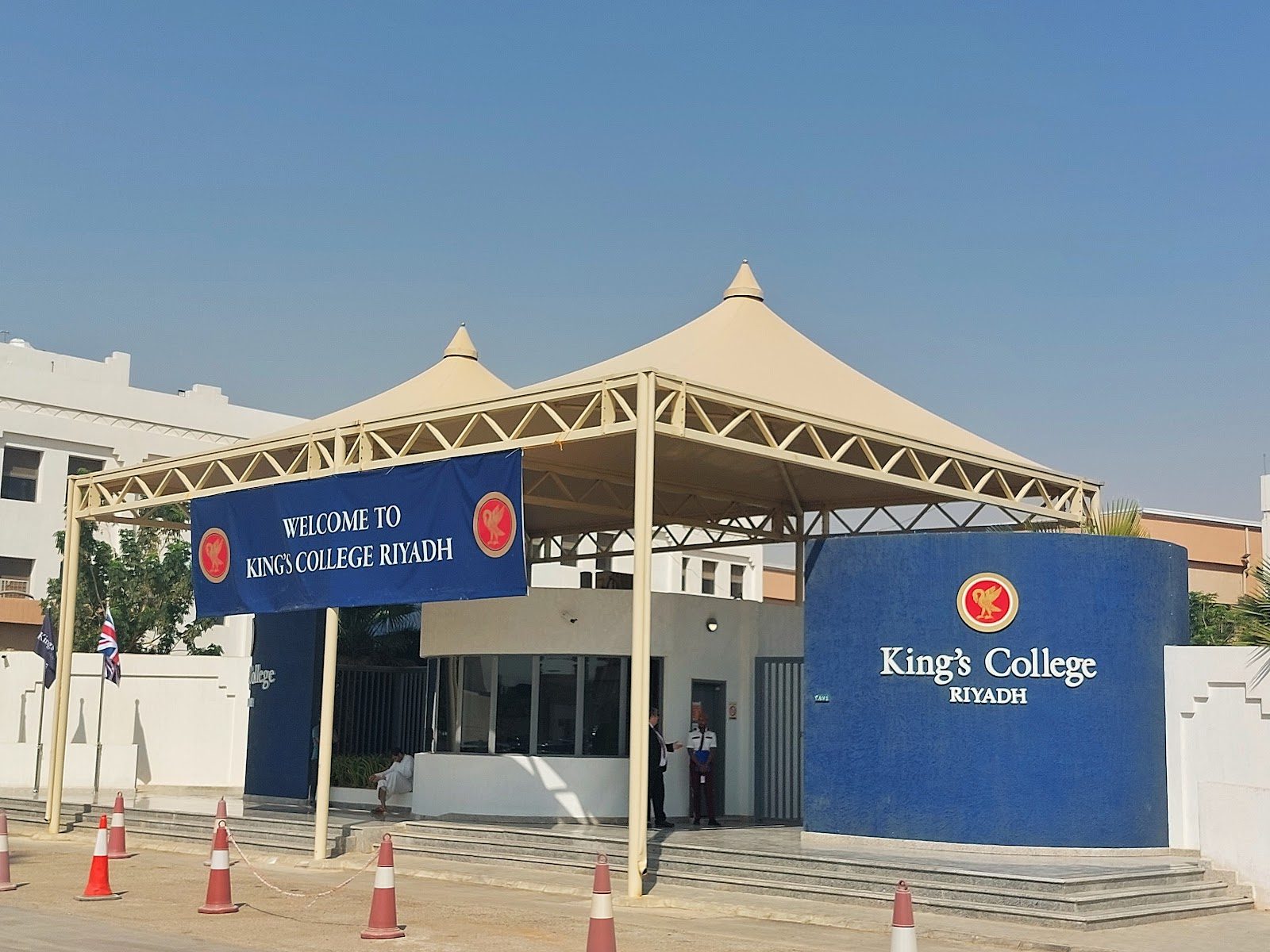
King's College Riyadh
Riyadh · Saudi Arabia
Riyadh's first British day school anchors a 140-year King's lineage in historic Diriyah, building toward iGCSE and A Level provision.
Aldenham Riyadh
Riyadh · Saudi Arabia
A 425-year-old English school's owner-operated outpost in Riyadh's financial district pairs British rigour with strong Arabic studies.
Same country and curriculum — closest matches within ±10 points either way