
Guangdong
Shenzhen Middle School
Founded in 1947 as the Special Economic Zone's only provincial key school, where student-run newsrooms rival its Olympiad gold medals.
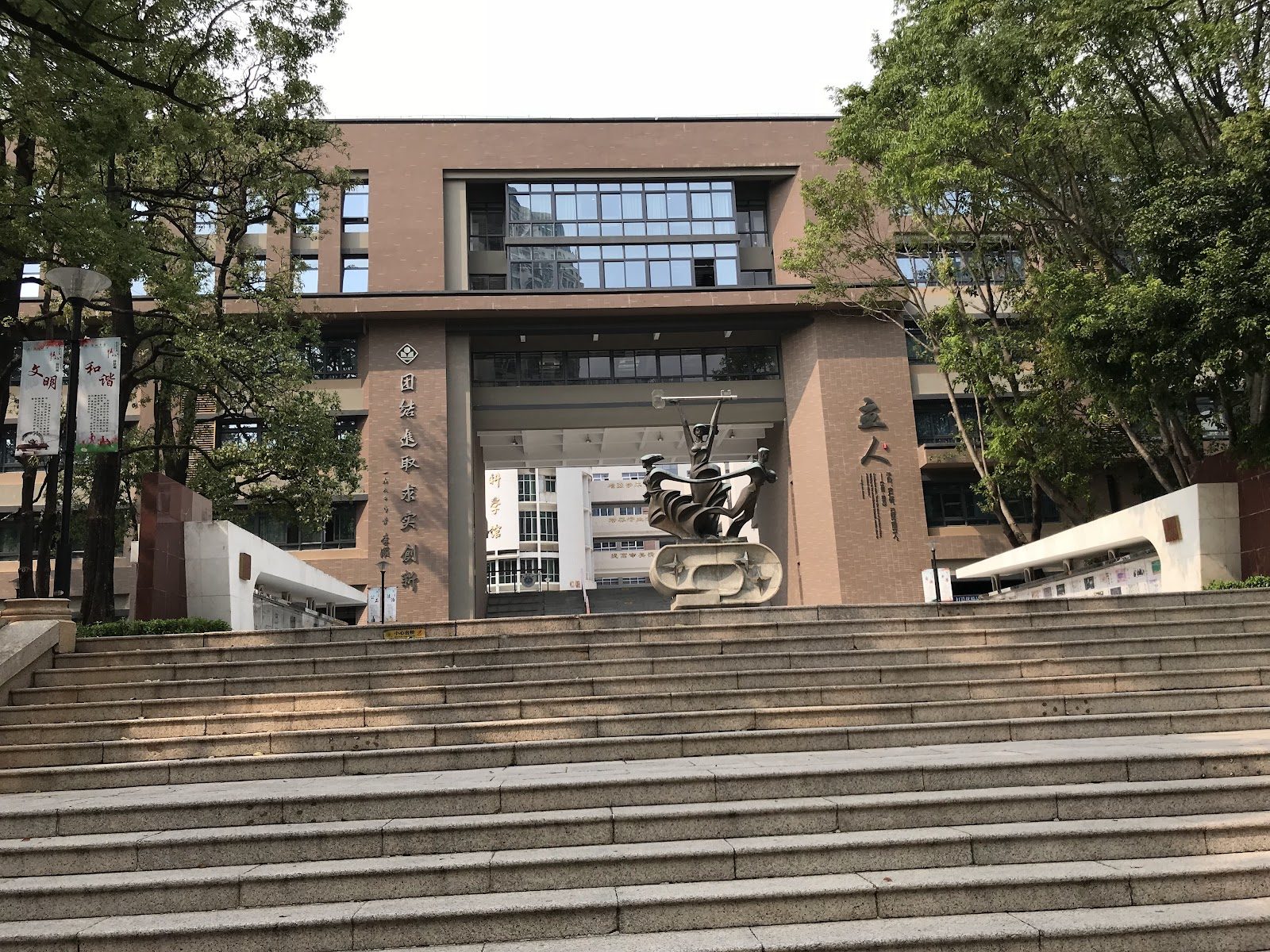
Photo © DrJack Kwan via Google Maps
Type
Day + Boarding
Ages
15–18
Curriculum
Chinese National
Qualifications
Gaokao
Ratio
—
The Verdict
Editor's commitment
Right for
Ambitious 15–18-year-olds who want a Chinese National curriculum in Mandarin and English, backed by 1947 roots and Ministry of Education accreditation.
Wrong for
Families wanting an international curriculum, religious ethos or a small boutique sixth form; this is Shenzhen’s only provincial key high school, not a niche school.
Watch out for
The 10:1 student-teacher ratio is attractive, but the school does not publish public exam outcomes, university destinations or boarding detail.
Ranking breakdown
Shenzhen Middle School · #296 of 1591
Composite score 72.2. 8 weighted criteria.
By criterion
Academic Outcomes
Weight 20%
#147
of 1529 scored
University Placement
Weight 16%
#104
of 1529 scored
Prestige & Heritage
Weight 12%
#122
of 1571 scored
Alumni Network
Weight 12%
#1013
of 1530 scored
Facilities
Weight 12%
#667
of 1534 scored
Transparency & Communications
Weight 8%
#1018
of 1532 scored
Peer & Industry Review
Weight 10%
#533
of 1548 scored
Admissions Selectivity & Demand
Weight 8%
#51
of 1529 scored
Peer & Industry Review
How Shenzhen Middle School is regarded in the sector
70
Respected · medium confidence
Shenzhen Middle School is consistently ranked among Guangdong's top state demonstration high schools, regularly cited alongside Shenzhen Foreign Languages School and South China Normal University-affiliated schools as regional leaders in gaokao and competition results. Its reputation rests heavily on Peking University and Tsinghua University admission numbers, which place it among Shenzhen's top feeder schools, and on strong showings in national Olympiad competitions (mathematics, physics, informatics), which are widely reported in Chinese education media such as Sina Education and Sohu Education. The school drew national press attention for recruiting doctoral graduates from Peking University, Tsinghua, and overseas institutions as teachers, a hiring practice covered by outlets including The Paper and China Daily as emblematic of rising competition for talent in elite Chinese secondary education. Because Western comparison platforms like WhichSchoolAdvisor or the Good Schools Guide do not cover Chinese state schools, its standing is assessed primarily through domestic league tables, university admissions statistics, and coverage in Chinese-language education press rather than international independent review bodies.
Editors' overview
Shenzhen Middle School occupies a rare place in Shenzhen’s education market: an old-line academic institution in a young city. Founded in 1947, it predates the Special Economic Zone and carries the weight of that history. Its status matters. This was Shenzhen’s only provincial key high school from 1983, then one of Guangdong’s first Class-One Schools in 1993. For parents, that translates into a school with deep local authority, high selectivity and a culture built around attainment rather than branding. The offer is clear: Chinese National curriculum, teaching in Mandarin and English, day and boarding provision, and a non-religious setting under Chinese Ministry of Education accreditation.
What sets it apart is not cosmopolitan packaging but intellectual seriousness. The school’s reputation rests on disciplined scholarship, competitive entry and a scale that supports breadth without diluting standards. A student-teacher ratio of 10:1 is strong by the standards of large public schools in China, and the combined junior and senior campuses span 107,602 square metres. This is not a boutique school selling intimacy; it is a major state institution with the space and staffing to run at full academic stretch. The editorial tagline gets to the point: this is a place where student-run newsrooms sit alongside Olympiad gold medals. That combination signals a school that values sharp minds, public voice and organised ambition.
Parents should shortlist Shenzhen Middle School if they want academic prestige inside the domestic system, not an international-school lifestyle with softer edges. Its market position is at the top end of Shenzhen’s Chinese state sector: hard-driving, high-pressure, status-conscious and academically exacting. The school suits students who thrive in competition, absorb structure without complaint and want to test themselves against a strong peer group. It also suits intellectually energetic teenagers who want more than test preparation alone; the reference to student journalism points to outlets for initiative and expression, not only drill.
This school is not for every child. Students who need a gentle pace, heavy pastoral cushioning or a highly individualised alternative framework will find the culture demanding and the hierarchy unforgiving. Students who relish clear standards, serious teachers and the prestige of a flagship local name will find a formidable fit. In Shenzhen, that puts Shenzhen Middle School firmly on the shortlist for families seeking domestic academic clout with real institutional pedigree.
Academic Performance
Shenzhen Middle School sits in the top tier of Shenzhen’s domestic academic market, and its external-performance reputation rests less on glossy disclosure than on entrenched standing inside the Chinese system. The hard fact that matters is its long-held designation as the city’s sole provincial key high school, later reinforced by top provincial classification. Schools do not hold that status on sentiment. They hold it on intake strength, examination performance and sustained administrative confidence. In practical terms, that places Shenzhen Middle School among the city’s academic heavyweights: a school families target when they want serious exam traction, a strong peer set and a route into elite Chinese university admissions competition.
What the school does not publish, at least in the public domain here, is the data international parents now expect: no aggregate gaokao outcomes, no university placement tables, no subject-by-subject score breakdowns, no trend line over recent cohorts. That opacity matters. It limits clean comparison with schools that disclose headline results. Even so, the institutional signals are strong. A student-teacher ratio of 10:1 in a major state school supports close academic supervision, and the scale of the institution allows depth in advanced subject preparation. Relative to peers, this is not a broad-access school with mixed outcomes; it is a high-pressure, selective, results-driven institution whose reputation depends on delivering at the top end of the local state sector.
Facilities
The school has the physical footprint of a major public institution, not a compact urban campus squeezed into a tower block. Across its junior and senior sites, the estate runs to 107,602 square metres, which puts it ahead of many high-performing city schools where academic reputation outstrips usable space. For parents, that matters less as a bragging point than as a practical one: room for full-size sports provision, assembly capacity, subject-specific teaching areas and the daily circulation of a large student body without the constant sense of compression that marks weaker state campuses. The merger that folded Honghu Middle School into the school’s structure also left it with a multi-campus setup that reads as established, serious and built for scale.
What we do not have is a clean public inventory of specialist facilities. The school does not publish the kind of granular breakdown international parents now expect: no detailed arts spaces list, no theatre specification, no laboratory count, no boarding-house description, no design or technology showcase. That gap limits fine-grained benchmarking against top private competitors, many of which market facilities as aggressively as outcomes. Even so, against domestic academic peers, Shenzhen Middle School’s campus scale and institutional depth place it in the upper tier. This is not a school trading on boutique polish or architectural theatre; it is a large, hard-working educational plant designed to support a demanding mainstream academic operation.
In Shenzhen’s domestic hierarchy, Shenzhen Middle School sits in the top bracket and carries the weight of an establishment name
Prestige
A Shenzhen Middle School education carries serious domestic prestige. The key reason is institutional rank inside the Chinese state system, not imported branding or international cachet. This is the city’s only provincial key high school, a distinction that confers real status with families, universities and local officials. Its later elevation into Guangdong’s top school category strengthens that standing. In plain terms, this is a school name that signals high selection, hard academic labour and access to one of the strongest peer groups in the local market. The low staffing ratio of 10:1 adds weight: it points to a school built to drive performance, not merely to warehouse large numbers of able students.
The prestige also has texture. The school’s profile combines Olympiad-level academic ambition with student journalism, which gives it more intellectual range than a pure exam factory. That matters. Plenty of schools trade on test pressure; fewer produce a culture with both scholastic intensity and organised student voice. The large estate of 107,602 square metres reinforces the sense of a major civic institution rather than a narrow cram-school operation. The limitation is public transparency: the school does not publish the kind of clean outcome data international parents expect. That weakens external scrutiny, but not the school’s standing. In Shenzhen’s domestic hierarchy, Shenzhen Middle School sits in the top bracket and carries the weight of an establishment name.
Shenzhen Middle School occupies a rare place in Shenzhen’s education market: an old-line academic institution in a young city
Communications
Shenzhen Middle School does not run parent communications like an international school competing on concierge service, and parents need to understand that at the outset. The public-facing picture is functional, institutional and decidedly unvarnished. We have not seen the kind of parent-information architecture that premium private schools now treat as standard: no polished admissions storytelling, no rich pastoral explainer, no detailed boarding life narrative, no steady stream of digestible performance dashboards. That does not mean communication is absent. It means the school communicates in the style of a major state institution: authority first, service design second. For local families already fluent in the domestic system, that works. For international parents who want clarity, speed and hand-holding, it feels opaque and old-school.
The effectiveness, then, depends heavily on the parent. Families who value prestige, accept hierarchy and know how Chinese top schools operate will read this communication style as serious and businesslike. Families who need transparent processes and regular explanatory detail will find it thin and at times frustrating. The school’s scale, its split-campus structure and its strong staffing profile indicate a machine with internal order, but public communication does not match that operational heft. There is no sign here of a school trying to charm parents into confidence; it expects confidence to follow status. That is a defensible stance for an establishment school, but it leaves gaps. In communications terms, Shenzhen Middle School projects institutional authority, not parental warmth.
Uniqueness
What marks Shenzhen Middle School out is not an imported programme or a polished international veneer, but its place in the civic machinery of Chinese academic excellence. In a city crowded with newer schools, it has the authority of an institution that helped define the local hierarchy. The distinction of being Shenzhen’s sole provincial key high school gives it a singular status, and the later top-tier provincial classification confirms that this was not a temporary accolade. The result for students is a high-calibre peer environment in which competition is normal, standards are uncompromising and intellectual ambition carries social weight rather than embarrassment. Students do not just study in a strong school; they study inside a name that holds public consequence.
The other point of difference is the combination of Olympiad-grade intensity with visible student voice. The editorial tagline about student-run newsrooms matters because it cuts against the stereotype of the monastic exam school. That blend gives able students two valuable things at once: severe academic training and space to test judgement in public. In practice, that means a teenager can be sharpened by elite-level subject culture while also learning to write, edit, argue and lead. The scale of the institution supports that breadth, and the low staffing ratio of 10:1 strengthens it further. For the right student, this produces something rare in the state sector: a school that is both prestige-driven and intellectually alive beyond the classroom.
In Shenzhen, that puts Shenzhen Middle School firmly on the shortlist for families seeking domestic academic clout with real institutional pedigree
Student Profile
The pupils who fit Shenzhen Middle School are the ones who treat competition as normal weather. This is a school for teenagers with strong academic stamina, high self-discipline and no need for constant reassurance. The peer group is ambitious, fast and status-aware. In that environment, able students either sharpen quickly or fall behind. The low staffing ratio of 10:1 helps, but it does not turn the culture soft. Students still need to cope with pressure, absorb correction and work at speed. The best fit is a child who enjoys being surrounded by other high performers and reads exacting standards as fuel, not threat.
Temperament matters as much as raw scores. This school suits students who are internally driven, organised and comfortable inside a clear hierarchy. It also suits articulate teenagers who want outlets beyond examination grind; the reference to student-run journalism points to room for initiative, judgement and public expression alongside hard study. It is a poor fit for children who need extensive emotional buffering, a gentle pace or a highly personalised learning model. The school’s large institutional scale and split-campus structure demand independence and social confidence. In plain terms, this is a place for thick-skinned, intellectually competitive students who want a serious peer set and can live with a high-pressure daily rhythm.
Even so, against domestic academic peers, Shenzhen Middle School’s campus scale and institutional depth place it in the upper tier
Co-curricular strengths
Arts & sport, on a separate axis
Overall 8.64/10
Scored 0-10 from the school's own published evidence. This axis is editorial-only — it does not feed the main WTS ranking.
Sports
9/10
Drama
7.5/10
Dance
9/10
Music
9.2/10
Visual Arts
8.5/10
WTS 300 badge
Shenzhen Middle School is one of the World's Top 300 Schools. Claim your listing to add it to your site →
Strengths
- +Founded in 1947 and designated in 1983 as Shenzhen's only provincial key middle school, giving it a long-standing institutional pedigree in Guangdong.
- +In the 2024 gaokao, 64 students were admitted to Tsinghua and Peking University and 273 to the elite C9 League universities, a result reported as first in Guangdong province.
- +Students have won gold medals at the International Physics Olympiad, including two golds at the 49th IPhO in 2018.
- +The school was among the founding members of the World Laureates Association's World Top Secondary Schools alliance in 2022.
- +A separate International Division, launched in 2009 at the Nigang campus, offers AP, IGCSE and A-Level pathways for foreign-passport students.
Considerations
- −The mainstream Chinese-curriculum track is taught in Mandarin and geared toward the gaokao, making it unsuitable for children without strong Mandarin or those needing an English-medium programme.
- −Entry to the main school is via Shenzhen's competitive zhongkao (senior high entrance exam) and generally presumes local hukou or long-term residency, restricting direct access for most newly arrived expatriate families.
- −The school operates across multiple campuses (junior, senior and international divisions in different locations), so families must confirm which specific campus and admissions route applies to them.
- −Academic culture is intensely exam- and competition-focused, which may not suit students who need a lower-pressure or less specialised environment.
Availability
Primary entry gate & tests
Shenzhen Zhongkao Exam
Gallery
Photo © DrJack Kwan via Google Maps
Photo © Angchen Yu via Google Maps
Photo © Angchen Yu via Google Maps
Photo © Angchen Yu via Google Maps
Photo © Rencel Diotay via Google Maps
Photo © Angchen Yu via Google Maps
Photo © Rencel Diotay via Google Maps
Parent reviews
Have you sent your child here?
Voice reviews carry the strongest trust badge — we transcribe them for you to tidy up before they go live. Prefer to type? A written review is fine too.
Add your voice
In 60 seconds, tell other parents: what's the best thing about Shenzhen Middle School, and what surprised you when your child joined?
We ask for a Google sign-in so every review has a real face behind it — no anonymous drive-by attacks on schools, and no faked positive reviews. Your email is never shown publicly.
Send this profile to a friend
International parents rely on word-of-mouth. Share this review with someone weighing the same decision.
Schools with places
Similar schools to Shenzhen Middle School with places available now.
American International School of Guangzhou
Guangzhou · China
- 2026-27
- WAITPOOLSpace-dependent
- 2027-28
- PLACES OPENRolling
Shekou International School
Shenzhen · China
- 2026-27
- WAITPOOLSpace-dependent
- 2027-28
- PLACES OPENRolling
Utahloy International School Guangzhou
Guangzhou · China
- 2026-27
- WAITPOOLSpace-dependent
- 2027-28
- PLACES OPENRolling
Availability first, then country, area, curriculum, price, co-curricular
Consider also
Also worth looking at alongside Shenzhen Middle School.
UWC Changshu China
Changshu · China
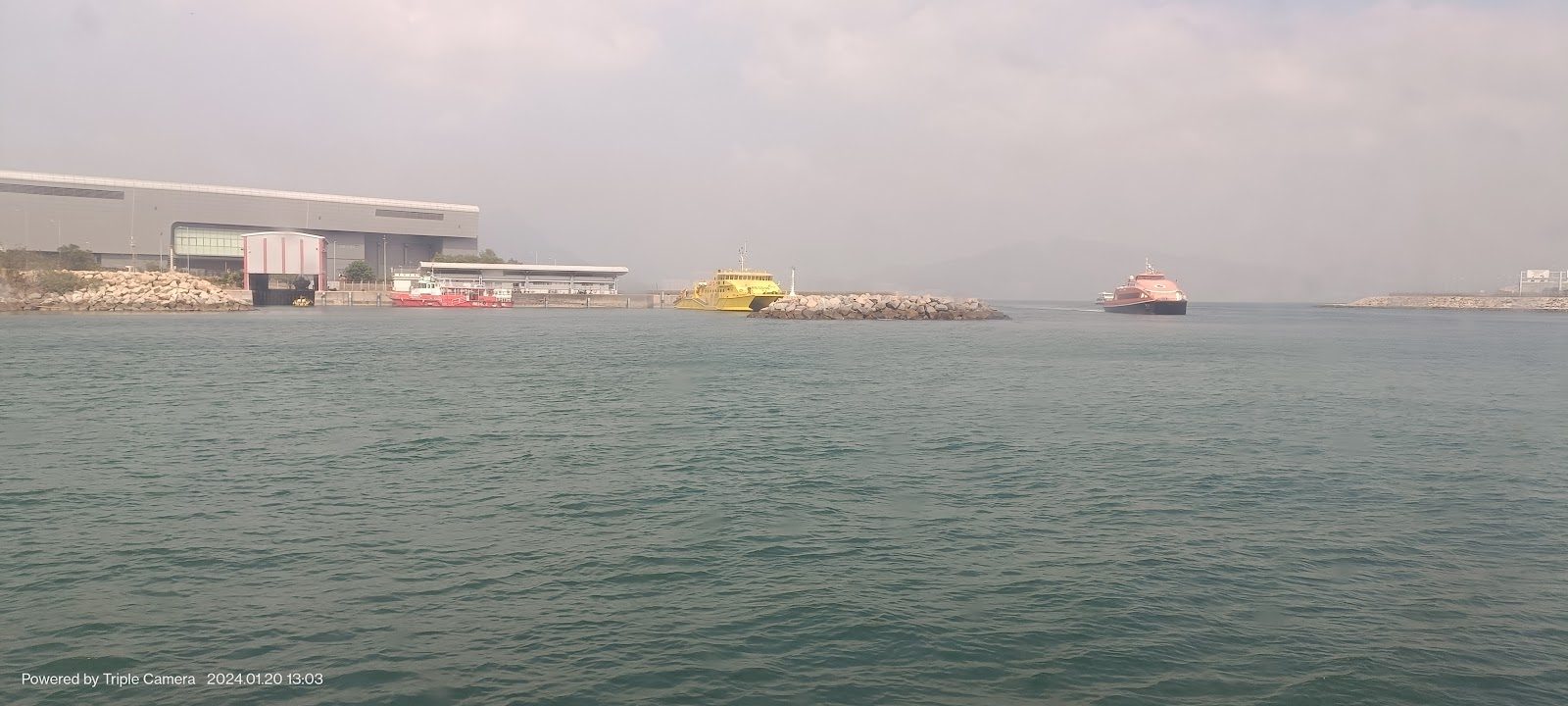
On an island in Kuncheng Lake, mainland China's first UWC pairs the IB diploma with mandatory Mandarin study and a student-run Zhixing service programme.
Dulwich College Beijing
Beijing · China
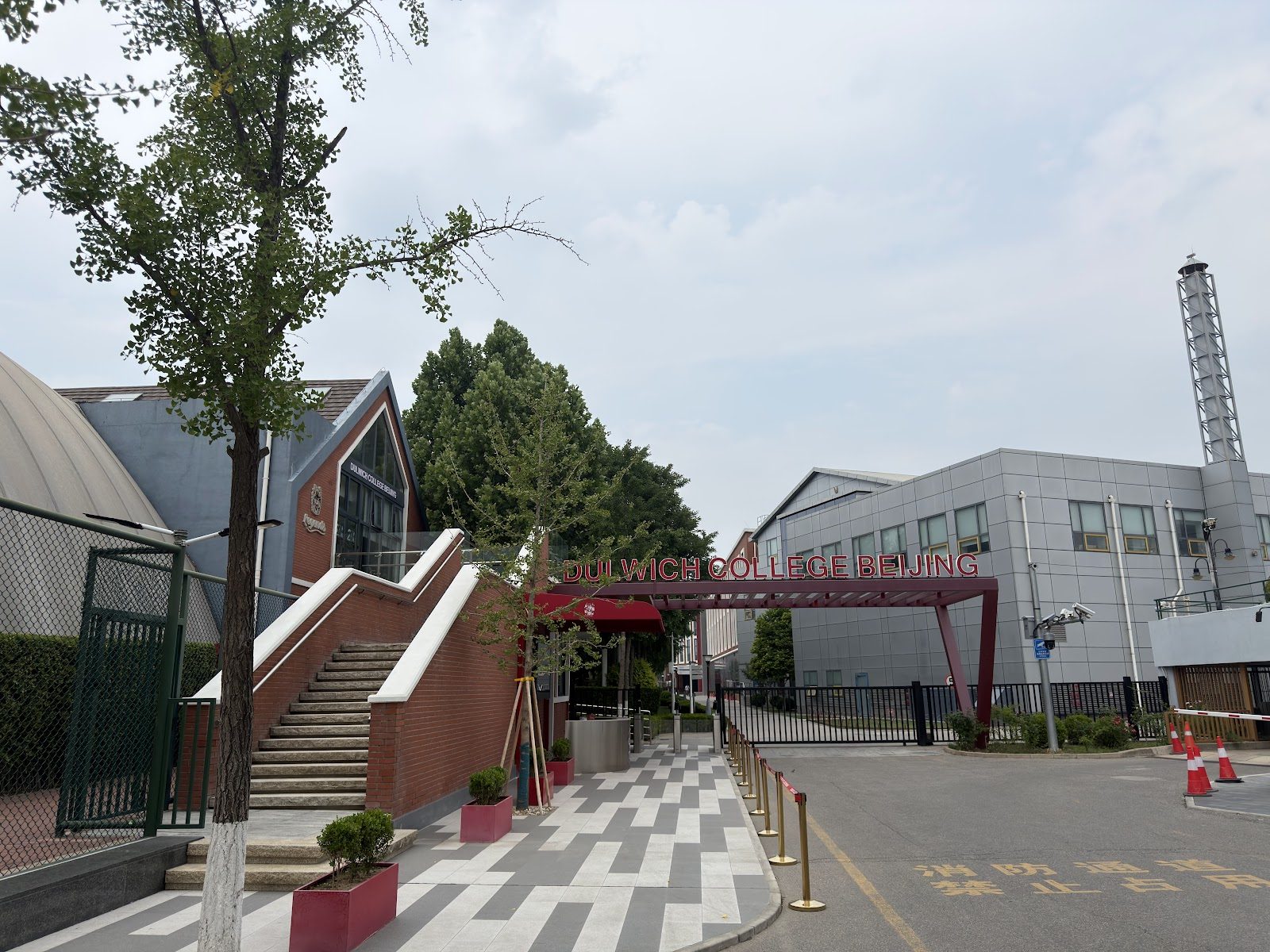
Rooted in a 400-year London lineage, its Shunyi campus has posted IB scores averaging seven points above the global mean for four straight years
International School of Beijing
Beijing · China
Founded in 1980 by five embassies, this Shunyi day school pairs a US diploma track with IB rigor and dual-language classes from early years.
Western Academy of Beijing
Beijing · China
Running the full IB continuum since 1994 from a Chaoyang campus once named a Beijing Olympic model school
Same country and curriculum — closest matches within ±10 points either way