
Europe
St Olave's Grammar School
Orpington’s 1571 boys’ grammar with co-ed sixth form
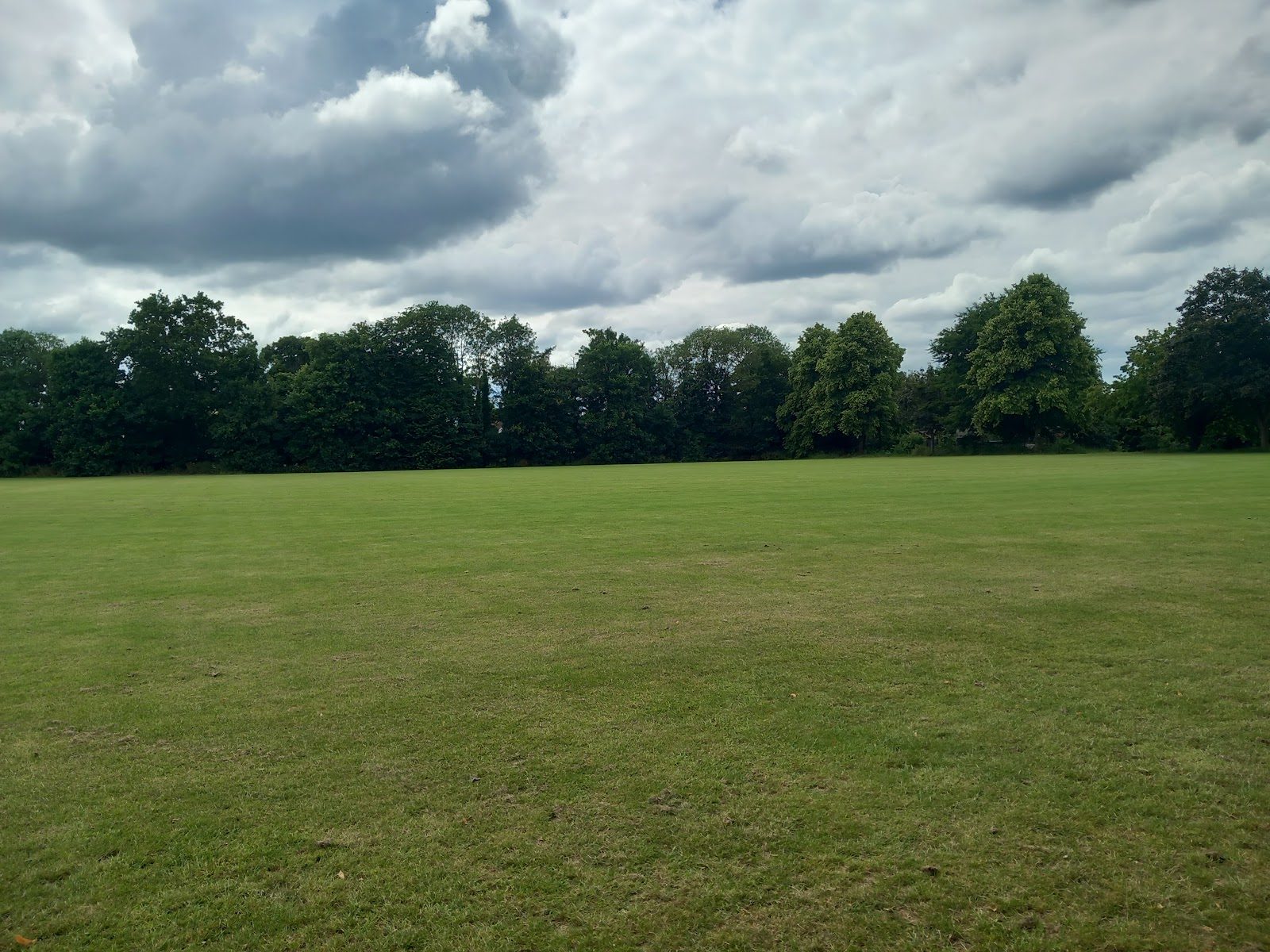
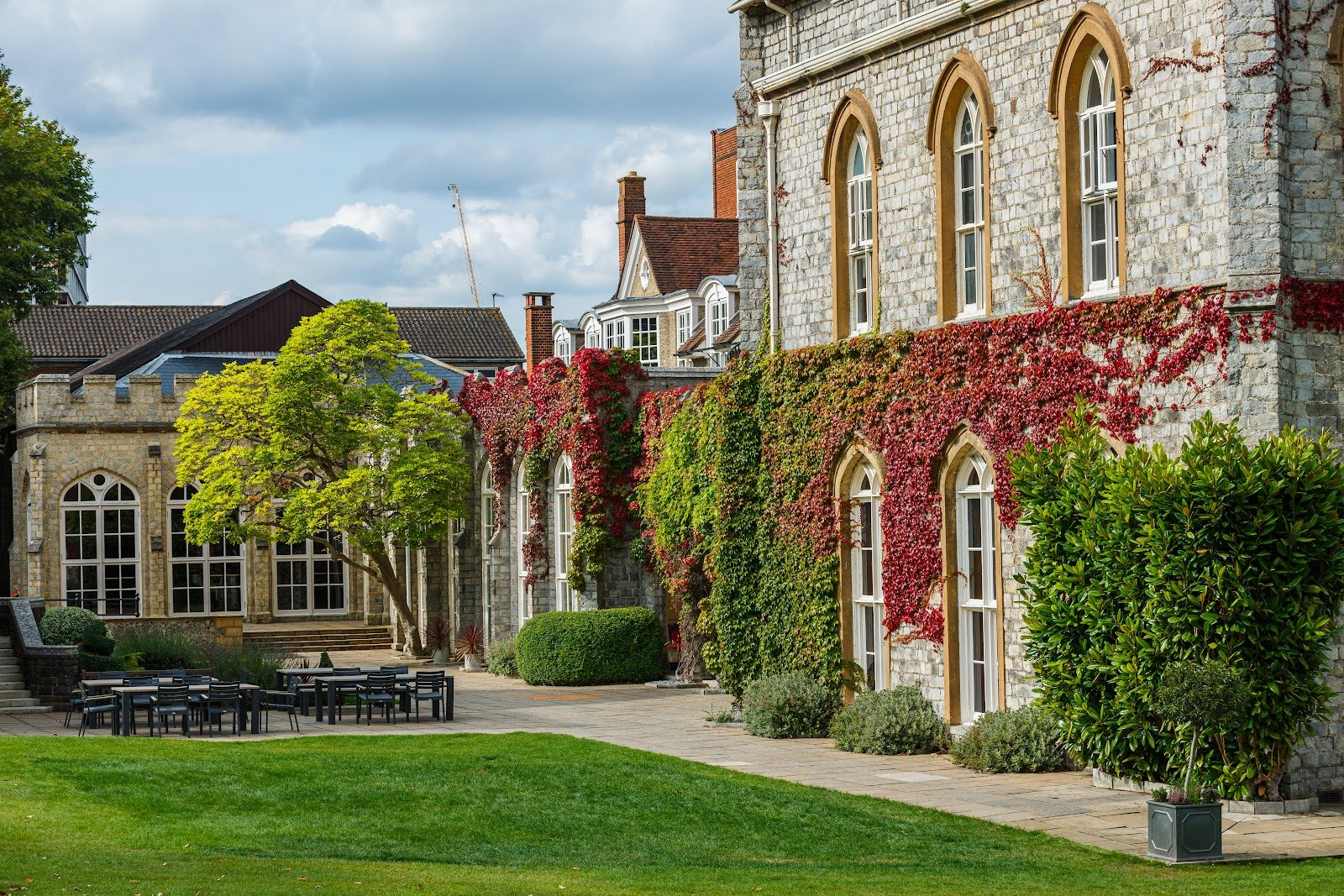
Photo © Devender Koppula via Google Maps
Type
Day
Ages
11–18
Curriculum
British
Ratio
—
Ranking breakdown
St Olave's Grammar School · #364 of 1591
Composite score 72.2. 8 weighted criteria.
By criterion
Academic Outcomes
Weight 20%
#66
of 1529 scored
University Placement
Weight 16%
#354
of 1529 scored
Prestige & Heritage
Weight 12%
#933
of 1571 scored
Alumni Network
Weight 12%
#910
of 1530 scored
Facilities
Weight 12%
#1203
of 1533 scored
Transparency & Communications
Weight 8%
#92
of 1532 scored
Peer & Industry Review
Weight 10%
#486
of 1548 scored
Admissions Selectivity & Demand
Weight 8%
#22
of 1529 scored
Peer & Industry Review
How St Olave's Grammar School is regarded in the sector
Insufficient peer signal
We couldn't find enough independent third-party evidence to score this school's peer & industry standing with confidence. It doesn't mean the school isn't well regarded — only that public reputation sources we trust don't yet cover it. This axis is left blank for now and the composite score is median-imputed from the other six categories.
Editors' overview
St Olave’s Grammar School occupies a rare position in the south-east London market: a 1571 Church of England grammar with serious academic intent, a long institutional memory and a sixth form that opens beyond its own boys’ intake. The headline distinction is not heritage alone. It is the combination of selective entry at 11, co-educational entry at sixth form from 1998, and a school culture that places academic pressure alongside organised pastoral structures. The school itself leans hard on high expectations, academic excellence and community for life; the public record backs that emphasis with Ofsted’s 2024 judgement that pupils receive an “exceptional all-round education” and “exceptional pastoral support”. For parents comparing grammars, that matters: St Olave’s is not a loose, sink-or-swim academic shop. It is a highly driven school that has built systems around the pressure.
What puts it on a shortlist is the depth of the offer beyond lessons. The site map alone tells you a lot: strong subject infrastructure, dedicated libraries, extensive higher education and careers guidance, degree apprenticeship support, counselling, chaplaincy, VEX Robotics, STEM Racing, music, drama, DofE, World Challenge and Operation Wallacea. The physical plant has also moved with the times — a purpose-built sixth form and music centre opened in 2008, the former swimming pool was converted into a multi-purpose sports and drama hall in 2010, an all-weather pitch arrived in 2022, and new cricket nets followed in 2025. This is a school with institutional confidence, serious co-curricular range and a clear understanding that able pupils need more than classrooms and exam drilling.
The right child for St Olave’s is intellectually fast, resilient and comfortable in a selective environment where standards are explicit. Boys applying at 11 need to want an academically concentrated education rather than a broad-church comprehensive experience. Students joining sixth form — including girls — need to be ready to enter an established culture with a large intake of external pupils, more adult expectations and a strong focus on next-step destinations. The school’s published 2025 A-level snapshot is forceful: 95.1% of grades at A–B, 78% at A/A, and 39% at A*. Those numbers place St Olave’s in the top academic bracket and explain its pull. The trade-off is obvious. This is not the school for a child who needs a low-pressure atmosphere, constant hand-holding or a softer pace. It is for students who thrive on scholarly intensity, competitive energy and a clear moral framework without wanting a boarding school.
Academic Performance
St Olave’s sits in the top academic tier of English state schools. The published sixth-form outcome now in view is not a marginally strong set of results; it is a hard-edged performance profile that places the school alongside the country’s most exacting grammars. With 95.1% of A-level grades at A–B, 78% at A/A and 39% at A*, the school produces the kind of distribution families expect from a highly selective intake and a staff body that drives pupils hard. Relative to peers, that matters more than raw pass rates, which tell you little at this level because near-universal passes are standard. The real separator is how far results are concentrated at the top end. On that measure, St Olave’s is unequivocally elite.
There are limits to the public picture. The school advertises GCSE results news, but the extract here gives no aggregate GCSE breakdown, no multi-year trend line and no comparative progress data. That opacity stops short of undermining the academic case, but it does narrow it: the strongest published evidence is sixth-form attainment, not a fully disclosed results dashboard across all stages. Even so, within the grammar-school market, this is a results-driven, high-pressure academic environment with outcomes that place it in rare company. Parents choosing St Olave’s are not buying a gentle all-rounder. They are choosing a school built to convert selective intake into top-grade examination performance.
Facilities
St Olave’s has invested in the facilities that matter most for a selective academic day school: teaching and study space, sixth-form provision, music, sport and organised enrichment. The strongest assets are the dedicated sixth-form block and music centre, both purpose-built, plus school libraries that signal serious independent study rather than a token reading room. For sport and performance, the converted former pool now functions as a multi-purpose sports and drama hall, joined by an all-weather pitch and modern cricket nets with 4 lanes over 33 metres. That is a well-targeted, function-first estate: not lavish, not country-house grand, but clearly built around the daily needs of bright, heavily committed students who stay late for clubs, rehearsals and fixtures.
Against peer grammars, that puts St Olave’s in a strong bracket without pushing it into the realm of facilities theatre. You do not get the acreage, boarding infrastructure or elite sports complexes that define top independent schools. You do get a serious working campus with enough specialist space to support robotics, STEM competition work, drama, music, reading, higher education guidance and a broad societies programme without the place feeling thinly equipped. The presence of counselling, chaplaincy and SEND provision on the school map also matters: in a high-pressure academic setting, support rooms count as much as labs and pitches. The estate fits the school’s character — disciplined, purposeful and more substantive than showy.
The other distinctive feature is the school’s combination of Christian moral framework, hard academic drive and unusually explicit pastoral scaffolding
Prestige
St Olave’s carries real prestige, and not the flimsy sort built on glossy branding. Its status rests on three harder things: selective entry, an examination profile that sits in the national top bracket, and a long-established identity that families in the grammar-school market recognise at once. In south-east London and Kent-border circles, it has the pull of a school that high-attaining families target early and discuss seriously. The co-educational sixth form strengthens that standing because it turns the school into more than a closed boys’ pipeline; external applicants compete to enter an already demanding academic culture. The published sixth-form results snapshot — 78% at A/A and 39% at A — confirms that the reputation is not empty cachet but backed by hard academic delivery.
That said, prestige here is earned rather than glamorous. St Olave’s does not trade on vast grounds, boarding-school theatre or an international brand. It trades on intellectual selection, institutional continuity, and a record of sending able pupils through a high-pressure, status-conscious system with strong outcomes. Ofsted’s praise for both all-round education and pastoral support matters because it answers a common criticism of highly selective schools: that they produce results while neglecting the child. At St Olave’s, the public case is that standards and care sit together. That combination gives the school serious local prestige and, within the state sector, a reputation that extends well beyond its immediate catchment.
Those numbers place St Olave’s in the top academic bracket and explain its pull
Communications
St Olave’s communicates with parents in a structured, workmanlike way. The website carries the practical spine: calendar, term dates, attendance and absence guidance, letters home, weekly newsletters, catering, uniform, travel, policies, closure notices and direct contact routes. That breadth matters because selective schools generate administrative traffic, and this one has built clear channels for it. The parent-facing tools also include the SIMS Parent App, cashless payments and Parent View, which points to a school that expects families to stay on top of routine detail rather than chase it by email. Safeguarding reporting is visible, including an out-of-hours route, and that is a mark of serious operational discipline, not decorative compliance.
The effectiveness is strong, with one caveat. For day-to-day school life, the system is plainly functional: there are multiple access points, named sections for the issues parents actually need, and regular news output from both the school and the headteacher. The caveat is tone. St Olave’s communicates with the confidence of an established institution, and the public voice can feel institution-first rather than warm. Some parents will value that directness; others will read it as brisk and uncompromising. What lifts it above the average grammar-school model is the visibility of pastoral and support information alongside the academic and logistical machinery. The school does not hide counselling, chaplaincy, SEND or home-school communications in a back corner. That gives parents a clearer sense of how the school runs under pressure, and in a demanding environment that is more useful than polished prose.
Uniqueness
What marks St Olave’s out is the shape of the institution rather than a single headline. It is a boys’ selective school up to the end of compulsory schooling, then opens its sixth form to a large external intake that includes girls — more than 100 joining after GCSE in the school’s own account. That changes the atmosphere in a way many grammars never manage. The lower school keeps a clear, old-grammar identity; the sixth form becomes more mixed, more outward-facing and more adult. For students, that brings two gains: continuity for those already in the school, and a genuine reset at sixth form level for newcomers who want high academic standards without the social closed loop of a fully fixed cohort.
The other distinctive feature is the school’s combination of Christian moral framework, hard academic drive and unusually explicit pastoral scaffolding. Plenty of selective schools deliver pressure; fewer publish counselling, chaplaincy, SEND support, safeguarding routes, higher education guidance, degree apprenticeships, outreach work and a deep societies menu as visible parts of the school’s everyday structure. The result for pupils is not a softer school, because St Olave’s is not soft. It is a high-demand environment with more organised support than that model often provides. Add the long alumni tradition and the school’s own emphasis on community for life, and pupils get something more durable than exam training: a tight institutional culture that can steady, stretch and, for the right student, sharpen ambition.
St Olave’s sits in the top academic tier of English state schools
Student Profile
The pupils who thrive here are bright, fast-processing and comfortable being measured against other able children every day. This is a selective grammar with a hard competitive core, and the social centre of gravity sits with students who take academic work seriously without needing coaxing. Boys entering in the lower school need enough self-command to handle pressure, homework and comparison without spiralling when they are no longer the obvious top performer in the room. The school’s Christian character and visible emphasis on dignity, respect and community also matter in practice: the best fit is not just clever, but civilised under pressure. Pupils who want to disappear into the background, resist structure or treat scholarship as optional will grind against the culture.
The sixth form widens the profile. With more than 100 external entrants joining after GCSE, including girls, the senior years demand social confidence as well as academic stamina. Newcomers need to slot quickly into an established institution without expecting it to bend around them. This suits students who want a serious, grown-up sixth form with strong university focus, active societies and clear expectations. It does not suit teenagers who need a low-stakes, emotionally padded atmosphere. The pastoral architecture is stronger than at many high-performing grammars, which helps, but it does not alter the essential fact: St Olave’s fits pupils who are *ambitious, resilient and intellectually hungry*, and misfits children who need a gentler pace.
The real separator is how far results are concentrated at the top end
Co-curricular strengths
Arts & sport, on a separate axis
Overall 7.52/10
Scored 0-10 from the school's own published evidence. This axis is editorial-only — it does not feed the main WTS ranking.
Sports
8.5/10
Multiple rugby teams, basketball, cricket and Fives with a broad fixture calendar; infrastructure includes a former Olympic-sized swimming-pool area converted into a multi-purpose Sport/Drama Hall.
Drama
7.5/10
Deliberately conservative — the framework must resist the academic halo; no evidence found supporting a higher number.
Dance
5.5/10
Deliberately conservative — no evidence found supporting a higher number.
Music
8.4/10
A purpose-built Music Centre, a substantial concert calendar, orchestra, chamber orchestra, jazz and individual high-level performance; the school retains a formal choristership admission route.
Visual Arts
7.7/10
Available through A-level/AS Art & Design, but the public evidence does not reveal an elite art-school conversion machine.
Editor-verified · 8/27/2026
Gallery
Photo © Devender Koppula via Google Maps
Photo © Devender Koppula via Google Maps
Photo © Rohit Garg via Google Maps
Photo © BIGCOCO07 via Google Maps
Photo © Rohit Garg via Google Maps
Photo © Rohit Garg via Google Maps
Photo © Rohit Garg via Google Maps
Photo © Rohit Garg via Google Maps
Photo © Tom Reeves via Google Maps
Parent reviews
Have you sent your child here?
Voice reviews carry the strongest trust badge — we transcribe them for you to tidy up before they go live. Prefer to type? A written review is fine too.
Add your voice
In 60 seconds, tell other parents: what's the best thing about St Olave's Grammar School, and what surprised you when your child joined?
We ask for a Google sign-in so every review has a real face behind it — no anonymous drive-by attacks on schools, and no faked positive reviews. Your email is never shown publicly.
Send this profile to a friend
International parents rely on word-of-mouth. Share this review with someone weighing the same decision.
Schools with places
Similar schools to St Olave's Grammar School with places available now.
St Paul's Girls' School
London · United Kingdom
- 2026-27
- CLOSEDStandard route
- 2027-28
- PLACES OPEN11+ Nov 6 / 16+ Sept 25
Haileybury
Hertford · United Kingdom
- 2026-27
- CLOSEDStandard route
- 2027-28
- PLACES OPEN16+ Active; 13+ Std Closed; 13+ Late enquire
Badminton School
Bristol · United Kingdom
- 2026-27
- CLOSEDStandard route closed
- 2027-28
- PLACES OPENCloses Oct/Nov '26
Latymer Upper School
London · United Kingdom
- 2026-27
- CLOSEDStandard route
- 2027-28
- PLACES OPENCloses Nov
Availability first, then country, area, curriculum, price, co-curricular
Consider also
Also worth looking at alongside St Olave's Grammar School.
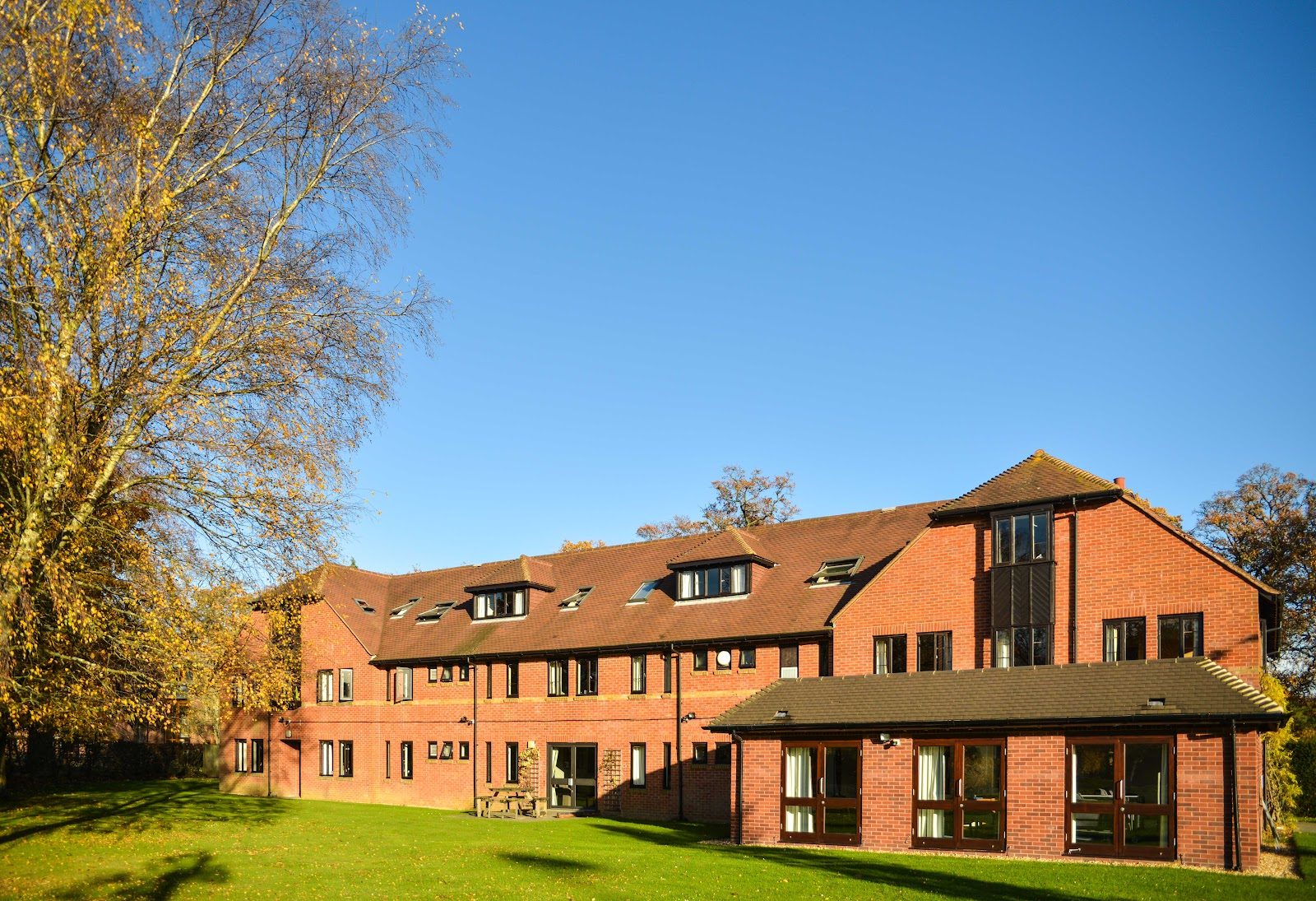
Canford School
Wimborne Minster · United Kingdom
A Sir Charles Barry-designed Grade I manor on the River Stour, home to one of England's last two working real tennis courts.
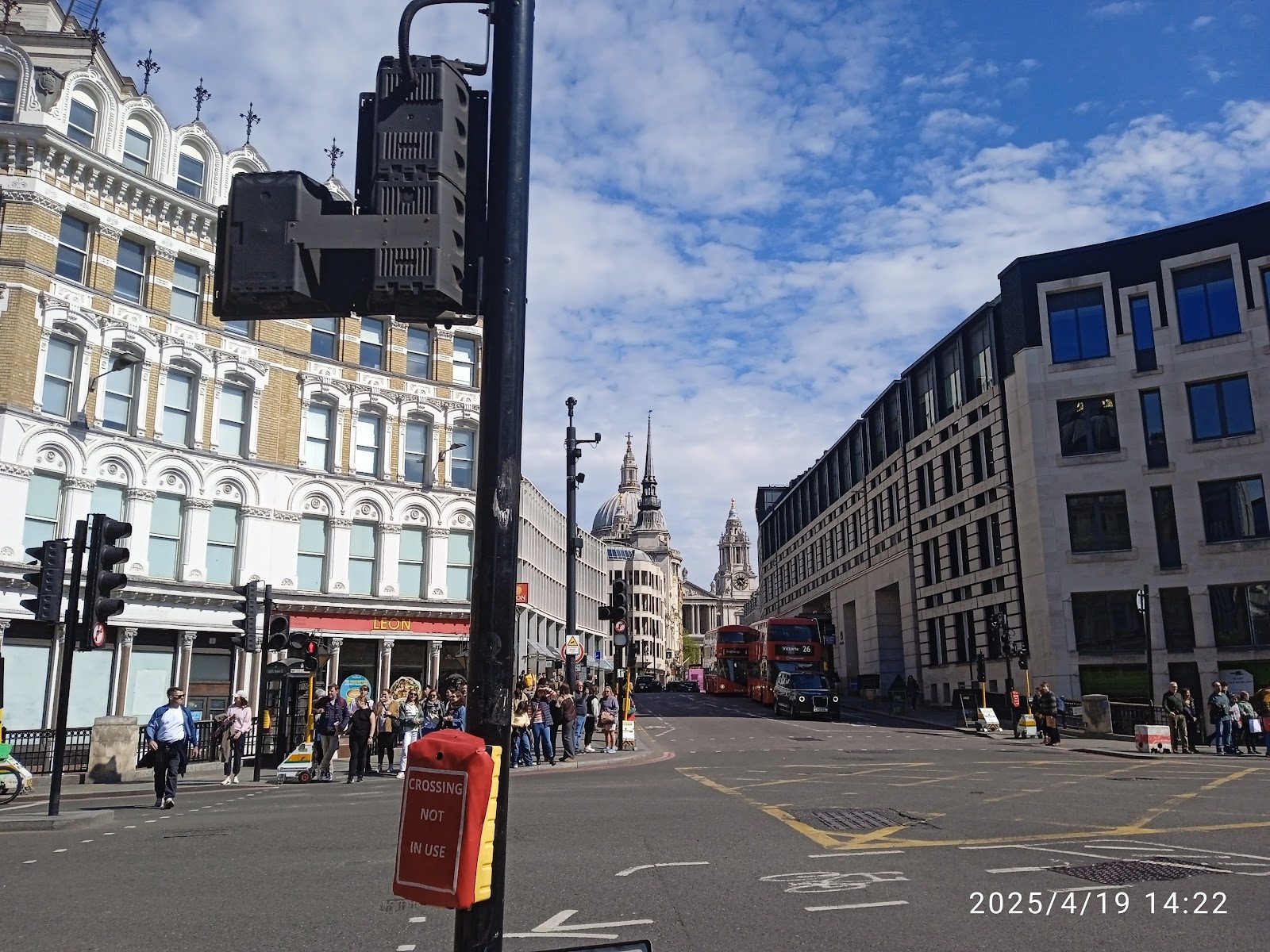
St Paul's Girls' School
London · United Kingdom
A Hammersmith day school where admission itself is the only scholarship, and GCSE results already top the national table.
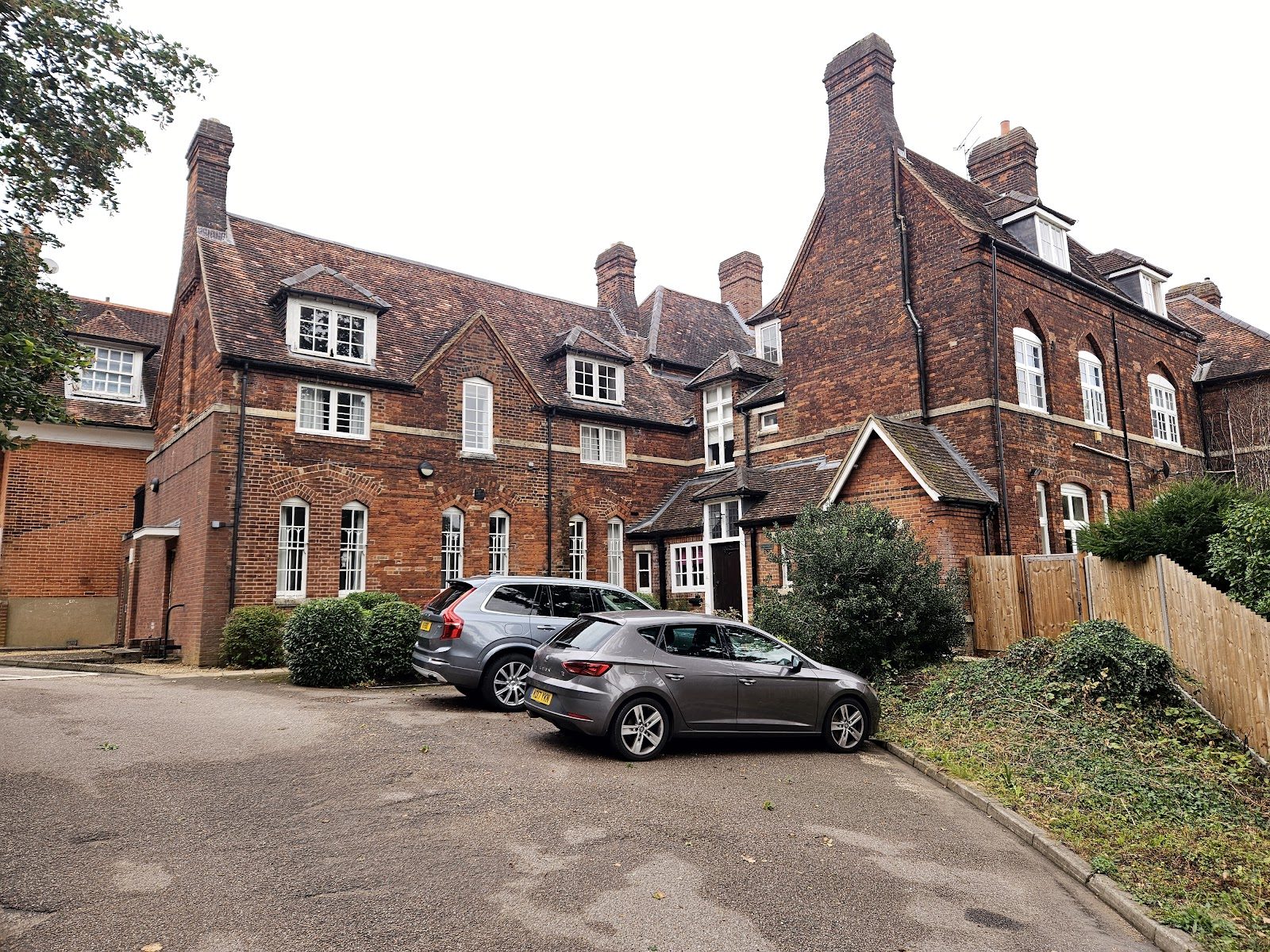
Haileybury
Hertford · United Kingdom
A neoclassical quadrangle built for East India Company recruits now anchors this Hertfordshire boarding school, second-largest of its kind in Britain.
Wycombe Abbey
High Wycombe · United Kingdom
A Victorian pioneer's 1896 foundation, this Chiltern hills estate blends mixed-age boarding houses with one-in-five Oxbridge offers.
Same country and curriculum — closest matches within ±10 points either way