
California
San Marino High School
low confidence· 1/6 cats · 2.67 avg sourcesA San Gabriel Valley public school pairing AP Platinum status with Caltech-linked STEM research and a national Blue Ribbon record.
Photo © Thad King via Google Maps
Type
Day
Ages
13–18
Curriculum
American
Qualifications
AP · US High School Diploma
Ratio
1:24
The Verdict
Editor's commitment
Right for
Families wanting a public American day school, founded in 1955, with AP Platinum status and Caltech-linked STEM research.
Wrong for
Parents seeking boarding, religious ethos or bilingual teaching; this San Marino school is day-only, secular and teaches in English.
Watch out for
The published academic data are thin: a 1:24 ratio and a 2015 district API score of 932, but no current whole-school outcomes.
Ranking breakdown
San Marino High School · #1172 of 1591
Composite score 59.0. 8 weighted criteria.
By criterion
Academic Outcomes
Weight 20%
#792
of 1529 scored
University Placement
Weight 16%
#965
of 1529 scored
Prestige & Heritage
Weight 12%
#1357
of 1571 scored
Alumni Network
Weight 12%
#1013
of 1530 scored
Facilities
Weight 12%
#1314
of 1533 scored
Transparency & Communications
Weight 8%
#1019
of 1532 scored
Peer & Industry Review
Weight 10%
#1373
of 1548 scored
Admissions Selectivity & Demand
Weight 8%
#888
of 1529 scored
Peer & Industry Review
How San Marino High School is regarded in the sector
60
Respected · medium confidence
San Marino High School is recognized regionally as a top-tier California public school, regularly cited in Niche and U.S. News public-school rankings alongside districts like Arcadia and Palos Verdes, rather than compared against national independent schools. It draws respect from UC admissions offices for consistent AP participation and pass rates, reflected in strong UCLA/Berkeley matriculation patterns typical of high-performing San Gabriel Valley feeder schools. Independent education press coverage is thin outside California-specific outlets and local real-estate-driven school-rating sites, which frame it as a public-school draw for home buyers rather than a subject of Good Schools Guide or WhichSchoolAdvisor analysis, both of which focus on independent and international schools. It has no meaningful presence at international peer conferences or boarding-school forums, and heads of elite private schools would not typically benchmark against it. Its standing is essentially a strong regional public-school reputation rather than an internationally recognized brand.
- Julia Louis-Dreyfus — Actress, Entertainment
Editors' overview
San Marino High School sits in a rare bracket for a US public school: academically strong, district-backed and tied to a community that treats education as a serious civic project. It is the only high school in the San Marino Unified School District, which matters. There is no ambiguity about where district attention lands. The school’s public reputation rests on hard academic expectation, a long-established place in an affluent San Gabriel Valley enclave, and a record that carries beyond local boosterism. The editorial tagline captures the core of its market position: AP strength, STEM opportunity and national recognition. The cited California Academic Performance Index figure — 932/1,000 in the 2015 survey, with the district ranked 52nd in the state — places it in a high-performing tier. This is a serious academic environment.
What puts San Marino High on a shortlist is not romance or campus theatre; it is concentration. Parents looking at American day schools in Southern California will find here a public option with the habits of a selective academic culture: demanding peers, a strong expectation of university progression, and a setting that rewards disciplined, self-directed students. The Caltech-linked STEM research angle adds a point of distinction that many conventional public schools cannot match. So does the Blue Ribbon record flagged in the editorial context. For a family that wants academic credibility without private-school fees, that combination has force. The student–teacher ratio of 1:24 is not intimate, and nobody should mistake this for boutique schooling, but scale here works in service of breadth rather than anonymity. The pressure is real. The ambition is built in.
This school suits students aged 13–18 who want a rigorous American curriculum in English and who do not need pastoral hand-holding to stay on track. The best fit is a teenager who is comfortable in a competitive classroom, ready to chase advanced coursework, and interested in science, maths and research-led opportunities without narrowing too early. It also suits families who value high attainment inside a public system and who understand the trade-off: less curation than an elite private school, but more academic heft than many local publics. Students who need a softer pace, extensive individual attention or a broad church of educational styles will find the culture exacting. For the right child, it is energising. For the wrong one, it is unforgiving.
Academic Performance
San Marino High School sits in the top bracket of American public schools on the limited hard data in the public domain. The published district Academic Performance Index figure of 932/1,000 places it well above the state norm, and the cited statewide standing — 52nd in California — matters more than local reputation. California is crowded with affluent suburbs, selective magnets and high-output public districts. To land in that company marks the school out as genuinely high-performing, not just strong for its postcode. That said, parents should note the age of the API data and the limits of the measure: it captures broad institutional attainment, not the full texture of current exam outcomes, subject strength or score distribution.
That gap matters. The school does not publish aggregate AP results in the sources we have seen here, so any claim about AP pass rates, top-score volume or performance against peer public schools would be guesswork. The same goes for SAT or ACT profiles. What remains clear is the direction of travel: this is a school with a serious academic ceiling, operating in a district with a hard-edged attainment culture. Relative to peers, it belongs with the stronger non-selective public schools in California. Relative to highly transparent exam-reporting schools, its results picture is less open than it should be.
Facilities
San Marino High’s facilities story is defined less by spectacle than by utility. The standout asset is access: as the district’s sole secondary school, it can concentrate specialist provision in one place rather than spreading it thinly across competing campuses. That matters most in science and advanced study. The editorial context flags Caltech-linked STEM research, which lifts the school above the standard public-school lab model and gives serious students a route into work that exceeds routine classroom practicals. Against peer public schools, that is a genuine point of separation. Against elite independents with purpose-built research centres, black-box theatres and indoor athletics complexes, it reads as academically strong rather than lavish. Parents looking for architectural theatre or resort-style amenities are shopping in the wrong sector.
What we do not have is a published, school-level inventory of major facilities detailed enough to verify the full estate — theatres, specialist arts spaces, athletics plant, maker facilities or performing arts infrastructure are not disclosed in the sources here. That opacity limits a precise benchmark. Even so, the broad picture is clear. This is not a campus sold on luxury hardware; it is a public-school environment geared to serious academic use, with enough scale to support breadth and enough local expectation to keep facilities from drifting into neglect. In its peer group, that puts it in the high-functioning, high-pressure category: stronger than ordinary comprehensive provision, less expansive than top-fee private campuses.
San Marino High School sits in the top bracket of American public schools on the limited hard data in the public domain
Prestige
San Marino High carries real prestige, but it is a specific kind of prestige. This is not brand prestige built on private-school mystique, boarding heritage or glossy international marketing. It is civic-academic prestige: the status that attaches to a public school in a wealthy, education-driven district where families expect high attainment as standard. Being the district’s sole high school concentrates attention, expectation and scrutiny in one place. That gives the school a high-status local position and a serious academic cachet that many public schools never reach. The published district standing — 52nd in California, with an Academic Performance Index of 932 — confirms that the reputation rests on performance, not sentiment.
Why rate it highly rather than at the absolute summit? Because prestige at the top end needs two things: strong outcomes and broad external visibility. San Marino High has the first. The second is more mixed. Outside Southern California and US public-school circles, the name does not carry the instant global recognition of elite independents or famous magnets. Its prestige is earned rather than theatrical, substance-first rather than glamorous. That is no weakness for the right family. For parents who value academic credibility, ambitious peers and access to a hard-driving public-school culture without private fees, this education has genuine weight. For families chasing institutional polish or international brand power, it has less pull.
To land in that company marks the school out as genuinely high-performing, not just strong for its postcode
Communications
Parent communication at San Marino High reads as functional, district-style and geared to a community that already knows how to navigate schools. That has strengths. A single high school sitting inside one unified district gives parents a clear chain of responsibility and fewer excuses for mixed messaging between campuses. For families used to American public education, that structure is clean, practical and easy to follow. It also fits the school’s culture: this is not a place trading on warmth or hand-holding, and its communications do not need to perform intimacy to be effective. What matters is whether parents can track expectations, deadlines, academic pathways and school life without confusion. On that test, the set-up looks competent rather than charismatic.
The limitation is transparency at the sharp end. We have not seen the school publish the kind of headline outcome data that ambitious parents want most: aggregate AP performance, standardised testing profiles, or a fuller public dashboard of academic results. That weakens communication because it leaves families to infer quality from district standing and reputation rather than inspect current school-level evidence directly. In a high-pressure environment with a student–teacher ratio of 1:24, precision matters. Strong schools do not need glossy prose, but they do need hard information. San Marino High gives enough to support trust in the basics; it does not deliver the full factual candour that top-tier parents expect. Effective, yes. Exemplary, no.
Uniqueness
What makes San Marino High unusual is the combination of public access and high-end academic culture. Many strong American public schools offer advanced classes; fewer sit at the centre of a district where one secondary campus carries the full weight of family expectation, civic attention and institutional investment. That creates a school with a compressed intensity that private schools charge heavily to manufacture. The school’s Blue Ribbon standing and AP Platinum billing sharpen that identity, but the more distinctive feature is the STEM lane: Caltech-linked research moves science beyond standard school-lab work and gives able students contact with serious intellectual machinery early. For a motivated teenager, that matters more than glossy buildings or brand theatre.
The gain for students is clear. They get demanding peers, advanced academic pace and access to opportunities that push past routine classroom competence into authentic scholarly work. In practice, that can build confidence with university-style expectations before university starts. It also gives science-inclined pupils a concrete edge: research experience, stronger mentorship and a clearer sense of what high-level technical study actually involves. The trade-off is just as clear. This model rewards self-direction and stamina; it does not cushion drift. In that sense, San Marino High is *distinctive not because it is public, but because it behaves like a selective academic ecosystem* while remaining inside one. That is rare, and for the right student, powerful.
Because prestige at the top end needs two things: strong outcomes and broad external visibility
Student Profile
The student who fits San Marino High is bright, self-propelled and comfortable in a culture where academic effort carries social weight. This is not a school for children who need coaxing to complete work, chase teachers or recover from a weak start. It suits teenagers who treat school as serious business, who can absorb pace without drama, and who do not buckle when surrounded by high-attaining peers. The district’s published performance benchmark of 932/1,000 tells you the baseline: students enter a setting where competence is assumed and slack habits get exposed quickly. The best match is a pupil with strong executive function, intellectual stamina and a real appetite for advanced classes, especially in the sciences and mathematics. High-drive, thick-skinned and internally motivated wins here.
Socially, the fit is narrower than the public label implies. Students who thrive in status-conscious, achievement-led environments will find their people; students who need a looser, more forgiving culture will not. The school suits families who value public education but want standards that bite, and teenagers who can make use of specialist academic opportunity without needing constant adult management. It also suits pupils happy to build their own path inside a large system rather than wait for a school to personalise every step. Those who want gentle pastoral choreography, broad tolerance for drift or a low-pressure adolescence should look elsewhere. This is a place for students ready to compete, persist and keep up.
San Marino High gives enough to support trust in the basics; it does not deliver the full factual candour that top-tier parents expect
Co-curricular strengths
Arts & sport, on a separate axis
Overall 8.52/10
Scored 0-10 from the school's own published evidence. This axis is editorial-only — it does not feed the main WTS ranking.
Sports
8.8/10
Drama
8.5/10
Dance
8/10
Music
8.8/10
Visual Arts
8.5/10
Strengths
- +Only high school in San Marino Unified School District
- +Public day school; no boarding requirement
- +American curriculum in English
- +Founded 1955; established local option
Considerations
- −Only one curriculum: American
- −English-only instruction may limit some families
- −Public school setting may suit fewer international families
Availability
Primary entry gate & tests
District Residency Required
Gallery
Photo © Thad King via Google Maps
Photo © Thad King via Google Maps
Photo © Martin Glazer via Google Maps
Photo © Mel M Cousimano via Google Maps
Photo © Katie via Google Maps
Parent reviews
Have you sent your child here?
Voice reviews carry the strongest trust badge — we transcribe them for you to tidy up before they go live. Prefer to type? A written review is fine too.
Add your voice
In 60 seconds, tell other parents: what's the best thing about San Marino High School, and what surprised you when your child joined?
We ask for a Google sign-in so every review has a real face behind it — no anonymous drive-by attacks on schools, and no faked positive reviews. Your email is never shown publicly.
Send this profile to a friend
International parents rely on word-of-mouth. Share this review with someone weighing the same decision.
Schools with places
Similar schools to San Marino High School with places available now.
Head-Royce School
Oakland · United States
- 2026-27
- CLOSEDRegular cycle
- 2027-28
- OPENS SOONOpens Sept '26
The Webb Schools
Claremont · United States
- 2026-27
- CLOSEDRegular cycle closed
- 2027-28
- PLACES OPENPortal live
The Branson School
Ross · United States
- 2026-27
- CLOSEDRegular cycle
- 2027-28
- OPENS SOONOpens Sept '26
Crystal Springs Uplands School
Hillsborough · United States
- 2026-27
- CLOSEDRegular cycle
- 2027-28
- OPENS SOONOpens Sept '26
Availability first, then country, area, curriculum, price, co-curricular
Consider also
Also worth looking at alongside San Marino High School.

Germantown Friends School
Philadelphia · United States
Rooted in an 1845 Quaker meeting in historic Germantown, where juniors design a month-long independent study of their own.
Poly Prep Country Day School
Brooklyn · United States
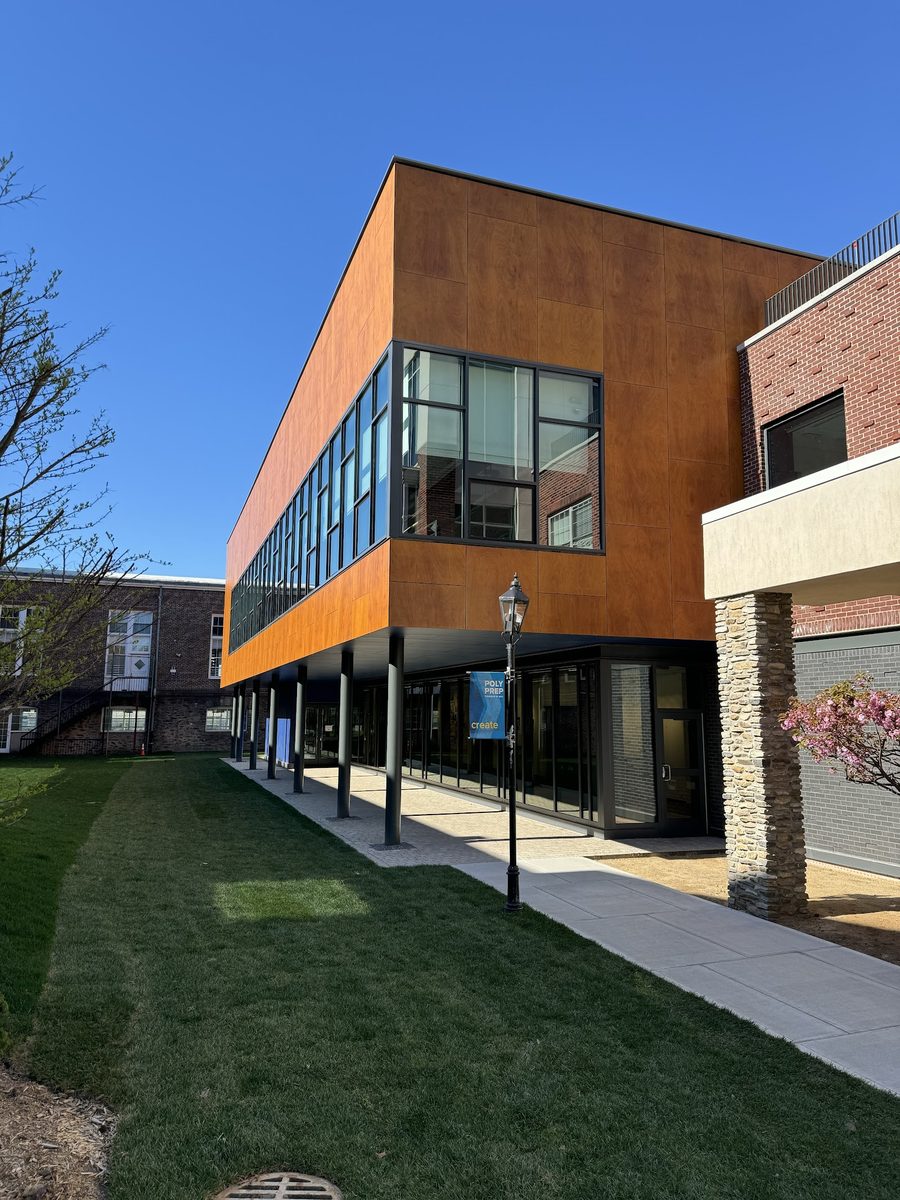
Founded in 1854 as Brooklyn's first boys' school, this day school pairs a Prospect Park mansion with a 25-acre Dyker Heights campus.
Marymount School of New York
New York City · United States
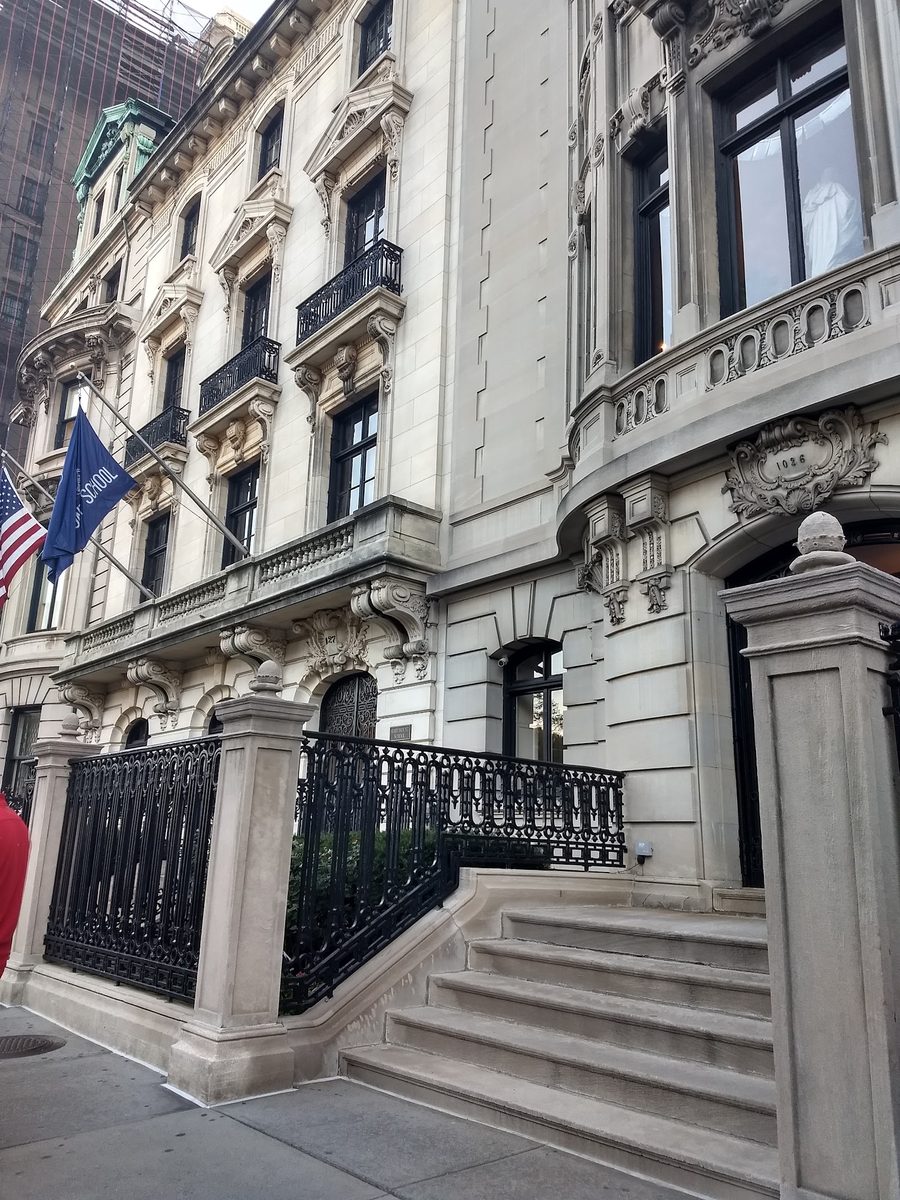
On Fifth Avenue, landmark mansions give way to Bloomberg terminals and classrooms inside the Met.
Boston University Academy
Boston · United States
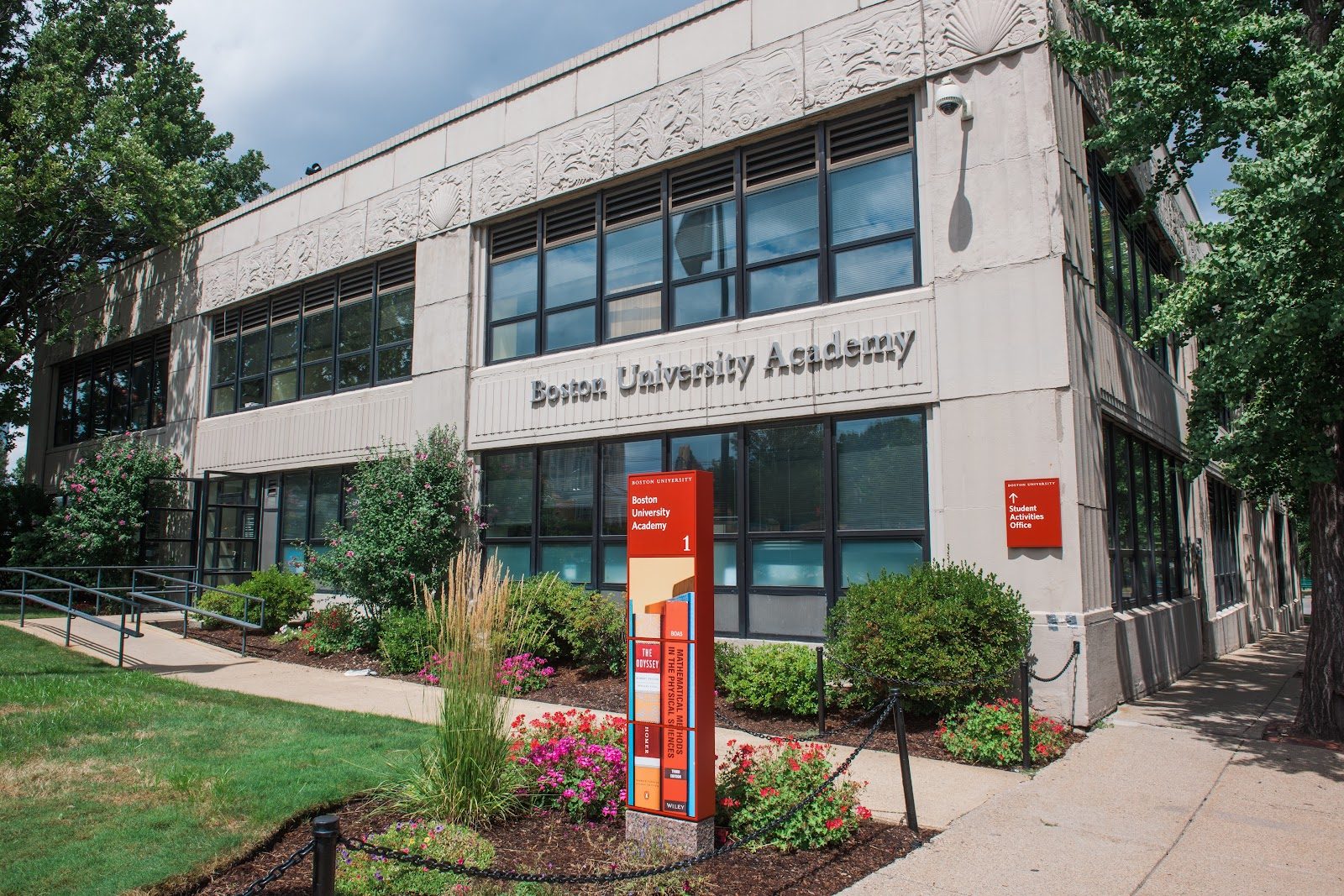
Upperclassmen trade study halls for Boston University lecture halls, banking college credit before graduation.
Same country and curriculum — closest matches within ±10 points either way