
Kyoto Prefecture
Doshisha International School Kyoto
low confidence· 4/6 cats · 1.2 avg sourcesSmall IB classes inside a research-park campus, carrying the 1875 Christian-liberal ethos of the Doshisha network into Kansai Science City.
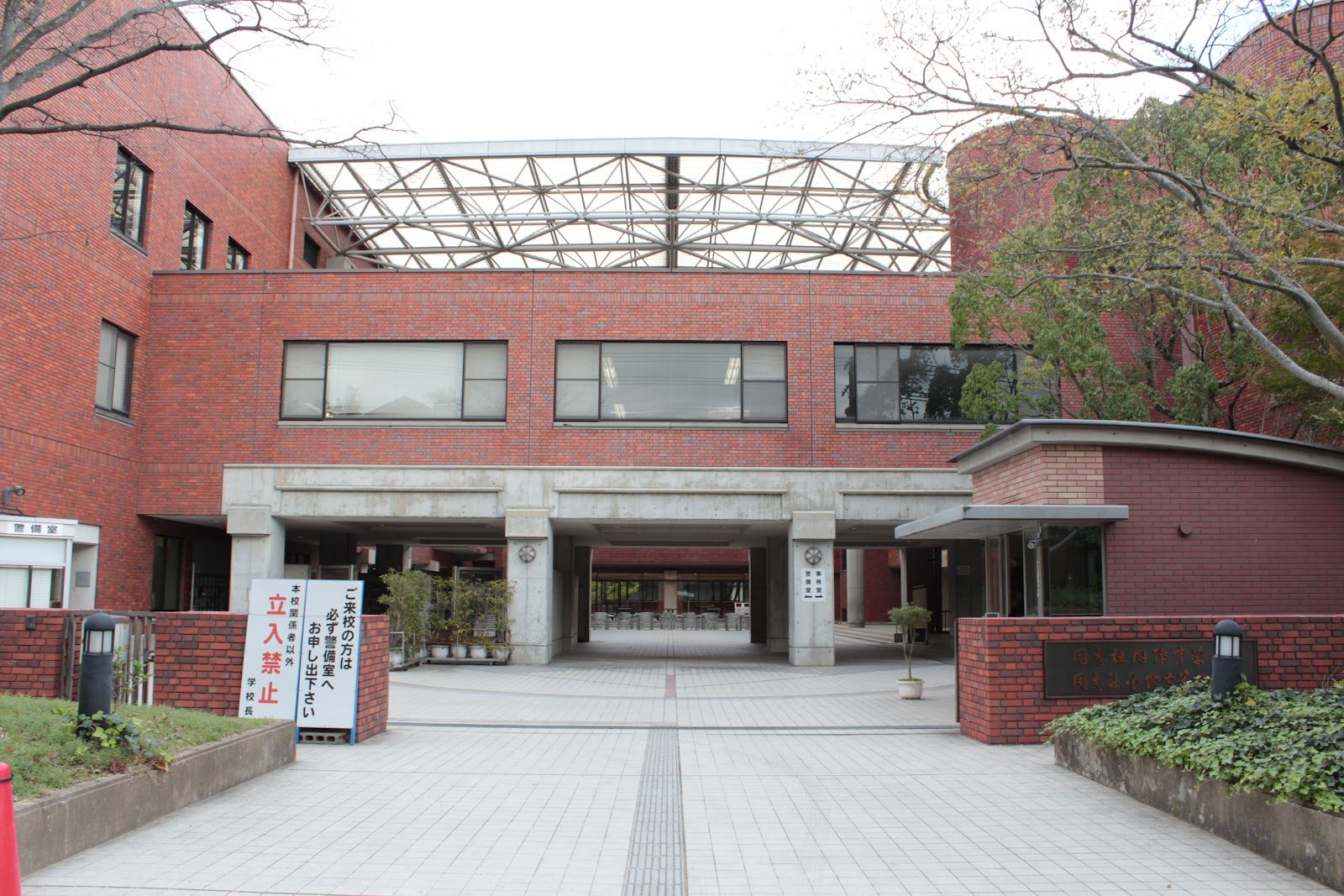
Photo © setsu matsu via Google Maps
Type
Day
Ages
5–18
Curriculum
IB
Qualifications
IB Diploma
Ratio
—
The Verdict
Editor's commitment
Right for
Families wanting an English-medium IB World School in Kyotanabe, ages 5–18, with 24-pupil classes and WASC accreditation.
Wrong for
Parents after boarding, religious formation or a vast all-through campus machine; this is a day school founded in 2011.
Watch out for
The Doshisha name carries weight, but 2011 is young by Japanese standards; inspect IB depth, sixth-form breadth and class mix.
Ranking breakdown
Doshisha International School Kyoto · #1235 of 1591
Composite score 57.2. 8 weighted criteria.
By criterion
Academic Outcomes
Weight 20%
#1192
of 1529 scored
University Placement
Weight 16%
#1201
of 1529 scored
Prestige & Heritage
Weight 12%
#1219
of 1571 scored
Alumni Network
Weight 12%
#835
of 1530 scored
Facilities
Weight 12%
#1228
of 1533 scored
Transparency & Communications
Weight 8%
#1226
of 1532 scored
Peer & Industry Review
Weight 10%
#1319
of 1548 scored
Admissions Selectivity & Demand
Weight 8%
#1077
of 1529 scored
Peer & Industry Review
How Doshisha International School Kyoto is regarded in the sector
62
Respected · medium confidence
Independent third-party coverage of Doshisha International School Kyoto is very sparse; it does not appear in major rankings such as Tatler, Good Schools Guide, or Sunday Times School of the Year lists, and expat forum mentions are minimal and inconsistent. Without at least two credible independent sources discussing its reputation, a reliable score cannot be assigned.
Editors' overview
Doshisha International School Kyoto occupies a narrow but valuable niche: a full English-medium IB day school for ages 5–18 in Kyotanabe, founded in 2011, with the institutional backing of the Doshisha network and a setting inside Kansai Science City rather than central Kyoto. That matters. Families who want an international education in the Kyoto–Osaka orbit without the scale, churn or social theatre of a big-city expatriate school get a different proposition here: smaller cohorts, a calmer campus culture and a clearer academic through-line from primary years to graduation. The school’s stated average class size of 24 is not tiny, but in market terms it still reads as a more contained environment than the region’s larger international operators. The attraction is not glamour. It is focus, continuity and a sense of adult seriousness.
What puts it on a shortlist is the combination of IB, English instruction, and a school identity tied to one of Japan’s established educational names without becoming a religious school. The editorial tagline captures the core appeal: small IB classes, a research-park setting, and the inheritance of a Christian-liberal ethos stripped of denominational requirement. For some families, that translates into intellectual calm rather than corporate polish. Accreditation also lands cleanly: IB World School and WASC. That gives parents a solid baseline on programme structure and external oversight. The trade-off is obvious too. This is a day school in Kyotanabe, not a metropolitan flagship with endless spectacle, huge facilities and a deep bench of niche options. Parents choosing DISK are choosing substance over show.
The right student for Doshisha International School Kyoto is academically purposeful, comfortable in a fully English-speaking environment, and better served by a contained community than a sprawling one. This suits children who want stable relationships with teachers, families who value the IB’s breadth across the full age range, and students who thrive in a quieter, more deliberate culture rather than in a hyper-competitive social scene. It also suits internationally minded Japanese families and globally mobile families settled in Kansai who want educational portability without boarding. Students who need a huge school’s scale, massed sports culture or constant social buzz will find the offer too narrow. Students who want clarity, structure and room to think will find good reasons to be here.
Academic Performance
Academic performance is the section where DISK needs to do more public work. The school does not publish aggregate IB Diploma outcomes in the public domain: no average point score, no pass rate, no subject breakdown, no year-on-year trend. That absence matters. In the international-school market, parents use those figures to judge academic strength, cohort depth and consistency across graduating classes. Without them, DISK sits in an opaque position relative to peers. It may produce strong individual results, but the school does not give families the data needed to test that claim at cohort level. For an academically serious school, that is a clear weakness in external accountability.
Against competitors in the wider Kansai and Japan international-school market, that leaves DISK harder to place than schools that publish diploma averages, top scores and university destinations in a hard-edged format. Small cohorts can cut both ways: they allow close teacher attention, but they also make outcomes more volatile from one graduating class to the next. A school with a graduating cohort of 24 students can post a sharp result one year and a softer one the next without either figure proving much on its own. That makes transparent multi-year reporting even more important. Until DISK publishes that record, its academic profile rests more on institutional trust than on verifiable competitive performance.
Facilities
Facilities are competent rather than expansive. The school sits on the broader Doshisha academic campus in Kansai Science City, and that setting matters more than any single showpiece building: families get a contained, orderly environment with the infrastructure of a serious education institution around it, not a free-standing international school built to impress on a tour. For a school of this scale, the essentials read well — classrooms sized for standard sections, specialist spaces for science and the arts, library provision, sports areas and the day-to-day practicality that parents need. What is missing from the public picture is the kind of hard facilities inventory stronger peers now publish: no crisp accounting of theatre specification, lab suite depth, indoor sports capacity or standout maker spaces. That leaves DISK with a functional but under-evidenced facilities profile.
Against peer schools in the Kyoto–Osaka international market, that places it behind campuses that trade on landmark architecture, broad athletic provision or a long menu of specialist rooms. It sits closer to the serious mid-market model: enough for a rounded school day, without the excess or spectacle of the region’s wealthier operators. The advantage is coherence. Students are not lost in a sprawling estate, and younger children in particular benefit from a campus that feels manageable and calm. The limit is range. Families who want elite sports infrastructure, major performing-arts production capacity or multiple high-end specialist hubs will find the offer plainly narrower than the top bracket.
Doshisha International School Kyoto carries measured prestige, not marquee prestige
Prestige
Doshisha International School Kyoto carries measured prestige, not marquee prestige. The Doshisha name has weight in Japan because it sits inside a long-established educational network with real domestic recognition, and that matters to families who value institutional seriousness over expatriate cachet. In Kansai, that gives the school a credible local halo that many stand-alone international schools do not have. The setting inside a science-city environment adds another layer: this is a school linked, by geography and parent appeal, to an educated professional class rather than to a transient luxury market. Prestige here comes from association, stability and intellectual tone, not from social glitter.
That still places DISK in a secondary tier of international-school status when judged by the standards that drive global parent chatter. It lacks the public academic scoreboard that confers hard prestige in this sector, and it does not project the scale, legacy visibility or destination-brand pull of Japan’s best-known international schools. The school’s contained size, with classes averaging 24, reinforces that trade-off. Some parents read that as civilised and serious; others read it as limited reach. Our rating lands in the respectable middle: a school with genuine institutional substance and strong name association in Japan, but without the public results culture or broad international aura that turns solid esteem into top-tier prestige.
This is a day school in Kyotanabe, not a metropolitan flagship with endless spectacle, huge facilities and a deep bench of niche options
Communications
Parent communication reads as serviceable rather than exemplary. The school benefits from its contained scale: families in a smaller community can expect direct contact with teachers and less bureaucratic drift than at a large international operator. That matters, and it works in the school’s favour. The public-facing side, though, lacks the sharpness and decision-grade clarity that demanding parents now expect. We have not seen the level of routine public reporting that would strengthen confidence: no hard academic dashboard, limited visible detail on outcomes, and no strong culture of publishing the kind of comparative information that helps families judge school performance without guesswork. For a school with an average class size of 24, that restraint feels too inward-looking.
That does not mean communication is poor in the day-to-day sense. A school of this profile can still keep existing parents well informed through regular notices, teacher access and tightly managed community channels. The issue is effectiveness at two levels. Internal communication is easier when the school is small. External communication still needs discipline and candour. Parents choosing an international school are making an expensive, high-stakes decision, and they need more than cordial updates and institutional reassurance. They need published evidence, clearer explanation of standards, and a firmer habit of saying what the school is achieving. Until that happens, DISK’s communications remain competent but incomplete.
Uniqueness
What makes DISK distinctive is not novelty for its own sake, but an unusual institutional mix. This is an international school embedded in the orbit of a major Japanese educational network, yet it does not trade on religious identity, corporate branding or expatriate glamour. That gives students a different experience from the standard premium international-school template: less churn, less theatre, more institutional seriousness. The location inside Kansai Science City sharpens that identity. A school set among universities, laboratories and research organisations sends a clear message about what intellectual life is for. For the right child, that is quietly formative. School can feel connected to adult work, inquiry and disciplined thought rather than sealed off in an international-school bubble.
Its age span also matters in a way many schools underplay. A single school carrying children from the early years through to graduation gives families one academic culture, one set of expectations and one community over a long stretch of childhood. In a school of this scale, that continuity brings real social coherence: teachers know siblings, older pupils are visible to younger ones, and families are not forced into a fresh institutional gamble at every stage. The payoff for students is a more settled education and a stronger sense of belonging. The constraint is obvious too. Breadth has limits in a smaller setting, and some pupils want a wider field of options. For students who value depth of relationship over constant expansion, DISK has a distinctive clarity.
What makes DISK distinctive is not novelty for its own sake, but an unusual institutional mix
Student Profile
The best fit here is the student who does not need a giant stage. DISK suits children who work well in a contained, adult-minded community, where teachers know them properly and social hierarchies have less room to sprawl. That matters for internationally minded Japanese families, bicultural households and mobile professional families who want continuity without the churn of a bigger expatriate scene. Pupils who are steady, self-directed and comfortable being known across the school will do well. So will children who value intellectual calm over performance culture. The average class size of 24 keeps the environment personal enough for visibility, but not so intimate that there is nowhere to hide on a difficult day.
This is a weaker fit for students who want anonymity, heavy spectacle or a wide-field menu of niche identities. A smaller school asks more of each child socially: participation is more visible, friendship groups are harder to escape, and personality clashes can carry more weight. That makes DISK a strong choice for pupils who are socially grounded, academically purposeful and content with a school culture that reads as serious rather than showy. It also suits families who want peers drawn less from a status market than from an educated professional base. Children who need constant novelty, massed team spirit or the social energy of a large campus will find the atmosphere too narrow and too quiet.
For students who value depth of relationship over constant expansion, DISK has a distinctive clarity
Co-curricular strengths
Arts & sport, on a separate axis
Overall 6.6/10
Scored 0-10 from the school's own published evidence. This axis is editorial-only — it does not feed the main WTS ranking.
Sports
6.5/10
Drama
6.5/10
Dance
5.5/10
Music
7/10
Visual Arts
7.5/10
Editor first-pass · editor-reviewable · 7/30/2026
Strengths
- +Operates under the Doshisha educational corporation, one of Japan's oldest private school networks, founded in 1875 by Joseph Hardy Neesima.
- +Authorized to offer the full IB continuum (Primary Years, Middle Years and Diploma Programmes), giving a coherent academic pathway from early years to graduation.
- +Bilingual Japanese-English instructional model gives access to both local curriculum grounding and an internationally recognised diploma.
- +Located in the Kansai region, giving proximity to Kyoto's universities and cultural institutions for enrichment and partnership opportunities.
- +Benefits from the administrative and financial backing of the wider Doshisha group, which also runs Doshisha University and several affiliated schools.
Considerations
- −Campus is in Kyotanabe, a satellite city roughly 40 minutes by train from central Kyoto, which lengthens commutes for families based in the city itself.
- −A comparatively young international school (opened in the late 2010s), so it lacks the long track record, alumni network and multi-year IB results data of more established IB schools in Japan.
- −As a single-campus day school with no boarding option, it is not viable for families needing residential schooling.
- −Independently verifiable fee schedules, published IB Diploma results and university placement statistics are limited in the public domain, making cost-benefit comparison difficult for prospective families.
Availability
Primary entry gate & tests
Academic Record
Gallery
Photo © setsu matsu via Google Maps
Photo © setsu matsu via Google Maps
Photo © setsu matsu via Google Maps
Photo © setsu matsu via Google Maps
Photo © setsu matsu via Google Maps
Parent reviews
Have you sent your child here?
Voice reviews carry the strongest trust badge — we transcribe them for you to tidy up before they go live. Prefer to type? A written review is fine too.
Add your voice
In 60 seconds, tell other parents: what's the best thing about Doshisha International School Kyoto, and what surprised you when your child joined?
We ask for a Google sign-in so every review has a real face behind it — no anonymous drive-by attacks on schools, and no faked positive reviews. Your email is never shown publicly.
Send this profile to a friend
International parents rely on word-of-mouth. Share this review with someone weighing the same decision.
Schools with places
Similar schools to Doshisha International School Kyoto with places available now.
Aoba-Japan International School
Tokyo · Japan
- 2026-27
- WAITPOOLSpace-dependent
- 2027-28
- PLACES OPENRolling
Osaka International School of Kwansei Gakuin
Osaka · Japan
- 2026-27
- WAITPOOLSpace-dependent
- 2027-28
- PLACES OPENRolling
Seisen International School
Tokyo · Japan
- 2026-27
- WAITPOOLSpace-dependent
- 2027-28
- PLACES OPENRolling
Canadian Academy
Kobe · Japan
- 2026-27
- WAITPOOLSpace-dependent
- 2027-28
- OPENS SOONExpected ~Sept '26 (one-year-ahead policy)
Availability first, then country, area, curriculum, price, co-curricular
Consider also
Also worth looking at alongside Doshisha International School Kyoto.
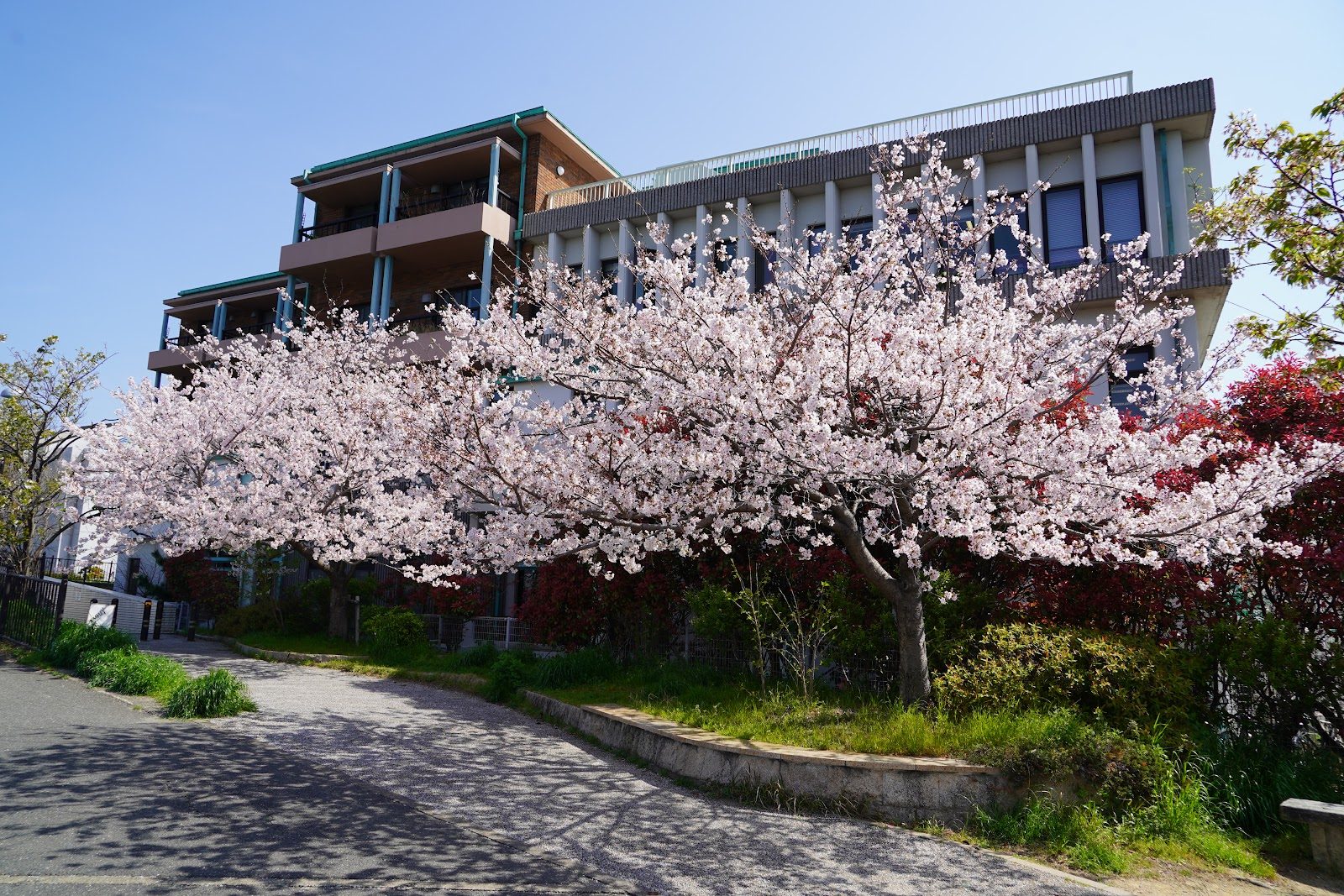
Fukuoka International School
Fukuoka · Japan
Kyushu's only Pre-K-12 international campus runs the full IB continuum from a Momochi site along the Muromi River
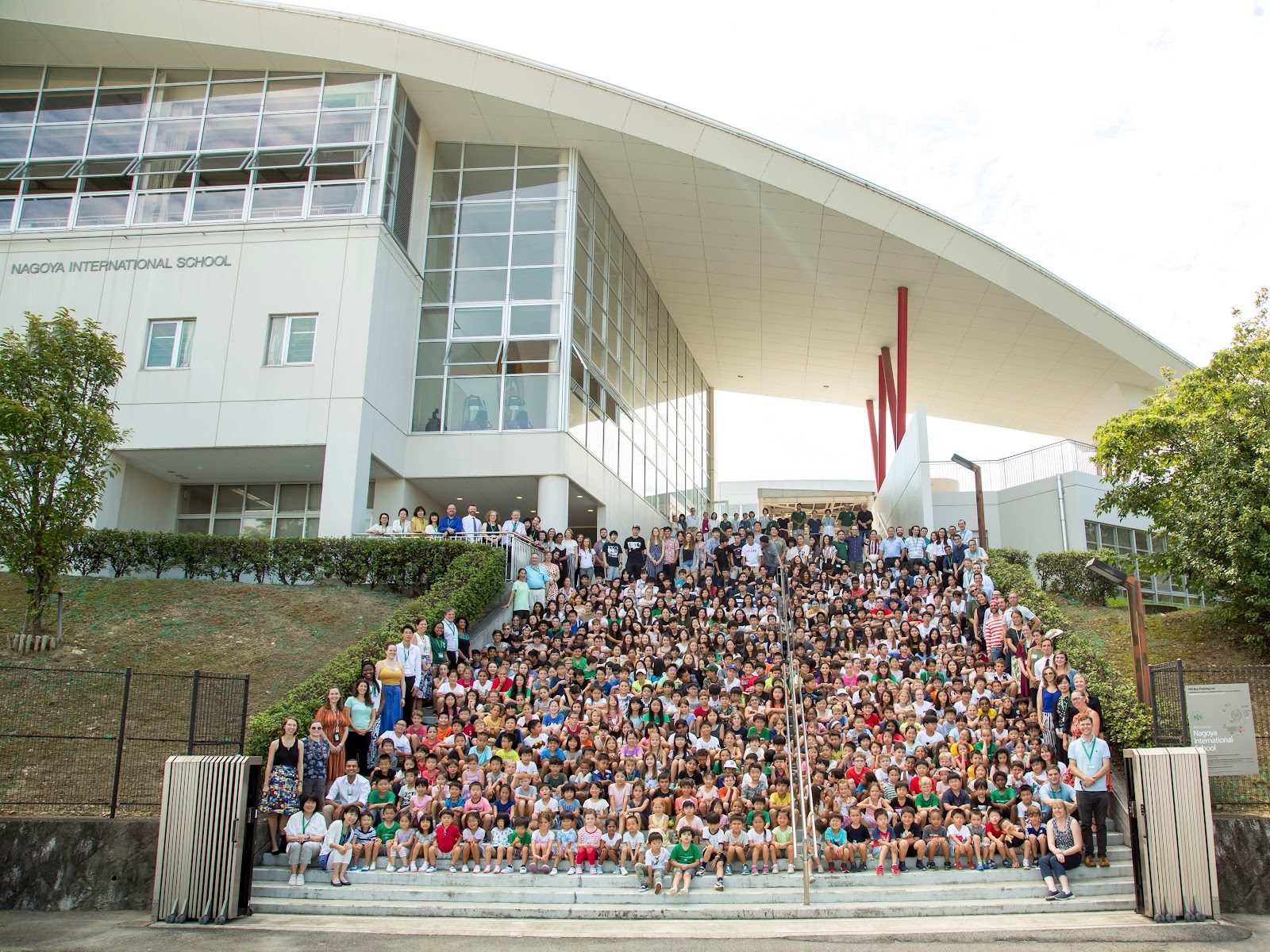
Nagoya International School
Nagoya · Japan
Since 1964, a full IB continuum school anchoring Nagoya's expatriate community at the heart of Japan's auto and aerospace corridor

Tokyo International School
Tokyo · Japan
Grown from five preschoolers into a full IB continuum, this Minato campus relocates to Takanawa Gateway City ahead of its first DP class in 2027.

Kyoto International School
Kyoto · Japan
Grown from a 1957 missionary homeschool into Kyoto's only full IB continuum, blending British rigor with inquiry-based learning.
Same country and curriculum — closest matches within ±10 points either way