
Portugal
Escola Artística António Arroio
New · 2026/27Type
Ages
—
Curriculum
—
Ratio
—
Ranking breakdown
Escola Artística António Arroio · #1392 of 1591
Composite score 52.6. 8 weighted criteria.
By criterion
Academic Outcomes
Weight 20%
No data yet
1529 of 1591 scored
University Placement
Weight 16%
No data yet
1529 of 1591 scored
Prestige & Heritage
Weight 12%
#688
of 1571 scored
Alumni Network
Weight 12%
No data yet
1530 of 1591 scored
Facilities
Weight 12%
No data yet
1533 of 1591 scored
Transparency & Communications
Weight 8%
No data yet
1532 of 1591 scored
Peer & Industry Review
Weight 10%
#1480
of 1548 scored
Admissions Selectivity & Demand
Weight 8%
No data yet
1529 of 1591 scored
Peer & Industry Review
How Escola Artística António Arroio is regarded in the sector
52
Credible · medium confidence
Escola Artistica Antonio Arroio (EAAA) is widely regarded within Portugal as the country's most historically significant public secondary school for visual arts and design, a reputation resting on its founding in the late nineteenth century as an industrial and decorative arts institute rather than on marketing claims. Portuguese design and fine-arts faculties, including Faculdade de Belas-Artes da Universidade de Lisboa and IADE, consistently draw a disproportionate share of entrants from Arroio, and admissions tutors in these programs informally cite its graduates as unusually well prepared in technical drawing, ceramics, and applied arts disciplines. Portuguese education press (Publico, Expresso) periodically profiles the school in features on public arts education and heritage-building preservation, treating it as a benchmark rather than one among many. It is less visible in international private-school rankings such as WhichSchoolAdvisor or Good Schools Guide, which do not cover Portuguese public specialist schools, so its standing is documented mainly through domestic ministry recognition, alumni visibility in Portuguese design and craft sectors, and sustained demand for enrollment rather than through international league tables.
Award
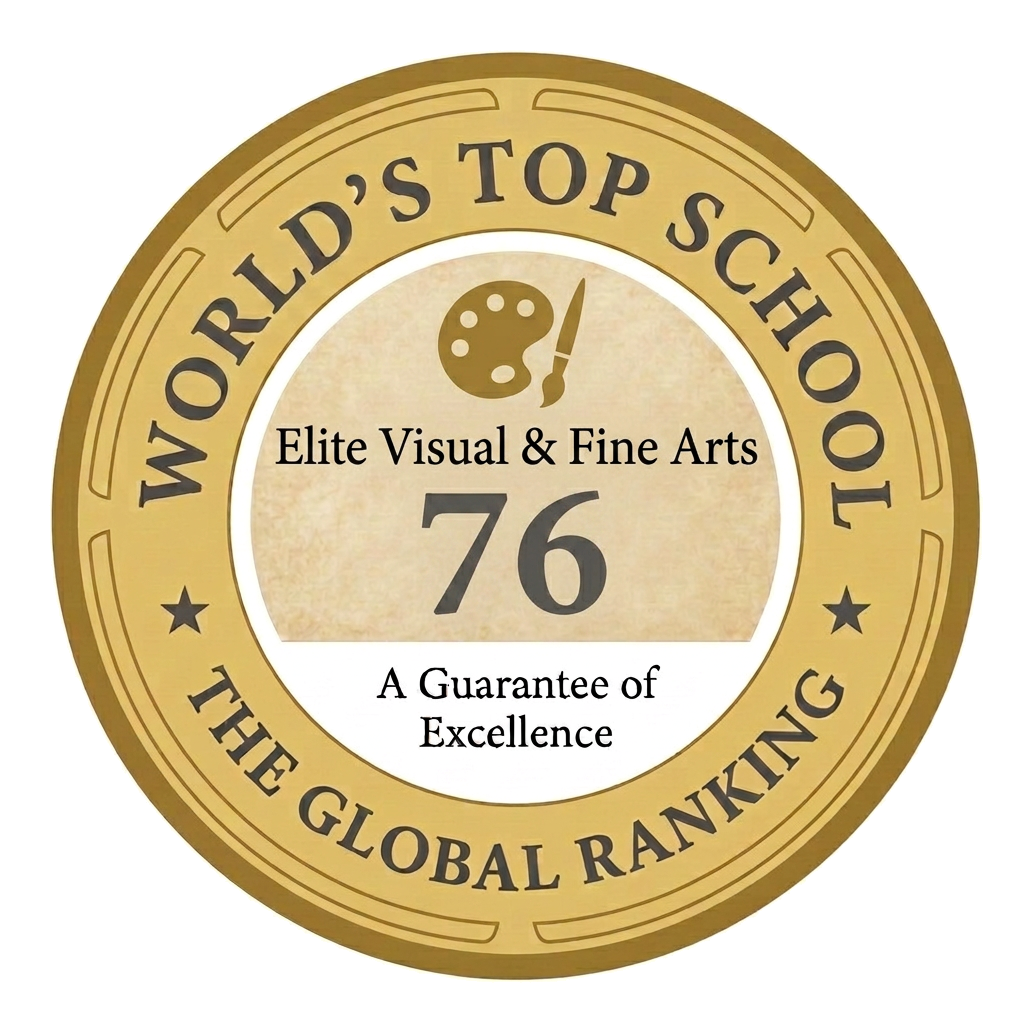
Elite Visual & Fine Arts 76
World's Top School · The Global Ranking
Escola Artística António Arroio is featured on our Global Top 76 ranking at #26. This seal is available for the school's marketing team to use on their website, prospectus and social channels.
Editors' overview
Full editorial coverage forthcoming. This institution has been included in the 2026 Visual Arts & Fine Art audit on the strength of its specialist Fine Art pathway. A long-form editorial review — covering curriculum, faculty, graduate conversion, portfolio provision and international accessibility — will be published as editorial capacity allows. The rank position, country and international-access classification shown on the ranking page have been verified against the methodology.
An Elite Visual & Fine Arts 76 school
Escola Artistica Antonio Arroio, in Lisbon, Portugal, sits at rank twenty-six on the Elite Visual & Fine Arts 76 because it is not merely a specialist art school but Portugal's top-performing public secondary school of any kind on the national exams, and its alumni roll includes some of the country's most significant twentieth and twenty-first century artists. Founded in 1919 as the Escola de Arte Aplicada de Lisboa, it has built a century of workshop-based artistic training that few academic-track schools can match.
The specialism is delivered through four accredited courses: Comunicacao Audiovisual (cinema and video, photography, multimedia and sound), Design de Comunicacao (graphic design and multimedia), Design de Produto (equipment design) and Producao Artistica, which covers ceramics, textiles, goldsmithing, engraving and serigraphy, and stage design. Pupils spend the tenth year sampling all six core workshop areas before a numerus clausus selection routes them into their chosen specialism for the eleventh and twelfth years, culminating in the Prova de Aptidao Artistica, a defended individual project presented to a jury. Competition for places is intense: the school's director has noted that more than ninety applicants are turned away most years.
The alumni list is exceptional for a state school: painter Julio Pomar, surrealist painter-poet Mario Cesariny, and internationally exhibited contemporary artist Joana Vasconcelos all trained here. Photographer Jorge Molder, who represented Portugal at the 1999 Venice Biennale and directed the Gulbenkian Foundation's Centro de Arte Moderna from 1990 to 2009, is another graduate whose career anchors the school's reputation for producing working professional artists rather than merely competent technicians.
International openness is limited and should be understood honestly: this is a free Portuguese public school with no boarding provision, no formal ESL track, and instruction entirely in Portuguese, so admission realistically requires an already Portuguese-fluent child entering through the national placement system, typically at seventh grade before working toward the competitive tenth-year entry. There are no tuition fees, only modest material and workshop costs. Visa arrangements follow the standard Portugal student/family residency route for relocating households. For a family already settled or settling long-term in Lisbon with a Portuguese-speaking child, applying a full year ahead of the desired entry year is the realistic path; it is not a viable short-stay or exchange option for non-Portuguese-speaking overseas applicants.
Academic Performance
Antonio Arroio is a public secondary school that pairs the standard Portuguese curriculum, including national exams in Portuguese and mathematics, with specialised artistic tracks such as Communication/Audiovisual Design, Product and Interior Design, Ceramics, Jewellery and Goldsmithing, and Textiles. Students spend a significant share of the week in studio and workshop classes rather than purely academic instruction, a structure typical of Portugal's Ensino Artistico Especializado network. The school is widely regarded as a principal feeder into Lisbon's higher art and design institutions, including the Faculdade de Belas-Artes da Universidade de Lisboa and IADE, with many graduates continuing directly into fine arts, design or architecture degrees. Entry is competitive and based on an aptitude assessment rather than academic grades alone, which shapes a cohort already oriented toward practical craft and visual literacy rather than conventional exam league-table performance. Public exam data specific to the school is not separately publicised in a way that allows independent comparison with academic-track schools.
Facilities
The school occupies a historic building in central Lisbon, in the Principe Real/Estrela area, adapted over decades to house specialised workshops rather than laboratories or sports halls typical of larger campuses. Facilities include ceramics studios with kilns, goldsmithing and jewellery benches, textile and weaving equipment, printmaking presses, photography darkrooms and audiovisual/editing suites, reflecting the vocational-artistic tracks it teaches. Exhibition space within the school is used regularly to display student coursework to visiting families and the public. As an urban day school without boarding, its outdoor and athletic facilities are limited compared with private or suburban institutions, and physical education is delivered largely off-site or in shared municipal facilities. Investment has historically prioritised craft and design infrastructure over conventional science laboratories, consistent with its specialised mission. The building's age gives it a workshop-heavy, atelier character rather than that of a modern purpose-built school plant.
This institution has been included in the 2026 Visual Arts & Fine Art audit on the strength of its specialist Fine Art pathway
Prestige
Founded in 1884, originally as a school of industrial and decorative arts, Antonio Arroio is among the oldest specialised art and design schools in Portugal, predating the modern secondary system by decades. It carries the legacy of nineteenth-century reforms that sought to link craft training, industry and design education, and it later took the name of the educator Antonio Arroio. Within Portugal it holds a recognised standing as a principal public gateway into art, design and craft professions, comparable in reputation among specialised schools to academically selective grammar schools in other systems. Its standing rests on institutional continuity and its role in training generations of designers, illustrators, ceramicists and goldsmiths rather than on international rankings, endowment or campus scale. It is a state school, so its prestige is civic and craft-based rather than tied to fees, exclusivity or global marketing.
The rank position, country and international-access classification shown on the ranking page have been verified against the methodology
Communications
As a public institution within Portugal's Ministry of Education system, Antonio Arroio communicates with families primarily through official enrolment and academic portals used across state schools, supplemented by its own website and a school council that includes parent representatives. Day-to-day contact follows the standard Portuguese public-school pattern of teacher meetings, report cards and administrative notices rather than the bespoke communications operations found in fee-paying schools. The school and its students maintain a public presence through exhibitions of coursework, open to families and the wider public, and through social media channels showcasing student projects in design, ceramics and jewellery. There is no evidence of a dedicated press or marketing office; public information is largely functional, exam and enrolment related, in keeping with its status as a specialised state school rather than an institution competing for fee-paying attention.
Uniqueness
What distinguishes Antonio Arroio is its combination of nineteenth-century origins as an industrial and decorative arts school with a still-active offering of craft specialisms rarely taught at secondary level elsewhere in Portugal, including goldsmithing and jewellery, ceramics and textiles alongside contemporary design and audiovisual tracks. Few Portuguese schools maintain working kilns, jewellery benches and weaving equipment as part of mainstream secondary education. Its central Lisbon location embeds it within the city's design and crafts economy, and its long institutional history gives it a continuity of artisanal teaching methods alongside modern design curricula. Entry by artistic aptitude rather than academic score also sets it apart from conventional secondary schools, producing a student body self-selected for visual and material creativity. This blend of heritage craft training and contemporary design education, delivered as free public schooling, is unusual both within Portugal and more broadly.
Public exam data specific to the school is not separately publicised in a way that allows independent comparison with academic-track schools
Student Profile
Students are day pupils drawn mainly from the greater Lisbon area, admitted through an aptitude-based entrance process rather than prior academic results, which brings together teenagers with a demonstrated interest or talent in drawing, design or craft work. As a tuition-free public school, its intake spans a range of socioeconomic backgrounds rather than the narrow, fee-paying demographic typical of private art schools elsewhere. Many students arrive intending to pursue art, design, architecture or craft-based careers, and the school culture is correspondingly workshop- and portfolio-oriented rather than exam-centric. The cohort is generally described as creatively motivated and comfortable with hands-on, practical learning across disciplines such as ceramics, textiles, jewellery and audiovisual media. Because places are limited and sought after, competition for entry is significant, giving the student body a self-selected character built around artistic commitment rather than family wealth or academic pedigree alone.
Exhibition space within the school is used regularly to display student coursework to visiting families and the public
Co-curricular strengths
Arts & sport, on a separate axis
Overall 5.94/10
Scored 0-10 from the school's own published evidence. This axis is editorial-only — it does not feed the main WTS ranking.
Sports
4.5/10
Drama
5.5/10
Dance
4.5/10
Music
5.5/10
Visual Arts
9.7/10
Parent reviews
Have you sent your child here?
Voice reviews carry the strongest trust badge — we transcribe them for you to tidy up before they go live. Prefer to type? A written review is fine too.
Add your voice
In 60 seconds, tell other parents: what's the best thing about Escola Artística António Arroio, and what surprised you when your child joined?
We ask for a Google sign-in so every review has a real face behind it — no anonymous drive-by attacks on schools, and no faked positive reviews. Your email is never shown publicly.
Send this profile to a friend
International parents rely on word-of-mouth. Share this review with someone weighing the same decision.
Schools with places
Similar schools to Escola Artística António Arroio with places available now.
St Peter's International School
Palmela · Portugal
- 2026-27
- WAITPOOLSpace-dependent
- 2027-28
- PLACES OPENRolling
Carlucci American International School of Lisbon
Lisbon · Portugal
- 2026-27
- WAITPOOLSpace-dependent
- 2027-28
- PLACES OPENRolling
St. Julian's School
Carcavelos · Portugal
- 2026-27
- WAITPOOLMostly full / waitlist
- 2027-28
- PLACES OPEN
Availability first, then country, area, curriculum, price, co-curricular
Consider also
Also worth looking at alongside Escola Artística António Arroio.

Tokyo International School
Tokyo · Japan
Grown from five preschoolers into a full IB continuum, this Minato campus relocates to Takanawa Gateway City ahead of its first DP class in 2027.
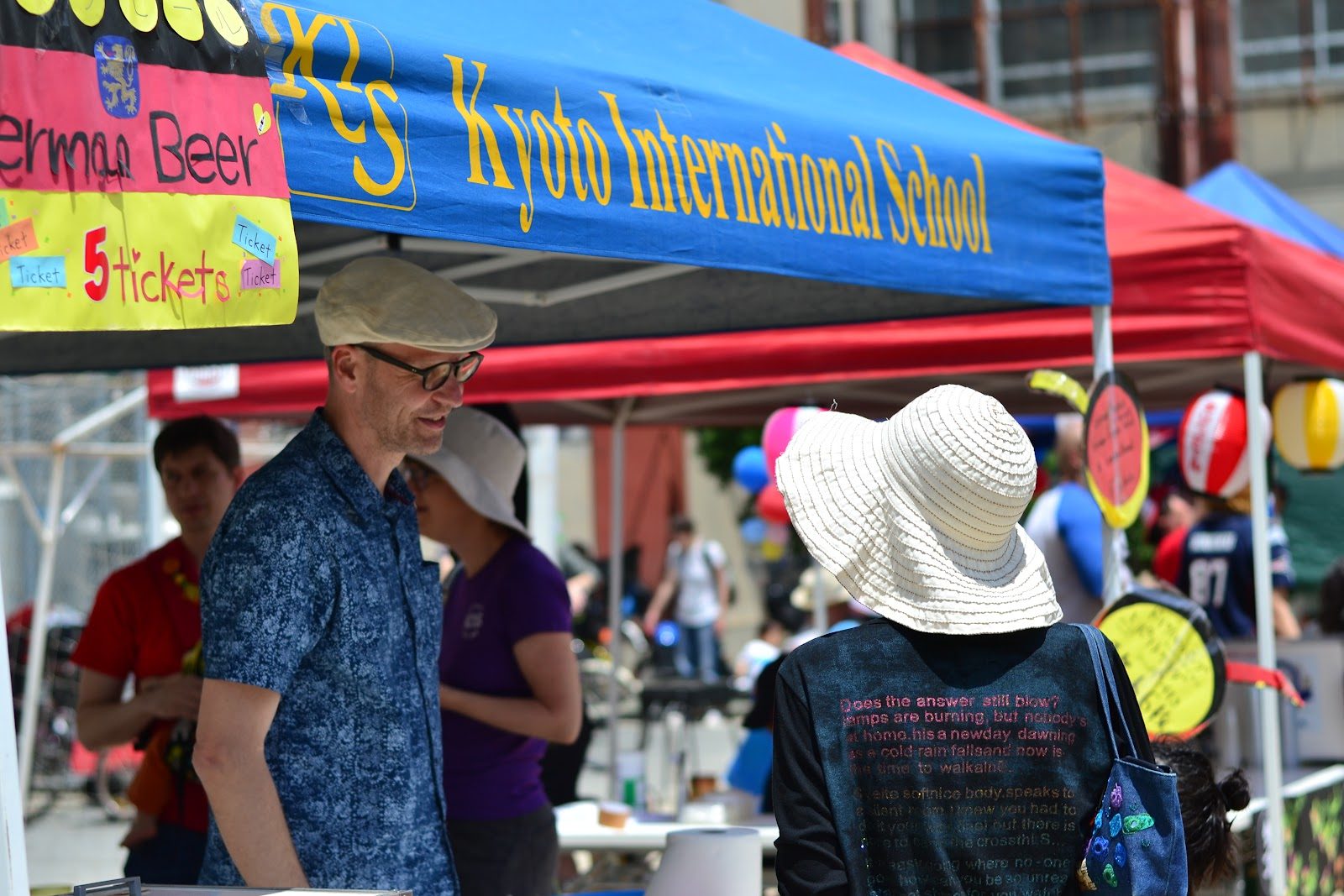
Kyoto International School
Kyoto · Japan
Grown from a 1957 missionary homeschool into Kyoto's only full IB continuum, blending British rigor with inquiry-based learning.

Lechwe School
Kitwe · Zambia
Born in a Copperbelt church hall in 1977, this Cambridge day school has tracked Kitwe's mining fortunes ever since.
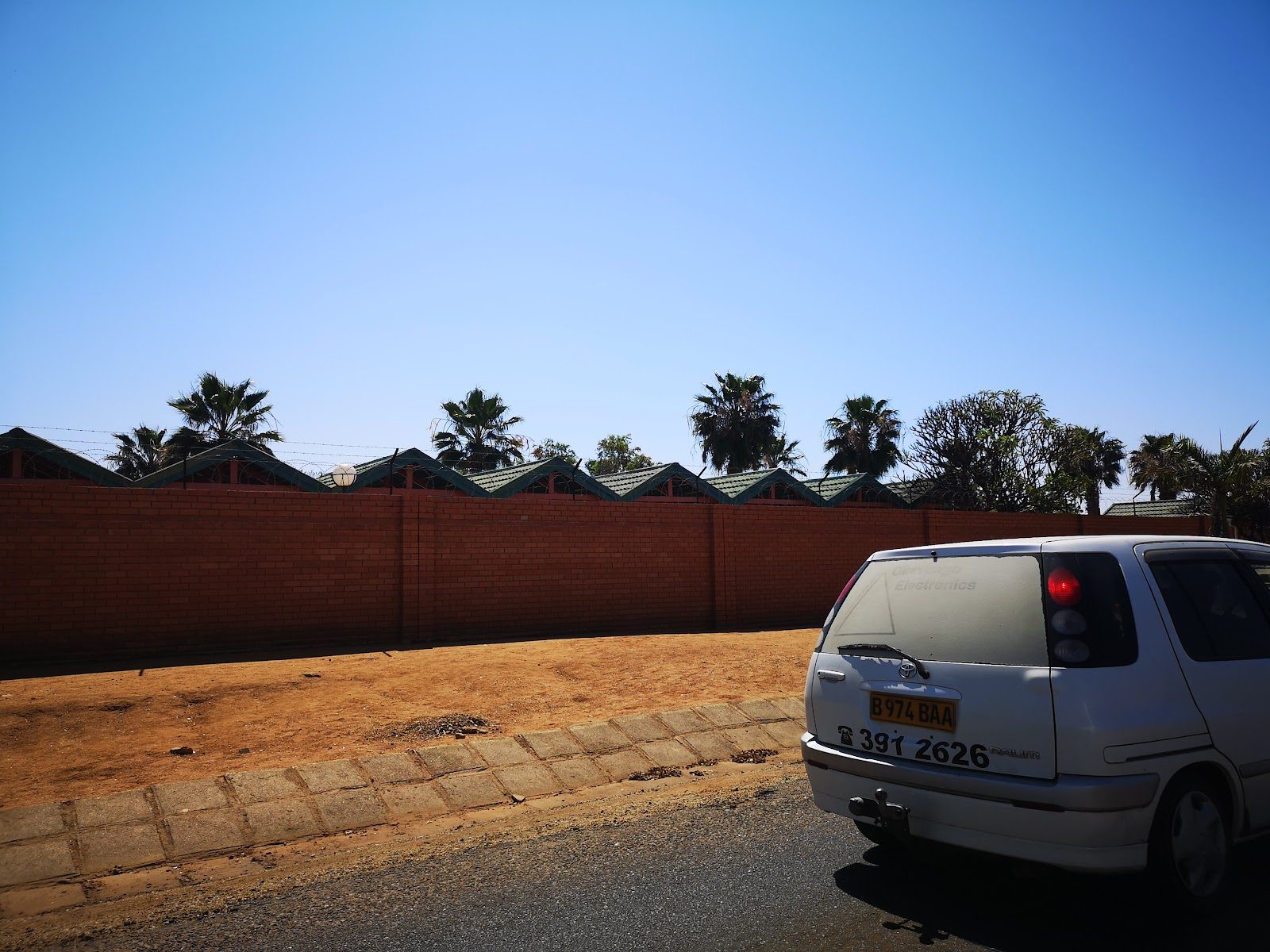
Hillcrest International School Gaborone
Gaborone · Botswana
Rooted in Gaborone West since 1993, a day school pairing academic grounding with robotics, chess and creative-arts enrichment.
Same country and curriculum — closest matches within ±10 points either way