
California
On a Peninsula estate once built by railroad money, this day school ditched AP courses for honors-level, student-driven research.
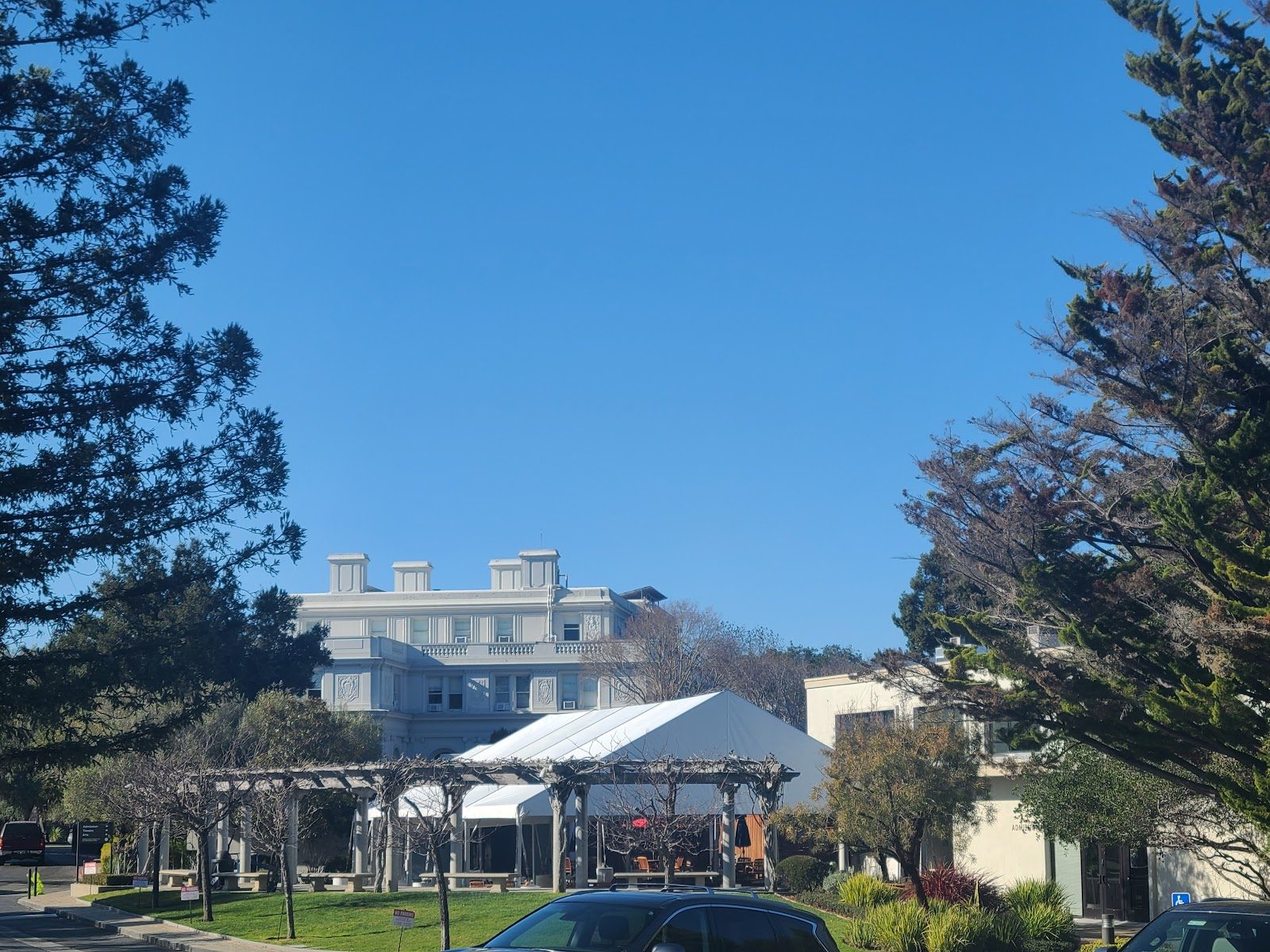
Photo © LeonRomantico12 via Google Maps
Type
Day
Ages
11–18
Curriculum
American
Qualifications
AP
Ratio
9:1
The Verdict
Editor's commitment
Right for
Families willing to pay $68,600 for grades 6–12, a 9:1 ratio and an American curriculum without APs.
Wrong for
Students who need external structure, broad AP menus or a bigger machine than a 1952-founded, grades 6–12 day school.
Watch out for
Two campuses on the Peninsula and classes averaging 14 keep teaching personal, but the school does not publish aggregate exam outcomes.
Ranking breakdown
Crystal Springs Uplands School · #220 of 1591
Composite score 73.9. 8 weighted criteria.
By criterion
Academic Outcomes
Weight 20%
#209
of 1529 scored
University Placement
Weight 16%
#219
of 1529 scored
Prestige & Heritage
Weight 12%
#446
of 1571 scored
Alumni Network
Weight 12%
#293
of 1530 scored
Facilities
Weight 12%
#569
of 1533 scored
Transparency & Communications
Weight 8%
#354
of 1532 scored
Peer & Industry Review
Weight 10%
#424
of 1548 scored
Admissions Selectivity & Demand
Weight 8%
#229
of 1529 scored
Score history
Crystal Springs Uplands School · 2026
Movement across 2024–2026. Peer average overlaid.
Overall — 2024–2026
73.9/ 100
▲ +26.2 vs 2025
year on year
Peer & Industry Review
How Crystal Springs Uplands School is regarded in the sector
62
Respected · medium confidence
Crystal Springs Uplands is consistently rated as one of the top private high schools in the San Francisco Bay Area on Niche.com and appears in regional 'best private schools' roundups by outlets like SFGate and Bay Area Parent, reflecting strong local/regional reputation and solid college matriculation outcomes. However, it lacks the national/international name recognition, extensive alumni network press coverage, or presence in global rankings (Tatler, Good Schools Guide, etc.) that would place it in the top tier alongside schools like Phillips Exeter or Harvard-Westlake.
Evidence sources
Editors' overview
Crystal Springs Uplands sits in a narrow, rarefied slice of the Bay Area market: a non-religious day school for ages 11 to 18 that trades on intellectual seriousness rather than brute-force credentialism. The distinguishing move is its rejection of standard AP courses in favour of Advanced Topics classes and student-driven research. That is not a cosmetic curriculum tweak. It tells parents that the school wants pupils who can handle ambiguity, read deeply and produce original work, not just accumulate exam labels. With classes averaging 14 and a 9:1 student-teacher ratio, Crystal has the structural capacity to run that model properly. Plenty of schools talk about being known well; fewer can point to numbers that make it plausible.
What makes Crystal shortlist-worthy is the combination of high academic ambition and a school design built around close adult attention. The advisory system runs throughout a pupil’s time at the school, and the scale supports it. Two campuses on the San Francisco Peninsula give it physical room and a degree of remove from the churn of urban life, while the student body is far from socially narrow: the school states that 69% of students identify as people of colour. For families who want a rigorous American education without the standardised AP treadmill, that is a serious proposition. It also carries the external markers parents expect in this tier, with NEASC and NAIS accreditation, and an average annual fee of $68,600 across the full ladder. That is expensive, even by US independent-school standards, and it places Crystal firmly in the elite day-school bracket.
The school will suit bright, self-directed pupils who enjoy discussion, can make use of teacher access, and want a more thoughtful, less mechanised route through secondary school. It will also appeal to families who value diversity as a lived feature of the student body rather than a line in a brochure. It will not suit children who need heavy external scaffolding, constant grade-chasing, or the motivational clarity of a conventional AP menu. Crystal’s model asks for curiosity, resilience and a willingness to do harder intellectual work without the reassurance of familiar national badges. For the right student, that is a serious advantage. For the wrong one, it is an unforgiving fit.
Academic Performance
Crystal does not run the standard AP conveyor belt, so parents looking for a neat stack of AP averages will not get one. The school has made a deliberate academic wager: replace externally branded advanced courses with its own Advanced Topics offer and student research, then rely on college counselling and institutional reputation to translate that work for universities. That is a confident model, but it also makes external benchmarking less transparent than at rivals that publish long lists of AP or IB scores. We have not seen aggregate SAT, ACT, AP or IB outcome data in the public domain, and the school does not publish a headline university-destination table in the source material here. On raw disclosure, that leaves Crystal *more opaque than the best-reporting peers*.
That does not make the academic proposition weak; it makes it harder to audit from the outside. The school’s small classes and low staffing ratio support discussion-heavy teaching, close feedback and ambitious independent work, which fits its anti-AP stance. In peer terms, Crystal sits with selective US independents that sell intellectual depth over exam volume. For the right student, that can be more demanding than a conventional high-score track, because there is less room to coast on test technique and more pressure to think, write and defend ideas. Parents who want clean, comparable examination data will find stronger disclosure elsewhere. Parents who value substance over scoreboard culture will find the trade-off easier to accept.
Facilities
Facilities are strong where they need to be for this kind of school, though Crystal is not a mega-campus operation built to overawe visitors. The split-site arrangement gives middle and upper school pupils dedicated space, and the school’s own navigation points to a full working set of specialist areas: ceramics, dance, drama, music, visual art, technical theatre and video production, alongside sports medicine, a mind-body programme and the usual run of team-sport provision. That breadth matters. It tells parents that the arts are housed as real disciplines rather than folded into a generic “performing arts centre” claim, and that athletics has support infrastructure behind it. In peer terms, this is serious independent-school kit, not a stripped-back academic campus. The practical advantage lies in access: with classes averaging 14, specialist rooms and performance spaces are under less pressure than at larger schools.
What Crystal does not advertise is the kind of headline-grabbing hardware race some wealthy American independents use to signal status: no published indoor aquatics complex, no stadium-style athletics plant, no conspicuous science-and-innovation showpiece in the source material. That is not a weakness unless a family wants maximalist facilities theatre. For its market position, Crystal’s estate reads as thoughtful rather than lavish: enough space and subject-specific provision to support a genuinely broad school day, without the sprawl or excess that can leave pupils feeling anonymous. Against direct Bay Area peers, that puts it in the well-equipped but not ostentatious bracket.
The distinguishing move is its rejection of standard AP courses in favour of Advanced Topics classes and student-driven research
Prestige
Crystal carries real Bay Area prestige, but it is a specific kind of prestige. This is not the brand of a giant East Coast boarding school or a sporting powerhouse with national-name recognition. Its status rests on selectivity, wealth-adjacent geography, a long-established place in Peninsula independent-school circles, and a clear academic identity that departs from the standard US private-school script. The school’s own framing leans hard into intellectual formation, close adult attention and student inquiry rather than mass-market college-prep packaging. That gives it serious local cachet among families who know the market well. The two-campus setup, small classes, and a student body with 69% identifying as people of colour also give it a profile that reads as modern rather than clubby.
The prestige rating stays high because Crystal has substance behind the name. A 9:1 staffing ratio, classes averaging 14, and a research-led upper-school model are expensive to run and hard to fake. The school also has a verified alumni footprint across business, scholarship and the arts, which matters: old schools with weak graduate outcomes trade on nostalgia, while strong schools build durable adult networks. Crystal belongs in the upper tier of American day schools on the Peninsula. The limit is breadth of fame. Outside selective US independent-school circles, the name carries less instant recognition than the country’s most famous legacy schools. Inside its market, that matters far less than who respects it — and Crystal is respected by the people who count.
It tells parents that the school wants pupils who can handle ambiguity, read deeply and produce original work, not just accumulate exam labels
Communications
Crystal’s parent-facing communication is organised and easy to navigate. The public site does the practical work cleanly: clear routes to admissions, tuition assistance, transport, calendars, directories, leadership, student support and college counselling, plus direct contact details for both campuses and the admissions team. That matters more than design flourishes. Parents do not need to hunt for the basics. The school also signals an institution that expects families to engage with school life, not just consume notices: volunteer routes, alumni channels, events, camps and named ambassador programmes all sit in plain view. For a school charging an average annual fee of $68,600, that level of access is the minimum standard; Crystal meets it.
What the school communicates best is ethos. The message is consistent across pages: close adult attention, intellectual independence, inclusion and broad co-curricular participation. There is no mixed signal between a pastoral promise and a hyper-competitive academic sales pitch. That gives parents a coherent read on what daily life will feel like. The weakness is disclosure. Communication about philosophy is strong; communication about outcomes is thinner. We have not seen headline public reporting on aggregate test results or a published destination table, and that limits external scrutiny. In other words, Crystal explains its educational model with real clarity, but gives parents less hard performance data than the best-reporting competitors. Families comfortable judging schools by culture and educational design will find the communication effective. Families who want forensic numerical proof will find it too controlled.
Uniqueness
What makes Crystal distinctive is not heritage or acreage but an unfashionably serious academic choice: it has walked away from the standard US badge system and built advanced study around in-house courses, experiential learning and independent inquiry. That shifts the centre of gravity from test accumulation to intellectual method. Pupils get more practice framing questions, sustaining arguments and producing work that does not fit a mark-scheme template. The school also builds in structures that support that model rather than merely advertising it. Small classes averaging 14 and an advisory system that runs across a pupil’s time there give teachers room to know who can thrive with freedom and who needs firmer steering. For self-directed children, that is a genuine educational advantage. For those who rely on constant external prompts, it is a demanding ask.
The second point of difference is cultural rather than curricular. Crystal combines elite-school resources with a student body the school states is 69% students of colour, which cuts against the old Peninsula stereotype of exclusivity wrapped in social sameness. Add traditions such as PoP! Week and a broad arts offer that includes technical theatre and video production, and the result is a school that gives bright adolescents more than one approved way to excel. Students benefit from an environment that rewards curiosity, initiative and range, not just polished compliance. That is more adult, less mechanised schooling than many ambitious American peers offer.
With classes averaging 14 and a 9:1 student-teacher ratio, Crystal has the structural capacity to run that model properly
Student Profile
Crystal suits adolescents who want to be actively engaged rather than passively managed. The right pupil here reads with appetite, speaks up in class, tolerates ambiguity and can turn feedback into better work. The school’s rejection of the standard AP script matters for student fit: children who draw confidence from externally branded milestones, constant ranking signals or a highly codified reward system will find the culture less reassuring than at more conventional college-prep schools. By contrast, students who enjoy making connections across subjects, pursuing an idea past the obvious answer and taking genuine ownership of research will get more from it. The school’s average class size of 14 supports that profile; there is nowhere to hide, but there is also more room to be known properly.
Socially, Crystal fits students who are comfortable in a close, high-expectation environment where participation carries weight across academics, arts, athletics and community life. The advisory structure, the emphasis on inclusion, and a student body with 69% identifying as people of colour point to a school that expects interpersonal fluency as well as intellectual horsepower. This is not the place for a child who wants anonymity, minimal contribution or a narrow school life built only around grades. It is a strong match for thoughtful, self-propelled pupils with range — the kind who want serious teaching without a factory-made atmosphere.
Plenty of schools talk about being known well; fewer can point to numbers that make it plausible
Co-curricular strengths
Arts & sport, on a separate axis
Overall 8.94/10
Scored 0-10 from the school's own published evidence. This axis is editorial-only — it does not feed the main WTS ranking.
Sports
8.5/10
Preeminent Bay Area day athletic force, fielding nationally competitive cross-country, tennis, and soccer programs across state-of-the-art grounds.
Drama
9/10
The modern performing arts center anchors an ambitious dramatic tracking program, mounting complex classical and modern plays.
Dance
9/10
Maintained strictly as a minor auxiliary component for theatrical physical movement blocks or musical configurations.
Music
9/10
Outstanding symphonic wind bands, jazz big bands, and orchestral ensembles that highlight major cultural showcases.
Visual Arts
9.2/10
Highly structured fine art layout leaning heavily toward technical drawing, fine oils, and advanced portfolio mastery.
Editor-verified · 8/6/2026
Notable alumni · Wikidata
15notable alumni
0 historic (born pre-1930) · 10 modern (born post-1970)wikidata:2026-07-28 How we source this

WTS 300 badge
2025/26 editionCrystal Springs Uplands School is one of the World's Top 300 Schools for 2025/26. Claim your listing to add it to your site →
Strengths
- +Maintains a low student-teacher ratio of about 9:1, a figure confirmed across multiple independent school directories and the school's own profile.
- +Named by The Wall Street Journal in 2007 as one of the world's top 50 schools for preparing students to enter leading American universities.
- +Reports a 100% four-year college matriculation rate, with recent classes admitted to institutions such as Stanford, Princeton, Brown and UC Berkeley.
- +Operates a substantial tuition assistance program, with roughly a quarter of students receiving aid that on average covers 72% of tuition costs.
- +Replaced the standard AP curriculum with school-designed Honors courses and a senior-year mentored 'passion project,' giving teachers latitude for project-based and research-driven learning.
Considerations
- −Day tuition sits at roughly $63,300 to $68,600 depending on the year cited, placing it among the costlier private day schools on the San Francisco Peninsula.
- −Admission is highly competitive, with acceptance rates cited around 22%, requiring transcripts, recommendations, a timed written statement and an interview.
- −The school dropped official Advanced Placement courses after the 2012-13 year, which may concern families who expect an AP-labeled transcript for international university applications.
- −Middle school (grades 6-8) and upper school (grades 9-12) sit on two separate campuses roughly six miles apart, in Belmont and Hillsborough, meaning students change location partway through their Crystal career.
Availability
Primary entry gate & tests
ISEE/SSAT + Interview
Gallery
Photo © LeonRomantico12 via Google Maps
Photo © Louise Bonomo via Google Maps
Parent reviews
Have you sent your child here?
Voice reviews carry the strongest trust badge — we transcribe them for you to tidy up before they go live. Prefer to type? A written review is fine too.
Add your voice
In 60 seconds, tell other parents: what's the best thing about Crystal Springs Uplands School, and what surprised you when your child joined?
We ask for a Google sign-in so every review has a real face behind it — no anonymous drive-by attacks on schools, and no faked positive reviews. Your email is never shown publicly.
Send this profile to a friend
International parents rely on word-of-mouth. Share this review with someone weighing the same decision.
Schools with places
Similar schools to Crystal Springs Uplands School with places available now.
Lick-Wilmerding High School
San Francisco · United States
- 2026-27
- CLOSEDRegular cycle
- 2027-28
- OPENS SOONOpens early Sept '26
The Branson School
Ross · United States
- 2026-27
- CLOSEDRegular cycle
- 2027-28
- OPENS SOONOpens Sept '26
San Francisco University High School
San Francisco · United States
- 2026-27
- CLOSEDRegular cycle
- 2027-28
- OPENS SOONOpens 28 Aug '26
Menlo School
Atherton · United States
- 2026-27
- CLOSEDRegular cycle
- 2027-28
- OPENS SOONOpens 1 Sept '26
Availability first, then country, area, curriculum, price, co-curricular
Consider also
Also worth looking at alongside Crystal Springs Uplands School.
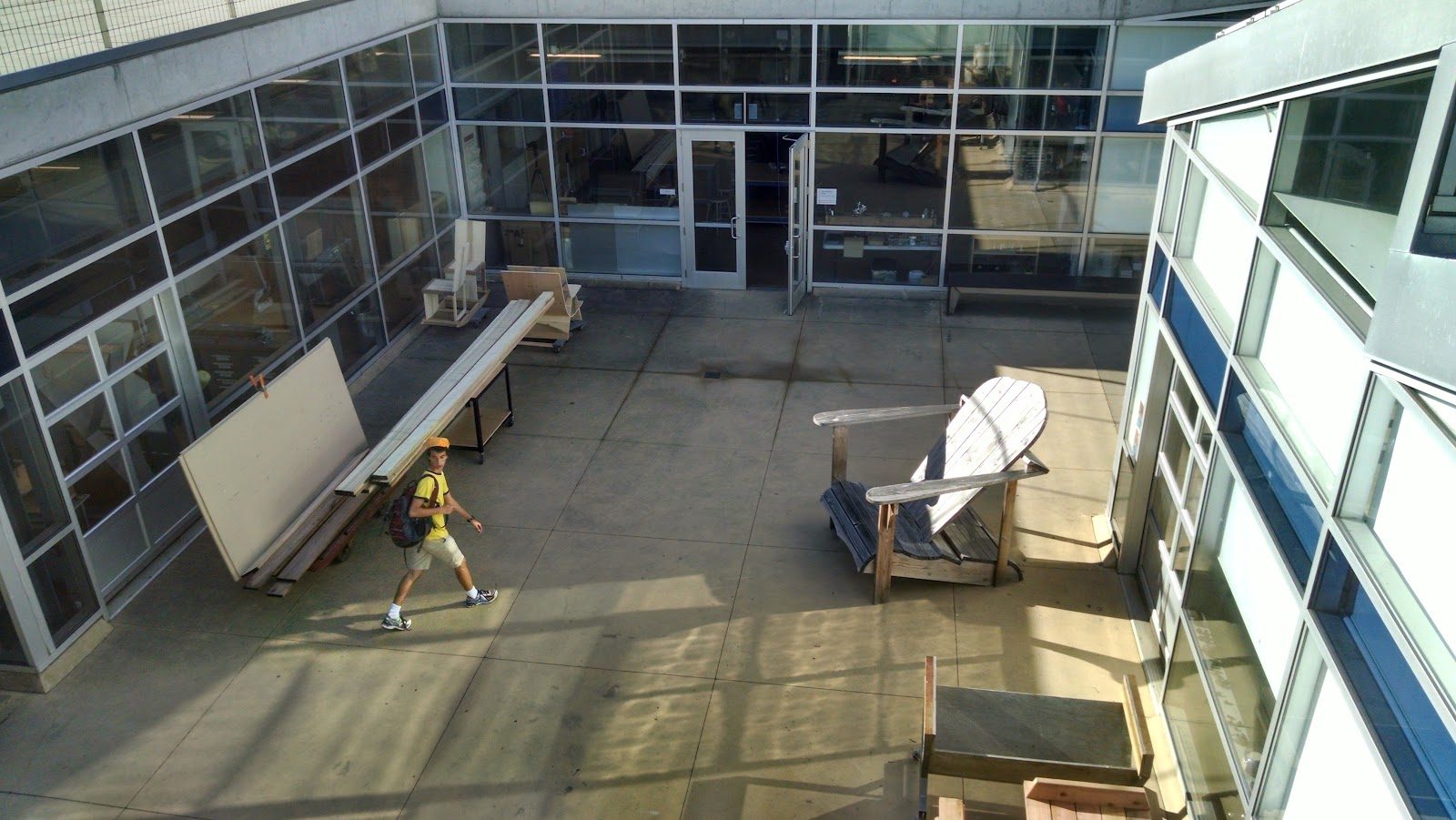
Lick-Wilmerding High School
San Francisco · United States
Founded as an 1895 mechanical-arts school, it still requires wood, metal, jewelry, or electronics credits alongside AP coursework.
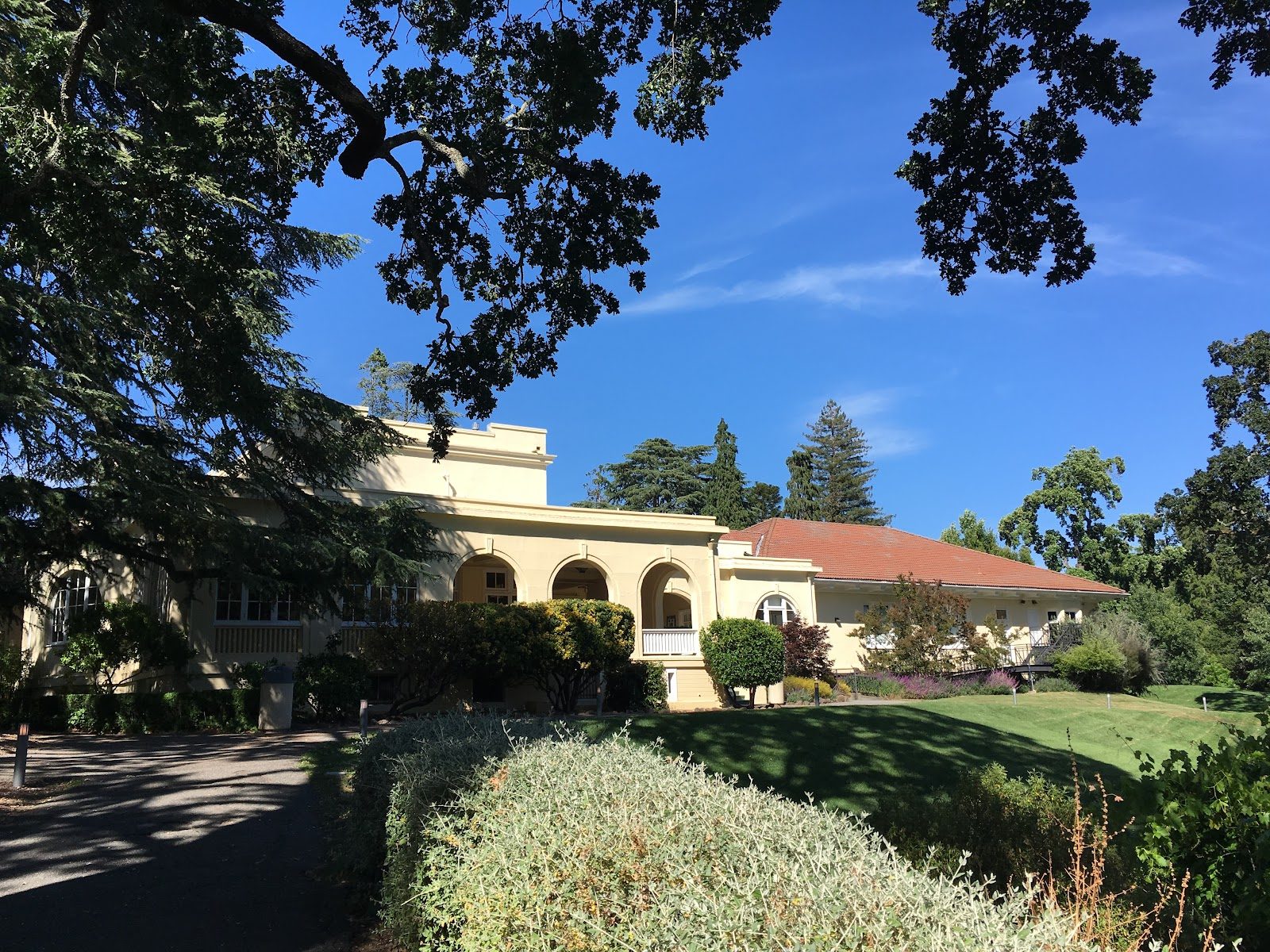
The Branson School
Ross · United States
A Marin hillside campus that skips AP tests for honors depth, immersive electives, and outdoor-education fieldwork.
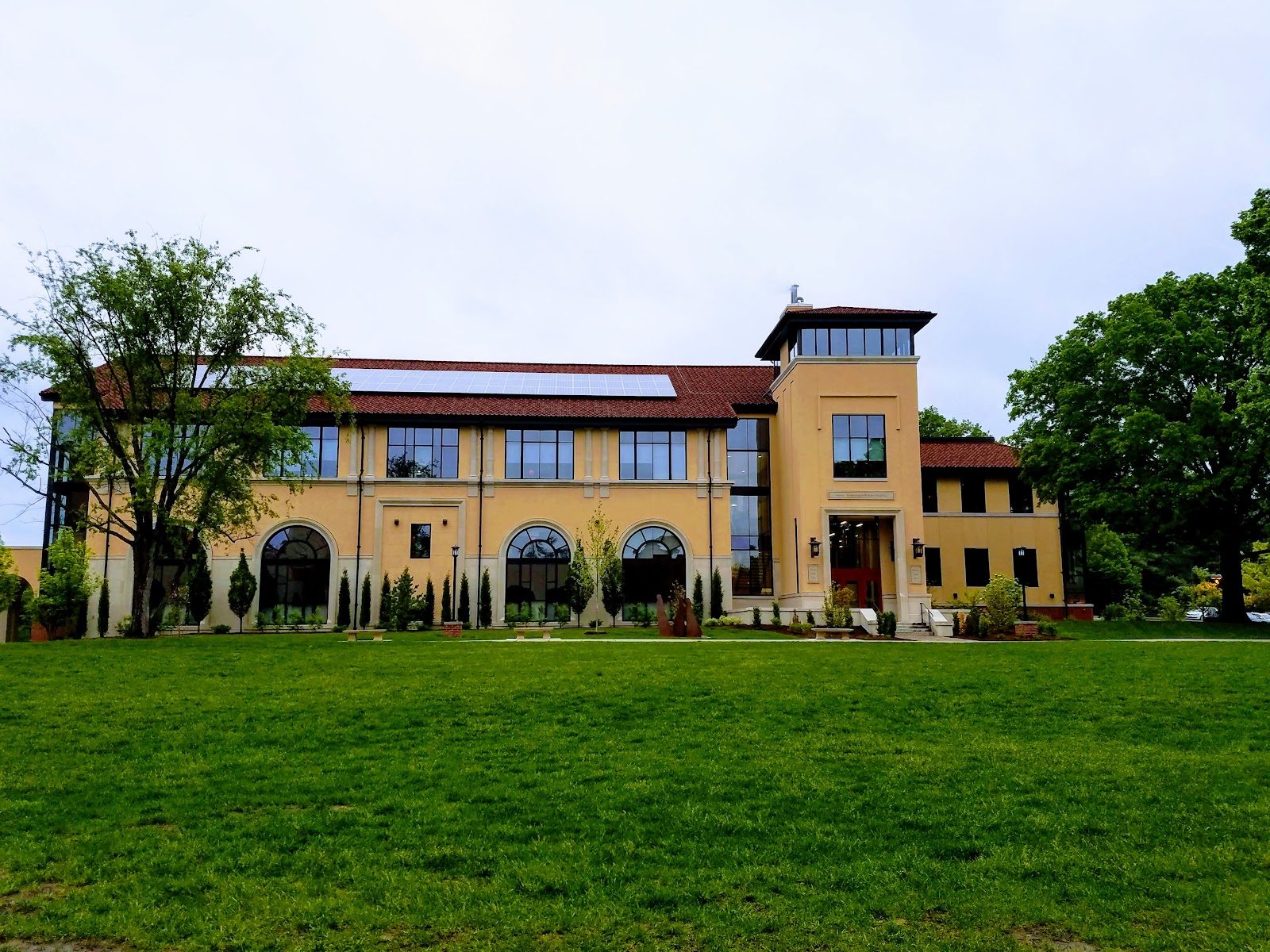
John Burroughs School
St Louis · United States
Since 1923 in the Ladue suburbs, a liberal-arts day school where family-style lunches and an Ozarks wilderness camp shape scholars as much as seminars do.
Saint Ann's School
Brooklyn · United States
In Brooklyn Heights, narrative reports replace letter grades while nationally recognized arts programs anchor the curriculum.
Same country and curriculum — closest matches within ±10 points either way