
Massachusetts
The Governor's Academy
low confidence· 3/6 cats · 2.2 avg sourcesOn 456 acres of former Byfield farmland, a 1763 charter has kept New England's oldest boarding school running ever since.

Type
Both
Ages
14–18
Curriculum
American
Qualifications
AP
Ratio
1:5
The Verdict
Editor's commitment
Right for
Families wanting a 1763 American boarding-and-day school on 456 acres, with a 1:5 ratio and NEASC, NAIS accreditation.
Wrong for
Anyone wanting a larger city campus, another curriculum, or a non-boarding culture; this is Byfield, grades 9–12, in English.
Watch out for
The oldest boarding school in New England trades on history; parents still need hard current outcomes, and the school does not publish them here.
Ranking breakdown
The Governor's Academy · #732 of 1591
Composite score 59.6. 8 weighted criteria.
By criterion
Academic Outcomes
Weight 20%
#902
of 1529 scored
University Placement
Weight 16%
#848
of 1529 scored
Prestige & Heritage
Weight 12%
#689
of 1571 scored
Alumni Network
Weight 12%
#1351
of 1530 scored
Facilities
Weight 12%
#666
of 1533 scored
Transparency & Communications
Weight 8%
#779
of 1532 scored
Peer & Industry Review
Weight 10%
#893
of 1548 scored
Admissions Selectivity & Demand
Weight 8%
#837
of 1529 scored
Peer & Industry Review
How The Governor's Academy is regarded in the sector
66
Respected · medium confidence
Within New England's boarding-school hierarchy, Governor's Academy is generally placed just below the Andover-Exeter-Deerfield-Groton-Hotchkiss elite, in a respected second tier alongside schools such as Brooks, Tabor and Berkshire. It competes in the Independent School League against several of those more prestigious names, giving it consistent athletic and social visibility among peer heads even where academic prestige diverges. Admissions officers at regional colleges know the school reliably and it sends a steady, if unspectacular, stream of matriculants rather than the concentrated Ivy pipelines associated with the 'Big Three.' Independent guides and boarding-school review sites tend to praise its community feel, athletics - especially ice hockey and crew - and value relative to tuition, while consistently noting weaker brand recognition outside New England. It rarely appears in national press league tables alongside the most decorated boarding schools, reinforcing an industry reputation as solid, historically credentialed, but not marquee.
- Robert A. Lovett — U.S. Secretary of Defense, government/finance
- Rufus King — Founding Father, U.S. Senator
- Henry Lee Higginson — Financier, founder of Boston Symphony Orchestra
Editors' overview
The Governor’s Academy occupies a rare slot in the American boarding-school market: a full secondary school with a 1763 foundation and the cultural confidence that comes with it, but without the quasi-religious framing that still shapes parts of New England’s old-school sector. For parents, the core proposition is clear. This is a co-educational day and boarding school for ages 14–18 with an American curriculum, a 1:5 student–teacher ratio, and a campus that gives it real physical presence: 456 acres in Byfield, north of Boston, bordered by the Parker River and the Great Marsh. That combination of age, land and scale produces a school with institutional weight, a strong sense of continuity and enough room for teenagers to test themselves beyond the timetable.
What puts Governor’s on a shortlist is not novelty; it is permanence, coherence and breadth. The school’s own language leans hard on traditions, and in this case that matters. Schools founded in the eighteenth century either turn history into a living culture or into museum display. Governor’s has the stronger version: chapel talks, holiday rituals, weekend social life and school-wide events that bind students across year groups. That gives the place real social glue. Parents who want a school with instant status markers but no communal spine can find plenty elsewhere. Governor’s offers something better: a serious college-preparatory environment with established boarding life, substantial arts and athletics, and a non-religious setting that widens its appeal. NEASC and NAIS accreditation add expected institutional credibility, not a selling point in themselves.
The right student for Governor’s is academically motivated, socially game and ready for a school where participation is not optional in spirit, even when it is in policy. A teenager who wants anonymity will find the setting too connected. A student who wants shared traditions, close faculty access and the cadence of a residential community will find traction here. The school suits children who value range as much as rank: classroom work, studio or stage, field or court, all inside one self-contained world. It also suits families who want New England heritage without doctrinal overlay, and who understand what boarding schools at this level ask in return: resilience, contribution and a willingness to join a culture bigger than oneself.
Academic Performance
Governor’s markets itself as college-preparatory, but the public picture on external examination performance is thin. We have not seen aggregate SAT or ACT averages, AP participation rates, AP score distributions, or any school-wide breakdown that would let parents place Governor’s cleanly against direct New England boarding-school rivals. That matters. In this tier of the market, families should expect more than a general claim to academic ambition; they need hard outcome data. Without it, Governor’s sits in the category of academically serious schools with opaque published results. That is not the same as weak performance, but it does block precise comparison.
What the school does disclose points to breadth and aspiration rather than quantified attainment: a full college-preparatory programme, close faculty access and a campus culture built around engagement across academics, arts and sport. Those features support strong outcomes for the right student, but they do not answer the central question of how Governor’s performs in external exams relative to peer schools that publish medians, subject scores and university destination patterns in detail. On academic performance, then, the school earns credit for institutional seriousness and loses marks for limited transparency. For parents comfortable reading between the lines, Governor’s remains credible. For parents who want clean comparative evidence, the published record is not strong enough.
Facilities
The campus is the facility story. A sweeping landholding on former farmland, edged by river and marsh, gives Governor’s what many peer schools promise and few deliver: room for a full secondary-school life without compression. The school itself points parents to classrooms, studios, theatres, fields and courts, and that spread matters. It signals a campus built for parallel seriousness in academics, arts and sport rather than a token arts wing attached to an athletic machine, or the reverse. Against New England boarding-school peers, that places Governor’s in the strong middle-to-upper band for physical breadth. It does not read as an urban campus making do with clever scheduling; it reads as a properly scaled residential school where movement, rehearsal, practice and informal social time all have space.
What we do not get is a detailed public accounting of standout specialist facilities: no clear published inventory of science labs, design spaces, performance venues, strength and conditioning provision, or elite sport infrastructure. That absence matters because top competitors now spell out exactly what sits behind their academic and co-curricular claims. Governor’s still holds an advantage in setting and campus coherence. The combination of 456 acres and a 1:5 staffing ratio points to a school where students have access to adults and room to operate. For families who value atmosphere, landscape and a settled, all-of-school physical environment, that is a real asset. For families benchmarking by named specialist kit, the public case is less exacting than the best in class.
That absence matters because top competitors now spell out exactly what sits behind their academic and co-curricular claims
Prestige
Governor’s carries real New England prestige, but it is a specific kind of prestige. This is not a school trading on glossy international branding or mass-market name recognition. Its status rests on age, continuity and the social authority that attaches to an old American boarding institution that has stayed in operation for centuries. For families who know the US independent-school landscape, that matters. The school’s claim to be the oldest boarding school in its region gives it historical weight that newer competitors cannot manufacture, and the 456-acre campus reinforces that sense of permanence. Add a 1:5 student–teacher ratio and the message is clear: this is a school with resources, institutional confidence and the capacity to give students direct adult attention.
That prestige still has limits, and they are worth naming. Governor’s has substance more than flash. It does not occupy the same global lay-person tier as the most mythologised American boarding names, and the school does not publish the kind of outcomes data that would let its academic reputation travel on hard numbers alone. Its standing therefore depends less on published performance metrics and more on earned esteem within the traditional independent-school world: strong heritage, established rituals, serious college-preparatory intent and a community model that asks students to join in fully. For the right family, that is high-grade prestige: credible, durable and socially legible without being theatrical.
What sets Governor’s apart is not one flagship programme or one modern selling line
Communications
Governor’s communicates like an old institution that knows its own habits. The public-facing message is clear on ethos, traditions and the shape of school life; parents get a strong sense of what the community values and how students spend their time. The school does not hide behind vague mission language. It names the rituals, the shared events and the everyday settings that matter, which gives families a concrete feel for the culture. That is useful up to a point. It tells you what kind of place this is, and it tells you in a voice with institutional confidence. It does not tell you enough about operational detail, academic measurement or the mechanics of parent communication itself.
That gap matters. Strong parent communication is not only about tone; it is about disclosure, cadence and usable information. Here, the school’s strengths sit in cultural clarity and a coherent narrative about community. Its weakness sits in selective transparency. We have not seen the kind of detailed public reporting that would reassure exacting parents who want hard data alongside atmosphere: exam summaries, outcome breakdowns, or a fuller account of how the school tracks performance and reports it. The low staffing ratio, at 1:5, points to conditions for close day-to-day contact between adults and families, and that counts in the school’s favour. But judged on published communication alone, Governor’s is persuasive on identity and less strong on evidence.
Uniqueness
What sets Governor’s apart is not one flagship programme or one modern selling line. It is the combination of deep institutional memory and a campus culture that still asks pupils to take part in shared life. Plenty of old schools keep the symbols and lose the substance. Governor’s still uses ritual, talk, sport, performance and weekend tradition to bind teenagers into one community. That gives students something more durable than school spirit: a strong social grammar. New pupils do not enter a loose collection of classes and activities; they enter a place with habits, expectations and inherited customs that shape how people live together. For the right child, that produces confidence, loyalty and a sharper sense of responsibility to others.
The other point of difference sits in the school’s physical and social scale. The acreage and the 1:5 ratio create conditions for a fully inhabited school day: close adult contact, room to move, and enough breadth for serious commitment across several areas without the atmosphere fragmenting. Students get the advantages of an old American boarding institution without a confessional frame, which is rarer than many international parents realise. That matters. It widens the school’s appeal while preserving the ceremony, continuity and communal pressure that make residential schools formative. The result is a school that suits pupils who want belonging with standards attached, not freedom without structure.
What puts Governor’s on a shortlist is not novelty; it is permanence, coherence and breadth
Student Profile
The pupil who thrives here wants more than classroom competence. Governor’s suits teenagers who can handle a high-contact adult environment, absorb communal expectation and take part without constant coaxing. The low 1:5 ratio cuts both ways: it gives students close access to teachers, and it leaves little room to drift unnoticed. This is a good fit for adolescents who respond to structure, feedback and being known well. It also suits students with range — the kind who want to move between lessons, sport, performance or studio work without treating one sphere as decoration for another. Children who guard their privacy fiercely, resist school ritual or want a purely transactional academic experience will find the culture too involved.
Socially, the school fits pupils who can join an established community without demanding that it revolve around them. The traditions named publicly matter because they signal a place with real inherited customs and a strong internal rhythm. New students need enough confidence to step into that rhythm, and enough humility to learn it. Day pupils and boarders alike need stamina for a school life that extends beyond the timetable into events, shared spaces and weekend participation. The best match is a student who is socially game, academically serious and comfortable in a setting where belonging carries obligations. The wrong match is a teenager chasing anonymity, low adult oversight or a looser, more self-invented adolescence.
The school’s own language leans hard on traditions, and in this case that matters
Co-curricular strengths
Arts & sport, on a separate axis
Overall 8.68/10
Scored 0-10 from the school's own published evidence. This axis is editorial-only — it does not feed the main WTS ranking.
Sports
9.3/10
Highly competitive ISL league performer, fielding dominant varsity lacrosse, field hockey, and ice hockey programs on a historic Massachusetts campus.
Drama
8.8/10
Active theatrical societies staging complex contemporary plays and student-written works inside modern theater spaces.
Dance
8/10
Strong afternoon performance track providing core choreography assets for major collaborative musical theater shows.
Music
8.5/10
Robust private vocal and instrumental infrastructure feeding active jazz big bands and full chamber symphonies.
Visual Arts
8.8/10
Highly structured fine art layout leaning heavily toward technical drawing, fine oils, and advanced portfolio mastery.
Strengths
- +Founded 1763; exceptional historical continuity.
- +Boarding and day options for ages 14–18.
- +Thirty-three miles north of Boston.
- +NEASC and NAIS accreditation listed.
Considerations
- −American curriculum only; no IB or A-Levels.
- −English-only instruction may limit some families.
- −Byfield location is outside central Boston.
Availability
Primary entry gate & tests
ISEE/SSAT + Interview
Gallery
Parent reviews
Have you sent your child here?
Voice reviews carry the strongest trust badge — we transcribe them for you to tidy up before they go live. Prefer to type? A written review is fine too.
Add your voice
In 60 seconds, tell other parents: what's the best thing about The Governor's Academy, and what surprised you when your child joined?
We ask for a Google sign-in so every review has a real face behind it — no anonymous drive-by attacks on schools, and no faked positive reviews. Your email is never shown publicly.
Send this profile to a friend
International parents rely on word-of-mouth. Share this review with someone weighing the same decision.
Schools with places
Similar schools to The Governor's Academy with places available now.
Boston University Academy
Boston · United States
- 2026-27
- CLOSEDRegular cycle closed
- 2027-28
- OPENS SOONOpens Sept '26
Belmont Hill School
Belmont · United States
- 2026-27
- CLOSEDRegular cycle
- 2027-28
- PLACES OPENApplication route live
Noble and Greenough School
Dedham · United States
- 2026-27
- CLOSEDRegular cycle
- 2027-28
- PLACES OPENJan 15 '27 Deadline
Middlesex School
Concord · United States
- 2026-27
- CLOSEDRegular cycle
- 2027-28
- OPENS SOONOpens 1 Sept '26
Availability first, then country, area, curriculum, price, co-curricular
Consider also
Also worth looking at alongside The Governor's Academy.

Germantown Friends School
Philadelphia · United States
Rooted in an 1845 Quaker meeting in historic Germantown, where juniors design a month-long independent study of their own.
Poly Prep Country Day School
Brooklyn · United States
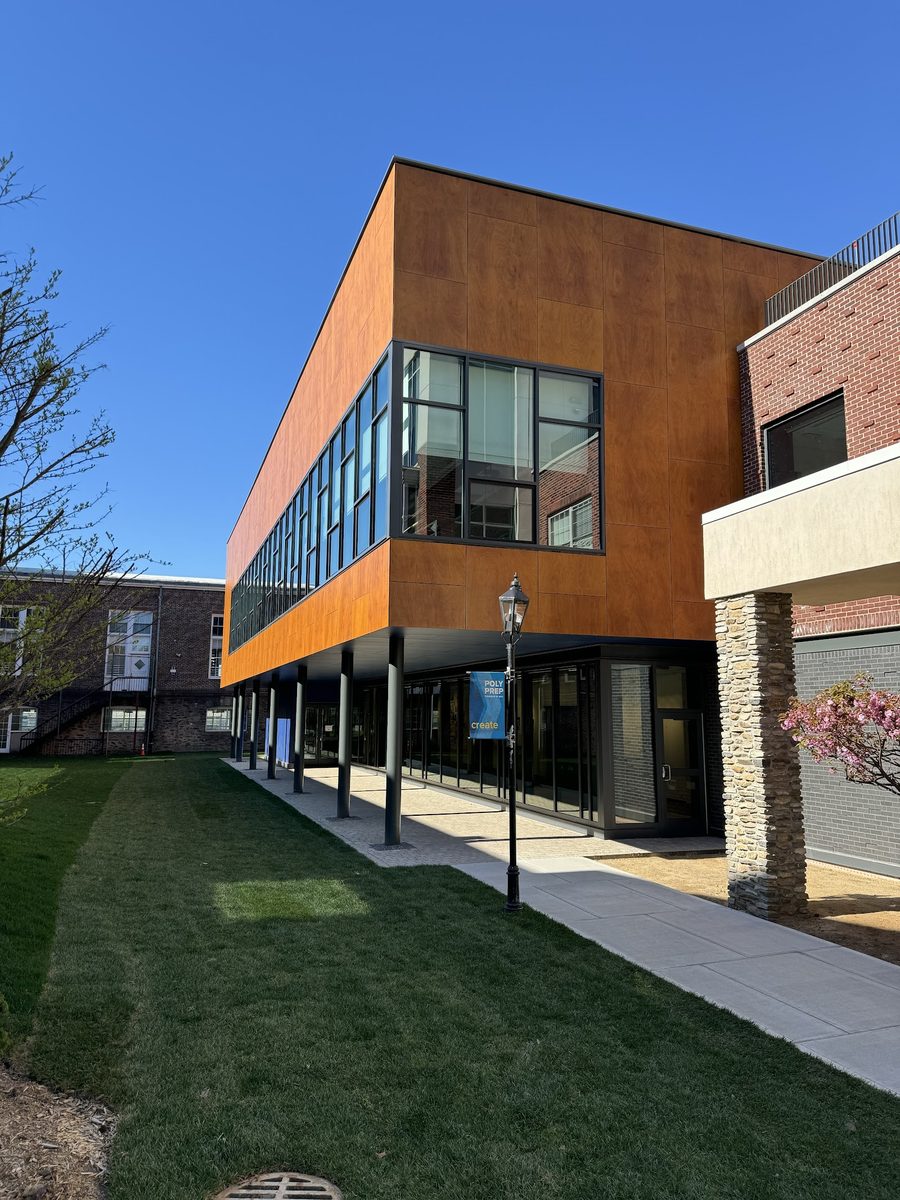
Founded in 1854 as Brooklyn's first boys' school, this day school pairs a Prospect Park mansion with a 25-acre Dyker Heights campus.
Marymount School of New York
New York City · United States
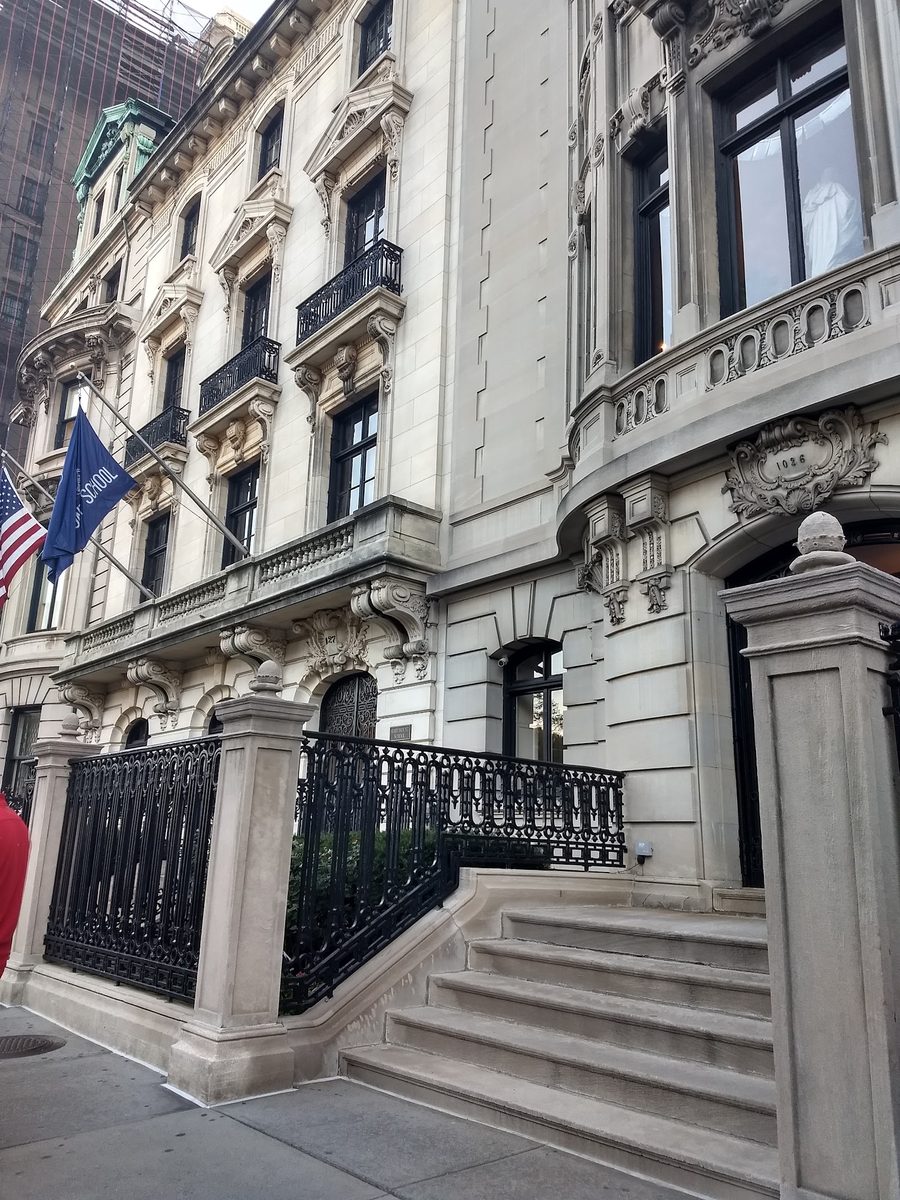
On Fifth Avenue, landmark mansions give way to Bloomberg terminals and classrooms inside the Met.
Boston University Academy
Boston · United States
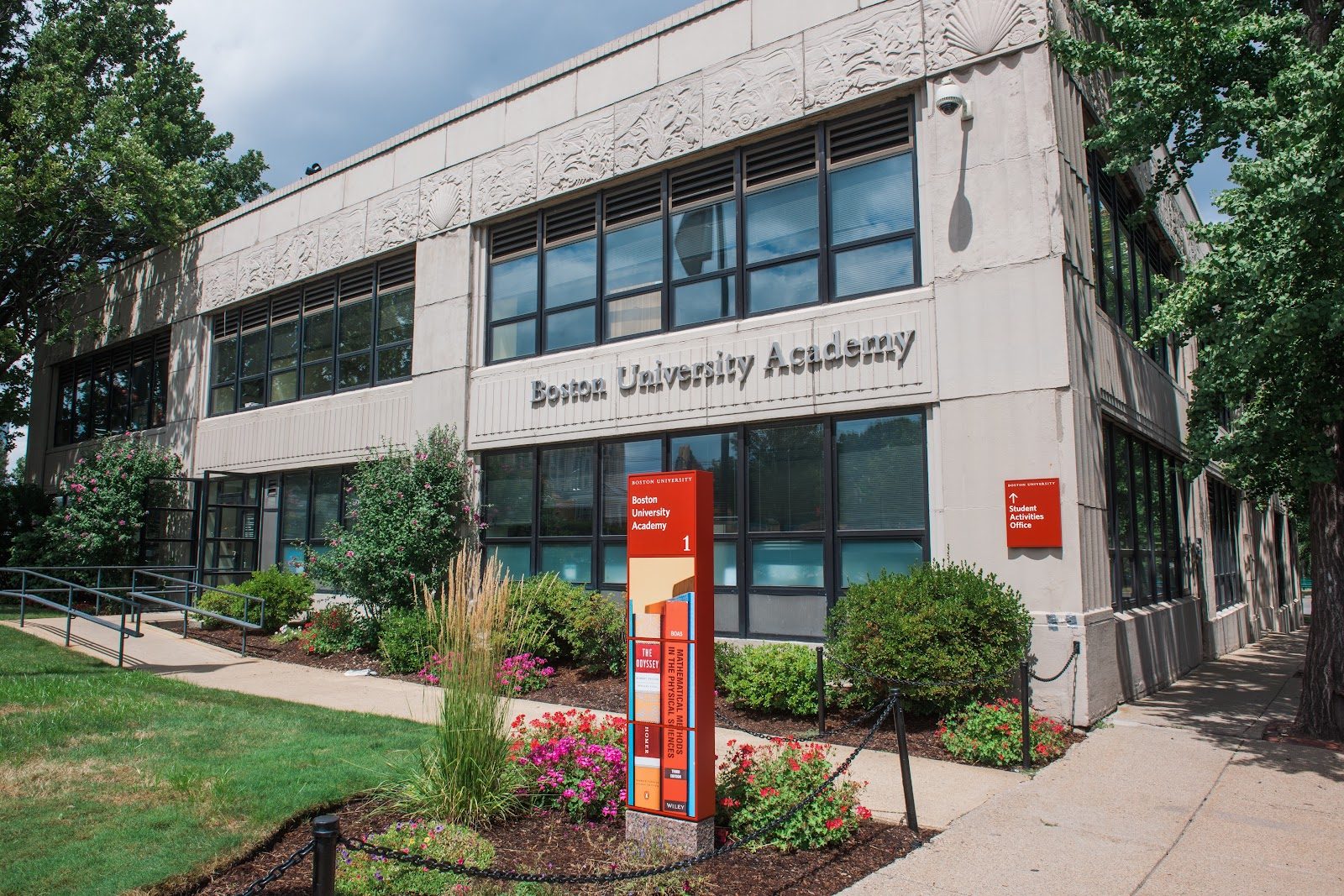
Upperclassmen trade study halls for Boston University lecture halls, banking college credit before graduation.
Same country and curriculum — closest matches within ±10 points either way