
Massachusetts
St. Sebastian's School
low confidence· 2/6 cats · 2.33 avg sourcesAll-boys Catholic ISL day school with a nationally competitive ice hockey and lacrosse tradition.
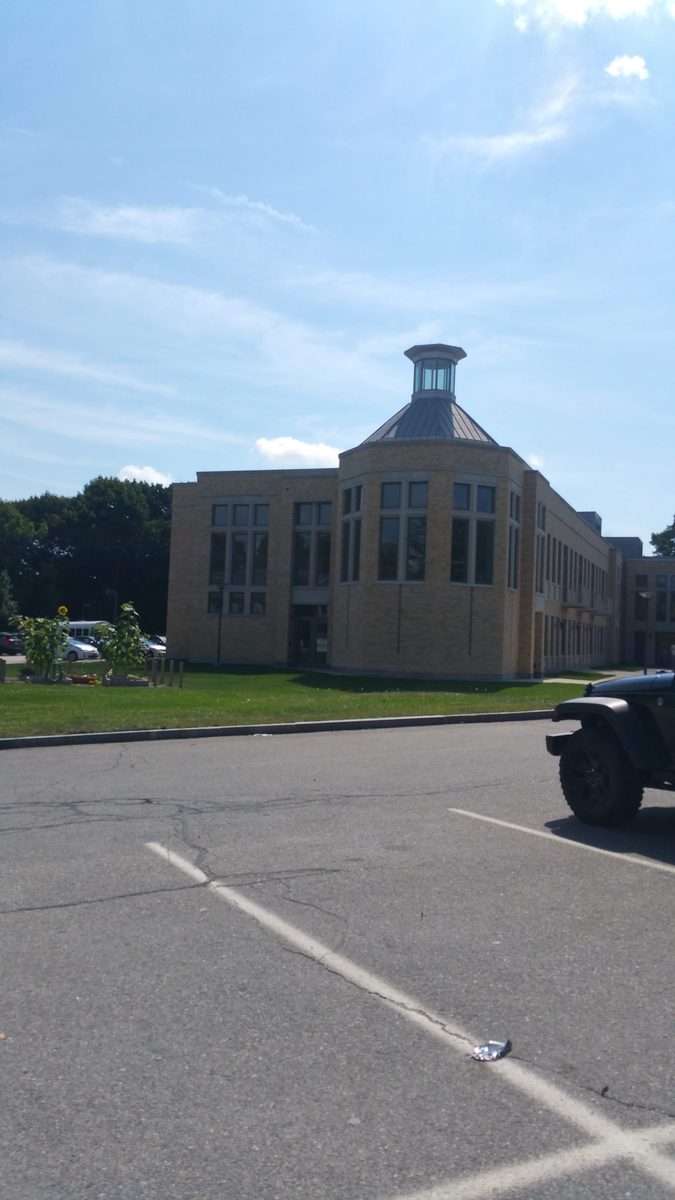
Type
Day
Ages
12–18
Curriculum
American
Qualifications
US High School Diploma
Ratio
1:5
The Verdict
Editor's commitment
Right for
Boys aged 12–18 who want an all-boys Catholic day school with a 1:5 ratio and serious ice hockey and lacrosse.
Wrong for
Families wanting co-education, boarding or a broader social mix than 380 boys in grades 7–12 at a Catholic school.
Watch out for
NEASC and NAIS membership signal legitimacy, not transparency; the school does not publish headline academic outcomes, and US$7,600 looks anomalously low.
Ranking breakdown
St. Sebastian's School · #733 of 1591
Composite score 57.6. 8 weighted criteria.
By criterion
Academic Outcomes
Weight 20%
#792
of 1529 scored
University Placement
Weight 16%
#793
of 1529 scored
Prestige & Heritage
Weight 12%
#734
of 1571 scored
Alumni Network
Weight 12%
#1516
of 1530 scored
Facilities
Weight 12%
#857
of 1533 scored
Transparency & Communications
Weight 8%
#865
of 1532 scored
Peer & Industry Review
Weight 10%
#893
of 1548 scored
Admissions Selectivity & Demand
Weight 8%
#726
of 1529 scored
Peer & Industry Review
How St. Sebastian's School is regarded in the sector
66
Respected · medium confidence
Within the Independent School League, St. Sebastian's is respected chiefly for athletics, especially hockey and crew, where rival coaches and heads acknowledge its competitive strength against Belmont Hill, Rivers and Roxbury Latin. Its college placement record - feeding students to strong New England universities and, notably, Division I hockey programs - earns quiet recognition from admissions officers familiar with the ISL pipeline, though it lacks the systematic Ivy-feeder profile of the region's oldest boarding schools. Coverage in independent-education outlets like the Good Schools Guide or WhichSchoolAdvisor is minimal or absent, as these platforms concentrate more heavily on UK and international boarding markets; St. Sebastian's visibility is largely local, appearing in Boston-area school-choice guides and Catholic-school directories rather than national league tables. Among peer Catholic boys' schools, it is regarded as a serious, if regionally bounded, competitor - respected for discipline and athletic pedigree, but without the broader national profile of secular New England boarding institutions.
- Matt Light — Former NFL offensive lineman, Sports
Editors' overview
At around 380 boys in grades 7–12, St. Sebastian’s is a small, single-sex Catholic day school with a very clear identity. The essentials are plain: founded in 1941, based in Needham, teaching in English, and running an American curriculum for boys aged 12 to 18. The 1:5 student-teacher ratio is the standout fact. That level of staffing points to close oversight, strong access to teachers and a school that can know its pupils in detail rather than by reputation. Parents looking for a vast co-ed campus with every permutation of programme will not find it here; St. Sebastian’s is deliberately narrow in mission and audience.
What puts it on a shortlist is not breadth but focus. This is an all-boys Catholic school with a serious sporting tradition, flagged most clearly in ice hockey and lacrosse, and that matters because sport at this level shapes school culture, status and tempo. Boys who thrive here will value competition, routine and a defined community. The school’s NEASC and NAIS accreditation adds reassurance on institutional standards, but the stronger market signal is the combination of small scale, faith setting and nationally competitive team sport. That is a distinctive niche in the Boston-area independent market, and it will suit families who want structure and ambition without boarding.
It will not suit every child. A boy who wants a fully mixed environment, a looser social culture or a school built around maximum subject and activity sprawl has better options elsewhere. St. Sebastian’s fits boys who respond well to high expectations, close adult attention and a school culture where belonging is earned through contribution, discipline and engagement. For that family, the school has a clear edge: a compact enrolment, 380 boys, ages 12–18, and a staffing ratio that many larger independents cannot match. The published average annual day fee of $7,600 looks out of line with the school’s market tier, so we would not use price as a decision-making anchor here; the real proposition is intimacy, Catholic formation and competitive athletics in a tightly run boys’ school.
Academic Performance
St. Sebastian’s does not publish the sort of aggregate examination data that lets parents place a school cleanly against academic peers. No SAT or ACT averages are in the public domain here; nor have we seen school-wide AP totals, score distributions or university matriculation tables detailed enough for hard comparison. That makes any claim of top-tier academic firepower impossible to verify. In a US independent-school context, that opacity matters. Strong schools with strong outcomes usually publish at least some external benchmarks. St. Sebastian’s does not, and that leaves its academic profile under-evidenced.
What can be said is narrower. This is a compact secondary school with around 380 boys and an unusually low 1:5 staffing ratio, which gives it the structural conditions for close academic supervision. That supports attainment; it does not prove it. Relative to Boston-area independents, St. Sebastian’s sits in a category where parents will expect disciplined teaching, solid university preparation and boys who are held to account. The school’s athletic reputation is a real draw, and at some schools that can either sharpen standards or distract from them. Without published external results, St. Sebastian’s remains credible but unproven on raw academic performance. Parents who want cold academic data, not trust in institutional culture, will need to ask direct questions.
Facilities
The school’s most consequential facilities sit where its identity sits: team sport. For a boys’ day school with a nationally competitive record in ice hockey and lacrosse, parents should expect strong athletic infrastructure, not token provision, and that is the right lens here. Ice hockey in particular is an expensive, logistically demanding sport; schools that compete seriously in it need access to high-grade rink time, proper strength and conditioning support, and organised spaces for team culture and daily training. That already puts St. Sebastian’s in a narrower, more specialised bracket than many small independent schools, where sport is broad but not high-performance. Against peers, the athletic offer reads as serious business, not decorative enrichment.
What we do not have is a public, itemised facilities picture across academics, arts and general campus life. The school does not publish the kind of detailed masterplan language or showcase inventory that would let us rank its science labs, theatre provision or specialist teaching spaces with confidence. That lack of detail matters because peer schools at the top end of the New England market often advertise facilities aggressively when they have invested heavily in them. Here, the strongest facilities case rests on what the school demonstrably supports well: a compact student body, intensive adult oversight, and competitive sport that demands real infrastructure. In market terms, this looks purpose-built rather than sprawling: tight, disciplined and strongest where athletics shape daily life.
That is a distinctive niche in the Boston-area independent market, and it will suit families who want structure and ambition without boarding
Prestige
St. Sebastian’s carries real local prestige, but it is a specific kind of prestige. This is not the glamour of scale, research-grade academic branding or a globally legible trophy cabinet of published results. It is the status that attaches to a tight, old-guard independent boys’ school with a Catholic foundation, a disciplined internal culture and strong recognition in East Coast prep-school circles. The all-boys setting narrows the audience and sharpens the identity. So does the school’s long association with competitive team sport, which gives it visibility beyond its size and strengthens its standing with families who value structured ambition over progressive experimentation. In that niche, the name carries weight.
The limit on prestige is clarity of evidence. Elite schools that want to make an academic prestige claim publish outcomes that back it up. St. Sebastian’s does not, and that matters. Its reputation therefore rests less on transparent academic proof than on social capital, selectivity of fit, community loyalty and the cachet that comes from a very low 1:5 ratio in a compact school of about 380 boys. That combination creates high-touch exclusivity, but not universal prestige. We rate it as well regarded rather than towering: a school with strong standing among the families and feeder networks that know it well, but with less broad-market academic authority than the most data-open New England independents.
That makes any claim of top-tier academic firepower impossible to verify
Communications
Parent communication here reads as an extension of the school’s culture: tight, controlled and built for a community that values order over display. The school is small enough for messages to carry personal consequence, and the published 1:5 staffing ratio matters here more than any glossy portal language. A school with that level of adult access has few excuses for vague updates, delayed replies or pastoral blind spots. We have not seen a rich public-facing communications architecture of the kind some larger independents use to advertise transparency through dashboards, detailed news streams or exhaustive academic reporting. That absence cuts both ways. It keeps the tone unfussy and direct, but it also means parents must rely more heavily on the school’s internal discipline than on published evidence of it.
Effectiveness therefore rests less on digital theatre than on whether families want high-touch oversight in a tradition-bound setting. For the right household, that works well: boys in a compact all-boys environment get noticed quickly, and parents are more likely to hear about problems early rather than after drift has set in. For families who judge communication by public data, documented academic tracking and a strong habit of institutional disclosure, the school is weaker. Its external academic transparency is thin, and communication cannot be called first-rate when key outcome information stays private. The overall verdict is solid but closed: strong on person-to-person contact, less strong on openness and published proof.
Uniqueness
What marks St. Sebastian’s out is the tightness of the proposition. Plenty of independent schools talk about character, brotherhood and standards; far fewer bind those ideas to a single-sex Catholic setting, a compact pupil body and a sport culture with real external credibility. This is not a school trying to be all things at once. It has chosen a narrow lane and stays in it: boys, adolescence, formation, competition, adult oversight. The result for students is a more high-pressure, high-belonging environment than at broad-spectrum day schools. A boy who wants anonymity will struggle. A boy who benefits from routine, team identity and adults who know when he is drifting gets a sharper framework here than he would in a looser institution.
The other distinctive feature is the balance between intimacy and expectation. The published 1:5 student-teacher ratio is not a decorative statistic; it changes daily life. Boys get watched closely, corrected quickly and backed consistently. In the right hands, that produces serious personal accountability rather than mere surveillance. Add the school’s recognised strength in ice hockey and lacrosse, and you get a culture where status is earned through contribution, not performance theatre. That brings confidence, resilience and a clear sense of place for boys who thrive on standards. It also narrows the fit. St. Sebastian’s is not a neutral environment: it asks boys to buy into a defined code, and the payoff is depth of community rather than breadth of experience.
The other distinctive feature is the balance between intimacy and expectation
Student Profile
The boys who fit best here are the ones who do not need a school to dilute itself for mass appeal. This is a defined, high-expectation environment with a clear moral and social code, and it suits pupils who respond well to structure, adult scrutiny and belonging earned through effort. Athletes, especially those drawn to demanding team cultures, will find a natural home. So will boys who like routine, direct feedback and institutions that set standards plainly. The school’s all-boys Catholic identity matters in daily life; families need to want that, not merely tolerate it. A boy who wants a looser atmosphere, a more experimental social culture or the anonymity of a larger student body will feel boxed in.
Temperament matters as much as talent. The right student here is coachable, resilient and able to handle correction without drama. He does not need to be extrovert, but he does need to engage: with teachers, with teams, with the expectations of a close community where adults know pupils well and drifting gets noticed fast. The unusually low 1:5 ratio strengthens that intensity. For many boys, that produces real security and momentum. For others, it feels claustrophobic. Parents choosing St. Sebastian’s need to be honest about that trade-off. This school works for boys who thrive when standards are visible, peers are competitive and community life carries weight beyond the classroom.
Sebastian’s is a small, single-sex Catholic day school with a very clear identity
Co-curricular strengths
Arts & sport, on a separate axis
Overall 7.54/10
Scored 0-10 from the school's own published evidence. This axis is editorial-only — it does not feed the main WTS ranking.
Sports
9.5/10
All-boys ISL powerhouse; fields historically dominant varsity ice hockey, lacrosse, and baseball teams.
Drama
8/10
Active classical drama societies and Shakespeare showcases focused on building public speaking and confidence traits.
Dance
3.5/10
Treated primarily as an auxiliary component for theatrical physical training or house arts festivals rather than an independent elective.
Music
8.2/10
Robust private vocal and instrumental infrastructure feeding active jazz big bands and full symphonies.
Visual Arts
8.5/10
Highly structured fine art layout leaning heavily toward technical drawing, painting, and portfolio creation.
Strengths
- +All-boys Catholic day school in Needham, Massachusetts
- +American curriculum taught in English
- +NEASC and NAIS accreditations
- +Around 380 boys in grades 7–12
Considerations
- −Boys only; unsuitable for families wanting co-education
- −Catholic ethos may not suit non-Catholic families
- −Day school only; no boarding option
Availability
Primary entry gate & tests
ISEE/SSAT + Interview
Gallery
Parent reviews
Have you sent your child here?
Voice reviews carry the strongest trust badge — we transcribe them for you to tidy up before they go live. Prefer to type? A written review is fine too.
Add your voice
In 60 seconds, tell other parents: what's the best thing about St. Sebastian's School, and what surprised you when your child joined?
We ask for a Google sign-in so every review has a real face behind it — no anonymous drive-by attacks on schools, and no faked positive reviews. Your email is never shown publicly.
Send this profile to a friend
International parents rely on word-of-mouth. Share this review with someone weighing the same decision.
Schools with places
Similar schools to St. Sebastian's School with places available now.
Boston University Academy
Boston · United States
- 2026-27
- CLOSEDRegular cycle closed
- 2027-28
- OPENS SOONOpens Sept '26
Belmont Hill School
Belmont · United States
- 2026-27
- CLOSEDRegular cycle
- 2027-28
- PLACES OPENApplication route live
Noble and Greenough School
Dedham · United States
- 2026-27
- CLOSEDRegular cycle
- 2027-28
- PLACES OPENJan 15 '27 Deadline
Middlesex School
Concord · United States
- 2026-27
- CLOSEDRegular cycle
- 2027-28
- OPENS SOONOpens 1 Sept '26
Availability first, then country, area, curriculum, price, co-curricular
Consider also
Also worth looking at alongside St. Sebastian's School.
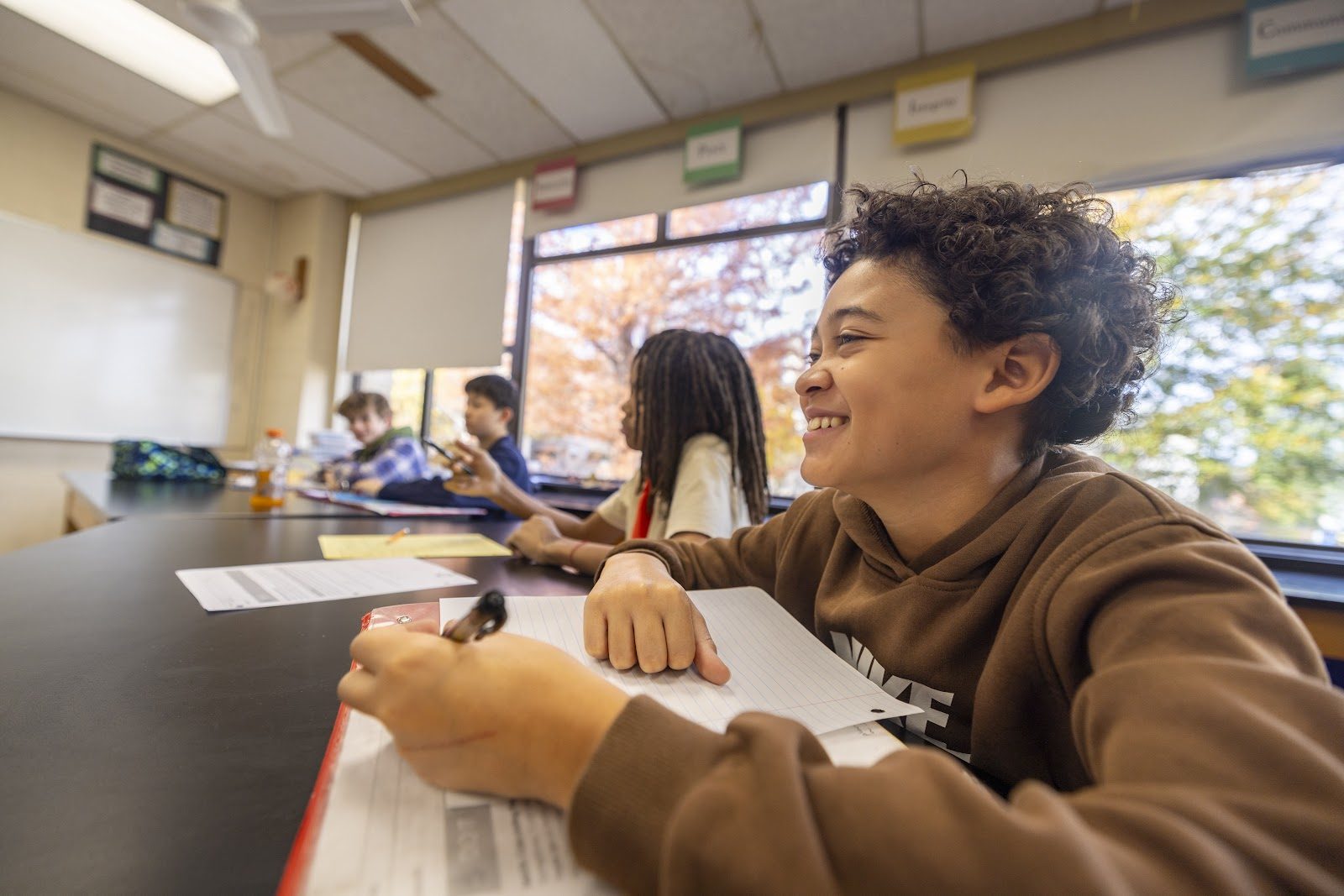
Germantown Friends School
Philadelphia · United States
Rooted in an 1845 Quaker meeting in historic Germantown, where juniors design a month-long independent study of their own.
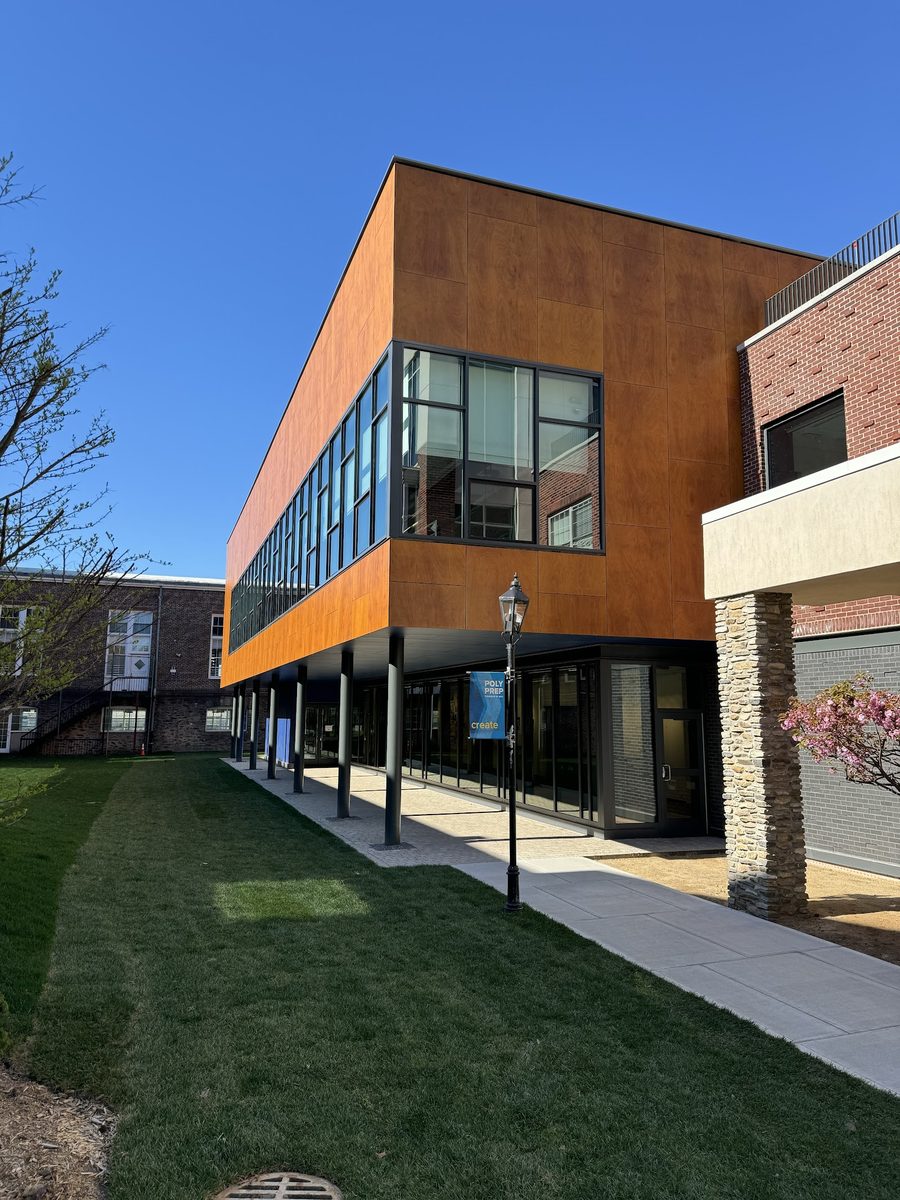
Poly Prep Country Day School
Brooklyn · United States
Founded in 1854 as Brooklyn's first boys' school, this day school pairs a Prospect Park mansion with a 25-acre Dyker Heights campus.
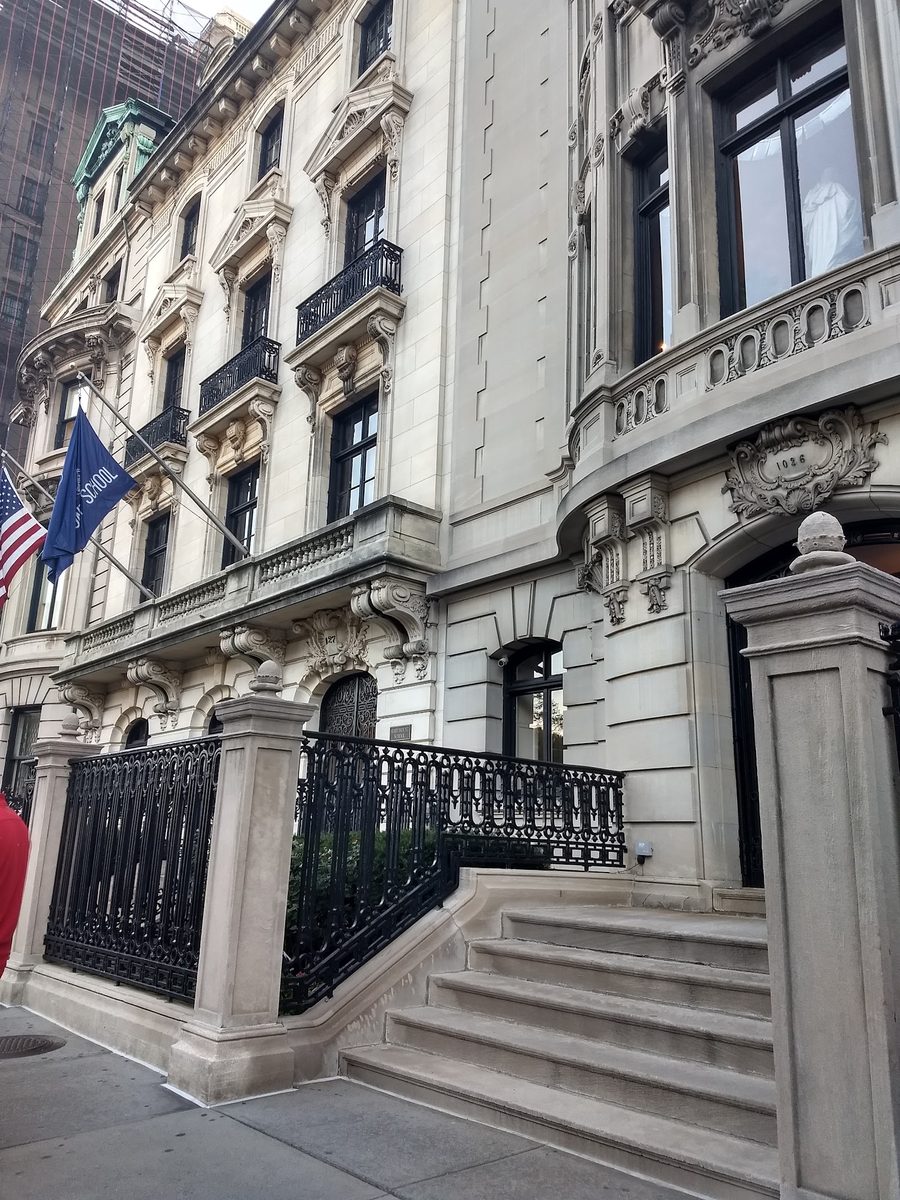
Marymount School of New York
New York City · United States
On Fifth Avenue, landmark mansions give way to Bloomberg terminals and classrooms inside the Met.
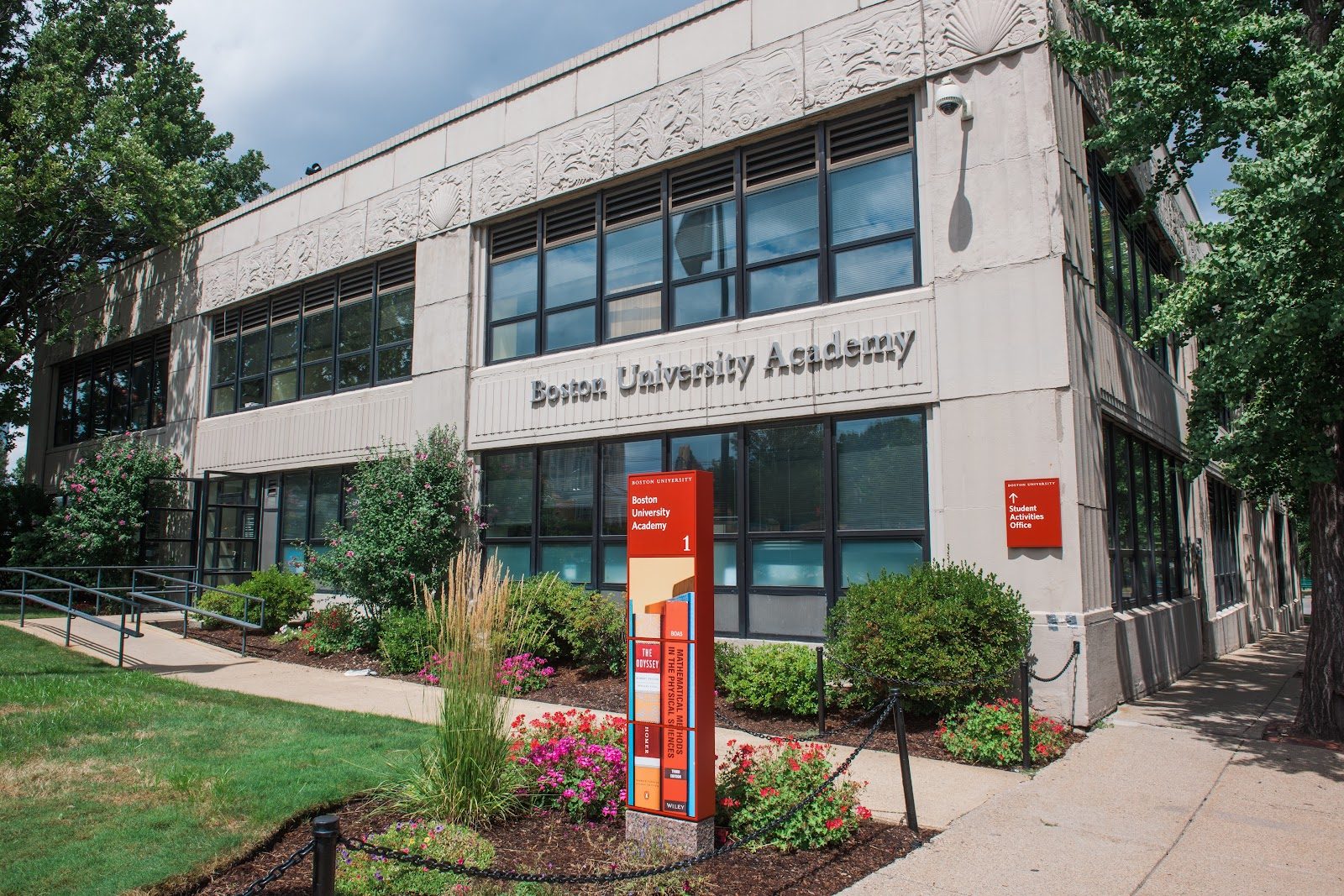
Boston University Academy
Boston · United States
Upperclassmen trade study halls for Boston University lecture halls, banking college credit before graduation.
Same country and curriculum — closest matches within ±10 points either way