
California
Torrey Pines High School
low confidence· 2/6 cats · 2.67 avg sourcesNamed for a rare coastal pine, this Del Mar Heights campus backs a three-time Blue Ribbon record with 25-plus AP courses and an IB track.
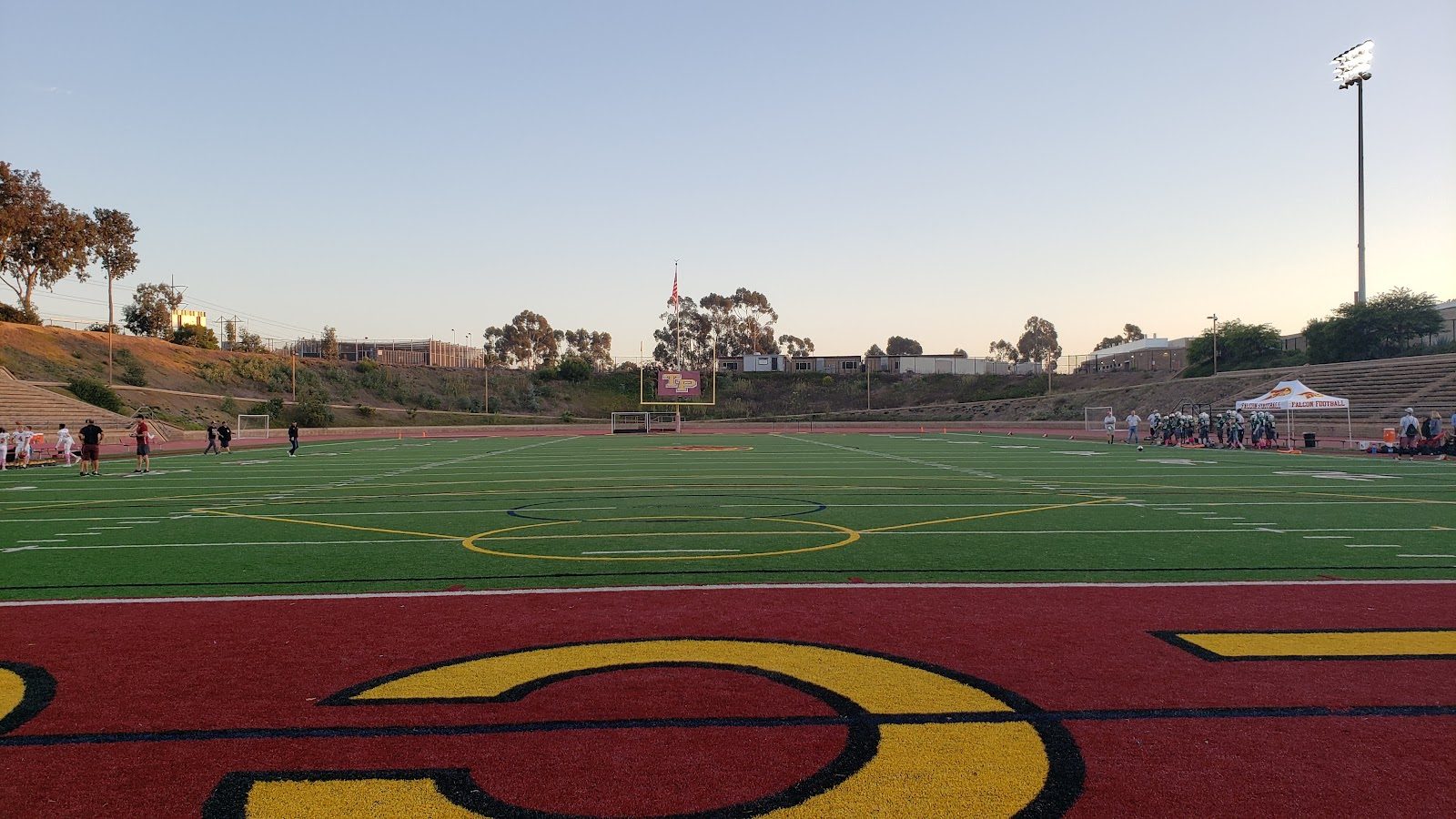
Photo © Noa “DaPinkCat” Ranoa via Google Maps
Type
Day
Ages
13–18
Curriculum
American
Qualifications
AP · US High School Diploma
Ratio
1:24
The Verdict
Editor's commitment
Right for
Families in North County who want a public American day school, founded in 1974, with a broad 13–18 intake.
Wrong for
Parents expecting close adult attention: the 1:24 student-teacher ratio is blunt, and this is a district public school.
Watch out for
English-only teaching, no religion, and a public catchment serving Del Mar, Carmel Valley and Rancho Santa Fe narrow the proposition.
Ranking breakdown
Torrey Pines High School · #1051 of 1591
Composite score 61.4. 8 weighted criteria.
By criterion
Academic Outcomes
Weight 20%
#209
of 1529 scored
University Placement
Weight 16%
#305
of 1529 scored
Prestige & Heritage
Weight 12%
#1054
of 1571 scored
Alumni Network
Weight 12%
#1487
of 1530 scored
Facilities
Weight 12%
#1110
of 1533 scored
Transparency & Communications
Weight 8%
#388
of 1532 scored
Peer & Industry Review
Weight 10%
#533
of 1548 scored
Admissions Selectivity & Demand
Weight 8%
#400
of 1529 scored
Peer & Industry Review
How Torrey Pines High School is regarded in the sector
70
Respected · medium confidence
Torrey Pines operates in the American public school landscape rather than the independent/private circuit, so it does not appear in guides such as WhichSchoolAdvisor or the Good Schools Guide, which focus on UK independent schools. Its standing is instead measured through US public-school rankings (it typically places among California's stronger comprehensive public high schools) and through comparison with sibling schools in its own San Dieguito Union High School District, notably Canyon Crest Academy and La Costa Canyon High School, with which it competes for local academic and athletic prestige. University-facing reputation is grounded in solid, unspectacular placement rates into the University of California system, particularly UC San Diego, UC Berkeley and UCLA, consistent with a high-performing suburban public school rather than a feeder to Ivy League or highly selective private-college pipelines. Independent education press coverage is minimal; local San Diego media attention centers on athletics results and standardized test performance rather than qualitative institutional profiles.
- Tony Hawk — Professional skateboarder, Sports
- Rob Machado — Professional surfer, Sports
- Ryan Hall — Long-distance runner, Sports
Editors' overview
Torrey Pines High School is a public American day school in San Diego’s North County, founded in 1974 and serving ages 13–18 in English. Its draw is clear. This is a large, established comprehensive in an affluent coastal catchment, with the scale to offer breadth and the reputation to command attention. The editorial case starts with range: more than 25 AP courses, an IB track, and a student–teacher ratio of 1:24. Add a three-time Blue Ribbon record and parents get a school with serious academic range, earned public credibility and the kind of profile that keeps it on competitive local shortlists.
What is special here is not boutique intimacy or educational novelty. It is depth inside a public-school framework. Torrey Pines gives high-performing students multiple ways to build a demanding programme without forcing every child into the same mould. That matters. Families choosing between independent schools and strong US publics often want one thing above all: evidence that a school can stretch able students at scale. Torrey Pines does that. It also serves a wide North County catchment — Rancho Santa Fe, Del Mar, Fairbanks Ranch, Solana Beach, Carmel Valley, with access for some students from Encinitas — which reinforces its position as a regional reference point rather than a purely neighbourhood school. The result is academic heft with real local standing.
The school fits students who want momentum, choice and a strong peer cohort. Ambitious teenagers who are ready to navigate a busy public high school, select from advanced courses and make use of a broad platform will find plenty to work with here. Students who need hand-holding, very small classes or a tightly managed pastoral environment will not find that by default in a 13–18 public secondary school at this scale. Parents should shortlist Torrey Pines if they want a respected American curriculum school with substance over gimmicks, competitive energy and a track record that carries weight.
Academic Performance
Torrey Pines sits in the upper tier of US public high schools for academic ambition, but public proof is thinner than many fee-paying competitors supply. The school’s strength is course access: more than 25 AP options and an IB route give able students multiple external-exam pathways, which matters far more than glossy claims about “rigour”. That breadth places it ahead of many district comprehensives and in direct competition with strong suburban publics that win families on advanced coursework rather than boutique support. The three-time Blue Ribbon record adds weight. It does not replace exam data, but it does mark the school as a serious operator with a long-standing reputation for high-level academic expectation.
The weak point is disclosure. The school does not publish aggregate AP score distributions, IB diploma outcomes, average SAT or ACT profiles, or year-on-year external exam trends in the public domain cited here. That makes precise peer comparison harder than it should be. Parents therefore need to read Torrey Pines as a school with a strong academic platform and credible top-end stretch, but with less published results transparency than the best independent schools and the most data-forward public magnets. In practical terms, it fits the profile of a high-performing comprehensive whose strongest students have access to demanding examinations, even if the school leaves outsiders to infer the fine detail of performance.
Facilities
Public evidence on facilities is thin, and that matters. We have not seen a detailed campus breakdown, specialist-centre inventory or the sort of room-by-room photography that stronger communicators now publish. The school’s athletics site signals one clear point: sport has a visible platform, which fits a large public high school serving a competitive, affluent catchment. Beyond that, parents do not get a clean public map of science labs, performing arts spaces, maker facilities, libraries or sixth-form style study areas. That opacity puts Torrey Pines behind the best resourced independent schools and the most transparent suburban publics, both of which now treat facility disclosure as a basic part of parent communication. In editorial terms, this is a credible but under-documented campus.
Against peers, the school’s advantage lies less in architectural theatre than in functional scale. A public comprehensive with a broad advanced-course menu needs enough classrooms, labs and sports infrastructure to keep a demanding timetable running; that baseline is built into the model. Families should expect solid mainstream provision, active athletics space and the practical breadth of a large district school, not the showpiece facilities arms race of top-fee independents. If arts, engineering or lab provision will drive the decision, Torrey Pines needs to publish more. Until then, the facilities case rests on inference from scale and programme breadth rather than hard, inspectable detail.
Torrey Pines High School is a public American day school in San Diego’s North County, founded in 1974 and serving ages 13–18 in English
Prestige
Torrey Pines has real prestige, but it is the prestige of a top public comprehensive rather than an old private nameplate. The school draws from affluent North County communities, and that matters: strong peer competition, high family expectation and a catchment that treats education as a serious project all sharpen its reputation. Add a three-time Blue Ribbon history and a menu of more than 25 AP courses, and the school earns status on substance, not mystique. In local terms, this is a high-status public option with genuine academic cachet. Families weighing expensive independents against a no-fee route will read Torrey Pines as a school that gives able students a credible elite-track experience inside the state system.
That prestige has limits, and they are worth stating plainly. Torrey Pines does not carry the global brand recognition of famous US boarding schools or selective East Coast independents. Its standing is regional, not universal. It is strongest with families who know the San Diego market and understand the value of a well-regarded district school serving communities such as Rancho Santa Fe, Del Mar and Carmel Valley. The school’s reputation also rests more on environment, course access and long-standing public esteem than on fully published outcome data, which keeps it from the topmost prestige bracket. Even so, for a mainstream public school, the name carries serious local weight and a hard-to-dismiss level of credibility.
Torrey Pines has real prestige, but it is the prestige of a top public comprehensive rather than an old private nameplate
Communications
Parent communication is functional, not polished. The public-facing footprint tied to the school in this brief is an athletics website, and that alone tells you something about priorities: sport is easy to find, while the wider parent information architecture is harder work. We have not seen the kind of integrated, parent-first communications system that strong schools now use to reduce friction — clear academic updates, centralised calendars, leadership messages, department pages with real substance, and a clean route to key policies and contacts. For a school serving multiple North County communities, that gap matters. Families need disciplined communication, not a patchwork. At present, the picture is serviceable but uneven.
That does not mean parents are left in the dark. Large public schools in strong districts run on routines, and Torrey Pines has the institutional weight to keep day-to-day information moving. But effectiveness here rests more on operational habit than on sharp public communication. The school does not project the high-transparency standard that top independents and the best-administered public schools now treat as basic. Nor does it publish the deeper academic data that would strengthen trust with exacting parents. The result is a communications profile that works for families already fluent in the local system and less well for outsiders trying to understand the school quickly. In editorial terms: competent enough for insiders, thin for everyone else.
Uniqueness
What sets Torrey Pines apart is the combination of public-school scale with an advanced academic ceiling that many families pay private-school fees to secure elsewhere. This is not a niche specialist campus or a hand-crafted boutique environment. It is a mainstream district high school that gives students access to 25-plus AP courses alongside an IB route, inside a peer group drawn from communities with high educational expectation. That mix creates a high-pressure, high-opportunity culture: students can build demanding programmes, test themselves against strong classmates and move through a school where ambition is normal rather than exceptional. The Blue Ribbon record matters here not as branding, but as a marker of institutional seriousness sustained over time.
For students, that distinctiveness brings breadth and traction. A teenager does not need to choose between academic stretch and the social range of a large public school; Torrey Pines offers both. It also benefits from serving a wide North County catchment rather than a single narrow neighbourhood, which gives the school a broader local reach and a stronger sense of regional consequence. The trade-off is clear. Students who thrive here are self-directed, competitive and comfortable finding their place in a busy system. Those who need close adult oversight or a carefully sheltered atmosphere will find the model less forgiving. At its best, Torrey Pines offers a serious launchpad for able students who want challenge without private-school insulation.
The school does not project the high-transparency standard that top independents and the best-administered public schools now treat as basic
Student Profile
Torrey Pines suits students who want pace, options and a peer group that treats achievement as normal. The intake is drawn from affluent North County communities, and that has cultural consequences inside the school: high parental expectation, strong university focus and a student body with little patience for drift. Teenagers who are organised, self-propelled and comfortable competing for places in advanced classes will do well. So will students who want to combine serious academics with visible school spirit and a broad extracurricular life. The staffing ratio of 1:24 tells its own story. This is not a school built around constant adult intervention; it rewards students who can manage deadlines, seek help directly and hold their ground in a busy system. For the right child, that feels energising, adult and high-output.
The weaker fit is just as clear. Students who need intensive pastoral oversight, very small classes or a gentler social tempo will find the environment demanding and at times unforgiving. The advanced-course platform is a strength, but it also sharpens comparison among classmates. In a school offering 25-plus AP courses alongside an IB route, ambition is easy to spot and hard to avoid. That suits intellectually hungry teenagers who enjoy being stretched and do not need a school to soften every edge. It suits them less if they are still building confidence, need close day-to-day containment or want a low-pressure adolescence. This is a strong match for the self-directed high achiever; it is not built for constant hand-holding.
For students, that distinctiveness brings breadth and traction
Co-curricular strengths
Arts & sport, on a separate axis
Overall 8.9/10
Scored 0-10 from the school's own published evidence. This axis is editorial-only — it does not feed the main WTS ranking.
Sports
9/10
Drama
8.5/10
Dance
9/10
Music
9/10
Visual Arts
9/10
Strengths
- +Public secondary school in San Diego, California
- +Serves Del Mar, Solana Beach and Carmel Valley
- +English-language American curriculum for ages 13–18
- +Nationally competitive water polo, tennis and swimming
Considerations
- −Day school only; no boarding option
- −Public school within San Dieguito Union district
- −Catchment communities may limit access for some families
Availability
Primary entry gate & tests
Residence in SDUHSD boundary required; no selective entrance test
Gallery
Photo © sunita via Google Maps
Photo © sunita via Google Maps
Photo © sunita via Google Maps
Photo © Dan Hanan via Google Maps
Photo © sunita via Google Maps
Parent reviews
Have you sent your child here?
Voice reviews carry the strongest trust badge — we transcribe them for you to tidy up before they go live. Prefer to type? A written review is fine too.
Add your voice
In 60 seconds, tell other parents: what's the best thing about Torrey Pines High School, and what surprised you when your child joined?
We ask for a Google sign-in so every review has a real face behind it — no anonymous drive-by attacks on schools, and no faked positive reviews. Your email is never shown publicly.
Send this profile to a friend
International parents rely on word-of-mouth. Share this review with someone weighing the same decision.
Schools with places
Similar schools to Torrey Pines High School with places available now.
Head-Royce School
Oakland · United States
- 2026-27
- CLOSEDRegular cycle
- 2027-28
- OPENS SOONOpens Sept '26
The Webb Schools
Claremont · United States
- 2026-27
- CLOSEDRegular cycle closed
- 2027-28
- PLACES OPENPortal live
The Branson School
Ross · United States
- 2026-27
- CLOSEDRegular cycle
- 2027-28
- OPENS SOONOpens Sept '26
Crystal Springs Uplands School
Hillsborough · United States
- 2026-27
- CLOSEDRegular cycle
- 2027-28
- OPENS SOONOpens Sept '26
Availability first, then country, area, curriculum, price, co-curricular
Consider also
Also worth looking at alongside Torrey Pines High School.
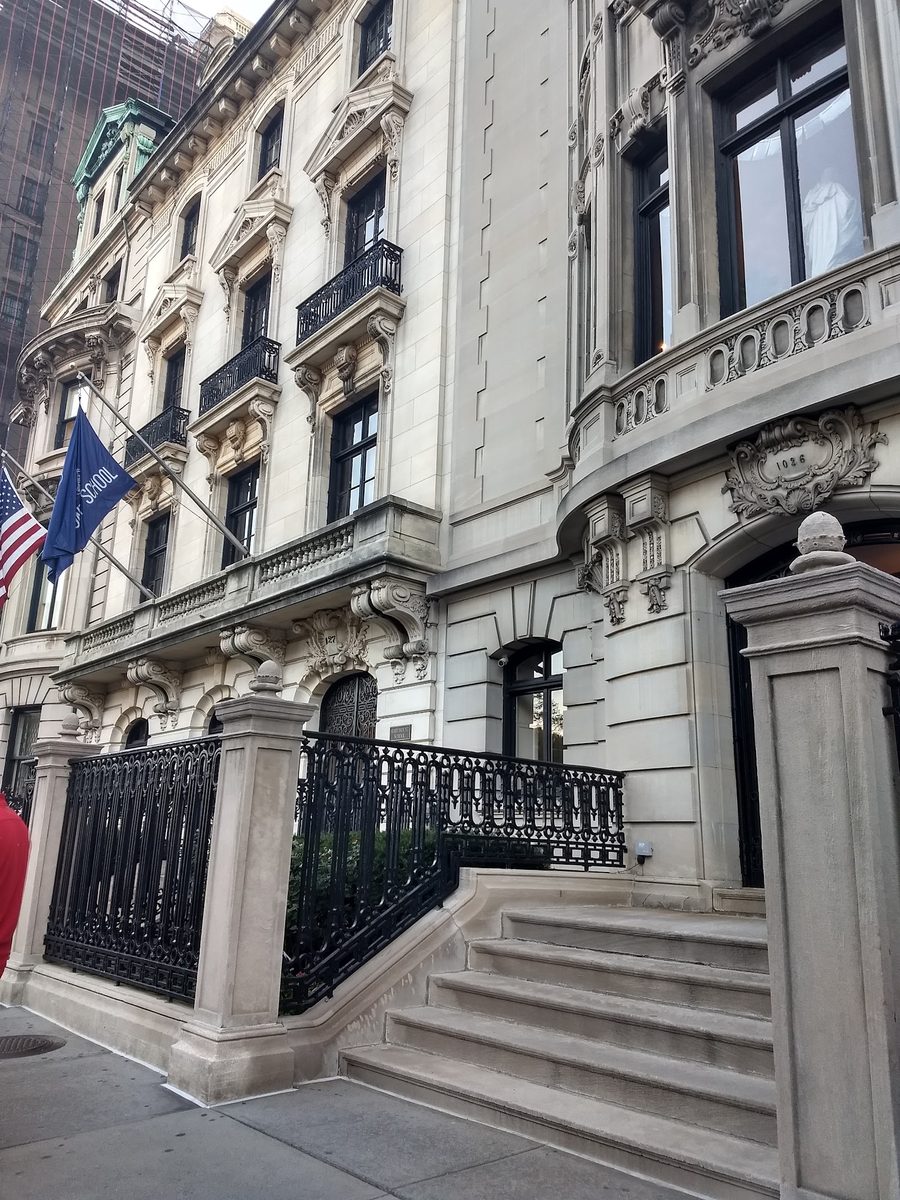
Marymount School of New York
New York City · United States
On Fifth Avenue, landmark mansions give way to Bloomberg terminals and classrooms inside the Met.
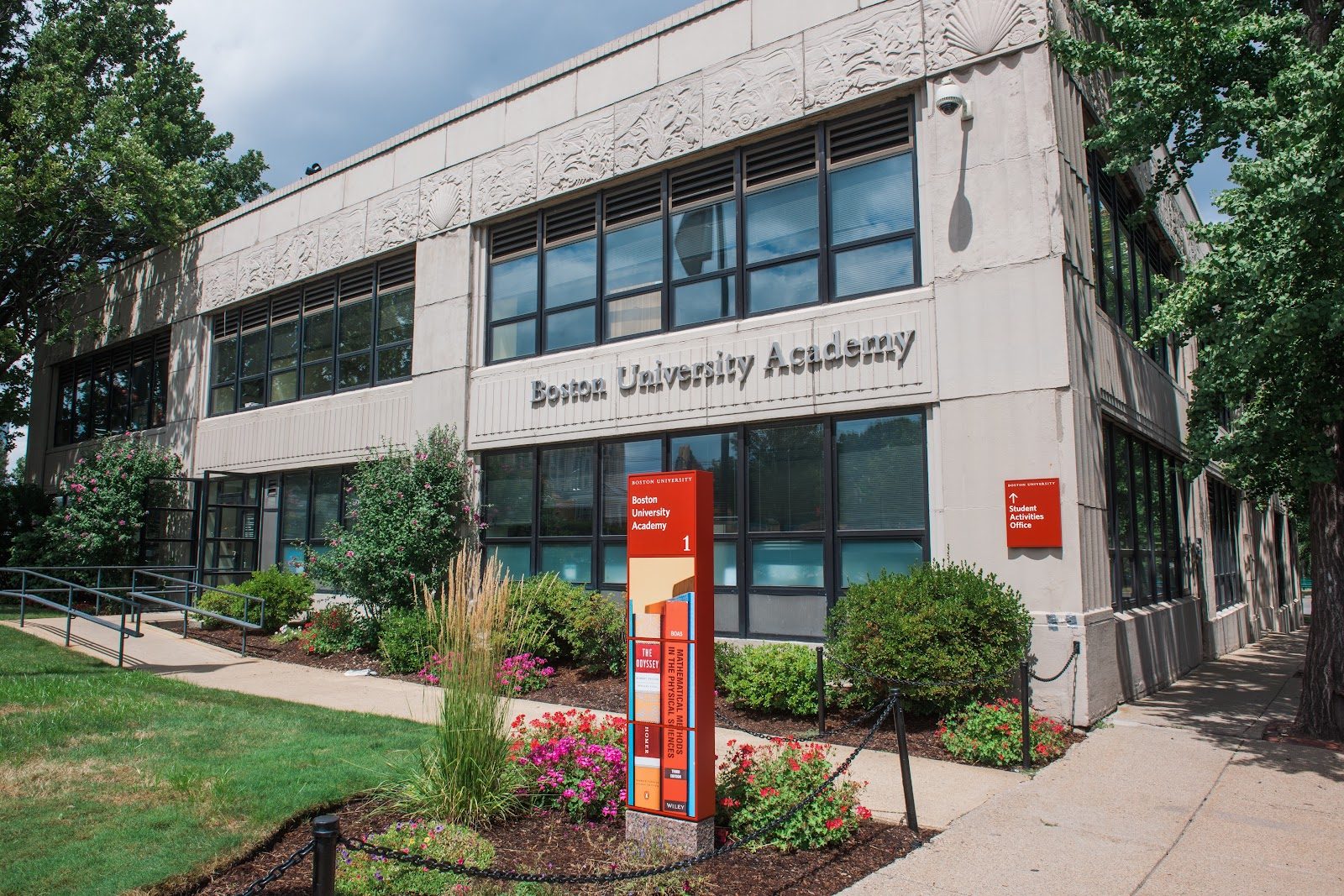
Boston University Academy
Boston · United States
Upperclassmen trade study halls for Boston University lecture halls, banking college credit before graduation.
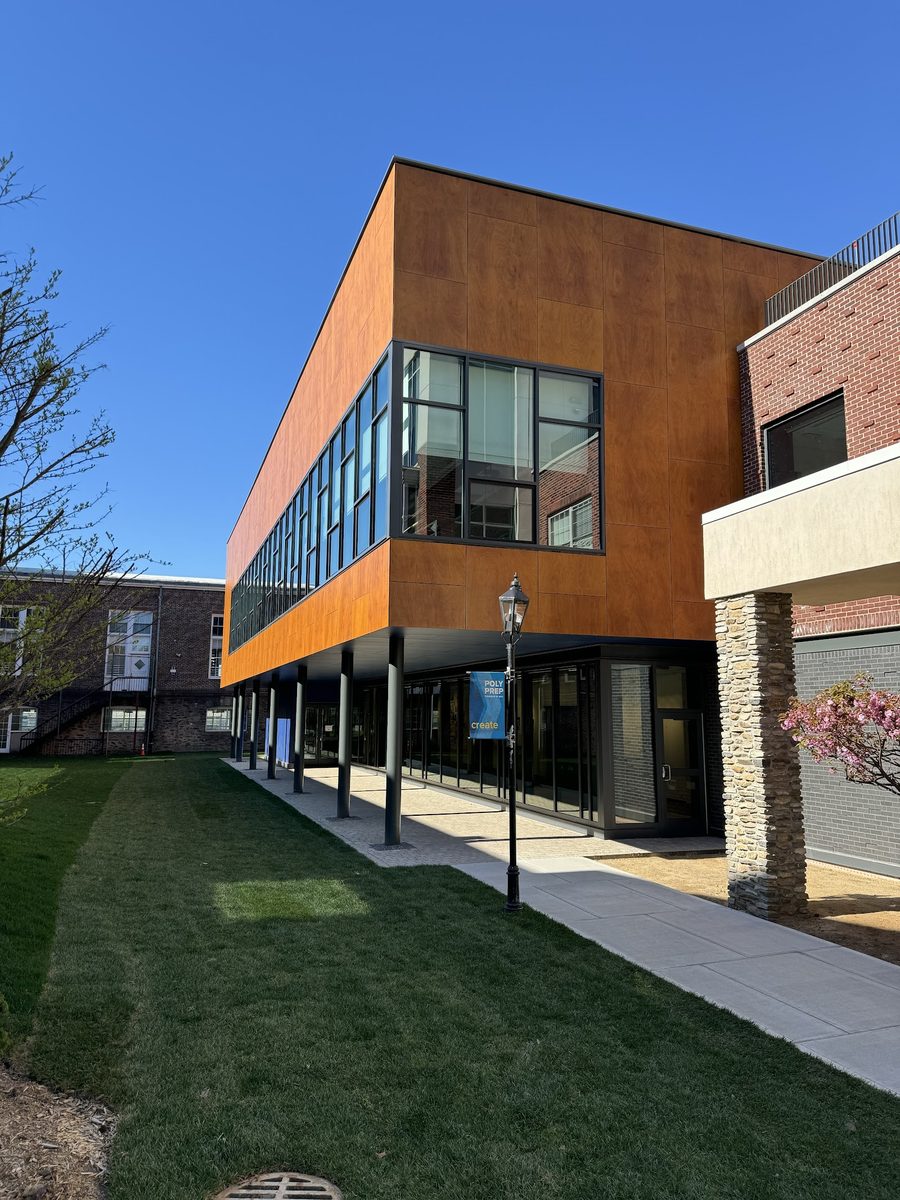
Poly Prep Country Day School
Brooklyn · United States
Founded in 1854 as Brooklyn's first boys' school, this day school pairs a Prospect Park mansion with a 25-acre Dyker Heights campus.

Germantown Friends School
Philadelphia · United States
Rooted in an 1845 Quaker meeting in historic Germantown, where juniors design a month-long independent study of their own.
Same country and curriculum — closest matches within ±10 points either way