
Massachusetts
In West Roxbury, a boys' day school founded in 1645 has run continuously ever since, prizing 6:1 mentorship over scale.
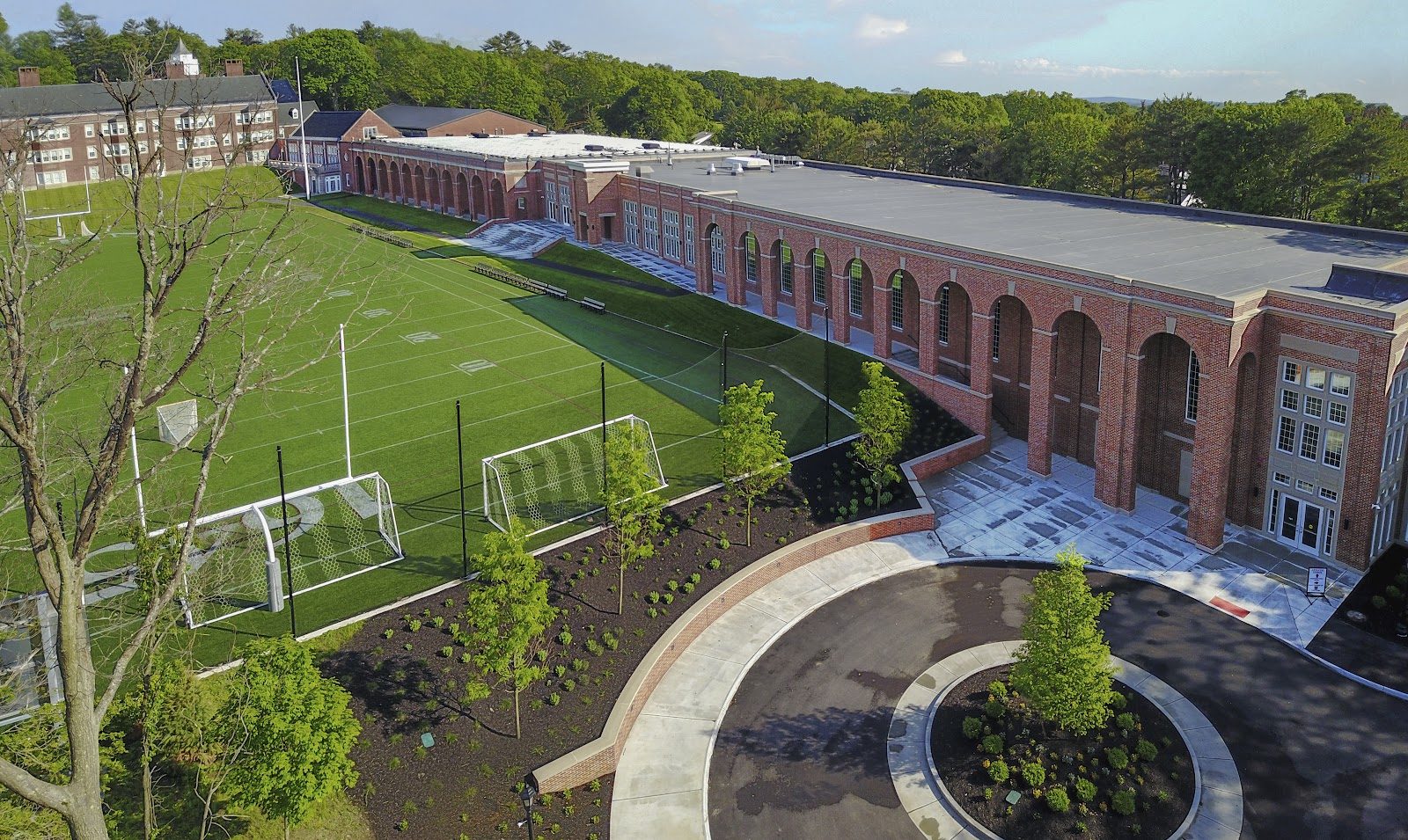
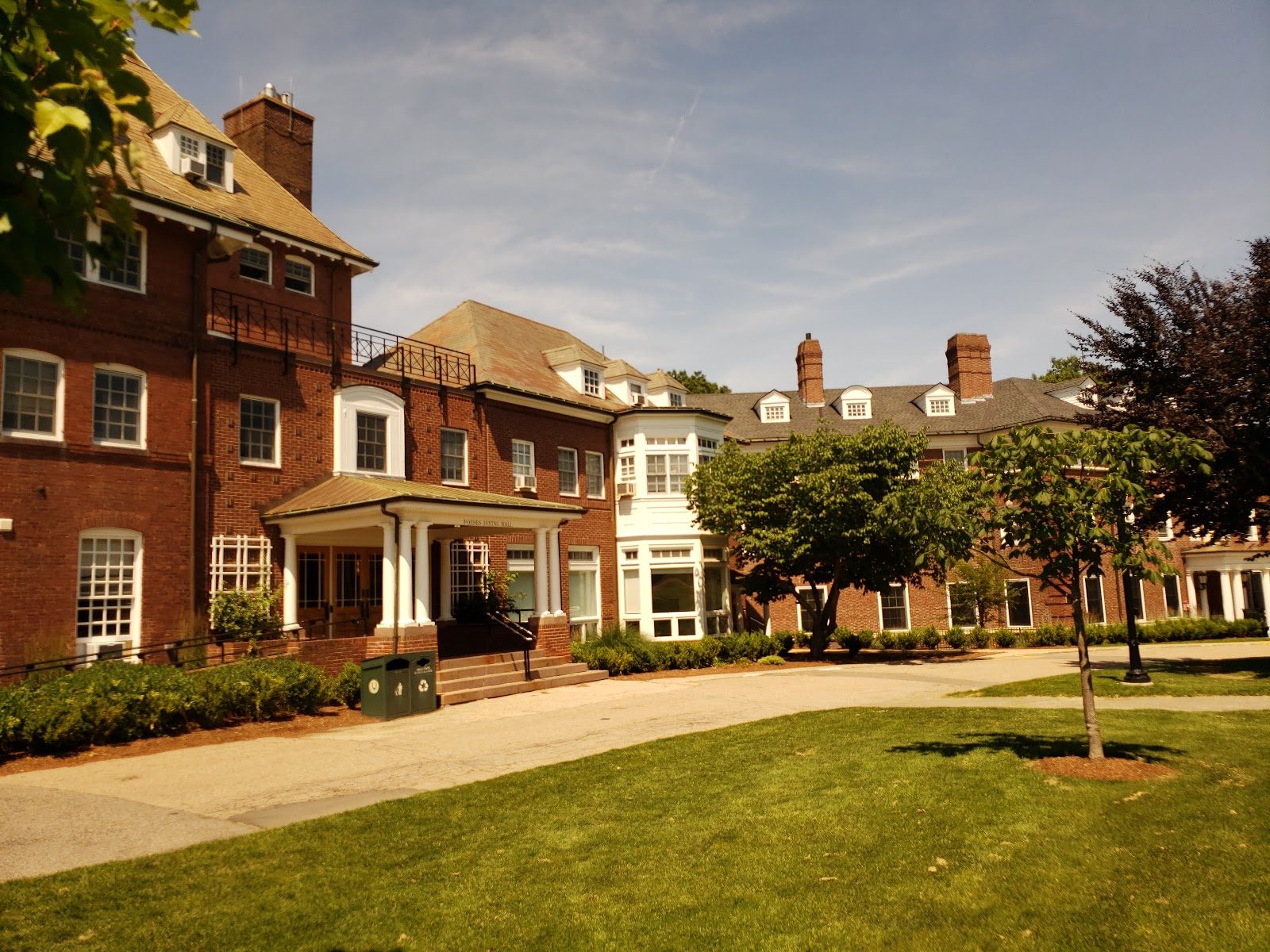
Photo © George Shaughness via Google Maps
Type
Day
Ages
12–18
Curriculum
American
Qualifications
AP
Ratio
10:1
The Verdict
Editor's commitment
Right for
Boys, 12–18, who want a serious college-prep day school with a 10:1 ratio, 18-pupil classes and 1645 pedigree.
Wrong for
Families wanting co-education, boarding or a broader age range than 12–18; this is a boys' day school, full stop.
Watch out for
At an average USD 44,000 a year, Roxbury Latin is expensive; NEASC and NAIS accreditation do not change that.
Ranking breakdown
The Roxbury Latin School · #60 of 1591
Composite score 79.2. 8 weighted criteria.
By criterion
Academic Outcomes
Weight 20%
#66
of 1529 scored
University Placement
Weight 16%
#41
of 1529 scored
Prestige & Heritage
Weight 12%
#50
of 1529 scored
Alumni Network
Weight 12%
#72
of 1529 scored
Facilities
Weight 12%
#867
of 1529 scored
Transparency & Communications
Weight 8%
#123
of 1529 scored
Peer & Industry Review
Weight 10%
#100
of 1529 scored
Admissions Selectivity & Demand
Weight 8%
#93
of 1529 scored
Score history
The Roxbury Latin School · 2026
Movement across 2024–2026. Peer average overlaid.
Overall — 2024–2026
79.2/ 100
▲ +25.9 vs 2025
year on year
Peer & Industry Review
How The Roxbury Latin School is regarded in the sector
88
Strong · medium confidence
Roxbury Latin is widely recognized as one of the oldest and most academically rigorous independent schools in the U.S. (founded 1645), consistently cited in Boston-area 'best private schools' coverage and known for exceptional college matriculation rates to Ivy League and elite universities. It has a strong, historically documented alumni network (including notable figures in law, academia, and business) and is frequently referenced by peer New England independent schools (e.g., in NEASC accreditation contexts and Boston Globe education coverage) as a benchmark for small-class, classics-oriented boys' education, though it maintains a lower international/expat profile than boarding schools like Exeter or Andover.
Evidence sources
Editors' overview
At 1645, Roxbury Latin trades on something few schools can match: uninterrupted age. That history matters less as branding than as a clue to temperament. This is a boys’ day school in West Roxbury with a hard-edged academic identity, an American curriculum, and a scale that keeps adults close to pupils. The school’s own line about North American seniority gives it cachet; the more useful fact for parents is the structure underneath it. Classes average 18, the student-teacher ratio is 10:1, and the editorial tagline points to 6:1 mentorship as a defining habit rather than a slogan. For a school serving ages 12 to 18, that combination puts Roxbury Latin in the category of small, exacting, adult-run institutions where nobody disappears into the crowd.
The market position is clear. At an average annual day fee of $44,000, Roxbury Latin sits in the expensive end of the US day-school market, but it is not selling sprawl, spectacle or a vast co-curricular city-state. It is selling concentration: boys only, non-religious, English-medium, college-preparatory, and accredited by NEASC and NAIS. Parents who want glossy breadth and endless programme proliferation will find other Boston-area schools that offer more visible scale. Parents who want serious teaching in a tight frame will see the appeal immediately. The notable alumni floor is also substantial: 71 catalogued in Wikidata, including politicians, scientists, writers and business figures. That breadth points to an institution with real intellectual reach, not a school producing one narrow type of success.
The right student for Roxbury Latin is bright, teachable, resilient and comfortable in an environment with high expectations and little room for drift. Boys who thrive on close attention from teachers, who do not need constant hand-holding, and who value scholarship over show will fit. So will families who want tradition without a religious wrapper. This is not for the child who needs anonymity, a loose culture, or a school that dilutes standards in the name of comfort. Roxbury Latin belongs on a shortlist because it offers something rare: a very old school with a disciplined, intimate academic model that still reads as purposeful rather than ceremonial.
Academic Performance
Roxbury Latin’s academic reputation is strong; its published exam transparency is weak. The school is college-preparatory, which tells parents the broad direction of travel, but it does not publish aggregate SAT, ACT, AP or IB outcomes in the public domain. That matters. Among elite American day schools, the serious operators now understand that selective college placements alone do not settle the question of academic performance. Without cohort-wide external results, families are left to infer standards from the school’s long-standing reputation, its selective intake, and the weight of its alumni record. That is credible but incomplete evidence. For a school with such an exacting intellectual identity, the absence of hard attainment data is a real gap.
Relative to peers, Roxbury Latin sits in the company of high-expectation, academically ambitious independent schools where university preparation is a central function rather than a sideline. The small-scale teaching model strengthens that case, and the notable alumni floor — 71 catalogued figures across public life, scholarship, writing and business — points to durable intellectual formation over time. Still, alumni distinction is a lagging indicator, not an annual results table. Parents comparing Boston-area independents on academic outcomes need to know that Roxbury Latin asks for trust where some competitors offer spreadsheets. For families comfortable judging a school by institutional seriousness rather than published score dashboards, that will not deter. For families who want hard comparative data, it will.
Facilities
Roxbury Latin does not sell itself on a resort campus, and that matters when judging the facilities. The school’s physical offer fits its academic model: compact, disciplined, adult-supervised rather than sprawling or theatrical. For boys in the secondary years, the key asset is not spectacle but access — classrooms small enough to keep teaching direct, and a scale that prevents pupils from vanishing into anonymous corridors. The published indicators point to that texture: an average class size of 18 and a staffing ratio of 10:1 support spaces built for close instruction, discussion and oversight, not mass delivery. Parents expecting the arms race of giant performing-arts complexes, collegiate research centres or country-estate grounds will need to recalibrate. This is a school where facilities serve scholarship first.
Against peer schools in the top US independent tier, that places Roxbury Latin in an interesting bracket. It has the fee level of a serious private education — $44,000 on average across the full ladder — but the proposition is concentrated rather than lavish. Some rivals in greater Boston offer more visible breadth in athletics, arts infrastructure and campus acreage, and families who prize bells-and-whistles abundance will notice the difference. The trade-off is clarity. Schools with a tighter plant can feel more exacting because every space has a defined purpose and every pupil is known. We have not seen a detailed public inventory of specialist facilities, which is a real omission. For a parent, the practical conclusion is simple: visit, inspect the teaching rooms, library, science spaces and sports provision closely, and judge whether the school’s serious, no-nonsense physical environment matches your child.
Against peer schools in the top US independent tier, that places Roxbury Latin in an interesting bracket
Prestige
Roxbury Latin carries serious prestige, but not the flashy, globally branded kind that schools manufacture through scale, facilities campaigns or social-media theatre. Its status rests on something harder to fake: institutional permanence, selectivity of culture, and a long record of sending boys into public life, scholarship, writing and finance. The verified alumni floor matters here. 71 notable alumni catalogued in Wikidata is a substantial base for a school of this size, and the spread across disciplines gives the signal more weight than a list dominated by one field. This is not prestige built on a single pipeline; it is prestige built on durable intellectual formation.
I rate it highly because the school combines old-established name recognition with the kind of intimate academic environment that elite families and universities both read as credible. The catch is that its prestige is quiet rather than theatrical. Outside the north-eastern US independent-school world, the name does not carry the instant international recognition of a handful of larger American brands. That does not diminish its standing; it defines it. Roxbury Latin is a connoisseur’s school: admired by people who know the sector, respected for seriousness, and strengthened by an alumni record that reaches well beyond inherited local cachet. For parents, that translates into a qualification with strong social and academic capital, even if the school does not trade in mass-market glamour.
What makes Roxbury Latin distinctive is not age alone but continuity of institutional temperament
Communications
Roxbury Latin’s parent communication sits in line with the school’s wider character: formal, controlled and adult-led. That can work very well when the basics are done cleanly — clear calendars, timely notices, direct access to tutors and house-level staff, and a cadence of communication that treats parents as partners rather than customers. It is also a model that depends on discipline from the institution. In a school built around close oversight, parents need to know not only what is happening but what is expected: workload, conduct, key deadlines, university-planning milestones, and any shift in pastoral concern. The school’s intimate scale gives it an advantage here. In a community where adults know boys individually, messages can be specific rather than generic, and problems do not need to travel through layers of bureaucracy before reaching home.
The weakness is public-facing transparency. We have not seen the kind of detailed, data-rich communications that now distinguish the best-run independent schools, especially around academic outcomes and specialist provision. That does not prove weak parent contact day to day, but it does mark a clear limit in how much the school chooses to disclose. Some families will read that as confidence and institutional self-command; others will read it as old-school opacity. My view: communication with current parents is probably tighter than communication with prospective ones, because the school’s structure rewards direct personal contact more than polished public explanation. For families who value straight dealing over spin, that will suit. For families who want exhaustive published detail before committing $44,000 a year, it will frustrate.
Uniqueness
What makes Roxbury Latin distinctive is not age alone but continuity of institutional temperament. Plenty of old schools turn history into theatre. This one turns it into operating discipline. The boys’ format, the college-preparatory frame, and the school’s hard-lined sense of purpose create an environment with very little slack. The claim to be the oldest boys’ school in North America and the oldest school in continuous existence on the continent gives the place symbolic weight; the more important consequence for pupils is cultural. They enter a school that knows exactly what it is, does not chase every new educational fashion, and expects boys to grow into seriousness. That produces a rare steadiness: fewer mixed signals, less performative innovation, and a clearer passage from early adolescence into adulthood.
For students, the benefit is depth rather than variety for its own sake. The school’s verified alumni floor — 71 notable figures across politics, scholarship, writing, business, the arts and sport — points to a pattern of formation that travels well beyond one profession or social tribe. Combined with the school’s tight adult oversight and unshowy intellectual ambition, that gives boys a strong chance of being known well, pressed hard and taught to think with precision. The cost of that model is obvious. It is *not a forgiving place for drift, vanity or coasting*. Boys who need constant novelty or a softer institutional edge will chafe. Boys who want exact standards, durable habits and a school with real internal confidence will get something few rivals offer.
At 1645, Roxbury Latin trades on something few schools can match: uninterrupted age
Student Profile
The boy who fits Roxbury Latin is intellectually alert, coachable and comfortable being known in detail. This is an all-boys environment with a high-pressure academic centre of gravity and a culture that rewards seriousness early. Boys who like argument, read willingly, recover fast from correction and can handle teachers who hold the line will do well. So will students who value structure over social sprawl. The school’s close-contact model — the editorial tagline’s 6:1 mentorship signal matters here — leaves little room to hide and little patience for posturing. A boy who needs constant reassurance, broad anonymity or a looser behavioural perimeter will find the place tight-grained and, at times, unforgiving.
Socially, the best fit is a pupil who does not need a large co-educational scene to feel anchored. Confidence helps, but not swagger. The school reads as better for boys with inner ballast than for boys who rely on charm alone. Because the community is compact and adult attention is close, habits show quickly: punctuality, preparation, courtesy and resilience all count. Families also need the right temperament. At an average annual fee of $44,000, this is an expensive education that asks parents to buy into standards, not spectacle. If you want serious formation, intellectual discipline and a school that treats adolescence as preparation for adulthood, Roxbury Latin fits. If you want softness, trendiness or endless second chances, it does not.
That history matters less as branding than as a clue to temperament
Co-curricular strengths
Arts & sport, on a separate axis
Overall 8.18/10
Scored 0-10 from the school's own published evidence. This axis is editorial-only — it does not feed the main WTS ranking.
Sports
8.8/10
Highly competitive ISL day athletic pipeline, fielding dominant varsity teams in wrestling, soccer, and baseball.
Drama
8.3/10
Active classical drama societies and Shakespeare showcases focused on building rigorous public speaking and confidence traits.
Dance
6.5/10
Maintained strictly as a minor auxiliary component for theatrical physical movement blocks or house arts festivals.
Music
8.8/10
Deeply institutionalized Glee Club and traditional choirs that perform at premier Boston civic and religious spaces.
Visual Arts
8.5/10
Highly structured fine art layout leaning heavily toward technical drawing and classical portfolio mastery.
Editor-verified · 8/6/2026
Notable alumni · Wikidata
71notable alumni
41 historic (born pre-1930) · 6 modern (born post-1970)wikidata:2026-07-28 How we source this

WTS 300 badge
2025/26 editionThe Roxbury Latin School is one of the World's Top 300 Schools for 2025/26. Claim your listing to add it to your site →
Strengths
- +Founded in 1645, it is documented as the oldest school in continuous existence in North America and the continent's oldest boys' school.
- +Tuition is deliberately kept low relative to peers, with the school stating its fees run about 65% of other Boston-area independent school tuitions.
- +Admissions are need-blind, and the school states it meets the entirety of demonstrated financial need for every admitted family.
- +Very small classes and a low student-teacher ratio (average class size around 12, with a 6:1 ratio) allow close faculty contact.
- +A substantial endowment (reported at $212 million as of June 2024) underwrites both financial aid and academic resources.
Considerations
- −The school is single-sex (boys only, grades 7-12), which rules it out for families seeking co-education or wanting a school for daughters.
- −It is a day school only, with no boarding option, so relocating families must secure local housing and daily transport, and international families cannot access it as a boarding solution.
- −Admission is described by the school itself as selective, and entry testing (ISEE for grades 7-8, SSAT for grade 9+) plus a required campus interview add procedural hurdles for overseas applicants unfamiliar with the US private-school admissions process.
- −The curriculum's traditional, classics-rooted, generalist model (Latin required, broad rather than narrow academic focus) may not suit students seeking early specialization in STEM, arts, or vocational pathways.
Availability
Primary entry gate & tests
ISEE/SSAT + Interview (Boys)
Gallery
Photo © Ian Baldwin , New Model Architecture via Google Maps
Parent reviews
Have you sent your child here?
Voice reviews carry the strongest trust badge — we transcribe them for you to tidy up before they go live. Prefer to type? A written review is fine too.
Add your voice
In 60 seconds, tell other parents: what's the best thing about The Roxbury Latin School, and what surprised you when your child joined?
We ask for a Google sign-in so every review has a real face behind it — no anonymous drive-by attacks on schools, and no faked positive reviews. Your email is never shown publicly.
Send this profile to a friend
International parents rely on word-of-mouth. Share this review with someone weighing the same decision.
Schools with places
Similar schools to The Roxbury Latin School with places available now.
Davidson Academy of Nevada
Reno · United States
- 2026-27
- PLACES OPENApplications still open
- 2027-28
- OPENS SOONOpens late summer '26
Loomis Chaffee School
Windsor · United States
- 2026-27
- WAITPOOLLate/Rolling Space Available
- 2027-28
- OPENS SOONOpens 1 Sept '26
Riverdale Country School
New York City · United States
- 2026-27
- WAITPOOLLate application possible
- 2027-28
- OPENS SOONOpens 8 Sept '26 (Noon ET)
Ethical Culture Fieldston School
New York City · United States
- 2026-27
- WAITPOOLLimited late availability
- 2027-28
- OPENS SOONOpens post-Labor Day '26
Availability first, then country, area, curriculum, price, co-curricular
Consider also
Also worth looking at alongside The Roxbury Latin School.
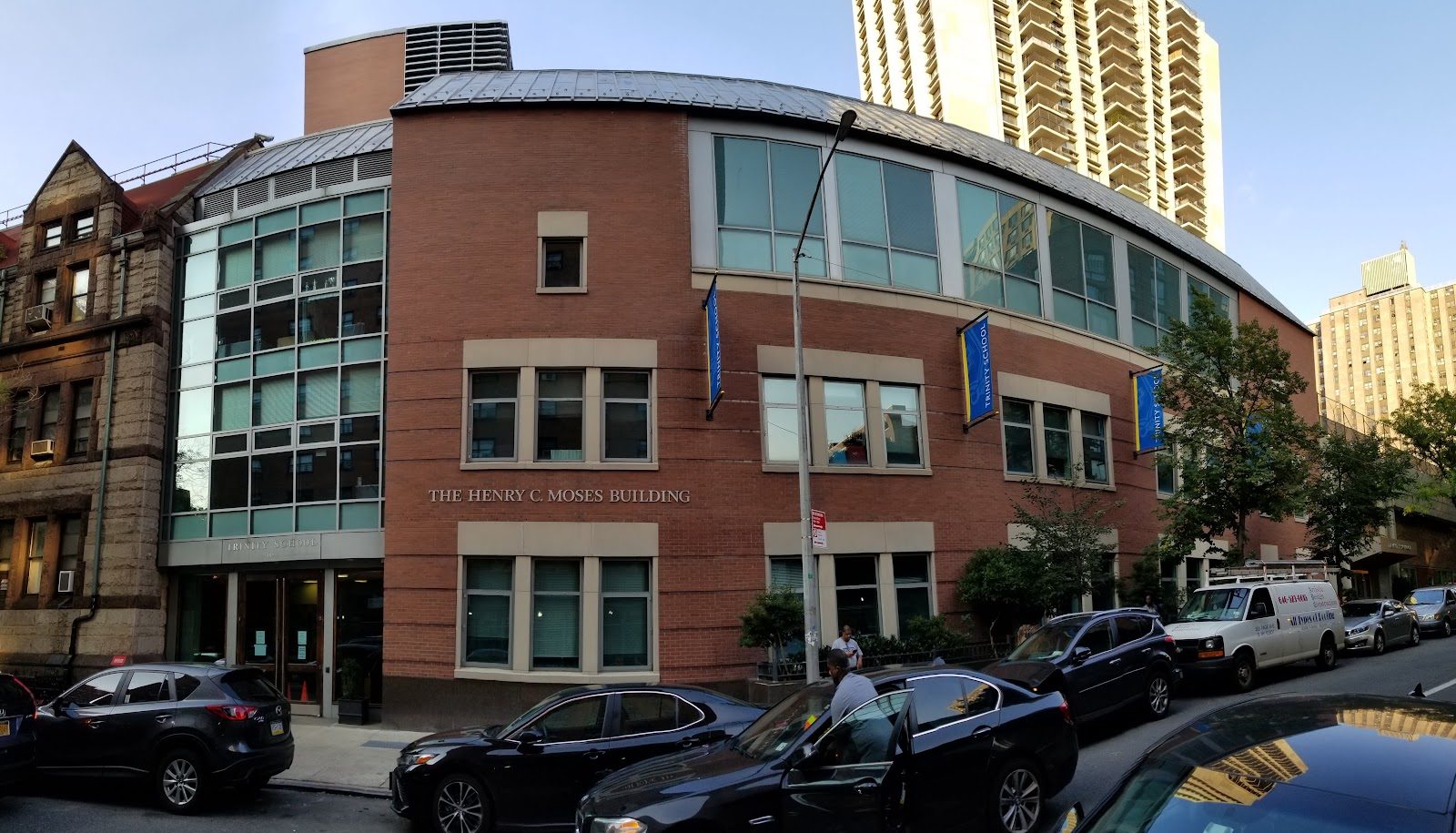
Trinity School
New York City · United States
Founded in 1709 as a charity school, now the oldest continuously operating school in New York City, still built on a rare full Classics department
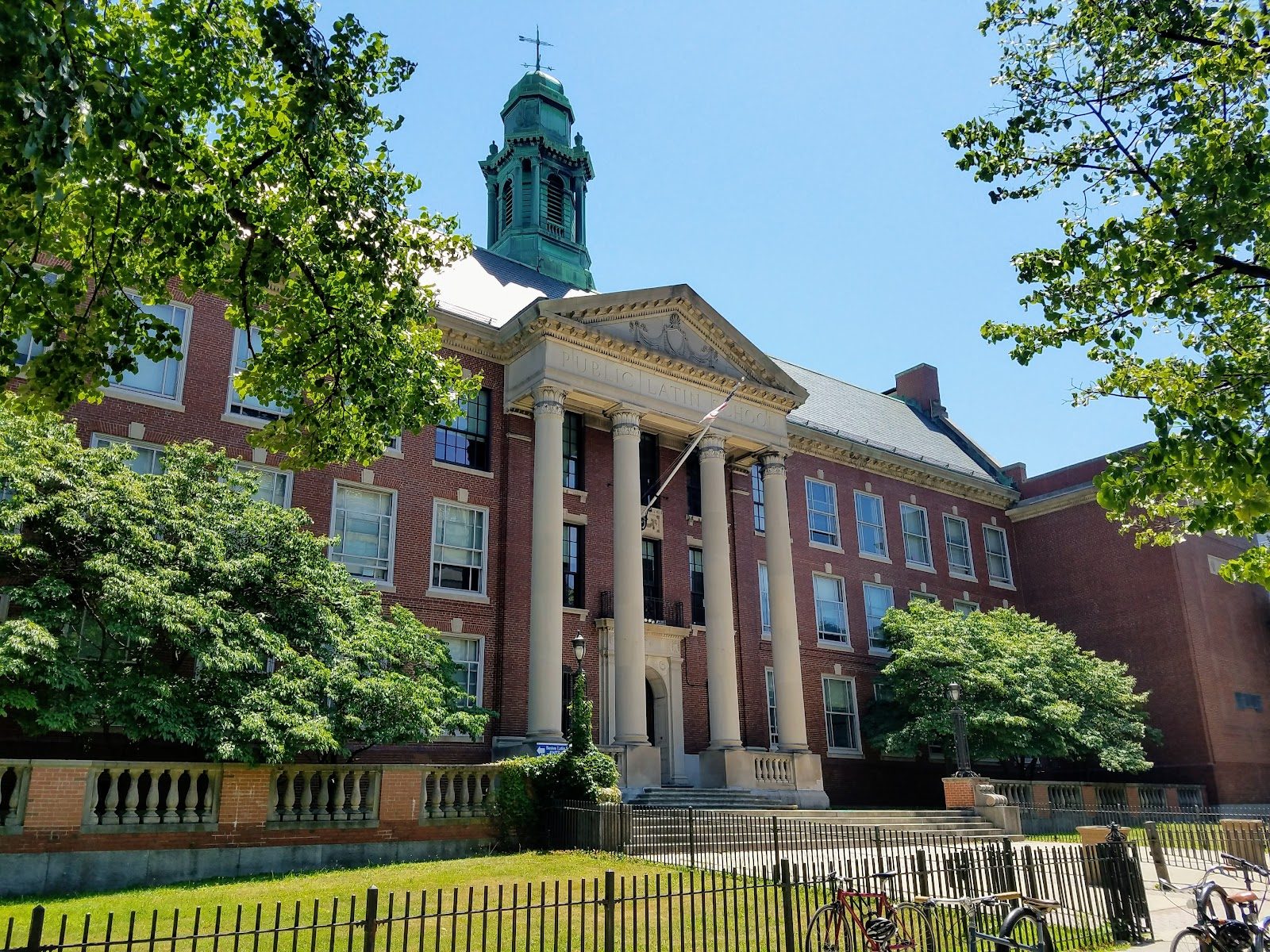
Boston Latin School
Boston · United States
Founded in 1635, America's first public school still tests every applicant, predating Harvard by more than a year.
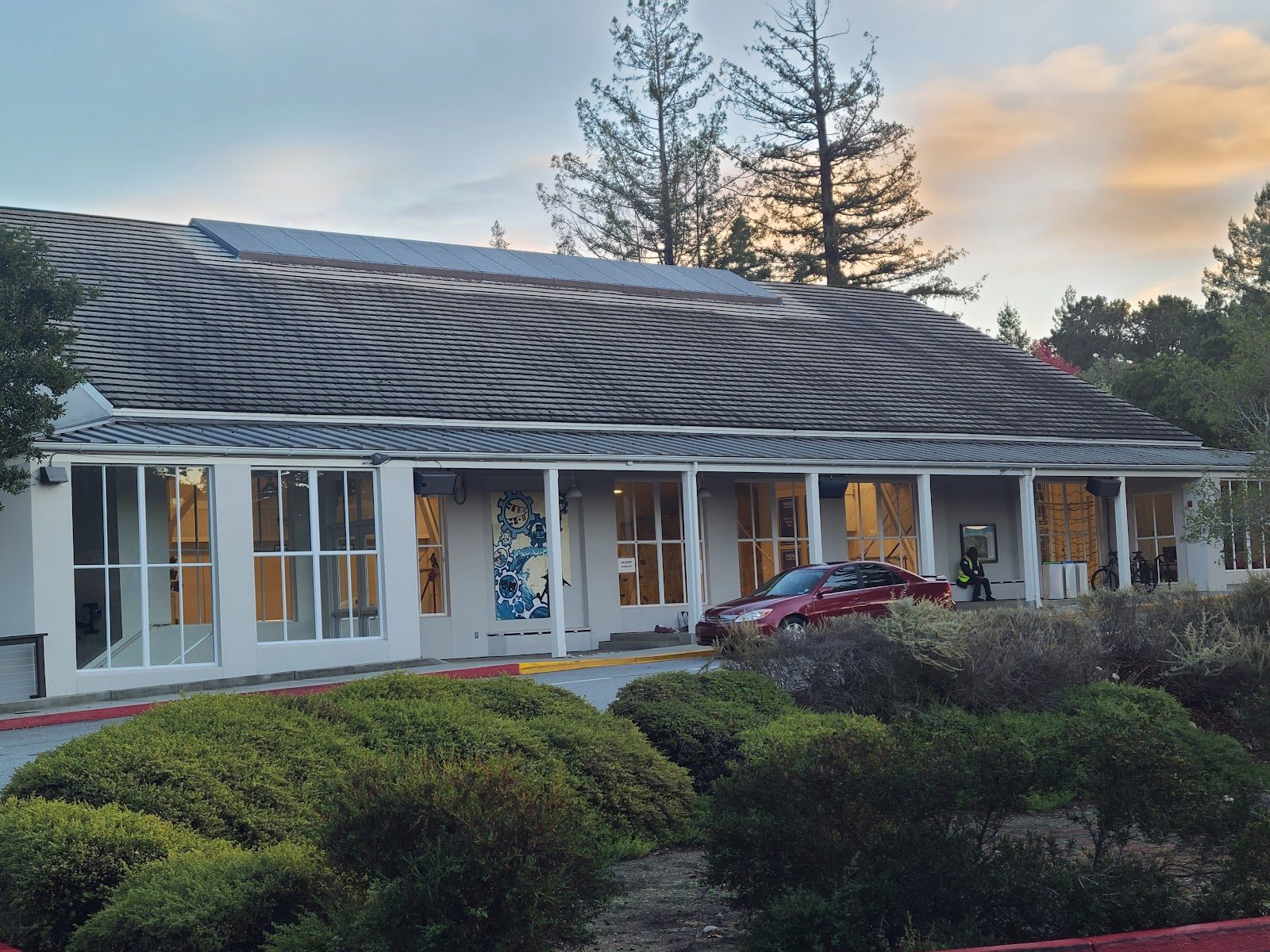
The Nueva School
Hillsborough · United States
Since 1967, a Bay Area laboratory for gifted minds, pairing design thinking with the country's first dedicated social-emotional learning curriculum.
Milton Academy
Milton · United States
Eight miles from Boston, a 1798 charter still runs on Harkness-table debate rather than lecture halls.
Same country and curriculum — closest matches within ±10 points either way